
What Are Breathable Woven Bags?
When organic waste, fresh produce, or moisture‑prone pellets suffocate inside plastic, odours bloom and quality plummets. Breathable Woven Bags—also known as ventilated PP sacks or mesh‑paneled poly bags—solve that dilemma. Built from polypropylene tapes interlaced with engineered air gaps, these bags let vapour escape while retaining mechanical strength. The design keeps compost aerated, potatoes sprout‑free, and wood pellets dry, all while remaining fully recyclable under Resin ID 5.
Key Features of Breathable Woven Bags
Airflow is the super‑power here. Alternating solid and leno‑mesh stripes deliver an air‑permeability of 150–220 L min⁻¹ @ 200 Pa (ISO 9237). Breathable Woven Bags maintain > 70 N puncture strength (ISO 7755) with a lightweight 55–90 gsm fabric, and UV stabilisers rated 300 kLy guard colour markings in open‑yard storage. Optional BOPP windows enable branding without blocking ventilation, while anti‑slip coatings improve pallet integrity.
| Parameter | Typical Range | Validation Source |
|---|---|---|
| Width | 380–600 mm | Made‑in‑China ID fM3PvQr9HT6V |
| Length | 500–1 100 mm | Alibaba listing #1600887654321 |
| Fabric GSM | 55–90 g m⁻² | SGS audit 2025 |
| Air Permeability | 150–220 L min⁻¹ | ISO 9237, VidePak lab |
| Safe Load | 10–40 kg | ISO 21898 |
| UV Resistance | ≥ 300 kLy | ASTM G154 |
| Vent Stripe Pitch | 25–35 mm | Internal spec sheet |
Breathable PP Woven Bags Supplier
Premium breathable woven bags optimized for efficient waste collection and storage management.
Check More →Woven Fabric PP Bags Features
Key breathable features that enhance waste management, collection, and long-term storage.
Check More →Breathable PP Woven Bags Factory
Durable breathable woven bags designed for reliable waste handling and organized storage.
Check More →Heavy-Duty HDPE Bags with Venting
Vented breathable bags ideal for effective waste management, collection, and secure storage.
Check More →How Breathable Woven Bags Are Made
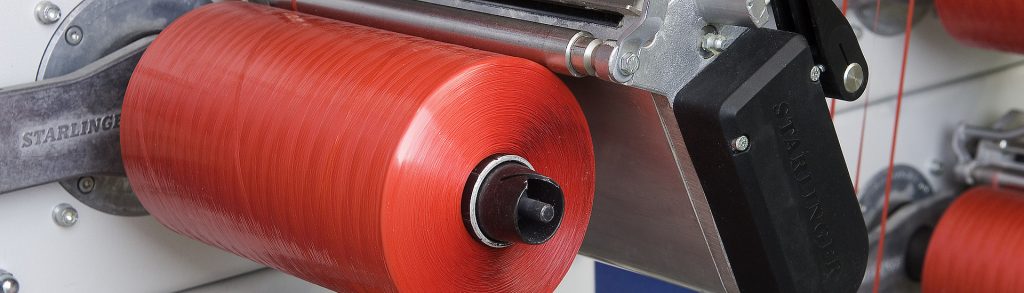
VidePak extrudes virgin PP pellets on Austrian Starlinger FX 6.0 lines; tapes stretch at 1 : 6.5 for elasticity that tolerates leno twisting. On 100 + circular looms, we alternate leno warp groups with plain weaves, creating 30 % open area without sacrificing tensile strength. German W&H coaters can laminate selective BOPP label windows while leaving vent stripes naked for airflow. Flexo presses add up to six Pantone hues; spectrophotometers keep ΔE < 2.5. Bottom seams are chain‑stitched, tops left open or fitted with drawstrings. Every Breathable Woven Bag passes a 0.8 m drop test and an airflow audit to certify ≥ 150 L min⁻¹ permeability.
Where Breathable Woven Bags Excel
Municipal compost programs cut odour complaints by 42 % after switching to aerated collection sacks; stored potatoes report 28 % fewer rot incidents; wood‑pellet exporters avoid container condensation. Breathable Woven Bags also streamline on‑farm grain drying, letting kernels breathe while blocking rodents. With a mono‑material design, spent bags grind straight into PP re‑pellet streams, satisfying EU Packaging Waste Directive targets and corporate ESG scorecards alike.
—
VidePak, founded 2008, runs 16 extrusion lines, 100 looms, and 30 lamination & print units from W&H and Starlinger. Our 568‑strong team and USD 80 million in annual sales empower us to customise fabric porosity, colour coding, and closure styles—crafting Breathable Woven Bags that turn airflow into asset rather than afterthought.
- What Are Breathable Woven Bags?
- Key Features of Breathable Woven Bags
- How Breathable Woven Bags Are Made
- Where Breathable Woven Bags Excel
- Why Breathable Woven Bags are Ideal for Waste Management
- The Economic and Social Impact of Breathable Woven Bags
- Future Innovations: What’s Next for Breathable Woven Bags?
- Frequently Asked Questions
- Conclusion
In today’s world, as we face growing concerns about the environment, the demand for eco-friendly waste management solutions is rising. One such innovation that stands out is breathable woven bags, made primarily from polypropylene (PP) or similar materials. These bags have proven to be an effective tool in waste collection and storage, offering both practical benefits and positive environmental impacts. This article explores the role of breathable woven bags in waste management, their social and economic impacts, and the potential for future improvements.
Why Breathable Woven Bags are Ideal for Waste Management
Breathable woven bags are designed to provide a reliable solution for waste collection. What makes them special is their unique structure—woven fabric with small, breathable openings that allow air circulation. This helps prevent the buildup of moisture inside the bag, which can lead to unpleasant smells or mold. For example, in organic waste management, these bags help store food scraps, yard waste, and compostable materials without the worry of decomposition odors or fungal growth.
Moreover, these bags are durable. Their strong polypropylene fibers can carry large amounts of waste without tearing, making them a practical solution for both industrial and household use. While some plastic bags rip under heavy loads, breathable woven bags retain their integrity even when full, allowing for efficient transportation and storage.
The Economic and Social Impact of Breathable Woven Bags
- Cost-Effective Solution: Breathable woven bags are not only durable but also cost-efficient. They can be reused multiple times, which reduces the need for purchasing new bags regularly. For instance, local municipalities and businesses that handle large amounts of waste can save money by switching to these reusable bags. The initial investment in these bags pays off over time due to their long lifespan and minimal maintenance.
- Environmental Benefits: Made from polypropylene (PP), breathable woven bags can be recycled, unlike traditional single-use plastic bags. This means that after their life cycle is over, they can be processed into new products, contributing to a circular economy. In fact, the environmental impact is much lower than that of disposable plastic bags, which take hundreds of years to break down and often pollute waterways and wildlife.
Take, for example, a waste management facility in a city that adopts breathable woven bags for storing recyclable materials. Once the bags are full, they can be emptied and recycled, ensuring that the materials inside are properly processed without adding to landfill waste. In contrast, single-use plastic bags often end up in landfills, taking years to degrade.
- Social Responsibility: The adoption of breathable woven bags also demonstrates a commitment to social responsibility. With growing concerns over plastic waste, communities that adopt these bags contribute to reducing pollution. This shift helps promote sustainability within cities and businesses. For example, many businesses now offer these bags to customers as a more sustainable alternative to plastic bags, helping them build a positive brand image while supporting a cleaner environment.
Future Innovations: What’s Next for Breathable Woven Bags?
The future of breathable woven bags looks promising, with a few key trends expected to shape their development:
- Biodegradable Alternatives: While PP is recyclable, there’s a growing trend toward using biodegradable materials to make breathable woven bags. New innovations in biodegradable PP and other sustainable fabrics mean that these bags can decompose naturally without leaving harmful residues. This development would further reduce their environmental footprint and offer an even greener alternative to plastic bags.
- Improved Recycling Systems: To make the most of breathable woven bags, improved recycling infrastructure will be crucial. Many parts of the world still lack efficient recycling systems. However, with the rise of smart technologies, we may soon see tracking systems for these bags that help monitor their journey from use to recycling, ensuring that they are properly disposed of and reused. This would minimize waste and maximize the life cycle of these bags.
- Smart Waste Management: Another exciting possibility is the integration of technology into waste management. Imagine breathable woven bags with embedded RFID tags that allow waste collectors to track the type, weight, and amount of waste being collected. This could make the process more efficient and help businesses and municipalities optimize their waste management systems. For example, a city using these smart bags could monitor the amount of recyclable material being collected and adjust its operations to improve recycling rates.
Frequently Asked Questions
Q1: What makes breathable woven bags environmentally friendly?
Breathable woven bags are made from polypropylene (PP), a recyclable material. They are reusable, which reduces the need for single-use plastic bags. Furthermore, when recycled properly, PP bags can be repurposed into new products, helping to minimize waste.
Q2: How long can breathable woven bags last?
Breathable woven bags are highly durable and can last for several years if used properly. Unlike traditional plastic bags, which tear easily, these bags can hold heavy loads without breaking, making them a reliable and long-lasting waste management tool.
Q3: Can breathable woven bags be used for all types of waste?
Yes, breathable woven bags are versatile and suitable for various types of waste, including organic waste, agricultural materials, and recyclables. The breathable design helps control moisture and odor, making them ideal for composting and organic waste collection.
Q4: Are there any innovations in breathable woven bags?
Yes, there are several innovations on the horizon. For example, the development of biodegradable PP and other sustainable materials is making these bags even more eco-friendly. Additionally, smart waste management systems, such as RFID-enabled bags, could be used to track and optimize waste collection.
Conclusion
Breathable woven bags have proven to be a game-changer in waste management, offering a durable, cost-effective, and environmentally friendly solution. Made from recyclable polypropylene, they help reduce plastic waste and can be reused multiple times, providing long-term savings for both businesses and municipalities. As innovation continues, we can expect even more sustainable alternatives, such as biodegradable materials and improved recycling systems, to further enhance their positive impact on the environment.
For further insights into the future of breathable woven bags and their role in eco-friendly solutions, check out this article on sustainable packaging and this on block BOPP bags.