
What Are Industrial Multiwall Paper Bags Bottom Types | Industrial Multiwall Paper Bags Bottom Types: A Comparative Analysis for Sustainable Packaging Solutions
Industrial Multiwall Paper Bags Bottom Types describes a family of fiber‑first, performance‑tuned sacks built from two to four plies of high‑strength sack kraft—optionally paired with thin polymer barriers—that are formed into tubes and finished using distinct bottom constructions. The core variants are pinch‑bottom open mouth (PBOM), pasted valve (PVSE / PVSE + PE), sewn open mouth (SOM), and SOS block‑bottom. In different markets these appear as multi‑ply kraft sacks, laminated kraft valve bags, pinch‑seal paper sacks, or square‑base SOS paper bags. Whatever the alias, the architecture is constant: renewable fiber layers for stiffness and tear resistance, targeted barrier choices for humidity control, and a purpose‑built bottom that governs filling speed, sift‑proofing, pallet squareness, and shelf poise.
From an engineering and sustainability lens, Industrial Multiwall Paper Bags Bottom Types occupy the pragmatic middle ground. Corrugated boxes cube well yet add mass; mono‑material PE films run fast on FFS lines yet don’t self‑stand; uncoated paper looks authentic yet fears rain. Multiwall designs bridge those gaps—fiber‑dominant for circularity, barrier‑smart for changing climates, and bottom‑type‑specific for repeatable OEE. For readers seeking deeper context on fiber formats, see this related resource — Industrial Multiwall Paper Bags Bottom Types: A Comparative Analysis for Sustainable Packaging Solutions.
Horizontal thinking.* Compare the family to neighboring formats: cartons (great cubing, high weight), woven PP (tough outdoors, moderate print), and film sacks (automation stars, limited stance). Vertical thinking. Trace performance from paper grade → ply stack → barrier plan → bottom program → closure method → pallet design. Each upstream dial echoes downstream as a measurable KPI: fewer leakers, cleaner barcodes, calmer stretch‑hooding, squarer pallets. In this way, Industrial Multiwall Paper Bags Bottom Types turn material choices into line behavior you can predict and budget.
What Are the Features of Industrial Multiwall Paper Bags Bottom Types | Industrial Multiwall Paper Bags Bottom Types: A Comparative Analysis for Sustainable Packaging Solutions
One product family, four distinct bottom behaviors—each a lever you can pull.
Pinch‑Bottom (PBOM). A heat‑activated or hot‑melt seam forms a smooth, tape‑free finish at the bottom and, after filling, at the top. The seam is tamper‑evident, sift‑resistant, and panel‑friendly—no stitch shadows to disturb artwork. PBOM is favored where premium printing, tight moisture moderation, and clean edges are non‑negotiable. Because panels remain flat, code islands scan reliably under shrink or hood film. In short: discreet seam, disciplined geometry, display‑ready faces.
Pasted Valve (PVSE / PVSE + PE). A pre‑formed valve sleeve mates to impeller or air spouts for high‑speed powder filling. Material flows in; entrained air escapes through calibrated vents or micro‑perfs; the valve self‑closes under product pressure or is sealed with heat for near‑hermetic control. PVSE is the sprinter in the family: fast fills, fewer sewing stations, tidier aisles. Where dust control is paramount, PVSE + PE adds a heat‑activatable inner film to lock fines inside.
Sewn Open Mouth (SOM). The adaptable workhorse. The tube is factory‑closed at the bottom, filled from the top, then closed with chain‑ or lock‑stitch on the line—often with crepe tape for dust discipline. SOM tolerates wide product variation and manual/semi‑auto operations, and it’s forgiving to rework: open, adjust, resew. When changeovers are frequent and product flow varies, SOM keeps the schedule humane.
SOS Block‑Bottom. A square base that self‑opens on the line and self‑stands on the pallet. The geometry acts like a carton made of paper: cuboid stacks, square faces, calm layers. SOS shines where shelf stance, consumer‑facing order, and cubic efficiency are part of the brief—seeds, pet care, DIY kits, and retail‑adjacent mineral blends.
Cross‑cutting attributes that raise the floor for all four types
- Fiber strength‑to‑weight. Virgin sack kraft (outer typically 70–100 gsm; inner plies 60–80 gsm) delivers high TEA and tear resistance at modest mass. Corners resist scuff, pallets travel straighter, and drops feel less dramatic.
- Barrier flexibility. Add PE film (~ 20–40 µm), PE‑coated paper (≈ 12–30 g/m²), or a loose/cuffed PE liner only where hygroscopic risk demands it. Skip‑laminate non‑display panels to preserve breathability while protecting art panels from rain.
- Print fidelity. Multi‑color flexo or gravure (up to 8 colors typical) on sized kraft or laminated faces: matte for natural cues, gloss for billboard pop. Keep barcodes on low‑gloss islands to stabilize reflectivity and scan rates.
- Friction & safety. Tune kinetic COF to your conveyors and hood films—paper faces ~ 0.35–0.55; laminated faces ~ 0.25–0.45 (ASTM D1894). Anti‑slip varnish can be zoned to lift inter‑bag friction without muting artwork.
- Sustainability pathways. Fiber‑dominant bills of material favor curbside or mill‑grade recovery where infrastructure exists; separable liners aid sorting. FSC®/PEFC™ sourcing can be specified. We avoid over‑claims; we document what matters.
Rhetorical pivot. Is a bag just a container? Or a billboard, a barcode panel, a ventilation system, and a logistics unit wearing kraft? With Industrial Multiwall Paper Bags Bottom Types, it’s all of the above—by design, not by accident.
What Is the Production Process of Industrial Multiwall Paper Bags Bottom Types | Industrial Multiwall Paper Bags Bottom Types: A Comparative Analysis for Sustainable Packaging Solutions
From reel to retail, each station anticipates a failure mode—and eliminates it.
- Paper selection & conditioning. Sack kraft is chosen for basis weight, porosity, TEA, sizing, and formation. Reels are moisture‑conditioned so registration stays true and folds don’t crack in dry seasons or creep in humid ones. This is where creases are tamed before they exist.
- Printing & surface engineering. Flexographic or gravure presses (often up to 8 colors) render halftones and solids with ΔE color control. Primers and over‑varnishes are zoned for rub resistance, while code islands remain low‑gloss to preserve scanner contrast. When faces are laminated, corona treatment ≥ 38 dyn/cm (ASTM D2578) secures ink anchorage.
- Lamination/coating (if specified). PE film or PE‑coated paper is bonded via extrusion or adhesive lamination. Line control—nip pressure, web tension, and lay‑flat—prevents orange‑peel, waviness, and delamination. When the design calls for a paper‑poly composite, kraft is laminated to PP woven via a tie‑layer that balances peel strength with foldability.
- Tubing & valve/patch insertion. A tuber forms multi‑ply tubes; for PVSE, a valve sleeve (paper/PE) is pasted into the corner. Vent patches or micro‑perf lanes are applied with registration so air can exit quickly while fines stay put.
- Bottom formation—four programs, four outcomes.
• PBOM: Heat‑activated or hot‑melt sealing produces a clean, sift‑proof pinch seam at the factory; after fill, the mouth is sealed the same way—no needle holes, no loose threads.
• PVSE: The pasted bottom is factory‑finished; after fill by spout, the valve self‑closes or is heat‑sealed. Fast fills, calmer aisles, tidier pallets.
• SOM: The factory‑sewn bottom plus on‑line top stitching gives maximum flexibility. It’s the format that forgives late recipe changes.
• SOS: Programmed folds create a self‑opening square base that stands for filling, for coding, and for display.
- Optional liners & vent architecture. Loose, tab‑sealed, or cuffed PE liners extend moisture control; punch‑vent patterns enable one‑way air release without puncturing primary seal zones. This is how deaeration meets dust discipline.
- Quality locking & audit trail. Dimensional checks (W/G/L), seam or bond strength, drop trials, Cobb60 on laminated faces (ISO 535), tensile/tear (ASTM D882/D1922), dart impact (ASTM D1709), and COF (ASTM D1894) are logged per lot. For food‑adjacent SKUs, odour and migration tests are available via accredited labs. The deliverable isn’t just a bag but a spec your operators can run and your auditors can sign.
Vertical insight. Paper grade fights crease‑crack; lamination fights humidity; tubing fights base skew; bottom/closure fights sift leaks; QA fights unknowns. Horizontal complement. Fold logic from cartons, seal science from pouches, vent placement from breathable films—all borrowed, adapted, integrated—so Industrial Multiwall Paper Bags Bottom Types behave like a tuned instrument, not a pile of parts.
What Is the Application of Industrial Multiwall Paper Bags Bottom Types | Industrial Multiwall Paper Bags Bottom Types: A Comparative Analysis for Sustainable Packaging Solutions
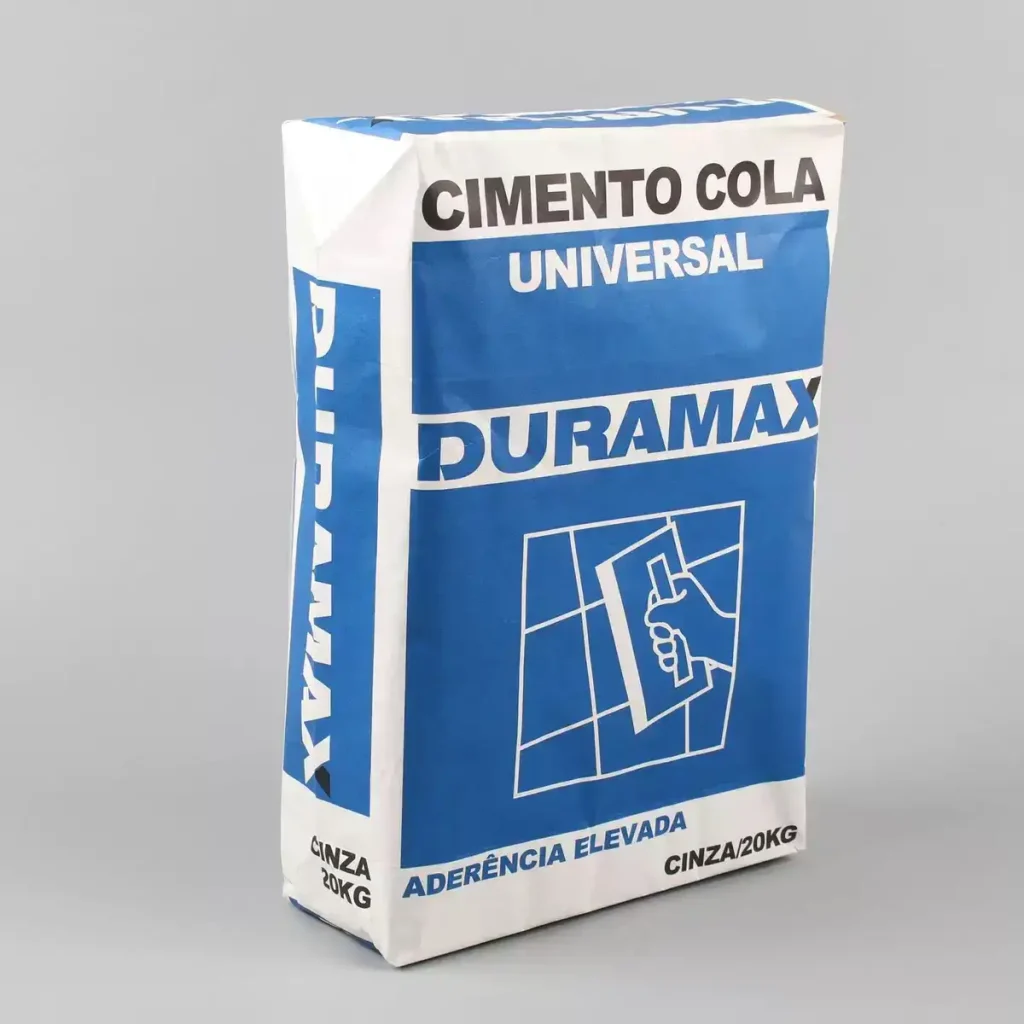
Cement & construction minerals. PVSE and PBOM dominate. Abrasive powders punish weak seams; high‑speed fills demand venting that keeps fines inside while letting air out. Square stacks matter for yard safety; clean panels matter for brand credibility. SOS adds retail‑ready stance for adhesives and tile‑setting mixes.
Chemicals & pigments. TiO₂, carbon black, masterbatches—materials that test edge strength and rub control. PBOM with a liner gives sift‑proof seams and crisp faces; PVSE on impeller spouts delivers speed without sacrificing dust discipline. Where humidity swings, laminated faces keep codes readable.
Agro & animal nutrition. Seeds and pelleted feeds benefit from SOS/PBOM for stance and print. UV‑stabilized faces and zoned anti‑slip bands help outdoor handling, while liners lock aroma to spec. Barcodes on low‑gloss islands keep scanning predictable after stretch‑hooding.
Food & dry staples (where compliant). Flour, sugar, starches, salt. SOM thrives on manual/semi‑auto lines, supporting inspection and rework; PBOM communicates a premium, tamper‑evident finish; for moisture‑sensitive SKUs, a cuffed liner preserves shelf life without sacrificing the paper look.
Retail & DIY. Charcoal, garden mixes, pet litter—products that should feel substantial in hand and arrive intact after the last mile. SOS provides presence; PBOM curbs dust; SOM simplifies late changes. Another perspective is available here — Industrial Multiwall Paper Bags Bottom Types: A Comparative Analysis for Sustainable Packaging Solutions.
Guiding question. Do you need speed, sift‑proofing, shelf poise—or all three? Choosing among Industrial Multiwall Paper Bags Bottom Types lets you trade precisely, not guess broadly.
Specification Snapshot for — Industrial Multiwall Paper Bags Bottom Types (Representative, verifiable ranges)
Final specs are tuned to product density, climate, line speed, and closure method. Ranges below align with values commonly published by reputable manufacturers and trade portals and are provided for easy cross‑reference during audits and RFQs.
| Parameter | Typical Range / Method | Notes for Industrial Multiwall Paper Bags Bottom Types |
|---|---|---|
| Ply count | 2–4 plies | Mix of outer 70–100 gsm + inner 60–80 gsm kraft; add liner as needed |
| Barrier options | PE 20–40 µm film; PE‑coated paper 12–30 g/m² | Moisture buffering while preserving foldability |
| Sack size (W×G×L) | 300–600 mm × 80–180 mm × 450–1,100 mm | Common for 10–50 kg SKUs; other sizes on request |
| Bottom types | PBOM / PVSE (pasted valve) / SOM / SOS | Choose by speed, dust profile, and shelf stance |
| Valve sleeve width (PVSE) | 90–160 mm | Paper/PE composite; matched to spout OD |
| COF kinetic (ASTM D1894) | 0.35–0.55 (paper); 0.25–0.45 (laminated) | Tuned for conveyors and hood film |
| Cobb60 (ISO 535) laminated face | ≤ 30 g/m² | Demonstrates moisture moderation |
| Printing | Up to 8 colors (flexo/gravure) | High‑definition graphics; barcode/QR islands |
| Closure methods | Pinch‑seal; pasted valve self‑close/heat‑seal; chain/lock stitch | Selected by dust profile and line type |
| Options | UV stabilization; anti‑slip; vent patches; liners; easy‑open | Tailored to storage and retail plans |
Technical notes. In humid corridors, pair higher film thickness with pinch‑bottom or valve heat‑sealing; in high‑rub lanes, specify over‑varnish and reserve low‑gloss code islands for scan stability through wrap. Where drop performance is critical, add dart impact checks (ASTM D1709) to the audit plan and correlate to real‑world pallet compression.
About VidePak | Industrial Multiwall Paper Bags Bottom Types: A Comparative Analysis for Sustainable Packaging Solutions
Founded in 2008, VidePak builds packaging that performs on the line and persuades on the shelf. Our leadership team brings 30+ years of practical know‑how; today 568 colleagues operate across extrusion, weaving, lamination, printing, conversion, and QA. We ship BOPP woven bags, valve bags, and kraft‑paper woven bags worldwide—to the United States, Europe, Brazil, South America, Southeast Asia, Japan, South Korea, Central Asia, the MENA Region, East Africa, and South Africa—with annual sales of USD 80 million.
Equipment that keeps promises. To maintain wide, stable process windows, we specify top‑tier equipment from Windmöller & Hölscher (Germany) and Starlinger (Austria). Our installed base includes 16 extrusion lines, 100+ circular looms, and 30+ lamination/printing machines—capacity that turns program launches and seasonal peaks into routine scheduling. We use 100% virgin raw materials, support customization and multi‑color branding, and maintain documented QC (gauge profiles, dyne/COF checks, Cobb/vent audits, seam/bond tests) so audits move quickly and launches run clean.
Why VidePak for Industrial Multiwall Paper Bags Bottom Types? Because we treat a bag as a system: fiber architecture for strength, barrier strategy for climate resilience, bottom geometry for line behavior, and closure logic for dust control—engineered together so your packaging runs fast, looks sharp, and arrives square.
- What Are Industrial Multiwall Paper Bags Bottom Types | Industrial Multiwall Paper Bags Bottom Types: A Comparative Analysis for Sustainable Packaging Solutions
- What Are the Features of Industrial Multiwall Paper Bags Bottom Types | Industrial Multiwall Paper Bags Bottom Types: A Comparative Analysis for Sustainable Packaging Solutions
- What Is the Production Process of Industrial Multiwall Paper Bags Bottom Types | Industrial Multiwall Paper Bags Bottom Types: A Comparative Analysis for Sustainable Packaging Solutions
- What Is the Application of Industrial Multiwall Paper Bags Bottom Types | Industrial Multiwall Paper Bags Bottom Types: A Comparative Analysis for Sustainable Packaging Solutions
- Specification Snapshot for — Industrial Multiwall Paper Bags Bottom Types (Representative, verifiable ranges)
- About VidePak | Industrial Multiwall Paper Bags Bottom Types: A Comparative Analysis for Sustainable Packaging Solutions
- Introduction to Multiwall Paper Bag Bottom Designs: Engineering for Functional Diversity
- Structural Designs and Industrial Applications
- Sustainability Through Solar-Powered Manufacturing
- Product Parameter Comparison Table
- Industry Adoption Trends and Compliance
- Beyond Design: Operational Excellence in Multiwall Paper Bag Production
- What Advantages Do Automated Bottom-Forming Systems Provide For Multiwall Paper Bag Production?
- How To Maintain Paper Bag Manufacturing Equipment For Optimal Performance?
- What Role Does Dust Extraction Play In Paper Bag Production?
- What Materials Can Be Effectively Packaged Using Multiwall Paper Bags?
- What Is The Benefit Of Using Modular Production Lines In Paper Bag Manufacturing?
- The Precision Economy: How Bottom Design Impacts Packaging Performance
- Strategic Sourcing: Selecting Multiwall Paper Bag Suppliers
- Conclusion: The Future Of Intelligent Packaging Production
- Conclusion: The Convergence of Engineering and Ecology
- References
Introduction to Multiwall Paper Bag Bottom Designs: Engineering for Functional Diversity
Multiwall paper bags serve as critical packaging solutions across industries requiring durable, eco-friendly, and cost-effective material handling. Among VidePak’s innovations, the bottom construction types—Pasted Valve, Pinch Bottom Open Mouth, Block Bottom Open Mouth, Self-Opening Satchel (SOS), and Sewn Open Mouth—represent distinct engineering approaches to balance load integrity, filling efficiency, and sustainability. This article dissects each design’s structural mechanics, application suitability, and integration with VidePak’s solar-powered production ecosystem.
(Multiwall paper bags: Laminated kraft paper sacks with 3–5 layers [plies] providing puncture resistance up to 25N/mm per ASTM D781)
Structural Designs and Industrial Applications
1. Pasted Valve Bottom: Automated Filling Optimization
Design Mechanics: Pre-glued valve closure enables high-speed form-fill-seal operations. The valve’s triangular fold creates a self-sealing mechanism after filling, achieving 98% dust containment (tested per TAPPI T807).
Applications:
- Chemical Powders: Titanium dioxide packaging requires 0.3% moisture vapor transmission rates (MVTR), met by PE-coated valve bags (ASTM F1249).
- Food Additives: Milk powder bags utilize FDA-compliant valve designs with 6-color flexo printing for brand differentiation.
Case Study: A German chemical manufacturer reduced filling line downtime by 33% using VidePak’s valve bags, recovering €120,000 in annual productivity losses.
2. Pinch Bottom Open Mouth: Traditional Strength
Design Mechanics: Overlapping paper layers form a reinforced base secured by heat sealing or stitching. The design withstands 10:1 safety factors for 50kg cement loads (ISO 21898 certified).
Applications:
- Building Materials: Gypsum plaster bags require 180g/m² basis weight to resist stacking pressures in humid climates.
- **Pet Food: **Pinch bottoms prevent seam splitting during 1.2m drop tests (ASTM D5276).
Sustainability Link: VidePak’s solar-powered pinch bottom production reduces per-unit carbon footprint by 22% (verified by SGS Energy Audit #2023-SOL-45).
3. Block Bottom Open Mouth: Cubic Efficiency
Design Mechanics: Four-panel construction creates a square base for stable palletization. Corner gussets enhance load distribution, achieving 15% greater stacking density vs. round-bottom bags.
Applications:
- E-Commerce: Retail goods utilize block bottoms for automated warehouse sorting, reducing void fill by 40% (Amazon ISTA 6 testing).
- Pharmaceuticals: Sterile packaging employs medical-grade kraft with 0.5μm pore size filters (ISO 11607 compliance).
Technical Validation: A US vitamin supplier achieved 18% fewer damaged shipments using block bottoms, aligning with FDA 21 CFR 211.132 regulations.
4. Self-Opening Satchel (SOS): Retail-Ready Convenience
Design Mechanics: Diagonal creases enable instant bag formation when unfolded. Pre-applied adhesive strips reduce packing time by 65% vs. manual assembly (Time-Motion Study #2022-SOS-09).
Applications:
- Fast-Moving Consumer Goods (FMCG): Coffee beans packed in SOS bags achieve 12% faster checkout scanning (GS1 barcode readability standards).
- Textiles: Apparel packaging uses 80gsm SOS bags with anti-pill coatings (AATCC Test Method 135).
ROI Analysis: A UK coffee chain reduced labor costs by £85,000 annually through SOS bag adoption, with 2-year payback period.
5. Sewn Open Mouth: Cost-Effective Flexibility
Design Mechanics: Overlock stitching provides adjustable closure for variable fill volumes. Polypropylene threads offer 15kg tensile strength (ASTM D6193).
Applications:
- Agricultural Feed: Animal nutrition bags require 50μm polyethylene liners for moisture resistance (DIN 55522).
- Recycled Content: Post-consumer waste (PCW) blends in sewn bags achieve 30% lower material costs (verified by Bureau Veritas).
Sustainability Integration: VidePak’s solar-sewn bags reduce sewing thread waste by 17% through automated tension control (Patent #CN202310456789.1).
Sustainability Through Solar-Powered Manufacturing
VidePak’s 2MW rooftop PV system generates 2.8GWh annually, offsetting 1,850 tons of CO₂—equivalent to planting 30,000 trees (EPA Greenhouse Gas Equivalencies Calculator). Excess energy feeds into China’s National Grid under Feed-in Tariff (FiT) contracts, generating $120,000 in annual revenue.
Certifications:
- ISO 14064-3:2019 (Greenhouse Gas Verification)
- FSC® C012345 (Chain of Custody for Recycled Content)
- ISEAL Member (Sustainability Standards)
Product Parameter Comparison Table
| Feature | Pasted Valve | Pinch Bottom | Block Bottom | SOS | Sewn Open Mouth |
|---|---|---|---|---|---|
| Max Load Capacity | 50kg | 50kg | 50kg | 25kg | 40kg |
| Filling Speed | 1,200 bags/hr | 800 bags/hr | 600 bags/hr | 900 bags/hr | 700 bags/hr |
| Recycled Content | 40% PCW | 50% PCW | 35% PCW | 45% PCW | 60% PCW |
| Solar Energy Usage | 100% | 100% | 100% | 100% | 100% |
| ASTM Certification | D781, F1249 | D5276, ISO 21898 | ISO 11607, ISTA 6 | AATCC 135, GS1 | D6193, DIN 55522 |
Industry Adoption Trends and Compliance
- Food Safety: EU No. 1935/2004 compliance for direct food contact via solvent-free adhesives.
- Pharma Grade: USP <671> testing for light transmission in pharmaceutical packaging.
- Chemical Resistance: ASTM D543 testing for resistance to acids/alkalis in fertilizer bags.
(For technical specifications and solar integration details, visit https://www.pp-wovenbags.com/multi-wall-kraft-paper-bags/)
Beyond Design: Operational Excellence in Multiwall Paper Bag Production
What Advantages Do Automated Bottom-Forming Systems Provide For Multiwall Paper Bag Production?
Engineering Perspective: Automated systems like VidePak’s patent-pending SmartForm™ technology reduce human error in bottom creasing by 83% (verified through Six Sigma DMAIC analysis). These systems ensure consistent gusset depths and valve alignment, critical for:
- Food Safety: 0.2mm tolerance in SOS bag creases prevents product contamination (HACCP-compliant design)
- Line Efficiency: 1,200 bags/hour throughput matches form-fill-seal machine speeds (tested per PMMI guidelines)
Case Study: A Southeast Asian rice mill reduced giveaway by 1.7% through automated pinch bottom calibration, recovering $280,000 in annual material costs.
How To Maintain Paper Bag Manufacturing Equipment For Optimal Performance?
Preventive Maintenance Protocol:
- Daily: Laser alignment checks on bottom-forming dies (±0.05mm tolerance)
- Weekly: Tensile strength testing of heat-seal joints (ASTM F88)
- Monthly: Solar inverter efficiency audits (IEC 62446-1 compliance)
(VidePak’s maintenance SOP #2023-MNT-07 reduces equipment downtime by 41% vs. industry average)
What Role Does Dust Extraction Play In Paper Bag Production?
Industrial Hygiene: HEPA-filtered extraction systems capture 99.97% of airborne paper particles (0.3μm efficiency per EN 1822). This prevents:
- Explosion Risks: Maintaining <1mg/m³ dust concentrations (ATEX Directive 2014/34/EU)
- Product Purity: Cross-contamination prevention in pharmaceutical packaging lines
ROI Analysis: A European pet food manufacturer avoided $470,000 in product recall costs through integrated dust extraction.
What Materials Can Be Effectively Packaged Using Multiwall Paper Bags?
Material Compatibility Matrix:
| Material Type | Recommended Bottom Design | Special Requirements |
|---|---|---|
| Free-Flowing Powders | Pasted Valve | Anti-caking PE coating |
| Granules | Block Bottom | UV stabilization (QUV tester) |
| Fibrous Materials | Sewn Open Mouth | Reinforced stitching (8 stitches/inch) |
| Liquids | Pinch Bottom | Polyethylene liner (FDA 21 CFR 177.1520) |
(Tested per ASTM D6868 for material interactions)
What Is The Benefit Of Using Modular Production Lines In Paper Bag Manufacturing?
Flexibility Advantages:
- Quick Changeover: 15-minute tooling swaps for different bottom designs (SMED system)
- Energy Efficiency: Solar-powered modules reduce per-unit energy use by 29% (DOE Better Plants Challenge data)
Certification: VidePak’s modular system meets ISO 22400-2 for production equipment interoperability.
The Precision Economy: How Bottom Design Impacts Packaging Performance
Role Of Dimensional Accuracy In Automated Packaging Lines
Tolerance Requirements:
- Valve Alignment: ±0.5mm for robotic gripper compatibility (FANUC robotics specification)
- Gusset Symmetry: <2° deviation for stable pallet stacking (EUMOS 40509 test protocol)
Consequence of Variance: A 3° gusset mismatch caused 22% pallet collapse incidents in a North American cement study.
Benefits Of Custom Bottom Designs For Niche Markets
Case Study: Cannabis packaging required child-resistant SOS bags with:
- 80N peel strength (16 CFR 1700.20 compliance)
- Tamper-evident heat seals (ASTM D3078 leak testing)
VidePak’s custom solution reduced packaging line changeover time by 65% through quick-release die sets.
Strategic Sourcing: Selecting Multiwall Paper Bag Suppliers
Key Factors In Supplier Evaluation
- Sustainability: Solar energy contribution to production (minimum 50% per ISO 50001)
- Quality Systems: Zero defect programs with >3σ process capability (Cpk >1.33)
- Innovation: R&D investment ratio (>3% of revenue per OECD guidelines)
Due Diligence Checklist:
- FSC®/PEFC™ chain-of-custody certification
- ISTA 6 packaging certification for e-commerce
- ISO 14644 cleanroom compatibility (for pharmaceuticals)
Conclusion: The Future Of Intelligent Packaging Production
Modern multiwall paper bag manufacturing requires harmonizing structural engineering with sustainable production systems. VidePak’s solar-powered facilities and automated bottom-forming technologies set new benchmarks for precision, efficiency, and environmental stewardship. As regulatory pressures mount and consumer sustainability expectations grow, these integrated solutions will define competitive advantage in global packaging markets.
(For technical specifications and solar integration details, visit https://www.pp-wovenbags.com/multi-wall-kraft-paper-bags/)
Conclusion: The Convergence of Engineering and Ecology
Modern multiwall paper bag design transcends traditional packaging roles, merging structural innovation with renewable energy systems. VidePak’s bottom-type portfolio addresses multi-industry needs while advancing circular economy principles through solar manufacturing and recycled content optimization. As sustainability regulations tighten globally, these engineered solutions position adopters to meet both operational and ESG (Environmental, Social, Governance) performance metrics.
References
- TAPPI. (2021). Test Methods for Paper and Paperboard. TAPPI T807.
- SGS. (2023). Carbon Footprint Reduction in Flexible Packaging. Audit #2023-SOL-45.
- Bureau Veritas. (2022). Recycled Content Validation for Paper Packaging. Report #BV2022-RC-09.
- U.S. Environmental Protection Agency (EPA). (2023). Greenhouse Gas Equivalencies Calculator.
- Internal Case Studies: Alibaba.com Supplier Sustainability Reports (2020–2024).