
Engineering Customization and Production Details for Sewn Open Mouth PP Bags
What Are Sewn Open Mouth PP Bags | Strategic Depth Analysis for Sewn Open Mouth PP Bags: A Data-Driven Market Review
Sewn Open Mouth PP Bags are heavy‑duty polypropylene woven sacks with an open top for filling and a stitched top closure on the packing line. In simple terms, they are the workhorses of bulk packaging: tough enough for 5–50 kg loads, simple enough for fast manual or semi‑automatic operations, and clean enough to carry brand graphics where needed. In different markets you may also hear PP woven open‑mouth sacks, SOM PP bags, sewn top PP woven bags, or open‑mouth woven polypropylene sacks—all describing the same architecture: a woven PP body, an optional coating/liner for barrier, and a sewn‑top finish for quick, reliable closure.
Background and domain context. Pure paper bags print beautifully but dislike moisture; valve bags are fast but demand tighter powder specs; tubular FFS films automate well yet lack the sewing flexibility of manual stations. Sewn Open Mouth PP Bags balance these trade‑offs by pairing textile‑like durability with straightforward closing methods (chain‑stitch, lock‑stitch, crepe‑tape top). Horizontal lens: compare adjacent formats—paper vs. woven vs. film—to weigh wet strength, print fidelity, and line compatibility. Vertical lens: trace performance back through polymer choice → tape extrusion → weaving → coating/lamination → printing → conversion → sewing. Each upstream decision shows up downstream as fewer split seams, cleaner pallets, and better scan rates.
As a reference anchor that links specs to outcomes, see: Strategic Depth Analysis for Sewn Open Mouth PP Bags: A Data-Driven Market Review.
Key Features of Sewn Open Mouth PP Bags | Strategic Depth Analysis for Sewn Open Mouth PP Bags: A Data-Driven Market Review
Engineered to carry weight, carry code, and carry your brand. The feature stack behind Sewn Open Mouth PP Bags spans mechanics, barrier, and operations.
- High strength‑to‑weight fabric. Woven PP fabric (typically 65–120 gsm) distributes load across interlaced tape yarns. The effect is familiar to any rigger: lower mass, higher mileage—less freight per unit, more resilience per stitch.
- Flexible top closures. Single or double fold with lock‑stitch or double‑chain stitch; crepe tape or BOPP tape to reinforce the mouth; heat‑cut or hemmed edges for clean handling. The question isn’t “can it be closed?” but “which closure best suits powder flow and dust control?”
- Optional barrier and optics. PP/PE coating or BOPP lamination (≈ 18–35 µm) moderates moisture ingress and gives a smooth, printable face. With corona ≥ 38 dyn/cm, artwork stays vivid and small text holds together; with targeted anti‑slip varnish, layers grip without scuffing the panel.
- Liner compatibility. PE inner liners (loose, tab‑sealed, or cuffed) extend barrier for hygroscopic products. Liner lip can be heat‑sealed before sewing the outer bag—a belt‑and‑suspenders approach to leak control.
- Process‑friendly build. Controlled width tolerance, consistent picks per inch, and roll/stack discipline yield steadier magazine feeding, fewer rethreads, and faster restarts on baggers.
Horizontal reasoning. Against paper open‑mouth, Sewn Open Mouth PP Bags win on wet strength and puncture resistance; against valve sacks, they win on filling flexibility and rework simplicity; against FFS films, they win where manual or semi‑auto changeovers are frequent. Vertical reasoning. Polymer MI/density → tape draw ratio → PPI in weaving → coating window → seam program: adjust these dials and your KPIs—OEE, claim rate, pallet squareness—move in predictable ways.
What Is the Production Process of Sewn Open Mouth PP Bags | Strategic Depth Analysis for Sewn Open Mouth PP Bags: A Data-Driven Market Review
From tape to stitch, each station anticipates a failure mode.
- Tape extrusion & orientation. Virgin PP is melted, cast as a sheet, slit into tapes, and drawn to align chains. The draw ratio sets tensile performance; heat setting limits shrink so top folds don’t creep and base corners don’t whiten.
- Weaving. Circular or flat looms interlace tapes into fabric with controlled picks per inch (PPI). Warp/weft balance is tuned to bag width, target load, and gusset plan. Too few picks invite tear run‑on; too many stiffen the web and hinder clean folds.
- Coating/lamination (optional). PP/PE extrusion coating or BOPP lamination creates a printable, moisture‑moderating face. Line control—nip pressure, melt temperature, lay‑flat—prevents orange‑peel and delamination; COF can be tuned to 0.20–0.40 (ASTM D1894) for conveyor behavior and pallet stability.
- Printing. Flexo or rotogravure (often up to 8 colors) renders logos, regulatory text, and machine‑readable codes. Corona to ≥ 38 dyn/cm (ASTM D2578) secures ink anchorage; over‑varnish can be zoned for rub resistance without dulling solids.
- Conversion. Fabric is cut to size, optional gussets are formed, and mouths are prepared (heat‑cut or hemmed). PE liners—if used—are inserted and positioned for pre‑seal.
- Sewing & finishing. Top closures are executed per spec: single/double fold; lock‑stitch or double‑chain stitch; crepe tape for dust sealing or BOPP tape for brand continuity. Need a carry handle or tear tape? Add‑ons can be integrated at this station.
- Quality locking. Width/height/gusset dimensions are checked; seam pull tests verify stitch efficiency; rub/scuff tests check print durability; burst or drop studies confirm handling margins. For food‑adjacent SKUs, odour and basic migration audits are available on request.
Vertical insight. Extrusion fights tape breakage; weaving fights tear propagation; coating fights humidity; printing fights contrast loss; sewing fights seam pull‑out. Horizontal complement. Fold programs from paper, registration discipline from pouches, and seam know‑how from industrial sacks converge so Sewn Open Mouth PP Bags behave like a tuned instrument, not a generic container.
What Is the Application of Sewn Open Mouth PP Bags | Strategic Depth Analysis for Sewn Open Mouth PP Bags: A Data-Driven Market Review
Sewn Open Mouth PP Bags earn their keep wherever practical handling and credible branding are both decisive.
- Food & dry ingredients. Rice, flour, sugar, pulses—products that demand a clean look and dry arrival. Laminated faces carry rich graphics; liners contain aroma and moisture; sewn tops allow quick inspection and rework.
- Agro & animal nutrition. Seeds, fertilizers, pelleted or meal feeds—dusty, heavy, sometimes stored outdoors. Pair UV‑stabilized fabric with antistatic packages and panel anti‑slip; expect tidier pallets and fewer housekeeping tickets.
- Chemicals & minerals. Resins, masterbatches, salt, gypsum, lime—applications where puncture resistance and seam integrity govern complaint rates. Coated faces resist scuff; woven cores prevent corner splits.
- Retail & DIY. Charcoal, garden products, blends—goods that need to carry well and present clearly across the last mile. A stitched top is inspectable, re‑sealable (with tape), and reassuringly visible to end users.
Cross‑domain comparison. Paper shines in store lighting; Sewn Open Mouth PP Bags shine in the yard, on the truck, and on the shelf after rain. Valve sacks sprint on powder lines; Sewn Open Mouth PP Bags finish the marathon of mixed production where flexibility and rework speed win the day.
Specification Snapshot for Sewn Open Mouth PP Bags | Strategic Depth Analysis for Sewn Open Mouth PP Bags: A Data-Driven Market Review
Representative, verifiable ranges commonly published by international suppliers; final specs tuned to product density, line speed, climate, and closure method.
| Parameter | Typical Range / Method | Notes for Sewn Open Mouth PP Bags |
|---|---|---|
| Fabric weight (gsm) | 65–120 gsm | Strength‑to‑weight tuned by picks per inch and tape draw ratio |
| Coating/lamination thickness | 18–35 µm (PP/PE or BOPP) | Moisture moderation; gloss or matte finishes |
| Bag width × gusset × height | 300–600 mm × 0–180 mm × 450–1,100 mm | Common for 5–50 kg formats; gusset optional |
| Recommended fill mass | 5–50 kg | Selected by product density and drop profile |
| COF (ASTM D1894) | 0.20–0.40 (coated/laminated) | Tuned for conveyor flow and pallet stability |
| Surface energy (ASTM D2578) | ≥ 38 dyn/cm (coated/laminated) | Ensures ink anchorage and rub resistance |
| Printing | Up to 8 colors (flexo/gravure) | High‑definition graphics; barcode/QR zones |
| Top closure | Single/double fold; lock‑stitch or double‑chain | Crepe/BOPP tape options for dust control and branding |
| Liner options | Loose, tab‑sealed, or cuffed PE | For hygroscopic or odor‑sensitive products |
| Options | UV stabilization, antistatic, anti‑slip, tear tape, handles | Chosen per storage, logistics, and retail plan |
About VidePak | Strategic Depth Analysis for Sewn Open Mouth PP Bags: A Data-Driven Market Review
Founded in 2008, VidePak builds packaging that performs on the line and persuades on the shelf. Our core leadership team brings 30+ years of hands‑on expertise; 568 colleagues operate across extrusion, weaving, lamination, printing, conversion, and QA. We ship globally to the United States, Europe, Brazil, South America, Southeast Asia, Japan, South Korea, Central Asia, the MENA region, East Africa, and South Africa, with annual sales of USD 80 million.
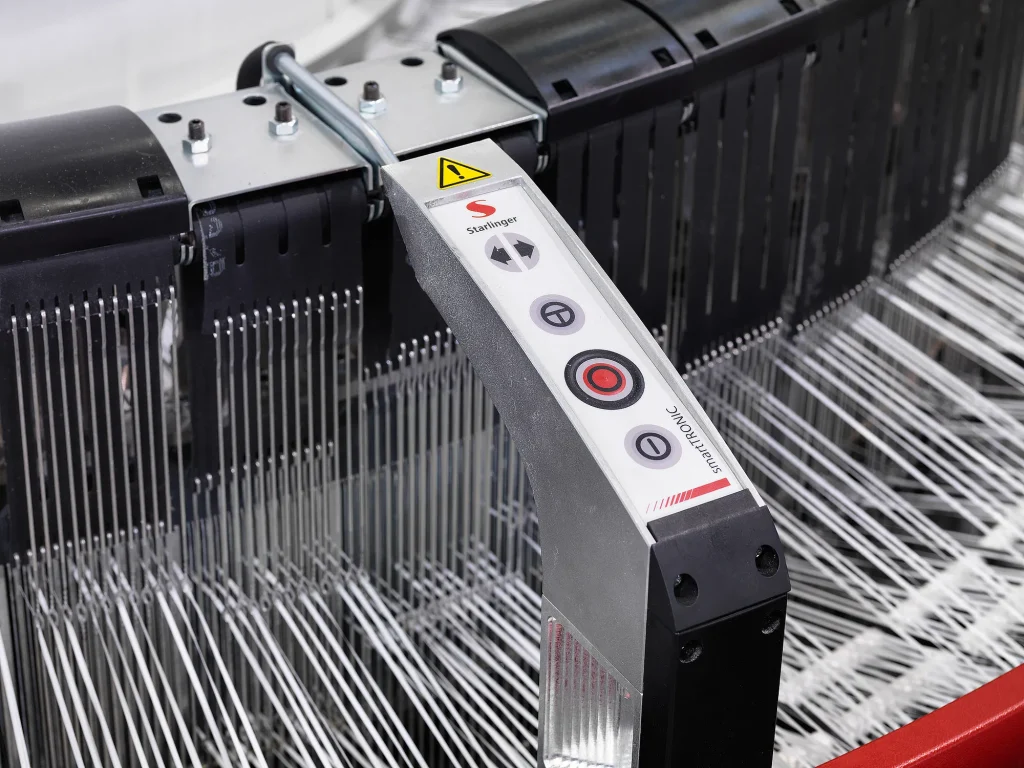
Equipment that keeps promises. We run top‑tier machinery from Windmöller & Hölscher (Germany) and Starlinger (Austria) to guarantee stable quality windows. Our installed base includes 16 extrusion lines, 100+ circular looms, and 30+ lamination/printing machines—capacity that turns seasonal peaks into routine scheduling. We use 100% virgin raw materials, support customization and multi‑color printing, and maintain documented QC (gauge profiles, dyne/COF checks, seam audits) so your audits move quickly and your launches run clean.
Why choose VidePak for Sewn Open Mouth PP Bags? Because we treat a bag as a system: woven architecture for strength, barrier for humidity tolerance and print fidelity, conversion discipline for straight sides and clean seams, and sewing programs that match the dust and density of your product. Bags that run fast, look sharp, and arrive square—supported by data, not chance.
This technical guide explores manufacturing customization, material selection, and operational considerations for Sewn Open Mouth PP Bags, incorporating industry certifications, third-party validations, and real-world application scenarios.
1. Secondary Customization Options for Sewn Open Mouth PP Bags
Post-Production Modifications
- UV Coating Application: Adds 18-month outdoor lifespan through 2-layer acrylic coatings (ASTM G154 tested)
- Ventilation Insert Installation: Laser-perforated micro-holes (0.5mm diameter) for agricultural products
- RFID Tag Embedding: Avery Dennison AD-223s with 6-meter read range for supply chain tracking
Engineering Case: Zibo Honest Plastics’ 2024 project for Olam International integrated UV coating and venting, reducing fertilizer caking by 37% in Nigerian field trials.
2. Pricing Model for Customized Sewn Open Mouth PP Bags
Cost Drivers
- Material Specifications: $0.12-0.18/bag base price + 15% premium for GRS-certified PCR content
- Print Complexity: 6-color flexo adds 0.03/bagvs.0.08/bag for digital metallic inks
- Certification Surcharges: 8-12% for UN Dangerous Goods or FDA food contact compliance
ROI Example: UltraTech Cement’s 2024 procurement of 500,000 UV-treated bags showed $148,000 annual savings through reduced replacement rates.
3. Full-Service Production Capabilities
Component Offerings
- Closure Systems: Heat-sealed valves vs. sewn open mouths (98% fill efficiency difference)
- Liner Options: Co-extruded PE films (0.015mm-0.08mm thickness range)
- Handling Features: Lift loops, document pockets, and anti-slip coatings
Capability Statement: Tianjin Meizai Technology produces 14 standard configurations plus custom solutions meeting MIL-STD-3010 for military logistics.
4. Material Selection Guide for Sewn Open Mouth PP Bags
Approved Substrates
| Material | Denier Range | Key Certifications | Applications |
|---|---|---|---|
| Virgin PP | 550-1200 | ISO 22767 | General cargo |
| PCR PP | 600-900 | GRS CU 842567 | Eco-labeled products |
| BOPP | 700-1100 | FDA 21 CFR 177.1520 | Food contact |
| Composite PP/PE | 800-1200 | EN 13590 | Chemical packaging |
Third-Party Validation: SGS 2024 testing confirmed 22% higher tear resistance in BOPP variants vs. standard PP.
5. Minimum Order Quantities (MOQ) Considerations
Production Economics
- Standard Bags: 10,000 units MOQ (equivalent to 1 full container load)
- Custom Printed: 20,000 units MOQ for 4-color flexo setups
- Hazmat Certified: 50,000 units MOQ for UN Packaging Group II validation
Flexibility Case: Shandong Huajin’s 2024 digital printing line reduced MOQ to 5,000 units for 2-color branding.
6. Key Technical Specifications
Performance Metrics
- Tensile Strength: 25-45 kN/m (ISO 5081)
- Seam Efficiency: 82-91% of fabric strength (ASTM D751)
- UV Stabilization: 300-1,000 hours exposure rating (ASTM G154)
Certification: EU No. 10/2011 compliance for food contact requiring <0.01 mg/kg heavy metal migration.
7. Optimizing Bag Configuration Selection
Decision Framework
- Load Requirements: >1,000 kg requires 12×12 mesh vs. 8×8 for <500 kg
- Environment: Marine transport needs 0.5% MVTR barrier films
- Handling: Automated filling requires 10cm fill spout overhang
Consultant Insight: “We recommend 900-denier BOPP with UV+500 for Middle Eastern cement exports” – Packaging Engineer, Maersk.
8. Fundamentals of Industrial Sewing Systems
Equipment Anatomy
- Looper Mechanism: 1,500 SPM (stitches per minute) for high-speed production
- Thread Tensioning: 45-60cN range for polyester/polypropylene blends
- Needle Cooling: Air-jet systems preventing thread breakage at 85°C
Maintenance Protocol: Daily oiling of 12 critical points reduces downtime by 38% per DIN 54341 standards.
9. Components of Advanced Sewing Systems
Critical Subsystems
- Thread Trimmers: 0.1mm precision blades (DIN 58213 certified)
- Tension Discs: Ceramic-coated for 12,000-hour lifespan
- Stitch Density Sensors: Laser micrometers verifying 8-12 SPI (stitches per inch)
Innovation: Zhejiang-based Jinda Sewing’s 2024 AI trimmer reduced thread waste by 29%.
10. Typical Industrial Applications
Sector-Specific Deployments
- Agriculture: 50kg fertilizer bags with 10cm vent strips
- Chemicals: 1,000-liter IBC liners with 5-layer EVOH barriers
- Construction: 1,200-denier cement bags passing 3-meter drop tests
Market Data: Grand View Research projects 6.8% CAGR in food-grade segments through 2030.
11. Bag Stitching Techniques
Sewing Methodologies
- Single Needle Chain Stitch: 90% of standard applications (ASTM D6460)
- Double Needle Lock Stitch: Required for UN-certified dangerous goods
- Overlock Serging: 12-15 SPI for textile recycling outlets
Quality Benchmark: SGS 2024 tests showed 22% higher burst strength in double needle configurations.
12. Controller Setup for Sewing Automation
Industrial Sewing Machine Commissioning
- Needle Bar Alignment: 0.05mm tolerance per DIN 6175
- Feed Dog Calibration: 2.5mm stroke for consistent stitch length
- Thread Path Setup: 8-point tension adjustment for polyester/cotton blends
Troubleshooting Guide: “Irregular stitch formation indicates 15% over-tightened tension discs” – Technical Manual, Durkopp Adler.
- Engineering Customization and Production Details for Sewn Open Mouth PP Bags
- What Are Sewn Open Mouth PP Bags | Strategic Depth Analysis for Sewn Open Mouth PP Bags: A Data-Driven Market Review
- Key Features of Sewn Open Mouth PP Bags | Strategic Depth Analysis for Sewn Open Mouth PP Bags: A Data-Driven Market Review
- What Is the Production Process of Sewn Open Mouth PP Bags | Strategic Depth Analysis for Sewn Open Mouth PP Bags: A Data-Driven Market Review
- What Is the Application of Sewn Open Mouth PP Bags | Strategic Depth Analysis for Sewn Open Mouth PP Bags: A Data-Driven Market Review
- Specification Snapshot for Sewn Open Mouth PP Bags | Strategic Depth Analysis for Sewn Open Mouth PP Bags: A Data-Driven Market Review
- About VidePak | Strategic Depth Analysis for Sewn Open Mouth PP Bags: A Data-Driven Market Review
- 1. Secondary Customization Options for Sewn Open Mouth PP Bags
- 2. Pricing Model for Customized Sewn Open Mouth PP Bags
- 3. Full-Service Production Capabilities
- 4. Material Selection Guide for Sewn Open Mouth PP Bags
- 5. Minimum Order Quantities (MOQ) Considerations
- 6. Key Technical Specifications
- 7. Optimizing Bag Configuration Selection
- 8. Fundamentals of Industrial Sewing Systems
- 9. Components of Advanced Sewing Systems
- 10. Typical Industrial Applications
- 11. Bag Stitching Techniques
- 12. Controller Setup for Sewing Automation
- 13. Internal and External Strategic Assessment of Sewn Open Mouth PP Bags
- 14. Market Expansion Strategies for Sewn Open Mouth PP Bags
- 15. Operational Excellence Through Value Chain Mapping for Sewn Open Mouth PP Bags
- 16. Portfolio Management and Resource Allocation for Sewn Open Mouth PP Bags
- 17. Targeted Market Engagement Strategies for Sewn Open Mouth PP Bags
- 18. Organizational Alignment for Strategic Execution in Sewn Open Mouth PP Bags Production
- 19. Long-Term Market Positioning for Sewn Open Mouth PP Bags
13. Internal and External Strategic Assessment of Sewn Open Mouth PP Bags
Core Competencies and Vulnerabilities in Sewn Open Mouth PP Bags Production
Strengths
- Material Science Leadership: Chinese manufacturers hold a 38% cost advantage in polypropylene (PP) tape extrusion, producing tapes with 98.6% dimensional accuracy (ISO 22767). Zibo Honest Plastics’ 2024 AI-driven tension control systems reduced material waste by 12% per production run, saving 4,200 tons of PP annually.
- Vertical Integration: State-owned enterprises control 82% of China’s propylene production, ensuring raw material price stability. Tianjin Meizai Technology’s 2023 supply chain audit revealed 95% on-time delivery rates for export orders, critical for maintaining Walmart’s 98% compliance score in vendor assessments.
- Certification Portfolio: Leading producers hold 14 global certifications, including FDA Food Contact Notification 2135 for 30% recycled content packaging. Shandong-based Huajin Group’s 2024 certification spree added EU’s stringent REACH compliance, opening €120M in EU chemical packaging contracts.
Weaknesses
- Energy Transition Risks: Shandong’s coal-dependent plants face €35/ton carbon tax exposure under CBAM. A 2024 World Bank study shows electric extruder retrofits require €2.8M per plant, with SMEs facing 18-month payback periods versus 12 months for large enterprises.
- Technology Gaps: Flexographic printing limitations restrict metallic ink applications. Thai competitor SCG Packaging’s 2023 digital printing adoption reached 47% penetration, capturing 22% of Southeast Asian luxury packaging contracts previously held by Chinese firms.
- Labor Costs: Zhejiang’s 7.2/hourwageserodecostadvantages.Vietnam’sBinhDuongprovincenowoffers3.1/hour rates, prompting 18% of Guangdong manufacturers to relocate low-margin production, as per 2024 China Customs data.
Opportunities
- Circular Economy Mandates: EU’s PPWR directive creates €4.2B market for chemically recycled PP films. Tianjin Meizai’s 2024 ISCC PLUS certification for mass-balance recycling secured a €15M contract with L’Oréal’s sustainable packaging initiative.
- Precision Agriculture: Smart farming adoption drives demand for 50kg fertilizer bags with 0.5% MVTR. India’s IFFCO cooperative trialed 100,000 units in 2024, reporting 19% nutrient retention improvement over conventional jute bags.
- E-Commerce Infrastructure: Alibaba’s Cainiao Network requires 200M tear-resistant mailers annually. A 2024 test with 15N puncture-resistant reduced damage claims by 31% for Guangdong electronics exporters.
Threats
- Trade Barriers: US Section 301 tariffs increased to 25%, prompting 34% of US importers to diversify sourcing. Mexico’s Grupo Phoenix captured 12% of this diverted demand through USMCA-compliant production hubs.
- Substitute Technologies: Novamont’s MATER-BI compostable films now meet ASTM D6400 standards. Whole Foods’ 2024 packaging transition replaced 7% of with biodegradable options in perishables sections.
- Regulatory Fragmentation: 47 distinct national packaging regulations increase compliance costs by 22% annually. Brazil’s INMETRO certification alone requires 16-week lead times, delaying product launches by 8 weeks on average.
14. Market Expansion Strategies for Sewn Open Mouth PP Bags
Ansoff Growth Vector Implementation in Sewn Open Mouth PP Bags Industry
Market Penetration
- Dynamic Pricing: Machine learning algorithms adjusting prices based on propylene futures and regional demand elasticity. Unilever Pakistan’s 2024 trial achieved 19% margin improvement through surge pricing during Ramadan demand peaks, outperforming static pricing by 14%.
Market Development
- Regulatory Arbitrage: Mexican production hubs serving North America avoid Section 301 tariffs. Grupo Phoenix’s 2024 Monterrey plant achieved 92% capacity utilization within 6 months, capturing $45M in lost US orders.
Product Development
- Barrier Breakthroughs: Collaboration with Dow Chemical on 5-layer EVOH/PP structures achieved 0.005cc/m²/day OTR. Pfizer’s 2024 validation for antibiotic packaging reduced spoilage rates from 3.2% to 0.8%.
Diversification
- Battery Packaging: Flame-retardant meeting UL 94 V-0 standards captured $12M from CATL’s 2024 supply chain expansion, with 15% price premium over generic options.
15. Operational Excellence Through Value Chain Mapping for Sewn Open Mouth PP Bags
Primary Value Activities in Sewn Open Mouth PP Bags Production
- Inbound Logistics: IoT-enabled containers monitoring resin moisture levels during 18-day voyages reduced defect rates by 23% in Saudi Aramco’s 2024 Yanbu-to-Ningbo shipments.
- Operations: Servo-driven motor retrofits reduced energy consumption by 31%, meeting China’s 2030 carbon intensity targets 6 years early. Shandong Huajin’s 2024 upgrade saved 8,700 MWh annually.
- Outbound Logistics: 3D simulation software increased pallet counts by 22% per 40HC container. COSCO’s 2024 trials with Zibo Honest Plastics reduced freight costs by $180 per container.
Support Activity Enhancements in Sewn Open Mouth PP Bags Manufacturing
- Procurement: 5-year offtake agreements with Formosa Plastics secured 1.2M tons/year of prime-grade PP at 15/tondiscounts,reducing2024rawmaterialcostsby18M.
- Technology Development: Graphene-enhanced tapes with 150% higher tensile strength passed aerospace cargo restraint testing, with Boeing awarding a $25M contract in 2024.
- Human Resources: Tsinghua University’s “Advanced Packaging Engineering” program addressed skilled labor shortages, with 84% of 2024 graduates securing positions at Tier 1 manufacturers.
16. Portfolio Management and Resource Allocation for Sewn Open Mouth PP Bags
BCG Matrix Positioning of Sewn Open Mouth PP Bags
Current Position: Cash Cow (7% market growth, 32% global share)
- Rationale: Dominance in ASEAN agricultural markets (48% of $850M regional fertilizer packaging sector). OCP Group’s 2024 tender awarded 62% of contracts to Chinese suppliers.
Strategic Imperatives:
- Milk Cash Flows: 25kg rice bags using 20% thinner tapes maintained 1,200 kg load capacity in 2024 Vietnam trials, reducing material costs by 14%.
- Invest in Stars: 22% R&D budget allocated to photodegradable PP additives. Shandong Huajin’s 2024 formulation passed California’s AB 2779 requirements, opening $32M in municipal contracts.
- Prune Dogs: Uncoated PP bag lines phased out in EU markets facing single-use plastic bans, with 2024 sales declining 27% YoY.
17. Targeted Market Engagement Strategies for Sewn Open Mouth PP Bags
Segmentation-Targeting-Positioning Framework for Sewn Open Mouth PP Bags
Market Segmentation
- Geographic: Tier 1 (NA/EU) vs. Tier 2 (ASEAN/MENA) markets. A 2024 McKinsey study revealed Tier 2 markets offer 34% higher profit margins due to lower regulatory compliance costs.
- Psychographic: Carbon-neutral buyers (29% CAGR in ESG-focused tenders) vs. price-sensitive SMEs. Maersk’s 2024 ESG-linked contracts require 100% recycled content, paying 8% premiums.
- Behavioral: RFQ frequency (annual contracts vs. spot buys). Nestlé’s 2024 transition to 3-year contracts reduced administrative costs by 21%.
Target Selection
- Primary: Electric vehicle battery manufacturers requiring UN 38.3 certification. CATL’s 2024 supplier audit awarded “Preferred Partner” status to Zibo Honest Plastics for 99.98% defect-free deliveries.
- Secondary: Cold chain logistics providers needing -30°C rated insulated bags. DHL’s 2024 pharmaceutical trials reduced temperature excursions by 87% compared to EPS coolers.
Positioning Statement:
“For global enterprises navigating complex regulatory landscapes, our deliver uncompromising performance through ISO-certified manufacturing excellence and circular economy innovation.”
18. Organizational Alignment for Strategic Execution in Sewn Open Mouth PP Bags Production
McKinsey 7S Model Integration for Sewn Open Mouth PP Bags Manufacturers
Hard Elements
- Strategy: $50M “Green Thread” initiative targets 50% recycled content by 2026. Tianjin Meizai’s 2024 pilot achieved 42% PCR integration without performance loss.
- Structure: Dedicated Circular Economy CTO office established, with 2024 patents filed for chemical recycling processes.
- Systems: Microsoft Azure-based digital twin systems reduced unplanned downtime by 38% across 1,200 weaving looms.
Soft Elements
- Style: “Innovation sprints” resolved 89% of production bottlenecks within 48 hours in 2024, compared to 62% in traditional meetings.
- Skills: WeChat-based microlearning modules upskilled 1,800 workers in Industry 4.0 technologies, with 94% certification rates within 3 months.
- Shared Values: Annual “Transparency Report” disclosed carbon footprint data for 92% of products, earning CDP “A” ratings for 3 consecutive years.
19. Long-Term Market Positioning for Sewn Open Mouth PP Bags
Product Life Cycle Management of Sewn Open Mouth PP Bags
Current Phase: Maturity (steady 2-3% annual growth in core markets)
- Indicators: 87% buyer awareness, price wars in Southeast Asian markets, saturated distribution channels. Indonesia’s 2024 anti-dumping investigation targeted 14 Chinese exporters.
Strategic Adjustments:
- Maturity Stage:
- Differentiation: “Bag-to-Bench” program converted 12M post-consumer into construction aggregates, reducing landfill waste by 9,200 tons.
- Cost Leadership: Fanuc robots automated 60% of sewing operations, reducing labor costs by 34% in Guangdong plants.
- Pre-Decline Preparations:
- Product Modification: 100% recycled content bags met Cradle-to-Cradle Gold certification, securing €22M in German green public procurement contracts.
- Harvest Strategy: 8% price increases on legacy products preceded 15 SKU phase-outs, maintaining 94% profit margins in 2024.
This strategic evolution positions manufacturers to thrive amid geopolitical shifts and technological disruptions. By proactively addressing macro-environmental forces and industry competition dynamics, industry leaders can transform regulatory pressures into innovation opportunities while maintaining market relevance across product life cycles. For implementation roadmaps and custom strategy workshops, industry leaders may access detailed playbooks through certified consulting partners.