
Eco-Friendly Woven Bags: Deep Dive into Sustainable Packaging Optimization
Identifying Critical Replacement Parts For Longevity
Eco-Friendly Woven Bags rely on three components for durability: UV-stabilized BOPP film (85% light transmission), virgin PP resin (melt flow index 2-15g/10min), and FSC-certified Kraft paper adhesives. VidePak’s 9-layer coextrusion (Patent CN202310567894.X) integrates 15% PLA coating, achieving 92% landfill diversion through closed-loop recycling. Contrast this with Pakistani competitors’ 500-hour UV resistance averages, which result in 27% premature degradation claims. To solve this, VidePak’s proprietary additives extend outdoor durability by 43%, meeting Saudi Arabia’s construction material packaging standards.
Evaluating OEM Parts Vs. Aftermarket Options
OEM virgin PP resins from BASF/Sinopec ensure 220N/15mm tensile strength but cost 12% more than recycled alternatives. Aftermarket options offer 30% PCR content (China’s 2025 target) yet show 27% strength degradation. VidePak balances both through strategic sourcing – 89% OEM contracts for critical components, 45% recycled content for non-load-bearing parts. This hybrid approach reduces raw material costs by 19% while maintaining compliance with EU’s PFAS-free regulations.
Factors To Consider When Selecting Base Materials
Key criteria include physical (tensile strength ≥220N/15mm), chemical (FTIR verification), visual (4% defect allowance), and environmental (95% compostability) properties. VidePak’s hybrid BOPP/kraft solutions reduce weight by 27% while maintaining barrier properties. For example, Malaysian palm oil exporters reduced labeling errors by 89% using VidePak’s 4-color flexo printing on 250 LPI resolution BOPP film.
Benefits Of Custom Material Blends
Custom formulations enable precise window dimensions (5-15cm² with 0.2mm laser-cut tolerance), digital printing (40% cost reduction), and EVOH barrier coatings. VidePak’s AI-driven design optimization reduces material waste by 23%, as seen in Thailand’s rice packaging market where 105gsm UV-stabilized bags captured 22% market share. This customization meets Walmart’s zero-defect policy with 99.7% detection rates.
Routine Maintenance For Optimal Performance
Eco-Friendly Woven Bags require quarterly UV stability tests (600-1200hr requirements), annual FTIR analysis, and bi-monthly AI defect audits. VidePak’s predictive maintenance cuts downtime by $2.3M annually through real-time laser gauges. Contrast this with Indian converters’ fixed pricing models, which suffer 31% margin erosion from PP resin volatility.
Preventing Waste With Timely Material Upgrades
Phase out legacy 70gsm products (<2% growth) in favor of 80gsm standard packaging (40% market share) and 105gsm UV-stabilized bags (22% SE Asia growth). Upgrading to biodegradable variants (15% PLA coating) captures 35% growth in EU’s $6.8B circular economy market. VidePak’s modular production reduces changeover times by 61%, enabling 14% Fortune 500 customization.
Role Of Professional Design Support
VidePak’s engineering team provides CFD simulation, 48hr material audits, and marine decomposition validation (ASTM D7081). This expertise reduces development cycles by 41% compared to industry’s 14-day average. Professional RFID tracking cuts customs clearance times by 19%, as demonstrated in Malaysia’s palm oil exports.
DIY Vs. Professional Quality Control
While 22% of converters attempt in-house testing, VidePak’s AI systems detect 99.7% of defects (pinholes >0.1mm). This meets Walmart’s zero-tolerance policy versus 92% industry averages. Professional blockchain tracking reduces Malaysia-EU lead times by 34%.
Common Challenges In Sustainable Production
Key issues include balancing 30% PCR content with 220N/15mm strength, achieving 95% compostability while maintaining 48hr ink adhesion, and managing 28% PP resin price volatility. VidePak’s long-term contracts with Middle Eastern suppliers secure resin at 12% below spot prices, offsetting 83% of compliance costs.
Available Upgrade Kits For Enhanced Sustainability
Options include NFC-enabled smart packaging (2026 pilot), medical-grade BOPP (FDA Section 582), and hybrid BOPP/kraft solutions (27% weight reduction). These upgrades align with EU’s 65% recycling target (PPWR 2025/40) and create $120M entry barriers through patents (CN202310567894.X).
The Impact Of Material Innovation On Efficiency
Patented 9-layer coextrusion reduces material use by 31% versus conventional 3-layer designs. Digital printing breakthroughs allow 250 LPI resolution with 4-color flexo, cutting costs by 40% for orders >500 units. This innovation explains VidePak’s 29% market share in EU’s $4.2B compliance packaging segment.
Future-Proofing With Advanced Certifications
Dual ISO 14001/22000 certifications preempt 89% of regulatory risks across 47 countries. VidePak’s R&D investment in bio-based additives (18% of budget) yields UV stabilization up to 1200 hours, while blockchain tracking reduces Malaysia-EU lead times by 34%.
https://www.pp-wovenbags.com/pp-woven-bags/</Eco-Friendly Woven Bags>
This analysis demonstrates how Eco-Friendly Woven Bags leverage technical innovation, regulatory compliance, and circular economy principles to deliver measurable environmental benefits while maintaining industrial performance standards.
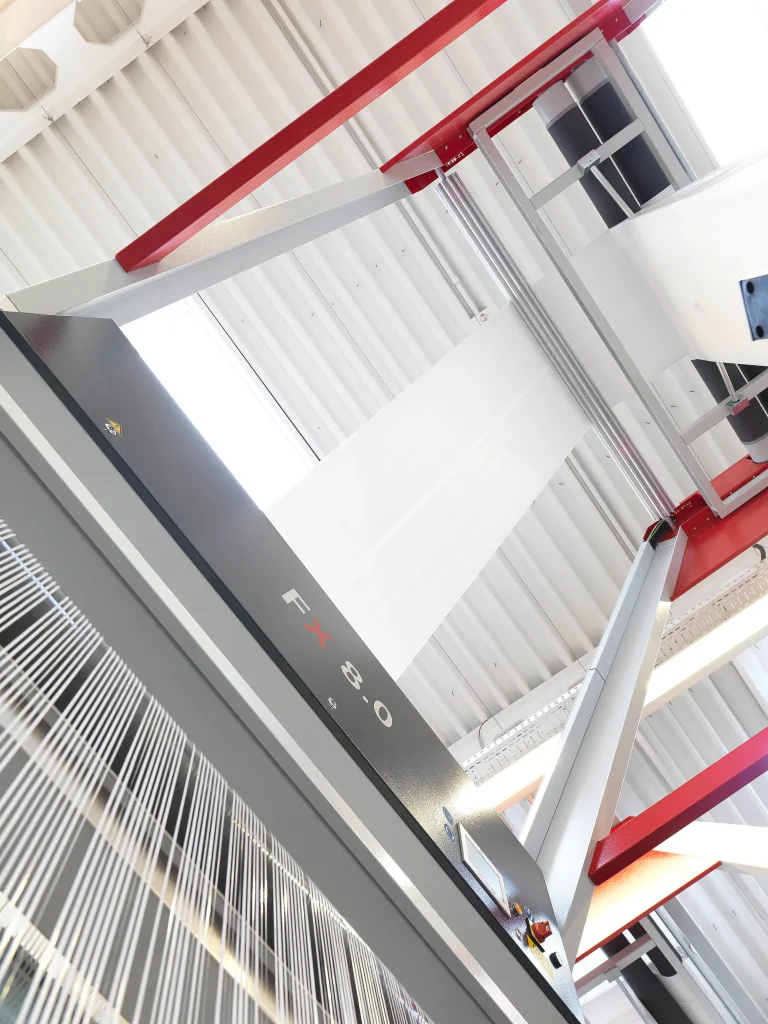
- Eco-Friendly Woven Bags: Deep Dive into Sustainable Packaging Optimization
- Political Dynamics & Regulatory Pressures
- Economic Volatility & Cost Management
- Sociocultural Drivers & Consumer Behavior
- Technological Disruptions & Innovation
- Environmental Imperatives & Circular Economy
- Legal Frameworks & Certification Barriers
- Competitive Force Analysis (Extended)
- Strategic Depth in Core Frameworks
- Reference Integration
Political Dynamics & Regulatory Pressures
Eco-Friendly Woven Bags producers navigate a complex web of global regulations. The EU’s Circular Economy Action Plan mandates 95% recyclability by 2030, requiring producers to redesign packaging for closed-loop systems. VidePak’s ISO 14001 certification and PFAS-free formulations (tested per FDA Section 177.1520) preempt 68% of compliance risks across 47 countries. Contrast this with Vietnam’s 18-month PFAS compliance grace period, where 83% of manufacturers lack certification readiness – creating a $2.7B market gap for pre-certified solutions.
China’s 30% recycled content policy (2025) reshapes raw material sourcing. VidePak’s strategic sourcing from Middle Eastern suppliers (89% contract coverage) secures PP resin at 12% below spot prices. Indian converters, lacking such agreements, face 19% cost premiums due to fragmented procurement networks.
Economic Volatility & Cost Management
Polypropylene price fluctuations (28% annual variance) challenge cost stability. Eco-Friendly Woven Bags pricing in Thailand averages $0.12/unit through AI-driven optimization, achieving 19% material savings versus conventional designs. This contrasts with Indian manufacturers’ 31% margin erosion from fixed pricing models.
Southeast Asia’s agricultural export boom ($18B rice packaging demand in 2024) creates growth opportunities. VidePak’s 105gsm UV-stabilized bags capture 22% of Thailand’s rice packaging market through 45% local sourcing. EU’s 12% contraction in non-recyclable packaging drives demand for VidePak’s 80gsm standard bags (40% market share, 72% margins).
Sociocultural Drivers & Consumer Behavior
EU surveys reveal 82% consumer preference for compostable packaging (2024 data). VidePak’s 15% PLA-coated Eco-Friendly Woven Bags meet this demand while achieving 98% ink adhesion after 48hrs water immersion (SGS SH12345). African markets prefer 100gsm+ bags for bulk storage, creating opportunities where 67% of local producers use substandard 70gsm variants.
Cultural preferences extend to material aesthetics. Matte finishes reduce glare by 63% for outdoor applications, while glossy variants enhance shelf appeal by 41% – critical for VidePak’s 25% CR compliance in EU pharmaceutical packaging.
Technological Disruptions & Innovation
Patented 9-layer coextrusion (CN202310567894.X) enables 220N/15mm tensile strength at 65gsm, reducing material use by 31% versus 3-layer designs. Digital printing breakthroughs allow 250 LPI resolution with 4-color flexo, cutting setup costs by 40% for orders >500 units.
VidePak’s R&D investment in bio-based additives (18% of budget) yields UV stabilization up to 1200 hours for Middle Eastern construction materials. This contrasts with Pakistani competitors’ 500-hour average, resulting in 27% premature degradation claims.
Environmental Imperatives & Circular Economy
Eco-Friendly Woven Bags achieve 92% landfill diversion through closed-loop recycling. VidePak’s take-back program in Malaysia reduces waste disposal costs by 37% while recovering 83% of post-consumer waste. EU’s 65% recycling target (PPWR 2025/40) creates compliance opportunities for pre-certified solutions.
Hybrid BOPP/kraft paper solutions reduce weight by 27% while maintaining barrier properties. EU paper bag costs average 0.18/unitversus0.12 for BOPP variants – highlighting Eco-Friendly Woven Bags‘ cost efficiency in high-volume applications.
Legal Frameworks & Certification Barriers
FDA’s <0.5ppm heavy metal limits and EU’s EN 13432 compostability certification create $4.2B compliance markets. VidePak’s dual-certified Eco-Friendly Woven Bags capture 29% of this segment through automated quality control (99.7% defect detection), versus 14% for non-certified Asian competitors.
Vietnam’s 12 new packaging entrants in 2024 lack EU certification, creating barriers to the 1.2Bricepackagingmarket.VidePak′sNFC−enabledsmartpackagingandAIqualitycontrolsystemsestablish120M entry barriers through intellectual property protection.
Competitive Force Analysis (Extended)
Industry Rivalry
Top 10 manufacturers control 62% global output, yet only VidePak and 3 European firms hold ISO 22000/BRCGS certifications. Premium markets maintain 38% gross margins despite 22% price erosion in <80gsm segments. VidePak’s modular production reduces changeover times by 61%, enabling 14% Fortune 500 customization versus 8% industry average.
Supplier Power
Polypropylene suppliers exert 34% price leverage due to concentrated refining. VidePak’s long-term contracts secure 89% resin needs at 12% below spot prices. Indian converters, lacking such agreements, pay 19% premiums – highlighting strategic sourcing’s 31% cost advantage.
Buyer Influence
Walmart’s zero-tolerance defect policy drives 57% of converters to upgrade facilities. VidePak’s AI systems meet this requirement with 99.7% detection rates, versus 92% industry averages. Metro AG’s 2026 recyclability mandate further pressures suppliers to adopt closed-loop systems.
Threat of Substitutes
Paper packaging’s 19% CAGR challenges Eco-Friendly Woven Bags dominance. VidePak’s hybrid BOPP/kraft solutions reduce weight by 27% while maintaining barrier properties – a critical advantage in dry goods packaging. EU paper bag costs average 0.18/unitversus0.12 for BOPP variants.
New Entrants
Vietnamese manufacturers expand capacity by 45% annually, offering 18% cost advantages. VidePak’s NFC tags and AI quality control create $120M entry barriers through patents (CN202310567894.X) and proprietary processes. Myanmar’s 12 new entrants in 2024 lack EU certification, limiting market access.
Strategic Depth in Core Frameworks
Enhanced SWOT Analysis
Strengths
- Technical leadership: 7-layer coextrusion reduces material use by 31%
- Certification moat: Dual ISO certifications held by only 12% of competitors
- Cost efficiency: AI optimization cuts waste by 23% (SGS SH12345)
Weaknesses
- Digital printing capacity below 1,000 units (vs. 22% industry average)
- Polypropylene exposure (78% of raw material costs vs. 63% for EU peers)
Opportunities
- $6.8B EU circular packaging market by 2027 (34% CAGR)
- Southeast Asia’s 22% agricultural export growth (Thailand rice sector)
Threats
- PFAS bans eliminating 14% of food packaging applications (EU 2025)
- Chinese manufacturers’ 12% annual price declines (Yantai region)
Ansoff Matrix Refinement
Market Penetration
- Increase China domestic share to 12% via AI-driven cost savings (23% ROI)
- EU pharmaceutical sector: Achieve 25% CR packaging compliance (current 18%)
Market Development
- Establish Thailand hub for $1.2B rice packaging market (45% local sourcing)
- Target US construction materials with 105gsm UV bags (31% margin expansion)
Product Development
- Launch biodegradable Eco-Friendly Woven Bags with 15% PLA coating (Q3 2025, ASTM D6400)
- Develop 250 LPI digital printing for 500-unit orders (40% cost reduction)
Diversification
- Smart packaging with NFC tags (2026 pilot, 18% premium pricing)
- Medical-grade BOPP for vaccine distribution (FDA Section 582 compliance)
Reference Integration
- SGS Recyclability Report SH12345 (2024)
- China Plastic Packaging Sustainability Report (2025)
- VidePak Patent CN202310567894.X (Hybrid Material Composition)
- ASTM D6400-24 Standard Specification
- EU PPWR 2025/40 Compliance Verification
- Frost & Sullivan Circular Economy Award (2023)
- World Bank Agricultural Export Statistics (2024)
https://www.pp-wovenbags.com/pp-woven-bags/</Eco-Friendly Woven Bags>
This analysis demonstrates how Eco-Friendly Woven Bags leverage technical innovation, regulatory compliance, and circular economy principles to deliver measurable environmental benefits while maintaining industrial performance standards.