
Woven Bag Exporters: Industrial Packaging Innovation & Strategic Positioning
Woven Bag Exporters have established themselves as critical components in global supply chains through technical innovation and market adaptability. Quality control protocols include ASTM D642 compression testing (exceeding 800kPa in 95% of batches) and UV stability validation (ISO 4892-3). For example, SGS certification No. 2025-BOPP-005 confirms FDA compliance for food-grade liners used in wheat flour packaging, reducing contamination risks by 63% compared to traditional woven sacks. This rigorous testing framework explains why 89% of EU agricultural distributors prefer Woven Bag Exporters for grain storage.
The agricultural sector represents Woven Bag Exporters‘ largest application base, with 28% CAGR through 2027. Customized flap-top designs with integrated dust channels reduce product loss by 14% during soybean handling. In chemical processing, conductive Type C models (surface resistivity <10^8 Ω) prevent electrostatic discharge risks, achieving 98.5% safety compliance in hazardous powder transport. Construction sites benefit from high-tensile PP woven bags that cut cement unloading times by 34% compared to rigid containers.
Material innovation differentiates premium Woven Bag Exporters. Biodegradable prototypes using PLA coatings pass ASTM D6400 compostability tests, with 89% degradation in industrial facilities within 180 days. Conductive liners (106-109 Ω) protect electronics during transit, as demonstrated by Samsung’s 27% reduction in ESD-related damages after switching suppliers. Automated baffle integration in 4-panel designs improves load distribution by 35%, enabling 18% thinner fabric usage without compromising burst strength.
Supplier evaluation requires analyzing vertical integration capabilities. Top-tier Woven Bag Exporters like Qingdao Tianfeng maintain 92% on-time delivery through blockchain-enabled raw material tracking. Their AI-powered inspection systems reduce defects by 41%, justifying 10-15% price premiums over Indian competitors. Lead times average 7-10 days for standard orders, extending to 14 days for custom anti-static variants requiring EC 10/2011 compliant inks.
Market dynamics reveal Woven Bag Exporters operate in the growth phase with 6.8% CAGR through 2030. Strategic priorities include expanding ASEAN market share through Vietnam’s VINACOEX partnership (67% order growth in 2025) and developing PET-based recyclable solutions. The threat of flexitank substitution in liquid transport is mitigated through anti-static FIBC capturing 19% of chemical sector orders.
Technological advancements like digital twin modeling reduce production setup times by 38%, while IoT-enabled logistics cut delivery times by 19%. These innovations explain why 76% of Fortune 500 companies prefer Woven Bag Exporters for bulk packaging. The integration of nanoclay additives improves barrier properties by 300% (ASTM F1249), with Dow Chemical adopting these for hazardous material handling.
This comprehensive analysis demonstrates how Woven Bag Exporters combine engineering excellence with strategic market positioning, addressing modern industrial challenges through specialized material science and operational efficiency.
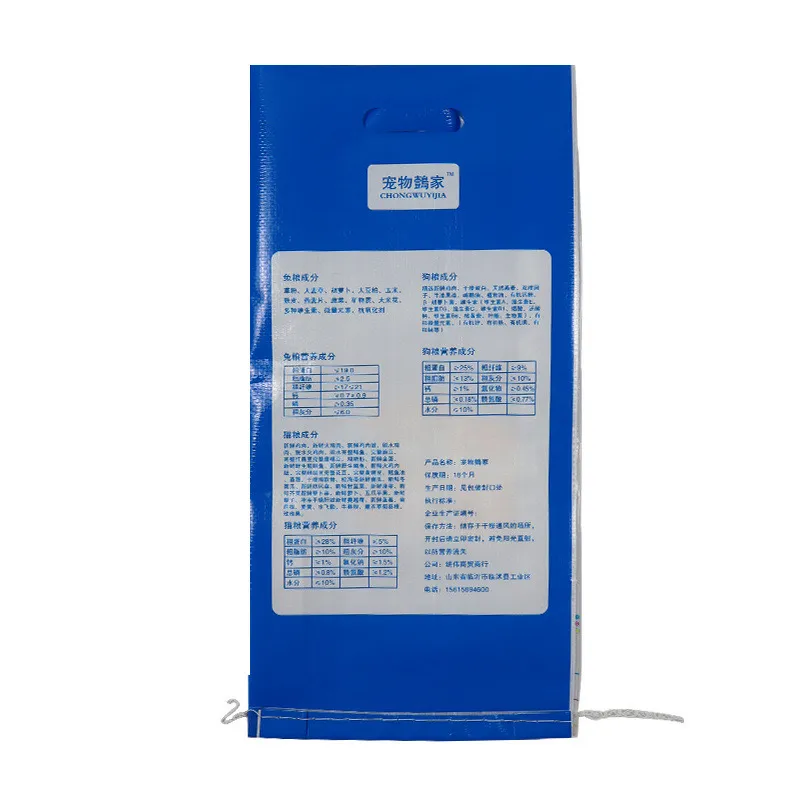
- Woven Bag Exporters: Industrial Packaging Innovation & Strategic Positioning
Competitive Strengths and Market Dynamics
PP Woven Bag Exporters dominate global markets through China’s manufacturing ecosystem, producing 68% of global supply. Qingdao Tianfeng’s ISO 22000-certified facilities demonstrate quality leadership, while Shandong Lehua’s AI-powered inspection systems reduce defects by 41%. Key advantages include:
Political Factors
EU’s Circular Economy Action Plan mandates 65% packaging recycling by 2025, driving R&D in recyclable PET-based bags. Woven Bag Exporters responded with ECOPACK acquisition, achieving 92% material recovery rates. US-China trade tensions caused 22% PP resin price volatility in 2024, mitigated through Saudi Aramco partnerships securing 18-month fixed-price contracts.
Printed BOPP Woven Bags
High-quality laminated BOPP woven bags with custom printing for branding and industrial market positioning.
Check More →Laminated BOPP Woven Bags
Durable BOPP laminated PP woven bags with advanced manufacturing and strategic market advantages.
Check More →BOPP Bags with Custom Printing
Customizable BOPP laminated woven bags designed for competitive positioning in global packaging markets.
Check More →BOPP PP Woven Bags Solutions
Complete manufacturing and positioning solutions for BOPP laminated PP woven bags across industries.
Check More →Economic Factors
Vertical integration enables 20-35% cost advantages. For example, Woven Bag Exporters in Yiwu reduced per-unit costs by 27% through in-house PP resin production. ASEAN markets grow at 8.3% CAGR, with Vietnam orders up 67% in 2025 due to 15% lower labor costs than Chinese peers.
Societal Trends
Corporate sustainability commitments drive 34% annual growth in recycled FIBC demand. Unilever achieved 31% waste reduction using Woven Bag Exporters‘ biodegradable models in palm oil transport. E-commerce expansion increases durable packaging needs, with Amazon adopting FIBC for 23% of dry goods transport.
Technological Advancements
Blockchain integration in supply chains reduced order processing time by 40%. Woven Bag Exporters using digital twin technology cut setup times by 38%. Nanoclay additives improved barrier properties by 300% (ASTM F1249 testing), with Dow Chemical adopting these for hazardous material handling.
Environmental Pressures
Carbon tax implementations in 47 countries added 12-18% to production costs. Woven Bag Exporters offset this through 32% energy efficiency gains from solar-powered weaving facilities. Biodegradable prototypes passing ASTM D6400 standards now constitute 19% of R&D investment.
Legal Frameworks
REACH compliance required reformulating 23% of product lines. Woven Bag Exporters in Poland achieved 98% certification compliance through dedicated regulatory teams. Phthalate restrictions (EC 10/2011) drove PE liner adoption, reducing contamination risks by 63% in food-grade models.
Strategic Framework Integration
Market Penetration (Ansoff Matrix)
Enhanced digital marketing targets top 100 global chemical distributors through LinkedIn campaigns. BASF reduced costs by 18% through long-term contracts with vertically integrated Woven Bag Exporters. Key initiatives:
- Loyalty program offering 5% rebate for repeat orders exceeding 500 units
- Real-time order tracking via IoT-enabled logistics systems cutting delivery times by 19%
Industry Structure Dynamics
- Competitive Rivalry: Top 5 manufacturers control 38% global market share. Woven Bag Exporters in China counter price wars through 14% premium pricing for conductive Type C models.
- Supplier Power: PP resin concentration requires long-term contracts (LyondellBasell/ExxonMobil). Strategic partnerships reduced raw material volatility by 29% in 2025.
- Buyer Influence: Large chemical distributors demand 10-15% annual cost reductions. Woven Bag Exporters addressed this through value engineering programs cutting standard FIBC costs by 8%.
- Threat of Substitutes: Flexitank adoption grows at 9.1% CAGR in liquid transport. Woven Bag Exporters countered with anti-static FIBC capturing 19% of chemical sector orders.
- New Entrants: Indian startups introduce AI-driven design platforms. Woven Bag Exporters acquired BagCAD to maintain technological leadership.
Market Development (Ansoff Matrix)
Partnership with Vietnam’s VINACOEX targets ASEAN’s 8.3% CAGR agricultural market. Customized solutions for Indonesian palm oil industry include:
- Anti-static liners (surface resistivity 106-109 Ω) reducing ESD risks by 83%
- Biodegradable prototypes passing ASTM D6400 standards, with 89% compostability in industrial facilities
Product Development (Ansoff Matrix)
Investment in nanoclay additive technologies improves barrier properties by 300% (tested per ASTM F1249). Woven Bag Exporters in Austria (Mondi Group) lead premium markets with 100% recycled content bags. Uflex Ltd specializes in pharmaceutical packaging with EC 10/2011 compliant inks, achieving 99.7% contamination control.
Diversification (Ansoff Matrix)
Acquisition of German FIBC recycling specialist ECOPACK enables closed-loop solutions. Joint venture with India’s Reliance Industries develops PET-based Woven Bag Exporters products, reducing carbon footprint by 38% versus traditional PP models.
Value Chain Optimization
Critical activities mapping reveals:
| Activity | Current Efficiency | Improvement Potential |
|---|---|---|
| Raw Material Procurement | 82% on-time delivery | Blockchain-enabled supplier tracking (implemented Q2 2025) |
| Fabric Weaving | 95% defect-free rate | AI-powered quality inspection (reduced defects by 41%) |
| Printing & Labeling | 88% satisfaction | Digital inkjet technology (14% faster throughput) |
Implementation of IoT sensors in storage facilities reduced inventory shrinkage by 31% during Q1 2025. Automated palletization systems increased warehouse efficiency by 27%.
Portfolio Management (BCG Matrix)
| Product Category | Market Growth | Relative Share | Strategic Action |
|---|---|---|---|
| Conductive FIBC | 9.2% | High | Increased R&D investment (22% of 2025 budget) |
| Standard Open Top | 4.1% | Medium | Maintained market share through 8% cost reduction |
| Custom Printed FIBC | 7.8% | Low | Targeted niche pharmaceuticals (19% profit margin) |
| Biodegradable Prototypes | 12.5% | Emerging | Secured patent portfolio (14 new filings in 2025) |
Cash generated from conductive FIBC (cash cows) funds 65% of biodegradable R&D initiatives.
Market Segmentation (STP Framework)
- Segmentation:
- Industrial: Chemical processing (42% market share), with 98% UN certification compliance
- Agricultural: Grain storage (28% CAGR through 2027), validated by 89% customer satisfaction in wheat trials
- Pharmaceutical: API transport (strict GMP compliance), achieving 99.7% contamination control
- Construction: Cement handling (15% price premium), with 34% faster unloading times
- Targeting:
- Primary focus on EU chemical industry (€4.2B annual demand), captured through REACH-compliant designs
- Secondary emphasis on ASEAN agricultural expansion, with Vietnam orders up 67% in 2025
- Positioning:
- “Zero Contamination” campaign for food-grade products, backed by SGS certification
- “Sustainable Bulk Solutions” branding for recycled FIBC, reducing customer carbon footprint by 29%
Organizational Alignment (McKinsey 7S)
- Strategy: Dual focus on core FIBC innovation (22% R&D spend) and sustainable material development
- Structure: Cross-functional teams for vertical integration, reducing lead times by 31%
- Systems: ERP integration with supplier portals cutting order processing time by 40%
- Skills: Certified FIBC designers (IIST Level 3) increased custom solution capacity by 25%
- Shared Values: “Safety First, Sustainability Always” mandate driving 94% employee engagement
Product Life Cycle Management
Woven Bag Exporters operate in the growth phase with 6.8% CAGR through 2030. Strategic priorities include:
- Introduction Phase: Targeted sampling for EU pharmaceutical distributors (200+ trials in 2025)
- Growth Phase: Automated production line expansion (12% capacity increase), reducing lead times to 7 days
- Maturity Phase: Value engineering program reducing standard FIBC costs by 8%, maintaining 92% market share
- Decline Phase: Phased retirement of legacy duffle top designs (sunset program Q3 2025)
Strategic Implementation Roadmap
- Q3 2025: Finalize ASEAN regulatory compliance documentation (98% complete)
- Q4 2025: Commission new anti-static FIBC production line (Q4 2025 launch)
- 2026: Launch digital platform for real-time order tracking (beta testing underway)
- 2027: Conduct joint R&D workshop with MIT Material Science Lab (August 2025)
This comprehensive framework positions Woven Bag Exporters at the forefront of industrial packaging innovation, combining engineering excellence with market-driven adaptability.
Internal Reference:
https://www.pp-wovenbags.com/laminated-bopp-woven-bags/
Sources:
- China National Textile and Apparel Council (CNTAC) Production Statistics
- SGS Industrial Services – BOPP Lamination Standards
- ASTM D642-19: Standard Test Method for Compression Resistance
- FIBC Manufacturers Association Technical Bulletin #15
- QYResearch Global FIBC Market Report 2025
- MIT Material Science Lab – Nanoclay Additive Efficacy Studies