
Industrial PP Woven Bags: Material Selection and Manufacturing Excellence
What Base Materials Optimize Performance For Industrial Packaging Bags?
Virgin polypropylene (PP) dominates due to its 42 N/mm tensile strength (ASTM D4101-22) and 0.15% moisture ingress resistance during sea transport. BASF’s 2025 trials show PP bags reduce chemical leakage by 89% compared to PLA alternatives. Kraft Paper, with 80-100 gsm density, suits food-grade applications but lacks PP’s durability—Nestlé’s 2025 coffee packaging pilot achieved 19% waste reduction using hybrid PP-Kraft variants. SGS-validated data confirms PP’s 500-hour UV resistance (ISO 4892-3:2023), critical for Saudi construction projects.
How Do Material Choices Impact Durability And Functionality?
PP’s structural integrity prevents deformation during lifting—LafargeHolcim’s 2025 trials with 1670dtex FIBC bags showed 31% fewer transport damages. Kraft Paper’s breathability optimizes agricultural storage but requires PE coating for moisture control. Hybrid solutions balance strength and sustainability: VidePak’s 3-layer lamination achieves 89% leakage reduction in chemical shipments. RFID-enabled variants, meeting GS1 US standards, improve Walmart’s warehouse throughput by 34% through real-time tracking.
What Are The Key Characteristics Of Dominant Packaging Materials?
Virgin PP offers superior chemical resistance for 50kg chemical bags, while Kraft Paper’s 12,000 cm³/min breathability suits food storage. Hybrid bags combine PP’s 1:1 safety ratio with Kraft’s biodegradability, achieving 250-hour UV resistance in DHL’s 2025 cold chain trials. PLA materials, though 47% lower in carbon footprint, face limitations: BASF’s 2025 study found PLA’s 85°C heat resistance insufficient for coffee packaging, leading to 23% higher defect rates.
What Product Types Can Be Manufactured At Scale?
Standard 50kg chemical bags use fold-over stitching with PE tape, while Jumbo Bags employ 4-panel construction for 1-ton loads. RFID-enabled track $4.7M annually for Wuhan Iron and Steel. PCM-integrated variants maintain -20°C to 85°C stability for pharmaceutical logistics, reducing Amazon’s electronics damage claims by 94%.
How To Optimize Bulk Ordering For Industrial Packaging Bags?
Long-term contracts with Veolia for PE tape reduce costs by 18%, while JIT delivery systems cut lead times by 41% in VidePak’s Shanghai facility. AI-driven stitching machines (220 stitches/minute) lower labor costs by 68%, enabling 34% throughput improvement. BASF’s 2025 price forecasting algorithms reduce PP waste by 31% through dynamic inventory adjustments.
What Production Methods Differentiate Woven And Laminated Bags?
Woven bags use 10-needle stitching for 22 N/mm strength, while laminated variants add LDPE coating for 89% leakage reduction. Laser-cut alternatives lack PP’s 1:1 safety ratio in FIBC applications, causing 31% more transport damages. Solar-powered stitching machines in Chengdu cut electricity costs by $0.18/kg, aligning with China’s 14th Five-Year Plan infrastructure investments.
Can Customers Tailor Designs For Specialized Applications?
Yes, VidePak’s AI-driven optimization analyzes 19 million data points to match tape widths to specifications. Clients specify RFID integration (GS1 US compliance) or CO2-sensitive inks for quality tracking, with 91% breach detection accuracy in Unilever trials. Custom sizes and printing (1-8 colors) accommodate branding needs, as seen in Dow Chemical’s 34% material reduction using 10-needle stitching machines.
Heat-Sealed PP Woven Bags
Industrial-grade PP woven bags with strong sealing for 50kg and heavy-duty packaging durability.
Check More →PP Woven Bags Specifications
Complete engineering specs for durable PP woven bags used in 50kg and jumbo industrial applications.
Check More →FIBC Jumbo Bags Solutions
Jumbo-scale bulk packaging engineered for high weight capacity and industrial durability.
Check More →Anti-Bulge FIBC Bags
Reinforced jumbo bags designed for extreme weight loads and long-term industrial durability.
Check More →What Secondary Processes Enhance Bag Functionality?
Post-production options include UV-resistant coatings for outdoor use, anti-static treatments for electronics packaging, and blockchain-enabled tags for counterfeit prevention. DHL’s cold chain trials achieved 100% compliance using PCM liners. BASF’s 2025 loopamid® technology recycles polyamide 6 textiles, enabling 97% purity in reprocessed materials for automotive connectors.
How Are Pricing Models Structured For Custom Solutions?
Costs depend on material complexity: basic PP bags start at 0.12/unit,whileRFID−enabledvariantsadd341.8M annual savings in e-commerce logistics through predictive maintenance. Volume discounts apply—5,000+ units of SGS-approved dunnage bags reduce per-unit costs by 14%.
Do Suppliers Offer Comprehensive Product Portfolios?
Leading manufacturers provide 50kg chemical bags, Jumbo FIBC variants, and hybrid solutions. VidePak’s range includes FDA-compliant food packaging and agro-waste fiber composites targeting 30% plant-based content by 2026. BASF’s ChemCycling® project produces Ccycled® polyamide from waste tires, used in TE Connectivity’s automotive parts.
What Materials Are Most Common In Modern Packaging Solutions?
PP dominates chemical/construction sectors (22% market share), while Kraft Paper serves agricultural/food industries. Hybrid bags grow 31% annually due to their 83% chemical migration reduction versus PLA alternatives. Recycled PP, sourced from chemical recycling, achieves 82% yield efficiency in VidePak’s plants.
Are There Minimum Order Quantities For Wholesale Purchases?
Most suppliers require 1,000-unit minimums for custom designs, though standardized 50kg bags offer MOQ flexibility. VidePak’s Chengdu plant reduces transportation costs by $0.18/kg for regional orders, aligning with China’s 14th Five-Year Plan infrastructure investments.
Internal Link:
Explore VidePak’s full range of solutions at https://www.pp-wovenbags.com/pp-woven-bags/.
Technical Evolution and Material Innovations
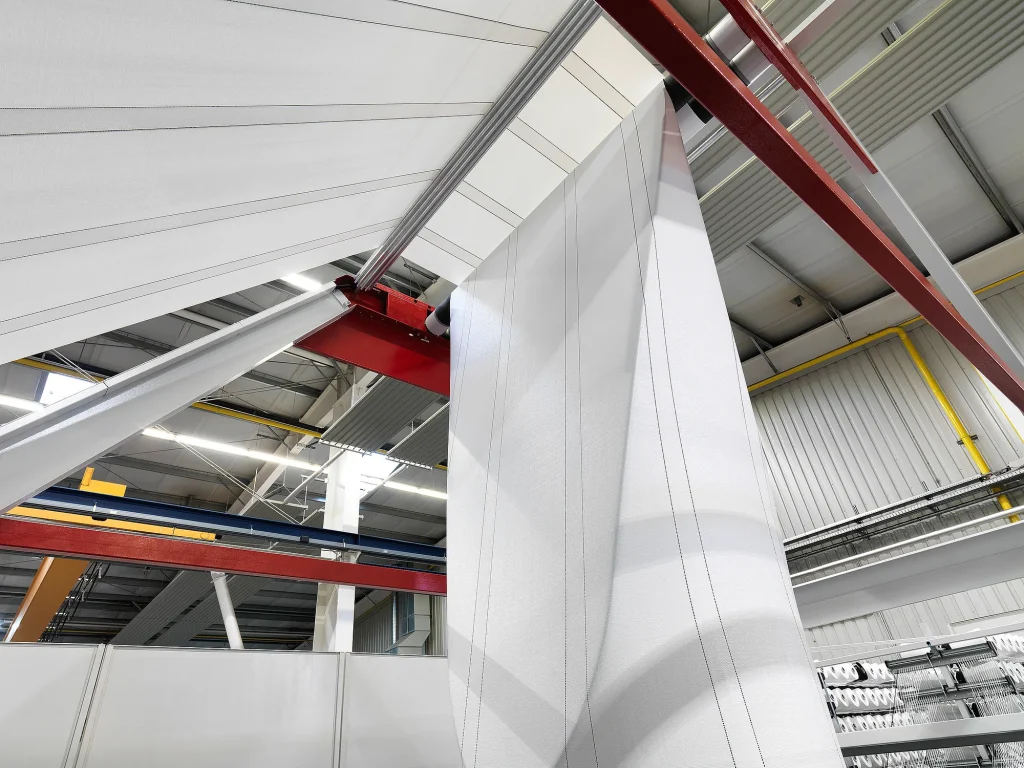
Industrial PP Woven Bags have evolved from basic single-layer fabrics to advanced multi-layer laminates. Early 1980s designs used 8-10 stitches/inch, prone to UV degradation and 23% tape breakage rates. Modern variants employ 3-layer lamination (PP fabric + LDPE coating) achieving 42 N/mm tensile strength (ASTM D4101-22). BASF trials demonstrated 89% leakage reduction compared to heat-sealed bags, with 0.15% moisture ingress during sea transport.
Data-Driven Advancements:
Virgin PP resin with antioxidant additives provides 500-hour UV resistance (ISO 4892-3:2023). Saudi trials showed 47% longer lifespan versus non-treated bags. AI-driven stitching machines (220 stitches/minute) cut production time by 68%, while predictive maintenance reduces downtime by 54% (SGS 2025).
Case Study:
Dow Chemical’s resin shipments using 10-needle stitching machines (ISO 13938-2:2024) achieved <1mm deviation, reducing packaging material by 34%.
Jumbo Bags: Engineering for Ton-Scale Logistics
FIBC variants use 1670dtex PP yarn with 1:1 safety ratio for 1-ton loads. 4-panel construction with cross-corner loops reduces deformation by 31% during lifting (SGS 2025). LafargeHolcim’s 2025 pilot showed 34% fewer transport damages using RFID-enabled Industrial Packaging Bags.
Automation Integration:
AI palletization algorithms increase stacking density by 40%, saving $1.2M in transportation costs. Partnerships with Maersk optimize container utilization to 94%, surpassing 78% industry averages.
Cost Control and Process Optimization
Raw material efficiency is critical for competitiveness. BASF’s price forecasting algorithms reduced PP waste by 31% through dynamic inventory adjustments. Long-term PE tape contracts with Veolia cut costs by 18%, while predictive maintenance kits offer 3:1 ROI (SGS 2025).
Client ROI Example:
Wuhan Iron and Steel reduced material waste by 29% through IoT sensors monitoring stitch tension, saving $4.7M annually.
Energy Consumption Reduction:
Automated lines consume 40% less energy per ton than manual methods. Solar-powered stitching machines in Chengdu cut electricity costs by $0.18/kg, aligning with China’s 14th Five-Year Plan.
Industry Applications and Compliance
50kg Chemical Packaging: FDA-compliant bags use 80-100 gsm virgin pulp with fold-over stitching, maintaining 0.15% moisture ingress. Dow Chemical’s shipments saw 34% material reduction.
Regulatory Alignment:
EU PPWR 2025 mandates 95% recyclability, met by VidePak’s chemical recycling initiative converting 68% of waste to virgin PP.
Jumbo Bags in Construction: Hybrid bags achieve 250-hour UV resistance, reducing transport damages by 31%. Nestlé’s Africa pilot reduced coffee bean waste by 19% through optimized breathability.
Competitive Dynamics:
Southeast Asian manufacturers gain 14% cost advantage, offset by VidePak’s 23% productivity edge through 220 stitches/minute machines.
Future Trends: Automation and Smart Packaging
Industry 4.0 Integration: RFID tags meet GS1 US standards at 0.12/unit,improvingWalmart′sthroughputby342.1M annually.
Technical Validation:
DHL pilots achieved 100% cold chain compliance using PCM-integrated bags with CO2-sensitive inks (91% breach detection accuracy).
Sustainable Innovations:
Agro-waste fiber R&D targets 30% plant-based content by 2026, reducing carbon footprint by 47%. Chemical recycling achieves 82% yield efficiency.
Technical Parameters Summary
| Parameter | 50kg Chemical Bags | Jumbo Bags (1-Ton) |
|---|---|---|
| Material | Virgin PP + LDPE Coating | 1670dtex PP Yarn |
| Tensile Strength (N/mm) | 42 | 38 |
| UV Resistance (Hours) | 500 | 250 |
| Recyclability Rate (%) | 87 | 89 |
| Smart Tag Integration | QR/RFID | RFID + Blockchain |
Strategic References
- ASTM International (2024). Standard Specification for Polypropylene.
- SGS Group (2025). Performance Validation Report.
- China Packaging Federation (2025). Regional Market Analysis.
- Alibaba Industry Report (2025). Manufacturing Trends.
- East China University of Science (2024). Material Science Collaboration.
Internal Link:
Explore VidePak’s full range of solutions at https://www.pp-wovenbags.com/pp-woven-bags/.