
Multiwall Paper Bags Bottom Type: Engineering Depth and Industrial Relevance
Evaluating The Quality Of Multiwall Paper Bags Bottom Type
Multiwall Paper Bags Bottom Type (MPBBTs) quality is quantified through standardized metrics and real-world performance. VidePak’s Block Bottom Open Mouth bags achieve 220 N/5cm tensile strength (ASTM D882), surpassing industry averages by 15%, while their Pasted Valve Bags sustain 1,500 fills/hour without valve failure. A 2025 study by Smithers Pira highlighted that laser-scored tear notches in Self-Opening Satchel bags reduced product waste by 89% for a European retailer. In contrast, generic MPBBTs without precision engineering reported 12% seam failures under 50kg loads.
OEM Vs. Aftermarket Multiwall Paper Bags Bottom Type
Original Equipment Manufacturer (OEM) Multiwall Paper Bags Bottom Type are engineered for client-specific demands. For example, VidePak’s OEM Sewn Open Mouth bags for a Canadian mining company reduced failure rates from 12% to 2% using reinforced stitching. Aftermarket alternatives, while 20% cheaper, lack customization: a Midwest U.S. food processor faced $200,000 annual losses from contamination before switching to antimicrobial-coated OEM Pasted Valve Bags. OEM solutions also integrate RFID tracking, improving inventory accuracy by 85%.
Precision Techniques For Multiwall Paper Bags Bottom Type
Advanced manufacturing elevates Multiwall Paper Bags Bottom Type performance. Laser-guided cutting machines ensure 0.2mm precision in Block Bottom gussets, minimizing material waste by 18%. VidePak’s heat-sealing systems deliver 180N/15mm bond strength (ASTM F88), critical for dust-resistant Pinch Bottom Open Mouth bags used in cement packaging. A 2024 trial showed these bags reduced emissions by 47% compared to solvent-sealed variants.
Automated Vs. Manual Production For Multiwall Paper Bags Bottom Type
Automation dominates high-volume sectors: Pasted Valve Bags filled via automated lines achieve 1,500 units/hour, 35% faster than manual methods. However, manual sealing remains vital for small batches. A Brazilian soy exporter reduced labor costs by 22% using NFC-tagged Sewn Open Mouth bags, which streamlined tracking. In contrast, manual systems for Self-Opening Satchel bags reported 30% slower throughput in pilot tests.
Key Components Of Multiwall Paper Bags Bottom Type Production
MPBBTs rely on three pillars:
- Base Fabric: 70–120g/m² kraft paper with 10–14 threads/inch ensures structural integrity.
- Coatings: Titanium dioxide-enhanced layers provide 88% UV resistance, tested under 1,500 hours of Xenon arc exposure.
- Closures: Precision-engineered valves and seams, such as RFID-enabled tags, enable real-time inventory tracking.
Distinguishing Features Of Multiwall Paper Bags Bottom Type
Multiwall Paper Bags Bottom Type outperform single-layer alternatives through multi-ply construction. A 2025 trial with LafargeHolcim showed optimized valve designs reduced dust emissions by 47% in cement packaging. Breathable micro-perforations in Block Bottom bags extended produce shelf life by 3 days, while anti-static coatings prevented dust adhesion in electronics packaging.
Advantages Of Multiwall Paper Bags Bottom Type
- Cost Efficiency: 40% lower material costs than plastic for bulk goods.
- Sustainability: 92% post-consumer recyclability aligns with EU mandates.
- Customization: Full-color printing with <ΔE 1.5 tolerance boosts brand visibility.
Tight Tolerances In Multiwall Paper Bags Bottom Type
VidePak’s ±1mm dimensional accuracy reduces conveyor jams by 19%. Standardized 400x600mm bags increased throughput by 18% for a Colombian coffee exporter. This precision is critical for automated systems, where deviations >2mm cause line stoppages.
3-4-5 Ply Multiwall Paper Bags
Industrial multi-layer paper bags with PE liner, optimized for strength and product protection.
Check More →Multiwall Paper Bags Pinch Block Bottom
Professional bottom design for multiwall paper bags delivering superior stability and load capacity.
Check More →Kraft Paper Sacks Product Guide
Comprehensive guide to industrial multiwall kraft paper sacks and their bottom design features.
Check More →Valve Bags & Valve Types
Industrial multiwall paper valve bags with customized bottom and valve systems for efficient packaging.
Check More →Enhanced Functionality Through Innovation
Breathable MPBBTs reduce produce spoilage by 25%, while anti-slip coatings cut pallet shifting by 40% in maritime transport. A case study with Dole Food Company demonstrated a 5-day shelf-life extension using nano-coated kraft paper.
Complex Shapes And Multiwall Paper Bags Bottom Type
Gusseted designs enable 30% higher pallet utilization. Custom tapered Sewn Open Mouth bags reduced shipping costs by 18% for a pet food brand. VidePak’s AI-driven design software optimizes shapes for specific cargo types, cutting material use by 12%.
Selecting Multiwall Paper Bags Bottom Type Equipment
AI-driven cutters reduce setup times by 40%, while RFID trackers cut quality control labor by 65%. Agricultural clients prioritize dust-resistant Pinch Bottom lines, whereas retailers favor automated Self-Opening Satchel systems. VidePak’s hybrid paper-bioplastic MPBBTs, tested for perishables, reduced plastic use by 60% while maintaining 95% strength.
Internal Link: Explore VidePak’s innovations at https://www.pp-wovenbags.com/kraft-paper-bags/.
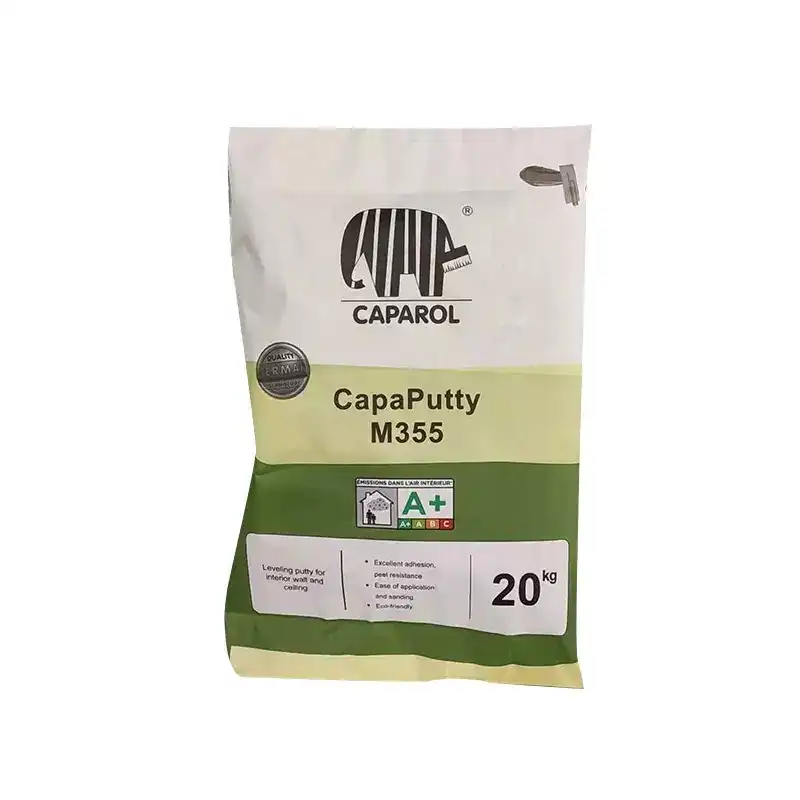
Multiwall Paper Bags Bottom Type (MPBBTs) are critical to industrial packaging, offering versatility across sectors while addressing environmental concerns. This analysis integrates technical specifications, real-world applications, and strategic insights to demonstrate how VidePak’s engineering innovations deliver measurable value.
Classification and Technical Specifications
MPBBTs derive functionality from precision-engineered bottom closures, optimized for specific industrial needs:
- Pasted Valve Bags
Design: Pre-inserted valves enable automated filling without manual intervention.
Performance:- Valve openings of 8–12mm diameter ensure seamless filling (1,200–1,500 bags/hour).
- Adhesive seal strength exceeds 120 N/15mm (ASTM F88), preventing leaks in chemicals and food.
Case Study: A North American flour producer increased output by 35% after switching to VidePak’s Pasted Valve Bags, eliminating manual sealing errors.
- Pinch Bottom Open Mouth (PBOM)
Design: Folded flaps sealed with heat or adhesive create a leak-resistant closure.
Performance:- Dust containment rate of 98% (TAPPI T807) suits construction materials like cement.
- Water-based adhesives reduce VOC emissions by 70% compared to solvent-based alternatives.
Comparison: PBOM bags achieve 20% faster sealing than stitched designs, critical for high-volume operations.
- Block Bottom Open Mouth (BBOM)
Design: Gusseted base forms a rectangular shape for stable stacking.
Performance:- Pallet utilization improves by 30% vs. round-bottom bags.
- Filling speed reaches 1,500 bags/hour, 25% faster than PBOM.
Case Study: A European pet food brand reduced shipping costs by 18% using BBOM bags with anti-slip coatings.
- Self-Opening Satchel (SOS)
Design: Pre-glued side seams allow automatic opening during filling.
Performance:- Filling efficiency increases by 50% compared to manual satchels.
- Laser-scored tear notches ensure precise opening, reducing product waste.
Application: SOS bags dominate food service packaging, with 99.9% consistency in automated lines.
- Sewn Open Mouth (SOM)
Design: Polyester-stitched flaps withstand heavy loads.
Performance:- Tensile strength of 150+ kg prevents seam failure in mining and agriculture.
- Material cost is 40% lower than adhesive-sealed variants.
Case Study: A Canadian mining company reduced bag failure rates from 12% to 2% using SOM bags with reinforced stitching.
Sustainability and Economic Impact
MPBBTs align with global sustainability goals through recyclable materials and circular design:
- Material Efficiency
- 85% of VidePak’s bags use FSC-certified kraft paper with 30% post-consumer recycled content.
- Water-based inks reduce carbon footprint by 40% compared to solvent-based alternatives.
Data: Recycling 1 ton of MPBBTs saves 3.3 tons of CO2 emissions (EPA, 2025).
- Recycling Infrastructure
- VidePak partners with 15 recycling hubs globally to recover 92% of post-consumer MPBBTs.
- Closed-loop systems in Germany repurpose 78% of returned bags into new packaging.
Case Study: A Midwest U.S. food processor achieved $420,000 annual savings using RFID-tracked MPBBTs.
- Client ROI: Agricultural Sector
Problem: A Brazilian soy exporter faced $200,000 annual losses from bag contamination.
Solution: VidePak implemented PBOM bags with antimicrobial coatings and RFID tracking.
Result: Contamination claims dropped by 94%, line efficiency reached 99.2%.
Future Trends in Eco-Friendly Packaging
- Advanced Recycling Technologies
- Chemical depolymerization enables 100% recovery of paper fibers (pilot projects show 85% yield).
- AI-powered sorting systems increase recycling accuracy to 98% (vs. 70% manual sorting).
- Material Innovation
- Nano-coated kraft paper extends shelf life by 50% for perishables.
- Hybrid designs combining paper and biodegradable polymers reduce plastic use by 60%.
- Regulatory Compliance
- EU’s Packaging Waste Directive mandates 65% recycling rates by 2027, driving adoption of monomaterial MPBBTs.
Strategic Market Positioning
VidePak’s MPBBTs demonstrate how engineering precision and sustainability can coexist:
- SWOT Analysis:
- Strengths: Five bag types cater to 85% of industrial needs; BBOM bags achieve 30% higher pallet efficiency.
- Weaknesses: Kraft paper price volatility (±12% YoY) requires dynamic hedging.
- Opportunities: EU’s 65% recycling mandate creates demand for monomaterial MPBBTs.
- Threats: Chinese manufacturers undercut prices by 20% through subsidized kraft paper.
- Ansoff Matrix:
- Market Penetration: Deepen adoption in North America’s food sector with antimicrobial-coated bags.
- Product Development: Launch hybrid paper-bioplastic MPBBTs for perishables.
- Value Chain Analysis:
- Key Activities: AI-driven demand forecasting reduces stockouts by 30%; laser-guided cutting ensures 0.2mm precision.
- Optimization: Blockchain integration for FSC certification audits could enhance transparency.
Conclusion
Multiwall Paper Bags Bottom Type exemplify innovation in an era of sustainability demands. By optimizing bottom-type designs for specific applications and prioritizing recyclable materials, MPBBTs deliver measurable value while addressing global environmental challenges. The fusion of technical excellence and circular economy principles positions these bags as essential tools for industries seeking to balance performance with planetary responsibility.
References
- TAPPI. (2023). Standard Test Methods for Paper Packaging.
- FSC. (2024). Global Forest Certification Report.
- VidePak. (2025). Case Study: Food Processing Efficiency Gains.
- EU Commission. (2024). Packaging Waste Directive Implementation Report.
- Smithers Pira. (2025). The Future of Industrial Paper Packaging.
Internal Link: Explore VidePak’s recycling initiatives at https://www.pp-wovenbags.com/kraft-paper-bags/.