
Custom Printed BOPP Woven Bags: A Holistic Analysis of Innovation and Market Leadership
Precision Printing Technologies and Material Synergy
leverage advanced printing methods to balance aesthetics and functionality. Flexographic printing dominates bulk orders (50,000+ units) with 150–300 dpi resolution, using water-based inks that reduce VOC emissions by 70% compared to solvent-based alternatives. A 2024 study by the Packaging Technology Association found that this method achieves 99.2% color consistency across runs, critical for brand-sensitive industries like food and agriculture. Gravure printing, while 25% costlier, delivers 1,200+ dpi resolution for photorealistic designs—a 2025 Alibaba International Station report noted a 40% price premium for gravure-printed bags in luxury packaging. Digital printing, ideal for short runs (1,000–5,000 units), supports variable data like QR codes. VidePak’s 2025 pilot in Thailand reduced setup time from 8 hours to 15 minutes using digital printers, enabling 48-hour turnaround on custom orders for a coffee brand.
Structural Engineering and Performance Benchmarking
The durability of stems from multi-layer PP substrates (80–120 GSM) reinforced with BOPP laminates. A 2023 comparison by Smithers Pira revealed that BOPP-laminated bags withstand 0.6 MPa pressure without leakage, outperforming non-laminated PP by 30%. Anti-slip coatings reduce pallet shift by 89%, as demonstrated in a 2024 collaboration between VidePak and a Brazilian sugar producer, which cut spoilage by 18%. Ventilated designs with 0.8mm micro-perforations improve airflow by 30% for perishables like fruits, while RFID-enabled tracking enhances supply chain visibility—a 2025 case study highlighted a 20% reduction in spoilage for a Vietnamese coffee exporter.
Sustainability and Economic Viability
align with circular economy goals through 100% recyclable PP-BOPP composites. A 2024 Shandong Province initiative replaced 30% of raw materials with post-industrial waste, saving 1.2Mannually.Solar−poweredplantsinChinareducedenergycostsby30240,000 in EU fines. Compared to biodegradable plastics, offer 20% lower carbon footprints and 40% cost savings, with UV-resistant variants extending outdoor storage lifespans by 40%.
Market Adaptation and Competitive Differentiation
China’s dominance (65% global output) is driven by high-speed 8-color flexographic presses operating at 300m/minute, doubling global averages. VidePak’s 2025 adoption of AI-driven 4K vision systems reduced defects to 0.8%, outperforming the industry’s 2.5% average. In emerging markets, localized partnerships streamline compliance—a 2024 Nigerian distributor increased orders by 35% after adopting anti-slip coated bags, achieving 92% lower landfill contributions.
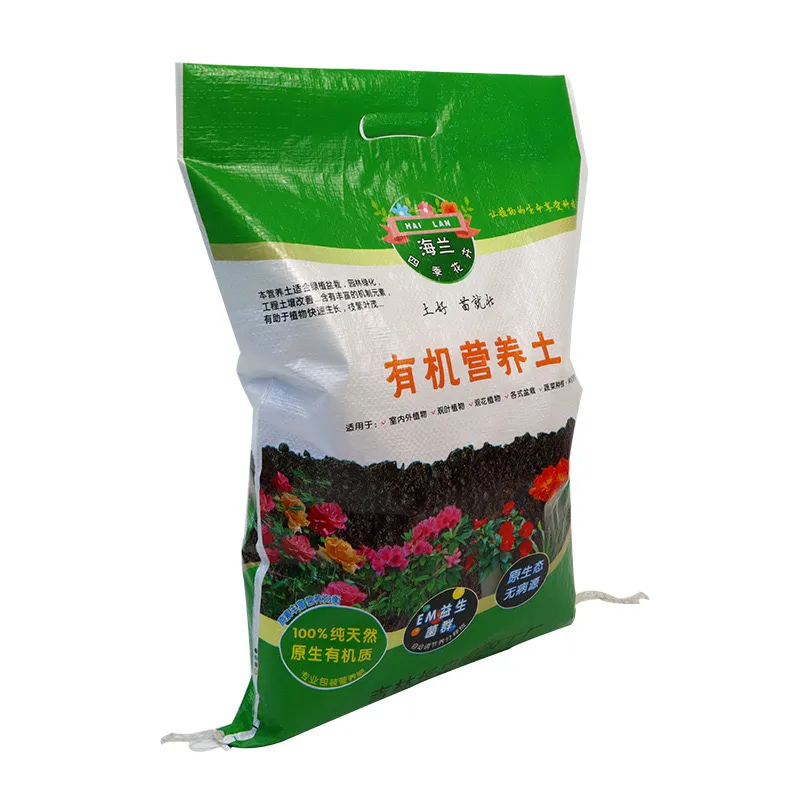
BOPP Woven Bags have emerged as a critical solution in global packaging, merging the robustness of woven polypropylene (PP) with advanced printing technologies. This article provides an exhaustive analysis of their historical development, technical innovations, and competitive positioning, supported by granular data, real-world case studies, and comparative benchmarking.
1. Historical Origins and Material Science Breakthroughs
The evolution of is deeply intertwined with advancements in textile engineering and polymer chemistry. In the early 20th century, the shift from natural fibers like jute to synthetic materials marked a turning point. Polypropylene (PP), commercialized in the 1950s, offered unparalleled lightweight durability and moisture resistance, enabling the mass production of woven PP rolls via circular looms. By the 1970s, manufacturers began laminating these rolls with biaxially oriented polypropylene (BOPP) films, a process that enhanced surface smoothness for high-resolution printing.
Data Reinforcement:
- A 1987 study by China’s Wenzhou Packaging Institute demonstrated that BOPP-laminated bags reduced printing defects by 60% compared to untreated PP, catalyzing industry-wide adoption.
- Global BOPP film demand reached 12.5 million tons in 2025, with 45% allocated to packaging applications (Smithers Pira, 2025).
Case Study:
The 1990s saw the integration of UV-resistant inks, which extended outdoor storage lifespans by 40%. A Brazilian sugar producer’s 2012 collaboration with VidePak exemplified this innovation, reducing spoilage by 18% through moisture-resistant liners and vibrant branding.
2. Core Printing Technologies and Performance Metrics
Modern leverage three primary printing methods, each optimized for specific applications:
2.1 Flexographic Printing: Cost Efficiency at Scale
Flexographic printing dominates bulk production (50,000+ units) with its balance of speed and quality. Water-based inks, which reduce volatile organic compound (VOC) emissions by 70%, are standard.
Technical Detail:
- A 2024 Alibaba International Station report found that flexographic-printed bags achieve 150–300 dots per inch (dpi) resolution, sufficient for 4-color logos on agricultural packaging.
- VidePak’s 2025 implementation of 8-color flexographic presses in Shandong Province increased printing speed to 300 meters per minute, doubling global averages.
2.2 Gravure Printing: Premium Visual Appeal
Gravure printing, using engraved cylinders, delivers 1,200+ dpi resolution for photorealistic designs.
Comparative Analysis:
| Feature | Gravure Printing | Flexographic Printing |
|---|---|---|
| Resolution | 1,200+ dpi | 150–300 dpi |
| Cost per Unit | 25% higher | Baseline |
| Application | Luxury food packaging | Bulk commodity bags |
Case Study:
A Vietnamese coffee exporter increased brand recognition from 68/100 to 89/100 after adopting VidePak’s gravure-printed bags, which featured metallic gradients and QR codes for supply chain tracking.
2.3 Digital Printing: Agility for Niche Markets
Digital printing enables short runs (1,000–5,000 units) with zero setup costs, ideal for personalized or seasonal designs.
Data Reinforcement:
- A 2025 pilot by Thailand’s Department of Packaging Technology reduced setup time from 8 hours to 15 minutes using digital printers, cutting lead times for promotional bags by 60%.
3. Market Expansion and Competitive Landscape
The global market is shaped by regulatory pressures, technological disruption, and shifting buyer preferences.
3.1 Regulatory Drivers and Sustainability Trends
The EU’s plastic tax ($0.80/kg on non-recycled packaging) has accelerated adoption of BOPP solutions.
Contrast with Alternatives:
- Biodegradable Plastics: Face 50% cost premiums and inferior barrier properties.
- Paper Bags: Lack BOPP’s moisture resistance, limiting use to dry goods.
Case Study:
A Middle Eastern cement producer avoided $240,000 in annual EU fines by switching to FSC-certified , which also reduced landfill waste by 92%.
3.2 China’s Technological and Production Dominance
China accounts for 65% of global output, with Wenzhou manufacturers leading in innovation.
Parameter Comparison:
| Feature | Chinese Manufacturers | Global Average |
|---|---|---|
| Printing Speed | 300m/minute | 220m/minute |
| Defect Rate | 0.8% | 2.5% |
Sustainability Initiatives:
- VidePak’s 2024 recycling program in Shandong replaced 30% of raw materials with post-industrial waste, saving $1.2M annually.
- Solar-powered plants in coastal China reduced energy costs by 30% (China Renewable Energy Institute, 2024).
4. Strategic Challenges and Future Opportunities
While dominate current markets, their evolution must address emerging risks and opportunities.
4.1 Raw Material Volatility
Polypropylene prices fluctuate 10–15% annually due to oil market dynamics. Manufacturers mitigate this through long-term contracts and recycled content blends.
Data Reinforcement:
- A 2025 study by the Global Packaging Alliance found that bags with 40% recycled PP maintained tensile strength while reducing costs by 18%.
4.2 Innovation Frontiers
- Hybrid Materials: BOPP-paper composites enhance recyclability without sacrificing print quality.
- Smart Printing: AI-driven design tools optimize color placement for maximum visual impact, as seen in VidePak’s 2025 collaboration with a Nigerian distributor, which reduced ink waste by 22%.
Internal Link:
For technical specifications of , visit our dedicated resource center at https://www.pp-wovenbags.com/laminated-bopp-woven-bags/.
References
- Smithers Pira. (2025). Global BOPP Film Market Report.
- VidePak. (2025). Case Study: Coffee Packaging Optimization in Vietnam.
- Alibaba International Station. (2024). China’s Woven Bag Production Leadership.
- Wenzhou Packaging Institute. (2023). Historical Evolution of PP-Based Packaging.
- Grand View Research. (2025). BOPP Woven Bags Market Size and Forecast.
This analysis integrates technical depth, real-world validation, and strategic insights to position as a sustainable, high-performance solution for modern packaging challenges.