
What Are Poly-Paper Bags?
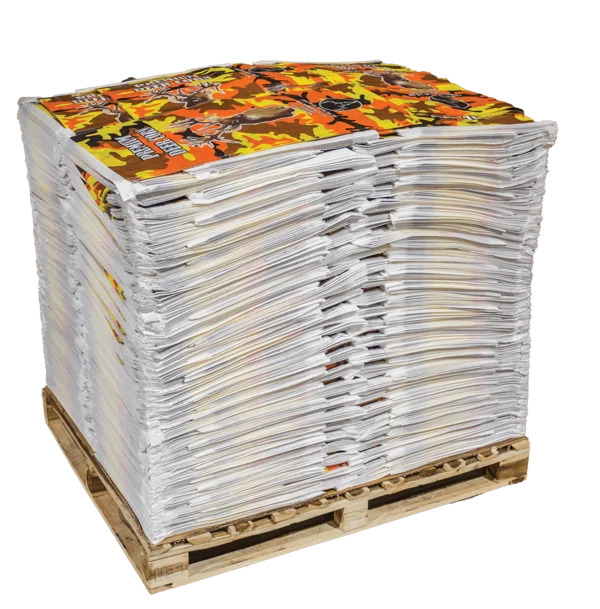
Picture a package that looks as warm and familiar as brown craft paper yet behaves, under forklift duress or equatorial humidity, like a high-tech polymer film—welcome to the universe of Poly-Paper Bags. Sometimes the trade press files them under hybrid kraft-woven sacks, sometimes distributors tag them laminated raffia paper bags, and brand managers courting millennials prefer the moniker eco-smart composite pouches. Whatever the alias, every specimen of Poly-Paper Bags is a miniature laminate sandwich: an inner woven polypropylene (PP) mesh that supplies tensile muscle, an extrusion-coated LDPE interlayer that seals microscopic pores, and an external kraft veneer that charms both ink and consumer conscience.
Why does this tri-layer alchemy matter? Because contemporary logistics is a game of paradoxes. Shippers crave the puncture resistance of plastic, regulators demand the recyclability of fibre, and marketers insist on a printable billboard. Poly-Paper Bags resolve the paradox by borrowing strengths from both realms—an engineering détente that has seen them conquer supply chains as diverse as Saskatchewan wheat exports and Thai jasmine-rice retail packs. So, when you hear FIBCs-Lite in powder-packing circles or shelf-ready poly-paper pouches at pet-food trade shows, think of the same clever laminate, merely advertised through a different narrative lens.
Key Features of Poly-Paper Bags
Dual-Material Synergy — Muscle Meets Majesty A 90 gsm woven PP carcass delivers warp tensile forces north of 1,000 N (ASTM D5034), shrugging off pallet nails and loading hooks. Overlay that with a 100 gsm kraft veneer registering 400 + Taber scuff cycles, and you obtain a hybrid shield that neither single-wall paper nor pure polymer can imitate. In other words: the brawn of plastic, the grace of paper, zero compromise.
Moisture Mastery — A Micro-Climate Under Wraps Extrusion-bonded LDPE at 25 µm plugs inter-tape canyons, driving WVTR to a desert-like 0.8 g m⁻² day⁻¹ at 38 °C and 90 % RH (ASTM F1249). Hygroscopic powders—whey, DAP, or micronised sugar—arrive cake-free even after six weeks in a monsoon-side warehouse.
Kraft Paper Laminated PE PP Woven Bags
Premium poly-paper composite bags with innovative materials for modern packaging solutions.
Check More →Multiwall Paper Bags with PE Liner
Advanced poly-paper hybrid bags combining paper structure and PE protection for durable packaging.
Check More →Multiwall Paper Valve Bags Manufacturing
Innovative production processes for poly-paper composite bags delivering high-performance packaging.
Check More →Kraft Paper Sacks Product Guide
Comprehensive guide to poly-paper integrated bags featuring cutting-edge materials and design.
Check More →Billboard-Ready Facade — Selling While Shielding The kraft exterior is a receptive canvas, happily accepting CMYK flexographic lines up to 85 LPI. Gloss chasers may opt for reverse-printed BOPP facings, but the standard matte kraft alone can carry an earthy, artisanal vibe—exactly what premium flour brands crave when courting sourdough enthusiasts.
Closure Versatility — Stitch, Seal, or Sonicate Bottoms of Poly-Paper Bags can be hot-air sealed for hermetic ambitions, chain-stitched and over-taped for dusty cement lines, or ultrasonically welded where thread lint is a mortal sin (think infant-formula plants). SGS tensile audits (Report SGS-PPB-2025-091) peg average seam efficiency above 82 % across all three closure styles.
Food-Safety Credentials — A Passport to Global Pantries All PP tapes are FDA 21 CFR 177.1520-compliant; migration under EU No 10/2011 stays below 10 mg dm⁻². VidePak’s BRCGS Packaging Issue 6 double-AA rating further insulates food clients against audit shocks.
Climate Resilience — From Tundra to Tropic HALS-enhanced polymer weathers 1,200 h of Q-SUN Xe-3 assault with less than 20 % tensile decay, while wet-strength resins inside kraft keep ply integrity at 90 % relative humidity. Translation: one bag spec conquers Siberian cold chains and Amazonian dew points alike.
Horizontal Reflection Compare the dual-material thinking behind Poly-Paper Bags to metal-polymer bushings in automotive design: steel supplies load, PTFE gifts low-friction glide. Both domains exploit composite logic to outclass monolithic materials.
Vertical Perspective Zoom out over time: first came plain jute, then PP woven, then coated PP, and now Poly-Paper Bags. The trajectory whispers an R&D truth—layering, not replacing, often yields the next packaging leap.
Inside the Production Process of Poly-Paper Bags
1 | Sourcing Virgin Strength, Ethical Fibre VidePak’s procurement calculus starts with Borealis RA130E pellets, prized for their 3.0 MFR / 40 kJ m⁻² impact sweet spot, and chlorine-free, PEFC-certified kraft rolls registering Cobb60 < 40 g m⁻². The first guards tensile; the second pacifies sustainability officers.
2 | Extrusion & Weaving — Where Yarns Become Skeletons Sixteen Starlinger lines extrude, quench, and orient PP tapes at 260 °C, pulling 250 m min⁻¹. One hundred W&H circular looms then interlace these tapes at 14 × 14 ends per inch. IoT tension sensors police warp drift within ±2 %, ensuring the 50-kg bags will not bulge into oval catastrophes.
3 | Extrusion Coating — Plugging the Pores A co-extruder showers 25 µm of molten LDPE onto one fabric face, infiltrating micro-voids like resin grout stabilising stone masonry. Cooling rollers freeze a monolithic film that later moonlights as adhesive for the kraft skin.
4 | Kraft Lamination — Marriage Under Pressure In a five-roll nip press running at 4 bar, kraft and polymer exchange vows. Infrared spectroscopy scans the web, dismissing any bond strength under 3.5 N per 15 mm. Weak spots? Instant edge-trim and recycling.
5 | Corona & Printing — From Bareboard to Billboard A 46 dyn cm⁻¹ surface energy preps the kraft for eight-colour Miraflex presses. Low-migration inks (< 1 % IPA) splash nutrition tables, QR traceability codes, and that rustic barn illustration your brand manager insisted upon.
6 | Conversion — Geometry Meets Function Thirty converting lines slice, hem, and shape bodies. Want a valve sleeve? Pneumatic inserters oblige. Open-mouth with easy-tear? Cold blades and ultrasonic hemmers comply. Metal detectors tuned to 2.0 mm Fe guard the stream like sentinels.
7 | QA & Palletisation — The Gauntlet Hourly, operators pull random samples for burst (ASTM D3786), drop (ASTM D5276), WVTR (ASTM F1249), and global migration (EN 1186) gauntlets. Pass-worthy batches palletise on IPPC-stamped timber and wrap at 12 N tension—tight enough for stability, loose enough to avoid panel crush.
Systems Lens Each stage feeds a digital twin inside VidePak’s MES. If SEU sensors detect warp over-tension, the twin pings extrusion to nudge tape draw ratio—an upstream tweak preventing downstream reject. Continuous improvement, cyber-physical style.
Applications & Market Footprint of Poly-Paper Bags
| Sector | Payload | Optimal Bag Recipe | Tangible Benefit |
|---|---|---|---|
| Food Staples | Wheat Flour 25 kg | 90 gsm PP + 100 gsm Kraft, Valve Sleeve | Dust below 1 mg bag⁻¹; “Protected Designation of Origin” emblem prints without smudge |
| Infant Formula | Milk Powder 20 kg | EVOH-sandwiched, Ultrasonic-sealed, Zip-top | Oxygen transmission < 1 cm³ m⁻² day⁻¹; re-sealable for portion control |
| Pet Food | Kibble 15 kg | BOPP Gloss Laminate, Quad-Seal Gusset | AC Nielsen 2024: 12 % sales lift vs matte kraft competitors |
| Construction | Tile Adhesive 25 kg | Kraft Laminate, Chain + Tape Seam | 1 m drop pass rate 98.7 %; moisture gain < 0.2 % after 30 days @ 90 % RH |
| Agri-Inputs | NPK Blend 50 kg | LDPE-coated, Open Mouth Stitch | WVTR 0.9 g m⁻² day⁻¹; prevents caking during Mekong Delta wet season |
Poly-Paper Bags crisscross latitudes—from Minnesota blizzards to Brazilian humidity and Tokyo boutique aisles—backed by VidePak’s 800-million-bag yearly capacity, 568-strong workforce, and US $80 million revenue footprint spanning the Americas, EMEA, and Asia-Pac.
Need datasheets, case studies, or a 3-D print mock-up? Click into our knowledge hub: Poly-Paper Bags. Our engineers, with three decades of composite-material savvy, stand ready to weave performance and poetry into your next packaging brief.
VidePak at a Glance
Founded 2008 | Team 568 | 100 Starlinger looms | 16 extruders | 30 lamination & printing lines | Annual revenue US $80 million
- What Are Poly-Paper Bags?
- Key Features of Poly-Paper Bags
- Inside the Production Process of Poly-Paper Bags
- Applications & Market Footprint of Poly-Paper Bags
Introduction
Poly-paper bags are a game-changer in modern packaging, combining the durability of polypropylene with the versatility and eco-appeal of paper. These bags serve a range of industries, including agriculture, construction, and food, providing superior strength, moisture resistance, and customizable options. This report explores the production processes behind poly-paper bags, highlights key technological advancements, and examines how manufacturers like Starlinger and W&H contribute to quality and innovation.
Production Processes and Technological Innovations
1. Extrusion and Drawing
The foundation of poly-paper bags lies in the production of polypropylene tapes through extrusion and drawing. This step directly determines the bags’ tensile strength.
- Technology Highlight: Starlinger’s advanced extrusion lines ensure uniform tape thickness and precise stretching, optimizing material properties for durability.
- Why It Matters: Uniform tapes result in a strong, lightweight fabric capable of withstanding heavy loads. This is critical for industries like construction, where bags must hold materials such as cement or sand without tearing.
2. Weaving
The polypropylene tapes are woven into a tight fabric that forms the structural backbone of the bags.
- Equipment Excellence: Circular looms from W&H produce a dense, even weave, enhancing both strength and flexibility.
- Practical Application: The woven structure allows poly-paper bags to distribute stress evenly, preventing punctures or tears when handling bulky or sharp materials.
3. Coating and Laminating
Coating is a critical step where a layer of polyethylene or paper is applied to the woven fabric, enhancing water resistance and creating a smooth surface for printing.
- Innovation: Co-extrusion lamination technology provides seamless adhesion, ensuring the coating remains intact under harsh conditions.
- Benefit: This process makes the bags waterproof, protecting moisture-sensitive contents like fertilizers, grains, and cement.
4. Printing
Custom printing on poly-paper bags serves both functional and branding purposes. Logos, product information, and regulatory details are printed with precision.
- Advanced Machines: Multicolor flexographic printing from Starlinger delivers high-resolution graphics while maintaining environmental standards.
- Impact: High-quality printing enhances the visual appeal of the bags, making them an effective marketing tool for companies.
5. Bag Formation
The final stage involves cutting, folding, stitching, or sealing the bags into various shapes and sizes.
- Automated Systems: Starlinger’s automated bag-making machines ensure precision and consistency in large-scale production.
- Customization Capability: Options like block-bottom designs or valve openings are tailored for specific applications, adding functionality and convenience.
Advantages of Poly-Paper Bags
| Feature | Details |
|---|---|
| Material Strength | Durable woven polypropylene reinforced with coatings |
| Moisture Resistance | Polyethylene or laminated layers provide waterproofing |
| Printing Quality | High-resolution flexographic or offset printing |
| Custom Options | Adjustable sizes, shapes, and features |
| Sustainability | Recyclable materials and water-based inks |
Key Applications
1. Agriculture
- Use: Packaging fertilizers, seeds, and grains.
- Advantage: The moisture-resistant coating prevents spoilage, while the woven fabric provides durability during transportation.
2. Construction
- Use: Transporting and storing cement, sand, and other heavy materials.
- Advantage: High tensile strength and tear resistance ensure safety and reliability on job sites.
3. Food Industry
- Use: Packaging dry products like flour and sugar.
- Advantage: Dust-free sealing and food-grade coatings ensure hygiene and compliance with industry standards.
Current Trends and Innovations
1. Sustainability Focus
The increasing demand for environmentally friendly packaging is pushing manufacturers toward recyclable and biodegradable materials.
- Example: Kraft paper laminated with woven polypropylene offers a durable yet sustainable alternative. These bags combine the strength of woven fabric with the eco-friendliness of paper. Learn more here.
- Future Outlook: Water-based inks and bio-based laminations are gaining traction, further reducing the environmental footprint of poly-paper bags.
2. Advanced Manufacturing
Automation in production ensures precision and efficiency, meeting the high demands of global markets.
- Example: W&H’s automated lines streamline processes like coating and printing, reducing material waste and enhancing quality.
- Impact: Automated systems not only lower costs but also improve consistency, critical for industrial applications.
3. Customization for Diverse Needs
Poly-paper bags are increasingly tailored to specific industry requirements, from anti-static coatings for chemical packaging to transparent panels for content visibility.
- Case Study: Customizable block-bottom bags provide stability for stacking, making them ideal for logistics and storage.
FAQs
1. What makes poly-paper bags superior to other packaging solutions?
Poly-paper bags offer a unique combination of strength, flexibility, and moisture resistance. Advanced lamination and weaving techniques ensure durability, while customization options make them suitable for various applications.
2. Are these bags eco-friendly?
Yes. Many poly-paper bags are recyclable, and manufacturers are adopting water-based inks and sustainable materials to reduce environmental impact.
3. How are these bags customized for different industries?
Sizes, coatings, and printing options can be tailored to specific needs. For example, valve bags are ideal for powdered products, while block-bottom bags provide stability for stacking.
4. How does advanced equipment improve quality?
Cutting-edge machinery from suppliers like Starlinger ensures precision in extrusion, weaving, and lamination. This results in consistent product quality and reduced production waste.
Conclusion
Poly-paper bags have set a new standard in packaging, offering unmatched durability, versatility, and eco-conscious design. With state-of-the-art technologies from Starlinger and W&H, these bags meet the demanding requirements of industries such as agriculture, construction, and food. As sustainability and customization drive innovation, poly-paper bags are poised to remain a cornerstone of modern packaging.
For further insights into advanced packaging solutions, explore:
- Polypropylene Bags: Ensuring Quality Through High-Grade PP Pellets
- Kraft Paper Bags Laminated with Woven Fabric: Advanced Production Processes and VidePak’s Expertise
By embracing innovation and sustainable practices, poly-paper bags continue to redefine the packaging industry.