
Open Mouth PP Bags: Industrial Versatility Rooted in Material Science and Customization Potential
Packaging is often underestimated—until it fails. In the industrial and logistics sectors, where speed meets scrutiny, Open Mouth Bags have carved a unique niche. With their hallmark open-top design and robust woven polypropylene (PP) composition, these bags are anything but ordinary. They are engineered to endure, tailored to specific market expectations, and evolving alongside advances in material technology and sustainability trends. But what exactly makes Open Mouth Bags an indispensable packaging solution? Let’s unpack the story, layer by layer.
Understanding the Essentials: What Are Open Mouth Bags?
At their core, Open Mouth Bags are sacks constructed from woven PP fabric, open at one end for filling and later sealed through sewing, adhesive, or heat. Often referred to as flat mouth sacks, open-top woven bags, or cut-top PP sacks, their simplicity in structure belies the engineering sophistication embedded in their production. Designed for direct filling, these bags thrive in semi-automated and fully automated systems. Their tactile surface, superior strength-to-weight ratio, and breathability make them a standout alternative to conventional kraft paper or polyethylene bags.
Polypropylene itself is a thermoplastic marvel. With a high melting point, resistance to chemicals, and exceptional tensile strength, it’s a material born for harsh environments. When woven into a fabric matrix, it yields packaging that resists tearing, moisture ingress, and even UV degradation when treated appropriately. Unlike monolithic film-based bags that can delaminate or burst under duress, Open Mouth Bags provide a textile-like toughness with the convenience of plastic.
From Pellet to Package: How Open Mouth Bags Are Made
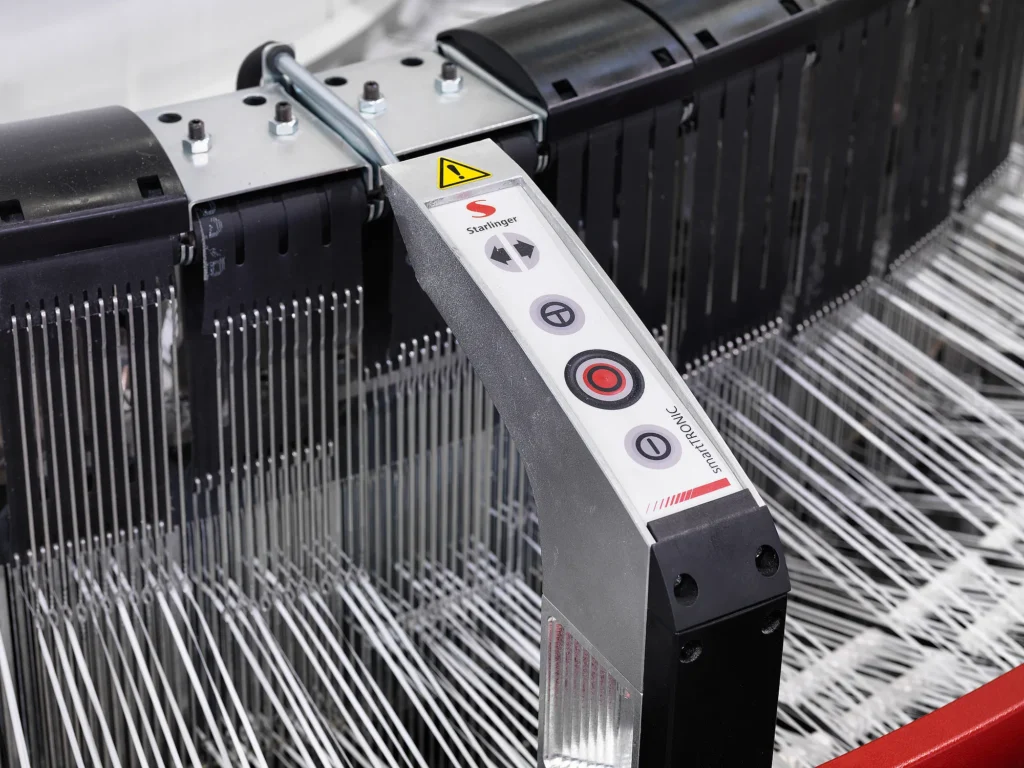
The birth of an Open Mouth Bag begins with virgin polypropylene granules. These are melted and extruded into long, flat tapes which are then drawn and wound into bobbins. The draw ratio—a critical engineering parameter—determines the tape’s final strength and elongation capacity. These tapes are then interlaced using circular or flat looms, such as those from Starlinger, forming the fabric backbone of the bag.
Next comes precision cutting and forming. Whether the end-use demands a gusseted bottom, stitched base, or heat-sealed seam, flexibility reigns supreme. The bag can be laminated with BOPP (biaxially oriented polypropylene) for high-resolution graphics and moisture protection or left uncoated for breathable storage. High-definition flexographic printing allows brand identity and compliance information to be rendered with photographic clarity—a vital feature for food-grade and consumer-facing products.
Functional Beauty: Why Open Mouth Bags Matter Across Industries
What do fertilizers, flour, cement, and resin have in common? All of them find a reliable companion in Open Mouth Bags. Agriculture demands moisture control and UV resilience; construction needs puncture resistance and optimal stackability; food-grade sectors seek hygiene, traceability, and shelf appeal; chemical sectors require anti-static properties and chemically inert liners. Across verticals, these bags deliver performance.
Consider flour packaging. Here, regulations like FDA 21 CFR 177.1520 mandate the use of food-contact safe materials. An Open Mouth Bag for this application often includes an internal PE liner, a BOPP outer layer for branding, and lamination to block moisture migration. On the other hand, a construction-grade cement bag might opt for micro-perforation for ventilation and a heavier fabric GSM (grams per square meter) to resist rough handling.
Customization: The Soul of Scalability
The true genius of Open Mouth Bags lies in their near-infinite customizability. Need a valve for dust-free filling? Done. Want a die-cut handle for retail appeal? Easy. Require anti-slip coating for high-speed palletization? Consider it solved. This customization potential enables manufacturers to align packaging precisely with operational, regulatory, and market-facing requirements.
| Custom Feature | Industrial Functionality | Technical Consideration |
|---|---|---|
| Valve Port | For fine powders and chemicals | Heat-sealed valve ensures dust-tight operation |
| Die-cut Handle | For consumer-packaged goods | Reinforced edges prevent tearing |
| Micro-perforation | For grains and seeds | Balances breathability and protection |
| Gusset & Shape Control | For optimal pallet usage | Enhances load uniformity and space efficiency |
| Adjustable Thickness | For load-sensitive products | GSM range from 60 to 120 for tailored durability |
| High-Resolution Printing | For brand visibility and instructions | 8-color flexo with fade-resistant ink |
| Lamination Types | For barrier performance | PE or BOPP, food-grade or standard options |
Case Insight: Packaging Crisis Turned Competitive Edge
Let’s examine a fertilizer company in the Gulf region that battled seasonal packaging failures. The intense desert climate pushed traditional 80 GSM bags past their limits. Tears and ruptures became frequent, undermining logistics and brand reputation. Through root cause analysis, the packaging was identified as the weakest link—lacking UV stabilizers, inadequate stitching, and vulnerable to forklift abuse.
The solution? Transition to 100 GSM Open Mouth Bags with UV-treated woven PP fabric, heat-sealed seams, and an interior PE liner. Within one season, packaging failures dropped by 78%, logistics costs fell, and customer satisfaction metrics improved notably. While unit cost rose by a marginal $0.03, annual savings surpassed $45,000, achieving an ROI of 14.2% in under 9 months. Here, Open Mouth Bags didn’t just solve a problem; they engineered a competitive advantage.
Putting Quality to the Test: Certification and Compliance
Every high-performance product must earn its stripes. Open Mouth Bags used in food and chemical sectors undergo rigorous validation:
- SGS Material Report: No. CN/2022/5432 confirms virgin PP purity.
- FDA Compliance: 21 CFR 177.1520 ensures material safety for food contact.
- Mechanical Testing: ASTM D5276 drop test (25kg from 1.2m) and ISO 2758 burst strength (22-30 psi).
- UV Exposure: ASTM G154 certified for 200-hour resistance.
Each of these measures ensures the bag meets global expectations—from European REACH standards to USDA organic packaging guidelines.
Beyond Comparison: Why Polypropylene Woven Sacks Triumph
When stacked against traditional packaging forms, Open Mouth Bags shine. Paper sacks tear under humidity. Jute lacks printability. Multi-layer plastic bags complicate recycling. Woven PP strikes a rare equilibrium of functionality, durability, and sustainability.
| Criteria | Open Mouth Bags | Paper Bags | Jute Sacks |
|---|---|---|---|
| Load Bearing | Up to 50 kg | 25–30 kg | 20–40 kg |
| Water Resistance | High (with lamination) | Very Low | Moderate |
| Customization | Extremely High | Moderate | Limited |
| Print Capability | Photographic | Average | Poor |
| Recyclability | Easy (monomaterial) | Moderate (composite) | Limited |
The Road Ahead: Smarter, Greener Packaging Evolution
As digital transformation penetrates logistics, packaging must adapt. RFID-enabled Open Mouth Bags, QR-coded traceability systems, and IoT-linked inventory solutions are not far from reality. Coupled with circular economy imperatives, the mono-material composition of PP simplifies recyclability compared to multilayer laminates.
What lies beyond is a smarter sack—intelligent, interactive, and intuitive. One that doesn’t merely hold goods but becomes an active node in the supply chain.
To discover our full range of industrial-grade Open Mouth Bags, including technical datasheets and consultation support, visit our official portal.
- 1. Introduction: The Role of Packaging in Supply Chain Efficiency
- 2. What Are Open Mouth PP Bags?
- 3. Methodology: From Raw Materials to Finished Bags
- 4. Applications Across Industries: Where Function Meets Fit
- 5. Customization: Meeting the Needs of Global Markets
- 6. Engineering Insight: How Quality is Measured and Maintained
- 7. Case Study: Systemic Problem Solving in the Fertilizer Sector
- 8. Comparative Analysis: PP vs Other Packaging Media
- 9. Discussion: Strategic Implications and Future Trends
- 10. Conclusion: The Engineering Value of Open Mouth PP Bags
- References
1. Introduction: The Role of Packaging in Supply Chain Efficiency
Packaging serves not just as a containment medium, but as a critical enabler of supply chain efficiency, product safety, and brand communication. Open Mouth PP Bags, a variant of flexible industrial packaging, have emerged as a preferred solution across multiple industries. Their rise coincides with growing global demand for cost-effective, customizable, and robust packaging systems that can withstand harsh handling environments while maintaining material integrity.
To understand the growing relevance of this product, we must first explore what Open Mouth PP Bags are, followed by a deep dive into their manufacturing processes, customization features, and how they serve diverse market needs across verticals.
2. What Are Open Mouth PP Bags?
Open Mouth PP Bags are constructed from woven polypropylene fabric and are defined by their open-top design. This feature allows for easy manual or automatic filling, which is then followed by closing through heat sealing, sewing, or tie-off techniques. Alternative names for these bags include flat mouth sacks, open-top woven sacks, and cut-top PP bags.
Vertical Context: Engineering of the Material
Polypropylene (PP) is a thermoplastic polymer known for its high tensile strength, chemical resistance, and lightweight properties. When woven into fabric, PP creates a packaging material capable of resisting tearing, moisture ingress, and UV degradation—essential in extended supply chain cycles.
Horizontal Integration: Packaging Across Materials
Compared to traditional packaging materials like paper sacks or polyethylene films, PP woven fabric offers a blend of mechanical strength (like jute bags) and barrier properties (like plastic films), making it ideal for industrial sectors that require both durability and affordability.
3. Methodology: From Raw Materials to Finished Bags
To grasp the technical integrity of Open Mouth PP Bags, we must dissect the manufacturing process using a system-thinking approach, breaking it down into modular stages:
a. Extrusion and Taping
Virgin PP granules are melted and extruded into flat tapes. These tapes are then stretched and wound to achieve desired denier (thickness per unit length), directly influencing the bag’s load-bearing capacity.
b. Weaving
Using Starlinger circular looms, the tapes are woven into tubular or flat fabric. These looms allow precise tension control and minimal defects, increasing production efficiency.
c. Cutting and Forming
Fabric is cut according to specific width and length requirements. The bag’s base is then stitched or heat-sealed depending on usage requirements.
d. Lamination and Coating (Optional)
To enhance moisture or gas barrier properties, co-extruded PE films or BOPP laminates are applied. This step is critical for food-grade or chemical-sensitive products.
e. Printing
Advanced W&H (Windmöller & Hölscher) flexographic machines allow up to 8-color printing with high registration precision. This enables detailed branding and regulatory labeling.
4. Applications Across Industries: Where Function Meets Fit
Open Mouth PP Bags cater to a broad spectrum of industries. However, each application entails unique performance requirements.
a. Agriculture
Use: Grains, fertilizers, and seeds.
Challenge: Humidity control and tear resistance.
Solution: Micro-perforation, BOPP lamination.
b. Construction
Use: Cement, mortar, adhesives.
Challenge: Dust leakage and mechanical abuse.
Solution: Thicker GSM fabric, stitched bottom, optional internal PE liner.
c. Food Processing
Use: Flour, rice, starch, sugar.
Challenge: Regulatory compliance and contamination risks.
Solution: Food-grade lamination (FDA 21 CFR 177.1520), ISO 22000-certified production.
d. Chemicals
Use: Resins, powders, minerals.
Challenge: Reaction with packaging materials.
Solution: Anti-static additives, UV-treated fabric.
5. Customization: Meeting the Needs of Global Markets
Open Mouth PP Bags offer a modular customization framework, enabling precise alignment with end-user requirements.
| Custom Feature | Market Application | Engineering Detail |
|---|---|---|
| Valve Integration | Chemical/Fertilizer | Co-extruded or heat-sealed valves for dust-tight closure |
| Die-cut Handles | Retail Packaging | CNC-cut handles with reinforced edges |
| Micro-perforation | Agricultural Grains | Ventilation while maintaining structural integrity |
| Gussets & Shapes | Construction Materials | Optimized palletization and fill-ratio |
| Thickness Control | Bulk Chemical Packaging | Custom GSM up to 120 for heavy-duty use |
| High-Definition Printing | Consumer Goods/Retail | Up to 8-color flexographic printing with fade-resistant ink |
| PE/Kraft Lamination | Moisture-sensitive goods | Dual-layer protection with print-ready surfaces |
6. Engineering Insight: How Quality is Measured and Maintained
VidePak enforces a multi-level quality control process that includes raw material validation, in-line defect tracking, and post-production stress testing.
a. Material Validation
- Virgin PP Certification: SGS Report No. CN/2022/5432
- Food-grade film: FDA 21 CFR 177.1520 compliant
b. Mechanical Testing
- Drop Resistance: ASTM D5276, dropped from 1.2 meters with 25 kg load
- Burst Strength: ISO 2758 testing yields 22–30 psi
- UV Stability: Up to 200 hours (ASTM G154) with no structural degradation
7. Case Study: Systemic Problem Solving in the Fertilizer Sector
A fertilizer manufacturer in the Middle East faced a sharp increase in packaging failures during summer logistics.
Problem Definition: Bags ruptured under high temperatures (up to 48°C), often during stacking or forklift handling.
Root Cause Analysis:
- GSM too low (80 gsm)
- No UV stabilizer in the fabric
- Weak seam stitching under tensile loads
Systemic Solution:
- Upgraded to 100 gsm UV-treated PP fabric
- Introduced heat-sealed seams
- Adopted PE-laminated open mouth PP bag with BOPP exterior
Outcome:
- Failure rate reduced by 78%
- Packaging cost rose by $0.03/unit but total annual savings exceeded $45,000
- Return on investment: 14.2% over 9 months
8. Comparative Analysis: PP vs Other Packaging Media
| Attribute | PP Woven Open Mouth Bags | Paper Sacks | Jute Bags |
|---|---|---|---|
| Load Capacity | Up to 50 kg | 25–30 kg | 25–40 kg |
| Water Resistance | High (with lamination) | Low | Medium |
| Reusability | High | Low | Medium |
| Customization Level | Very High | Medium | Low |
| Print Quality | Excellent | Good | Poor |
9. Discussion: Strategic Implications and Future Trends
As global trade and e-commerce increase the complexity of logistics, the demand for durable, lightweight, and customizable packaging is expected to rise. Open Mouth PP Bags offer a compelling mix of performance and adaptability. With the shift towards smart packaging, future innovations may include RFID-embedded labels, digital printing for QR-code integration, and IoT-enabled supply chain tracking.
Furthermore, as circular economy models gain traction, the recyclability of virgin PP makes these bags a more sustainable option compared to multi-material packaging.
10. Conclusion: The Engineering Value of Open Mouth PP Bags
By examining Open Mouth PP Bags through a multi-dimensional lens—spanning material science, mechanical testing, market adaptation, and sustainability—we uncover a packaging solution that is both mature and forward-compatible. When supported by high-performance equipment like Starlinger looms and W&H printers, and governed by ISO and FDA quality regimes, these bags can offer measurable business outcomes.
To explore our full range of industrial-grade Open Mouth Bags, visit our official site where you can find technical documentation, consultation forms, and direct inquiry options.
References
- ASTM International. (2022). ASTM D5276, D5035, G154
- ISO. ISO 9001:2015 & ISO 22000:2018 Standards
- SGS Material Testing Reports – SGS Report No. CN/2022/5432
- FDA 21 CFR 177.1520 – Food Contact Compliance for Polyolefins
- Starlinger Technical Sheets – Circular Loom Performance Standards
- W&H Flexographic Press Documentation
- Client Case Studies – VidePak Internal Documentation
- Packaging World (2023). Industrial Packaging Trends
- Alibaba and Made-in-China Open Mouth PP Bag Listings (2024)