
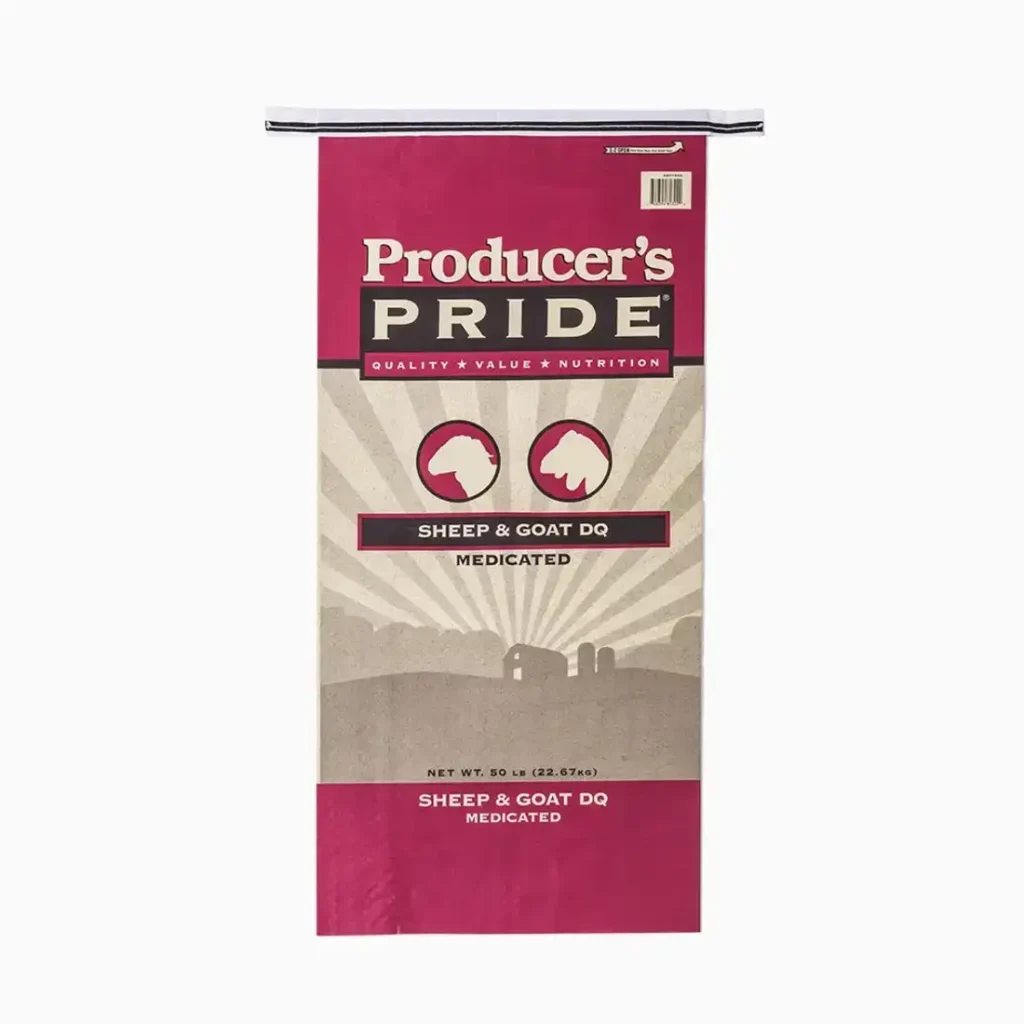
- What is Multiwall Paper Bags Printing? Aliases, Features, Manufacturing Flow, and Uses
- Why Multiwall Paper Bags Printing Matters: Cost, Compliance, and Speed in One Discipline
- Flexographic Post‑Print on Sack Kraft — Problem → Method → Result → Discussion
- Offset Preprint on the Outer Ply — Problem → Method → Result → Discussion
- Rotogravure on BOPP Lamination — Problem → Method → Result → Discussion
- Digital Inkjet on Coated Papers — Problem → Method → Result → Discussion
- Specialty Finishes and Functional Layers within Multiwall Paper Bags Printing
- Color Management, Prepress Discipline, and Registration Control
- Ink & Coating Systems and Regulatory Alignment in Multiwall Paper Bags Printing
- Human Factors: Warehouse‑Readable Design Patterns that Pay Back
- QA, Test Methods, and Statistical Controls for Multiwall Paper Bags Printing
- Comparative Table — Printing Methods vs. Performance & Economics
- Comparative Table — Ink/Coating Choices and Regulatory/Functional Fit
- Core Construction & Dimension Parameters (for Print Planning)
- Case Lenses — Three Situations Where Multiwall Paper Bags Printing Decides the Outcome
- Specification Workflow & Checklist for Multiwall Paper Bags Printing
- Horizontal & Vertical Thinking — Connecting Disciplines Around Multiwall Paper Bags Printing
- Frequently Asked Questions—Answered with Line Reality
- What Is Multiwall Paper Bags Printing? Definition, Aliases, Features, Process, and Uses
- Why Does Fast Changeover Matter in Multiwall Paper Bags Printing?
- Which Processes Define Multiwall Paper Bags Printing, and When Do They Win?
- What Role Do Prepress Rules Play in Multiwall Paper Bags Printing?
- How Can We Improve Line Performance in Multiwall Paper Bags Printing?
- What Components Are Essential for a Robust Multiwall Paper Bags Printing Setup?
- How Should a Plant “Set Up the Controller” for Multiwall Paper Bags Printing?
- What Advantages Do Anti‑Slip and Soft‑Touch Finishes Provide in Multiwall Paper Bags Printing?
- What Materials Suit Multiwall Paper Bags Printing, and Where Are the Edges?
- How Do We Keep Multiwall Paper Bags Printing in Top Shape Over Time?
- Practical Parameters and Options for Multiwall Paper Bags Printing
- References
What is Multiwall Paper Bags Printing? Aliases, Features, Manufacturing Flow, and Uses
Definition & scope. Multiwall Paper Bags Printing refers to the set of prepress, printing, finishing, and verification activities applied to multi‑ply sack‑kraft bags so that graphics, regulatory information, and handling cues survive from pressroom to pallet to point of use. In trade and across regions you will also encounter aliases such as paper sack printing, multi‑ply sack printing, valve‑bag printing, pasted open‑mouth (POM) bag printing, pinch‑bottom (PBOM) bag printing, and pasted valve (PVSE) bag printing. Names change by closure and forming method; the mission is constant: legible, durable, compliant graphics on a load‑bearing paper structure.
Key features. When executed correctly, Multiwall Paper Bags Printing delivers (1) high‑contrast branding and hazard pictograms that stay readable after filling and transport; (2) selectable image quality tiers—industrial flexographic solids, offset‑grade photo imagery, or gravure‑laminated visuals; (3) functional overprints such as anti‑slip lacquers and heat‑resistant ink systems in seal zones; (4) machine‑readable zones for barcodes/QR/RFID that scan cleanly; and (5) documented compliance for food/feed applications under recognized regulations and industry codes.
Manufacturing flow. The typical flow couples paper conversion with printing controls: sack‑kraft reels are pre‑printed (offset preprint, digital) or post‑printed inline on the tuber (water‑based flexography). Tubes are formed and side‑seamed; tops are prepared for valve or open‑mouth formats; bottoms are sealed by pasting (hot‑melt/cold‑set), pinch‑sealing (heat), or sewing (SOM). If aroma/grease or moisture protection is required, a poly liner (25–80 μm) or barrier ply is added. Finished bags are square‑formed and palletized. Quality gates include basis weight (TAPPI T410), moisture (T412), Cobb water absorptiveness (T441), tensile/TEA (T494/T414), Mullen burst (T807/T810), print rub/scratch, and barcode grade verification.
Where it is used. Multiwall Paper Bags Printing supports products that must be strong on forklifts and sharp on shelves: cement & dry mortar, tile adhesive & gypsum, starches & flours, sugar, milk powder outer packs, seeds & animal feed, fertilizers, chemical additives, biomass pellets, and mineral fillers. In all of these, print is not decoration; it is instruction, compliance, and identity.
Quick reference. For product forms related to this category, see Multiwall Paper Bags Printing.
Why Multiwall Paper Bags Printing Matters: Cost, Compliance, and Speed in One Discipline
A bag can be strong yet silent; a print can be vivid yet fragile. Operations need both—enduring structure and enduring message. Multiwall Paper Bags Printing is where those needs meet. If a lot code smears, traceability breaks. If a hazard symbol fades, audits stumble. If a color family is inconsistent, pallets are mis‑picked. Printing choice is therefore not merely aesthetic. It is an operational control that governs changeover cadence, warehouse accuracy, and claim rates. Put differently: the right ink on the right ply, in the right zone, with the right varnish, equals fewer deviations and faster throughput.
Multiwall Paper Bags Types & Structure
Professional analysis on types, structure and materials of multiwall paper bags.
Check More →What Is Multi-Ply Kraft Paper Bags
Introduction to multi-ply kraft paper bags and their industrial packaging applications.
Check More →Multiwall Paper Valve Bags Manufacturing
Complete manufacturing process of multiwall paper valve bags from professional manufacturer.
Check More →Applications of Multiwall Paper Bags
Wide industrial application scenarios for high-quality multiwall paper packaging bags.
Check More →Flexographic Post‑Print on Sack Kraft — Problem → Method → Result → Discussion
Problem. High‑volume industrial runs demand speed, predictable registration at tuber rates, and economical plates for 2–6 spot colors. Graphics are often bold solids, hazard pictograms, and regulatory blocks rather than photographic scenes.
Method. Water‑based flexography on the outer ply (or pre‑coated sheet), using calibrated anilox rolls, 60–120 lpi line screens, and in‑line drying. Paper is corona/flame treated when needed. Inks adhere to the EuPIA Exclusion Policy and low‑VOC targets; overprint varnishes add rub resistance.
Result. Clean solids, crisp logos, and compliant icons at competitive unit cost. With proper overcoats, rub life more than doubles versus unvarnished prints in rotary rub tests; plate swaps enable rapid SKU changeovers.
Discussion. Against rotogravure, flexo’s capital/engraving burden is lighter and setups are quicker. Against offset preprint, flexo’s integration with the tuber cuts handling steps. Where halftone subtlety or skin‑tone gradients matter, flexo approaches—but does not surpass—offset or gravure smoothness; it wins on tempo and TCO.
Offset Preprint on the Outer Ply — Problem → Method → Result → Discussion
Problem. Premium sacks (pet food, specialty flours) ask for photographic fidelity without compromising the tensile/elongation profile of sack kraft.
Method. The outer ply is offset‑printed (sheet‑ or web‑fed) in CMYK + spot as needed, protected by aqueous coatings. The pre‑printed reel is then tubed with registration marks planned for forming. Heat‑resistant zones are masked or printed with appropriate systems if the bag is destined for pinch‑sealing.
Result. High‑resolution imagery, smooth tonal ramps, fine text at small point sizes, and strong brand presence. With tailored coatings, rub/scratch resistance reaches retail‑ready performance.
Discussion. Offset preprint introduces intermediate inventory (pre‑printed outer plies) and slower art changeovers compared to flexo, yet delivers superior shelf impact. Use it where imagery sells and where a consistent dieline across SKUs controls cost.
Rotogravure on BOPP Lamination — Problem → Method → Result → Discussion
Problem. Long export routes, oily contents, or abrasive handling can abrade surface inks; photographic details must survive impact and rub.
Method. Reverse rotogravure on BOPP (15–25 μm), then extrusion/adhesive lamination to the sack‑kraft outer ply. Register anti‑slip lacquers on gussets/back panels to recover friction while keeping the hero panel glossy. Heat‑resistant inks are specified where pinch‑seals occur.
Result. Encapsulated inks with excellent rub resistance and premium visual depth; gloss/matte contrast available by design.
Discussion. Cost and recycling trade‑offs are real: hybrid paper/film faces different recovery streams than mono‑paper. Where retail abrasion and brand equity dominate, gravure‑lamination pays back through fewer shelf returns and cleaner displays.
Digital Inkjet on Coated Papers — Problem → Method → Result → Discussion
Problem. Seasonal SKUs, micro‑regional promotions, and regulatory updates strain plate/cylinder workflows.
Method. UV or water‑based inkjet on primed/coat‑ready outer plies, followed by protective overcoats. Variable data (lot, expiry, localized claims) prints inline; barcodes/QR are verified on press.
Result. Plate‑free agility, precise serialization, and fast artwork iteration. With proper primers/varnishes, rub resistance suits short‑to‑medium routes.
Discussion. Ink cost per square meter and color gamut profile limit long runs. Deploy digital where agility monetizes—launches, tests, regulated text—while keeping core SKUs on flexo/offset/gravure.
Specialty Finishes and Functional Layers within Multiwall Paper Bags Printing
Anti‑slip lacquers. Registered to contact areas (back panel, gussets) to lift static COF from ~0.35 to 0.55+, improving stack stability without dulling the hero face.
Spot matte/gloss & soft‑touch. Guide the eye; hide scuffs; add perceived quality. Used selectively to balance aesthetics with handling.
Heat‑resistant inks. Mandatory in pinch‑seal zones; standard systems can re‑soften. Zone‑specific ink mapping protects both seal integrity and color.
Food‑contact systems. Align to FDA 21 CFR 176.170/176.180 (U.S.), EU 1935/2004 framework + EC 2023/2006 GMP, and BfR XXXVI (DE) for paper/board; manage inks under EuPIA.
Micro‑perforation & breathable panels. For products that off‑gas or need controlled drying; perforation density is tuned to content moisture and transport climate.
Color Management, Prepress Discipline, and Registration Control
Prepress is code for print. ICC profiles tied to each press/stock, standardized dielines, and vector barcodes create predictability. Trapping compensates for paper stretch; small text avoids fold/creep zones; ink limits are tuned to drying energy and tuber speed. On press, camera systems monitor registration; off press, barcodes are graded (ISO/IEC 15415/15416) and color patches measured (ΔE targets) so that Multiwall Paper Bags Printing remains stable from job to job. The rhetorical question writes itself: if the artwork changes weekly, why shouldn’t the dieline stay the same? Consistency is speed disguised as design.
Ink & Coating Systems and Regulatory Alignment in Multiwall Paper Bags Printing
Water‑based flexo inks. Low VOC, fast drying, good solids; pair with aqueous overcoats for rub. Suit industrial sacks and regulatory panels.
Offset inks/coatings. High gamut; choose low‑migration systems for food/feed; apply aqueous coatings or hybrid varnishes for rub resistance.
Gravure systems under film. Ink sits under BOPP; visual depth and rub are excellent. Heat‑resistant variants ensure pinch‑seal safety.
Digital inks. UV‑curable or aqueous; require primers and strict cure control; ideal for variable data.
Compliance toolkit. Build dossiers with supplier DoCs and test reports—Cobb, migration where applicable, rub/scratch, and odor. Tie it to your QMS (ISO 9001:2015) and FSMS (ISO 22000:2018/FSSC 22000 or BRCGS Packaging Materials). Fiber chain‑of‑custody (FSC‑STD‑40‑004/PEFC ST 2002:2020) is available where requested.
Human Factors: Warehouse‑Readable Design Patterns that Pay Back
Color blocks on two faces and gussets, bold numerals, and iconography legible at 10–15 meters convert a stack of sacks into a readable interface. White “lot boxes” accept thermal transfer; QR resolves to SKU+lot in the WMS. Document pouches (A5/A4) hold COAs; tear tapes reduce knife use. These are small features with large consequences: fewer mis‑picks, quicker cycle counts, calmer audits. That is Multiwall Paper Bags Printing used as process control.
QA, Test Methods, and Statistical Controls for Multiwall Paper Bags Printing
Paper & structure. Basis weight (TAPPI T410), moisture (T412), Cobb (T441), tensile/TEA (T494/T414), and Mullen burst (T807/T810).
Print durability. Rotary rub (internal or ISO‑aligned), scratch resistance, tape pull; barcode grading against ISO/IEC 15415/15416.
Filling simulation. Valve integrity checks, dusting observation, and drop tests from operational heights. Where needed, distribution validation under ISTA 3A/2A or ASTM D4169; compression by ASTM D4577.
SPC. Track ΔE for brand colors, anilox volume, and registration drift; apply Cp/Cpk to critical dimensions and rub life. The outcome is not a mystery; it is a histogram.
Comparative Table — Printing Methods vs. Performance & Economics
| Printing method | Typical colors & resolution | Rub/scratch resistance | Artwork agility | Unit cost at scale | Best‑fit applications |
|---|---|---|---|---|---|
| Flexo post‑print (water‑based) | 2–8 colors, 60–120 lpi | Good with varnish | High (fast plate swaps) | Low | Industrial sacks, regulatory panels, hazard icons |
| Offset preprint (outer ply) | CMYK + spots, 120–200 lpi | Good–Very good (with coating) | Medium | Medium | Premium food/feed; retail‑facing bags |
| Gravure on BOPP + lamination | Up to 10 colors; very fine screens | Excellent (ink under film) | Low (cylinders) | Medium–High | Export retail, oily goods, long routes |
| Digital inkjet (UV/aqueous) | CMYKv; profile‑dependent | Fair–Good (with overcoat) | Very high | High | Short runs, variable data, rapid updates |
Selection hinges on line speed, drying energy, rub targets, artwork type, and route severity. Validate with on‑substrate proofs and rub tests.
Comparative Table — Ink/Coating Choices and Regulatory/Functional Fit
| System | Migration profile | Heat resistance | Typical use zones | Notes |
|---|---|---|---|---|
| Water‑based flexo ink + aqueous OPV | Low VOC; good for outer packs | Moderate; upgrade in seal zones | Industrial graphics, hazard icons | Pair with anti‑slip on back/gussets |
| Offset ink + aqueous/dispersion coat | Low‑migration grades available | Moderate–High with tailored coats | Premium imagery; food/feed outer | Manage set‑off during reel storage |
| Gravure ink (under BOPP) | Encapsulated; excellent rub | High (ink protected) | Photo‑real export lines | Plan anti‑slip to recover COF |
| UV inkjet + protective coat | Cured surface; check DoCs | Moderate; depends on coat | Variable data, short runs | Profile color; confirm cure depth |
Core Construction & Dimension Parameters (for Print Planning)
| Parameter | Typical options / ranges |
|---|---|
| Capacity | 5 / 10 / 20 / 25 / 40 / 50 kg |
| Plies | 2–5 (outer 70–100 g/m²; inner plies 60–90 g/m²) |
| Bag styles | SOM, POM, PBOM, PVSE (internal/external valve) |
| Barrier options | PE liner 25–80 μm; grease/odor barriers on request |
| Top/bottom | Sewn, pasted, pinch‑sealed (hot‑melt/heat) |
| Features | Tear tape; handle; inspection window; gussets; lot box; document pouch |
| UV/anti‑slip | Registered lacquers on back/gussets; soft‑touch/matte on hero panels |
Case Lenses — Three Situations Where Multiwall Paper Bags Printing Decides the Outcome
Case 1: Dry mortar exporter.
Problem. Long sea routes scuffed graphics; humidity softened corners; claims rose.
Method. Shift from unvarnished flexo to offset preprint with aqueous overcoat; add anti‑slip on back panel; specify 3×3 strapping and full‑height stretch wrap with top sheet; size pallets to container pattern (e.g., 1000×1200 mm for 20’ routes).
Result. Claim rate down >60% over two quarters; fewer lean incidents; faster picks due to clearer color blocks.
Discussion. Print durability and unitization geometry reinforce each other; fix both or fix neither.
Case 2: Dairy ingredients (outer pack).
Problem. Moisture ingress risk and strict audits on labeling clarity.
Method. PBOM with inner PE liner; offset preprint for high‑legibility nutrition panels; heat‑resistant inks in seal zones; white lot boxes + QR.
Result. Better hermeticity; barcode pass rates up; auditors note improved contrast in small text.
Discussion. Hermetic performance flows from closure and liner; print contributes by staying legible where decisions are made.
Case 3: Seed producer with seasonal SKUs.
Problem. Frequent artwork changes created plate waste and slow approvals.
Method. Move short‑run/seasonal art to digital inkjet on coated outer ply with protective coat; keep core lines on flexo; unify the dieline; embed variable data (region/lot) inline.
Result. Lead times shrink; obsolescence falls; field identification improves.
Discussion. Agility is a print setting, not a factory mood.
Specification Workflow & Checklist for Multiwall Paper Bags Printing
- Define contents & hazards. Density, PSD, moisture/oil, aeration during fill, discharge method.
- Choose bag architecture. Valve vs. open‑mouth vs. pinch‑bottom; ply count; liner presence.
- Select printing tier. Flexo (industrial), offset (premium imagery), gravure‑laminate (export abrasion), digital (agile SKUs).
- Engineer friction. Anti‑slip placement; block‑bottom choice; stretch‑wrap pattern and strap tension.
- Map compliance. FDA 21 CFR 176.170/176.180; EU 1935/2004; EC 2023/2006; BfR XXXVI; EuPIA policy.
- Lock prepress rules. Common dieline; barcode size/location; ΔE targets; ICC profiles per press.
- Validate & document. On‑substrate proofs; rub/scratch; Cobb; barcode grading; ISTA/ASTM distribution where appropriate.
- Control repeatability. BOM codes for papers/inks/varnishes; revision‑managed drawings; incoming QA; supplier CAPA.
Horizontal & Vertical Thinking — Connecting Disciplines Around Multiwall Paper Bags Printing
Horizontal (across fields). Printing zones mirror traffic‑sign design: high contrast and standard placement beat louder colors. Anti‑slip is like tread on tires—friction is engineered, not hoped for. Barcodes and QR behave like passports: clear fields, standard locations, and legible fonts accelerate every checkpoint.
Vertical (through levels). Content chemistry → liner/ply → closure → print system → coating → unitization → container geometry. Change one node and the stress redistributes. Treat Multiwall Paper Bags Printing as the visible layer of a deeper structure and the outcomes become predictable.
Frequently Asked Questions—Answered with Line Reality
Does higher gloss always reduce friction? Often, yes—which is why anti‑slip is applied in registered contact zones, leaving the brand panel glossy. You can have shine and stability if you place them deliberately.
Can low‑migration be achieved without lamination? Yes. Choose compliant papers and low‑migration inks/coatings under your FSMS. Where abrasion is extreme, lamination remains the most robust path for rub life.
How do I keep registration during forming? Use forming‑aware dielines, set tolerances for side‑seam creep, and monitor registration with camera systems; trap colors where folds occur.
Is digital durable enough? With proper primers, cure, and overcoat—yes for short/medium routes. For high‑abrasion export, gravure‑laminate or offset with reinforced coatings lead.
What’s the fastest win for fewer mis‑picks? Big color headers on two faces and gussets + high‑contrast lot/QR blocks. People pattern‑match faster than they read tiny text; scanners like whitespace.

What Is Multiwall Paper Bags Printing? Definition, Aliases, Features, Process, and Uses
Multiwall Paper Bags Printing is the end‑to‑end discipline of designing, imaging, curing, and protecting graphics on multi‑ply sack‑kraft bags so that the message survives filling lines, warehouses, and transport. In different markets you may also hear paper sack printing, multi‑ply sack printing, valve‑bag printing, pasted open‑mouth bag printing, pinch‑bottom bag printing, and PVSE valve‑bag printing—labels that vary by bag architecture but still point to the same objective: vivid, durable, compliant information on a robust paper container. Key features of Multiwall Paper Bags Printing include selectable image tiers (industrial solids to photo‑grade imagery), zone‑specific coatings (anti‑slip lacquers, heat‑resistant inks in pinch‑seal areas), machine‑readable panels for barcodes/QR/RFID, and documented food‑contact pathways when the bag serves food/feed applications. A typical process flows from prepress (color profiling, trapping, dielines) → flexographic post‑print or offset preprint (and, where needed, gravure under film or digital) → conversion on the tuber (SOM/POM/PBOM/PVSE) → curing and rub‑resistance checks. As for application, Multiwall Paper Bags Printing supports cement and dry mortar, tile adhesive and gypsum, flour and sugar, starches, milk powder outers, seeds and animal feed, fertilizers, chemical additives, and mineral fillers, where the package must both carry weight and carry meaning. For quick context and formats, see Multiwall Paper Bags Printing.
Why Does Fast Changeover Matter in Multiwall Paper Bags Printing?
Introduction. Product portfolios balloon; SKUs multiply; promotions rotate. The bottleneck is often not paper strength but the tempo of clean, accurate art turns.
Method. Standardize dielines, reserve white “lot boxes,” fix barcode locations, and color‑code families (e.g., 40‑mm headers on face and gussets). In Multiwall Paper Bags Printing, pair quick‑swap flexographic plates for commodity graphics with offset or gravure for flagship imagery; keep ICC profiles per press and stock.
Result. Changeovers shrink, waste falls, and warehouse accuracy rises because pallets read like signage from 10–15 meters.
Discussion. Horizontal lens: airports don’t move the sign; they move the message. Vertical lens: art discipline → plate discipline → print discipline → inventory discipline—a closed loop.
Which Processes Define Multiwall Paper Bags Printing, and When Do They Win?
Introduction. One image, many routes: water‑based flexo for speed, offset for tonal range, gravure‑under‑film for abrasion, digital for agility.
Method. Flexographic post‑print (2–8 colors, ~60–120 lpi) handles industrial icons at high tuber speed. Offset preprint (CMYK+spots, 120–200 lpi) yields smooth gradients and small text for premium sacks. Gravure on BOPP (15–25 μm) laminated to kraft encapsulates inks when logistics are harsh. Digital inkjet prints variable data and seasonal art without plates, then over‑coats for rub.
Result. Each press family occupies a clear niche; a blended portfolio minimizes total cost while maximizing legibility.
Discussion. Ask the decisive question: do you sell with photos, ship through abrasion, or update weekly? The answer selects the press.
What Role Do Prepress Rules Play in Multiwall Paper Bags Printing?
Introduction. Files behave like code: if you don’t version, you’ll debug on press.
Method. Lock a master dieline; trap for paper stretch; profile to ΔE targets; keep barcodes as vectors; avoid fold/creep zones for small text; reserve ink‑free lanes where pinch‑seals apply.
Result. Faster approvals, fewer registration hiccups, barcodes that scan the first time.
Discussion. Horizontal: traffic signs work because position is predictable. Vertical: predictable file → predictable plate → predictable print → predictable pick rate.
How Can We Improve Line Performance in Multiwall Paper Bags Printing?
Introduction. Margins hide in friction, drying, and handling.
Method. Raise press OEE by matching anilox volume to solids, balancing dryer energy with water‑based ink laydown, and applying registered anti‑slip lacquers to back panels/gussets. Introduce heat‑resistant ink systems only in seal zones to protect pinch‑bottom integrity without dulling brand panels.
Result. Longer rub life, cleaner stacks, fewer topple events, and stable seals.
Discussion. Improvement isn’t mystical; it’s incremental and measurable—COF climbs, ΔE tightens, spoilage curves flatten.
What Components Are Essential for a Robust Multiwall Paper Bags Printing Setup?
Introduction. Great output is a chain; the weakest link snaps schedules.
Method. Core components include well‑maintained anilox/doctoring, precise register control/cameras, humidity‑controlled paper storage, calibrated viscometers, efficient dryers, corona/flame treatment where needed, and inline inspection for barcode grade. Add plate/cylinder libraries and documented cleaning of anilox cells to keep volume honest.
Result. Presses run to profile, not to superstition; repeat orders behave like repeats.
Discussion. Horizontal: a symphony needs tuning, not just instruments. Vertical: environment → ink → plate → substrate → curing → handling.
How Should a Plant “Set Up the Controller” for Multiwall Paper Bags Printing?
Introduction. Control is more than knobs; it’s policy on paper.
Method. Define SOPs for viscosity windows, dryer temperature ranges, paper moisture (TAPPI T412), and color tolerances; embed barcode grading (ISO/IEC 15415/15416) at QA gates; tie all to QMS (ISO 9001) and FSMS (ISO 22000/FSSC or BRCGS) so deviations trigger CAPA.
Result. Deviations surface early; line speed and image quality can coexist.
Discussion. The controller you need is a checklist that audits you back.
What Advantages Do Anti‑Slip and Soft‑Touch Finishes Provide in Multiwall Paper Bags Printing?
Introduction. Gloss sells; friction saves. Can you have both?
Method. Place anti‑slip only where bag‑to‑bag contact occurs; preserve gloss on the hero panel. Deploy soft‑touch or matte to hide scuffs while guiding the eye.
Result. Pallets stand straighter; graphics stay aspirational.
Discussion. It’s a duet: one finish for hands and pallets, one for eyes and brand.
What Materials Suit Multiwall Paper Bags Printing, and Where Are the Edges?
Introduction. Paper is generous, but not invincible.
Method. Map contents by density, oiliness, abrasiveness, and humidity. Use PE liners (25–80 μm) under PBOM for hygroscopic powders; keep flexo on industrial sacks, offset for retail, gravure‑laminate for oily contents and long sea lanes. Specify heat‑resistant inks in seal zones only.
Result. Fewer smears, tighter seals, and prints that look like the proof after a thousand kilometers.
Discussion. The right match minimizes compromise: not maximal ink, but optimal ink in the right place.
How Do We Keep Multiwall Paper Bags Printing in Top Shape Over Time?
Introduction. Quality drifts slowly, then fails suddenly.
Method. Institute preventive cleaning of anilox (ultrasonic/chemical cycles), dryer maintenance, plate/cylinder inspection, and paper moisture audits; log ΔE and COF as SPC charts. Review rub/scratch and barcode yield monthly.
Result. Stability becomes habit; rush orders stop gambling with brand color.
Discussion. Maintenance is invisible until it isn’t—the cheapest insurance you’ll never see on a pallet.
Practical Parameters and Options for Multiwall Paper Bags Printing
| Parameter | Typical options / ranges |
|---|---|
| Print process | Flexo (2–8 col, 60–120 lpi); Offset (CMYK+spots, 120–200 lpi); Gravure on BOPP 15–25 μm + lamination; Digital (variable data) |
| Outer ply | Sack‑kraft 70–100 g/m²; coated/primed where offset/digital used |
| Inner plies | 60–90 g/m² each; total plies 2–5 |
| Closures | SOM, POM, PBOM, PVSE |
| Seal‑zone inks | Heat‑resistant systems for PBOM; masked lanes for others |
| Anti‑slip | Registered lacquer on back & gussets; target COF ≥ 0.50 |
| Barcode panel | White box ≥ 40 × 80 mm; ISO/IEC 15415/15416 grading |
| Lot/traceability | Pre‑allocated box; QR to SKU+lot; optional RFID |
| Food‑contact pathway | FDA 21 CFR 176.170/176.180; EU 1935/2004; EC 2023/2006; BfR XXXVI; inks under EuPIA policy |
| QA checkpoints | Cobb (T441); Moisture (T412); Basis wt (T410); Tensile/TEA (T494/T414); Mullen (T807/T810); Rub/scratch |
References
ISO 9001:2015 — Quality management systems.
ISO 22000:2018 / FSSC 22000 — Food safety management systems for packaging production.
BRCGS Packaging Materials, Issue 6 — Global standard for packaging.
ISO/IEC 15415/15416 — Barcode print quality test specifications.
FDA 21 CFR 176.170/176.180 — Paper and paperboard components for food contact.
EU 1935/2004 & EC 2023/2006 — Framework and GMP for materials intended to contact food.
EuPIA Exclusion Policy & GMP — Printing ink safety guidance for packaging.