
- What Is Paper Valve Woven Bags?
- Material Science: Why the Hybrid Works
- Valve Engineering and Filling Dynamics
- Moisture, Vapor, and Dust: Managing the Invisible Enemies
- Printing, Pedigree Equipment, and Surface Finishes
- Environmental and Regulatory Lens
- Key Technical Parameters of Paper Valve Woven Bags
- Use‑Case Anatomy: Where the Format Earns Its Keep
- Problem → Solution → Result: A Systematic Lens
- Comparative Frames: What It’s Not, and Why That Matters
- Quality Assurance and Test Logic
- Parameter‑to‑Outcome Map: From Numbers to Behaviors
- Extended Specification Checklist for Paper Valve Woven Bags
- Case Narratives: When Small Choices Change Big Outcomes
- Frequently Overlooked Details That Matter
- Bringing It Together: From RFQ to First Pallet
- Introduction — What Paper Valve Woven Bags Are, Why They Matter, and Where They Fit
- Problem Framing — From Silo to Shelf, Where Paper Valve Woven Bags Earn Their Keep
- Methods — How Paper Valve Woven Bags Are Specified and Built to Behave
- Results — What Changes on the Line and on the Pallet When Specs Are Right
- System Thinking — Decomposing the Problem into Sub‑Problems You Can Actually Solve
- Horizontal Comparison — Why Paper Valve Woven Bags vs. Alternatives
- Vertical Deepening — From Material to Geometry to Behavior
- Printing & Finishes — Making Information Survive the Journey
- Case Analysis — Three Situations, Three Specifications
- Quality Logic — Measuring What Matters for Paper Valve Woven Bags
- Integration — From RFQ to First Shipment Without Surprises
- References
What Is Paper Valve Woven Bags?
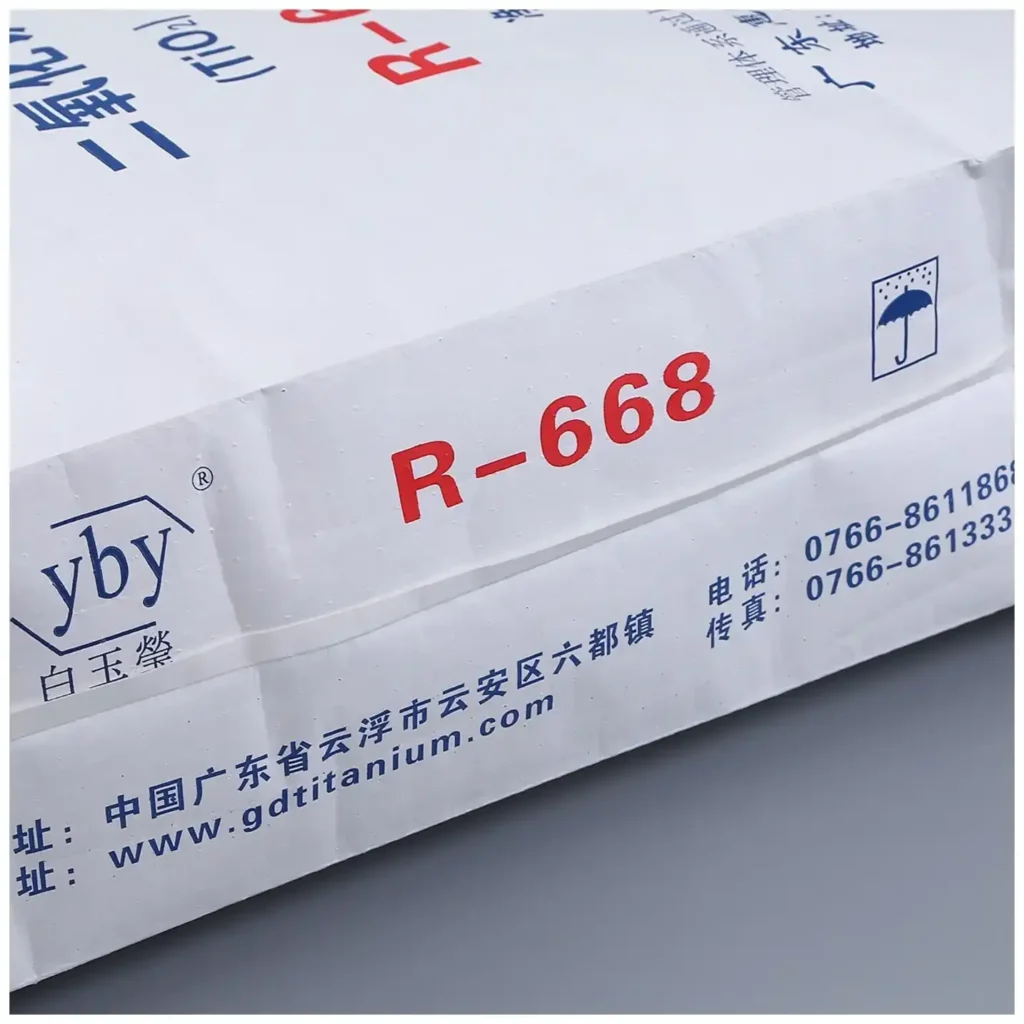
Paper Valve Woven Bags are heavy‑duty industrial sacks that marry a polypropylene (PP) woven substrate to one or more plies of paper, finished with a self‑closing valve mouth that seals under product pressure. In the trade you will also encounter the aliases paper‑poly valve sacks, PP woven valve paper sacks, and laminated paper valve woven bags—different labels pointing to the same hybrid architecture: a fabric spine for strength, a paper skin for print and handling, and a valve to accelerate filling while taming dust. For buyers evaluating adjacent categories, Paper Valve Woven Bags sit between flexible PE FFS sacks and all‑paper SOS sacks, combining the mechanical resilience of woven tapes with the presentational benefits of paper.
Features. A woven PP core provides high tear and puncture resistance, dimensional stability under load, and drop robustness; the paper face enables high‑definition graphics, smooth labeling zones, and a tactile, “premium” handfeel; the engineered valve—internal or external—supports fast, dust‑reduced, automated filling. Frequently requested options include micro‑perforation for de‑aeration, extrusion coating or BOPP lamination for barrier and print quality, UV stabilization for yard storage, anti‑slip stripes for pallet friction, and easy‑open notches to protect users from knives.
Production workflow. Virgin PP resin is extruded into tapes and oriented to align polymer chains for strength. Tapes are woven on circular looms into a tubular fabric, opened and coated or laminated (to paper or BOPP), then printed by CI flexo or gravure. Conversion adds gussets, forms a block‑bottom or pinch‑bottom, integrates the valve sleeve, and welds or stitches critical seams. In‑line QA verifies peel/adhesion, valve integrity, dimensional tolerances, de‑aeration rate, and filled‑bag drop performance.
Applications. The format is specified for cement and mortar, gypsum and limestone, fertilizer and agricultural inputs, flour, sugar, and grains, animal feed and premixes, resins and masterbatch, and salts and minerals—use cases where moisture management, abrasion resistance, clean pallet faces, and legible regulatory panels must coexist.
Material Science: Why the Hybrid Works
The premise behind Paper Valve Woven Bags is straightforward: deploy a skeletal frame that carries load and a surface that carries information. The frame—drawn PP tapes—acts like a lattice of micro‑ribs, distributing stresses around point impacts and resisting tear propagation. The surface—paper, or paper laminated to film—creates a printable, scuff‑resistant billboard with predictable friction against conveyor belts and pallet liners. That dualism explains the format’s recurring selection for abrasive powders and humidity‑exposed routes. Paper alone tears when wet; fabric alone prints poorly. Together, they solve each other’s worst habits.
Consider the effect of orientation on PP tapes. Draw ratios tune chain alignment; aligned chains raise modulus and tensile strength, improving edge‑drop survival when the sack is knocked off a pallet corner. Now fold in the block‑bottom. Geometry spreads vertical load over a plane instead of a point, so stacks migrate less and topple later. Is that simply “nice to have”? Ask a warehouse manager who rebuilt pallets at midnight. A stable cube is quieter P&L.
Kraft Paper Valve Bags Packing Solutions
Professional paper valve woven bags for industrial powder and granule packaging.
Check More →Valve Bags & Its Valve Types
Detailed introduction of valve structures used in paper valve woven composite bags.
Check More →Paper Valve Bags vs PE Valve Bags
Comparison between paper valve woven bags and PE valve bags in performance.
Check More →Kraft Paper Woven Bags Producer
Professional manufacturer of kraft paper composite valve woven packaging bags.
Check More →Valve Engineering and Filling Dynamics
A bag is not a container until it meets a spout. Paper Valve Woven Bags are designed for speed on valve fillers: the spout enters an internal or external sleeve; product flow de‑aerates through micro‑perforations; internal pressure when the bag is full expands the sleeve and self‑seals the mouth. Three levers govern success:
- Valve geometry. Mouth width, sleeve length, and angle relative to the top panel set insertion force and seal quality. Too tight and operators fight the bag; too loose and dust escapes.
- De‑aeration path. Micro‑perforation rate (often expressed as an equivalent flow, e.g., 30–170 Nm³/h) bleeds entrained air so the sack lands cuboidal, not ballooned. Over‑vent and you invite sifting; under‑vent and the line chokes.
- Squareness and stiffness. Consistent gusset depth and bottom squareness reduce “shaping” time per cycle. Stiffer structures self‑stand; soft ones slump and misregister under the spout.
The interaction among these levers is non‑linear. Raise line speed and you may need additional perforation; increase perforation and you may need a heavier laminate or seam design to preserve sift‑proofing. Engineering here is choreography, not guesswork.
Moisture, Vapor, and Dust: Managing the Invisible Enemies
Water vapor creeps; fines migrate; adhesive labels lose their grip. Paper Valve Woven Bags counter with tunable barrier and containment packages. Extrusion coatings in the 12–23 g/m² range seal pinholes in the woven substrate; BOPP films of ~18–25 μm create a high‑gloss, low‑WVTR face suitable for photographic print. Barrier alone is insufficient on a high‑speed filler, so de‑aeration is staged using targeted micro‑perforation zones that vent air during fill but protect against ambient humidity during voyage. Dust is further tamed by welded bottoms and fully glued paper plies—less thread, fewer pores, cleaner pallets. Is it overkill? Not if a rejected container wipes out a month of margin.
Printing, Pedigree Equipment, and Surface Finishes
Color is not vanity in industrial distribution; it is system memory. A bright panel tells pickers which pallet goes to which bay; a crisp hazard diamond prevents the wrong silo charge. Paper Valve Woven Bags support multiple print paths:
- CI Flexographic printing on coated paper or PP faces delivers durable, cost‑effective graphics with fine text. High‑line‑screen anilox rolls and photopolymer plates keep halftones clean.
- Gravure on BOPP‑laminated exteriors yields photo‑grade solids and deep, even color—useful where retail visibility matters.
Equipment pedigree matters because registration drift, web flutter, and tension spikes show up as off‑brand colors and illegible microtext. Lines from top manufacturers (e.g., Starlinger for woven substrate processing and valve sack conversion; Windmöller & Hölscher for CI flexo printing) bring stable register, inline inspection, and repeatable setups. Pair these with tailored finishes—Matte for low‑glare readability and premium tactility; Glossy for saturated color and cleanability—and you control not only what the bag says but how it survives the journey while saying it.
Environmental and Regulatory Lens
Procurement teams juggle performance with policy. Paper Valve Woven Bags can be specified as mono‑material PP (fabric + PP coating + PP film) for simplified recycling, or as paper‑poly hybrids leveraging FSC‑certified paper for a responsible fiber path. Food‑adjacent SKUs document compliance against FDA 21 CFR 177.1520 (PP) or EU 1935/2004, and plants run under ISO 9001 with HACCP/ISO 22000 or BRCGS where appropriate. Transport performance follows the logic of UN/DOT 49 CFR §178.518 woven bag categories—5H2 for sift‑proof tendency, 5H3 for water‑resistant behavior—even when the hybrid per se is specified by outcome rather than code. These aren’t just badges; they are negotiated risk reductions.
Key Technical Parameters of Paper Valve Woven Bags
| Category | Typical Option / Range | Engineering Intent |
|---|---|---|
| Net capacity | 10–50 kg (custom to 100 kg) | Align with manual handling limits and pallet patterns |
| Bag size (W×L) | 350–600 mm × 450–910 mm | Encompass common SKUs for powders and granules |
| Gusset depth | 60–160 mm | Self‑standing stability and cubic efficiency |
| Woven fabric GSM | ~60–120 g/m² | Trade‑off between strength, weight, and print smoothness |
| Paper ply | 70–100 g/m² outer (if specified) | Print quality and tactile appeal |
| Coating/lamination | 12–23 g/m² PP/PE coating; 18–25 μm BOPP | WVTR control, scuff resistance, print face |
| Valve type | Internal or external sleeve; PE/PP/kraft sleeve | Spout compatibility and dust control |
| Venting | Micro‑perforation 30–170 Nm³/h | De‑aeration at target line speed |
| UV stabilization | 0–3% additive (PP) | Yard storage and color hold |
| Printing | 1C–8C flexo; up to 8–12C gravure | From regulatory text to photo‑grade panels |
| Finishes | Matte, Glossy, selective anti‑slip | Legibility, rub resistance, pallet friction |
| QA tests | ASTM D5276, ISO 2248, TAPPI rub, ASTM D882/D1709 | Drop, impact, print durability, film tensile |
Numbers in this table are not ornamental. Shift GSM by 10 and drop survival changes. Widen a gusset by 15 mm and a Euro pallet may gain a layer. Increase perforation and the filler breathes; overshoot and sifting rises. Specification is arithmetic with consequences.
Use‑Case Anatomy: Where the Format Earns Its Keep
Construction powders. Cement, mortar, gypsum, and limestone abrade and crush. Paper Valve Woven Bags with higher GSM substrates, block‑bottom architecture, and matte anti‑slip side panels stay rectangular through impact and vibration. With de‑aeration tuned to the powder’s flow curve, bags exit the filler cuboidal, stack cleanly, and resist “pillow” migration in transit. A skeptic might ask, “Why not PE FFS tubular?” On a high‑speed HFFS, PE can outrun valve sacks; yet when self‑standing geometry, clean print, and forklift‑friendly edges are KPIs, the hybrid’s balance is often superior.
Food and feed. Flour dusts; sugar cakes; feed sheds fines. Coated or BOPP‑laminated exteriors control WVTR while micro‑perfs manage fill air. Paper faces carry multilingual panels with low‑glare matte readability; welded bottoms and tidy valve closures keep hygiene auditors friendly. Paper Valve Woven Bags can add liners for sensitive powders or specify mono‑material PP structures in jurisdictions prioritizing recovery.
Chemicals and polymers. Resins, masterbatch, fertilizers, and additives demand clean, legible labeling zones and often benefit from antistatic pathways. The hybrid structure supports ESD‑friendly coatings where required, offers durable graphics for hazard diamonds and handling codes, and survives edge drops in rough yards. Granule purity is protected; brand clarity is preserved.
Salts and minerals. Hygroscopic and abrasive—an unforgiving duo. A laminated face and welded bottom protect contents against humidity spikes and rough handling. The result: fewer claim‑triggering clumps and less pallet dust.
Problem → Solution → Result: A Systematic Lens
Problem: climate exposure on long routes. Tropical humidity, salt‑air ports, freeze‑thaw rail yards.
Solution: specify BOPP‑laminated Paper Valve Woven Bags with UV stabilization. Keep micro‑perfs constrained to engineered de‑aeration zones; adopt matte finish on label‑heavy faces for legibility after condensation cycles.
Result: lower WVTR, fewer caking claims, barcodes that still scan at goods‑in.
Problem: dust at high fill speeds. Valve spout blow‑back, dusty conveyors, operator PPE alerts.
Solution: increase micro‑perforation to target flow, shift to hot‑air welded bottoms, and ensure valve sleeve geometry matches spout OD. Add anti‑slip stripes for pallet stability.
Result: cleaner decks, faster cycles, less rework.
Problem: pallet topple and warehouse rebuilds. Soft geometry, slumping stacks, banding failures.
Solution: tighten bottom squareness and gusset tolerance; step fabric GSM up one grade; apply selective anti‑slip lacquer on side panels.
Result: higher tier stacking, fewer midnight rescues.
Comparative Frames: What It’s Not, and Why That Matters
- All‑paper valve sacks excel in dry, temperate chains and offer easy recyclability in paper streams. In humid seasons or abrasive fills, they can tear or scuff—problems Paper Valve Woven Bags are engineered to blunt.
- PE FFS tubular sacks on HFFS lines can break speed records. They generally do not self‑stand, can be challenging for large front‑panel branding, and may require different downstream palletization strategies. The hybrid offers a middle ground: robustness with a readable billboard face.
- FIBCs (bulk bags) move tons. They’re overkill for 10–50 kg SKUs and occupy different handling infrastructure. Paper Valve Woven Bags complement rather than replace them.
Contrast is useful not to disparage alternatives but to clarify fit.
Quality Assurance and Test Logic
Quality is a statistical habit. Plants making Paper Valve Woven Bags run dimensional audits on width, length, and gusset depth; monitor valve sleeve insertion angle; and sample filled‑bag drops in three orientations—flat, edge, corner—per ASTM and ISO protocols. Rub resistance on printed faces is checked against TAPPI benchmarks; film tensile and dart impact data flag lamination shifts; peel values track adhesion drift. Out‑of‑spec signals feed back to weaving tension and coating parameters. In short, QA is less a gate than a metronome keeping process tempo.
Parameter‑to‑Outcome Map: From Numbers to Behaviors
- GSM ↑ → drop survival ↑, stiffness ↑, cost ↑, print smoothness generally ↑. Diminishing returns past the product’s edge hardness.
- Perforation ↑ → fill rate ↑, ballooning ↓, sift risk ↑ unless seam design compensates.
- Gusset depth ↑ → self‑standing stability ↑, cube efficiency ↑ to a point; overly deep gussets can wrinkle under strap tension.
- Valve width ↑ → insertion force ↓, potential for leak ↑ unless sleeve friction and length are tuned.
- Matte vs. Glossy → readability vs. color saturation; scanner glare vs. stain cleanability.
These are not rules so much as levers. Pull one, watch three move.
Extended Specification Checklist for Paper Valve Woven Bags
Substrate
- PP woven fabric GSM: 60/70/80/90/100/110/120 g/m² options
- Mesh: 10×10 to 16×16 (spec with tolerances)
- UV stabilization: 0–3%
Paper/Lamination
- Outer paper: 70–100 g/m² kraft (FSC on request)
- Coating: PP/PE 12–23 g/m²; Lamination: BOPP 18–25 μm (matte or gloss)
- Peel adhesion target (ASTM D903): define minimum N/25 mm
Valve
- Type: internal/external; Sleeve: PE/PP/kraft composite
- Width/length: matched to spout OD and insertion depth
- Leak test: target g/min at set pressure
Conversion
- Bottom: block‑bottom hot‑air welded or stitched/glued
- Gusset: depth tolerance ±2–3 mm depending on width
- Easy‑open: optional laser score or tear tape
Venting & Hygiene
- Micro‑perforation: flow target (Nm³/h) and pattern drawing
- Lint control: no loose fibers at mouth; controlled slitting environment for food SKUs
Printing & Finishes
- Process: CI flexo (1–8C) or gravure (up to 12C)
- Color control: ΔE targets; barcode grade requirement
- Finish: Matte/Glossy; selective anti‑slip lacquer zones
QA & Compliance
- Drops: ASTM D5276, ISO 2248 orientations and heights
- Rub: TAPPI T830 or equivalent cycles to failure
- Food contact: FDA/EU declarations as required
- QMS: ISO 9001; Food safety: ISO 22000/BRCGS (if applicable)
Case Narratives: When Small Choices Change Big Outcomes
MENA summer route, fertilizer. A shipper swapped multi‑wall paper for laminated Paper Valve Woven Bags with BOPP 20 μm and selective micro‑perfs. Claims for caking fell by more than half; pallets arrived square. The investment was not in art but in physics: lower WVTR, better de‑aeration, stiffer sidewalls.
White cement, tier‑three stacking. Pallet lean plagued warehouses. The fix combined a 10 mm gusset increase, matte anti‑slip lacquer on side panels, and a one‑grade bump in fabric GSM. Rebuilds dwindled; labor redeployed.
Seed brand, multilingual compliance. Six‑point text and dense hazard panels failed on scuffed paper. Matte BOPP with CI flexo restored legibility and barcode grade, while keeping glare down for scanners.
These are not miracles; they are convergences of small, measurable decisions.
Frequently Overlooked Details That Matter
- Valve sleeve coefficient of friction: too slick and it leaks; too grippy and insertion torque slows the line.
- Register marks and vision sensors: off‑register art can confuse automated pickers and cause soft stops.
- Strap tension vs. gusset wrinkles: excessive banding deforms faces; tune tension to finish choice.
- Liner interaction: liners improve cleanliness but can reduce de‑aeration if not vented; specify vented liners or perf patterns accordingly.
Attention paid here buys more uptime than a shiny new forklift.
Bringing It Together: From RFQ to First Pallet
Start with the product, route, and line speed. Translate hazards—humidity spikes, abrasive edges, dust—into targets for GSM, lamination, perforation, and valve geometry. Choose finishes for the message environment: matte for dense text under strip lights, glossy for brand pop. Lock in QA gates that mirror reality: drop orientations, climate conditioning, rub cycles. Then run a pilot that tries to break the spec before customers do. When the first pallet ships and arrives square, when barcodes scan and operators stop complaining, you will know the specification is not just words—it is behavior codified.

Introduction — What Paper Valve Woven Bags Are, Why They Matter, and Where They Fit
Paper Valve Woven Bags are heavy‑duty industrial sacks that combine a PP (polypropylene) woven substrate with an outer paper face and a self‑closing valve mouth. In practice they are also called paper‑poly valve sacks, PP woven valve paper sacks, and laminated paper valve valve bags. The hybrid architecture is simple to describe yet rich in intent: a fabric spine for tensile strength and puncture resistance; a paper skin for printability, labeling real estate, and a premium, tactile feel; a valve that enables fast, dust‑controlled filling and self‑sealing under head pressure. What problems do they solve? Moisture ingress during long journeys, abrasive product edges at loading docks, dust compliance on high‑speed fillers, pallet instability in stacked storage, and brand legibility after thousands of rub cycles. Typical uses include cement and mortar, gypsum and limestone, fertilizers and agricultural inputs, flour, sugar, and grains, animal feed and premixes, resins and masterbatch, and salts and minerals. If you need a single category anchor for deeper reading, the family of Paper Valve Woven Bags sits between paper SOS sacks and PE FFS tubular rolls—balancing mechanical resilience, barrier control, and billboard‑quality panels.
Problem Framing — From Silo to Shelf, Where Paper Valve Woven Bags Earn Their Keep
Supply chains test packaging with humidity spikes, forklift scuffs, vibration, and rushed handling. A sack that looks identical on day one may perform very differently on day thirty. Why? Because vapor creeps, dust migrates, pallets lean, graphics scuff, and small variances compound. Paper Valve Woven Bags confront these stresses through an engineered interplay of materials (drawn PP tapes, kraft paper, optional BOPP lamination), geometry (block‑bottom with defined gussets), and process (coating, micro‑perforation, heat‑welded seams). Horizontally, the solution borrows principles from materials science, printing technology, and warehouse ergonomics; vertically, it addresses layers of failure—moisture → caking → hopper jam, dust → QA reject → rework, soft geometry → topple → labor overtime. Ask yourself: is the risk with the product, the route, or the line? The answer is usually “yes” to all three, and the bag must harmonize them.
Methods — How Paper Valve Woven Bags Are Specified and Built to Behave
Design begins at the tape: virgin PP is extruded, slit, and oriented so polymer chains align like tiny ribs; this boosts tensile strength and arrests tear propagation. Those tapes are woven into a tubular fabric, then opened for coating or lamination. Coating (≈12–23 g/m² PP/PE) seals pinholes and stabilizes the print surface; BOPP lamination (≈18–25 μm) adds a low‑WVTR, scuff‑resistant face for photo‑grade graphics. Printing proceeds by CI flexography or gravure with disciplined color control. Conversion forms the block‑bottom, cuts and creases gussets, inserts an internal or external valve sleeve, and welds or stitches critical seams. Micro‑perforation is positioned to bleed entrained air during filling without inviting sifting in transit. QA closes the loop with filled‑bag drops (flat/edge/corner), valve leak checks, adhesion peels, and rub tests on the printed face.
Results — What Changes on the Line and on the Pallet When Specs Are Right
Correctly specified Paper Valve Woven Bags shorten “bag shaping” time at the spout because they self‑stand square; they vent fill air cleanly so bags land cuboidal rather than ballooned; they stack tighter so pallets ride straighter; they keep panels legible after film‑wrap abrasion; and they arrive with less moisture gain on long, humid routes. In cost terms that means fewer reworks, fewer complaints, fewer midnight pallet rebuilds. In human terms it means operators fight the process less, pickers find the right pallet faster, and safety officers see fewer dust alarms. Does every lever matter? Yes: add 10 g/m² to fabric GSM and drop survival improves; widen gussets by a centimeter and a Euro pallet pattern may gain a layer; raise perforation too far and sifting reappears. The outcome is cumulative.
System Thinking — Decomposing the Problem into Sub‑Problems You Can Actually Solve
Climate & route. Will the load face tropical humidity, salt‑air nights, or freeze‑thaw rail yards? Choose coated or BOPP‑laminated Paper Valve Woven Bags, add UV stabilization (0–3%), and specify matte faces for low‑glare legibility where scanners are used.
Product rheology. Is the powder abrasive or fluffy? Sharp edges call for higher GSM fabric and higher dart‑impact laminates; aerated premixes demand targeted micro‑perforation and a valve sleeve sized to the spout.
Line speed & automation. High‑speed fillers reward stiffer, squarer bags and valve geometries that minimize insertion force while ensuring a clean self‑seal.
Regulatory & brand. Dense, multilingual labels perform best on matte faces; retail‑visible SKUs leverage gloss for saturated color. Hazard diamonds and QR codes need protected zones with rub‑resistant inks.
End‑of‑life & compliance. Mono‑material PP structures simplify recovery; FSC‑certified papers support responsible sourcing; food‑adjacent lines document compliance (FDA 21 CFR 177.1520; EU 1935/2004). Define these gates before artwork starts.
Synthesis means reconciling these threads: route dictates barrier; product dictates perforation; line dictates squareness; message dictates finish. Ignore one and the others complain.
Horizontal Comparison — Why Paper Valve Woven Bags vs. Alternatives
All‑paper valve sacks shine in temperate, short routes with low abrasion; PE FFS tubular runs faster on HFFS equipment. Paper Valve Woven Bags defend a middle ground: self‑standing geometry for tidy stacks, a tough woven core for edge impacts, and a print face that doubles as a regulatory dashboard. When barcodes must scan after condensation, when forklift nicks are routine, when brand color must remain true after film wrap rubs, the hybrid format carries a safety margin you can feel. Is that margin always necessary? No. Is it usually cheaper than a rejected container or a plant shut‑down? Yes.
Vertical Deepening — From Material to Geometry to Behavior
Material: oriented PP tapes are the skeleton. Surface: paper or BOPP‑laminated paper is the skin. Geometry: the block‑bottom is the stance. Process: valve insertion, welding patterns, and perforation is the breath. Behavior emerges from the interplay: stiffer faces and true bottoms resist topple; controlled venting accelerates fill without dust; robust seams localize shocks on drops. Quote the poet of operations: “Everything is connected to everything else.” In packaging, that’s not metaphor—it’s mechanics.
Printing & Finishes — Making Information Survive the Journey
CI flexo with high‑line‑screen anilox rolls gives durable text and solids on coated faces; gravure on BOPP delivers photo‑grade imagery for retail‑visible SKUs. Finishes matter: matte reduces scanner glare and hides scuffs; gloss boosts saturation and cleanability. On Paper Valve Woven Bags, treat color as navigation—batch codes, hazard diamonds, and multilingual instructions must remain legible after pallet wraps and handling. Lock rub resistance (e.g., TAPPI protocols), control ΔE across reruns, and reserve clean zones for barcodes.
Case Analysis — Three Situations, Three Specifications
White cement to coastal markets. Problem: caking and pallet lean after dew exposure. Response: BOPP 20 μm lamination, matte finish to protect legibility, gusset depth +10 mm, anti‑slip stripes on side panels. Result: claims halved, stacks stable to tier three.
Flour and premix to hypermarkets. Problem: dust audits and unreadable microtext. Response: coated paper faces with targeted micro‑perfs, hot‑air welded bottoms, matte faces for low‑glare scanner reads. Result: dust alarms reduced; QR/barcode grades improve at goods‑in.
Fertilizer across tropical routes. Problem: humidity spikes and rough handling. Response: higher GSM substrate, BOPP lamination, UV stabilization, external valve sleeve for easy spout fit. Result: fewer split bags; lower moisture gain on arrival.
Quality Logic — Measuring What Matters for Paper Valve Woven Bags
Dimensional audits track width, length, and gusset depth; valve insertion angle and sleeve friction index predict fill ergonomics; drop tests (flat/edge/corner) mirror warehouse mishaps; rub cycles tell you whether text will survive. Film tensile (ASTM D882), dart impact (ASTM D1709), adhesion peels (ASTM D903), and leak tests transform opinions into thresholds. If you only measure one thing, measure the things your customers can see—square stacks, clean pallets, legible panels. If you measure two, add those your operators can feel—fewer jams, quicker cycles.
Integration — From RFQ to First Shipment Without Surprises
Write your specification as a chain, not a wish list: route → barrier choice; product → GSM and perforation; filler → valve geometry and bag stiffness; channel → finish and print method; compliance → documentation and audits. Pilot on the worst route first. Try to break the spec before the market does. When the first container arrives with square pallets, clean faces, and quiet operators, you will have turned a set of small decisions into one reliable behavior called Paper Valve Woven Bags.
References
- ASTM D5276‑19, Standard Test Method for Drop Test of Loaded Containers by Free Fall.
- ISO 2248, Packaging—Complete, filled transport packages—Vertical impact test by dropping.
- ASTM D882‑18, Standard Test Method for Tensile Properties of Thin Plastic Sheeting.
- ASTM D1709‑22, Standard Test Method for Impact Resistance of Plastic Film by the Free‑Falling Dart Method.
- ASTM D903‑17, Standard Test Method for Peel or Stripping Strength of Adhesive Bonds.
- TAPPI T830 (or equivalent), Ink Rub Test for print durability on paper/film laminates.
- ISO 6590‑1, Packaging—Sacks—Vocabulary and types—Paper sacks.
- FDA 21 CFR 177.1520 (Polypropylene);
- EU Framework Regulation 1935/2004 on materials intended to contact food.
- FSC Chain‑of‑Custody standards for responsible paper sourcing.
- Manufacturer application notes from Windmöller & Hölscher (CI flexo presses) and Starlinger (woven sack conversion) relevant to print registration, web handling, and valve sack forming.