
- What Is Kraft Paper PP Bags?
- Why This Hybrid Works: Materials Science Without the Jargon
- A Close Look At the Production Flow
- Feature Set, Unpacked and Re‑packed
- Deepening the Analysis With Questions That Matter
- Comparative Lenses: Paper‑Only vs Woven‑Only vs Composite
- The Material Choices Behind the Curtain
- Failure Modes and How Kraft Paper PP Bags Prevent Them
- A Problem–Solution–Result Playbook by Market
- The Numbers That Guide Design
- Table — Key Parameters and Practical Notes for Kraft Paper PP Bags
- How to Choose the Right Bill of Materials—A Systems Approach
- Style Options That Change Behavior
- Sustainability and End‑of‑Life, Plainly Stated
- Procurement, QA, and Risk Control Checklists
- A Brief Technical Glossary for Daily Use
- Putting It All Together: An Implementation Roadmap
- Introduction — The Design Problem Behind Kraft Paper PP Bags
- Common Packaging Replacement Challenges Addressed by Kraft Paper PP Bags
- Available Upgrade Paths That Elevate Kraft Paper PP Bags Performance
- The Impact of Modern Kraft Paper PP Bags on Throughput and Cost
- Future‑Proofing Supply Chains With Materials Choices for Kraft Paper PP Bags
- What Do Buyers Reorder Most Often for Kraft Paper PP Bags?
- Extending the Service Life of Kraft Paper PP Bags in the Field
- Why On‑Site Technical Support Can Be Worth It for Kraft Paper PP Bags
- How to Specify Kraft Paper PP Bags That Match Your Filler and Product
- Troubleshooting: “My Line Keeps Tripping Up” With Kraft Paper PP Bags
- How Critical Are Interfaces—Seams, Valves, and Bonds—in Kraft Paper PP Bags?
- Do Specialty Formats of Kraft Paper PP Bags Require Dedicated Accessories?
- Builder and Brand Practices That Prolong the Working Life of Kraft Paper PP Bags
- References
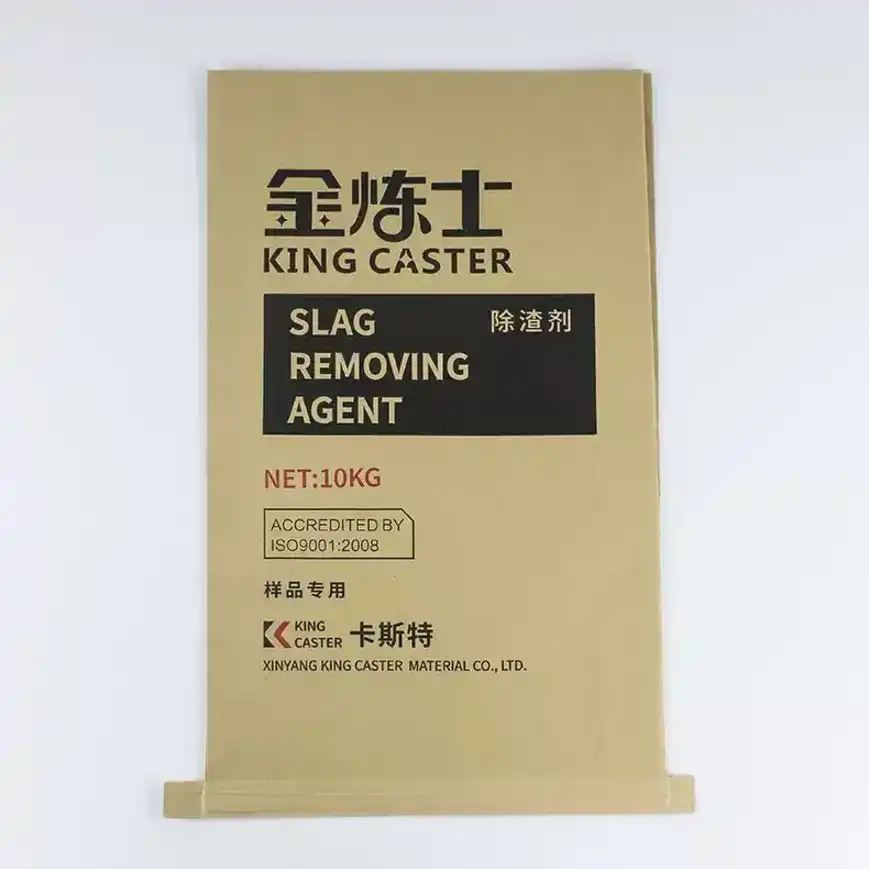
What Is Kraft Paper PP Bags?
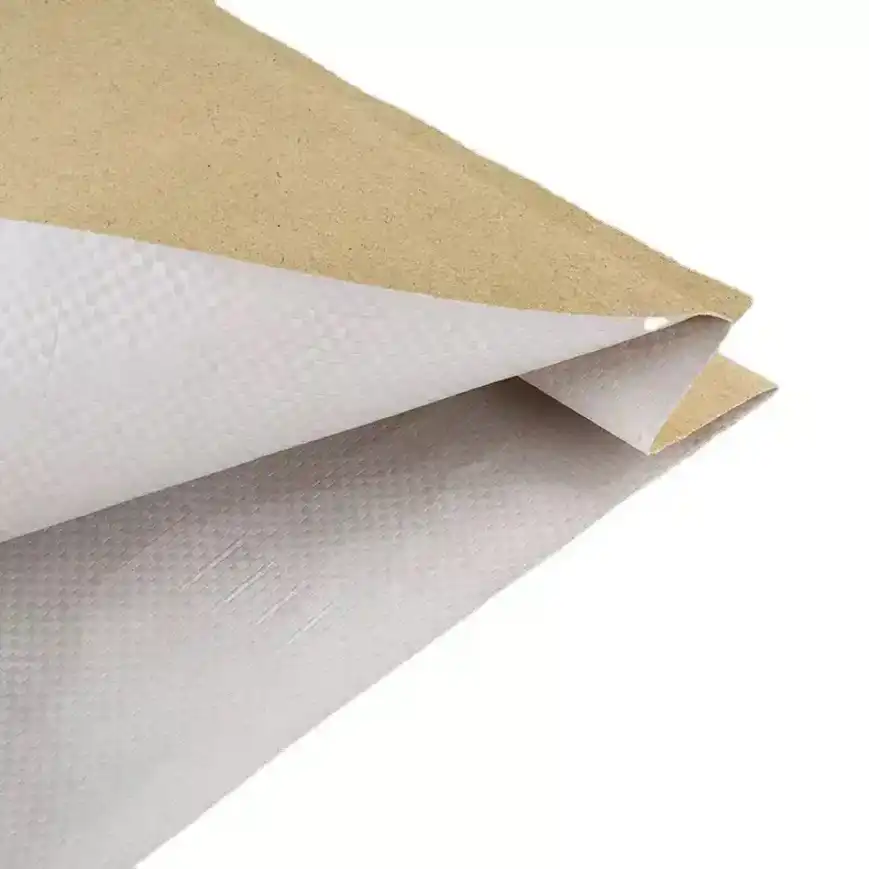
Kraft Paper PP Bags are composite heavy‑duty sacks that fuse a printable kraft paper exterior with a structural inner layer of woven polypropylene (PP). The hybrid construction marries the tactile, brand‑friendly look of paper with the tensile strength, tear resistance, and moisture robustness of woven poly fabric. In trade conversations, you may hear several aliases, including paper–poly woven bags, kraft laminated PP woven sacks, paper‑PP composite sacks, and kraft‑PP valve bags. All of them point toward the same idea: a paper face for design and communication, a woven core for performance, and a lamination or adhesive bond that makes the system work as a single, dependable package. For a quick reference and product family overview, explore Kraft Paper PP Bags.
What are the features of Kraft Paper PP Bags? Think of a short list that keeps expanding the more you use them: high print fidelity on the kraft surface; excellent drop and puncture survival thanks to the woven substrate; moisture moderation through lamination and optional liners; stack stability on pallets; and compatibility with high‑speed filling—especially when configured as valve sacks. The result feels simple—strong, dry, neat—but the underlying engineering is quietly sophisticated.
Kraft Paper Woven Bags Producer
Professional manufacturer of kraft paper composite woven bags with heavy-duty performance.
Check More →Laminated Kraft Paper Sacks
High-strength laminated kraft paper bags for heavy-duty industrial packaging use.
Check More →Multiwall Paper Bags Manufacturer
Heavy-duty multiwall kraft paper bags with PP composite structure for heavy load packaging.
Check More →Pasted Open-Mouth Paper Bags
Heavy-duty kraft paper PP composite bags with UN 5M2 compliance certification.
Check More →How are Kraft Paper PP Bags made? A typical line extrudes PP film into tapes, draws them for strength, weaves those tapes into fabric, and then bonds the fabric to sack kraft using extrusion lamination (PP/PE) or solvent‑less adhesives. After printing, the web is gusseted, cut, valve‑formed (if needed), and bottom‑sealed by stitching, hot‑melt, or pinch‑bottom gluing. Optional inner liners or micro‑perforations fine‑tune air release and barrier. Each decision—paper grammage, tape denier, lamination thickness—shifts performance in measurable ways.
Where are Kraft Paper PP Bags used? In the real world, you’ll see them everywhere heavy products must stay intact and presentable: cement, fertilizer, animal feed, grains, seed, flour, starch, sugar, charcoal, resins, pigments, mineral powders, construction chemicals, even pet litter. The common thread is not the commodity but the constraint: bulk density plus abrasion plus humidity plus rough handling. When those forces meet, Kraft Paper PP Bags shine.
Why This Hybrid Works: Materials Science Without the Jargon
If a plain multi‑wall paper sack behaves like a well‑tuned acoustic instrument—beautiful timbre, limited volume—then Kraft Paper PP Bags perform like a thoughtfully amplified system: the same melody, more headroom. Paper contributes stiffness, friction, printability, and energy absorption at impact. Woven PP contributes tensile strength, tear resistance, and puncture toughness. The lamination acts as the “interface circuit,” transferring forces across layers while adding moisture control and surface cohesion.
Strength is not a single number. It’s a balance of tensile, tear, puncture, and seam integrity under dynamic loads. Woven PP carries the lion’s share of tensile loads. Kraft paper spreads loads, resists scuffs, and adds compressive rigidity to improve stack geometry. Lamination keeps the sandwich coherent, so the outer ply doesn’t delaminate when pallets flex or when a forklift tine brushes the corner.
Another quiet advantage: Kraft Paper PP Bags offer reliable “hand friction.” Pallets stay crisp. Stacks breathe. Warehouses stay orderly. And the brand team gets the large, high‑contrast print area that woven fabric alone would not easily deliver.
A Close Look At the Production Flow
1) PP tape extrusion and weaving. Polypropylene raffia grades are extruded into thin tapes, drawn to raise molecular orientation (and therefore strength), then woven into flat or tubular fabric. Tape width, denier, and draw ratio set the baseline for tensile and tear. The aim is uniformity: consistent tape thickness, clean edges, low “loom fuzz,” and stable fabric pick counts.
2) Paper preparation and printing. Sack kraft—conventional or extensible (clupak)—is selected for grammage and stretch. Corona or primer treatment improves ink anchorage. Flexographic or offset printing lays down brand colors, legal marks, and handling icons. Because the print sits on paper, not poly fabric, designers get smoother halftones and finer line art.
3) Lamination or adhesive bonding. Extrusion lamination with PP or PE creates a strong, water‑resistant bridge between paper and fabric; adhesive lamination offers lower‑temperature bonding where ink stacks or paper surfaces require gentler handling. The bond must be strong enough to prevent peel under drop shock yet flexible enough to avoid brittle failure.
4) Conversion into bags. The laminated web is tube‑formed or handled as a flat web depending on the plant. Gussets are set to control cross‑section. A valve sleeve can be inserted for high‑speed filling of powders. The bottom is closed by stitching with or without crepe tape, by hot‑melt pinch‑bottom, or by multi‑layer fold‑and‑glue constructions.
5) Optional liner and perforation tuning. Loose PE liners, tube liners, or moisture‑modified films can be added. Pin‑perforations release air to prevent “pillow” effects on fast fill lines, while micro‑perforations balance sifting risk and venting.
6) Inspection and testing. Filled‑bag drop tests, seam strength checks, dimensional audits, and short‑term exposure trials (UV and humidity as required) verify that design assumptions show up as real‑world performance.
Feature Set, Unpacked and Re‑packed
Printability that persuades. The outer paper ply takes high‑coverage inks, varnishes, tactile finishes, and color‑critical designs. Where woven fabric would telegraph texture and distort graphics, Kraft Paper PP Bags provide a smoother, more uniform canvas.
Strength that travels. Tensile capacity comes from the woven core; energy absorption comes from paper stretch and geometry; seam design translates those strengths into reliable performance under impact. When a 25–50 kg bag drops, the failure is rarely “just weak paper”—it’s load path, seam stitch type, and local stress concentration. This system manages all three.
Moisture behavior you can tune. Laminations slow ingress; liners stop it. For hygroscopic powders—cement, urea, salt, starch—this control is the difference between product that pours and product that clumps.
Stack discipline. Paper friction plus boxy block‑bottom formats keep stacks aligned. Pallets look tidy, move safely, and present well at retail.
Filling line compatibility. Valve versions of Kraft Paper PP Bags couple with rotary packers, cut cycle times, and reduce operator fatigue. Open‑mouth pinch‑bottom variants fit semi‑auto lines and mixed SKUs.
Field readiness. UV‑stabilized woven fabrics and scuff‑resistant papers push shelf life in outdoor or semi‑covered yards. Not all bags face the sun—but the ones that do should endure it without chalking, embrittling, or seam failure.
Deepening the Analysis With Questions That Matter
What truly causes a sack to fail? Not a single flaw, but an alignment of small ones: a narrow seam allowance, tapes drawn a touch too hard, paper with low stretch, a pallet overhang, a rough forklift driver. How do Kraft Paper PP Bags break this chain? By distributing loads across layers, by tolerating higher localized strain, and by making seams that spread stress rather than concentrate it.
Is moisture your biggest enemy, or is it abrasion? If moisture, prioritize lamination thickness and liners. If abrasion, consider higher grammage paper or tougher surface treatments. Why not both? Because every added gram has cost and handling implications. Balance is the craft.
Can one construction serve all markets? Rarely. Yet a modular bill of materials—paper 90 vs 110 g/m², lamination 18 vs 28 µm, fabric 90 vs 110 g/m², valve vs open‑mouth—lets a single platform answer many briefs. That’s the power of Kraft Paper PP Bags as a configurable system.
Comparative Lenses: Paper‑Only vs Woven‑Only vs Composite
Paper‑only (multi‑wall). Gorgeous print, natural feel, reasonable cost. But in humid climates and under rough handling, edge tears and seam splits rise. Moisture swings reduce energy absorption.
Woven‑only (coated PP sacks). Excellent toughness and weathering, good for outdoor storage. Yet direct printing is constrained, texture shows through, and pallet friction can be low without surface modification.
Composite (Kraft Paper PP Bags). Split the difference—and keep the strengths. Paper gifts the face and friction; woven PP gifts the skeleton. In practice, many brands switch from paper‑only to Kraft Paper PP Bags during seasonal humidity spikes or after repeated seam failures on heavy SKUs.
The Material Choices Behind the Curtain
Kraft paper type. Conventional sack kraft offers stiffness and runnability. Extensible (clupak) kraft offers higher stretch and tear energy—ideal for drop‑prone SKUs. Bleached kraft elevates print brightness; natural/brown kraft hides scuffs and often costs less.
Woven PP fabric. Fabric weight (typically 70–120 g/m²) sets tensile and tear, while tape denier and pick count shape puncture behavior. For 25–50 kg applications, 90–110 g/m² is a common lane, with tighter weaves used for fine powders.
Lamination layer. PP‑ or PE‑based extrusion lamination of ~18–30 µm balances bond strength and flexibility. Adhesive lamination offers lower heat stress and can be tuned for specific papers or inks.
Additives and modifiers. UV stabilizers (HALS), phenolic and phosphite antioxidants, anti‑block and slip agents, antistatics, and pigments round out the PP tape formulation. Paper may use sizing agents and surface treatments to improve printability and wet strength.
Failure Modes and How Kraft Paper PP Bags Prevent Them
Corner ruptures on drop. Often a geometry and seam issue: the bottom fold concentrates stress. Solutions include higher paper stretch, wider seam allowances, and fabric weights on the upper end of the range.
Puncture from angular granules. Mineral powders and crystalline fertilizers can act like sandpaper. Denser weaves, heavier fabric, and tougher paper surfaces raise resistance. Some plants add a thin inner film to distribute point loads.
Wicking and caking. In humid warehouses, powders draw moisture through capillaries. Laminations with lower water vapor transmission rates and optional PE liners mitigate the effect. Storage guidelines matter just as much as materials.
Delamination at the face. A bond that’s too stiff can crack; a bond that’s too weak can peel. The cure lies in lamination temperature, nip pressure, and tie‑layer chemistry—not just in thickness.
A Problem–Solution–Result Playbook by Market
Cement (25–50 kg).
- Problem. Abrasive product; seasonal humidity; aggressive forklift handling.
- Solution. Kraft Paper PP Bags with 100–110 g/m² woven fabric, 100 g/m² extensible kraft, 20–28 µm extrusion lamination, block‑bottom valve, optional micro‑perforation for air release.
- Result. Lower split rates per 1,000 bags; cleaner pallets; faster filling; fewer returns.
Fertilizer and agricultural blends.
- Problem. Outdoor exposure, UV degradation, variable granule shapes.
- Solution. UV‑stabilized fabric, higher‑grammage paper for scuff resistance, valve or open‑mouth depending on granule flow, optional inner liner.
- Result. Extended shelf life in open yards; graphics stay legible; fewer seam repairs.
Animal feed and grains.
- Problem. Long storage cycles; rodents; mechanical conveyance.
- Solution. Medium‑weight fabric (90–100 g/m²), natural kraft for scuff‑hiding, open‑mouth pinch‑bottom, optional EZ‑open tear tape for consumer convenience.
- Result. Pallets stay neat; stores appreciate handling; end users open without tools.
Charcoal and briquettes.
- Problem. Dusting, puncture by sharp edges, retail presentation.
- Solution. Heavier kraft face for print and abrasion, tight weave fabric, inner liner or coated side to contain dust.
- Result. Cleaner aisles; strong branding; fewer complaints about leakage.
Industrial powders (pigments, resins, minerals).
- Problem. Fine particle sifting; electrostatic clinging; sensitivity to moisture.
- Solution. Dense weave, antistatic measures, liners with chosen thickness, and perforation strategy tuned to the filling line.
- Result. Better housekeeping around the packer; more accurate net weights; stable product properties.
The Numbers That Guide Design
Rhetoric is persuasive; numbers make it practical. Use these indicative ranges to open an engineering dialogue with your converter.
- Paper grammage (outer ply): 80–120 g/m². Select 90–110 g/m² for a balanced blend of print quality and toughness; go 80 g/m² for lighter SKUs where cost dominates; go 120 g/m² where scuffing is severe.
- Woven PP fabric weight: 90–110 g/m² for 25–50 kg; 70–90 g/m² for 10–25 kg; 110–120 g/m² for rugged duty or high drop heights.
- Lamination thickness: ~18–30 µm. Thicker for humidity control and peel strength; thinner where foldability and cost rule.
- Valve or open‑mouth: Valve for fast‑flowing powders and rotary packers; open‑mouth for mixed lines and granular goods.
- Bottom design: Pinch‑bottom glue for sift‑proof aesthetics; stitched bottoms for rugged, serviceable designs.
- Perforation strategy: Micro‑perfs for fine powders on high‑speed filling; no perfs for hygroscopic products with liners.
Table — Key Parameters and Practical Notes for Kraft Paper PP Bags
| Parameter | Typical Options / Values | Practical Impact |
|---|---|---|
| Product family | Kraft Paper PP Bags (aka paper–poly woven bags, paper‑PP composite sacks, kraft laminated PP woven sacks) | Shared concept: paper face for print & friction, PP woven core for strength |
| Capacity | 10–50 kg (common at 25 kg and 50 kg) | Drives fabric weight, seam design, and test regime |
| Paper grammage | 80 / 90 / 100 / 110 / 120 g/m² | Heavier paper = better scuff resistance, higher drop energy absorption |
| Paper type | Natural, bleached, conventional, extensible (clupak) | Extensible improves energy absorption; bleached maximizes print brightness |
| Woven PP fabric | 70–120 g/m², pick counts tuned to product | Heavier, denser fabric improves puncture & tear |
| Lamination | PP/PE extrusion (18–30 µm) or solvent‑less adhesive | Barrier + bond strength; extrusion is robust, adhesive is gentle on inks |
| Format | Valve, open‑mouth pinch‑bottom, block bottom | Valve accelerates powder filling; pinch‑bottom is sift‑proof and retail‑friendly |
| Liner | PE loose liner, tube liner, none | Controls moisture and sifting; adds cost and thickness |
| Perforations | None, pin‑perfs, micro‑perfs | Air release vs sift risk; must be tuned to product and line speed |
| Additives (PP) | HALS UV stabilizer, phenolic AO, phosphite AO, slip/antistatic | UV endurance, processing stability, handling |
| Graphics | Flexo or offset on paper face | High‑quality brand reproduction; varnishes and tactile effects possible |
| Testing focus | Filled‑bag drop, seam integrity, moisture exposure, UV (if needed) | Confirms the bag behaves as designed across distribution |
How to Choose the Right Bill of Materials—A Systems Approach
Define the job. Weight, product chemistry, abrasiveness, desired shelf life, and distribution hazards shape everything. A 50 kg cement sack facing outdoor storage wants a different recipe than a 25 kg flour bag headed to climate‑controlled warehouses.
Set target outcomes. Drop from what height? Store for how long? Tolerate which humidity swings? Print at what line screen? Answering these questions transforms vague preferences into measurable requirements.
Pick the layers. For high drop energy, consider extensible kraft at 100 g/m². For harsh forklift conditions, select woven fabric at 100–110 g/m². For monsoon seasons or seaside climates, use thicker lamination and a liner. The heart of Kraft Paper PP Bags is not any single parameter but the choreography among them.
Engineer the seams. Chain‑stitch, lock‑stitch, pinch‑bottom glue—each path affects how forces flow through the corner during an impact. Wider seam allowances and integrated crepe tapes often pay dividends.
Validate with tests. Simulate reality: filled‑bag drop sequences, compression under stacked pallets, humidity cycles, and, when relevant, artificial UV weathering. Numbers confirm narratives.
Style Options That Change Behavior
Block‑bottom vs pillow‑style. Block‑bottom bags form tidy, brick‑like shapes that stack neatly and resist toppling. Pillow‑style bags can be simpler but may roll on conveyors or pallet edges.
EZ‑open features. Tear tapes and scored openings reduce knife use at sites, improving safety and traceability. For consumer‑facing feed or litter, this detail becomes a brand differentiator.
Surface finishes. Matte varnishes soften glare; gloss makes colors pop; tactile coatings add grip. Remember the paper face of Kraft Paper PP Bags supports these finishing touches without complex pretreatments.
Sustainability and End‑of‑Life, Plainly Stated
The hybrid nature invites a fair question: How do we dispose of or recycle Kraft Paper PP Bags? Two practical pathways exist.
Material recovery by route. Where facilities accept fiber‑rich composite sacks, fiber can be reclaimed after delamination or repulping with screening; residues or PP fractions follow plastics streams. Some brand owners favor paper‑heavier constructions to maximize fiber yield. Others choose PP‑lean paper and PP‑rich fabric to fit local recyclers’ capabilities.
Reuse and secondary life. In agricultural markets, sacks are often reused for on‑farm storage. Designs with tougher paper faces and reinforced seams survive second and third uses better, extending life while reducing net cost per trip.
The honest answer is regional: infrastructure determines the best path. The design space of Kraft Paper PP Bags is flexible enough to meet evolving policies without sacrificing performance today.
Procurement, QA, and Risk Control Checklists
Supplier questions that uncover competence.
- What paper grades do you propose (conventional vs extensible), and why for my product?
- Which fabric weight and pick count will you run, and how do you control tape denier variation?
- What lamination method and thickness are standard on your line? How is bond strength verified?
- What is your default seam design for 25 kg and 50 kg valve bags? Can you share drop‑test data?
- How do you manage additive packages for UV‑exposed SKUs? What retention metrics do you track?
Incoming inspection focus.
- Visual bond continuity (no voids or wrinkles at the lamination interface).
- Paper surface quality and print registration.
- Dimensional checks on width, length, and gusset depth.
- Seam construction conformance and stitch density.
On‑line checks at filling.
- Air release rate vs dust containment on the chosen perforation pattern.
- Valve sleeve fit and dust blow‑back control.
- Net weight stability across the first 100 cycles.
Post‑fill audits.
- Drop‑test sampling by lot. Corner and flat drops from specified heights.
- Compression creep on stacked pallets for 24–72 hours.
- Visual inspection after simulated transport vibration.
A Brief Technical Glossary for Daily Use
Extensible (clupak) kraft. Sack paper processed to increase stretch, improving impact energy absorption.
Valve bag. A bag with a small sleeve or valve for high‑speed filling and self‑sealing under product pressure.
Micro‑perforation. Very fine vent holes that let air escape during fast fills without releasing product.
Lamination. A plastic film layer—typically PP or PE—melt‑extruded or adhesively applied between paper and fabric to provide a cohesive bond and moisture moderation.
Woven PP fabric. A textile formed by interlacing PP tapes; the structural backbone of Kraft Paper PP Bags.
Putting It All Together: An Implementation Roadmap
Start with context. Name the product, quantify the load, locate the warehouse, map the season. Build a shortlist of two or three constructions that differ in one lever at a time: paper grammage, fabric weight, lamination thickness. Run a small factory trial, then a line trial. Drop‑test filled bags at realistic heights. Stack pallets in real humidity. Track seam failures, corner scuffs, dust emission, and time‑to‑fill per bag.
From there, tune. If corners break, raise paper stretch or re‑engineer the bottom seam. If dust escapes, tighten perforations or add a liner. If pallets skate, specify a higher‑friction paper or a matte finish.
The destination is predictable: a bill of materials that your plant loves to run, your warehouse staff trusts to lift, and your brand team is proud to display. That’s the enduring promise of Kraft Paper PP Bags—bags that look like paper, work like woven, and adapt like a platform.
Introduction — The Design Problem Behind Kraft Paper PP Bags
In bulk goods, the container is part of the product experience. Kraft Paper PP Bags—a composite of printable kraft paper and woven polypropylene—exist to solve a three‑part problem: tough handling, moisture swings, and brand‑grade printing. Horizontally, they intersect printing, materials science, logistics, and retail presentation. Vertically, they stack decisions from polymer grade to stitch count to final pallet geometry. An anchor for further reading and product context: Kraft Paper PP Bags.
Common Packaging Replacement Challenges Addressed by Kraft Paper PP Bags
When replacing legacy multi‑wall paper or all‑poly sacks, users meet friction in four places: drop failure, corner puncture, humidity caking, and poor stack friction. Kraft Paper PP Bags answer with woven‑core tensile strength, paper‑face energy absorption, tunable lamination for moisture control, and higher surface friction for pallet stability. Method: decompose failure into seam design, fabric weight, paper grammage, and lamination thickness; iterate each lever. Result: lower split rates and cleaner pallets. Discussion: not all products are equal—abrasive cement versus flowing grains call for different grammage and weave density.
Available Upgrade Paths That Elevate Kraft Paper PP Bags Performance
Upgrades are modular: extensible (clupak) kraft to raise drop energy; fabric weights from 90–110 g/m² for 25–50 kg duties; lamination at ~18–30 μm to tune peel strength and barrier; valve sleeves for rotary packers; inner PE liners for hygroscopic powders; UV‑stabilized tapes for yard storage. The horizontal lens compares graphic needs (paper face) with supply‑chain risks (woven core). The vertical lens walks from resin additive packages (HALS, antioxidants) up through seam type (pinch‑bottom glue vs. stitch) to pallet pattern. The logic closes because each upgrade targets a well‑defined failure mode.
The Impact of Modern Kraft Paper PP Bags on Throughput and Cost
Method: measure fill rate, rework, and damage in transit before and after adoption. Kraft Paper PP Bags often improve rotary‑packer uptime due to valve geometry, cut reclaim from burst corners, and reduce shelf‑edge damage at retail thanks to a scuff‑tolerant paper face. Results: faster cycle times, fewer operator interventions, and smaller claims downstream. Discussion: a bag that survives the first drop saves more than the bag’s unit price—it preserves loaders’ time, keeps SKUs in spec, and stabilizes delivery promises.
Future‑Proofing Supply Chains With Materials Choices for Kraft Paper PP Bags
Trends pull in two directions: tougher distribution environments and stricter sustainability expectations. System approach: pick paper that balances print and fiber recovery; specify PP fabrics that can accept UV packages for outdoor display; select lamination routes (extrusion vs. solvent‑less adhesive) that work with your compliance paperwork. Outcome: Kraft Paper PP Bags that meet today’s hazards and tomorrow’s audits without a redesign every season.
What Do Buyers Reorder Most Often for Kraft Paper PP Bags?
Spare or recurring components cluster around valve sleeves, PE liners, printed outer webs, and bottom tapes. Background: these are the wear items on conversion lines or the most SKU‑specific parts. Horizontally, procurement has to reconcile graphics lead times with weaving schedules; vertically, artwork changes cascade into plate, ink, and lamination settings. Keep buffer stock for the long‑lead parts; standardize sleeve dimensions where possible to avoid line stoppages.
Extending the Service Life of Kraft Paper PP Bags in the Field
Longevity here means “arriving intact and presentable.” Methods include UV‑stabilized PP tapes for outdoor stacks, higher‑grammage paper in abrasive channels, micro‑perforations tuned to your powder’s air‑release profile, and storage SOPs that prevent pallet edge overhang. Results: stable seams, fewer corner ruptures, and graphics that remain legible after rain or sun. The vertical dimension is maintenance of practice: train forklift operators, standardize pallet patterns, monitor humidity.
Why On‑Site Technical Support Can Be Worth It for Kraft Paper PP Bags
When failures spike, causes are multi‑factor: over‑drawn tapes, tight stitch density at the bottom fold, under‑cured adhesive, or a filling spout mismatch. A trained packaging engineer can diagnose interactions quickly. Method: instrument the fill line (weigh cell variance, bag temperature at seal), perform corner and flat drops, dissect seams. Results: a short list of actionable adjustments. Discussion: this expertise converts scattered symptoms into a single corrective path.
How to Specify Kraft Paper PP Bags That Match Your Filler and Product
Begin with the product: granular vs. powder, hygroscopic vs. inert, abrasive vs. soft. Map to fabric weight, weave density, and perforation pattern. Match the filling technology: valve for high‑velocity powders on rotary packers; open‑mouth pinch‑bottom for mixed line speeds and granular goods. Vertical logic: product → bag architecture → conversion method → test plan. The horizontal check cross‑references regulatory markets (US/EU/CN/JP/UK) to ensure the lamination route and paper type have the right compliance letters.
Troubleshooting: “My Line Keeps Tripping Up” With Kraft Paper PP Bags
Questions to isolate the fault: Are misfeeds happening at the spout (valve sleeve diameter)? Are bags “pillow” swollen (micro‑perforation too sparse)? Do bottom corners split (insufficient paper stretch or narrow seam allowance)? Are pallets shifting (surface too slick; try a matte varnish)? The loop closes by adjusting one variable at a time and verifying with filled‑bag drop tests and 24–72 h pallet compression checks. Kraft Paper PP Bags respond predictably when variables are isolated.
How Critical Are Interfaces—Seams, Valves, and Bonds—in Kraft Paper PP Bags?
Interfaces are where loads change direction. Seams translate vertical tension into two‑dimensional material stress; valves translate air velocity into internal pressure; the bond between paper and woven fabric translates impact into shared strain. Horizontal thinking compares stitch types and adhesives; vertical thinking considers fabric weight, paper stretch, and lamination thickness upstream of the seam. Method: test T‑peel for bond, tensile for fabric, and drop for the system.
Do Specialty Formats of Kraft Paper PP Bags Require Dedicated Accessories?
Yes, because performance is systemic. Block‑bottom valve bags often use specific sleeve materials to stabilize air release; open‑mouth pinch‑bottom formats may prefer certain hot‑melt grades for sift‑proof closure. Keeping accessories “dedicated” avoids the false economy of universal parts that create downtime. Horizontally, this coordination ties converting, printing, and filling; vertically, it runs from resin choice to pallet wrap.
Builder and Brand Practices That Prolong the Working Life of Kraft Paper PP Bags
Five moves pay off again and again: 1) choose extensible kraft where drop energy is high; 2) select 100–110 g/m² woven fabric for 25–50 kg powders; 3) use lamination thick enough for your climate; 4) add HALS UV stabilization for outdoor display; 5) institutionalize testing—corner and flat drops, ISTA‑style vibration, and humidity cycles. The method‑result‑discussion chain is simple: engineer against the actual hazard profile, verify on filled bags, then standardize the winning recipe. The more intentionally a plant runs Kraft Paper PP Bags, the less random the outcomes.
References
ISO 23560 (Woven polypropylene sacks for foodstuffs, 25 kg and 50 kg classes);
ISO 7965‑1 (Sacks—Drop test for filled bags);
BS EN ISO 8351‑1 (Paper sacks—Specification for sacks—Part 1);
ISO 4892‑3 (Plastics—Artificial weathering—Fluorescent UV lamps);
ISTA 3A (Packaged‑Products for Parcel Delivery System Shipment);
EU Regulation 1935/2004 and EU 10/2011 (plastic materials intended to come into contact with food);
GB/T 8946 & GB/T 8947 (Plastic woven bag standards and test methods).