
- What Are Valve Bags? Names, Features, Processes, and Uses
- Framing the Purchasing Problem Around Valve Bags
- Valve Bags in Woven Polypropylene (PP): Strength, Moisture, Graphics
- Valve Bags in Multi‑Wall Kraft Paper: Speed, Breathability, Classic Aesthetics
- Valve Bags in Kraft‑Paper Laminated with PP Woven Fabric: The Bridge Option
- Parameter and Feature Summary for Valve Bags
- Typical Specification Ranges for Valve Bags
- How Valve Bags Influence Filling‑Line Economics
- Moisture, Barrier, and the Outdoor Life of Valve Bags
- Printing and Brand Expression on Valve Bags
- Compliance: What Must Appear in a Valve Bags Specification
- Sustainability: How We Make Valve Bags with a Smaller Energy Shadow
- Production Workflows for Valve Bags
- Validation Plan for Valve Bags in the Field
- Cross‑Disciplinary Perspectives on Valve Bags
- Scenario Studies: Picking the Right Valve Bags Under Real Constraints
- Frequently Asked Questions About Valve Bags
- A Purchaser’s Checklist for Valve Bags
- Link for Further Reading on Valve Bags
- Advantages of Valve Bags
- Accurate Filling and Tight Tolerances with Valve Bags
- Improved Line Functionality and Shortened Cycle Times via Valve Bags
- Capability to Handle Complex Product Behaviors with Valve Bags
- Selecting Appropriate Equipment and Constructions for Valve Bags
- Significance of Material and Structure Choice in Valve Bags
- Quality Control and Testing Protocols for Valve Bags
- Industries Where Valve Bags Excel
- Everyday Encounters with Valve Bags
- Evaluating Supplier Proficiency in Valve Bags Engineering
- Issues to Address When Requesting a Valve Bags Quotation
- Evaluating Suppliers for Quality and Turnaround on Valve Bags
- Where to Explore Specifications and Options for Valve Bags
- References
What Are Valve Bags? Names, Features, Processes, and Uses
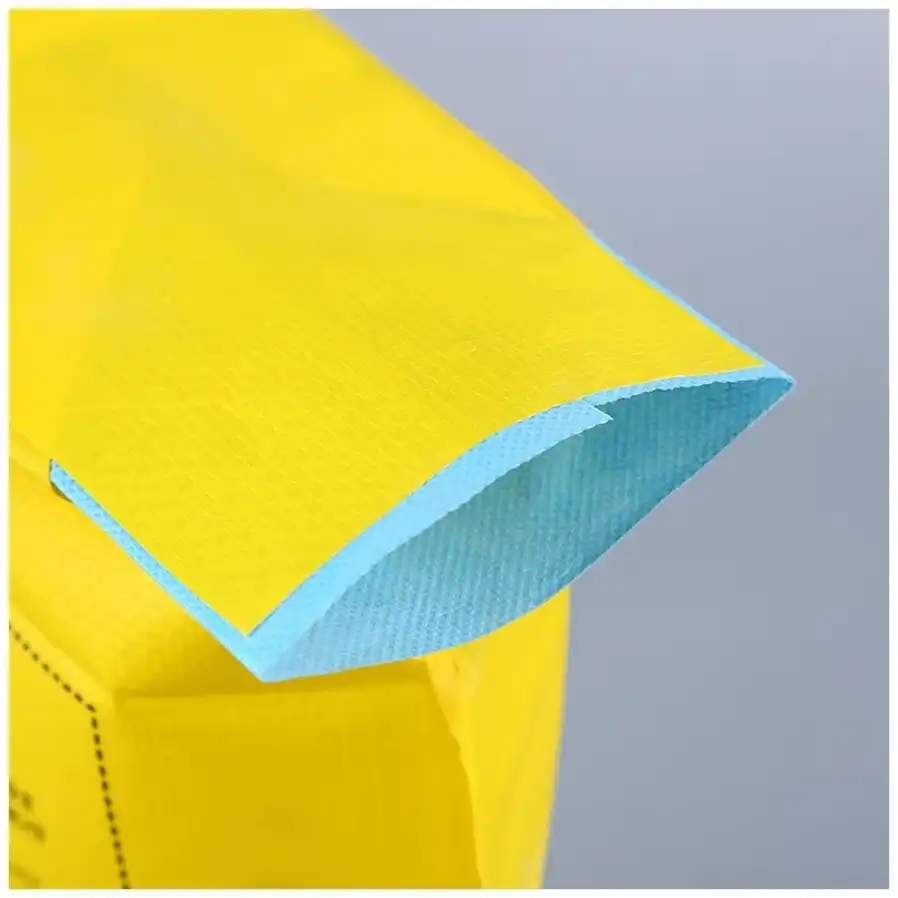
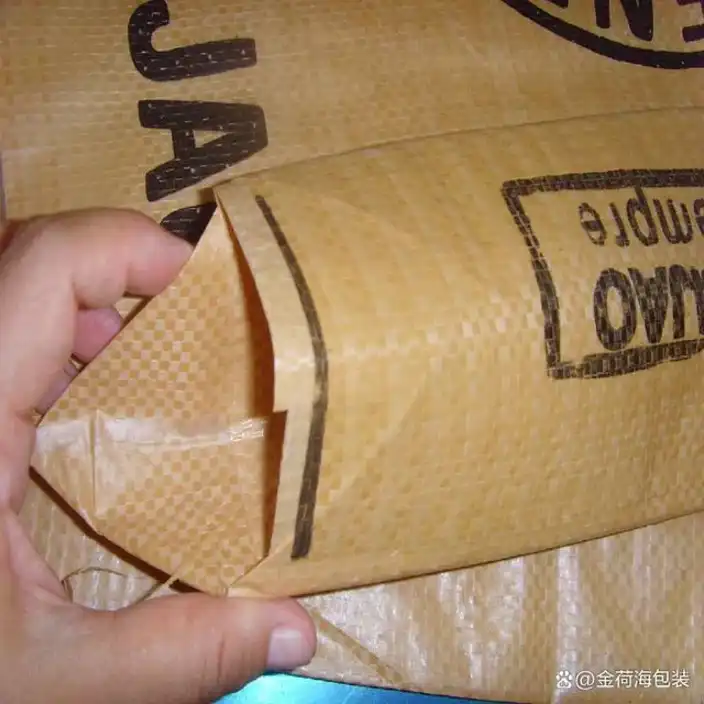
Valve Bags are industrial sacks engineered to accept powders or granules quickly through a self‑closing sleeve, then sit upright as neat, brick‑like packs. Picture a short internal sleeve—the “valve”—that couples with a filling spout; once filled, the pressure of the product pushes the sleeve shut, so no sewing is required. The result is speed with cleanliness, throughput with order, capacity with control.
Also known as: pasted valve sacks, block‑bottom valve bags, PVSE sacks, and—when the substrate is woven polypropylene—AD‑type woven valve sacks. Different names, the same intention: fast filling, low dust, square stacks.
Key features of Valve Bags include fast spout coupling, reduced airborne dust during filling, block‑bottom geometry for pallet stability, and highly configurable constructions (plies for paper, GSM/mesh for PP, micro‑perforations, anti‑slip finishes, liners, and multiple valve sleeve styles). They are built to run on automatic lines where seconds matter and rejects cost real money.
Manufacturing processes vary by material family. Paper variants are formed as multi‑wall tubes on pasting lines, fitted with a stepped‑end sleeve, then bottom‑pasted to create the block base; porosity and micro‑perforations tune air release, and flexographic printing applies graphics. Woven‑PP variants start from extruded PP tapes, woven to fabric, then coated or laminated (PP/PE or BOPP) before gravure/flexo printing and block‑bottom conversion via hot‑air or hot‑melt sealing. Hybrid paper‑laminated‑to‑PP designs join a printable kraft outer to a PP woven inner using extrusion coating or lamination.
Typical uses of Valve Bags span cement and dry mortar, gypsum and calcium carbonate, pigments and chemical additives, fertilizers, resin pellets, starches and sugar, and—when built to food‑contact requirements—flour, animal feeds, and pet nutrition. One packaging idea, many cargoes; one geometry, many supply chains.
Framing the Purchasing Problem Around Valve Bags
What should a buyer actually optimize: the cost of an empty sack or the fully delivered cost per ton of finished goods? Valve Bags force a broader question. A bag is not a bystander; it is an actor in filling speed, dust exposure, pallet integrity, transport cleanliness, retail presentation, even end‑of‑life handling. To make a rational choice, break the problem down—strength, machinability, moisture, printing, compliance—then put it back together as one coherent specification.
Valve Bags in Woven Polypropylene (PP): Strength, Moisture, Graphics
What they are. Woven‑PP Valve Bags use oriented PP tapes woven into a fabric, then sealed into a block‑bottom sack with an integrated sleeve. Coatings or BOPP lamination provide barrier and print surfaces. The architecture is stiff enough to hold its shape yet light enough to control material usage.
Where they shine. Abuse resistance, puncture tolerance, wet‑chain survival. Distribution can be unforgiving—fork‑tips, truck vibrations, humid yards. PP woven constructions withstand these hazards, and when combined with BOPP, they deliver high‑gloss, photo‑grade graphics that survive scuffing.
PP Woven Valve Bags Manufacturer
Professional valve bags factory specializing in PP woven valve bags for industrial packaging.
Check More →Pasted Paper Valve Bags
Premium pasted paper valve bags produced by professional valve bags manufacturing factory.
Check More →China PE Valve Bags Manufacturer
Top factory providing high-quality PE valve bags with customized production solutions.
Check More →Multi-layer PE Valve Bags
Durable multi-layer polyethylene valve bags from certified valve bags factory.
Check More →Trade‑offs. Air evacuation can be slower unless micro‑perforations are engineered correctly; some packers perceive a stiffer “mouth feel” at the spout. Recovery at end‑of‑life depends on regional PP streams—hence the importance of RIC “5‑PP” marks and clear sorting guidance.
Design levers. Fabric GSM (≈50–120 g/m²) maps to target weight (20–50 kg fills), mesh (7×7 to 14×14) tunes breathability and bursting, coatings (12–25 g/m²) manage moisture ingress, and B/T/R‑type valve sleeves adjust to powder rheology and packer pressure. Printing can be rotogravure or flexo, often up to 8–10 colors on BOPP for vivid branding.
Question posed. Can one bag lower total waste, increase pallet stability, and still print like a retail pouch? PP‑based Valve Bags often answer yes—by reducing ruptures, keeping pallets square, and presenting brands with clarity.
Problem → Solution → Result. In humid coastal chains, cement in paper sacks sheds fines and suffers burst claims. Switch to a coated woven‑PP Valve Bag with hot‑air sealed bottoms and tuned micro‑perfs. Rework drops, truck beds stay clean, and stack heights increase because deformation is lower; the outcome is not just fewer damaged bags but fewer damaged pallets.
Valve Bags in Multi‑Wall Kraft Paper: Speed, Breathability, Classic Aesthetics
What they are. Multi‑wall kraft Valve Bags are pasted tubes with stepped‑end sleeves. Paper porosity is an asset: airy powders vent during filling, so the spout need not fight trapped air.
Where they excel. High bags‑per‑minute on fast packers, low dust, tactile and matte branding—and straightforward recovery in paper streams when the structure is mono‑paper.
Trade‑offs. Moisture is the adversary. Wet strength is lower than PP; edges are easier to scuff; hygroscopic products may demand barriers or liners, complicating recycling.
Design levers. Ply count (2–6), grammage per ply (often 70–100 g/m²), porosity and micro‑perforation patterns, PVSE valve sleeve types with thermo‑sealable options, water‑based flexo inks, anti‑slip patterns, and peelable liners where needed.
Rhetorical check. If filling rate is king, why compromise it? Many fillers find paper Valve Bags achieve their highest BPM because the substrate itself breathes. The cost of that speed is vigilance against humidity across transit nodes.
Problem → Solution → Result. A dry‑mix additive line bottlenecked at the packer. Specifying a three‑ply bag with calibrated porosity and a thermo‑sealable valve raised sustained BPM while containing sifting after palletizing. More output per shift, less rework per pallet.
Valve Bags in Kraft‑Paper Laminated with PP Woven Fabric: The Bridge Option
What they are. A hybrid Valve Bag that fuses a printable kraft exterior to a PP woven interior by extrusion coating or lamination. The bag behaves like PVSE paper in form but inherits PP’s ruggedness.
Where they fit. Brands that demand a warm paper look yet face rough handling, outdoor stacks, or moist environments. Fertilizers, seeds, premium animal nutrition, and specialty building materials are frequent beneficiaries.
Trade‑offs. Multi‑material recovery is more complex in mono‑stream facilities. Production cost rises versus plain paper. The reward is a meaningful drop in in‑chain damage and a significant lift in on‑shelf appearance.
Design levers. Outer paper 70–100 g/m², inner PP 60–100 g/m², mesh around 10×10–14×14, engineered perforations through the paper skin plus micro‑perfs in PP, thermo‑sealable valves, and anti‑slip surface treatments.
Problem → Solution → Result. A fertilizer brand needed photographic graphics that stayed crisp after rain‑exposed yards. A kraft/BOPP/PP laminate Valve Bag delivered scuff resistance and print longevity; field returns from burst damage declined, and retail differentiation improved.
Parameter and Feature Summary for Valve Bags
| Decision Axis | PP Woven Valve Bags | Kraft Paper Valve Bags | Paper‑Laminated PP Valve Bags |
|---|---|---|---|
| Primary emphasis | Toughness, moisture resistance, scuff durability | High fill speed, breathable substrate, matte look | Paper aesthetics with PP durability |
| Typical fills | 25–50 kg powders or granules | 20–50 kg powders | 25–50 kg, humid or rough chains |
| Printing | BOPP up to 8–10 colors, gravure/flexo | Water‑based flexo up to 10 colors | Flexo on paper or gravure on BOPP‑paper |
| Dust control | Engineered micro‑perfs; firm valve seal | Inherent porosity + perfs | Hybrid perfs through paper + PP |
| Humidity tolerance | High with coatings/lamination | Needs liner/barrier for wet chains | Better than paper; specify coating |
| Recycling route | Mono‑PP (RIC 5), region‑dependent | Paper stream if mono‑paper | Multi‑material; check local options |
| Common tests | Burst/drop/valve seal; print adhesion | ISO 6591‑1 / 8351‑1/‑2; ISO 2758; TAPPI T 410/T 414 | Combined paper/PP protocols |
Typical Specification Ranges for Valve Bags
These bands reflect real practice and are configurable to your filling equipment and product rheology.
| Parameter | PP Woven Valve Bags | Kraft Paper Valve Bags | Paper+PP Laminate Valve Bags |
|---|---|---|---|
| Nominal capacity | 20–50 kg | 20–50 kg (up to 100 lb) | 25–50 kg |
| Width (W) | 30–70 cm | 30–50 cm (≈45 cm for 25 kg) | 30–70 cm |
| Length (L) | 48–90+ cm | 52–65 cm typical | 60–90+ cm |
| Bottom/gusset | Block bottom 8–16 cm | Block bottom 8–12 cm | Block bottom 8–16 cm |
| Fabric/Paper mass | PP fabric 50–120 g/m² | 2–6 plies, 70–100 g/m² per ply | Paper 70–100 g/m² + PP 60–100 g/m² |
| Mesh/Porosity | 7×7–14×14; micro‑perfs | Paper porosity + micro‑perfs | Hybrid: paper perfs + PP micro‑perfs |
| Printing | Gravure/flexo 6–10 colors; BOPP 18–25 μm | Flexo up to 10 colors | Flexo/gravure; anti‑slip varnish |
| Valve sleeve | B/T/R types; hot‑air sealed | PVSE stepped‑end; thermo valve | PVSE; thermo valve |
| Options | UV‑stabilized, anti‑slip, easy‑open | PE liner, anti‑slip patterns | BOPP‑paper for photo graphics |
How Valve Bags Influence Filling‑Line Economics
A packer is a system, not a spout. Whenever Valve Bags are selected, three rate‑limiting mechanisms appear: air removal, valve closure, and bag handling. Airy powders (cement, gypsum, starch) demand porosity or engineered micro‑perfs; otherwise air entrapment inflates the bag like a cushion and chokes throughput. Valve closure must resist rebound sifting—especially after pallet vibration. Handling requires a geometry that resists deformation so robotic grippers have predictable edges to grab.
Levers that move the needle. On PP woven bags, use a denser mesh with targeted micro‑perfs near the valve panel to vent at the pressure source. On paper, balance ply count and perforation: too few perfs and the bag inflates; too many and dust rises. Thermo‑sealable valves reduce post‑fill leaks, especially in fine powders that creep.
What does success look like? Higher sustained BPM with stable mass accuracy; fewer rejects at check‑weighers; cleaner housekeeping; lower film use on stretch‑wrap because stacks remain square. Not glamorous, but measurable.
Moisture, Barrier, and the Outdoor Life of Valve Bags
Rain, fog, dew, and condensation—the four horsemen of outdoor storage. If your distribution includes uncovered yards or maritime legs, specify barrier intelligently. Coated PP woven Valve Bags resist capillary ingress and puncture; paper structures may require a thin PE liner or a laminate skin. Hybrid paper‑to‑PP builds endure splash and edge abrasion while keeping the paper look.
Testing cues. Expose filled bags to elevated relative humidity, then re‑run drop and burst tests. Measure caking and flowability of the product after storage. Consider anti‑slip varnishes and pallet interleaves; wet film between bags can reduce friction and trigger slumps.
Printing and Brand Expression on Valve Bags
A bag is a billboard that travels by forklift. BOPP‑laminated PP Valve Bags accept fine screens and photo‑grade imagery; inks sit within the film and resist scuff. Paper offers a warm, matte surface and suits water‑based inks with low VOCs. Colorfastness, rub resistance, and blocking are the practical metrics—pretty graphics that scuff off on the first truck are not branding; they are waste.
Design guidance. Place UPCs and regulatory marks on the block bottom panels for scannability when stacked; specify anti‑slip patterns that do not obscure critical safety text; use high‑contrast inks for valve‑location arrows to reduce operator error on the line.
Compliance: What Must Appear in a Valve Bags Specification
Standards give purchasing and QA a common language. Dimensional description for paper sacks follows ISO 6591‑1. Ordering checklists map to ISO 8351‑1/‑2. Bursting strength of paper references ISO 2758; grammage and tear are tracked via TAPPI T 410 and T 414. For plastics in contact with food, 21 CFR §177.1520 (PP) and EU 10/2011 provide the compliance backbone. End‑of‑life identification for PP uses ASTM D7611/D7611M—mark it 5‑PP clearly on the bag body.
Documentation bundle. Each lot should ship with a COA: GSM/plies or fabric mass, dimensions, valve design, visual AQL outcomes, and print adhesion notes. If food or feed is packing, include migration testing statements and ink/adhesive declarations.
Sustainability: How We Make Valve Bags with a Smaller Energy Shadow
VidePak operates under a rooftop system rated at 2 MW of photovoltaic capacity. Extrusion, weaving, coating, corona treatment, printing, and conversion are energy‑hungry; when the sun is generous, we run these jobs preferentially to align electricity‑intensive steps with clean power. Surplus generation is exported to the national grid, turning idle photons into credits and, more importantly, into a nudge toward greener baseloads.
Why it matters to you. The electricity mix behind your packaging is part of Scope 3. Solar‑heavy hours lower the embodied footprint per Valve Bag. We share monthly energy mixes and can attribute gCO₂‑eq/kWh to your orders’ production window. Operationally, we also install heat recovery on dryers, maintain lamination lines to minimize scrap (re‑extruding regrind where permitted), and prioritize water‑based inks on paper to reduce solvents.
Design‑for‑recovery. Mono‑PP Valve Bags get a clean material stream; paper sacks stay mono‑paper where function allows; peelable liners permit separation when barriers are essential. Clear labeling and pallet‑tag instructions increase actual, not theoretical, recovery.
Production Workflows for Valve Bags
Woven‑PP line. Tape extrusion with on‑line denier/thickness control; circular weaving to target mesh; coating or lamination (PP/PE/BOPP) with corona pretreatment; gravure or flexo printing; conversion with hot‑air sealing and precise valve/bottom patching; QA for burst, drop, dimension, valve integrity, and micro‑perf flow.
Paper line. Kraft reel conditioning; tube formation and pasting with ply control and adhesive weights; insertion of valve sleeves matched to filler design; bottom pasting for square bases; perforation tuning; water‑based flexo printing; QA for burst, tear, grammage, and drop.
Laminate line. Surface energy treatment; extrusion coating/lamination with bond strength targets; tube formation and valve/bottom construction mirroring PVSE; QA for peel, drop, burst, and print adhesion.
Validation Plan for Valve Bags in the Field
A laboratory can predict; only a production line can prove. The validation suite includes burst strength (ISO 2758 for paper; tensile/burst rigs for PP fabrics), vertical drop/impact with defined orientations and heights, valve‑leak tests (pressurization and dwell), pallet compression and slip‑angle checks, print abrasion (rub and tape tests), moisture exposure soaks followed by re‑tests, and on‑line trials tracking BPM, reject rates, and housekeeping dust metrics.
Reporting cadence. During trial lots, we issue a weekly dashboard: fill rate stability, average mass deviation, reject taxonomy (leakers, under‑fills, deformed bottoms), pallet tilt incidents, and scuff observations. Data makes the case sharper than rhetoric.
Cross‑Disciplinary Perspectives on Valve Bags
Materials science explains why oriented PP tapes resist tear propagation; process engineering explains why micro‑perfs near the valve matter more than random needle patterns; logistics explains why square bags reduce wrap usage; sustainability explains why energy timing matters. Put these together and Valve Bags become a system, not a SKU. As the saying goes, “The whole is more than the sum of its parts”—and on a pallet, it is literally more than the sum of the sacks.
Scenario Studies: Picking the Right Valve Bags Under Real Constraints
Scenario: 25 kg cement, humid coast, medium line speed. Choose coated PP woven Valve Bags around 80–95 g/m² with tuned micro‑perfs. Expect fewer bursts after rain exposure and sturdier pallets during crane moves. Print on BOPP to preserve graphics after yard scuffs.
Scenario: High‑BPM dry additive, indoor distribution. Three‑ply paper Valve Bags with calibrated porosity and a thermo‑sealable valve move the BPM ceiling upward. Keep a thin liner in reserve for seasonal humidity spikes.
Scenario: Premium animal nutrition, visible retail shelf, stormy region. Laminated kraft‑to‑PP Valve Bags combine a warm look with weather resilience. Add anti‑slip varnish and reinforced corners to deter edge scuff.
Frequently Asked Questions About Valve Bags
Do PP woven Valve Bags run slower? Not inherently. Air management dictates speed: engineered micro‑perfs and the right valve architecture narrow the gap with paper on most packers.
Can these be food‑grade? Yes—by using compliant PP under 21 CFR §177.1520 or EU 10/2011, selecting food‑safe inks and adhesives, and converting under hygienic conditions. Paper plies and liners must align to the same rules.
How should recycling be labeled? Mark mono‑PP with 5‑PP per ASTM D7611/D7611M. Mono‑paper sacks can enter paper recovery streams if plastic barriers are absent; where liners are required, choose peelable constructions and state dismantling steps on pallet tags.
Can you document solar share in my orders? We provide monthly PV generation and apply accepted gCO₂‑eq/kWh factors to estimate the manufacturing energy mix for your production window.
A Purchaser’s Checklist for Valve Bags
- Material family: ☐ PP woven ☐ Kraft paper ☐ Paper+PP laminate
- Size (W×L×Bottom): ____ × ____ × ____ mm; Target fill mass: ____ kg
- GSM / Plies: PP ____ g/m²; Paper ____ plies @ ____ g/m²; Mesh ×
- Valve type: ☐ B ☐ T ☐ R; Thermo valve: ☐ Yes ☐ No
- Perforation: ☐ Micro‑perfs (pattern/spec) ☐ Standard ☐ None
- Barrier/liner: ☐ PP/PE coat (____ g/m²) ☐ PE liner (____ µm) ☐ None
- Printing: ☐ Flexo ☐ Gravure ☐ BOPP lamination (____ µm) — colors: ____
- Tests: ☐ ISO 2758 burst (target ____ kPa) ☐ Drop test (height/orientation) ☐ Valve leak
- Regulatory (if applicable): ☐ 21 CFR §177.1520 ☐ EU 10/2011 ☐ RIC “5‑PP” marking
- Sustainability: ☐ PV‑powered mfg window ☐ FSC kraft option ☐ Regrind policy (non‑food)
Link for Further Reading on Valve Bags
Explore more product examples and technical options for Valve Bags.
Advantages of Valve Bags
Problem. Dry bulk supply chains leak value through dust, under‑filled packs, ruptures, and unstable pallets. Buyers often optimize the price of an empty bag, not the delivered cost per ton.
Method. Treat Valve Bags as a system: a self‑closing sleeve for fast, low‑dust filling; square bottoms for brick‑like stacks; materials (PP woven, multi‑wall kraft, paper‑laminated‑PP) tuned to product rheology and humidity exposure. Link purchasing to packer settings, pallet patterns, and end‑of‑life routing.
Result. Higher bags‑per‑minute, tighter weight accuracy, cleaner warehouses, and fewer claims. In many lines, the switch to Valve Bags lifts throughput without capital expansion.
Discussion (horizontal + vertical). Horizontally, combine material science (tear/porosity), occupational hygiene (dust), logistics (pallet stability), and brand design (print durability). Vertically, trace from polymer tapes or paper plies → valve geometry → packer air‑management → pallet compression. The outcome is a closed loop between design, operations, and sustainability.
Accurate Filling and Tight Tolerances with Valve Bags
Problem. Powders capture air at the spout, inflating sacks and skewing net weights.
Method. Valve Bags use internal sleeves that couple to pressure‑fed spouts; micro‑perforations or paper porosity vent air near the fill zone. Thermo‑sealable valves curb post‑fill sifting. Statistical process control monitors mass variation.
Result. Narrower weight distributions, better label‑claim compliance, and fewer reworks at check‑weighers.
Discussion. Horizontally, marry fluidization physics with packer PLC logic. Vertically, tune perforation density, valve type (B/T/R), and spout pressure, then validate with on‑line mass histograms.
Improved Line Functionality and Shortened Cycle Times via Valve Bags
Problem. The bottleneck on powder lines is often filling speed, not mixing capacity.
Method. Use the self‑closing architecture of Valve Bags to reduce sewing and manual handling. Specify breathable structures (paper or micro‑perfed PP) to accelerate air evacuation, and adopt block‑bottom formats to stabilize robotic pick‑and‑place.
Result. More units per hour, smoother palletizing, reduced film on stretch‑wrap due to squarer stacks.
Discussion. Horizontally, integrate ergonomics (less manual stitching) and maintenance (fewer needle/seam faults). Vertically, map the cycle from infeed clamp → fill → settle → valve seal → discharge.
Capability to Handle Complex Product Behaviors with Valve Bags
Problem. Not all powders behave alike: some are cohesive, some abrasive, some hygroscopic.
Method. Configure Valve Bags by product type: higher GSM PP fabrics and coatings for abrasive minerals; multi‑ply paper with tuned porosity for light, airy dusts; hybrids for humid routes requiring a paper look and PP strength.
Result. Reduced caking, fewer punctures, better shelf presentation, and lower SKU‑specific wastage.
Discussion. Horizontally, compare flowability metrics (Hausner ratio) with substrate choices. Vertically, iterate from powder PSD → spout design → bag breathability → pallet compression tests.
Selecting Appropriate Equipment and Constructions for Valve Bags
Problem. A great bag on the wrong filler still underperforms.
Method. Match Valve Bags to packer type (impeller, air, auger), spout geometry, and target BPM. Choose valve style for mouth feel and seal integrity; specify BOPP or water‑based flexo per branding needs; include anti‑slip for pallet angle.
Result. Fewer stoppages, predictable changeovers, and repeatable run rates.
Discussion. Horizontally, align packaging engineering with production planning and marketing. Vertically, translate commercial goals (graphics, SKU count) into technical specs (ply count, coating weight, valve construction).
Significance of Material and Structure Choice in Valve Bags
Problem. Moisture, puncture risk, and print expectations vary across markets.
Method. Pick among PP woven Valve Bags, kraft paper Valve Bags, or kraft‑laminated‑PP Valve Bags. Calibrate fabric GSM (≈50–120 g/m²), paper plies (2–6, 70–100 g/m² each), mesh (7×7–14×14), and coating weights (12–25 g/m²). Add liners only when functionally necessary.
Result. Fit‑for‑purpose performance with minimized material usage and clearer end‑of‑life routing.
Discussion. Horizontally, evaluate LCA considerations with performance risk. Vertically, link environmental exposure → barrier design → recovery labeling.
Quality Control and Testing Protocols for Valve Bags
Problem. Field failures are expensive and visible.
Method. Run structured tests: bursting strength (ISO 2758 for paper), vertical drop/impact (per EN/ISO paper sack methods), peel/bond for laminates, valve leak (pressure/dwell), print rub resistance, and pallet compression + slip angle. Add humidity soaks before re‑testing.
Result. Lower claims, credible certificates of analysis, and stable launch curves for new SKUs.
Discussion. Horizontally, combine QA with EHS (dust) and branding (rub tests). Vertically, drive CAPA loops from defect taxonomy → root cause → spec updates.
Industries Where Valve Bags Excel
Problem. Buyers need confidence that a single packaging concept can span sectors.
Method. Demonstrate fit: Valve Bags serve building materials (cement, mortar, gypsum), minerals (CaCO₃, silica), chemicals (pigments, additives, fertilizers), food/feed (flour, sugar, animal nutrition when compliant), and resins/pellets.
Result. Simplified supplier networks and harmonized filling playbooks across product families.
Discussion. Horizontally, compare hygiene needs in food vs. industrial settings; vertically, differentiate by RH exposure, product abrasiveness, and retail visibility.
Everyday Encounters with Valve Bags
Problem. Decision‑makers seldom see the consumer side of industrial packaging.
Method. Trace touchpoints: bagged cement at DIY stores, animal feed in farm co‑ops, fertilizer stacks in garden centers, salt and sugar in bulk retail—all commonly rely on Valve Bags.
Result. Clearer intuition about why square stacks, scuff‑resistant prints, and valve seals matter.
Discussion. Horizontally, relate shopper ergonomics and store safety to packaging geometry. Vertically, follow the journey from pallet to shelf to end‑user handling.
Evaluating Supplier Proficiency in Valve Bags Engineering
Problem. Not all vendors manage the full system: design, conversion, printing, and validation.
Method. Assess by evidence: standard references in specs (ISO 6591‑1; ISO 8351‑1/‑2; ASTM D7611); migration statements for food‑contact (21 CFR §177.1520; EU 10/2011); QA records (burst, drop, leak); sustainability reporting (energy mix, scrap rates). Ask for line‑trial dashboards (BPM stability, reject taxonomy).
Result. A partner who solves problems upstream instead of firefighting downstream.
Discussion. Horizontally, probe how R&D interacts with operations; vertically, examine NPI gates from lab proof to factory acceptance.
Issues to Address When Requesting a Valve Bags Quotation
Problem. Vague RFQs yield mismatched samples and delays.
Method. Provide: product type/PSD and flowability; desired bag size (W×L×bottom); target net weight; material family (PP woven / kraft / laminate); expected RH and outdoor exposure; print method and color count; valve type; micro‑perf strategy; test targets (drop height, burst kPa); regulatory needs; pallet pattern and stretch‑wrap assumptions.
Result. Fast sampling, relevant trials, and realistic pricing.
Discussion. Horizontally, coordinate procurement, packaging engineering, and HSE. Vertically, convert commercial requirements into measurable technical parameters.
Evaluating Suppliers for Quality and Turnaround on Valve Bags
Problem. Lead time variability and inconsistent QA can derail launches.
Method. Score suppliers on capacity (extrusion, weaving, coating, printing, conversion), preventive maintenance, spare parts strategy, and inline inspection. Review energy strategy—solar contribution—plus regrind and waste policies for non‑food runs. Confirm documentation cadence (COA per lot, migration/ink declarations) and EDI capability.
Result. Predictable turnaround, lower risk of stockouts, and audit‑ready traceability.
Discussion. Horizontally, align supplier logistics with your S&OP. Vertically, link plant OEE to on‑time‑in‑full.
Where to Explore Specifications and Options for Valve Bags
For a technical overview and product gallery of Valve Bags, consult our resource hub and compare PP woven, kraft, and laminate configurations side‑by‑side.
References
ISO 6591‑1: Empty paper sacks—Description and dimensional measurement.
ISO 8351‑1/‑2: Paper sacks—Specification and performance requirements.
ISO 2758: Paper—Determination of bursting strength.
TAPPI T 410: Grammage of paper and paperboard.
TAPPI T 414: Internal tearing resistance of paper.
ASTM D7611/D7611M: Resin Identification Code (RIC) for plastics.
EU No. 10/2011: Plastic materials intended to come into contact with food.
IEA‑PVPS Fact Sheets: Life‑cycle carbon intensity ranges for photovoltaic electricity.
Starlinger AD*STAR® technical literature: Block‑bottom woven sack conversion principles.