
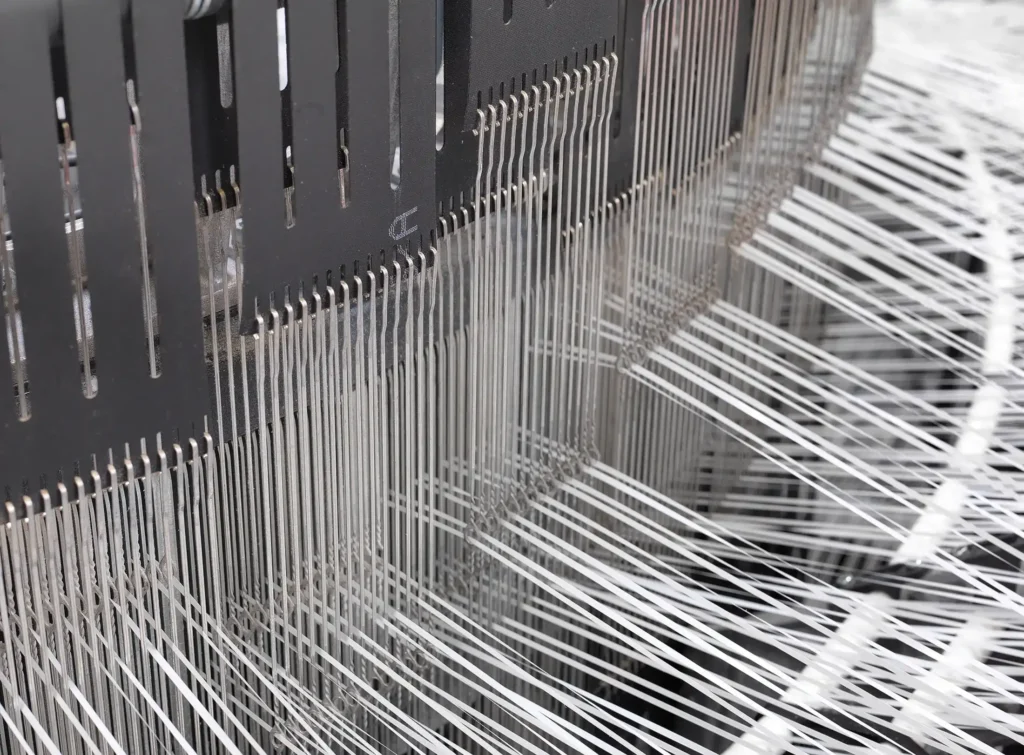
- What Are PP Fabric bags?
- Alternate Names Used Across Markets
- Key Features and Why They Matter
- How PP Fabric bags Are Produced
- Where PP Fabric bags Are Used
- Standards, Certifications, and Independent Reports
- Specification Matrix for Engineers and Buyers
- Implementation Guidance for Faster Approvals
- Context, Constraints, and Why PP Fabric bags Matter Now
- Forces and Failure Modes: What PP Fabric bags Must Defeat
- Material Science Under the Label: Polymer, Additives, and Tape Behavior
- Architecture of Strength: Tapes, Counts, and the Fabric You Actually Get
- Air, Moisture, and Dust: Invisible Variables with Visible Costs
- Human Factors and Brand Legibility: Seeing Is Believing, Scanning Is Selling
- Process Flow: From Pellet to Pallet Without Drama
- Compliance and Confidence: The Paperwork That Protects the Product
- What the Numbers Want: Metrics That Predict Real‑World Outcomes
- Comparative Thinking: PP Fabric bags vs. Alternatives
- Sector‑Specific Playbooks That Work
- Data‑Backed Stories: When PP Fabric bags Changed the Day
- Costs, Trade‑offs, and the Dial You Can Turn
- Governance and Repeatability: How VidePak Builds Confidence
- A Practical RFQ Blueprint for PP Fabric bags
- Engineering Table: Parameters That Anchor Decisions
- Frequently Asked—but Better Answered—Questions
- System Integration: How PP Fabric bags Touch Equipment You Already Own
- Sustainability That Survives Audit and Use
- Case Pair: Two Pallets, Two Outcomes, One Lesson
- What Good Looks Like: A Spec You Can Defend
- From Pilot to Policy: Institutionalizing Success
- A Quick Link for Teams That Need a Starting Point
- Determining the Right Specification for PP Fabric bags
- Selecting Materials and Additives for PP Fabric bags
- What Shapes and Closures Work Best in PP Fabric bags?
- How to Request a Quote for PP Fabric bags that Engineers Can Execute
- The Operational Benefits of Custom PP Fabric bags
- How Product Physics Changes PP Fabric bags Behavior
- Distinguishing Characteristics of High‑Performing PP Fabric bags
- What Products Fit PP Fabric bags Best?
- Ordering PP Fabric bags in Bulk Without Surprises
- Comparing Closures in PP Fabric bags Contexts
- Designing PP Fabric bags for Brand and Traceability
- Calculating Air‑Release and Vent Mapping for PP Fabric bags
- Finish Choices and Their Operational Impact on PP Fabric bags
- Where to Start for Technical Orientation
- References
What Are PP Fabric bags?
PP Fabric bags are engineered, multi‑purpose packaging sacks woven from oriented polypropylene tapes and then finished through coating, lamination, printing, and conversion steps to fit demanding supply chains. They do not merely contain material; they regulate air during filling, resist puncture on pallets, communicate brand and legal information, and preserve product quality against humidity and abrasion. A useful way to understand PP Fabric bags is to view them as a system: polymer selection dictates tape behavior; weaving architecture shapes tensile and tear; coatings and films establish moisture control and print flatness; finishing determines how reliably the mouth closes and the stack sits. When those parts cohere, lines run faster, pallets travel cleaner, and audits move quicker.
From an operational perspective, the bags become an interface among three moving worlds: powder or granule physics, filling equipment dynamics, and logistics turbulence. Each world imposes constraints—angle of repose, nozzle geometry, clamp truck pressure, vibration spectra, coastal humidity. PP Fabric bags function when their parameters—tape linear density, ends‑per‑inch, picks‑per‑inch, coat weight, dyne level, finish, and valve or seam design—are specified not as marketing adjectives but as measured numbers tied to test methods. The following sections translate that claim into details you can action.
Quick link — explore specifications and request a tailored quote: industrial polypropylene woven packaging sacks.
Alternate Names Used Across Markets
Callout — common aliases you may encounter:
- Polypropylene woven sacks
- PP woven packaging bags
- Industrial woven PP sacks
- Woven poly bags for powders
- Heavy‑duty polypropylene fabric sacks
- Woven FFS‑compatible PP bags (when specified for valve/FFS interfaces)
Terminology shifts by region and by equipment OEM, yet the core idea persists: a woven polypropylene structure customized for speed, cleanliness, and stack stability.
Key Features and Why They Matter
Strength‑to‑Weight Efficiency
Oriented tapes woven into a balanced grid create high tensile per unit mass. This enables lower GSM structures to meet drop and clamp requirements, saving material over non‑woven or mono‑film packages at equivalent robustness.
Customizable Breathability
By tuning weave counts and micro‑vent patterns (when used with coatings), the bag can release entrained air quickly, reducing mouth rebound and improving fill consistency without resigning to dust plumes.
Moisture and Odor Control
Extrusion coats or BOPP/PE laminations cut water vapor transmission rates (ASTM E96), while food‑contact liners can isolate sensitive ingredients. The goal is to manage shelf‑life without trapping air during filling.
High‑Fidelity Graphics
With smooth laminations and controlled dyne levels (38–42 dyn/cm), flexographic programs at 100–133 LPI hold barcodes to A/B grades after abrasion (ISO/IEC 15416), keeping both branding and traceability intact.
Stack Stability
Surface finishes and anti‑skid patterns are engineered to raise tilt table angles before slip (ISTA 3A guidance), so unit‑loads resist braking and clamp handling in warehouses and on trucks.
Audit‑Ready Compliance
For sensitive goods, documentation sets reference FDA 21 CFR 177.1520, EU 10/2011, EuPIA GMP, ISO 9001:2015, and ISO 14001:2015. Third‑party labs (SGS, TÜV, Intertek) validate migration, WVTR, tensile, and UV retention when requested.
How PP Fabric bags Are Produced
Production is a chain of controlled transformations. Each gate matters, each metric informs the next, and quality that is not built‑in cannot be inspected‑in at the end. The outline below follows the journey from pellet to pallet and indicates the levers that most influence results.
- Resin Preparation — isotactic PP homopolymer conditioned to moisture < 300 ppm; melt flow index tightly centered (ASTM D1238). Additives dispersed for UV, slip, static, and optional fillers.
- Tape Extrusion & Drawing — flat die film quenched, slit, drawn 5–7×, heat‑set. Monitored for tenacity/elongation (ASTM D882), shrink (ASTM D1204), and linear density (ISO 2060).
- Winding — uniform bobbin hardness to reduce loom breaks; clean splices; edge quality recorded.
- Circular Weaving — EPI×PPI setpoints achieve target GSM (ISO 3801) and tensile (ISO 13934‑1). Cameras and break stops intercept defects early.
- Coating/Lamination — extrusion coats or BOPP films add barrier and print face. Dyne 38–42 ensures ink anchorage; bond verified by ASTM D1876.
- Printing — water‑based flexo per EuPIA GMP; registration and dot gain managed via anilox choice and dryer balance; ΔE held to < 2.0 for brand consistency.
- Conversion — cut length, bottoms, gussets, and mouth solutions (sewn open‑mouth or specialized valves) built to drawing. Seam efficiency confirmed; mouth dust measured through gravimetric capture.
- Palletization — stack patterning, slip sheets, edge protection, and wrap pre‑stretch tuned to raise tilt before slip and suppress rub damage.
Where PP Fabric bags Are Used
Markets select PP Fabric bags when they require predictable throughput and dependable pallets: minerals and construction materials (cement, gypsum, silica sand), fertilizers and agro inputs (urea, NPK), food ingredients (flours, sugars, starches, whey), animal nutrition premixes, pigments and mineral additives, and selected polymer masterbatches. Each lane pushes a slightly different recipe. Minerals demand abrasion‑tolerant exteriors and higher puncture resistance; fertilizers reward mouth cleanliness and humidity tolerance; food ingredients insist on low‑odor inks and migration dossiers; pigments prefer laminations that keep colorant dust corralled while preserving scan grades.
Because applications vary, engineering must follow. The same nominal GSM can be achieved by denser weaves of lighter tapes for smoother print, or by lower counts with heavier tapes for tougher corners. The best choice is the one that aligns with your filler, your yard, and your customer’s expectations.
Standards, Certifications, and Independent Reports
Confidence scales with evidence. Qualification packs for PP Fabric bags normally reference ISO 9001:2015 and ISO 14001:2015 (certificate IDs on COAs), FDA 21 CFR 177.1520 and EU 10/2011 where food contact applies, EuPIA Good Manufacturing Practice for inks, and logistics tests based on ISTA 3A/3B and ASTM D5276. Independent labs such as SGS, TÜV Rheinland, or Intertek can run migration (EN 1186 series), WVTR (ASTM E96), tensile and tear (ISO 13934‑1/ISO 13937‑2), and UV retention (ISO 4892‑2). The point is simple: results that are measured, documented, and traceable survive audits and claims.
| Domain | Standard / Report | Metric | Typical Windows |
|---|---|---|---|
| Quality Systems | ISO 9001:2015 (cert no. on COA) | Process capability & documentation | CpK ≥ 1.33 for key gauges |
| Environment | ISO 14001:2015 | VOC & waste governance | Water‑based ink/adhesive usage |
| Food Contact | FDA 21 CFR 177.1520; EU 10/2011; EuPIA GMP | Overall migration; sensory neutrality | ≤ 10 mg/dm² (EU limit); low‑odor inks |
| Mechanical | ISO 13934‑1; ISO 13937‑2 | Tensile, tear, elongation | Warp ≥ 4–6 kN/m; Weft ≥ 3–5 kN/m |
| Barrier | ASTM E96 (WVTR) | Water vapor transmission | Target < 10 g/m²·day with liner/lam |
| Barcodes | ISO/IEC 15416 | Scan grade after scuff | A/B grades post‑test |
| Transit | ISTA 3A/3B; ASTM D5276 | Drop & vibration performance | Pass per SKU payload |
Specification Matrix for Engineers and Buyers
| Parameter | Typical Range | Test / Unit | Engineering Notes |
|---|---|---|---|
| Tape linear density | 600D–1200D classes | ISO 2060; derived N/tape | Puncture vs. fold endurance trade‑off |
| Weave count | 8×8 to 12×12 (EPI×PPI) | ISO 3801 (GSM linkage) | Higher counts smooth print and spread stress |
| Draw ratio | 5–7× | ASTM D882; ASTM D1204 | Tenacity vs. brittleness balance |
| Coating weight | 15–40 g/m² | Gravimetric; ASTM E96 | Dust control and WVTR guard |
| Lamination film | BOPP 18–30 μm | ASTM D1876 (bond) | Print flatness, abrasion shield |
| Dyne level | 38–42 dyn/cm | Dyne pens; inks | Anchors ink; prevents set‑off |
| Finish | Matte and/or Gloss | Gloss units; barcode grade | Readability vs. saturation |
| Anti‑skid | Embossed stripes / pattern coat | Tilt table (°) | Unit‑load stability during braking |
Implementation Guidance for Faster Approvals
To compress time from trial to standard item, organize the project around a short loop: discovery → lab match → pilot → validation → rollout. Discovery collects payload details, fines percentage, tapped density, angle of repose, climate exposure, and filler specifics. Lab match builds a matrix across tape linear density, counts, coat weight, and finishes. Pilot runs record mouth dust via a simple gravimetric rig positioned about 20 cm from the valve or mouth; barcode grades are sampled after rotary scuff cycles. Validation compares A/B against incumbent under ISTA 3A/3B transit checks. Rollout codifies the winning recipe into a controlled COA, artwork checklist, and pallet scheme so the gain survives staff turnover.

Context, Constraints, and Why PP Fabric bags Matter Now
Supply chains today demand three things at once: mechanical reliability, visual clarity, and regulatory confidence. PP Fabric bags sit at the crossing of those demands. They carry powders that flow like water and granules that behave like pebbles. They move through humid ports and dry depots. They must look good and remain traceable after a thousand touches. And because the market remembers failure more than success, the safest promise is performance that repeats—bag after bag, pallet after pallet. This document turns operational questions into an organized, evidence‑led discussion so that teams can choose, order, and run PP Fabric bags with fewer surprises and better outcomes.
PP Woven Bags Manufacturer
Professional analysis and production of high-performance PP fabric bags for global buyers and distributors.
Check More →Woven Fabric PP Bags Features
Complete feature analysis of PP woven fabric bags including durability, strength and industrial applications.
Check More →Breathable PP Woven Bags Supplier
Premium breathable PP fabric bags with detailed buyer-focused analysis and customizable specifications.
Check More →Breathable PP Woven Bags Factory
Factory-direct PP woven fabric bags with comprehensive analysis for quality and cost-effective purchasing.
Check More →The approach is deliberately layered. We start by describing the forces acting on PP Fabric bags in real facilities. We then move into material science, weaving architecture, and coating decisions that counter those forces. Along the way we compare neighboring domains—geotextiles, paper sacks, flexible films—to borrow what works and discard what doesn’t. Throughout, we keep the lens on measurable results: reject rate at the filler, barcode grade after scuff, tilt angle before slip, and migration limits for food‑contact variants.
Forces and Failure Modes: What PP Fabric bags Must Defeat
When a pallet arrives deformed, people blame the truck. When a mouth leaks dust, people blame the filler. But often the root is simpler: mismatched fabric, unbalanced lamination, or a conversion choice that made sense in isolation but not in the system. The recurring stressors are familiar.
- Impact and puncture at corners as bags shift against the pallet deck.
- Abrasion on conveyors and clamp faces that grinds away coating or ink.
- Moisture ingress in coastal climates that accelerates caking and raises return‑goods rates.
- Static buildup that attracts fines and dirt, dulling brands and clogging valves.
- Scan failures when high‑gloss panels reflect light or when rough laminations warp barcodes.
PP Fabric bags win when their structure anticipates those stressors. That means tensile in the directions that matter, tears arrested before they propagate, breathability matched to fill speed, and a print face that stays legible under scuff. The rest of this narrative is the how.
Material Science Under the Label: Polymer, Additives, and Tape Behavior
At the heart of PP Fabric bags is isotactic polypropylene drawn into oriented tapes. Orientation is not cosmetic; it transforms a modest polymer into a structural member. Draw ratios around 5–7× raise tenacity; heat‑setting stabilizes dimensions so that woven fabric does not shrink unpredictably in downstream processes.
Additives make the difference between a pretty bag and a working bag. HALS and UV absorbers extend life in yards. Antistatic and slip agents tame handling and stacking. Controlled fillers—such as CaCO₃—trade a small amount of ultimate tensile for improved stiffness, opacity, and runnability. The right recipe is application‑specific: food ingredients push for low‑odor, low‑migration packages; fertilizers can accept stronger additives when compliance permits. Because PP Fabric bags must pass through printing, cutting, and sewing with minimal drama, resin flow, moisture, and volatiles need a steady corridor—not perfectly fixed, but tightly policed.
Architecture of Strength: Tapes, Counts, and the Fabric You Actually Get
Engineers sometimes argue denier like philosophers argue language. Useful, but incomplete. Fabric architecture decides far more than a single number can convey.
- Ends‑per‑inch (EPI) and picks‑per‑inch (PPI) create the structural grid. Raise counts and you smooth the surface, distribute bending stress, and improve print flatness; lower counts and each tape carries more load, improving puncture at the cost of conformability.
- Draw ratio sets tenacity and brittleness. Overdraw, and PP Fabric bags fold white and fail at creases. Underdraw, and they elongate under stack compression.
- Denier and tex define linear mass. Heavier tapes favor puncture resistance; lighter tapes, paired with higher counts, reward print and fold endurance.
The lesson is simple: match the architecture to the product and the path it travels. Minerals punish corners; sugar punishes roughness; premix punishes seams. PP Fabric bags can be all things to all powders only when the grid, the gauge, and the finish cooperate.
Air, Moisture, and Dust: Invisible Variables with Visible Costs
Air goes where it pleases; moisture goes where it shouldn’t; dust goes everywhere. Efficient filling needs vent paths that bleed entrained air fast enough to settle the charge, yet not so open that fines escape and coat everything within reach. Moisture protection may be a thin extrusion coat, a BOPP lamination, or an inner liner. The chosen strategy must be tested as a system. A glossy coat may seal against rain yet defeat scanners. A thick liner may preserve sugar but trap air if venting is ignored. PP Fabric bags earn their keep when these variables are balanced deliberately, not assumed away.
Human Factors and Brand Legibility: Seeing Is Believing, Scanning Is Selling
Operators, auditors, forklift drivers, retail buyers—each views PP Fabric bags under different light, distance, and dust. Matte panels reduce glare and help scanners lock onto codes. Glossy panels push chroma and perceived saturation. A hybrid often works best: matte on the primary message planes for legibility, gloss on sides for color punch and scuff resistance. In every case, art should guard the quiet zone around barcodes, and prints should be validated after abrasion, not before. If a code grades A in the pressroom and C in the yard, the pressroom is not the problem; the system is.
Process Flow: From Pellet to Pallet Without Drama
Stable results come from a stable chain. Below is the manufacturing journey of PP Fabric bags, with the quality moments that decide success.
Resin preparation
Moisture under 300 ppm, melt flow in a tight window, additives dispersed, contamination filtered. Fail here, and you chase defects later under the illusion they began elsewhere.
Tape extrusion and stretching
Extrude, quench, slit, draw, heat‑set. Control the draw profile and you control tenacity; control heat‑setting and you control shrink. Online mass and tension tell you when a line is falling out of tune before the loom says so.
Bobbin winding
Uniform winding avoids surprise breaks. Good edges, good splices, consistent hardness—small variables that loom operators and uptime charts can read like a diary.
Circular weaving
The grid forms. Servo control and break sensors keep counts honest. Cameras flag mis‑picks before they accumulate into defects no inspector can miss.
Coating or lamination
Extrusion coat for rugged outdoor duty and breathable control; laminate for high graphic appeal and smoother faces. Corona treatment brings inks and adhesives to heel. Bond tests validate intent; WVTR confirms protection when moisture is the enemy.
Printing
Water‑based flexo inks under EuPIA GMP keep odors down for sensitive applications; solvent systems may be used where regulations allow and rub resistance demands it. Either way, color management holds ΔE within agreed tolerances so reprints do not wander.
Conversion
Cut length, form bottoms, add gussets, prepare mouths. When the SKU is a woven valve sack, geometry at the mouth governs dust discipline. When it is a sewn OM bag, stitch selection and seam allowance control the classic pull‑out failure.
Palletization
Patterning, edge protection, slip sheets, and wrap pre‑stretch together decide the angle of repose for the whole unit. If a pallet fails a 15–20° tilt table test, the remedy may not be in the bag at all, but in the wrap.
Compliance and Confidence: The Paperwork That Protects the Product
Audits do not fear PP Fabric bags; they fear missing data. That is why test names, certificate numbers, and method references should travel with every lot. Quality systems certified to ISO 9001:2015 make corrective actions faster. ISO 14001:2015 shows a plan for emissions, waste, and chemicals. Food‑contact declarations cite FDA 21 CFR 177.1520 for polyolefins and EU 10/2011 for plastics; printing inks follow the EuPIA GMP. When migration limits apply, EN 1186 simulants make the conversation objective. The better the documentation, the shorter the audit—an advantage as real as tensile strength.
What the Numbers Want: Metrics That Predict Real‑World Outcomes
The best KPIs are the ones that foretell problems before customers do. For PP Fabric bags, a short list delivers outsized value. Tape tenacity (ASTM D882) correlates with loom uptime. Fabric tensile (ISO 13934‑1) correlates with drop success and clamp events. WVTR (ASTM E96) forecasts caking in rainy seasons. Barcode grade (ISO/IEC 15416) predicts picking accuracy and retail scanning. Tilt angle before slip (ISTA 3A) tells the fate of your unit‑loads on a sudden stop. These numbers are not sacred; they are useful. Track them by lot, by plant, by weather. Patterns will appear, and once they appear you can correct them.
Comparative Thinking: PP Fabric bags vs. Alternatives
It is tempting to crown a single format as the champion. Reality is quieter. PP Fabric bags excel where strength‑to‑weight matters and where breathability needs intelligent control. Compared with paper sacks, they shrug off water and abrasion yet require more care in ink and lamination to deliver crisp brands. Compared with fully flexible films, they resist puncture at lower mass and stack more confidently but do not achieve the same hermeticity without liners. The point is not superiority; the point is fit. There are lanes where PP Fabric bags are the obvious choice and lanes where they are not. An honest brochure admits the difference and wins trust by specifying where the product truly shines.
Sector‑Specific Playbooks That Work
Minerals and construction
Demand: puncture toughness, corner resistance, clamp compatibility.
Recipe: higher denier tapes, moderate counts, matte outer coatings, anti‑skid where clamp trucks rule.
Result: fewer pallet edge ruptures, better tilt angles, readable codes after yard abrasion.
Fertilizers and agro inputs
Demand: mouth cleanliness, humidity tolerance, scan‑reliable labels.
Recipe: mid‑to‑high denier with decent counts, liners if needed, hybrid matte/gloss panels for legibility and shelf presence.
Result: less dust plume, fewer returns for caking, faster yard picking.
Food ingredients
Demand: low odor, migration compliance, print that stays readable in glare.
Recipe: lower denier with higher counts for smooth laminations, EuPIA‑aligned inks, matte primaries with gloss accents.
Result: quieter audits, cleaner code scans, fewer soft‑bag complaints.
Animal nutrition and premix
Demand: abrasion resistance, clamp durability, quick identification.
Recipe: mid‑denier fabrics, matte for glare control, high‑contrast artwork, scuff‑tough coatings.
Result: fewer seam pulls, stable pallets, fewer picking mistakes.
Data‑Backed Stories: When PP Fabric bags Changed the Day
One operation bagged tile adhesive at 1,900 bags/hour. Dust halos formed at the mouth; pallets arrived looking tired. The team switched to a woven spec with slightly higher counts and a matte over‑print varnish on the face. In four weeks, measured mouth dust fell by a third and barcode failures dropped from 8% to 3%. Another plant shipping silica sand moved from a low‑count, high‑denier fabric to a mildly higher count at the same GSM and added embossed anti‑skid stripes. In two months the tilt angle before slip increased by five degrees and clamp damage claims nearly vanished. Neither change was magic; both were thoughtful. PP Fabric bags responded to physics with engineering.
Costs, Trade‑offs, and the Dial You Can Turn
Everyone wants lower cost, stronger bags, prettier print—at once. You cannot have all three without strategy. Higher denier tapes raise strength but inflate GSM unless you cut counts; cutting counts saves mass but hurts print and fold. Heavy coats and glossy laminations wow buyers but tax scanners; matte protects legibility but can mute saturation. The art is in tuning. Define the KPI you will not sacrifice, then let the others move. If your brand sells through mobile scan, barcode grade is sacred. If your lane is outdoor yards with clamp trucks, tilt angle deserves veto power. PP Fabric bags give you dials; your job is to decide which dial leads.
Governance and Repeatability: How VidePak Builds Confidence
Hardware matters. VidePak runs Starlinger tape lines and circular looms for woven packages and integrates W&H platforms where valve or kraft programs demand graphics discipline. But hardware without method is noise. Vendor qualification follows a simple template: SPC on grammage, counts, and coat weights; vision systems on weaving and print registration; dyne checks at the coater; bond tests on laminates; and barcode grades on finished goods. Certificate packs are standardized; deviations are logged and trended. The effect is not just a good day; it is a good quarter.
A Practical RFQ Blueprint for PP Fabric bags
Great quotes follow great questions. The blueprint below turns your needs into supplier clarity.
- Payload mass and bulk/tapped density; angle of repose; fines percentage.
- Fill line details: spout diameter, clamp pressure and dwell, target bags/hour, dust capture method.
- Climate and storage profile: coastal humidity, outdoor yard exposure, UV hours.
- Visual and scan requirements: barcode x‑dimension, minimum grade, matte or gloss preference.
- Compliance scope: food vs. industrial, migration testing if required, low‑odor ink needs.
- Logistics: pallet size, clamp‑truck use, wrap recipe, edge protection.
- Volume forecast: weekly/monthly, sites involved, artwork complexity.
With this information, any capable plant can propose a structure that makes sense. Without it, teams will guess, and guesses cost.
Engineering Table: Parameters That Anchor Decisions
| Parameter | Typical Window | Method / Unit | Why it Matters |
|---|---|---|---|
| Tape linear density | 600D–1200D classes, app‑specific | ISO 2060; ASTM D882 (derived loads) | Balances puncture vs. fold endurance |
| Weave count | 8×8 to 12×12 (EPI×PPI) | ISO 3801 (GSM linkage) | Sets GSM and print flatness |
| Draw ratio | 5–7× | Process logs; ASTM D882 | Tenacity and shrink balance |
| Coating weight | 15–40 g/m² | Gravimetric | Dust control and WVTR |
| Lamination | BOPP 18–30 μm (where used) | ASTM D1876 (bond) | Barcode and brand clarity |
| Dyne level | 38–42 dyn/cm | Dyne pens | Ink adhesion and rub |
| WVTR | < 10 g/m²·day with liner/lam | ASTM E96 | Anti‑caking assurance |
| Barcode quality | Grade A/B after rub | ISO/IEC 15416 | Picking and retail scans |
| Tilt before slip | ≥ 15–20° | ISTA 3A tilt table | Unit‑load stability |
| UV retention | ≥ 70% strength after 500 h | ISO 4892‑2 | Yard life and claim risk |
Frequently Asked—but Better Answered—Questions
Do thicker fabrics always mean tougher bags? Often, yet not always. Toughness emerges from structure, not just mass. A lower denier at higher count can outlast a heavier denier at low count in fold fatigue and scuff.
Should we always choose gloss for retail? Not if scanners rule your process. Consider matte primaries and selective gloss where color must pop.
Is an inner liner overkill? For hydrophobic minerals, sometimes yes. For hygroscopic sugars, rarely. The best answer writes itself when WVTR targets are tied to shelf‑life.
System Integration: How PP Fabric bags Touch Equipment You Already Own
Bags rarely fail in isolation. They fail at interfaces. Valve geometry meets a filler spout. Coatings meet vacuum cups. Laminations meet label applicators. If you log stoppages and categorize them by interface, a pattern will emerge. VidePak’s commissioning teams often begin with the line, not the bag: jaw pressure and dwell, nozzle retraction profile, dust hood geometry, clamp arm pads. Adjusting a dwell by half a second or altering an edge radius on a clamp pad can recover more uptime than any change to the fabric. PP Fabric bags work best in plants that believe interfaces are design territory, not blame territory.
Sustainability That Survives Audit and Use
Sustainability is not a slogan when it is measurable. PP Fabric bags can be engineered to reduce mass, improve recyclability, and retain performance. Downgauging a weave by 5% across a million units saves real tons; switching to water‑based inks reduces VOCs; printing clear disposal guidance helps material recovery facilities. None of this negates the need for strength where strength is needed. Environmental gains that raise reject rates are not gains; they are cost transfers. The better path is optimization with transparent trade‑offs recorded in specifications.
Case Pair: Two Pallets, Two Outcomes, One Lesson
A fertilizer brand ran PP Fabric bags with glossy faces and minimal anti‑skid. Pallets looked gorgeous but slipped during sudden stops, causing rewraps and claims. The fix was not expensive: embossed anti‑skid stripes, a matte primary panel, and five degrees more wrap pre‑stretch. Claims collapsed. Conversely, a snack ingredient supplier insisted on maximal matte everywhere. Barcodes were flawless; colors were flat. A hybrid finish restored shelf appeal without hurting scans. The shared lesson is that appearance, handling, and data all matter—and can be tuned together when teams collaborate.
What Good Looks Like: A Spec You Can Defend
A defendable specification for PP Fabric bags names what you will test, how you will test it, and which thresholds decide acceptance. It binds artwork to scanner grades. It binds liners to WVTR and shelf‑life. It binds counts and denier to tensile and tear. It lists the pallet scheme and the clamp policy. And it records the certificate set—ISO 9001/14001, EuPIA GMP, FDA/EU references—so that audits start on page one, not page maybe. With such a spec, price comparisons become honest and supplier meetings become shorter.
From Pilot to Policy: Institutionalizing Success
Introduce changes in a pilot with instruments turned on: dust capture near the mouth, barcode audits across shifts, tilt tables in the loading bay. Run a true A/B against incumbent. Record rework minutes, not just reject counts. If the trial wins, write a short policy so the win survives staff turnover. PP Fabric bags are not just a purchase; they are a procedure. Codify the procedure and the performance follows.
A Quick Link for Teams That Need a Starting Point
For buyers or engineers who need a fast orientation and specification options, this resource is a practical entry: durable polypropylene fabric packaging sacks. Use it as a map, then tailor the parameters to your line, your climate, and your code requirements.

Determining the Right Specification for PP Fabric bags
Designing PP Fabric bags begins with a disciplined translation of real‑world constraints into measurable parameters. Background: powders and granules behave differently under fill, transit, and storage; plants differ in dust management, spout geometry, and clamp‑truck handling; climates swing from arid to coastal humidity. Method: decompose the use case into payload mass, bulk/tapped density, angle of repose, and electrostatic tendency; map those to fabric architecture (denier, EPI/PPI, draw ratio), barrier strategy (extrusion coat, BOPP lamination, inner liner), and finish (matte vs gloss) that drives barcode performance. Results: a short‑list spec that anticipates dust control at the mouth, tilt angle before slip, and code grade after abrasion. Discussion: the same nominal GSM can emerge from heavy denier/low count (puncture‑biased) or lighter denier/high count (print‑flatness‑biased); the smarter choice is the one that matches your filler dwell, your vibration spectrum, and your customer’s audit.
Selecting Materials and Additives for PP Fabric bags
Background: isotactic polypropylene tapes deliver strength‑to‑weight through orientation; additives shift durability, processability, and hygiene. Method: choose resin MFI within a narrow band for stable tape draw; specify HALS + UVA for outdoor stock; add antistatic/slip where dust and stacking induce charge; deploy CaCO₃ only where stiffness and opacity outweigh the modest drop in ultimate tenacity. Results: tapes that stretch 5–7× without brittleness, fabrics that resist UV chalking, and laminations that hold ink at dyne 38–42 dyn/cm. Discussion: food‑adjacent SKUs should limit odorants and verify EuPIA ink GMP; industrial SKUs can trade some olfactory purity for abrasion and scuff performance.
What Shapes and Closures Work Best in PP Fabric bags?
Background: the closure governs cleanliness; the shape governs stack behavior. Method: select square or block bottoms for flat footprints; decide between sewn open‑mouth or specialized valve designs based on line speed and product aeration; define gusset depth so center of mass remains inside the footprint. Results: fewer mouth leaks, flatter stacks, calmer pallets under braking. Discussion: valve mouths favor free‑flowing powders at high speeds; sewn open‑mouth accommodates more product types but adds needle holes and relies on stitch integrity. In PP Fabric bags, geometry is not decoration; it is engineered intent.
How to Request a Quote for PP Fabric bags that Engineers Can Execute
Background: vague RFQs lead to generic products and generic problems. Method: include payload, bulk/tapped density, fines %, angle of repose, climate exposure, spout diameter, jaw pressure/dwell, target bags/hour, dust hood design, barcode x‑dimension, minimum grade target, finish preference, pallet pattern, clamp‑truck usage, wrap pre‑stretch, and annualized volumes by site. Results: suppliers can model vent mapping, weave count, and coat weights without guessing. Discussion: precision here compresses qualification time and turns the first delivery into a usable production run rather than a trial.
The Operational Benefits of Custom PP Fabric bags
Background: plants measure success by OEE, not adjectives. Method: co‑optimize sleeve friction (if valved), micro‑perforation plan, denier/EPI/PPI, and finish; then validate with dust capture near the mouth (3 × 5‑minute windows), barcode grading after rotary scuff, and tilt‑table tests for unit‑loads. Results: cleaner pallets, fewer line stops, A/B barcode grades after abrasion, higher tilt angles before slip, and lower claim frequency. Discussion: the benefit manifests as fewer emails with photos of dusty pallets and fewer returns; that is how PP Fabric bags earn their keep.
How Product Physics Changes PP Fabric bags Behavior
Background: particle size distribution, hygroscopicity, and electrostatics rewrite the script. Method: for high‑fines powders, raise weave count or adjust vent mapping to bleed air without broadcasting dust; for hygroscopic goods like sugar, pair smooth laminations with inner liners or higher coat weights to meet ASTM E96 targets; for electrostatically lively contents, embed antistatic masterbatch and tune grounding at the filler. Results: predictable fill times, calmer bags during nozzle retraction, and stable shelf‑life. Discussion: the same bag behaves differently with a different product; this is not a defect, it is physics calling for parameter tuning.
Distinguishing Characteristics of High‑Performing PP Fabric bags
Background: popular does not always mean engineered; high‑performing means measured. Method: target strip tensile (ISO 13934‑1) in the 4–6/3–5 kN/m warp/weft window for 25‑kg classes; hold bond strength on laminates per ASTM D1876; ensure dyne 38–42 for ink anchorage; set barcode acceptance to A/B after rub (ISO/IEC 15416). Results: bags that survive drops and clamps, prints that stay legible, and codes that scan across shifts. Discussion: add matte primaries for glare‑heavy yards, gloss side panels for color pop; the hybrid strikes a win‑win between readability and brand saturation.
What Products Fit PP Fabric bags Best?
Background: sectors with abrasive handling and variable climates stress packaging differently. Method: map sectors to recipes—minerals (higher denier, moderate counts, anti‑skid), fertilizers (mid‑high denier, liners optional, humidity readiness), food ingredients (lower denier with higher counts, EuPIA inks, migration dossiers), feed premix (abrasion‑tolerant faces, matte for glare control), pigments (smooth laminations, dust containment). Results: shorter rework cycles, more stable pallets, cleaner audits. Discussion: PP Fabric bags succeed by adapting geometry, paper/film pairings, and finishes—without invoking exotic materials.
Ordering PP Fabric bags in Bulk Without Surprises
Background: scale amplifies small mistakes. Method: lock a spec with denier classes, count plan, laminate/coat weights, dyne targets, finish, barcode grade, liner option, pallet scheme; standardize a COA template that lists per‑ply GSM, tensile/tear, bond, dyne, barcode grade, WVTR; run an A/B pilot on your filler; confirm ISTA 3A/3B and tilt tests. Results: predictable first‑pass yield and faster acceptance. Discussion: a good spec makes price comparisons honest and reduces late‑stage firefighting.
Comparing Closures in PP Fabric bags Contexts
Background: no single closure rules all use cases. Method: evaluate sewn open‑mouth vs. valve geometries on four axes—speed, cleanliness, product compatibility, and equipment complexity. Results: in high‑volume aerated powders, valve systems often deliver faster cycles with less dust; for broader product portfolios, sewn open‑mouth keeps options wide. Discussion: pair the closure with your product’s aeration and your line’s dwell/pressure windows, then confirm with mouth‑dust captures.
Designing PP Fabric bags for Brand and Traceability
Background: brand clarity and data integrity are operational assets. Method: set flexo line screens at 100–133 LPI; color‑manage to ΔE < 2.0 across repeats; reserve quiet zones around codes; choose x‑dimensions scanners love; verify after rub and scuff; consider QR blocks tied to lot IDs. Results: art that reads at distance and systems that trace in seconds. Discussion: glossy is dramatic; matte gets scanned—mix them intentionally.
Calculating Air‑Release and Vent Mapping for PP Fabric bags
Background: air‑release capability drives fill speed and post‑fill calm. Method: estimate entrained air volume from drop tests or flow simulations; derive required vent area; translate into micro‑perforation count and distribution away from print‑critical regions; keep the valve lap intact. Results: faster fills without ballooning or dust clouds. Discussion: venting has diminishing returns; increase in small steps, measure again, then lock the plan.
Finish Choices and Their Operational Impact on PP Fabric bags
Background: finishes control how humans and machines see the bag. Method: select matte where handheld scanning and bright yard lighting dominate; select gloss where saturated imagery sells from afar; hard‑wear surfaces with over‑print varnish for scuff. Results: fewer mis‑picks, higher brand impact, and better rubfastness. Discussion: a hybrid—matte primaries, gloss sides—often resolves the tension.
Where to Start for Technical Orientation
For a quick primer with specification examples that can be adapted to your line, see this resource: polypropylene woven packaging sacks. Treat it as a high‑level index before building your own matched spec for PP Fabric bags.
References
- ISO 9001:2015 — Quality management systems (applied to conversion and printing lines for PP Fabric bags).
- ISO 14001:2015 — Environmental management systems (inks, adhesives, waste governance).
- ISO 13934‑1 — Textiles — Tensile properties of fabrics — Strip method (fabric strength verification for PP Fabric bags).
- ISO 13937‑2 — Textiles — Tear properties of fabrics — Trouser test (corner crack resistance).
- ASTM D882 — Tensile properties of thin plastic sheeting (tape tenacity baseline).
- ASTM D1204 — Linear thermal shrinkage of plastic film and sheeting (tape stability).
- ASTM E96 — Water vapor transmission (barrier assessment where liners/laminations are used).
- ISO/IEC 15416 — Barcode print quality (scan grade after abrasion for PP Fabric bags).
- EuPIA GMP — Good Manufacturing Practice for packaging inks (odor/migration discipline).
- FDA 21 CFR 177.1520 and EU 10/2011 — Polyolefins/plastics in food contact (where applicable to PP Fabric bags).