
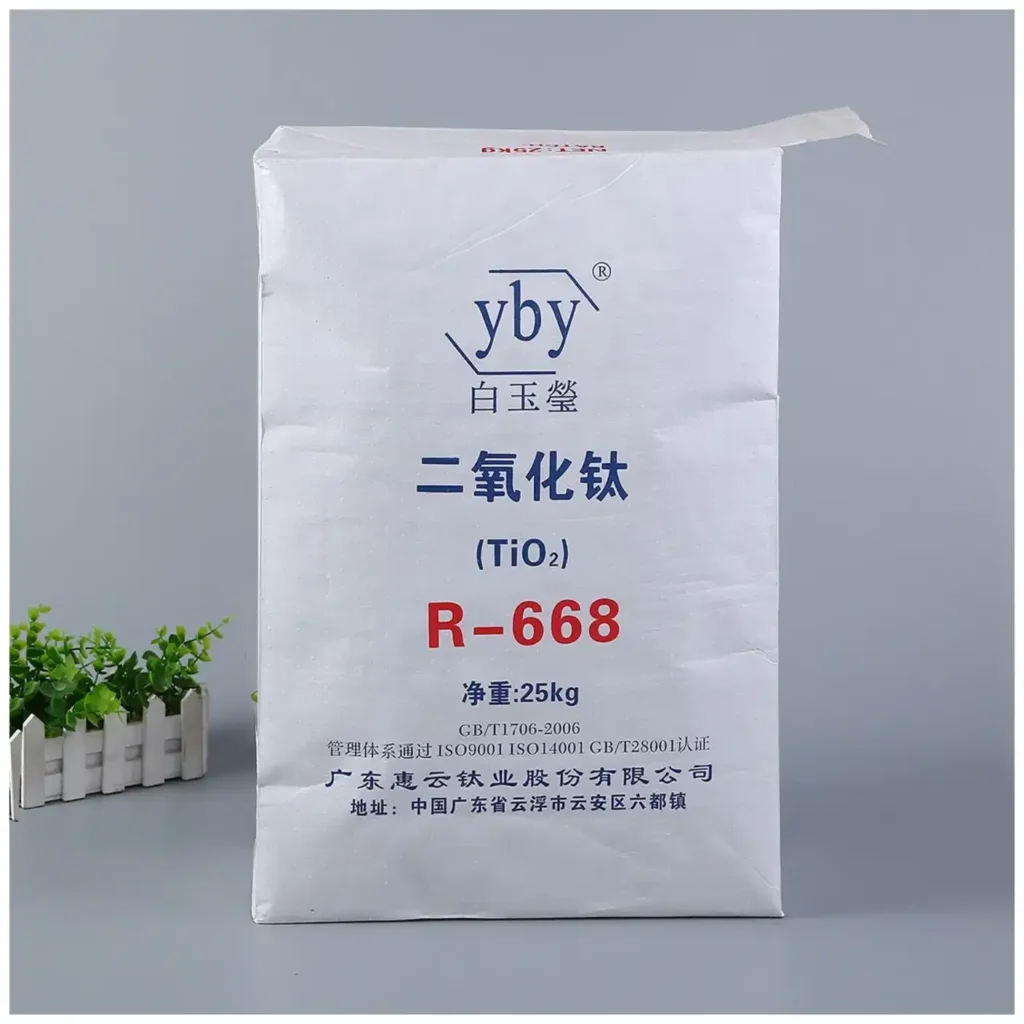
- Understanding Paper Valve Woven Bags in Modern Bulk Packaging
- Recognising Common Alternative Names for Paper Valve Woven Bags
- Key Functional Features of Paper Valve Woven Bags
- How Paper Valve Woven Bags Are Manufactured: From Yarn to Finished Sack
- Where Paper Valve Woven Bags Are Used and Why They Win in Those Applications
- Technical Parameters, Certifications, and Data-Backed Design Choices
- 1. Why Paper Valve Woven Bags Cannot Be Selected by Gut Feeling Alone
- 2. Structural Anatomy of Paper Valve Woven Bags with Pasted Valves
- 3. Performance Dimensions That Shape Paper Valve Woven Bags Choices
- 4. From Product Physics to Valve Geometry: A Practical Path for Paper Valve Woven Bags
- 5. Lamination, Woven Layers, and When Films Make Sense for Paper Valve Woven Bags
- 6. Inner Bags and Tube Liners: Turning Paper Valve Woven Bags into Barrier Systems
- 7. PE Inner Film in Paper Valve Woven Bags: The Quiet Workhorse
- 8. When Paper Valve Woven Bags Need High-Barrier Foil or Advanced Laminates
- 9. Valve and Closure Design in Paper Valve Woven Bags: Small Area, Big Impact
- 10. Outer Appearance, Information Load, and How Paper Valve Woven Bags Communicate
- 11. Application Clusters: How Different Sectors Use Paper Valve Woven Bags
- 12. Standards, Certifications, and Testing Ecosystem for Paper Valve Woven Bags
- 13. Key Parameters and Design Choices for Paper Valve Woven Bags
- 14. A Practical Roadmap for Implementing Paper Valve Woven Bags
- Reference:
Understanding Paper Valve Woven Bags in Modern Bulk Packaging
When people first see paper valve woven bags on a pallet, they often think they are looking at a simple sack: paper on the outside, a hidden woven layer inside, a small valve at one corner. But behind this modest appearance lies a highly engineered system that connects product physics, high-speed filling technology, transport risks, and brand storytelling. Paper valve woven bags operate where fine powders or granules must be filled quickly, kept clean and stable through long logistics journeys, and discharged safely at the customer site. They are not just passive containers; they are active interfaces between production lines, warehouse conditions, and the expectations of demanding users.
At their core, paper valve woven bags combine three elements: a multiwall paper shell that provides stiffness and printability, a woven polypropylene substrate that delivers tear resistance and structural support, and a pasted valve that allows fast filling and controlled closure. This tri-layer logic is what enables such bags to handle products as diverse as cement, construction chemicals, food ingredients, fertilisers, pet food, and specialty minerals. The same basic concept can be tuned for gentle, dust-free handling in a food plant or for rugged outdoor storage on a construction site, simply by changing the paper grammage, fabric weight, lamination strategy, and liner design.
Thinking about these bags as an integrated system rather than a commodity sack leads to a different type of question. Instead of asking “How cheap can the bag be?”, engineers begin to ask “What particle-size distribution, what bulk density, what drop height, what humidity, what stacking pressure will this package face?” The answer to those questions is then translated into specifications for paper layers, fabric density, valve dimensions, and inner liners. In other words, paper valve woven bags are best understood not as a single product but as a flexible platform that can be engineered around the behaviour of the materials they are asked to protect.
This system perspective also explains why third-party organisations and standards matter so much. A drop test according to ISO 7965-1, a water vapour transmission rate measurement under ASTM F1249, or a food-contact evaluation under EU Regulation (EC) No 1935/2004 moves the discussion from opinion to evidence. For VidePak as a brand partner, embedding such data into every design of paper valve woven bags is part of the promise: not just that the packaging looks robust, but that it has been proven under repeatable, audited conditions to behave as required.
Recognising Common Alternative Names for Paper Valve Woven Bags
Different markets, different languages, and different historical habits have given paper valve woven bags a variety of labels. The underlying technology is similar, yet the naming can cause confusion during specification or procurement if teams are not aligned. Bringing these aliases into one structured view helps marketers, buyers, and engineers realise that they are often talking about the same family of solutions.
Callout – Frequently used alternative names
- Valve paper woven sacks – often used in building-materials sectors to emphasise the valve filling feature and woven reinforcement.
- PP valve bags – common in export documents where polypropylene reinforcement is a key selling point, even if paper plies are present.
- Pasted valve multiwall bags – a term typical in traditional paper-sack industries, underlining the pasted valve and multi-layer paper structure.
- Block bottom valve bags – most frequently used when the square, brick-like base is the primary driver for pallet stability and warehouse stacking.
- Composite valve sacks – used when the combination of paper and woven fabric is central to the design and performance story.
The subtle differences between these names are more about emphasis than about fundamental structure. A “block bottom valve bag” often highlights stacking and storage efficiency, which links directly to logistics cost and safety. A “PP valve bag” puts the spotlight on the woven reinforcement, reassuring buyers who are concerned about rough handling or high drop heights. By mapping these patterns, VidePak can position its paper valve woven bags with clarity in discussions across multiple regions and industries, ensuring that terminology helps rather than hinders decision-making.
Understanding this naming landscape is also essential when tracking market intelligence. Industry reports on valve sacks, for example, may describe technology evolutions, adoption curves, and regulatory trends using different terms in different sections. Resources that explore the history and innovation of paper valve woven bags in modern packaging show just how much these alternate names have grown out of specific phases in the industry’s development.
Key Functional Features of Paper Valve Woven Bags
To appreciate why so many manufacturers migrate to paper valve woven bags, it helps to break the design into a set of functional features. Each feature is more than a marketing phrase; each has mechanical, barrier, or operational consequences that can be traced through data and real-world performance. One way to visualise these aspects is to treat them as a series of cards in a toolkit, each card representing a specific competitive advantage that can be dialled up or down depending on the application.
High mechanical strength with controlled flexibility
The combination of multiwall paper and woven polypropylene means that paper valve woven bags behave differently from either pure paper sacks or pure woven bags. Tensile and tear strength measured according to standards such as ISO 1924 and ISO 6383 typically exceed those of standard multi-ply paper alone, while the paper plies still provide enough flexibility for proper pallet conformation. This balance allows the bag to absorb vertical impact, resist puncture from corners of stacked bags, and survive repeated handling without becoming excessively rigid.
Controlled de-aeration and dust management
For powders that trap air during filling, de-aeration speed can determine whether a line runs at 1,000 or 2,500 bags per hour. By using micro-perforation patterns in selected paper plies, and by carefully balancing the permeability of the woven substrate, paper valve woven bags let air escape through the body of the bag rather than back out through the valve. This reduces dust clouds, helps stabilise packed weight, and minimises the risk of valve leakage. Data from high-speed filling lines often show a measurable improvement in weight accuracy and reduced spillage when appropriately perforated bags are used.
Enhanced barrier performance through liners and coatings
While the paper shell delivers structure and print surface, the barrier story is often driven by coatings, laminations, and inner liners. Low-density polyethylene, co-extruded films with EVOH, or aluminium-foil-based laminates can be incorporated to tailor water vapour transmission rate and oxygen transmission rate for sensitive products. Under ASTM F1249, for example, a 60–80 µm PE liner can show single-digit g/m²·day water vapour transmission, while a foil laminate can drop below 0.01 g/m²·day. Paper valve woven bags thus move from basic containers to genuine barrier systems.
Valve-based filling adapted to automation
The pasted valve in paper valve woven bags is designed to work with modern automatic packers. Correctly dimensioned valves, often combined with extended PE tubes, allow spouts to insert quickly, seal around the opening, and withdraw without snagging. This reduces operator fatigue, supports robotic bag placement, and cuts the risk of inconsistent closure. As automation levels rise, the ability of a bag to behave predictably on a fully automated line becomes a decisive feature rather than a convenience.
These feature “cards” can be recombined. A cement producer may focus on mechanical strength and fast de-aeration. A milk-powder manufacturer cares most about barrier performance and hygienic sealing. A fertiliser brand prioritises outdoor durability and print area for regulatory icons. The versatility of paper valve woven bags lies precisely in their ability to support such varied configurations on a single industrial platform.
How Paper Valve Woven Bags Are Manufactured: From Yarn to Finished Sack
The production process behind paper valve woven bags is more intricate than many observers realise. It combines polymer processing, textile engineering, paper converting, and precision gluing in a sequence that must be repeatable at scale. Any weak link – an unstable extrusion stage, a poorly tensioned loom, a misaligned tube former – can compromise downstream performance, from drop strength to valve tightness.
It begins with tape extrusion and weaving. Polypropylene granules are melted and extruded into flat tapes, then drawn to align polymer chains and reach the required tensile properties. These tapes are woven into fabric on circular or flat looms, with parameters such as tape width, weaving density, and loom speed adjusted to reach targeted fabric weights, often in the range of 60–100 g/m² for typical industrial sacks. Quality checks at this stage, including tensile tests and visual inspection for weaving defects, are essential, because any thin spot in the fabric can turn into a failure point when bags are dropped from height.
After weaving, the fabric is usually coated or laminated. Polyethylene or polypropylene coatings may be applied by extrusion coating, or pre-formed films may be laminated to the fabric. This layer stabilises the woven structure, improves barrier properties, and creates a better bonding surface for paper plies. Concurrently, sack kraft paper – produced under its own rigorous standards for tensile strength, stretch, and porosity – is printed using flexographic or gravure equipment, often in multiple colours. At this stage, branding, product codes, hazard symbols, and regulatory information are laid down with inks that must meet migration and resistance criteria, especially for food and feed applications.
The next phase is the marriage of these components. Paper plies are laminated to the woven fabric to create a composite web. This web is then converted into tubes and, eventually, into finished paper valve woven bags. Tube forming involves cutting the composite material to length, folding, and gluing according to precise patterns that will later define the block bottom and valve pocket. Valve sleeves or tubes – sometimes made from paper alone, sometimes integrating PE film – are inserted into one end of the tube and secured with carefully calibrated adhesive patterns. The architecture of this valve area is critical, because the adhesive must deliver initial tack during production and long-term strength through transport and storage.
Bottom forming and pasting convert these tubes into recognisable sacks. In block-bottom designs, end sections are cut, folded, and glued to create a square base that opens up during filling and then closes into a stable brick. Glue quantity, placement, and open time are tightly controlled to avoid weak corners or incomplete bonding. Finished paper valve woven bags then pass through inspection lines where printing quality, dimensions, valve shape, and sometimes even air-leak performance are monitored.
Throughout this process, producers often operate under formal quality systems such as ISO 9001:2015 and environmental management frameworks like ISO 14001:2015. For suppliers serving food and feed industries, additional certifications such as ISO 22000:2018 or FSSC 22000 may be in place. Third-party laboratories, including global organisations such as SGS, Intertek, or TÜV, are relied upon to perform drop tests, migration tests, and barrier measurements on representative samples. All of this infrastructure exists to ensure that every batch of paper valve woven bags behaves not just acceptably, but predictably, on customer filling lines.
Where Paper Valve Woven Bags Are Used and Why They Win in Those Applications
Paper valve woven bags appear in an impressive variety of industries, from heavy construction materials to delicate food ingredients. This breadth of use is not accidental. It reflects a series of rational trade-offs made by technical teams who could have chosen plastic form–fill–seal bags, rigid drums, or bulk containers, but instead identified a sweet spot in cost, performance, and image where this composite format excels.
In the cement and building-materials sector, for example, the combination of high mechanical strength and efficient block-bottom stacking makes paper valve woven bags especially attractive. Dense, abrasive powders such as cement, plaster, or tile adhesive demand robust outer layers and reliable valve closure. By adopting configurations that feature PP-reinforced structures and sometimes PE-coated exteriors, many producers have gained measurable reductions in breakage and waste. Studies focused on block bottom paper valve woven bags for efficient storage and transportation highlight improvements in pallet stability, space utilisation, and on-site handling safety.
Food ingredients and milk powders rely on the format for slightly different reasons. Here, hygiene and barrier performance take centre stage. Paper valve woven bags with food-grade PE liners, combined with valves that allow clean heat sealing, provide a strong barrier against moisture and foreign matter. At the same time, the paper exterior supports high-quality printing and a more natural appearance, which can be important in B2B markets where brand differentiation still matters. Manufacturing sites producing such packaging often demonstrate compliance with food-safety management systems and provide migration test reports referencing EU and FDA regulations to reassure brand owners.
Fertilisers and agrochemicals present yet another challenge: hygroscopic salts, corrosive components, and long outdoor storage on farms or in distribution yards. In this space, PE-coated fabrics and laminated paper structures help keep moisture away from the product, while the block-bottom geometry of paper valve woven bags aids in building stable stacks that can withstand wind, rain, and repeated handling with loaders or forklifts. Independent evaluations show that bags with such constructions tend to suffer fewer leaks and less caking, which translates into direct financial benefit for both producers and end users.
Pet food and premium animal feed applications extend the story. Brands operating in this segment need packaging that protects high-value, fat-containing formulations from oxidation, yet also acts as a billboard on store shelves. Paper valve woven bags with white outer plies, sophisticated graphics, and hermetically sealable liners can deliver both. Market analyses that examine the market dynamics of premium paper valve woven bags for brand excellence repeatedly point to the role of print quality and structural stability in supporting a consistent on-shelf appearance across retail formats.
In construction waste management and recycling, a newer application area, the format opens further possibilities. When construction sites sort, collect, and move waste streams such as fine dust, lightweight aggregates, or small debris, paper valve woven bags with tailored liners can provide robust containment while still aligning with sustainability goals. Solutions that explore the impact of PE coated paper valve woven bags for construction waste management illustrate how combining woven reinforcement, paper surfaces, and specific coatings can support both durability and recyclability strategies.
Across these industries, one common point emerges: paper valve woven bags are chosen when stakeholders want a balance – not maximum strength at any price, not perfect barrier regardless of recyclability, but an intelligent compromise shaped by the actual conditions of freight, storage, and end use. That is precisely where VidePak positions itself, using application-specific data and field experience to steer customers toward configurations that match their risk profile and commercial goals.
Technical Parameters, Certifications, and Data-Backed Design Choices
Technical marketing only becomes convincing when it is anchored in measurable parameters and external validation. For paper valve woven bags, this means articulating the relationship between design variables – paper grammage, fabric weight, laminate type, valve length, liner thickness – and performance indicators such as safe working load, drop resistance, water vapour transmission, or stacking height. It also means referencing the standards and certifications that give customers confidence that those claims are not merely internal benchmarks, but align with recognised frameworks.
On the structural side, safe filling weights commonly range from 10 to 50 kilograms, with some composite designs engineered for even higher loads. Fabric weights in the 60–100 g/m² bracket are typical for mainstream industrial use, while paper plies often range from 70 to 100 g/m² each. These ranges are not arbitrary; they are derived from decades of practical experience correlated with formal testing. Drop tests performed according to ISO 7965-1, combined with stacking trials and vibration testing, help determine how many drops from which height a given configuration of paper valve woven bags can withstand without bursting, tearing at seams, or leaking at the valve.
Barrier performance is assessed through laboratory methods that measure the rate at which water vapour and oxygen permeate the chosen liner and laminate materials. ASTM F1249 is frequently used for water vapour transmission rate for polymeric films, while other standards address oxygen transmission. For sensitive powders, shelf-life models may combine these permeability figures with storage climate data to predict the evolution of moisture content or oxidation over time. In parallel, seal-strength tests verify that valve closures and liner seals maintain integrity under load; peel or burst testing provides quantitative thresholds that can be baked into quality agreements.
For applications touching food, feed, or pharmaceuticals, chemical safety moves into the spotlight. Paper valve woven bags designed for these sectors are typically produced under quality management systems certified to ISO 9001:2015 and food-safety systems such as ISO 22000:2018 or FSSC 22000. Migration testing carried out by accredited laboratories checks that inks, adhesives, and polymers comply with frameworks like EU Regulation (EC) No 1935/2004 and corresponding U.S. FDA provisions (for example, 21 CFR 176.170 for paper and paperboard in contact with aqueous and fatty foods when used in laminate structures). Test reports from organisations such as SGS, Intertek, or TÜV provide independent confirmation, supporting customer audits and regulatory submissions.
The following overview table illustrates how some of these variables come together in typical specifications. Colours are used to highlight zones of particular interest for different stakeholders – engineering, quality, purchasing, or marketing – making it easier for cross-functional teams to read the same data through their own lenses.
| Design Aspect | Typical Options in Paper Valve Woven Bags | Indicative Quantitative Range | Primary Stakeholder Focus |
|---|---|---|---|
| Bag capacity | 10–50 kg units for most industrial uses | Standard working range; higher loads possible with reinforced composites | Operations, logistics, safety |
| Paper ply configuration | 2–4 plies, brown or white sack kraft | 70–100 g/m² per ply, up to around 120 g/m² for heavy-duty designs | Engineering, procurement, design |
| Woven substrate | PP or HDPE fabric laminated to paper | 60–100 g/m² fabric weight in mainstream applications | Engineering, risk, warehouse |
| Lamination and coatings | Unlaminated, PE/PP laminated, or water-based barrier coated | Film thickness mostly 20–40 µm for outer laminates | Engineering, sustainability, branding |
| Inner liner type | No liner, PE liner, high-barrier laminate or foil | PE 40–80 µm; foil laminates delivering WVTR <0.01 g/m²·day | Quality, R&D, regulatory |
| Valve and closure | Internal or external valve, with or without extended PE tube | Seal integrity and dust emission verified via drop and leak tests | Operations, safety, automation |
| Standards and certifications | ISO 9001:2015, ISO 14001:2015, ISO 22000:2018, FSSC 22000, ISO 7965-1 testing | Scope defined by customer sector and regulatory requirements | Quality, compliance, procurement |
For VidePak, this type of parameter map becomes a powerful dialogue tool. Instead of selling generic sacks, the conversation shifts toward co-defining which elements of the matrix matter most for a given project: is it stacking four pallets high in tropical humidity, achieving a 12-month shelf life for a milk powder, or aligning with corporate sustainability goals by reducing plastic content? Each priority leads to a different configuration of paper valve woven bags, and each configuration can be backed by corresponding test data and certifications.
Finally, positioning these solutions in the broader evolution of the packaging industry matters for strategic planning. Analyses devoted to the history and innovation of paper valve woven bags in the modern packaging landscape show how shifts in regulation, automation, and consumer expectations continue to reshape what is considered “good enough” packaging. By staying close to these trends, VidePak can ensure that the next generation of designs – whether focused on lower carbon footprints, improved recyclability, or smarter integration with automated warehouses – keeps paper valve woven bags at the centre of high-performance bulk packaging solutions.
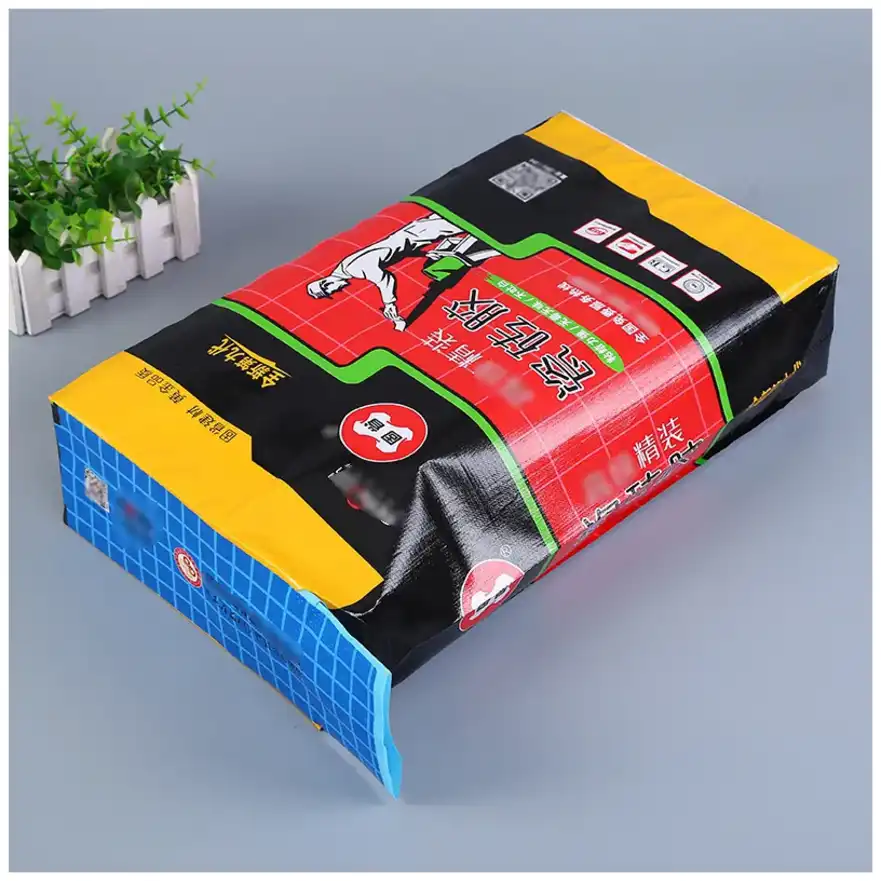
1. Why Paper Valve Woven Bags Cannot Be Selected by Gut Feeling Alone
In many plants, bulk packaging decisions are still made with a quick glance and a short phrase: “This bag seems strong enough.” Yet packaging failures rarely occur under those comfortable indoor lights. They occur when pallets of Paper laminated Woven Valve bags are stacked four-high in a humid warehouse, or when a truck hits a pothole on a remote road, or when a high-speed packer pushes the filling rate from 1,200 to 2,400 bags per hour and the valve area becomes the weakest link.
Multiwall Paper Valve Bags Manufacturing
Complete production process for paper valve woven bags with professional structural design.
Check More →Kraft Paper Valve Bags Solutions
Integrated packaging solutions for optimized paper valve woven bag structure and performance.
Check More →Valve Bags & Its Valve Types
Professional valve structure classification for reframed paper valve woven packaging bags.
Check More →Laminated Kraft Paper Sacks
High-strength laminated paper sacks with upgraded valve design for heavy-duty packaging.
Check More →Seen through a systems mindset, each unit of Paper laminated Woven Valve bags is not an isolated sack. It is a node in a complex network: upstream lies powder rheology and particle-size distribution; along the route lie handling shocks, vibration, and climate; downstream lie food-safety rules, dust exposure limits, and the very human way an operator cuts the bag open. Between these nodes, the structure of Paper laminated Woven Valve bags with pasted valves acts as a highly engineered interface, not a simple wrapper.
Think horizontally for a moment. The same product could theoretically be put into open-mouth paper sacks, PE/PP FFS bags, rigid pails, or flexible intermediate bulk containers. Why do so many producers intentionally choose Paper laminated Woven Valve bags instead? Because the combination of a multiwall paper shell, a woven substrate, and a precisely pasted valve offers a unique balance of filling speed, pallet stability, print surface, and total cost.
Then think vertically. Start at the fibre level of sack kraft paper, with its stretch and tear profile. Move up to the woven polypropylene fabric, with its yarn denier and weave design. Add adhesives, laminations, inner liners, valve sleeves, coatings, and pallet-wrapping films. At each level, Paper laminated Woven Valve bags either dissipate or amplify the stresses generated by the product and the supply chain. A decision that looks minor—one more paper ply, a slightly thicker PE liner, a different valve length—can be the difference between zero complaints and a truckload of returns.
So the key question is no longer “Which bag is cheapest?” but “Which configuration of Paper laminated Woven Valve bags fits the real physics, real logistics, and real regulatory constraints of my product?” Only by asking that question, and answering it with data rather than intuition, can a brand treat packaging as part of its process capability rather than a tolerated weakness.
2. Structural Anatomy of Paper Valve Woven Bags with Pasted Valves
At first glance, many Paper laminated Woven Valve bags look alike. They stack neatly, print cleanly, and present a familiar blocky silhouette on the pallet. Yet inside that seemingly simple form sits a carefully layered structure where each component plays a distinct role.
Most industrial designs for Paper laminated Woven Valve bags combine three structural modules.
First, a multiwall sack kraft shell. This outer shell carries the main graphical information, absorbs scuffing in warehouses, and contributes a large share of the tensile strength. Typical builds use two to four plies with grammages in the region of 70–100 g/m² per ply, with heavy-duty designs sometimes reaching around 120 g/m². The choice between brown and white plies reflects not only brand image but also stiffness, porosity, and recyclability expectations.
Second, a woven polypropylene (or occasionally HDPE) substrate. This layer in many Paper laminated Woven Valve bags acts like an internal safety belt. Woven fabrics with weights around 60–100 g/m² provide excellent tear resistance and dimensional stability under load. They help bags survive aggressive handling: mechanical grabs, rough forklifts, or sharp edges on pallets. By laminating paper plies to the fabric, designers combine the ductility of plastic with the stackability of paper.
Third, the pasted valve zone. Here, a preformed valve sleeve or tube is adhesively bonded into the mouth of Paper Valve Woven Bags. This zone is deceptively small but functionally central. During filling, it must open easily, guide the filling spout, and allow displaced air to escape. After filling, it must resist backflow, dust release, and moisture ingress. Adhesives in this area must exhibit quick “green” strength during forming, durable adhesion through humidity cycles, and compatibility with any heat-sealing of inner films.
If the bag is produced as a block-bottom format, the bottom folds are glued in a way that creates a stable brick shape. Designs such as square bottom Paper Valve Woven Bags combining innovation with sustainability show how structural geometry, not just material choice, determines pallet stability and warehouse efficiency.
Consider two contrasting examples. A 25 kg cement formulation in Paper Valve Woven Bags may use a 2-ply kraft outer (around 80 g/m² each) laminated to a woven PP substrate, with micro-perforations tuned for fast de-aeration. The valve area might integrate a short PE sleeve that relies primarily on friction closure. By contrast, a 20 kg food additive in Paper Valve Woven Bags is likely to use a bleached outer ply for print quality, a brown inner ply for strength, an antistatic PE tube liner that extends into the valve, and a design optimised for heat sealing and clean-room handling. Same basic architecture, very different priorities.
Seen this way, Paper Valve Woven Bags are not a single product. They are a modular platform where paper plies, fabric, valves, and liners can be reconfigured to match the profile of a specific powder or granular product.
3. Performance Dimensions That Shape Paper Valve Woven Bags Choices
When engineers and buyers evaluate Paper Valve Woven Bags, they often start by asking, “How strong is it?” Strength matters, but it is not the only axis that dictates success. A realistic evaluation spans at least five intertwined dimensions: mechanical resistance, barrier behaviour, filling performance, pallet stability, and the regulatory and sustainability profile.
Mechanical integrity begins at the micro level. Fibre pull-out, paper stretch, and tear propagation all influence how Paper Valve Woven Bags absorb impact energy. ISO 7965-1 describes a vertical impact (drop-test) method for filled paper sacks: defined drop heights, repeated impacts, and orientation changes. In practice, a 25 kg cement pack in Paper Valve Woven Bags may be required to survive multiple drops from around 0.8–1.2 m without bursting, even after conditioning at high humidity to represent tropical storage. For woven-reinforced constructions, yarn denier, weaving pattern, and lamination quality between paper and PP help determine whether the bag rips along a seam or instead distributes stress safely.
Mechanical demands differ substantially between markets. Construction materials packed in Paper Valve Woven Bags may face short shelf lives but aggressive mechanical shocks on building sites. Pet food and animal feed might experience gentler handling yet longer storage, making creep and stacking performance critical. Specialty chemicals may encounter both long-distance transport and strict dust-control limits. One universal design will never suit all; Paper Valve Woven Bags must be tuned to the scenario.
Barrier behaviour forms the second dimension. Plain multiwall paper used in Paper Valve Woven Bags is inherently permeable to water vapour and oxygen. When humidity rises, fibres absorb moisture, tensile strength drops, and some powders begin to cake. Introducing a PE film as an inner liner or outer lamination transforms the barrier stack: WVTR values can drop into single-digit g/m²·day ranges, depending on thickness and test conditions. Aluminium foil laminates, by contrast, can deliver WVTR figures below 0.01 g/m²·day and oxygen transmission near zero, enabling long shelf life for highly sensitive goods.
Then comes filling speed and cleanliness. High-speed packers for Paper Valve Woven Bags can run at 2,000–3,000 bags per hour. At that pace, a seemingly small issue—slow de-aeration, poor valve geometry, or valve clogging—quickly becomes a bottleneck. Designers use micro-perforation in paper plies, selective perforation in the woven fabric, and carefully dimensioned valves to allow displaced air to leave without carrying product out with it. Inner PE or PP tubes may extend through the valve so they can be heat-sealed, containing both dust and aroma.
Pallet stability is the fourth dimension. Block-bottom Paper Valve Woven Bags create near-rectangular bricks. Yet the real behaviour on a moving truck depends on friction between bag surfaces, stiffness of the laminate stack, and any anti-slip varnish or coating patterns. If the bag surface is too smooth, pallets slide; if it is too rough, automated handling equipment may fail to release stacks cleanly.
The fifth dimension, increasingly prominent, is the regulatory, safety, and sustainability profile. Are the components of Paper Valve Woven Bags compliant with food-contact frameworks such as EU Regulation (EC) No 1935/2004 or relevant FDA rules where needed? Can the bag be used in ATEX-classified environments without uncontrolled static build-up? How easily can the materials be separated or recovered at end of life? Answering these questions determines not only legal compliance but also brand reputation.
In reality, all five dimensions interact. Increase outer lamination thickness and mechanical and moisture performance may improve, but breathability and recyclability may decline. Move from PE liners to foil liners and shelf life soars, yet cost and recycling hurdles rise. The art and science of configuring Paper Valve Woven Bags lies in choosing the best compromise for a given product and route.
4. From Product Physics to Valve Geometry: A Practical Path for Paper Valve Woven Bags
How can a customer systematically navigate all these variables instead of relying on “what we have always used”? One helpful approach is to construct a simple but disciplined pathway specifically for Paper Valve Woven Bags.
Step one: characterise the product, not the bag. Document bulk density, flow behaviour, particle-size distribution, abrasiveness, fat or oil content, and sensitivity to moisture, oxygen, or light. A fluffy 0.4 g/cm³ food ingredient will aerate differently than a dense 1.0 g/cm³ cementitious powder in Paper Valve Woven Bags. High oil content may demand better aroma and oxygen barrier; abrasive particles may demand stronger outer plies or fabric.
Step two: map hazards along the route. How many times will pallets of Paper Valve Woven Bags be handled? Will they be double- or triple-stacked? Are they exposed to monsoon-level humidity, desert heat, or freezing temperatures? A bag moving only within a climate-controlled region can accept one configuration, while an export product crossing oceans requires more conservative design.
Step three: choose the outer structural scheme. For indoor, well-controlled environments, unlaminated multiwall constructions of Paper Valve Woven Bags may suffice, especially when combined with a PE inner bag. For long distances, rough handing, or outdoor exposure, laminated PP-paper composites become attractive, as they reduce water penetration and improve puncture resistance.
Step four: define coatings or lacquers. Anti-slip varnishes on the outer ply of Paper Valve Woven Bags improve pallet stability. Gloss or matte overprints adjust appearance and abrasion resistance. Water-based barrier coatings can serve as intermediate solutions, providing partial moisture protection without fully moving to a plastic laminate.
Step five: choose an inner-liner strategy. Options for Paper Valve Woven Bags include no liner, a PE inner tube or loose bag, or a high-barrier laminate incorporating foil or metallised film. The decision should be based on quantified shelf-life criteria. How much moisture gain can the product tolerate over three, six, or twelve months? How much oxygen ingress is acceptable before colour, flavour, or chemical stability is affected?
Step six: specify valve type and closure. Internal vs external valves, valve length, cross-section shape, and presence of extended PE tubes all change how Paper Valve Woven Bags behave during filling and sealing. For dusty products or high-value materials, a valve that can be fully heat-sealed is essential.
Step seven: translate all of this into measurable tests. “Strong, clean, eco-friendly” are vague adjectives. Instead, Paper Valve Woven Bags should be defined by standards: drop-test performance, stacking load, WVTR and OTR limits, seal-strength thresholds, and migration test limits where food contact is involved. Once these are agreed, suppliers and customers can speak the same technical language.
This route turns the selection of Paper Valve Woven Bags from an art based on habit into a repeatable engineering decision.
5. Lamination, Woven Layers, and When Films Make Sense for Paper Valve Woven Bags
One of the most common debates around Paper Valve Woven Bags is deceptively short: “Do we really need lamination?” Behind that short question sits a complex trade-off among moisture protection, print performance, line efficiency, cost, and end-of-life treatment.
In a laminated structure, a thin PP or PE film, often 20–40 µm thick, bonds the paper plies of Paper Valve Woven Bags to the woven fabric. This layer sharply reduces liquid water penetration, improves resistance to scuffing, and enhances puncture resistance. It can also raise bag stiffness, making units stand more cleanly on pallets but sometimes demanding small adjustments to filling or pallet-wrapping equipment.
Industrial specifications for laminated Paper Valve Woven Bags frequently quote safe working loads from 10 kg up to 50 kg for standard industrial use, with some heavy-duty composites going higher when fabric weights reach 80–100 g/m² and seams are carefully designed. In sectors such as cement or fertiliser, laminated constructions have proven to reduce the rate of split bags during outdoor storage, especially in humid or rainy climates.
However, unlaminated Paper Valve Woven Bags still play an important role. They permit faster de-aeration during filling, reduce material complexity, and often fit more straightforwardly into paper-recycling streams. Operators appreciate their easier folding and handling. For products stored only in dry, controlled warehouses, or where shelf life is relatively short, unlaminated designs can be the optimal compromise.
Sector-specific comparisons highlight where films add the most value. Construction-material producers who store pallets of Paper Valve Woven Bags outdoors for weeks accept a modest loss in recyclability in exchange for fewer moisture-damaged sacks. Manufacturers of dry food ingredients often prefer bleached, unlaminated outer plies for a more natural visual message, adding protection via an inner liner rather than an external laminate. Sustainability-focused brands may explore hybrid versions such as thin coatings or partial lamination zones.
When PE coatings are used directly on the woven fabric, Paper laminated Woven Valve bags with enhanced fine filament performance can significantly improve surface quality and film adhesion, allowing finer printing and more consistent valve forming.
The key is not to treat lamination as an automatic upgrade or as a universal enemy, but to ask: for this product, at this density, on this route, does lamination on Paper Valve Woven Bags prevent real failures, or does it simply add cost and complexity?
6. Inner Bags and Tube Liners: Turning Paper Valve Woven Bags into Barrier Systems
Without any liner, Paper Valve Woven Bags are excellent mechanical containers but only moderate barriers. For some applications, that is exactly what is needed: robust containment, breathability, and easy recycling. For many others—especially where moisture, oxygen, aroma, or hygiene are critical—inner bags or tube liners transform the same external structure into a controlled microclimate.
No-liner configurations in Paper Valve Woven Bags rely on the paper plies and any outer laminations to provide barrier performance. They suit dense mineral products with limited moisture sensitivity, or products stored under tight environmental control. They keep cost low and design simple, which can be a valid competitive advantage.
Introduce a PE tube liner, and the behaviour changes dramatically. LDPE films in the range of 40–80 µm reduce WVTR compared with bare paper by a factor of many times, often moving into single-digit to low tens of g/m²·day in standard test conditions. Within Paper Valve Woven Bags, such liners are frequently antistatic, making bags easier to open on high-speed lines and reducing dust attraction. The liner may be firmly attached or partially floating; some designs use peelable interfaces so that the PE can be separated from the paper and woven layers after use.
At the high end of barrier needs, aluminium-foil-based liners come into play. Laminates with foil thickness around 7–9 µm can reach WVTR values below 0.01 g/m²·day and negligible oxygen transmission. When combined with the mechanical armour of Paper Valve Woven Bags, they are capable of protecting highly sensitive powders such as vitamins, flavours, or reactive chemicals across long storage periods and demanding climates.
Vertical thinking inside the liner stack reveals further options. PE liners can be simple monolayers or sophisticated co-extrusions that combine LDPE with linear low-density components, metallocene resins for toughness, or EVOH for enhanced oxygen barrier. Slip and antiblock additives support smooth opening and collapsing, while antifog components can minimise condensation visibility when Paper Valve Woven Bags are used in chilled environments.
Horizontally, liner strategies mirror those in smaller flexible packs, such as coffee pouches or pet-food bags. The difference is scale: instead of 500 g or 1 kg, Paper Valve Woven Bags manage 10–50 kg of material. That scale means higher compressive loads, more intense drop impacts, and more severe consequences if a liner pinhole or seal leak occurs. For that reason, liner choices in Paper Valve Woven Bags should always be validated through mechanical, barrier, and seal-strength tests, not just desk studies.
7. PE Inner Film in Paper Valve Woven Bags: The Quiet Workhorse
Among all inner-liner options, PE films earn their reputation as the quiet workhorse inside Paper Valve Woven Bags. They are not the strongest barrier in absolute terms, not the most glamorous material, and not the newest technology. Yet they strike a balance that is difficult to beat.
From the barrier perspective, LDPE films of around 25 µm thickness tend to show WVTR values in the range of tens of g/m²·day under high humidity conditions such as 38 °C and 90% RH. At greater thicknesses, e.g. 60–80 µm, or under milder conditions, effective WVTR can drop into single digits. When such liners are sealed and combined with the multiwall paper and woven shell of Paper Valve Woven Bags, most moderately moisture-sensitive products remain within specification for the intended shelf life.
Processability is where PE really shines. PE liners in Paper Valve Woven Bags seal at relatively low temperatures, typically between 120 and 160 °C, using widely available hot-jaw or hot-air systems. Seal windows are forgiving; minor amounts of product dust in the seal area can often be tolerated without catastrophic leakage. Flex-crack resistance is strong, so repeated bending during transport does not quickly produce pinholes.
Regulatory acceptance further supports PE’s ubiquity. Polyolefins such as PE are covered by major food-contact and packaging frameworks. Converters can supply PE grades with documented compliance to EU and U.S. regulations for use in laminates and inner-bag structures. For Paper Valve Woven Bags used in food, pet food, or feed, such documentation simplifies approval workflows.
Real-world deployments underline these advantages. Agrochemical producers serving tropical regions often report significant reductions in moisture-related caking when shifting from unlined sacks to Paper Valve Woven Bags with 60–70 µm antistatic PE tube liners and controlled lamination. Milk powder for bakery use is frequently packed in Paper Valve Woven Bags where a white outer ply conveys cleanliness, brown inner plies provide strength, and a hygienic PE liner safeguards product until the bag is opened in the factory.
Of course, PE liners are not invincible. For highly oxygen-sensitive vitamins, colour-critical pigments, or pharmaceutical intermediates with extremely low allowable moisture change, PE’s barrier may simply not be enough. In such cases, co-extruded structures incorporating EVOH or PA, or foil-based laminates, become preferred in Paper Valve Woven Bags. From a sustainability standpoint, PE liners introduce multi-material complexity; solutions such as peelable liners or fully polyolefin-based bags are being explored to mitigate that.
The key is recognising that PE does not aim to win every race. It aims to win the race that most industrial products are actually running: moderate barrier need, high operational robustness, and reasonable cost inside Paper Valve Woven Bags.
8. When Paper Valve Woven Bags Need High-Barrier Foil or Advanced Laminates
There comes a point where “good enough” barrier is no longer good enough. When a product’s value is very high, its sensitivity extreme, or the cost of failure unacceptable, Paper Valve Woven Bags may need to incorporate high-barrier liner systems.
Aluminium foil remains the benchmark. In multi-layer laminates inside Paper Valve Woven Bags, foil thicknesses around 7–9 µm deliver water vapour and oxygen transmission rates that are practically zero under standard test conditions. When combined with PE-based sealants and protective outer films, these liners maintain integrity even under temperature swings and mechanical flexing, provided that the foil is well protected from sharp kinks.
Consider instant coffee, high-potency vitamins, or moisture-curing adhesive powders packed inside Paper Valve Woven Bags. In these cases, even small oxygen ingress can degrade active ingredients, fade colour, or shift viscosity. A percentage or two of moisture gain may trigger clumping or premature reaction. The incremental packaging cost of a foil liner, viewed against the value of the product and the cost of a recall, often appears very small.
Yet foil is not the only path forward. Modern high-barrier polymer laminates—such as PET/PE or PA/PE structures with metallisation or EVOH—can sometimes provide sufficient barrier while simplifying recycling relative to foil-based systems. In Paper Valve Woven Bags, such advanced laminates are still niche but gaining attention where regulatory or market pressure penalises complex composites.
Risk philosophy plays a central role. A PE liner in Paper Valve Woven Bags might limit moisture gain to 2–3% across a typical route; a foil liner might keep it below 0.2%. If product specifications allow up to 1% gain before performance changes, the PE solution is technically adequate. But what if measurement uncertainty is high? What if climate change increases humidity extremes? What if the cost of a single global recall dwarfs the incremental cost of high-barrier packaging?
End-of-life treatment must also be weighed. High-barrier liners in Paper Valve Woven Bags complicate conventional fibre or plastic recovery. Where extended producer responsibility schemes penalise difficult-to-recycle composites, producers may choose foil only for their most critical SKUs, while using simpler barriers for mainstream products. This segmentation ensures that barrier performance is aligned with real risk, not with habit.
In short, the decision to integrate foil or advanced laminates into Paper Valve Woven Bags is not purely technical; it is strategic, balancing protection, risk, cost, and sustainability.
9. Valve and Closure Design in Paper Valve Woven Bags: Small Area, Big Impact
If you ask a filling-line operator where most practical problems occur, the answer is often immediate: “At the valve.” The pasted valve zone in Paper Valve Woven Bags may occupy only a small fraction of the total surface, yet it determines whether a line runs smoothly or constantly stops.
Structurally, the valve consists of layered paper—or paper combined with PP—forming a pocket, plus any integrated PE tube or sleeve, supported by adhesive bonds to the bag body. Each bond line in Paper Valve Woven Bags must resist peeling forces during the abrupt acceleration and deceleration of filling. At the same time, the valve must remain flexible enough to open for the spout and then collapse to restrict dust and air.
Valve geometry is a delicate balance. A valve that is too tight causes difficult bag placement and high dust levels as product is forced through a constriction. A valve that is too loose can leak product or allow the spout to wobble, harming filling accuracy. In Paper Valve Woven Bags, micro-perforations placed just behind the valve help displaced air move through the bag walls instead of back out through the valve.
Closure strategy adds another dimension. For low-risk construction powders, Paper Valve Woven Bags may rely on friction closure: overlapping valve flaps and the compression of stacked bags create an adequate seal. For food, feed, and fine chemicals, extended PE tubes allow heat sealing. The operator or an automated unit seals the tube, creating a near-hermetic inner closure even if the outer paper valve remains only partially closed.
Different sectors reveal distinct patterns. In cement and dry-mix mortars, Paper Valve Woven Bags emphasise rapid filling; line speed is king, so valves are tuned for quick opening and good de-aeration. In food and feed, the same base design is modified with longer PE tubes, tear tapes for clean opening, and sometimes tamper-evident features. For high-value chemicals, double-valve or external-patch configurations provide extra redundancy.
The evolution toward automation amplifies the importance of this small area. As more plants introduce robot bag placers and robot palletisers, Paper Valve Woven Bags must present highly consistent valve dimensions and stiffness. Designs such as block bottom valve Paper Valve Woven Bags integrating automation and advanced technology show how valve formation, bottom geometry, and overall stiffness can be harmonised for robotic handling.
In practical terms, fine-tuning the valve and closure system in Paper Valve Woven Bags often yields a higher return on investment than adding yet another paper ply. Less dust, fewer stoppages, more stable weights, and cleaner pallets are all driven by this seemingly minor design zone.
10. Outer Appearance, Information Load, and How Paper Valve Woven Bags Communicate
Performance may keep products safe, but appearance and information keep brands trusted. The outer surface of Paper Valve Woven Bags is not just a protective skin; it is a communication space under regulatory scrutiny.
From a visual standpoint, the outer ply of Paper Valve Woven Bags must carry multiple layers of meaning: brand colours and logos, product identification, safety and handling instructions, legal hazard symbols, recycling guidance, and sometimes track-and-trace codes like barcodes or QR codes. On a busy warehouse floor, clarity is safety. Workers must be able to distinguish similar-looking SKUs at a glance.
Borrowing practices from consumer packaging can pay off. Colour-coding families of products in Paper Valve Woven Bags—for example, blue bands for cementitious materials, green for eco-formulations, red for hazardous chemicals—reduces picking errors. Consistent placement of hazard icons and multilingual text makes compliance easier in global supply chains.
Coatings and laminates reshape the message, not just the mechanics. Gloss finishes on Paper Valve Woven Bags can project a premium image and protect inks, but they may increase glare under strong lighting. Matte surfaces feel more natural and support legibility, especially when brown kraft is used to reinforce a sustainable story. Anti-slip varnish patterns, invisible at first glance, dramatically influence how pallets behave during transport.
In channels where industrial and retail audiences overlap, such as pet food or hobby construction materials, brands often deploy two visual strategies using the same core Paper Valve Woven Bags architecture. Retail-facing SKUs might use high-colour imagery, white outer plies, and soft-touch varnishes, while industrial SKUs use more restrained graphics with oversized safety icons. The bag remains structurally similar, yet its communication function changes.
In short, when engineering Paper Valve Woven Bags, it is not enough to ask, “Will the bag survive the route?” One must also ask, “Will the user understand at a glance what is inside, how to handle it, and how to dispose of it?”
11. Application Clusters: How Different Sectors Use Paper Valve Woven Bags
Abstract criteria are useful, but the true test of any packaging format lies in specific applications. Different sectors cluster around different solutions, even though they all start from the same basic platform of Paper Valve Woven Bags.
11.1 Cement and Building Dry Mixes
Cement, plaster, and tile adhesive are dense, abrasive, and often packed on intense, high-speed lines. The powder inside Paper Valve Woven Bags tends to be moisture-sensitive yet not particularly sensitive to oxygen. Shelf life may be a few months, but exposure to rain, splashes, and rough manual handling can be severe.
For these reasons, a typical configuration uses 2–3 kraft plies combined with a woven PP substrate, often laminated. Outer lamination in Paper Valve Woven Bags reduces the risk of water ingress when pallets are stored outdoors or on construction sites. Venting through micro-perforation balances fast de-aeration with acceptable dust control. For premium dry-mix products, a thin PE liner may be added to stabilise moisture content.
Field data regularly show that moving from unlaminated sacks to laminated Paper Valve Woven Bags cuts the rate of bag bursts, especially after pallets have been exposed to rain or stacked in high tiers. In such an environment, a small increase in packaging cost is easily justified by lower product loss and cleaner sites.
11.2 Food Ingredients and Milk Powder
Food ingredients, including sugar, flour, starch, and milk powder, bring different challenges. Hygiene expectations are higher, potential for off-flavours is greater, and regulators scrutinise both the packaging materials and the manufacturing environment for Paper Valve Woven Bags.
A common scheme combines a bleached outer ply, brown inner plies, and a food-grade PE tube liner. The valve design in these Paper Valve Woven Bags allows the liner to be heat-sealed, creating a closed, dust-free interior. Where fats or oils are present, or where oxidation can damage nutritional components, co-extruded barrier films or foil-based liners may appear.
Comparing unlined sacks to PE-lined Paper Valve Woven Bags reveals lower moisture gain, fewer caking complaints, and more stable sensory profiles. Facilities that produce such packaging often operate under ISO 22000:2018 or FSSC 22000 certifications, with additional migration testing for overall and specific substances. For food producers, this combination of barrier performance and documented control is more important than marginal differences in packaging cost.
11.3 Fertilisers and Agrochemicals
Fertilisers, pesticides, and other agrochemicals cover a spectrum: hygroscopic salts, corrosive granules, oxidising powders, and sometimes dusty formulations. Pallets of Paper Valve Woven Bags in this sector frequently sit outdoors at distributors and farms, exposed to rain, UV light, and fluctuating temperatures.
PP-laminated constructions dominate. By combining a robust woven layer with laminated paper, Paper Valve Woven Bags in this category offer high puncture resistance, moisture defence, and good pallet stability. Inner liners are used selectively: for strongly hygroscopic blends, PE liners help limit moisture uptake; for certain actives, high-barrier films or foil may be used to prevent degradation.
Accelerated-aging tests—elevated temperature and humidity for weeks or months—show clear differences between packaging schemes. Products stored in basic woven sacks without paper support may cake or leak; the same formulations stored in engineered Paper Valve Woven Bags maintain flow ability and appearance. That difference directly affects farmer satisfaction and brand loyalty.
11.4 Pet Food and Animal Feed
Pet food and high-end animal feed combine high nutritional value with strong consumer expectations. Rancidity, off-odours, or insect activity in a single bag can lead to negative public feedback. In addition, the bags themselves often sit in retail aisles, where their appearance influences purchase decisions.
Here, Paper Valve Woven Bags with PE liners and high-quality printing provide an effective solution. The paper outer communicates naturalness; the woven and liner layers deliver mechanical protection. Valve designs are tuned for clean filling and consistent sealing, with minimal dust.
Comparisons with simple PE pillow bags show that Paper Valve Woven Bags offer superior pallet stability and more elegant presentation, especially in block-bottom formats. For ultra-premium products requiring very long shelf life, metallised or foil-based inner liners are added, trading some recyclability for greater stability.
11.5 Specialty Chemicals and Industrial Minerals
Specialty chemicals and fine minerals—titanium dioxide, carbon black, catalysts, or additives—often pose combined challenges: dust toxicity, electrostatic risk, and high product value. In this field, Paper Valve Woven Bags can be configured with reinforced patches, antistatic liners, and valves designed for advanced filling equipment.
Electrostatic considerations are critical. Powders moving at high speeds inside Paper Valve Woven Bags can generate charges that, if not controlled, create ignition risks. Antistatic PE, conductive additives in outer layers, and careful grounding of filling machinery form an integrated safety system. Testing for surface resistivity and charge decay ensures that these engineered bags meet relevant handling standards.
In many cases, producers have migrated from rigid drums or simple woven sacks to advanced Paper Valve Woven Bags. The reason is straightforward: comparable or better protection, much lower unit packaging cost, better pallet utilisation, and easier disposal for end users.
12. Standards, Certifications, and Testing Ecosystem for Paper Valve Woven Bags
Every claim about performance should be backed by a method; every method should be traceable to a standard or a validated internal protocol. Paper Valve Woven Bags are no exception.
For mechanical performance, ISO 7965-1 offers a widely recognised method to evaluate drop resistance of filled sacks. Additional tests, both standard-based and proprietary, may quantify stacking strength, vibration endurance, and puncture resistance. When Paper Valve Woven Bags are intended for dangerous goods, UN transport approvals require bags to pass specific performance tests with defined safety factors.
Barrier materials used inside Paper Valve Woven Bags are commonly tested via methods such as ASTM F1249 for WVTR and related standards for oxygen transmission. Seal integrity is evaluated through peel-strength tests, burst tests, or vacuum-leak detection. These quantitative results feed directly into shelf-life modelling and risk assessments.
On the management side, manufacturing sites for Paper Valve Woven Bags often operate under ISO 9001:2015 for quality systems and ISO 14001:2015 for environmental management. Where food, pet food, or feed is involved, ISO 22000:2018 or FSSC 22000 certifies food-safety management. Audits by accredited bodies verify that processes, from paper sourcing to printing and bag forming, respect defined controls.
Independent laboratories such as SGS, Intertek, or TÜV are frequently engaged to test Paper Valve Woven Bags and their components for migration, specific substances, heavy metals, and other regulated parameters. Reports referencing EU (EC) 1935/2004, relevant FDA sections, or national legislation transform packaging from a vague promise into a documented system.
From a customer perspective, a robust documentation set for Paper Valve Woven Bags typically includes:
- Declarations of compliance for food-contact or feed-contact materials where applicable.
- Valid certificates for quality, environmental, and food-safety management systems.
- Representative mechanical and barrier test reports for chosen bag designs, including test conditions and acceptance criteria.
With such documentation, the choice of Paper Valve Woven Bags becomes traceable and auditable, supporting both internal governance and external inspections.
13. Key Parameters and Design Choices for Paper Valve Woven Bags
The following table gathers key parameters and options for Paper Valve Woven Bags into a compact reference. The figures are indicative and should always be refined for specific projects.
| Design Element | Typical Options in Paper Valve Woven Bags | Indicative Quantitative Range | Typical Use Case or Rationale |
|---|---|---|---|
| Bag capacity | 10, 20, 25, 40, 50 kg | Common working range; some composite designs up to ~100 kg with 60–100 g/m² woven fabric | Cement, fertilisers, grains, feed, chemicals |
| Paper plies | 2–4 plies sack kraft (brown or white) | Per ply ≈70–100 g/m², heavy-duty up to ~120 g/m²; total 1–6 plies possible | Balances strength, porosity, print quality, and cost |
| Woven substrate | PP or HDPE woven fabric laminated to paper | ≈60–100 g/m² fabric weight | High tear and puncture resistance, outdoor exposure, rough handling |
| Outer lamination / coating | None; thin PP/PE film (≈20–40 µm); water-based barrier or anti-slip coatings | Laminated bags: greater moisture and abrasion resistance; unlaminated: better breathability and simpler recycling | Outdoor storage vs indoor storage; aesthetic and sustainability objectives |
| Inner liner presence | None; PE tube or loose liner; high-barrier laminate or foil liner | PE films: WVTR typically in single-digit to low tens g/m²·day; foil laminates: WVTR <0.01 g/m²·day, OTR ≈0 | Sets moisture/oxygen protection level according to product sensitivity |
| Inner liner material | LDPE or LLDPE; co-extruded PE with EVOH; aluminium foil laminates; metallised films | 40–80 µm typical for PE; ~80–150 µm overall thickness for foil structures | PE for mainstream powders; high-barrier structures for very sensitive products |
| Valve type | Internal pasted valve; external patch valve; valve with extended PE tube | Dimensions tuned to filler spout diameter and line speed | Controls filling speed, dust emission, and closure options |
| Closure method | Friction-closed valve; heat-sealed PE tube; hot-melt or ultrasonic sealed valve | Seal strength verified via peel or burst tests | Hygiene-critical or moisture-sensitive products require higher security |
| Mechanical validation | Drop tests, stacking, vibration, puncture | Drop tests per ISO 7965-1, stacking up to 2–4 pallet tiers | Ensures resilience in handling and long-term storage |
| Barrier validation | WVTR, OTR, seal integrity, migration tests | Test methods such as ASTM F1249 for WVTR; application-specific criteria | Supports shelf-life modelling and regulatory compliance |
| Certifications | ISO 9001:2015, ISO 14001:2015, ISO 22000:2018, FSSC 22000, UN approvals where relevant | Verified by accredited third parties | Demonstrates process control and safety for Paper Valve Woven Bags |
| Sustainability features | Recyclable paper components, peelable liners, reduced plastic content | Project-specific; no universal figure | Aligns Paper Valve Woven Bags with EPR schemes and brand sustainability goals |
This tabular view turns a long list of decisions about Paper Valve Woven Bags into a practical checklist, supporting structured discussions between technical teams, procurement, and suppliers.
14. A Practical Roadmap for Implementing Paper Valve Woven Bags
Translating theory into daily practice requires a clear roadmap. When a producer or brand wants to upgrade or rationalise its use of Paper Valve Woven Bags, the following sequence helps maintain structure.
First, assemble the right stakeholders. Packaging engineers, product formulators, plant operations, quality, and procurement each see different risks and opportunities in Paper Valve Woven Bags. Bringing them together prevents local optimisations that cause global problems.
Second, define the product and route envelope in writing. For each SKU that might use Paper Valve Woven Bags, document bulk density, particle size, sensitivity to moisture and oxygen, presence of oils or solvents, hazard classification, typical logistics routes, and storage conditions.
Third, shortlist two or three candidate structures of Paper Valve Woven Bags for each product family: for example, unlaminated with PE liner, laminated without liner, laminated with PE liner, or high-barrier foil structure. Avoid the temptation to test every possible variant; instead, choose options that represent distinct positions in the cost–protection–sustainability triangle.
Fourth, run structured trials. Fill, close, palletise, and ship Paper Valve Woven Bags through realistic routes. Include drop tests, stacking tests, and accelerated climate exposure. Collect not only failure counts but also operator feedback: ease of handling, dust levels, line speed, and rework rates.
Fifth, evaluate results against quantified criteria. Rather than asking “Which bag do we like?”, ask “Which Paper Valve Woven Bags meet all defined objectives at the best total cost?” Total cost includes not only unit price but also product loss, rework, line downtime, and waste management.
Sixth, standardise and document. Once preferred configurations of Paper Valve Woven Bags are selected, embed them into formal specifications, quality agreements, and supplier scorecards. Maintain a controlled change process for any future adjustments to materials or design.
Seventh, revisit periodically. Products evolve, routes change, and regulations tighten. A design of Paper Valve Woven Bags that was optimal five years ago may be suboptimal today. Scheduled reviews—supported by new data, new materials, and new process capabilities—ensure that packaging remains an asset, not a liability.
Through this roadmap, Paper Valve Woven Bags stop being a commodity line on a purchase order and become what they truly are: engineered components in a complex value chain, with a direct impact on safety, quality, and cost.
Reference:
ISO. ISO 6590-1:2025 Packaging — Vocabulary — Part 1: Paper sacks.