
In heavy-duty packaging, every bag must balance strength, efficiency, and adaptability. When pouring fine cement powder or granular resin, you need a bag that fills fast but won’t leak or tear under pressure. Polyethylene Valve Bags have emerged as a modern high-performance solution to these challenges, offering durability where traditional paper sacks might falter. But what exactly makes a PE valve bag special? And how does VidePak, a leading industrial packaging manufacturer, push this design to new heights?
VidePak is a China-based pioneer in valve bag technology, supplying industries from construction to food additives with advanced packaging. Founded in 2008 with over two decades of industry expertise, VidePak has grown into a one-stop supplier of valve bags of all types – from all-plastic PE valve sacks to classic multi-wall paper sacks and woven polypropylene (PP) valve bags. The company’s commitment to quality and innovation shines through in its products: multi-layer co-extruded films, precision German and Austrian machinery, rigorous ASTM-standard testing, and constant attention to customer needs.
This comprehensive product introduction will explore VidePak’s Polyethylene Valve Bags in depth – highlighting the co-extrusion technology, multi-layer film structure, printing capabilities, and special features like self-closing valves, micro-perforations, and anti-slip coatings. We will also overview VidePak’s full valve bag range (including Kraft paper pasted valve bags and PP woven valve bags) and its manufacturing strengths, such as premium raw material sourcing, huge production capacity (up to 600 million bags annually), and stringent quality control. By the end, you’ll understand not only what a PE valve bag is, but why VidePak’s bags stand out as an industry benchmark.
- VidePak’s Polyethylene Valve Bags – Multi-Layer Strength & Custom Options
- The other options from VidePak’s Valve Bags
- Conclusion
- Reference:
VidePak’s Polyethylene Valve Bags – Multi-Layer Strength & Custom Options
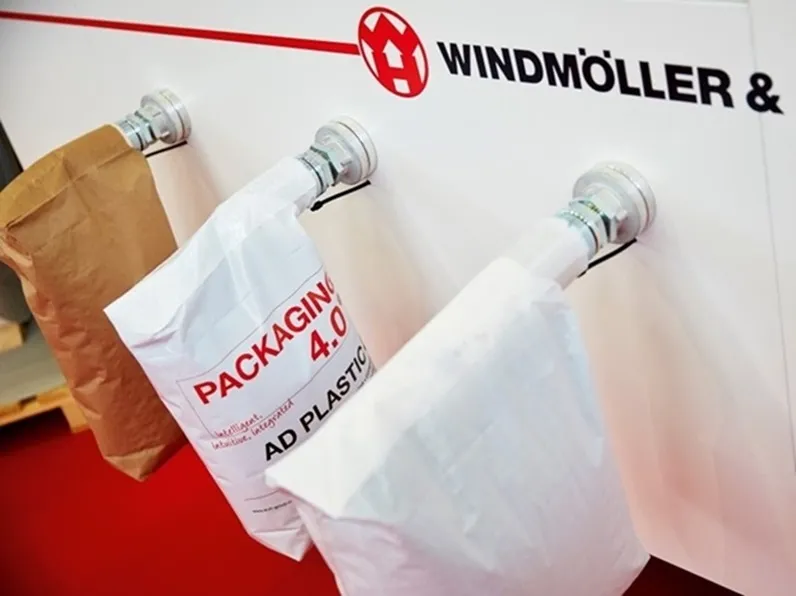
VidePak’s Polyethylene valve bags are engineered from the ground up to meet the toughest packaging demands. They may appear like simple plastic sacks, but behind the scenes they are a marvel of polymer science and design ingenuity. Using state-of-the-art Windmöller & Hölscher (W&H) extrusion equipment from Germany, VidePak produces co-extruded polyethylene film with up to 9 layers in a single seamless structure. This multi-layer film is the heart of the PE valve bag, giving it performance characteristics that single-layer bags or paper sacks cannot match.
Multi-Layer Co-Extrusion Technology
How can a thin film support dozens of kilograms of product without ripping or leaking? The answer lies in multi-layer co-extrusion. By combining different polymer layers, VidePak’s PE valve bags achieve a balance of properties—stiffness, toughness, sealability, and barrier performance—all in one film. While the production lines are capable of 9 layers, in practice most Polyethylene valve bags use around 3 to 5 layers optimized for the application. Each layer plays a specific role:
Example of a 5-Layer Co-Extruded Film Structure:
| Layer | Material (Typical) | Function |
| Outer layer | HDPE or MDPE (High/Medium Density PE) | Provides stiffness and shape, plus abrasion resistance. It forms a rigid, scuff-resistant shell that holds the bag’s shape and is ideal for printing. |
| Inner core layer(s) | LLDPE or mLLDPE (Linear Low Density PE) | Adds flexibility, tensile strength, and puncture resistance. These tough middle layers act like shock absorbers, allowing the film to stretch under impact rather than tear. |
| Inner sealing layer | LLDPE or LDPE (Low Density PE) | Ensures strong heat-sealability for the bag’s seams and valve. This innermost layer melts and fuses during sealing, creating leak-proof joints while contributing additional toughness. |
China Leading PE Valve Bags Manufacturer
Top manufacturer specializing in multi-layer polyethylene valve bags with industrial-grade quality.
Check More →PE Valve Bags 2025 Guide
Complete professional guide for multi-layer polyethylene valve bags including specifications and uses.
Check More →Co-extruded Multi-layer PE Bags
High-performance co-extruded multi-layer polyethylene valve bags for heavy-duty industrial packaging.
Check More →PE Open Mouth Bags
Durable polyethylene open mouth bags matching the multi-layer valve bag material and performance standards.
Check More →In summary, each layer contributes to a tough yet flexible structure: the HDPE/MDPE outer skins provide a stiff, scuff-resistant exterior, LLDPE core layers add tear resistance and absorb impacts, and the sealing inner layer guarantees reliable heat welds. All layers bond into one thick film (about 100–250 μm) that feels like a single sheet with hidden reinforcements – it will not delaminate or split.
Thanks to this design, VidePak’s Polyethylene valve bags achieve high load capacity (commonly 20–50 kg) while remaining leak-proof (heat-fused seams instead of glue) and highly moisture-resistant (polyethylene is inherently waterproof). Despite their strength, they are relatively lightweight – a 0.2 mm PE sack often weighs less than an equivalent multi-wall paper sack. From sharp granules to fine powders, the co-extruded film can be tailored to resist punctures, prevent tearing, and protect contents under demanding conditions.
High-Definition Printing Capability
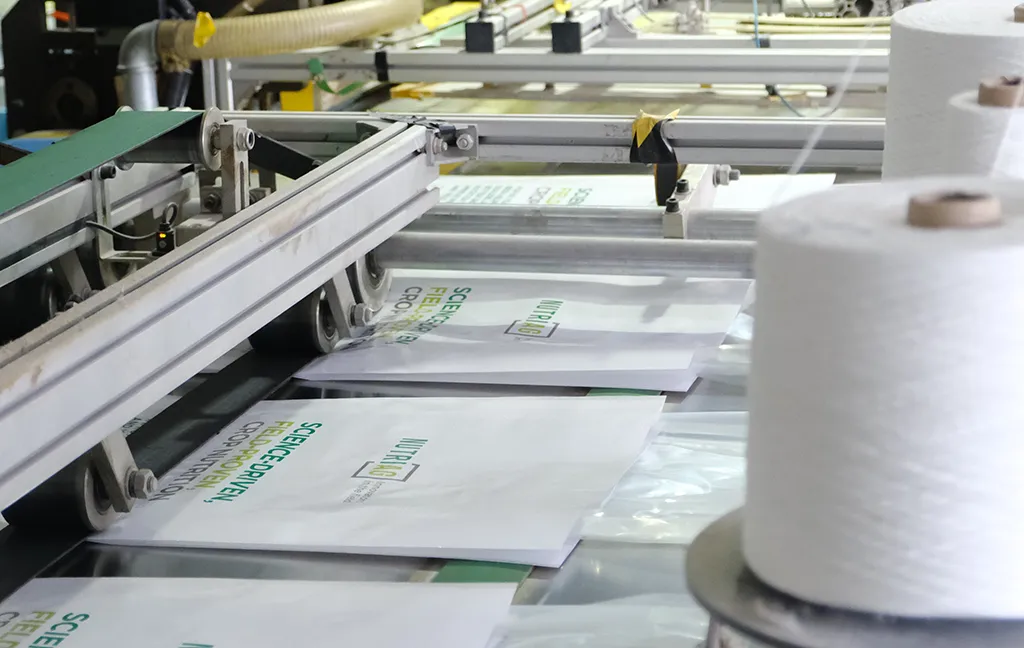
A heavy-duty Polyethylene bag doesn’t have to look plain. VidePak’s Polyethylene valve bags support high-quality flexographic printing in up to 10 colors, turning each sack into a bold branding canvas. The polyethylene film is treated for excellent ink adhesion, so logos and text appear crisp. Printing can be done on the outside surface or on a reverse inner layer (viewed through the film) to shield the artwork from scuffs and weather. Even after rough handling, full-color graphics remain vibrant and intact. With this capability, every bag can display eye-catching branding, detailed product info, and even traceability codes – all durable enough to survive the journey from factory to end-user.
Self-Closing Air Valve Design
The valve sleeve built into each VidePak Polyethylene valve bag allows rapid filling and then automatically closes when the bag is full. This internal sleeve acts as a one-way flap: under the pressure of the filled product, it pinches shut by itself, effectively sealing the bag without any manual intervention. The self-closing design greatly reduces product backflow and spillage. For applications needing extra security (for instance fine or hazardous powders), VidePak can provide heat-sealable or ultrasonic valve options. In such designs, after filling, the valve is quickly welded shut – creating a near-airtight closure. This is a distinct advantage of PE valve bags (plastic valves can be truly sealed, unlike paper). Whether self-sealing by product pressure or hermetically sealed by ultrasound, VidePak’s valve ensures the contents stay in and contaminants stay out.
Micro-Perforations for Venting and Fast Filling
Plastic film is naturally airtight – great for sealing a full bag, but a challenge during filling. The solution is micro-perforations: tiny pinholes in the film that let trapped air escape as the bag fills. VidePak adds these micro-perfs in strategic zones of the bag (for instance, a patch on the back or a stripe on a side gusset) to balance fast venting with strength. A fine powder might need many ultra-small holes, whereas a coarser granulate requires fewer larger holes. With the right pattern, filling is fast and low-dust: air rushes out through the micro-perfs so the bag doesn’t bloat, but the holes are too small for significant product to escape. Once the product settles, any tiny amount of dust that might pass through is negligible. This way, PE valve bags can approach the filling speed of paper sacks while still providing an airtight, clean final package.
Anti-Slip Coating and Embossed Strips for Polyethylene Valve Bags
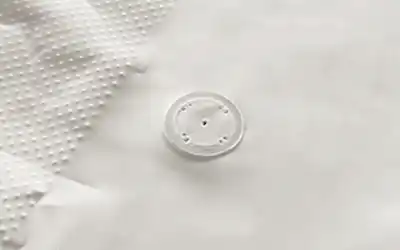
VidePak addresses bag slippage by adding anti-slip surfaces. One option is a special anti-slip coating that makes the film slightly matte or tacky, increasing friction between stacked sacks. Another option is embossing a textured pattern (tiny bumps or strips) onto the bag’s surface during production, creating a grip similar to fine sandpaper. Both methods prevent bags from sliding off each other, even in tall stacks or during jostling transport. Combined with the bag’s flat, block-bottom base (which gives upright stability), these anti-slip features keep pallet loads rock solid and safe.
Applications and Advantages of Polyethylene Valve Bags
Bringing together all these features – multi-layer strength, self-sealing valve, venting, anti-slip, and block-bottom stability – yields a package suited for some of the most demanding products. Where do polyethylene valve bags shine, and why choose them?
Common applications include:
- Cement, mortar, and building materials: These powdery products benefit greatly from PE bags’ water-resistance. A paper sack in the rain can fall apart; a Polyethylene valve bag simply repels moisture. The low-dust filling and stable, anti-slip stacking of PE bags are huge advantages for cement producers.
- Fertilizers and agricultural chemicals: These products often clump when they absorb moisture. PE valve bags act as a waterproof shield, keeping fertilizers dry and free-flowing. They are also tough enough to endure rough handling on farms and construction sites.
- Plastic resins and polymer granules: A ruptured bag of pellets can create serious waste and safety hazards. The strong PE film and welded seams of VidePak’s bags greatly reduce the chance of spills. These bags also tolerate outdoor storage and temperature swings better than paper, keeping resin materials secure and dry.
- Food ingredients and animal feed: Cleanliness is critical for things like sugar, salt, or pet food. PE valve bags are food-grade (made from virgin PE) and shed no fibers or dust like paper might. The option to heat-seal the valve keeps contents sanitary and safe from pests and moisture.
Key advantages of VidePak’s Polyethylene valve bags over other formats:
- They remain strong and intact even in wet or humid environments, where paper might fail.
- They deliver an excellent balance of fast filling with clean final closure – dust is minimized during filling, and the bag can be tightly sealed after fill.
- Every bag is a billboard for branding – high-quality, multi-color printing means the packaging serves marketing purposes as well as functional ones.
- They are mono-material (100% polyethylene), which can simplify recycling or disposal compared to mixed-material sacks (where recycling facilities exist).
- Handling efficiency is improved: workers find these bags easier to grip (thanks to anti-slip features) and notice far less dust when moving them. Pallets of Polyethylene bags stay square and stable, reducing the need for extra strapping or stretch wrap.
- There can even be a cost advantage: the lighter bag weight can lower shipping costs for empties, and fewer damaged/leaking bags means less product loss and cleanup expense.
In summary, VidePak’s polyethylene valve bags are a modern upgrade to traditional industrial sacks. They exemplify how thoughtful engineering – down to each microscopic perforation and polymer layer – can solve age-old packaging problems, from moisture intrusion to dust control to handling safety. These bags pose the question, “Why settle for good, when you can have the best of all worlds?” – and then deliver on that promise, one well-sealed, well-stacked bag at a time.
As a quick reference, the table below summarizes the key features and customization options of VidePak’s valve bags:
| Feature | Description & Benefit |
| Internal valve sleeve | Internal valve sleeve allows quick filling and then self-seals under product pressure, preventing leakage without manual closing. |
| Heat Valve Seal / Ultrasonic Valve Seal | Option to heat-weld the valve after filling for a completely sealed closure; ideal for moisture-sensitive or hazardous contents. |
| Micro-Perforations | Tiny vent holes let air escape during filling to speed up packing and reduce dust, while keeping product loss minimal. |
| Anti-slip Coating | Special surface treatment increases friction, so bags don’t slide on each other. Improves pallet stability and worker safety. |
| Embossed Anti-slip Strips | Textured patterns (e.g. raised dots or stripes) on the bag surface provide grip between bags, ensuring stable stacking. |
| Block-Bottom | Flat, rectangular bottom enables bags to stand upright and stack neatly like bricks; enhances stacking efficiency and load stability. |
| Multi-Color Printing | High-quality flexographic printing (up to 10 colors, including reverse print) for detailed logos, branding, and information on the bag. |
The other options from VidePak’s Valve Bags
While polyethylene valve bags are a star player in VidePak’s lineup, the company’s strength is also in its comprehensive range of valve bag solutions. Different products and industries have different needs – and VidePak ensures it can meet them all by producing valve bags in various materials. This includes Kraft paper pasted valve bags, woven polypropylene (PP) valve bags, and hybrid combinations like paper-plastic bags. Each type comes with its own advantages. What unites them all is VidePak’s dedication to quality: the same high standards of raw materials, modern equipment, and quality control apply across the board.
Kraft Paper Pasted Valve Bags
Kraft paper valve bags are a classic solution for bulk packaging. VidePak manufactures multi-wall paper valve sacks using 2–4 layers of high-strength Kraft paper glued (pasted) into a sturdy block-bottom shape. These bags are durable and stack well, with the paper’s natural texture preventing slippage. Paper is also breathable, allowing fast filling with minimal air entrapment – one reason paper sacks have long been used for cement, flour, and similar products. Many customers appreciate the eco-friendly image of paper (renewable and biodegradable). VidePak can integrate optional plastic liners or coatings into paper bags to improve moisture resistance when needed, and offers various valve types (e.g., self-closing sleeves, tuck-in flaps, or ultrasonic closures with a polyfilm insert) to minimize leakage. While paper valve bags are not as moisture-proof as PE, they remain a cost-effective and reliable choice for dry goods and general industrial use.
Polypropylene Woven Valve Bags
For maximum tear-resistance and ruggedness, VidePak offers PP woven valve bags. These are made from woven polypropylene tapes (like a plastic fabric), often laminated with a thin PE film for sealing and printability. The result is a bag that can take a beating: PP woven bags easily handle the drops, bumps, and rough handling that might rupture other sacks. They are widely used for cement, fertilizers, and other heavy materials. With a PE coating or BOPP laminate, they also become moisture-resistant and can display high-quality graphics (even photo-realistic prints with rotogravure). VidePak’s PP valve bags have self-closing valve sleeves (and can be ultrasonic sealed if the design includes a heat-sealable coating). In short, when maximum durability is needed, PP woven valve bags are the go-to choice.
Industry-Leading Materials and Equipment
VidePak insists on using the best inputs and machinery for its bags. It sources 100% virgin polymers (polyethylene and polypropylene) from top producers like BASF, Sinopec, and Yangzi Chemical. High-grade resin ensures the film or fabric has consistent strength and purity. On the factory floor, VidePak employs cutting-edge equipment: German W&H multi-layer extrusion lines for flawless PE film production and Austrian Starlinger machines for weaving and converting PP woven bags. Along with high-speed printing presses, this advanced machinery yields uniform thickness, precise dimensions, and sharp graphics on every bag. The result is high-efficiency manufacturing and exceptional consistency—each bag meets the same exacting quality standards, no matter how large the order.
International Standards and Rigorous Quality Control
Quality is woven into every step of VidePak’s production process, guided by internationally recognized standards. The company is ISO 9001 certified for quality management (and also adheres to ISO 14001 environmental and ISO 45001 safety standards), ensuring all operations are systematic and monitored. Products are tested according to ASTM and other global benchmarks – for instance, VidePak conducts drop tests, tensile strength tests, and seal integrity checks on sample bags from each batch. Raw materials are inspected before use, and finished bags only leave the factory after passing strict quality checks. This rigorous quality control means customers receive bags that consistently meet their specifications and perform reliably in the field.
Unmatched Production Capacity and Global Reach
As mentioned, with an annual capacity of around 600 million bags and a full spectrum of production lines, VidePak can handle both massive orders and specialized, multi-product projects. This large scale has attracted some of the world’s biggest companies as clients – including Fortune 500 firms in the food, chemical, and construction sectors – reflecting the trust in VidePak’s quality and reliability.
VidePak is also an export expert. Its valve bags are used in over 70 countries spanning Asia, the Middle East, Africa, Europe, and the Americas. The team is well-versed in different countries’ packaging regulations (from labeling requirements to language and recycling codes) and can tailor designs to meet local needs.
VidePak likewise prides itself on customer-centric service. The company’s motto of “creating superior packaging bags” is reflected in how it collaborates closely with clients to solve unique packaging challenges. Whether it’s adding an anti-static additive for a special powder or adjusting a bag design for faster filling speeds, VidePak’s R&D and engineering team works to customize solutions. This consultative approach – not just selling off-the-shelf products – makes VidePak a true partner to its customers, rather than just a supplier.
Conclusion
VidePak’s Polyethylene Valve Bags encapsulate what modern industrial packaging is all about: leveraging advanced materials and engineering for practical, impactful results. These bags are the product of thoughtful design – every layer and feature has a purpose, from the HDPE outer skins that provide a printable, sturdy shell, to the LLDPE core that absorbs shocks, to the micro-perf clusters that breathe out a sigh of air at just the right moment during filling. In parallel, VidePak’s mastery in producing all types of valve bags means customers have the freedom to choose the perfect solution for their needs without juggling multiple vendors. Be it the nostalgic reliability of Kraft paper or the brute strength of woven PP, VidePak delivers it all under one roof, with consistent excellence.
In an era where packaging has to do more with less – be lighter yet stronger, be faster to fill yet safer to handle, be cost-effective yet environmentally conscious – VidePak’s valve bags rise to the challenge. They exemplify Experience, Expertise, Authority, and Trust: the experience of a company that has spent over 15 years innovating in heavy-duty bags; the expertise in materials science and production to bring multi-layer films and precision weaving to fruition; the authority of a manufacturer that sets industry benchmarks in China and beyond; and the trust earned by certifications, rigorous testing, and long-term client relationships.
For any business that deals with bulk powders or granules, the question is not “Should we upgrade our packaging?” but rather “Why haven’t we done it sooner with VidePak?”. A polyethylene valve bag from VidePak is more than just a sack – it is a carefully engineered container that protects your product, streamlines your operations, and represents your brand with pride. It is the silent workhorse on the pallet that ensures your valuable product arrives at its destination intact and uncontaminated, all while showcasing your logo in ten crisp colors. And if that sounds like the kind of packaging solution you need, VidePak is ready to deliver, bag after bag, pallet after pallet, year after year, with the quality that keeps your trust sealed as tight as a sonic-sealed valve.
Reference:
https://en.wikipedia.org/wiki/Multilayered_packaging?utm_source=chatgpt.com
https://www.sciencedirect.com/science/article/pii/S0921344925003714?utm_source=chatgpt.com