
What Are Heavy Duty Woven Bags: Key Solutions for Livestock Feed Packaging and Durability?
Heavy Duty Woven Bags: Key Solutions for Livestock Feed Packaging and Durability are purpose‑built polypropylene (PP) sacks designed to protect feed quality, accelerate line speed, and keep pallets square from mill to farm. In different regions and plants you’ll hear them called PP woven feed sacks, BOPP‑laminated woven bags, AD‑style block‑bottom valve bags, or open‑mouth woven bags with sewn or heat‑sealed bottoms. Same orchestra, different instruments: a high‑tenacity woven PP substrate carries the load; an engineered surface (extrusion coating or BOPP laminate) governs dust control, moisture behavior, and print; and the closure architecture—open‑mouth, heat‑sealed block bottom, or valve sleeve—syncs with the filler you already run. In other words, Heavy Duty Woven Bags: Key Solutions for Livestock Feed Packaging and Durability are not merely containers; they’re calibrated tools for dosing, sealing, stacking, and selling.
Why does this matter? Because livestock nutrition lives at the intersection of formulation science and field reality. Pellets abrade, powders sift, bulk density shifts, humidity spikes, forklifts don’t apologize. Bags that fail turn nutrition into nuisance. Heavy Duty Woven Bags: Key Solutions for Livestock Feed Packaging and Durability push back: they shield energy‑rich fats from scuff, hold micronutrients where they belong, and carry codes that still scan after a stormy yard shift. They let logistics support nutrition rather than sabotage it.
As a helpful resource for buyers and engineers, see this related page: Heavy Duty Woven Bags: Key Solutions for Livestock Feed Packaging and Durability.
What Are the Features of Heavy Duty Woven Bags: Key Solutions for Livestock Feed Packaging and Durability?
Strength without dead weight. Drawn PP tapes (often 700D–1200D) are interlaced into a fabric that resists tear, puncture, and creep while keeping grammage efficient (≈70–110 g/m² for 20–50 kg SKUs). Add a PP extrusion coat (~18–30 g/m²) and the fabric “window” closes—fewer fines escape, seams bite cleanly, and seal bands behave. For retail‑facing rations, reverse‑printed BOPP (15–25 µm) layers bring photo‑true graphics and scuff resistance without sacrificing the mechanics of Heavy Duty Woven Bags: Key Solutions for Livestock Feed Packaging and Durability.
PP Woven Bags Manufacturer
Professional manufacturer of heavy-duty woven bags perfect for livestock feed packaging and storage.
Check More →Breathable PP Woven Bags Supplier
Breathable heavy-duty woven bags designed to keep livestock feed fresh and safe during packaging.
Check More →Woven Fabric PP Bags Features
Key features of heavy-duty woven PP bags that make them ideal for durable livestock feed packaging.
Check More →PP Woven Valve Bags Manufacturer
Heavy-duty valve woven bags optimized for efficient and secure livestock feed packaging solutions.
Check More →Cleaner fills, cleaner floors. Valve‑type block‑bottom variants mate to automated spouts for fast, low‑dust dosing; heat‑sealable sleeves and dust flaps tame the plume that mills dread. Open‑mouth SKUs with EZ‑open tapes suit mixed manual/auto lines where flexibility beats single‑minded speed. Either route shortens open‑mouth exposure—less moisture pickup, fewer housekeeping hours, calmer OSHA audits.
Brand panel = data panel. The face does triple duty: it persuades buyers, guides operators, and satisfies auditors. Coated or laminated fronts on Heavy Duty Woven Bags: Key Solutions for Livestock Feed Packaging and Durability carry species pictograms, stage cues (starter/grower/finisher), nutrition anchors (protein, ME, Ca/P), and large 1D/2D codes that scan first‑pass under LED glare. Matte “quiet zones” protect barcode contrast; anti‑slip lacquers are patterned away from those zones—beauty meets readability.
Stacking that stays square. Anti‑slip bands push static COF to ≥0.4, block bottoms lower the center of gravity, and PP’s low creep preserves geometry over long dwell times. Result: pallets that ride quietly, corner‑boards that stay seated, and tall stacks that don’t lean like tired soldiers.
Moisture logic, not luck. Hygroscopic premixes and oil‑rich pellets want different barriers. With Heavy Duty Woven Bags: Key Solutions for Livestock Feed Packaging and Durability, you can specify inserted liners (LDPE/LLDPE ≈30–90 µm), liner‑through‑valve builds for valve sacks, or mono‑material PP routes for simpler recovery—each tuned to climate, storage duration, and route vibration.
Read sideways and you’ll see a braid—polymer physics × human factors × warehouse ergonomics. Read top‑to‑bottom and you’ll see the ladder: pellets → tapes → fabric → coating → closure geometry → pallet pattern → route KPIs.
What Is the Production Process of Heavy Duty Woven Bags: Key Solutions for Livestock Feed Packaging and Durability?
Resin discipline. Virgin PP pellets with stable MFI (≈2–4 g/10 min at 230 °C/2.16 kg) are compounded with UV/process stabilizers. Resin cleanliness is not vanity—it’s uptime. Clean melt equals fewer gels, fewer tape breaks, steadier weaving.
Tape extrusion and orientation. PP is extruded as a film, slit into narrow tapes, then drawn ~5–7× to align polymer chains. Draw ratio uniformity drives tensile performance and seam predictability in Heavy Duty Woven Bags: Key Solutions for Livestock Feed Packaging and Durability. Narrow denier spread → even fabric GSM → calmer conversions.
Weaving—geometry turned into strength. Circular or flat looms interlace tapes at ≈10×10–12×12 PPI for mainstream 20–50 kg sacks; heavy‑duty lanes tighten toward ≈12×12–14×14. Selvedge quality and lay‑flat aren’t cosmetic—they govern de‑nesting at packers and the squareness of stacks downstream.
Surface engineering. A PP extrusion coat (~18–30 g/m²) closes pores for anti‑sifter performance and opens a generous heat‑seal window (PP‑rich coats often seal ~160–190 °C; PE‑rich liner stacks ~130–170 °C—validate against your bar design/dwell). Premium lines add BOPP lamination (15–25 µm) reverse‑printed by gravure to protect imagery while keeping contact layers clean.
Printing as process control. High‑line flexography on coated fabric yields rugged, high‑contrast panels; gravure on BOPP delivers retail‑grade photography. Registration preserves quiet zones where scanners read; varnish is zoned away from code areas so machines pass on the first swipe.
Conversion to finished packs. Tubing and cutting define length; block‑bottom formation (heat‑welded for sift‑proof builds) or sewn bottoms complete the body; valve sleeves are constructed to match spout geometry and dust‑control goals. Lots of Heavy Duty Woven Bags: Key Solutions for Livestock Feed Packaging and Durability are then validated: grammage audits, raveled‑strip tensile, seam strength, drop tests (~1.2 m multi‑cycle), COF before/after anti‑slip, and print legibility.
What Is the Application of Heavy Duty Woven Bags: Key Solutions for Livestock Feed Packaging and Durability?
Poultry rations. From starter crumbs to finisher pellets, valve‑type block‑bottom designs dose quickly and stand upright for high bay efficiency. Anti‑sifter coatings cut dust; integrated liners stabilize residual fat.
Dairy and beef feeds. Higher bulk density and molasses‑touched pellets drive seam strength and moisture strategy. Liner‑through‑valve builds keep seals intact; anti‑slip bands and block bottoms reduce layer shear during long hauls.
Swine and aquafeeds. Oil‑rich pellets meet wet hands and rough decks. Laminated prints resist scuff; discharge behavior remains clean thanks to heat‑welded bottoms and tight weave.
Mineral supplements & premixes. Calcium, phosphorus, salt, vitamin/mineral blends are unforgiving powders. Tight weaves, heat‑welded block bottoms, and strategically placed micro‑perfs (away from seal paths) let air out while fines stay in.
Seeds & ag inputs. Many mills co‑pack feed and seed. Mono‑material PP routes in Heavy Duty Woven Bags: Key Solutions for Livestock Feed Packaging and Durability unify brand language and simplify recovery in #5 PP streams where collection exists.
This complementary page may help spec owners and plant managers: Heavy Duty Woven Bags: Key Solutions for Livestock Feed Packaging and Durability.
Technical Parameters of Heavy Duty Woven Bags: Key Solutions for Livestock Feed Packaging and Durability
The ranges below consolidate realistic, orderable specifications often listed by reputable converters and global sourcing platforms for feed‑grade woven sacks. Treat them as a launch pad; we tune every program to product rheology, climate, and route vibration.
| Parameter | Typical Options / Ranges for Heavy Duty Woven Bags: Key Solutions for Livestock Feed Packaging and Durability |
|---|---|
| Net Capacity | 10 kg, 15 kg, 20 kg, 25 kg, 40 kg, 50 kg |
| Typical Bag Size (L × W × Bottom) | 50 × 32 × 12 cm (20 kg); 55 × 35 × 12 cm (25 kg); 60 × 40 × 14 cm (40 kg); 70 × 47 × 15 cm (50 kg) |
| Fabric GSM (uncoated) | ~70–110 g/m² (heavier toward 50 kg or abrasive blends) |
| Weave Density | ~10×10 to 12×12 picks per inch (up to ~14×14 heavy‑duty) |
| Tape Denier | ~700D–1200D (fine‑yarn options ~500–800D for tighter weaves) |
| Coating | PP extrusion ~18–30 g/m² (anti‑sifter, heat‑sealable) |
| Lamination (optional) | BOPP 15–25 µm (gloss/matte, reverse‑printed) |
| Printing | Flexo up to 6 colors (coated); gravure up to 8–10 colors (BOPP) |
| Valve / Mouth | Open‑mouth (sewn/heat‑sealed) or valve sleeve; dust flap optional |
| Bottom Type | Sewn, pasted, or heat‑welded block bottom for cube stability |
| Liner Options | LDPE/LLDPE 30–90 µm; inserted loose or liner‑through‑valve |
| Anti‑Slip (COF) | Target static COF ≥0.4 via patterned lacquer bands |
| Venting | Micro‑perfs on non‑seal panels as required for de‑aeration |
| Drop Test (guide) | Typical pass ~1.2 m, multi‑cycle (specify by SKU and lane) |
| UV Stabilization | Optional packages ~150–200 kLy for outdoor storage |
Figures are indicative, not idealized; they mirror what regional and export buyers of Heavy Duty Woven Bags: Key Solutions for Livestock Feed Packaging and Durability routinely order.
Printing & Branding on Heavy Duty Woven Bags: Key Solutions for Livestock Feed Packaging and Durability
Design serves three masters—brand, operator, auditor. On Heavy Duty Woven Bags: Key Solutions for Livestock Feed Packaging and Durability, use large species pictograms (chicken, pig, cow, fish) for instant recognition; stage bands for starter/grower/finisher clarity; and GS1‑standard linear barcodes plus 2D codes for batch traceability. Reverse‑printed BOPP protects imagery from abrasion; flexo on coated fabric delivers rugged, high‑contrast panels for warehouse lanes. Keep quiet zones matte and unvarnished; place redundant lot/batch on a side gusset so it survives scuffs and stretch‑wrap rub.
Horizontally this is brand design × regulatory labeling × automation. Vertically it’s artwork → plate/cylinder → register control → scanner pass rate.
Valve Geometry, Liners & Moisture Strategy for Heavy Duty Woven Bags: Key Solutions for Livestock Feed Packaging and Durability
Valve decisions govern dust, speed, and seal reliability. Internal sleeves present a clean profile and can self‑seal under head pressure; external sleeves pair well with hot‑melt tips and are friendlier for rework. Sleeve length, angle, and stiffness influence dosing accuracy and post‑fill seal integrity on Heavy Duty Woven Bags: Key Solutions for Livestock Feed Packaging and Durability. For hygroscopic feeds, integrate the liner through the valve to avoid bridging at the spout and to curb oxygen/moisture ingress. Specify sealing temperatures/dwell to lock the valve without overheating the liner.
Logistics & Palletization for Heavy Duty Woven Bags: Key Solutions for Livestock Feed Packaging and Durability
Stable stacks begin on paper, not the dock. Define a pallet pattern per SKU; match slip‑sheets, corner‑boards, and wrap containment to lane vibration. Anti‑slip bands lift COF without fogging scanner windows; block bottoms interlock; gussets build cube without bulge. For export, humidity‑resistant films and corner protection pay for themselves in tally accuracy. The poetry of Heavy Duty Woven Bags: Key Solutions for Livestock Feed Packaging and Durability is a quiet truck and a clean dock.
Sustainability & End‑of‑Life for Heavy Duty Woven Bags: Key Solutions for Livestock Feed Packaging and Durability
Mono‑material PP bodies with PP/OPP print layers align with #5 polypropylene recovery where collection exists. Choosing PP‑compatible inks/adhesives and avoiding unnecessary metallization eases mechanical recycling. Where reuse beats recycling—internal milk‑run transfers, short‑haul loops—Heavy Duty Woven Bags: Key Solutions for Livestock Feed Packaging and Durability tolerate multiple turns when handled responsibly. Clear disposal marks reduce stream errors at end‑of‑life.
VidePak at a Glance — Capacity Behind Heavy Duty Woven Bags: Key Solutions for Livestock Feed Packaging and Durability
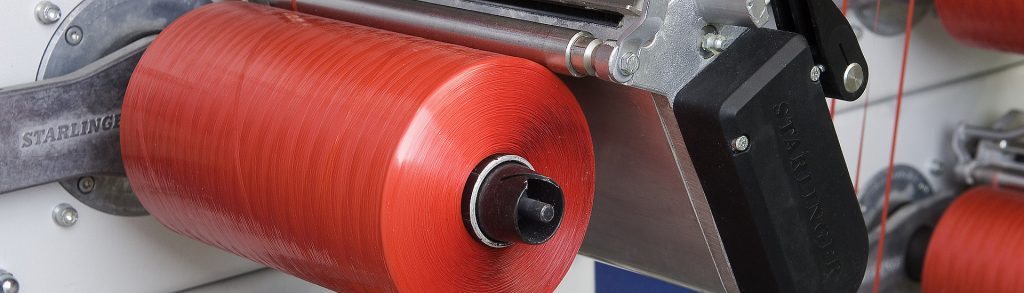
Founded in 2008, VidePak is powered by a core team with 30+ years in woven packaging. Today, 568 colleagues run a deep equipment bench—over 100 circular looms, 16 extrusion lines, and 30+ lamination/printing machines—from top‑tier suppliers such as Germany’s W&H and Austria’s Starlinger. We work exclusively with virgin raw materials, support customization and multi‑color printing, and ship globally: the United States, Europe, Brazil, South America, Southeast Asia, Japan, South Korea, Central Asia, the MENA Region, East Africa, and South Africa. Annual sales are roughly USD 80 million. Scale plus discipline equals predictable schedules, repeatable color, and specification fidelity for Heavy Duty Woven Bags: Key Solutions for Livestock Feed Packaging and Durability.
How to Specify Heavy Duty Woven Bags: Key Solutions for Livestock Feed Packaging and Durability for Your Line
Begin with four blunt questions: What’s the particle size distribution and bulk density of the feed? How moisture‑sensitive is it over the intended storage time? What’s the harshest handling event—fast valve fill, steel‑deck drop, ocean transit, or yard staging in the rain? Which labels must survive dust, wrap rub, and LED glare? With those answers, we’ll set GSM, weave, denier, coating/lamination route, valve geometry, and liner gauge. We’ll simulate drops and vibration, tune anti‑slip bands, and lock scanner windows so Heavy Duty Woven Bags: Key Solutions for Livestock Feed Packaging and Durability behave on day 90 exactly as they did on day one.
—
Share target pack weights, feed formulations, and lane profiles. We’ll return a tuned spec for Heavy Duty Woven Bags: Key Solutions for Livestock Feed Packaging and Durability, a pallet map, and a short trial plan you can take straight to the line.
- What Are Heavy Duty Woven Bags: Key Solutions for Livestock Feed Packaging and Durability?
- What Are the Features of Heavy Duty Woven Bags: Key Solutions for Livestock Feed Packaging and Durability?
- What Is the Production Process of Heavy Duty Woven Bags: Key Solutions for Livestock Feed Packaging and Durability?
- What Is the Application of Heavy Duty Woven Bags: Key Solutions for Livestock Feed Packaging and Durability?
- Technical Parameters of Heavy Duty Woven Bags: Key Solutions for Livestock Feed Packaging and Durability
- Printing & Branding on Heavy Duty Woven Bags: Key Solutions for Livestock Feed Packaging and Durability
- Valve Geometry, Liners & Moisture Strategy for Heavy Duty Woven Bags: Key Solutions for Livestock Feed Packaging and Durability
- Logistics & Palletization for Heavy Duty Woven Bags: Key Solutions for Livestock Feed Packaging and Durability
- Sustainability & End‑of‑Life for Heavy Duty Woven Bags: Key Solutions for Livestock Feed Packaging and Durability
- VidePak at a Glance — Capacity Behind Heavy Duty Woven Bags: Key Solutions for Livestock Feed Packaging and Durability
- How to Specify Heavy Duty Woven Bags: Key Solutions for Livestock Feed Packaging and Durability for Your Line
Introduction
Heavy-duty woven polypropylene (PP) bags have become indispensable for livestock feed packaging. With their exceptional strength, durability, and versatility, these bags ensure safe transport and storage while protecting feed from environmental factors. VidePak leverages state-of-the-art equipment from global leaders Starlinger (Austria) and W&H (Germany) to produce woven bags that meet the rigorous requirements of the livestock feed industry.
Key Stages of Production and Quality Control
The production of heavy-duty woven bags involves several critical stages, each with precise quality controls to ensure consistency and performance.
1. Extrusion
In this stage, polypropylene granules are melted and extruded into fine filaments.
- Technology and Quality Control: Starlinger extruders ensure accurate temperature regulation, resulting in uniform filaments with optimal tensile strength. The use of virgin polypropylene ensures purity, which directly enhances the bag’s durability and resistance to wear.
2. Filament Drawing
The extruded filaments are stretched to align the polymer chains, enhancing their strength.
- Process Details: Precise draw ratios are maintained to maximize the tensile properties without over-stretching.
- Quality Impact: Filaments with aligned chains exhibit higher load-bearing capacity, crucial for heavy-duty applications like livestock feed packaging.
3. Weaving
The drawn filaments are woven into durable fabric using automated circular looms.
- Technology Advantage: W&H looms produce tightly woven fabric with consistent density, reducing the likelihood of tears.
- Performance: The woven structure provides a high strength-to-weight ratio, making the bags ideal for carrying up to 50 kg.
4. Lamination
A polyethylene layer is applied to the woven fabric to enhance its moisture resistance and structural integrity.
- Innovation: Starlinger’s lamination systems ensure uniform application, minimizing weak spots.
- Outcome: This layer prevents moisture penetration, keeping livestock feed dry and extending its shelf life.
5. Printing
Graphics and labeling are applied using advanced flexographic printing.
- Technology Highlight: High-resolution W&H printing machines enable vibrant, multi-color prints that enhance brand visibility.
- Benefit: Clear, detailed labels improve product identification, meeting regulatory requirements for feed packaging.
6. Bag Formation
The laminated fabric is cut, stitched, or heat-sealed into the final bag shape.
- Precision Techniques: Ultrasonic sealing ensures strong closures without compromising bag flexibility.
- Quality Monitoring: Automated inspection systems check for consistent seam strength and dimensional accuracy.
Advantages of Heavy Duty Woven Bags in Livestock Feed Packaging
| Feature | Benefits |
|---|---|
| Exceptional Strength | Handles up to 50 kg, reducing the need for additional packaging. |
| Moisture Resistance | Lamination and optional inner liners protect feed from humidity. |
| Tear Resistance | Durable woven structure withstands handling and transport stresses. |
| Customizability | Available in various sizes and colors, with customizable printing. |
| Breathability | Optional vented designs prevent mold growth, maintaining feed quality. |
Detailed Analysis of Feed Packaging Applications
Heavy-duty woven bags are ideal for packaging various types of livestock feed, including poultry, cattle, and pig feed. Their application is driven by specific performance attributes:
- Cost Efficiency:
Woven PP bags are highly cost-effective due to their recyclability and lower production costs compared to alternatives like paper or plastic. - Strength and Durability:
The tightly woven fabric resists tears and punctures, ensuring feed safety during transport and storage. - Moisture Protection:
Laminated surfaces and optional inner liners shield feed from humidity, a critical factor for preserving feed nutrients and preventing spoilage. - Hygienic and Anti-Mold Properties:
The breathable structure of vented bags minimizes condensation, reducing the risk of mold and bacterial growth.
Selecting the Right Bag Specifications
| Parameter | Recommendation |
|---|---|
| Fabric Weight | 100–120 GSM for maximum durability. |
| Bag Size | Standard sizes of 25 kg and 50 kg; customizable for specific needs. |
| Inner Liners | Recommended for high-humidity regions. |
| Lamination | Essential for outdoor storage and enhanced water resistance. |
| Printing Options | Multi-color printing for branding and regulatory compliance. |
Industry Trends and Innovations
- Sustainability Focus:
VidePak’s woven bags are made from 100% recyclable materials, aligning with global sustainability goals. - Automated Quality Control:
Our Starlinger and W&H equipment enables real-time monitoring, reducing defects and improving production efficiency. - Custom Solutions for Branding:
With advanced printing capabilities, VidePak helps customers enhance their brand visibility through high-quality, customizable designs.
FAQs
1. What makes heavy-duty woven bags ideal for livestock feed packaging?
Their high tensile strength, moisture resistance, and customizability make them perfect for securely storing and transporting feed.
2. Are the bags environmentally friendly?
Yes, VidePak’s woven bags are 100% recyclable, contributing to reduced environmental impact.
3. How does VidePak ensure quality consistency?
We use advanced equipment from Starlinger and W&H to control every stage of production, from extrusion to bag formation.
Case Study: Livestock Feed Packaging Optimization
A major feed supplier partnered with VidePak to replace traditional packaging with heavy-duty woven bags. The results included:
- 30% reduction in packaging costs due to the durability and reusability of woven bags.
- Increased feed shelf life in humid regions, attributed to superior moisture resistance.
- Enhanced brand recognition through high-quality custom printing.
Conclusion
VidePak’s commitment to quality and innovation ensures our heavy-duty woven bags are the ideal solution for livestock feed packaging. By combining advanced manufacturing techniques with cutting-edge equipment from Starlinger and W&H, we deliver reliable, customizable, and cost-effective packaging solutions.
Learn more about heavy-duty woven bag solutions or explore our innovative manufacturing processes to understand why VidePak is a trusted industry leader.