
What is Multiwall Paper Bags?
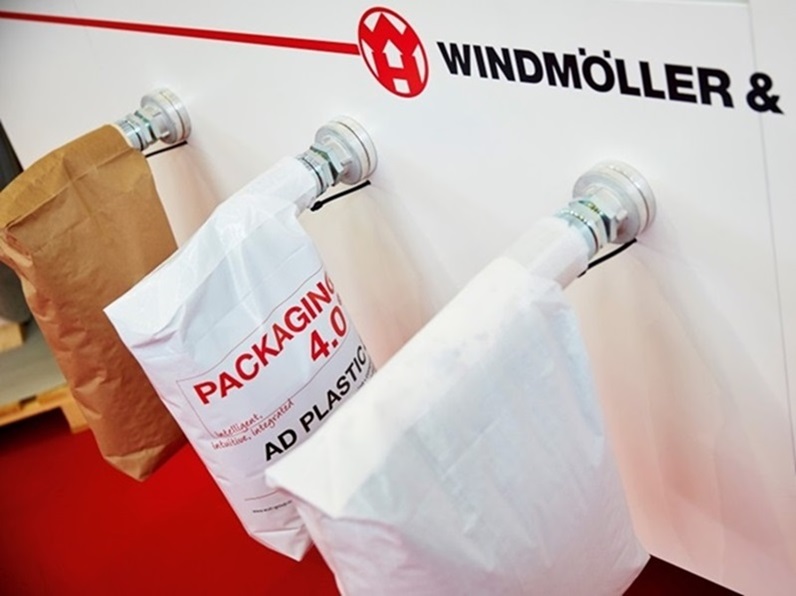
Multiwall Paper Bags—also called multi‑ply paper sacks, paper valve bags, or pinch‑bottom open‑mouth (PBOM) paper bags—are fiber‑based industrial packages built from two to five plies of sack‑kraft paper, optionally combined with plastic barriers (coatings, laminations, or liners) to deliver strength, clean filling, and moisture discipline. In simple terms: the paper plies give structure and printability; the barrier, where specified, protects product; the closure locks everything in. Are Multiwall Paper Bags engineered for shelf appeal or yard toughness? For both. They stack square, carry clear branding, and run efficiently on high‑speed lines.
From a packaging‑engineering lens, Multiwall Paper Bags sit where fiber science (extensible sack‑kraft, porosity, Cobb water absorption), converting mechanics (tuber/bottomer precision, pinch‑seal integrity), and process control (de‑aeration, dust mitigation, pallet stability) intersect. Horizontally, compare them with neighboring families: mono‑film PE FFS tubes seal fast yet may creep on tall stacks; woven PP sacks resist puncture but can require additional graphics protection; rigid bins shrug off abuse but punish freight budgets. Multiwall Paper Bags reconcile these trade‑offs with a renewable substrate that prints beautifully, vents intelligently, and protects contents with tuned barriers. For a fiber‑forward option within our portfolio, see how Multiwall Paper Bags align with kraft‑based solutions while preserving the performance users expect in industrial supply chains.
VidePak integrates this format into a broader performance platform: founded in 2008, a core team with 30+ years in industrial packaging, 568 employees, global shipments to the US, Europe, Brazil & South America, Southeast Asia, Japan, Korea, Central Asia, the MENA region, East & South Africa, and scale assets from W&H (Germany) paper‑sack lines to Starlinger (Austria) woven systems. The result is repeatable quality—lot after lot—from material intake to finished pallet.
Multiwall Paper Valve Bags Manufacturing
Premium multiwall paper bags with strict material quality control for reliable industrial packaging.
Check More →3-4-5 Ply Multiwall Paper Bags
High-quality multi-layer paper bags with PE liner, built with strict quality assurance standards.
Check More →Multiwall Paper Bags Pinch Bottom
Durable multiwall paper sacks with rigorous material testing and quality control processes.
Check More →Kraft Paper Sacks Product Guide
Comprehensive guide to high-quality multiwall kraft paper bags with excellence in material control.
Check More →What is the features of Multiwall Paper Bags?
Features are meaningful only when they neutralize failure modes—caking in humid depots, powder sifting at seams, label scuff on conveyors, leaning pallets in summer heat. The architecture of Multiwall Paper Bags is therefore a set of countermeasures, not a menu of nice‑to‑haves.
Balanced strength with renewable fiber. Extensible sack‑kraft plies (typical per‑ply basis weight ~70–120 g/m²) convert low mass into high dynamic strength. Extensibility absorbs drop shocks; tensile and tear performance preserve seams during hoist and haul. Paper is light, but not fragile; resilient, yet forgiving.
Engineered de‑aeration. Venting comes from the paper’s controlled porosity and/or micro‑perforation patterns placed under the print field. De‑aeration shortens fill dwell time, improves weight accuracy, and reduces “pillowing,” which keeps stacks square and trucks fully utilized. Air leaves quickly; quality stays put.
Moisture management you can dial. Outer plies can use lower Cobb papers or be PE‑coated; inner barriers range from thin LDPE liners (≈ 15–40 µm) to tie‑layer laminations. The mix is tuned to content: hygroscopic fertilizers, powdered foods, or cement blends each call for a different barrier stack. Too dry and dust rises; too wet and cakes form—Multiwall Paper Bags aim for the stable middle.
Closures that fit your filler. Choose valve bags (internal or external valve; compatible with gravity/air/impeller packers) for speed and dust control; opt for PBOM pinch‑bottom when stitch‑free hermeticity and clean edges matter; select sewn open‑mouth for rugged, versatile programs. Valve sleeve geometry, pinch adhesive weight, and mouth folds are matched to particle size and target line rate—because a closure is not an afterthought; it is the final defense.
Print that sells and survives. High‑linecount CI flexo (up to 6–8 colors) produces vivid, scuff‑resistant branding on the outer ply. Registered matte/gloss and tactile varnishes create contrast without sacrificing rub resistance. Nutrition panels, hazard icons, barcodes, and QR stay legible through the route. When a pallet becomes a billboard, clarity is currency.
Safer handling and cleaner pallets. Anti‑slip additives/coatings target a stacking COF ≈ 0.45–0.60, reducing wrap while guarding against column lean. Squarer stacks lessen side load on closures—protecting the very seals that protect your product.
Sustainability in practice. Fiber is renewable; downgauging via smarter ply design reduces material per unit; mono‑material paper builds support recovery where streams exist. For barrier applications, removable liners and lower‑mass coatings help balance performance with end‑of‑life goals. Protect the product, respect the planet, and do both within budget.
What is the production process of Multiwall Paper Bags?
Quality is not inspected into a bag—it is designed into it, then safeguarded at every hand‑off. VidePak’s process for Multiwall Paper Bags couples material science with machine control to convert drawings into dependable pallets.
1) Material procurement & intake control. Sack‑kraft lots are qualified for basis weight, moisture (typically targeted in the 6–8% window for dimensional stability), tensile/tear (e.g., TAPPI methods), and Cobb (ISO 535) targets aligned to the barrier plan. PE liners and adhesives are checked for melt index and bond performance. Traceability is established at the roll/lot level for full backward compatibility with audits. If the inputs are noisy, the outputs will shout; our goal is quiet, predictable performance.
2) Printing the outer ply. On W&H CI flexo presses, anilox, plate, and ink systems are dialed for solids holdout and fine halftones. Color ΔE is monitored against brand standards; registration marks are embedded to guide downstream tuber and bottomer alignment. Low‑odor, low‑migration systems are specified where food or sensitive powders are involved—because the nose is a QC instrument, too.
3) Tuber formation. Multiple plies are combined on a high‑precision tuber. Ply offset, overlap width, and longitudinal seam adhesive weight are controlled so the tube carries tensile loads without “zippering.” Where specified, intermediate plies receive micro‑perfs for de‑aeration. The outcome is a straight, dimensionally consistent tube—ready to become a bag rather than a problem.
4) Bottoming & closure build. Tubes move to bottomers for valve construction (fold‑and‑paste bottoms with valve sleeve insertion) or PBOM formation (pinch‑bottom pre‑fold with hot‑melt or heat‑activated adhesive for final pinch on the filling line). Sewn open‑mouth formats are hemmed and reinforced to match stitch geometry. Closures are rehearsals for what the filler will do at speed; alignment and adhesive laydown are rehearsed until they are boring—reliably so.
5) Barrier integration. For moisture‑sensitive goods, LDPE liners (≈ 15–40 µm) are inserted—form‑fit or tubular—or plies receive PE coatings/laminations in controlled grammage bands. Adhesion windows are recorded; peel tests verify bond integrity without fiber tear‑out where not intended. A barrier should be a shield, not a delaminating souvenir.
6) Conversion finishing & inline QA. Cut length, lay‑flat width, valve sleeve position, pinch tape weight, and bottom square are measured at rate. Anti‑slip spray/emboss may be applied to the outer ply. Inline vision checks logos and regulatory copy; bad‑actor units are rejected before palletization. When in doubt, we stop the line; stoppage is cheaper than recalls.
7) Lab verification & performance testing. Routine tests include drop tests on filled samples, stack tests for creep behavior at temperature, seam/valve integrity, COF, and sift tests on representative powders. For food or high‑purity programs, odor and migration thresholds are confirmed on request. Data is archived by lot, because memory is the first step of accountability.
8) Palletization & release. Stacks are interleaved, corner‑protected, and wrapped to route specs. Every pallet ships with the traceability records established at intake—so the proof you approved is the pallet you receive. A promise is not a paragraph; it is a pallet that behaves.
VidePak executes the above with an asset base sized for stability and speed: 16 extrusion lines (for films/liners), 100+ circular/flat looms (supporting our broader portfolio), and 30+ lamination/printing machines. Cross‑training between paper and woven workstreams spreads best practices—tight adhesion windows, disciplined registration, and stitch/pinch integrity across platforms.
What is the application of Multiwall Paper Bags?
Because Multiwall Paper Bags combine renewable fiber, tuned barriers, and closure versatility, they are specified wherever packaging must sell, shield, and stack—often in the very same day. Different sectors, different stressors; the bag remains the constant.
Cement & construction blends. Dry mortar, tile adhesives, gypsum, and specialty cements benefit from valve bags that de‑aerate quickly, resist scuff, and arrive clean at site. PBOM formats support hermeticity where outdoor staging is expected. When crews move fast, packaging must neither slow them down nor generate dust that slows everyone else.
Fertilizers & agro‑inputs. NPKs, MAP/DAP, SOP/MOP, and soil amendments need moisture moderation and sift control. Valve bags with anti‑sift sleeves keep lines fast and aisles clean; liners reduce caking and odor transfer. In humid depots, the difference between a good bag and a costly bag is often one rainy week.
Grains, starches & milled foods. Rice, flour, sugar, starches: outer plies carry high‑fidelity branding; inner barriers protect flowability; optional micro‑perfs help hot fills cool without swelling stacks. Retail wants polish; milling plants want predictability; Multiwall Paper Bags offer both.
Minerals & chemicals. Calcium carbonate, titanium dioxide, salts—laminated faces resist abrasion; pinch‑bottom closures give stitch‑free, dust‑tight edges for pneumatic handling areas. Clear hazard panels and scannable codes complete the compliance picture.
Animal nutrition. Premixes and finished feeds pair shelf graphics with durable pallets. COF‑tuned outers keep tall columns upright in non‑climate‑controlled depots. If pallets stand tall, labels stay readable; if labels stay readable, audits go faster.
Retail‑adjacent industrial. Where a tidy storeroom look matters—home‑improvement blends, craft aggregates—Multiwall Paper Bags bring print polish plus rugged cores that tolerate repeated handling. A bag can be both brochure and workhorse.
VidePak supports global lanes with real stressors—humidity spikes, temperature swings, long marine legs, and mechanized handling—by tuning the controllable levers: ply count for drop energy, barrier grammage for climate, valve geometry for speed and dust, and COF for stacking behavior. The variables move; the target does not.
Typical Parameters for Multiwall Paper Bags
The ranges below reflect widely available, real‑world specifications; VidePak provides application‑specific customization.
| Parameter | Typical Range / Option | Notes (for Multiwall Paper Bags) |
|---|---|---|
| Structure (plies) | 2 – 5 plies sack‑kraft; optional PE liner | Ply build tuned to product density, drop energy, and route climate |
| Paper grade (per ply) | ~70 – 120 g/m² extensible/semi‑extensible | Balance of tensile, tear, and de‑aeration |
| Barrier options | PE coating/lamination 15 – 30 g/m²; LDPE liner 15 – 40 µm | Moisture moderation and odor control |
| Bag width | 350 – 600 mm | Common bodies for 10 – 50 kg SKUs |
| Bag length | 500 – 1,100 mm | Tuned to bulk density and filler setup |
| Bottom style | Valve / PBOM (pinch‑bottom) / Sewn OM | Choose speed vs. hermeticity vs. versatility |
| Valve sleeve | Internal or external; Ø ~35 – 50 mm | Geometry matched to gravity/air/impeller packers |
| De‑aeration | Paper porosity and/or micro‑perfs | Faster fills; squarer stacks |
| COF (stacking) | ≈ 0.45 – 0.60 | Pallet stability with less wrap |
| Printing | Flexo up to 6–8 colors | Registered effects; compliant ink systems on request |
| UV/weather options | Water‑resistant outer; UV‑tuned inks | Outdoor staging profile dependent |
Why VidePak
Since 2008, VidePak has paired process discipline with scale capacity to deliver Multiwall Paper Bags that behave as drawings promise. We operate with 100% new raw materials, support customization and multi‑color printing, and leverage top‑tier equipment from W&H and Starlinger to keep adhesion, registration, and closure integrity inside documented windows. Our footprint—16 extrusion lines, 100+ looms, 30+ lamination/printing machines—and annual sales around USD 80 million enable responsive lead times and globally consistent quality.
Ready to validate a spec, reduce sifting, or raise pallet stability? Share your dimensions, fill weights, product granularity, route climate, and line speeds—we’ll engineer Multiwall Paper Bags to match or outperform your reference pack and provide the test data to prove it.
- What is Multiwall Paper Bags?
- What is the features of Multiwall Paper Bags?
- What is the production process of Multiwall Paper Bags?
- What is the application of Multiwall Paper Bags?
- Typical Parameters for Multiwall Paper Bags
- Why VidePak
Multiwall paper bags are a sustainable, versatile, and reliable solution for modern packaging needs, offering unmatched quality and performance when paired with meticulous material quality control and advanced printing technologies. VidePak ensures excellence by integrating eco-conscious practices, high-grade materials, and state-of-the-art printing solutions.
Unraveling the Importance of Material Quality Control
Material quality is the backbone of any superior packaging solution. At VidePak, every step in the production of multiwall paper bags is meticulously monitored to meet rigorous quality standards. This attention to detail guarantees durability, functionality, and sustainability.
Core Aspects of Quality Control
- Premium Raw Materials:
- Sourced from environmentally responsible suppliers.
- Kraft paper ensures exceptional tear resistance and recyclability.
- Layered Construction:
- Ranges from 2 to 5 layers, tailored for specific applications.
- Optional polyethylene (PE) liners provide moisture resistance for sensitive products.
- Comprehensive Testing:
- Bags undergo burst strength, drop resistance, and water absorption tests to ensure durability and reliability.
Example: Recent tests demonstrated VidePak’s multiwall paper bags achieving 35% higher tensile strength than industry averages, significantly reducing product losses during transportation.
Revolutionizing Printing with Advanced Technologies
VidePak employs top-tier printing solutions provided by industry leaders Austria’s Starlinger and Germany’s W&H, offering unrivaled clarity and customization in design.
Flexible Printing Options
| Printing Type | Benefits | Ideal Applications |
|---|---|---|
| Single Color | Clean, economical branding. | Industrial packaging for bulk goods. |
| Multi-Color | Enhanced visibility with sharp contrasts. | Retail-ready product branding. |
| Full-Color Printing | High-definition imagery for premium appeal. | Consumer goods and promotional items. |
Custom Surface Finishes
- Matte Finish: A subdued, elegant look suitable for high-end markets.
- Glossy Finish: Enhances colors and branding visibility in retail environments.
Case Study: A pet food manufacturer leveraging VidePak’s multi-color glossy finish bags saw a 40% increase in retail sales, attributed to improved brand appeal.
Applications Across Industries
VidePak’s multiwall paper bags serve diverse sectors with tailored features for specific requirements.
| Industry | Primary Use | Key Advantages |
|---|---|---|
| Agriculture | Seeds, grains, and fertilizers. | Protection from moisture and pests. |
| Construction | Cement and powdered chemicals. | Superior strength and easy handling. |
| Food Packaging | Flour, sugar, and pet food. | Food-safe materials and moisture barriers. |
Success Story: A flour mill using VidePak’s multiwall bags with PE liners reported a 25% reduction in spoilage during transportation and storage.
Trends Shaping the Future of Multiwall Paper Bags
Sustainability as a Core Value
VidePak leads in eco-conscious practices by using renewable kraft paper and reducing production waste. Multiwall bags are 100% recyclable, aligning with global sustainability initiatives.
Smart Packaging Technologies
VidePak is exploring the integration of traceability features like QR codes and RFID tags. These advancements enhance supply chain transparency and meet consumer demand for traceable product origins.
Insight: According to a recent market report, the adoption of smart packaging is expected to grow at a CAGR of 8% over the next decade, driven by consumer demand for safety and traceability.
Optimized Product Parameters
| Parameter | Details | Customer Benefits |
|---|---|---|
| Layer Options | 2 to 5 layers. | Enhanced durability and protection. |
| Weight Capacity | Up to 50 kg. | Adaptable for lightweight to heavy goods. |
| Printing Capabilities | High-definition in up to 10 colors. | Superior branding and visibility. |
| Finish Options | Matte, glossy, or custom. | Tailored for specific branding needs. |
FAQs
Q: Are VidePak’s multiwall paper bags recyclable?
A: Yes, all bags are made from sustainable materials and are fully recyclable.
Q: What customization options are available?
A: Customers can choose bag sizes, printing designs, finishes, and special features like moisture barriers or smart tags.
Q: How does VidePak ensure moisture resistance?
A: By integrating PE liners and specialized coatings that protect contents from environmental factors.
Q: Can VidePak accommodate large-scale orders?
A: Absolutely. VidePak’s state-of-the-art facilities are equipped to handle high-volume production while maintaining quality.
Steps to Ensure Excellence in Multiwall Paper Bags
- Assess Packaging Needs:
- Define product type, weight, and storage conditions to select appropriate bag features.
- Leverage Advanced Printing:
- Choose multi-color or full-color printing to align with branding goals.
- Prioritize Sustainability:
- Opt for recyclable materials and finishes to support ESG commitments.
- Adopt Smart Solutions:
- Integrate QR codes or RFID tags for enhanced traceability and consumer trust.
Conclusion
VidePak’s commitment to excellence in multiwall paper bags lies in rigorous material quality control, innovative printing solutions, and a forward-thinking approach to sustainability. From agricultural goods to industrial powders, VidePak provides tailored solutions that elevate product safety and brand visibility.
Explore More:
Discover advanced kraft paper bag techniques or learn about sustainable industrial packaging.