
What is Lightweight Woven Bags?
Lightweight Woven Bags refer to polypropylene (PP) woven sacks engineered with fine‑filament tape technology so that strength is preserved while mass is pared back. In different geographies they are also called light‑GSM PP woven sacks, fine‑denier woven PP bags, or thin‑tape PP woven bags—different names for one idea: make every gram work harder. At their core, Lightweight Woven Bags deploy narrower, higher‑draw PP tapes in a stable mesh so tensile performance is maintained even as GSM drops. The practical effects are tangible: less resin per unit, more units per pallet, lower freight per ton shipped, and no penalty at the filler or on the shelf. Is it possible to be lighter and tougher, cleaner and cheaper, elegant and industrial? The answer lives in the tape.
From a packaging‑engineering standpoint, the physics is straightforward yet powerful. During tape drawing, polymer chains align; aligned chains increase specific strength; higher specific strength permits thinner tapes; thinner tapes allow higher mesh counts without raising mass. This is not marketing poetry but polymer science. Horizontally, compare adjacent families to locate the niche: multi‑wall paper offers a warm, natural aesthetic but its fibers swell in humidity and lose seam integrity; PE heavy‑duty FFS films sprint on automated lines but can creep on tall stacks and scuff under rough handling; conventional‑GSM woven sacks carry heavy loads, yes, but often consume more polymer than the application demands. Lightweight Woven Bags occupy the intersection—retaining the woven backbone for puncture resistance while trimming grams per square meter to unlock pallet efficiency and sustainability indices. For specification writers browsing options, Lightweight Woven Bags serve as the balanced middle path.
Vertically, follow the lifecycle logic from resin to retail. Resin selection sets melt flow and drawability; tape drawing fixes orientation and modulus; weaving dictates mesh regularity and tear paths; coating/lamination tunes dust control and moisture response; printing determines color consistency and scuff resistance; conversion and sewing translate fabric potential into seam performance; QA holds the whole chain accountable. Alter variables at the top, and outcomes appear at the pallet. That is why Lightweight Woven Bags are not just lighter—they are engineered to be predictably lighter.
What is the features of Lightweight Woven Bags?
Feature lists can feel like inventories; more useful is the problems they solve. Lightweight Woven Bags answer line bottlenecks and distribution hazards with a set of tuned levers.
Polypropylene Woven Bags Specifications
Complete specifications for lightweight PP woven bags with fine filament technology and premium performance.
Check More →BOPP Woven Bags
Lightweight and durable BOPP woven bags utilizing advanced fine filament production innovations.
Check More →SOM PP Fabric Bags Excellence
High-performance lightweight PP fabric bags with fine filament structure for versatile applications.
Check More →Laminated BOPP Woven Bags
Innovative lightweight laminated bags with fine filament tech, combining strength and portability.
Check More →A fine‑filament woven substrate—often in the 300D–700D tape‑denier range and 50–85 g/m² fabric class—raises the strength‑to‑weight ratio. The orthogonal weave shares loads across warp and weft, suppressing tear propagation from corner impacts. A higher mesh count yields a smoother print base, which means cleaner small type, better ink holdout, and fewer visible weave marks beneath solids.
An adaptive surface system delivers function without visual compromise. Uncoated fabric breathes, helping hot fills cool and off‑gassing products vent. Thin extrusion coats (~15–25 g/m²) reduce dusting and temper humidity pickup. Where the brand brief insists on photo‑grade imagery or scuff resistance, BOPP or kraft lamination creates a premium face while the woven spine carries the load. Anti‑slip emboss targets a COF window around 0.45–0.60 so stacks stay upright without over‑wrapping. UV‑stabilized packages resist sunlight in open yards. Micro‑perforation patterns evacuate entrained air during fast fills without turning aisles dusty.
A closure toolkit completes the system. Open‑mouth formats with single‑ or double‑fold hems, stitched by chain or lock needle patterns using PP/HDPE thread, tune seam efficiency and leak behavior. For powders, optional liners (loose or tubular PE in the 15–30 µm class) lock down fines and aromas. This is engineering in millimeters: mouth geometry, stitch density, needle profile—small decisions with large consequences.
Ask operators what they value and the answers come plain: bags that feed smoothly, seams that do not pop, pallets that do not slip. Ask brand teams and the answers shift: color that stays true across lots, graphics that resist abrasion, surfaces that read “quality.” Lightweight Woven Bags speak both dialects because the fabric backbone and the print face are designed as one organism. Put differently: efficiency is not a separate feature; it is the outcome of parts working together.
Horizontally set the format against alternatives and the trade‑offs clarify. Paper‑only sacks excel in recyclability and natural appeal, yet lose composure in coastal humidity. Mono‑films seal beautifully, yet stretch in tall stacks and advertise scuffs. Standard woven sacks endure abuse, yet their heavier GSM erodes pallet yield. Lightweight Woven Bags reconcile these extremes—lighter without going flimsy, printable without going plasticky, robust without going overbuilt. Vertically align features with lifecycle gates: incoming QC (mesh and GSM), printing (registration and ink holdout), conversion (stitch integrity), filling (de‑aeration and mouth control), warehousing (COF and creep), retail (colorfastness and scuff). Each gate verifies a different promise; the format is engineered to pass them sequentially.
What is the production process of Lightweight Woven Bags?
Producing Lightweight Woven Bags is an orchestration where material science meets machine discipline—and where “fine filament” is not a slogan but a control plan.
PP tape extrusion & drawing. Virgin PP resin is extruded into a thin film, slit into narrow tapes—often around 1.6–2.5 mm when targeting low GSM—and hot‑drawn at controlled ratios to align polymer chains. Draw ratio sets tensile strength and elongation; die gap and quench rate stabilize crystallinity; anneal temperature prevents post‑shrink. The aim is lower denier without surrendering modulus. Lighter, yes; weaker, no.
Weaving on circular looms. Over 100 circular looms interlace warp and weft into meshes typically 10×10 to 14×14 for lightweight constructions. Tension control is the quiet hero: balanced warp/weft loads reduce skew, maintain dimensional stability, and prevent bias that would sabotage printing and bag forming. Higher mesh at lower GSM yields a smoother, more uniform print surface than conventional meshes—a small change with big visual dividends.
Optional coating and lamination. A thin PE/PP melt coat (~15–25 g/m²) is applied to contain dust and slow moisture ingress. Where premium faces are needed, reverse‑printed BOPP (≈18–25 µm) or kraft paper is laminated to the woven substrate. Adhesion windows are documented and watched: too cool starves bonds; too hot embrittles paper or distorts fabric. Lamination is a between‑worlds handshake; it must be firm but flexible.
Printing. Corona treatment elevates surface energy so inks wet properly. High‑linecount CI flexo or gravure delivers saturated solids, crisp microtext, and stable halftones. Color is measured (ΔE) against standards to keep brand hues faithful across runs; registration is held with tension‑controlled web paths so tiny legends stay legible after conversion.
Conversion. Fabric becomes bag: lengths are cut, gussets formed, bottoms sewn or hemmed to spec, edges trimmed. Open‑mouth, valve, or pinch‑top formats are prepared depending on the filler. Mouth folds, needle selection, stitch density, and thread type are tuned like instruments in an ensemble so the seam carries its share without becoming a failure path.
Quality assurance. Routine tests check the promises: fabric tensile and tear, seam strength, COF for stack behavior, dimensional tolerances for line compatibility, print and color for brand integrity, drop performance on filled samples for realism. Lightweight does not mean fragile; it means the grams you keep are the grams that matter.
VidePak underwrites this choreography with top‑tier equipment from W&H (Germany) and Starlinger (Austria), plus scale assets—16 extrusion lines, 100+ circular looms, and 30+ lamination/printing machines—so adhesion, registration, and stitch integrity sit inside narrow, documented windows. Lessons borrowed horizontally from film plants (SPC on draw ratios) and label printing (closed‑loop color control) reinforce vertical process discipline from resin receipt to final QA. Predictability is not a luxury at volume; it is the product.
What is the application of Lightweight Woven Bags?
Because Lightweight Woven Bags replace excess mass with intelligent structure, they excel wherever performance and efficiency must coexist. In agriculture and staples—rice, grains, flour, sugar—fine‑filament fabrics minimize scuffing in transit while optional micro‑perfs help hot fills cool. In animal nutrition, kibble and premixes demand puncture resistance; optional liners protect aroma and oil migration; smooth print bases raise shelf presence. In minerals and chemicals—salt, fertilizers, calcium carbonate—thin coats suppress dust and moderate humidity uptake on long marine legs. In specialty industrials—wood pellets, charcoal, engineered blends—abrasion‑tolerant weaves and reinforced bottoms keep integrity through repeated forklift touches and conveyor transfers.
Look laterally across packaging formats and the chessboard appears. A mono‑paper sack may underperform at a humid port; PE heavy‑duty FFS may run fast but undersell brand storytelling; an FIBC can be overkill for 10–25 kg SKUs. In these middle squares, Lightweight Woven Bags are nimble: compatible with manual fill today and automated sewing or valve platforms tomorrow; capable of a natural woven aesthetic or a laminated premium face when merchandising matters. Where lint‑free graphics and abrasion resistance become decisive, the laminated route is an obvious companion path—many buyers evaluate Lightweight Woven Bags in tandem with reverse‑printed BOPP faces to merge utility with theater.
Global routes—from the US and Europe to Brazil, South America, Southeast Asia, Japan, Korea, Central Asia, the MENA region, and East & South Africa—impose different stressors: temperature swings, humidity spikes, UV intensity, mechanized handling. Horizontal thinking maps these loads to design levers—mesh for tear paths, coating weight for humidity, UV packages for sunlight, COF for stacking behavior—so Lightweight Woven Bags are not generic but tuned. Vertical thinking aligns decisions with lifecycle milestones: specify (GSM, mesh, finish), validate (pilot packs and line trials), qualify (drop and COF testing under worst‑case conditions), monitor (pallet‑level QA in live shipments). The result is not one bag for every job, but one technology applied wisely across many.
Typical Parameters for Lightweight Woven Bags
The ranges below reflect widely available, real‑world specifications for fine‑filament constructions; VidePak provides application‑specific customization.
| Parameter | Typical Range / Option | Notes (for Lightweight Woven Bags) |
|---|---|---|
| Fabric mesh | 10×10 – 14×14 | Higher mesh improves print base at low GSM |
| Fabric weight (GSM) | 50 – 85 g/m² | Lightweight class; tuned to drop performance |
| Tape denier | 300D – 700D | Fine‑filament range for strength‑to‑weight gains |
| Bag width | 300 – 550 mm | Wider bodies available for bulkier products |
| Bag length | 450 – 900 mm | Matched to bulk density and filler setup |
| Finish | Uncoated / PE‑coated (15–25 g/m²) / Laminated (BOPP 18–25 µm or kraft) | Balance breathability, moisture, print |
| COF (stacking) | ≈ 0.45 – 0.60 | Anti‑slip emboss or spray to target value |
| UV stability | 200 – 300 hours (typical) | Package tailored to outdoor exposure |
| Printing | Flexo up to 6 colors; gravure up to 8–10 with film lamination | Registration kept via tension control |
| Liner options | Loose/tubular PE liner 15–30 µm | Powders, aroma, moisture control |
| Load capacity | 5 – 25 kg | Depends on GSM, seam type, safety factor |
Why VidePak
Founded in 2008, VidePak is built around a core team with 30+ years of woven‑packaging experience and a workforce of 568 employees. We specialize in BOPP woven bags, valve bags, kraft‑paper woven bags and—critically for sustainability‑minded brands—Lightweight Woven Bags that cut resin without cutting corners. With global distribution to the US, Europe, Brazil and South America, Southeast Asia, Japan, Korea, Central Asia, the MENA region, East and South Africa, we pair scale with responsiveness. Our equipment portfolio—W&H and Starlinger—supports consistent quality; our materials policy—100% new raw materials—stabilizes mechanical properties and print outcomes. Capacity matters, so does control: 16 extrusion lines, 100+ circular looms, and 30+ lamination/printing machines keep lead times competitive and quality steady. Annual sales of USD 80 million are not a slogan but a ledger entry—repeat orders shipped, pallets intact, brands protected.
If your brief is to lift pallet yield, lower freight spend, and keep shelf impact high, specify Lightweight Woven Bags with VidePak. Share your current dimensions, fill weights, and handling conditions—we will engineer a like‑for‑like match or a measurable performance upgrade and supply the test data to prove it.
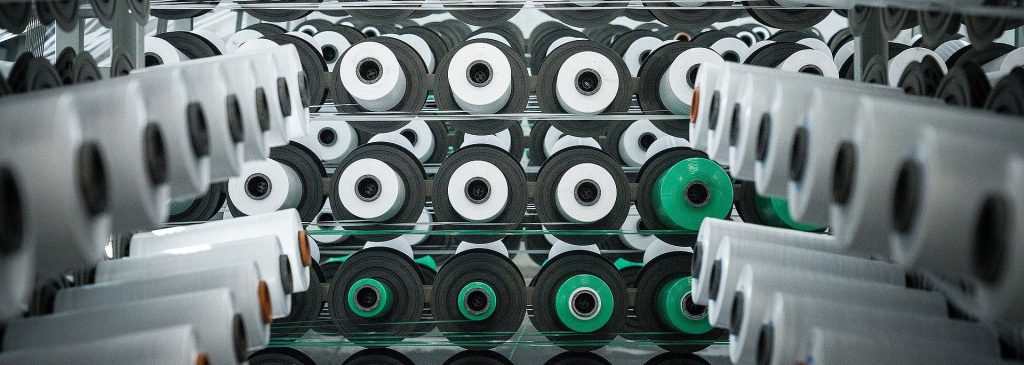
- What is Lightweight Woven Bags?
- What is the features of Lightweight Woven Bags?
- What is the production process of Lightweight Woven Bags?
- What is the application of Lightweight Woven Bags?
Introduction
In the evolving landscape of industrial packaging, the demand for materials that are both durable and lightweight has surged. Lightweight woven bags, particularly those crafted from polypropylene (PP) using fine filament technology, have emerged as a superior solution. This report delves into the benefits of these bags, explores innovations in fine filament technology, and provides guidelines for optimal storage and transportation.
Benefits of Lightweight Woven Bags
Enhanced Durability
Despite their lightweight nature, PP woven bags exhibit exceptional strength and durability. The fine filament technology employed in their production ensures resistance to tears, punctures, and abrasions, making them suitable for transporting heavy and bulky items. This durability translates to reduced product loss and increased safety during handling.
Cost-Effectiveness
The production of polypropylene is relatively inexpensive, allowing businesses to manufacture these bags within budget constraints. Their lightweight nature further reduces shipping costs, as the packaging weight becomes negligible compared to the contents. This combination of affordability and efficiency makes PP woven bags a cost-effective packaging solution. citeturn0search7
Customizability
PP woven bags can be tailored to meet specific industry requirements. Customization options include varying sizes, colors, and printing capabilities, allowing businesses to incorporate branding elements directly onto the packaging. This flexibility enhances brand visibility and meets diverse market demands.
Environmental Sustainability
These bags are reusable and recyclable, aligning with global sustainability initiatives. Their durability ensures a longer lifespan, reducing the need for frequent replacements and minimizing environmental impact.
Innovations in Fine Filament Technology
Fine filament technology involves the use of extremely thin strands in the weaving process, resulting in a fabric that is both lightweight and robust. Recent advancements have led to the development of filaments with diameters ranging from 1.8 to 2.3 millimeters, enhancing the delicacy and strength of the woven bags. This innovation contributes to improved load-bearing capacity and aesthetic appeal.
Storage Considerations
To maintain the integrity of lightweight woven bags and their contents, proper storage is crucial.
Controlled Environment
Storing these bags in a temperature and humidity-controlled environment prevents material degradation. Excessive heat and moisture can compromise the strength and durability of the polypropylene fabric.
Compression Packaging
Utilizing a 200MT pressure machine for compression packaging ensures that the bags are tightly packed, reducing their volume. This method maximizes storage space and enhances the efficiency of container utilization during transportation.
Maximizing Container Space Utilization
Efficient use of container space is vital for cost-effective logistics. Compression packaging of lightweight woven bags allows for more units to be transported within the same container, reducing shipping costs and environmental impact. Studies have shown that optimized cargo arrangement can significantly enhance space utilization, leading to economic and environmental benefits. citeturn0search2
Product Parameters
Below is a table outlining the typical parameters of lightweight PP woven bags enhanced with fine filament technology:
| Parameter | Specification |
|---|---|
| Material | Polypropylene (PP) |
| Filament Diameter | 1.8 – 2.3 mm |
| Bag Weight | 50 – 100 grams |
| Load Capacity | Up to 50 kg |
| Dimensions | Customizable |
| Color Options | Various |
| Printing Options | Custom logos and designs |
| Reusability | Multiple uses |
| Recyclability | 100% recyclable |
Frequently Asked Questions (FAQs)
**Q1: What are the primary applications of lightweight PP woven bags?**
A1: These bags are widely used in industries such as agriculture, construction, and chemicals for packaging products like grains, seeds, fertilizers, and building materials.
**Q2: How does fine filament technology enhance the quality of woven bags?**
A2: Fine filament technology utilizes thinner strands in the weaving process, resulting in a fabric that is both lightweight and strong, improving load-bearing capacity and durability.
**Q3: What are the storage recommendations for these bags?**
A3: It is advisable to store the bags in a temperature and humidity-controlled environment to prevent material degradation. Additionally, using compression packaging can optimize storage space.
**Q4: Can these bags be customized for specific needs?**
A4: Yes, PP woven bags can be customized in terms of size, color, and printing to meet specific industry requirements and branding needs.
**Q5: Are lightweight PP woven bags environmentally friendly?**
A5: Yes, these bags are reusable and recyclable, making them an environmentally sustainable packaging option.
Conclusion
Lightweight woven bags, enhanced by fine filament technology, offer a blend of durability, cost-effectiveness, and environmental sustainability. Proper storage and compression packaging further enhance their benefits, making them an ideal choice for various industrial applications. Embracing these innovations can lead to significant improvements in packaging efficiency and overall operational effectiveness.
For more insights into the versatility and strength of poly paper bags, you may refer to this resource: citeturn0search11
Additionally, for information on moisture-proof woven bags and their role in waste management, consider this article: citeturn0search1