
What Are Woven Poly Bags?
Woven Poly Bags are polypropylene (PP) textile sacks constructed from drawn PP tapes that interlace orthogonally—warp along the length, weft across the width—to form a lightweight fabric that behaves like an engineered component rather than a disposable wrapper. In daily practice you may also hear woven polypropylene bags, poly woven sacks, PP woven packaging, or poly woven industrial bags. Many names, one intent: a disciplined container for 10–50 kg of dry, flowable, or granular material that runs clean on the filler, stacks square on pallets, and arrives intact at transfer stations.
Waste management and recycling magnify the stakes. A stream is not “trash” but a moving system with quantifiable risks: shards that puncture, fines that sift, humidity that cakes, UV that embrittles, static that attracts dust. Paper loves print but wilts in the rain; mono‑film PE seals well yet slides on epoxy floors and steel forks. Woven Poly Bags occupy the productive middle—grip like a textile, seal like a film (when coated), present like a brand (when laminated). For a substrate overview, see our primer on Woven Poly Bags.
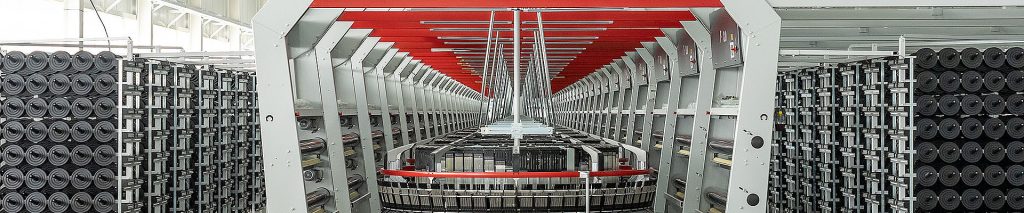
At VidePak we treat Woven Poly Bags as process components. Since 2008, our core leadership (30+ years’ field experience) has standardized performance across sites using top‑tier machinery from Germany’s W&H and Austria’s Starlinger. With 568 colleagues, 100+ circular looms, 16 extrusion lines, and 30+ lamination/printing machines, we run 100% virgin resins, hold tight dimensional tolerances, and lock brand color with spectrophotometric control—so every reorder of Woven Poly Bags behaves like your approved golden sample.
What Are the Features of Woven Poly Bags?
Strength without dead weight. The biaxially loaded lattice in Woven Poly Bags distributes stress across warp and weft, producing high puncture resistance, tear strength, and seam integrity at practical GSM. Angular demolition chips? Metal stampings? Broken ceramic? Corners stay crisp, seams stay shut, stacks stay square. Horizontal comparison: versus paper (excellent print, poor wet strength) and mono‑film PE (excellent sealing, low pallet friction), the woven PP textile balances toughness, sealability, and grip. Vertical causality: tape draw ratio → denier; denier + mesh → puncture index; stitch density/closure type → seam efficiency.
Breathable Woven Poly Bags
Durable woven polypropylene bags ideal for waste management, recycling, and eco-friendly material handling solutions.
Check More →Woven Poly Bag Core Features
High-strength woven poly bags designed for efficient waste collection, recycling storage, and industrial cleanup.
Check More →Heat-Sealed Woven Poly Bags
Leak-resistant woven polypropylene bags perfect for secure waste management and recycling transportation.
Check More →Durable BOPP Woven Poly Bags
Heavy-duty woven poly bags supporting waste management efficiency and long-lasting recycling applications.
Check More →Leak and dust control—by design, not luck. Uncoated fabric breathes: useful when damp loads must vent to avoid microbial bloom. Where fines or odors are the risk, an LDPE/PP extrusion coating (≈ 18–30 g/m²; ≈ 20–35 μm) closes inter‑yarn pores and creates a heat‑seal or pinch‑bottom interface. Add a PE inliner (clear or black, 40–80 μm) for a removable second wall; black liners add opacity for privacy and block light for photo‑sensitive additives. Seam architecture matters: sift‑proof bottoms (crepe tape + hot‑melt, folded hems, or ultrasonic on coated webs) interrupt the micro‑pathways powders exploit. Why guess, when you can specify?
Friction you can trust on imperfect floors. Smooth films can skate; woven textures grip. Woven Poly Bags inherently raise pallet friction. Where epoxy floors, high‑bay automation, or steel forks raise the stakes, matte patches or printed anti‑slip stripes push the coefficient of friction upward—calmer stacks, fewer rewraps, safer aisles. Less drama on the dock means fewer interventions and cleaner audits.
Graphics that inform, persuade, and endure. Surface flexo (1–6 colors) handles route IDs, hazard pictograms, and QR/GS1 codes. For photo‑grade branding, reverse‑printed BOPP (15–25 μm; matte, gloss, or pearlized) locks ink under film, boosting rub life per TAPPI/ASTM methods. The paradox you want—vivid panels that also shrug off clamp rub—becomes routine with Woven Poly Bags engineered for the route.
UV and weather readiness. Yard staging exposes packaging to sunlight and thermal cycles. UV‑stabilized polymer elements (typically 200–300 h class) help Woven Poly Bags maintain mechanicals and readability through the season, shrinking mid‑project replacement rates and preventing label fade that frustrates scanners.
Audit‑friendly and compliance‑ready. When specifications enter regulated corridors, polymer elements in Woven Poly Bags can align with GB 4806.7 (food‑contact plastics), FDA 21 CFR 177.1520 (olefin polymers), and EU 10/2011. We routinely qualify print rub (ASTM D5264/TAPPI T 830), drop (ASTM D5276), compression (ASTM D642), and water‑vapor transmission (ASTM E96/ISO 15106). Claims become numbers; numbers survive audits.
Sustainability pathways you can explain. PP is recyclable where streams exist. By right‑sizing denier and mesh we avoid over‑gauge material; by using mono‑material constructions (PP fabric + PP coating) we simplify downstream handling. Durability reduces rebagging and stretch‑wrap consumption. Less waste about waste.
What Is the Production Process of Woven Poly Bags?
1) Extrusion & drawing—where strength is born. Virgin PP pellets melt, cast as a thin film, slit into tapes, then drawn to orient polymer chains. Draw ratio establishes tape denier (often 700D–1200D for bag fabrics). Too little draw invites elongation and stress‑whitening under load; too much risks brittleness and poor fold behavior. The sweet spot yields tapes that weld cleanly, resist fibrillation, and carry load without needless mass—exactly what Woven Poly Bags require on fast fillers and hard floors.
2) Weaving—turning tapes into a biaxial lattice. Tapes interlace on circular looms to form tubular or flat fabric. Weave density (≈ 10×10–14×14 tapes/inch) trades flexibility and venting against fines containment and print lay‑down smoothness. Warp tension control keeps tube width stable so forming shoulders run without jams—a small setup detail, a large uptime dividend.
3) Surface engineering—coating, lamination, and inlining. LDPE/PP interlayer coatings close inter‑yarn pores and provide a sealable surface. Reverse‑printed BOPP (15–25 μm) adds a premium, scuff‑resistant face with inks protected under film. Optional PE inliners (clear/black, 40–80 μm) add a sanitary second wall; black versions attenuate light for privacy and protect photosensitive contents. Corona treatment tunes surface energy, improving ink and adhesive anchorage—because art that looks right must also stay put.
4) Printing & conversion—identity meets utility. Flexo or gravure is run to spectrophotometric targets so reorders match approved decks. The web is gusseted, cut to length, and closed by sewing (breathable builds) or by heat‑sealing/pinch‑bottom (coated/laminated builds). Options such as easy‑open tear tapes, block‑bottom geometry, and valve sleeves are chosen to match filler technology and target cycle time. Geometry serves throughput, not the other way around.
5) Quality control—turning process into proof. Inline gauges track tube width, gusset depth, squareness, registration, and stitch density. Off‑line labs verify drop (ASTM D5276), compression (ASTM D642), rub (ASTM D5264/TAPPI T 830), seal strength, and—when specified—WVTR (ASTM E96/ISO 15106). Certificates of Analysis are tied to each SKU so audits move on data, not anecdotes. Horizontal lesson: different floors and climates stress different failure modes; vertical lesson: parameter → metric → outcome.
What Is the Application of Woven Poly Bags?
Construction & demolition (C&D) streams. Concrete chips, tile shards, gypsum offcuts—abrasive, angular, unforgiving. Heavier‑GSM Woven Poly Bags with tighter mesh and sift‑proof bottoms reduce fugitive dust and tolerate clamp handling. High‑contrast print bands segregate recyclables (inert vs. timber vs. metals), lowering contamination penalties. Does a bag influence gate fees? When it guides sorting, yes.
Facility maintenance & renovation. Hospitals, campuses, malls—night crews need quiet, tidy removal. Breathable builds vent residual moisture from mop‑down tasks; coated builds contain fines from sanding and patching. QR‑enabled panels link loads to rooms and work orders, tightening chain‑of‑custody and accelerating exception handling.
Municipal leaf, yard, and street programs. Exposure is the default: sun, rain, repeat. UV‑stabilized Woven Poly Bags endure staging on curbs and trailers. Matte patches or anti‑slip stripes steady stacks; barcodes remain scannable after drizzle and rough handling, improving route verification and billing accuracy.
Manufacturing by‑products. Injection runners, trimmed plastic parts, stampings, powder overs—mixed geometries with mixed risks. Coatings curb leaks; black inliners obscure contents in public corridors; woven texture keeps pallets stable on steel forks. Horizontal view: one bag family spans plastics, metals, and powder paint rooms; vertical view: adjust coating weight and mesh to control WVTR and fines.
Event cleanup & disaster response. After storms or festivals, speed matters. Robust seams, color‑coded prints, and easy‑open tapes let crews move faster while maintaining traceability. Woven Poly Bags reduce residue on truck beds and loaders, keeping the bigger machine moving.
Reverse logistics & e‑commerce prep. Returns and repack waste flow through conveyor‑dense hubs. Laminated Woven Poly Bags resist scuffing; leak‑resistant seams keep automatic sorters cleaner for longer, raising uptime. The unseen win—less downtime, fewer stoppages—lands on the P&L.
VidePak Manufacturing Capability Snapshot
Founded in 2008, VidePak’s leadership averages 30+ years in packaging engineering. Today, 568 employees operate top‑tier platforms from Germany’s W&H and Austria’s Starlinger: 100+ circular looms, 16 extrusion lines, and 30+ lamination/printing machines. We use 100% virgin resins, support full customization and multi‑color printing, and deliver globally—United States, Europe, Brazil, South America, Southeast Asia, Japan, Korea, Central Asia, the MENA Region, East Africa, and South Africa—sustaining annual sales around USD 80 million. The operational benefit for Woven Poly Bags users: surge capacity without spec drift, color that stays on‑target, and documentation that shortens audits.
Table — Representative Parameters for Woven Poly Bags
| Parameter (for Woven Poly Bags) | Typical Range / Option | Notes |
|---|---|---|
| Capacity | 10–50 kg | Sized for hand or small‑equipment handling in waste workflows |
| Woven fabric weight (GSM) | 70–120 g/m² | Heavier GSM for sharp, abrasive debris; lower for lighter mixed waste |
| Tape denier | 700D–1200D | Denser tapes increase puncture and seam strength |
| Weave density (mesh) | 10×10–14×14 tapes/inch | Tighter mesh improves fines containment and smooths print zones |
| Flat width (tube) | 400–650 mm | Match to fill opening and pallet pattern |
| Cut length | 650–1150 mm | Planned to target stack height and compaction |
| Gusset depth | 80–180 mm | Increases cube and stack stability |
| Coating (LDPE/PP) | ≈ 18–30 g/m² (≈ 20–35 μm) | Lowers WVTR; enables heat‑seal/pinch‑bottom closures |
| Optional PE inliner | Clear/black, 40–80 μm | Second barrier; black obscures contents and blocks light |
| Bottom closure | Sift‑proof sewn; heat‑sealed/pinch‑bottom; ultrasonic (spec‑dependent) | Choose by leakproof target and filler design |
| Printing | 1–6 colors flexo; up to 8 with BOPP laminate | Spectro‑controlled color; barcode/QR windows for WMS |
| Anti‑slip features | Printed stripes / matte patches | Raises pallet friction on epoxy or painted floors |
| UV stabilization (optional) | 200–300 h class | For sun‑exposed depots and outdoor staging |
| Verification (as specified) | ASTM E96, D642, D5276, D5264/TAPPI T 830 | Barrier, compression, drop, rub; COAs tied to SKU |
Parameter windows reflect ranges widely published on Made‑in‑China, Alibaba.com, and peer supplier datasheets; final targets are validated by line trials and route testing.
- What Are Woven Poly Bags?
- What Are the Features of Woven Poly Bags?
- What Is the Production Process of Woven Poly Bags?
- What Is the Application of Woven Poly Bags?
- VidePak Manufacturing Capability Snapshot
- Table — Representative Parameters for Woven Poly Bags
- The Rising Role of Woven Poly Bags in Waste Management and Recycling
- Key Product Specifications of Woven Poly Bags
- Why Woven Poly Bags Are Essential for Waste Management
- Trends in Waste Management and the Role of Woven Poly Bags
- FAQs: Woven Poly Bags for Waste Management and Recycling
- Conclusion: The Future of Woven Poly Bags in Waste Management
- Table — Representative Parameters for Woven Poly Bags
In the modern world, waste management and recycling have become pivotal to ensuring sustainability and minimizing environmental harm. As we strive to reduce landfill waste and create a more circular economy, innovative solutions are needed across industries. Among these, woven poly bags have emerged as essential tools in effective waste management and recycling processes.
These bags, primarily made from woven polypropylene (PP) fabric, have become a go-to solution for the handling and storage of waste materials due to their strength, durability, and versatility. As industries, municipalities, and businesses alike shift toward more sustainable practices, woven poly bags are playing a critical role in ensuring that waste is managed more efficiently, safely, and with less environmental impact.
In this article, we will delve into how woven poly bags are transforming waste management and recycling, their benefits, and how their design and functionality align with current sustainability trends. We will also explore common product specifications, addressing frequently asked questions (FAQs), and providing guidance on choosing the right woven poly bags for different needs.
The Rising Role of Woven Poly Bags in Waste Management and Recycling
Woven poly bags are crucial to both commercial and municipal waste management systems. They offer an eco-friendly and practical alternative to traditional plastic bags, which often take hundreds of years to decompose. The strong and durable nature of woven poly bags, combined with their recyclability, makes them ideal for handling various types of waste. They are especially effective in managing construction debris, agricultural waste, food packaging waste, and more.
One of the reasons these bags are so effective is their construction. Woven from polypropylene, a thermoplastic polymer, these bags are lightweight yet incredibly sturdy. The weave pattern provides additional strength, allowing the bags to carry heavy loads without tearing or losing structural integrity. Furthermore, the bags are designed to be flexible and can easily be folded or stored when not in use, saving space.
Moreover, woven poly bags are typically recyclable, which is a crucial advantage in the context of growing concerns about plastic waste. Their recyclability helps minimize environmental impact and aligns with global sustainability efforts.
Key Product Specifications of Woven Poly Bags
To better understand how woven poly bags contribute to waste management and recycling, it’s important to explore their key product specifications. Below is a table highlighting some of the most common features and characteristics of woven poly bags:
| Specification | Description |
|---|---|
| Material | Polypropylene (PP) fabric, durable, strong, and lightweight. |
| Weight Capacity | Ranges from 10kg to 100kg, depending on bag size and material thickness. |
| Size | Typically ranges from 10″ x 12″ to 40″ x 48″, with custom sizes available. |
| Design Options | Available with or without handles, gussets, flat bottoms, or valve openings. |
| Recyclability | Fully recyclable, contributing to circular economy practices. |
| Customization | Can be customized with different prints, colors, and logos for branding purposes. |
| Closure Type | Options include sewn, heat-sealed, or pasted valve for secure waste containment. |
| Environmental Impact | Manufactured using eco-friendly processes and can be reused and recycled. |
Why Woven Poly Bags Are Essential for Waste Management
Woven poly bags serve multiple purposes in the context of waste management and recycling. Here are a few ways in which they stand out:
- Durability and Strength: Woven polypropylene bags can handle large, bulky items such as construction waste, metal scrap, agricultural residue, and even electronic waste. Their strength ensures that waste remains contained, reducing the chances of spills or leaks.
- Customizability: Businesses and municipalities can order woven poly bags in a variety of sizes, colors, and designs to meet specific waste management needs. For instance, different colors can be used to distinguish between recyclable and non-recyclable waste, facilitating easier sorting.
- Ease of Use: Woven poly bags are easy to fill, transport, and store. With designs like open mouths, valve openings, and side gussets, they are suited for a wide range of applications. Furthermore, they are lightweight and can be folded to save space when not in use.
- Environmental Benefits: The increasing demand for sustainable packaging solutions has led to a rise in the popularity of woven poly bags. As these bags are made from polypropylene, they can be recycled, which helps minimize the use of virgin plastics and reduces the overall carbon footprint of waste management processes.
- Cost-Effectiveness: Woven poly bags offer an affordable alternative to other waste containment options. Due to their durability and longevity, they can be reused multiple times, reducing the overall cost of waste management.
- Safety and Containment: For businesses handling hazardous or bulky materials, woven poly bags offer an added level of safety. Their robust design keeps materials securely contained, mitigating the risk of exposure to harmful substances or waste.
Trends in Waste Management and the Role of Woven Poly Bags
As waste management and recycling evolve, woven poly bags continue to play an important role in addressing new challenges. Several trends are currently shaping the future of waste management, and woven poly bags are increasingly aligned with these developments.
- Circular Economy: The concept of the circular economy—where waste materials are reused, recycled, and repurposed—has gained significant traction in recent years. Woven poly bags fit perfectly within this model as they are recyclable, reusable, and often made from recycled materials themselves.
- Government Regulations: With many countries now implementing stricter waste management regulations, businesses must find packaging solutions that comply with these new standards. Woven poly bags, with their recyclability and durable construction, are a preferred choice for waste containment and recycling.
- Waste Segregation: Proper waste segregation is crucial for effective recycling. Woven poly bags help streamline this process by providing an easy-to-use, customizable solution for sorting different types of waste. By using color-coded or labeled bags, businesses can ensure that recyclable materials are easily identified and processed accordingly.
- Smart Waste Management: As technology advances, so does the field of waste management. The use of smart sensors and IoT-enabled systems in waste collection is on the rise. Woven poly bags, due to their versatility and adaptability, are compatible with such systems, helping businesses track waste levels, monitor bag usage, and optimize collection routes.
FAQs: Woven Poly Bags for Waste Management and Recycling
1. Are woven poly bags biodegradable? Woven poly bags are not biodegradable, but they are recyclable. Their recyclability ensures they can be reused in various applications, helping to reduce overall waste and promote sustainability.
2. Can woven poly bags be used for hazardous waste? Yes, woven poly bags can be used for hazardous waste management. They provide a secure and durable solution for containing materials such as construction debris, chemicals, and electronic waste, especially when combined with appropriate labeling and handling practices.
3. What are the size options for woven poly bags? Woven poly bags come in a wide range of sizes, from small bags (e.g., 10″ x 12″) for lighter waste to large bulk bags (e.g., 40″ x 48″) for heavy-duty applications. Custom sizes are also available based on specific needs.
4. How are woven poly bags different from regular plastic bags? Woven poly bags are made from woven polypropylene, which makes them stronger, more durable, and more suitable for handling heavy or bulky materials compared to regular plastic bags. They also offer better recyclability.
5. Are there environmentally friendly woven poly bags? Yes, woven poly bags are an environmentally friendly choice for waste management and recycling. They are made from recyclable materials and can be reused multiple times, minimizing waste generation.
Conclusion: The Future of Woven Poly Bags in Waste Management
As industries and municipalities continue to seek more sustainable solutions for waste management and recycling, woven poly bags are proving to be indispensable tools. Their strength, durability, customizability, and recyclability align perfectly with the growing emphasis on sustainability and efficient waste management practices.
For more information on how woven poly bags can enhance your waste management efforts, check out our detailed analysis on waste management solutions with woven bags.
In addition, woven poly bags’ versatility in handling various types of waste ensures they will remain a crucial part of recycling efforts for years to come. For businesses looking to improve their waste disposal practices, these bags offer an effective and eco-friendly solution.