
What is Recyclable PP Bags?
Recyclable PP Bags are engineered, heavy‑duty sacks made from woven polypropylene (PP) tapes that are drawn for high tensile strength, then optionally laminated, printed, and converted into formats that match chemical‑industry fillers and logistics. In sourcing notes and plant slang they’re also described as mono‑material PP woven sacks, BOPP‑laminated recyclable PP bags, recyclable block‑bottom valve bags, or rPP‑content woven bags (featuring recycled polypropylene). Different aliases, one substrate: a PP‑only architecture (resin code “5”) designed to carry dense powders and prills, protect graphics in abrasive chains, run fast on gravity/impeller/auger lines, and return cleanly to PP recycling streams. For a quick orientation or specification baseline, explore Recyclable PP Bags.
From a systems perspective, packaging for chemicals is never a single choice; it’s a chain: polymer → tape draw → weave density → film/ink stack → closure geometry → pallet behavior → regulatory labeling → end‑of‑life sorting. Where does risk enter, and where can it be engineered out? Recyclable PP Bags exist precisely to tighten that chain—mechanically (strength and seams), operationally (filling speed and stack stability), and environmentally (mono‑material recovery with auditable paperwork).
Horizontal thinking: compare them with paper multiwall, PE mono‑film, or rigid pails; each alternative solves one pain and creates another. Vertical thinking: descend layer by layer—from resin selection to barcode contrast—to see how decisions compound across production, transport, and recycling. The conclusion inside the process (not at the end of this text): when you align materials, geometry, and documentation, Recyclable PP Bags perform like a cohesive system rather than a decorated container.
What is the features of Recyclable PP Bags?
Strength‑to‑weight efficiency for dense products. Oriented PP tapes (≈600–1200 denier) in 9×9 to 14×14 ends/inch weaves deliver high tensile and tear resistance at low mass. A lighter bag that carries more sounds paradoxical; it isn’t. Orientation creates load paths; balanced weaves preserve them. The result for 10–50 kg chemical SKUs: security without over‑engineering.
Mono‑material logic that simplifies recovery. Scrim + BOPP face + PP‑compatible extrusion tie keeps the whole build in resin code “5,” aligning with ISO 18604:2013 and EN 13430 recyclability frameworks. Where policy and supply chains allow, 10–30% rPP (post‑consumer/post‑industrial) can be introduced with third‑party verification (UL 2809, SCS Recycled Content, RecyClass). A bag that protects product today while protecting credibility tomorrow—that’s the point.
Optical durability under abrasion. Reverse‑printed BOPP (≈18–30 μm) traps ink under film. Conveyors scuff film, not graphics; pallets rub surfaces, not brand equity. Gloss for color depth; matte for low glare and scanner hit‑rate. Need a transparent cue? Register a window to show granule size without surrendering billboard space.
Geometry and closures that respect fillers. Recyclable PP Bags scale across open‑mouth (sewn/heat), pinch‑bottom, and block‑bottom with valve sleeves. Self‑closing valves accelerate granular salts and prills; heat‑seal/ultrasonic valves lock down fine, aerated powders; tuck‑in sleeves allow QA re‑opens without knives. Geometry is not cosmetic—brick‑like bases increase pallet density, reduce lean, and shorten deployment time.
ESD‑aware options for dust‑hazard zones. Where combustible dusts or vapors exist, dissipative laminations and compatible liners can keep surfaces within the dissipative band; operational grounding during fill reduces nuisance shocks and dust cling. For bulk formats, Type C/D FIBCs are specified to IEC 61340‑4‑4 with L‑class liners; sack‑size builds borrow the same logic in right‑sized form.
Documentation that passes audits. Mechanical baselines reference GB/T 8946‑2013; food‑contact variants (edible salts, baking additives) document FDA 21 CFR §177.1520 and EU 10/2011 migration; chemical transparency (inks, antistats, slip agents) follows REACH (EC 1907/2006) SVHC and RoHS 2011/65/EU statements. Where dangerous goods rules apply, customers may specify UN 5H* woven‑plastic designations under ADR/IMDG/IATA (scope‑dependent).
Data reinforcement. Mainstream listings show meshes 10×10–14×14; BOPP 18–30 μm; extrusion tie 12–25 μm; print up to 7–9 colors; back‑panel COF tuning ≈ 0.35 static / 0.30 kinetic. Field rub tests repeatedly favor reverse‑printed faces over surface‑printed films; tilt‑table checks confirm that COF‑tuned backs reduce lateral slip in mixed‑SKU stacks.
Case insight. A mineral salts producer shifted 25‑kg SKUs to matte‑BOPP Recyclable PP Bags with heat‑sealed valves and 60 μm PP liners. Two quarters in: spill complaints down; barcode mis‑reads in misty depots down; recycler acceptance up because delamination steps were unnecessary—proof that mono‑material is an operational win, not merely a brochure claim.
Comparative view. Paper multiwall prints beautifully but slumps in humidity and abrades quickly. Mono‑PE film seals fast but stretches and scuffs in pallet towers. Rigid tubs survive abuse but punish freight and warehouse cube. Recyclable PP Bags balance these trade‑offs—industrial toughness, shelf‑level legibility, and PP‑stream recovery.
What is the production process of Recyclable PP Bags?
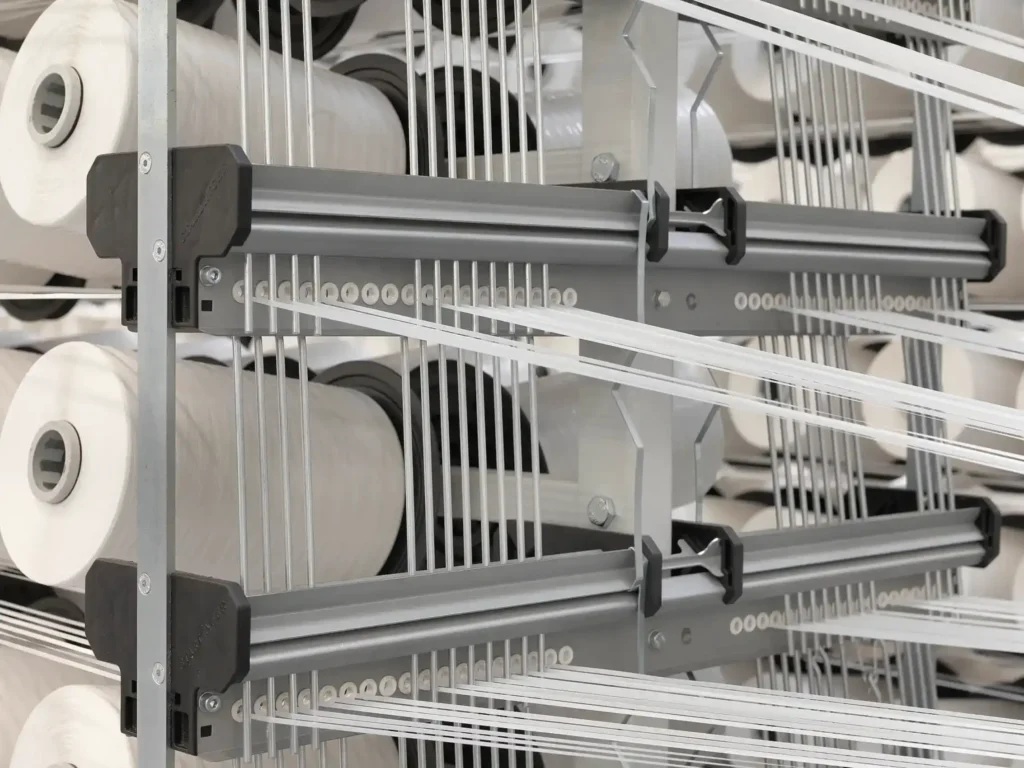
1) Tape extrusion & drawing. Virgin or qualified recycled PP pellets are extruded to film, slit into tapes, and drawn to orient chains. Quality gates: denier uniformity (tight CV%), gel count, shrink behavior, and UV masterbatch dosing where yard storage or outdoor retail displays are likely. Strength is “earned” here; downstream steps can only preserve or squander it.
2) Weaving. Tapes become tubular or flat fabric at 9×9–14×14 ends/inch. Balanced warp/weft tension improves seam efficiency and print register; loom‑oil discipline protects downstream adhesion. Think of weaving as setting the structural rhythm that every other step must follow.
3) Lamination/coating. Reverse‑printed BOPP (≈18–30 μm) is bonded using a PP/PE extrusion tie (≈12–25 μm) or PP‑compatible solventless adhesive. Targets: dyne ≥ 38 dyn/cm, peel within spec, pinhole minima, optical clarity/haze tuned for barcode contrast and any planned windows.
4) Printing. Flexographic/gravure systems deliver 7–9 colors with tight registration. Variable data (GHS/CLP pictograms, batch IDs, SDS QR, recycling marks) is planned for low‑glare zones and scanner curvature. The rule is simple: the film wears; the graphics shouldn’t.
5) Conversion. Bodies are cut; bottoms formed (sewn/pinch or hot‑air welded block‑bottom); mouths hemmed (open) or fitted with valve sleeves (self‑close/heat‑seal/ultrasonic). Micro‑perfs vent air on fluffy powders; anti‑slip emboss tunes COF. Conversion is where millimeters become hours saved on the line.
6) Testing & release. Dimensions; seam/tear metrics (e.g., ASTM D5034/D5035); drop behavior (ASTM D5276 reference); COF (ASTM D1894 reference); ink rub; where relevant, food‑contact migration per EU 10/2011/FDA 21 CFR §177.1520. Certificates of Analysis bind results to lot IDs; third‑party pages (SGS/Intertek/TÜV) satisfy tenders and ESG due diligence.
Vertical causality. Extrusion earns strength → weaving fixes structure → lamination defines optics and barrier → printing delivers persuasion and traceability → conversion calibrates line speed and closure behavior → testing turns promises into proof. Break a link and the whole chain pays; tune each link and the bag behaves like a system.
What is the application of Recyclable PP Bags?
Inorganic salts & fertilizers. Dense, sometimes hygroscopic, often abrasive. Heat‑sealed valves and PP liners (40–80 μm) keep dust in and moisture out; block‑bottom geometry prevents lean during long yard storage. Problem: humidity and handling abuse; method: sealed valves + liners + squared bases; result: fewer sift claims, neater pallets, calmer audits.
Polymer resins & masterbatches. Granules must pour cleanly with minimal fines. Self‑closing valves speed cycles on impeller fillers; matte BOPP curbs glare for fast scanning during high‑throughput picking. Question: speed or cleanliness? Answer: both, with the right sleeve and finish.
Pigments, fillers & additives. Fine powders are aeration‑prone. Higher mesh (12×12–14×14), ultrasonic or heat‑sealed valves, and optional dissipative laminations improve housekeeping and worker comfort. Contrast: a dusty aisle vs. a disciplined pack—same product, different system.
E‑commerce bulk & hardware. Absorbents, pellets, non‑haz solids must survive belts and trucks while staying scannable. Reverse‑printed BOPP protects graphics; tuned COF backs keep mixed stacks aligned. Result: faster turns, fewer returns.
Horizontal & vertical thinking combined. Horizontally, Recyclable PP Bags replace paper‑poly hybrids, mono‑PE films, and rigid tubs across logistics models; vertically, each SKU’s particle size, bulk density, and humidity exposure steer mesh, film finish, valve type, and liner choice. Strategy meets physics, and physics wins—so we design with it.
What is the application of Recyclable PP Bags in Chemical Compliance & ESG?
Regulatory dossiers(纵向分析). GHS/CLP pictograms and statements stay legible because artwork lives under BOPP; hazardous‑substance attestations (routine REACH SVHC and RoHS statements) are available for inks/additives; recyclability marks print the resin code 5 PP with references to ISO 18604/EN 13430 (plus domestic marks like GB/T 16288 where required). For dangerous goods within scope, UN 5H* woven‑plastic codes may be specified under ADR/IMDG/IATA guidance.
ESG alignment(横向分析). Environmental: mono‑material PP reduces contaminated‑bale deductions at MRFs; UV stability extends useful life; accurate COF reduces over‑wrap waste. Social: clearer icons and QR‑linked SDS access help multilingual teams; lighter mass per safe working load eases manual handling strain. Governance: lot‑level COAs, recycled‑content certificates (UL 2809/SCS/RecyClass), and traceability compress audit cycles and defend claims.
Case insight. A regional additive blender standardized to Recyclable PP Bags with matte BOPP, heat‑sealed valves, and prominent “5 PP” marks. Vendor qualification sped up; dust events at fillers dropped; distributors’ bale‑back acceptance rose because delamination wasn’t required—compliance enabling operations, not fighting them.
Comparative lens. Paper‑poly hybrids complicate MRF sorting; mono‑PE film scuffs and stretches; rigid pails inflate freight. Recyclable PP Bags occupy the practical middle—readable, durable, recoverable.
Parameter & Compliance Summary (Typical, Real‑World Ranges)
Calibrate these to your filler, route, and regulatory scope. Ranges mirror mainstream converter datasheets and platform listings.
| Attribute | Typical Options/Range | Notes |
|---|---|---|
| Capacity classes | 10, 20, 25, 40, 50 kg | Dense chemical SKUs |
| Fabric weave | 9×9 to 14×14 ends/inch | Higher mesh → finer print & dust control |
| Tape denier | ~600–1200D | Tune to load & tear targets |
| Fabric GSM | ~80–120 g/m² (sacks); heavier for 50‑kg | Balance strength and mass |
| BOPP film | ~18–30 μm (gloss/matte); window optional | Reverse‑printed; ink under film |
| Tie/coat layer | ~12–25 μm PP/PE extrusion tie | PP‑compatible for PP‑stream recycling |
| Bottom style | Block‑bottom (hot‑air welded) or sewn/pinch | Stand‑up stability |
| Closure | Open‑mouth (sewn/heat) or valve (self‑close/heat‑seal/ultrasonic) | Match to aeration & voyage length |
| Liner | PP liner 40–80 μm (optional) | Moisture/odor control; mono‑material |
| COF target | ~0.35 static / 0.30 kinetic (back panel) | Anti‑slip pallet behavior |
| UV stabilization | 400–1600 h accelerated exposure classes | Outdoor yard resilience |
| Compliance set | ISO 18604:2013, EN 13430, GB/T 8946‑2013, ISO 9001:2015, ISO 14001:2015, REACH/RoHS; food builds may add FDA/EU 10/2011 | Documentation ships with lots |
Buying Template (Problem → Parameters → Proof)
State the problem. “We need 25‑kg chemical bags that run on impeller fillers, stay scannable in humid depots, and qualify for PP‑stream recycling in our EPR market.”
Translate to parameters. 12×12 mesh; 95 g/m² fabric; BOPP 25 μm matte; anti‑slip back COF 0.35/0.30; block‑bottom; heat‑sealed valve; 60 μm PP liner; dyne ≥38; UV‑stabilized tapes; rPP 20% verified; 7–9 color print; prominent “5 PP” mark.
Specify proof. COA carrying ASTM D5034/D5035, D5276, D1894; migration pages if food‑contact salts; REACH/RoHS statements; recycled‑content certificate (UL 2809/SCS/RecyClass); recyclability per ISO 18604/EN 13430; QR‑linked traceability.
In the industrial sector, the need for reliable, durable, and environmentally responsible packaging solutions has never been more critical. Recyclable PP bags have emerged as a premier choice for packaging a variety of chemical products and raw materials, including fertilizers, plastic pellets, activated carbon, carbon black, and disinfectants. These bags not only provide the strength and resistance required to safely transport these materials but also align with global sustainability goals. VidePak, a leading manufacturer of Recyclable Woven Bags, is at the forefront of this movement, offering high-quality, customizable solutions that meet the rigorous demands of the chemical industry while promoting environmental stewardship.
The Growing Demand for Recyclable PP Bags in the Chemical Industry
The chemical industry requires packaging solutions that are both robust and versatile. Recyclable PP bags are made from polypropylene, a material known for its high tensile strength, resistance to chemicals, and lightweight properties. These features make them ideal for packaging a wide range of chemical products, from fertilizers that need protection against moisture and contamination to plastic pellets that require durable and tear-resistant bags for safe transportation.
One of the most significant advantages of Recyclable PP bags is their ability to be reused and recycled. As industries worldwide shift towards more sustainable practices, the use of recyclable packaging has become increasingly important. These bags can be recycled into new products, reducing the demand for virgin materials and minimizing waste. This aligns with the growing emphasis on circular economy principles, where products are designed to be reused, repaired, or recycled at the end of their life cycle.
VidePak’s Recyclable PP sacks are designed with these principles in mind. The company’s commitment to sustainability is reflected in its use of high-quality, recyclable materials and its focus on manufacturing processes that minimize environmental impact. By choosing VidePak’s PP Woven Bags, companies in the chemical industry can ensure that their packaging not only meets functional requirements but also supports their environmental goals.
Key Applications of Recyclable PP Bags in Chemical Packaging
Recyclable PP bags are used extensively in the chemical industry for packaging a wide variety of products. Some of the most common applications include:
- Fertilizers: Fertilizers are often packed in Recyclable Woven Bags due to their need for moisture resistance and protection from external contaminants. These bags provide a strong barrier against moisture, ensuring that the fertilizers remain dry and effective until they are ready to be used. Additionally, the strength of these bags prevents tearing and spillage during transportation, which is crucial for maintaining product integrity.
- Plastic Pellets: Plastic pellets, which are the raw material for many plastic products, require packaging that can withstand rough handling and heavy loads. Recyclable PP sacks offer the durability needed to transport these pellets safely. Their resistance to punctures and tears ensures that the pellets remain contained, preventing loss and contamination.
- Activated Carbon: Activated carbon is used in various applications, including water purification and air filtration. It is often packaged in Recyclable PP bags to protect it from moisture and contamination. The woven structure of these bags provides excellent protection while also allowing for proper ventilation, which is essential for maintaining the quality of the activated carbon.
- Carbon Black: Carbon black, a fine powder used in the production of tires, inks, and coatings, requires packaging that prevents leakage and exposure to air. Woven Recyclable Bags are ideal for this purpose, offering a secure and airtight solution that protects the carbon black during transportation and storage.
- Disinfectants: Disinfectants and other chemical granules need packaging that can resist chemical reactions and prevent contamination. Recyclable PP bags are chemically inert, making them suitable for containing various disinfectants without the risk of reaction or degradation of the bag material.
Customization and Compliance: Meeting Industry Standards
In addition to their versatility and strength, Recyclable PP bags can be customized to meet the specific needs of the chemical industry. VidePak offers a range of customization options, including size, color, and printing, allowing companies to tailor the bags to their branding and functional requirements. For example, bags can be printed with safety instructions, handling guidelines, and company logos, making them both functional and a tool for brand visibility.
Moreover, compliance with industry standards and regulations is crucial in the chemical sector. VidePak’s Recyclable PP sacks are manufactured in accordance with strict quality control measures to ensure they meet all necessary safety and performance standards. This includes testing for strength, resistance to chemicals, and environmental factors such as UV exposure. By adhering to these standards, VidePak ensures that its products are safe and reliable for packaging hazardous and non-hazardous chemical products.
VidePak’s Commitment to Quality and Sustainability
At VidePak, the focus is not just on producing high-quality Recyclable Woven Bags, but also on doing so in a way that is environmentally responsible. The company sources its polypropylene materials from trusted suppliers who share its commitment to sustainability. These materials are carefully selected and tested to ensure they meet the highest standards for recyclability and performance.
The manufacturing process at VidePak is designed to minimize waste and energy consumption. Advanced machinery and techniques are used to ensure that the production of PP Woven Bags is as efficient as possible, reducing the overall environmental footprint of the product. Additionally, VidePak has implemented a comprehensive recycling program within its facilities, where production waste is collected and reprocessed into new materials.
VidePak’s dedication to sustainability extends beyond its products. The company is actively involved in initiatives aimed at reducing plastic waste and promoting recycling. This includes working with industry partners to develop new recycling technologies and participating in programs that encourage the use of recyclable materials in packaging.
Conclusion
Recyclable PP bags are a vital component in the packaging of chemical products, offering a durable, versatile, and sustainable solution. Whether used for fertilizers, plastic pellets, activated carbon, carbon black, or disinfectants, these bags provide the necessary protection and compliance with industry standards. VidePak, with its commitment to quality and sustainability, leads the way in manufacturing Recyclable Woven Bags that meet the rigorous demands of the chemical industry while supporting environmental goals. By choosing VidePak’s PP Woven Bags, companies can ensure that their packaging is not only effective but also aligned with the principles of a circular economy, contributing to a more sustainable future for the industry and the planet.