
Introduction: The Role of FIBC Bags in Modern Industry
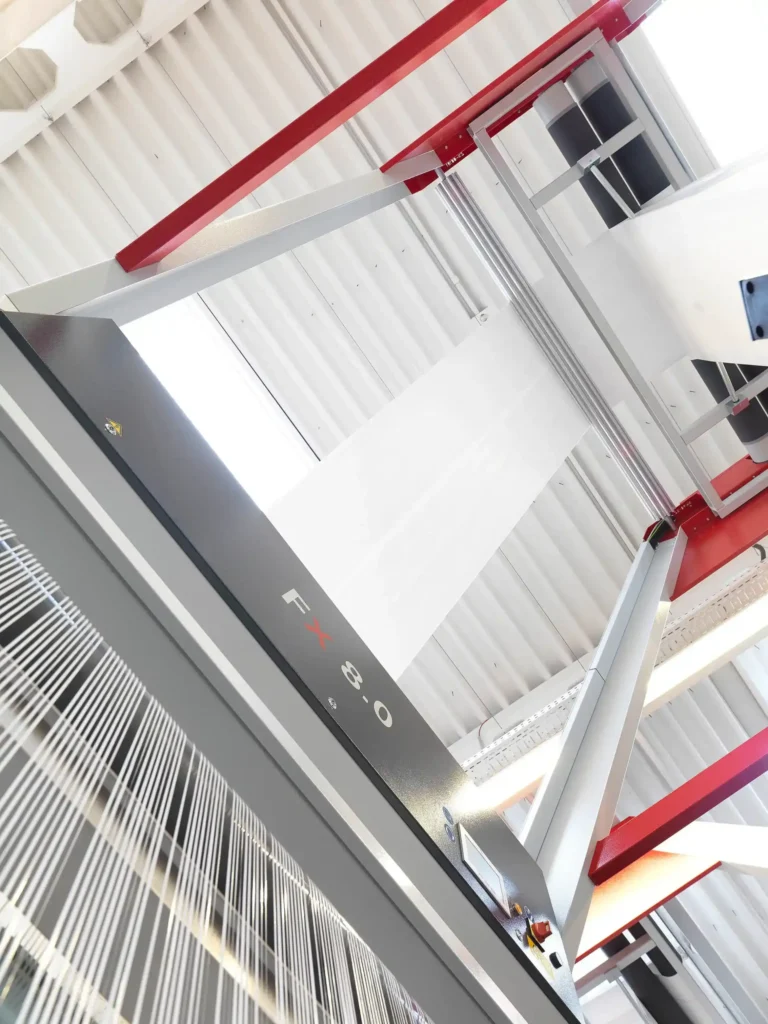
What are FIBC Bags?
FIBC Bags—widely known as Flexible Intermediate Bulk Containers, bulk bags, big bags, and super sacks—are high‑capacity containers sewn from woven polypropylene (PP) that safely move dry flowables in the ~500–2,000 kg class. Sub‑families include baffle/Q‑bags for square shape retention, food‑grade FIBCs manufactured under hygiene controls, and electrostatic Type A/B/C/D builds for powder safety. Regardless of the nickname, the constant is a lightweight, high‑tenacity PP fabric married to engineered lifting loops, fill/discharge modules, and optional liners. Put differently: a structural textile that behaves like a container.
From a systems viewpoint, FIBC Bags sit at the intersection of materials science, process engineering, and compliance. The chain runs polymer selection → tape drawing → weave density → seam architecture → lift geometry → filling/discharge behavior → pallet & racking dynamics → regulatory labeling → end‑of‑life. Each decision either damps risk or amplifies it. When we talk about Sustainable Practices with FIBC Bags, the decisive question is not “Are they recyclable?” but “How do design, operations, and documentation interlock so these containers genuinely re‑enter value chains?” For readers wanting a sourcing entry point, see FIBC Bags.
Horizontal and vertical thinking. Horizontally, compare FIBC Bags to steel drums, rigid IBCs, and multiwall sacks: drums are rugged but heavy; rigid IBCs store liquids brilliantly but don’t fold; paper sacks are fiber‑recoverable yet limited in safe working load (SWL) and humidity resistance. Vertically, zoom down the stack: a tweak in tape denier shifts seam design; moving from Type C to Type D alters grounding SOPs; switching from lay‑flat to form‑fit liners changes discharge residuals. Sustainability lives where these cross‑currents meet.
What is the features of FIBC Bags?
Designed sustainability, not sloganized.
FIBC Bags enable circularity through mono‑material shells (PP bodies, PP loops, PP spouts) and detachable liners that keep polymer streams clean. Because typical body fabrics sit in the 140–240 g/m² range while achieving 5:1 (single‑trip) or 6:1 (multi‑trip) safety factors per common practice aligned with ISO 21898, tare mass stays low, freight intensity falls, and waste from premature failure is avoided. UV stabilization, reinforced seams, and optional baffles extend useful life in yards and reduce emergency overwraps.
Electrostatic safety matched to real powders.
Type A (no static features) is restricted to non‑flammable atmospheres; Type B fabric reduces propagating brush discharges; Type C integrates conductive grids and must be grounded during fill/discharge per IEC 61340‑4‑4; Type D dissipates charge to air without external grounding—useful where earthing logistics are inconsistent.
Hygienic, fast fill and discharge.
Top modules include open top, duffle (skirt), or filling spout (Ø ≈ 35–50 cm). Bottom modules include flat, discharge spout (Ø ≈ 30–40 cm) with petal safety, full‑open, or conical bottoms for cohesive powders. Form‑fit liners remove creases that trap fines, lifting sanitation and yield, while dust‑controlled chutes keep the air clean.
Circular logistics features that actually work.
QR‑linked instructions for de‑lining and baling, resin‑code marks (PP5/PE4), and color‑coded panels shorten sorting time at warehouses and reclaimers. Baffle/Q‑bag geometry maintains a square profile, raising truck cube utilization—less air shipped, fewer trips.
Compliance that stands up to auditors.
Plant systems typically hold ISO 9001:2015 and ISO 14001:2015; product performance follows ISO 21898 for non‑dangerous goods, and UN 13H1–13H4 codes where hazardous goods apply; electrostatics validated to IEC 61340‑4‑4; optional food‑contact liner declarations under FDA 21 CFR §177.1520 / EU 10/2011. Recycled‑content assertions can be supported by UL 2809, SCS Recycled Content, RecyClass, or chain‑of‑custody such as ISCC PLUS when rPP is specified.
Data reinforcement.
Converter datasheets and platform listings (Made‑in‑China/Alibaba) routinely cite: body dimensions ~90×90×110 cm for 1‑ton fills; fabric 140–240 g/m²; loop height 250–300 mm; liners 60–120 μm in LDPE/LLDPE or multilayer with EVOH; safety factor 5:1 or 6:1; baffle panels for cube efficiency. These ranges are echoed on factory COAs.
Case insight.
A minerals shipper replaced non‑baffled four‑loop sacks with Type D baffle FIBC Bags. Trailer cube improved by ~18%, grounding‑related stoppages fell to zero, and dust at discharge measurably declined. The uplift came from geometry, ESD type, and liner design working together—not from a single tweak.
Comparative lens.
Drums: indestructible feel, punishing tare and cube. Rigid IBCs: great for liquids, poor flat storage. Multiwall sacks: strong fiber story yet capped SWL and moisture tolerance. FIBC Bags hit the feasible middle—high SWL, fold‑flat returns, credible circularity when specified with intent.
What is the production process of FIBC Bags?
1) Tape extrusion & drawing.
Virgin or qualified recycled PP is extruded as a film, slit to tapes, and orientation‑drawn. QC monitors denier uniformity, gel count, shrink behavior, and UV masterbatch dosing. Vertical causality: stable tapes → predictable loom behavior → consistent lift tests.
2) Weaving & coating.
Circular or flat looms produce fabric at 140–240 g/m². Optional PP coating 20–40 μm raises dust control and printability. Type C fabrics interweave conductive yarns; Type D embeds static‑dissipative technology.
3) Cutting & printing.
Body panels, skirts, spouts, and reinforcement patches are cut. Low‑glare zones are reserved for barcodes; GHS icons and handling arrows are applied via direct flexo to coated panels.
4) Assembly & sewing.
Loops—corner, cross‑corner, or tunnel—are stitched; baffles installed for Q‑bags; seam allowances and stitch patterns standardized to protect lift integrity. Conical bottoms are added where flow aids are needed.
5) Liner insertion (optional).
Lay‑flat or form‑fit liners (LDPE/LLDPE 60–120 μm; multilayer with EVOH where O₂/odor barrier is required) are tab‑sealed or glued to prevent creep and slough.
6) Testing & release.
Top‑lift, stacking, topple, righting, and drop tests per ISO 21898 (or UN 13H* sequences if dangerous goods are in scope). Electrostatics for Type C/D verified to IEC 61340‑4‑4. Food‑contact lots add migration documentation against FDA 21 CFR §177.1520 / EU 10/2011. Site governance: ISO 9001/14001; often BRCGS Packaging/FSSC 22000 for food‑grade rooms.
System thinking in practice.
Raise GSM and lift margin goes up—but fold‑flat returns may suffer. Switch to form‑fit liners and discharge cleans up—but liner cost and lead time climb. Add baffles and trailer cube improves—but sewing tolerances tighten. Sustainable practice is balancing these trade‑offs against a simple objective function: safety + cost + CO₂ per delivered ton.
What is the application of FIBC Bags?
Chemicals & minerals.
Fertilizers, salts, silica, carbon black, limestone: contradictory demands—dust control versus discharge speed, static safety versus throughput. Pair Type C or D fabrics with the right grounding strategy; choose discharge spouts with petal locks for controlled evacuation; specify conical bottoms for cohesive powders.
Polymers & masterbatches.
Resin pellets and color concentrates require clean pourability and low contamination risk. FIBC Bags with filling spouts dock to vacuum loaders; form‑fit liners eliminate liner fold pockets; matte print panels keep scanners honest in bright warehouses.
Food & feed.
Sugar, rice, pulses, powdered milk, and kibble rely on hygiene controls and traceability. Food‑grade rooms, metal detection, vacuum cleaning, and tamper‑evident ties raise confidence; QR‑linked COAs accelerate audits and recalls if ever needed.
Construction & bulk commodities.
Sand, aggregate, cement need bruiser‑level durability. Coated fabric boosts abrasion resistance; tunnel loops enable single‑operator moves; Q‑baffles keep pallets square on racking.
Waste & recycling.
From absorbents to PP regrind, emphasis lands on safe manual handling and crystal‑clear labeling. Color‑coded print zones and oversized icons reduce sorting errors and near‑misses.
Problem → Method → Result → Discussion.
Problem: move dense or dusty goods across variable climates without static incidents, spills, or leaning stacks. Method: match ESD type → select loop geometry and baffles → pick top/bottom modules → align liner and coating to hygroscopy → lock the test/report set. Result: fewer stoppages, cleaner transfers, calmer dashboards. Discussion: when Type D justifies its premium; when conical bottoms repay on cohesive powders; how baffles change warehouse cube math.
What is the application of FIBC Bags in Sustainable Operations?
Closed‑loop pilots that scale.
Start with mono‑PP shells, detachable liners, and printed disassembly cues. Use QR codes to log collection, baling, and reprocessing. Partner with reclaimers that accept PP5 bales; keep liner streams separate when EVOH barriers are present.
ESG metrics that move.
Environmental (E): baffles raise truck cube utilization; durable fabrics reduce product loss; mono‑material shells simplify recycling. LCA per ISO 14044 shows lower CO₂ per delivered ton when FIBC Bags replace drums for dry bulk at comparable safety. Social (S): tunnel loops lower strain by enabling one‑person lifts; pictograms aid multilingual crews; dust‑controlled spouts improve air quality. Governance (G): lot‑linked COAs, on‑pack ESD type, and recycled‑content certificates (UL 2809/SCS/RecyClass) convert sustainability claims into audit‑ready evidence.
Cross‑industry analogy.
What stabilizes a masonry wall—flat units, staggered courses, secure ties—also keeps baffle FIBC Bags square. What makes a returnable crate successful—clear labeling and easy cleaning—also drives FIBC circularity: readable marks and liners that truly come out.
Case vignette.
A fertilizer exporter launched a bale‑back program using mono‑PP shells, removable PE liners, and on‑pack instructions. Within two quarters, return rates exceeded 60%, while Type D adoption eliminated grounding delays at satellite fill sites.
Parameter & Certification Summary (Typical, Real‑World Ranges)
Numbers reflect mainstream converter datasheets and platform listings; align your final spec with product density, route, equipment, and regulatory scope.
| Attribute | Typical Options/Range | Notes |
|---|---|---|
| Safe Working Load (SWL) | 500, 1,000, 1,250, 1,500, 2,000 kg | Select per density & lift plan |
| Safety Factor (SF) | 5:1 single trip, 6:1 multi‑trip | Per ISO 21898/common practice |
| Body Size | ~90×90×110 cm (1‑ton); up to ~110×110×150 cm | Driven by density & truck cube |
| Fabric GSM | 140–240 g/m² | Higher GSM for abrasion/UN builds |
| Coating | PP coat 20–40 μm (optional) | Dust control, printability |
| Loops | Corner / cross‑corner / tunnel; 250–300 mm | Handling method decides |
| Baffles | Sewn panels or integrated baffle fabric | Square profile, higher pallet density |
| Top Options | Open, duffle (skirt), filling spout Ø 35–50 cm | Match to filler & dust targets |
| Bottom Options | Flat, discharge spout Ø 30–40 cm, full‑open, conical | Flow‑aid for cohesive powders |
| Liners | LDPE/LLDPE 60–120 μm; multilayer w/EVOH | Aroma/O₂ barrier, hygiene |
| ESD Type | A/B/C/D per IEC 61340‑4‑4 | Grounding rules for Type C |
| UN Codes (DG) | 13H1–13H4 (where in scope) | Dangerous goods performance |
| Food Contact | FDA 21 CFR §177.1520, EU 10/2011 (liners) | Migration docs & LoGs |
| Site Certifications | ISO 9001:2015, ISO 14001:2015, BRCGS/FSSC 22000 (food grade) | Governance & hygiene |
| Circularity Docs | UL 2809/SCS/RecyClass; ISCC PLUS (if rPP used) | Recycled‑content & chain‑of‑custody |
Data Reinforcement • Case Analysis • Comparative Research
Data (quantified).
Baffle FIBC Bags routinely deliver 15–30% better trailer/pallet cube than non‑baffled equivalents at equal SWL; Type D fabrics cut static‑related stoppages where grounding is inconsistent; form‑fit liners reduce residual product after discharge compared with lay‑flat liners, raising material yield.
Case (operational).
An API intermediate shipper upgraded to Type C FIBC Bags with verified grounding and form‑fit liners. QA holds shrank, nuisance discharges vanished, and batch‑to‑batch cleanup time fell thanks to lower particulate carryover—safety and throughput rising together.
Comparison (decision aid).
Steel drums: maximum ruggedness, minimal cube efficiency. Rigid IBC totes: ideal for liquids, poor flat storage. Multiwall paper: lower SWL, high fiber recovery, moisture‑sensitive. FIBC Bags: light tare, fold‑flat returns, high SWL, credible circularity—when specified with mono‑PP bodies, detachable liners, and clear on‑pack instructions.
Buying Template (Problem → Parameters → Proof)
State the problem. “We need 1‑ton packaging for a slightly cohesive mineral powder that must run in a zoned room, discharge into a screw conveyor without dust plumes, and support a bale‑back program.”
Translate to parameters. Body 95×95×120 cm; fabric 200 g/m² coated; Type D FIBC Bags; Q‑baffles; filling spout Ø 45 cm; conical bottom with discharge spout Ø 35 cm + petal; form‑fit EVOH liner 90 μm; tunnel loops 280 mm; SF 6:1; UV‑stabilized; print GHS + QR + PP5/PE4 marks.
Specify proof. Top‑lift/stack/drop/righting per ISO 21898 (or UN 13H* where in scope); IEC 61340‑4‑4 ESD report; liner migration (FDA/EU) if food; site ISO 9001/14001 and BRCGS/FSSC 22000 (if food grade); COA with dimensional, seam, and liner leak‑test data; recycled‑content or chain‑of‑custody certificates where rPP is used.
Result to expect. Faster fills, cleaner discharges, calmer EHS dashboards—and a packaging system that turns sustainability from a promise into a process.
In today’s industrial landscape, FIBC Bags (Flexible Intermediate Bulk Containers) have become indispensable for the transportation and storage of bulk materials. These durable, large-scale containers are used across various industries, from agriculture to construction, offering a practical solution for handling materials such as grains, chemicals, and building supplies. However, as the world increasingly turns its attention toward environmental sustainability, the role of Bulk bags in waste management and recycling has come under scrutiny. The intersection of FIBC Bags with waste disposal practices and government regulations is becoming increasingly important, particularly as global industries face tighter environmental standards.
The Growing Importance of Waste Management and Recycling
The use of Woven Bulk Bags has grown exponentially due to their versatility and efficiency in handling bulk materials. However, this widespread use also presents challenges in terms of waste management and environmental impact. Disposing of these bags, especially after they have been used to transport hazardous or non-recyclable materials, requires careful consideration.
Traditionally, many Bulk bags were simply discarded after use, contributing to the growing problem of industrial waste. With millions of these bags being produced and used annually, their disposal posed significant environmental challenges. Non-biodegradable materials like polypropylene (PP), which is commonly used in the production of FIBC Bags, can take hundreds of years to decompose, adding to the burden on landfills and the environment.
In response to these concerns, there has been a strong push toward the development and implementation of recycling programs specifically for Woven Bulk Bags. This involves not only the recycling of the bags themselves but also the proper handling and disposal of the materials they carry. Recycling FIBC Bags can reduce the environmental impact by reclaiming the polypropylene material, which can then be reused in the production of new bags or other plastic products.
Government Regulations and the Drive for Sustainability
Governments around the world are increasingly enacting regulations aimed at reducing industrial waste and encouraging recycling. These regulations often include specific guidelines for the use and disposal of FIBC Bags. For instance, many countries now require companies to follow stringent rules regarding the treatment of hazardous materials transported in Bulk bags. These rules ensure that the bags and their contents are handled in a way that minimizes environmental damage.
In the European Union, regulations such as the Waste Framework Directive and the Packaging and Packaging Waste Directive set clear standards for the recycling and disposal of industrial packaging materials, including FIBC Bags. These directives require that a certain percentage of industrial packaging be recycled and that companies take responsibility for the lifecycle of the products they produce and use. This regulatory framework has driven innovation in the design and production of Woven Bulk Bags, encouraging manufacturers to develop bags that are easier to recycle and more environmentally friendly.
In the United States, similar regulations are in place under the Resource Conservation and Recovery Act (RCRA), which governs the disposal of solid and hazardous waste. Companies using FIBC Bags to transport hazardous materials must comply with specific guidelines for their safe disposal or recycling. Non-compliance can result in significant fines and legal consequences, making it imperative for businesses to stay abreast of these regulations.
VidePak’s Commitment to Sustainable FIBC Bag Production
As a leading manufacturer of FIBC Bags, VidePak is deeply committed to sustainability and responsible waste management. Understanding the critical role that these bags play in modern industry, VidePak has taken proactive steps to ensure that its products not only meet the highest standards of quality and safety but also contribute to a more sustainable future.
VidePak employs a closed-loop production process that emphasizes recycling and waste reduction. By using high-quality, recyclable polypropylene in the production of Bulk bags, VidePak ensures that its products can be fully recycled at the end of their lifecycle. The company’s production facilities are equipped with advanced recycling technology that allows them to reclaim and reuse material from used bags, reducing the need for virgin materials and minimizing waste.
Moreover, VidePak is actively engaged in research and development to improve the recyclability of its FIBC Bags. This includes experimenting with different types of PP that can be more easily broken down and reused, as well as developing new designs that make the bags easier to disassemble and recycle. These innovations not only help reduce the environmental impact of the bags but also comply with increasingly stringent government regulations.
VidePak also works closely with its clients to educate them about the importance of proper disposal and recycling of Woven Bulk Bags. This includes providing detailed guidelines on how to clean and prepare used bags for recycling, as well as offering take-back programs where clients can return their used bags for responsible disposal or recycling. By fostering a culture of sustainability, VidePak helps ensure that its products do not contribute to the growing problem of industrial waste.
The Future of FIBC Bags in Waste Management
As industries worldwide continue to grapple with the challenges of waste management and environmental sustainability, the role of FIBC Bags is likely to evolve. Companies will need to adopt more sustainable practices, not only in the production of these bags but also in their use and disposal. This will require a concerted effort from manufacturers, regulators, and end-users alike.
For manufacturers like VidePak, the future lies in continuing to innovate and improve the sustainability of FIBC Bags. This includes developing new materials and production techniques that reduce the environmental impact of the bags, as well as expanding recycling programs and improving the infrastructure for waste management.
In addition, government regulations will likely become even more stringent, pushing companies to adopt best practices in waste management and recycling. Compliance with these regulations will not only be a legal requirement but also a competitive advantage, as consumers and clients increasingly demand environmentally responsible products.
By staying at the forefront of these developments, VidePak is well-positioned to lead the industry in sustainable FIBC Bags production. The company’s commitment to quality, innovation, and environmental responsibility ensures that it will continue to play a vital role in the future of bulk packaging, helping to shape a more sustainable and eco-friendly industry.