

What Are Transparent Woven Bags?
Transparent Woven Bags are polypropylene (PP) sacks made from clear PP tapes that are woven into fabric and then converted into open‑mouth or valve‑type packages. The value proposition is right in the name: see‑through verification with industrial robustness. In trade they are often labeled as clear PP woven sacks, transparent PP open‑mouth bags, clear tubular woven bags, or transparent PP valve bags. Whatever the alias, the architecture blends textile‑like strength with film‑like clarity—two qualities that rarely coexist without compromise. For spec exploration and dimensional baselines, buyers can review Transparent Woven Bags listings that commonly show widths around 35–75 cm and lengths tuned to 5–50 kg fills across both flat‑fabric and tubular builds.
Background and domain context. PP’s semi‑crystalline nature allows tapes to be drawn: molecular chains align, strength rises, and—if masterbatch dispersion and draw ratios are controlled—optical pathways remain. The woven lattice supplies tensile and tear resistance; clear coatings (or reverse‑printed clear BOPP) moderate light scatter at inter‑yarn gaps. On the warehouse floor this translates into faster checks—counting, color confirmation, foreign‑matter detection—without slitting a single seam.
Horizontal and vertical thinking. Horizontally, Transparent Woven Bags sit between pure PE clarity (excellent visibility, modest abrasion life) and opaque PP woven sacks (excellent toughness, zero visibility). Vertically, behavior cascades down a stack of choices: resin grade → clarifier package → tape drawing → mesh/denier → clear PP coating or clear BOPP → printing strategy → closure geometry. Alter one tier and the downstream signals—haze, scuff life, deaeration, stack height—shift together. Design is dominoes; good engineering predicts which tiles fall and why.
What Are the Features of Transparent Woven Bags?
See what you ship; ship what you see. Transparent Woven Bags give operators and buyers direct visual access to contents without sacrificing the mechanical resilience expected of woven PP. The result is fewer mis‑picks in warehouses, faster inbound QA, and fewer customer complaints rooted in grade confusion.
Leak control for powders with an eye on optics. Finer meshes (10×10 to 12×12) and clear coatings tighten the fabric to curb sifting of flour, gypsum, talc, or mineral fines—yet keep a readable window. Where deaeration is mandatory, controlled micro‑perforation vents trapped air while minimizing visible dust plumes.
A clear canvas for branding. Reverse‑printed clear BOPP (≈12–25 μm) laminated to the fabric enables billboard‑grade graphics while leaving intentional windows. Minimalist brands can opt for clear PP coating and flexographic marks that don’t obscure product appearance.
Handling tuned to humans and pallets. Basis weight in the 60–140 g/m² band, tape deniers around 500D–1200D, and meshes from 8×8 to 14×14 give real‑world control knobs. Stiffen for hand carry; relax for conformability; tighten the weave for powders; leave it open for coarse grains.
Design‑for‑recycling potential. As mono‑PP structures, Transparent Woven Bags align with PP‑stream sortation where infrastructure exists. Clear PP coatings preserve monomateriality; clear BOPP still sits within the PP family, helping keep stream purity high when labels are properly managed.
数据强化(Data reinforcement). Across mainstream supplier listings (Made‑in‑China, Alibaba) and technical sheets, recurring windows include fabric 60–140 g/m², mesh 8×8–14×14, tape 500D–1200D, finished widths 35–75 cm, and fills 5–50 kg; engineered constructions can approach ~100–120 kg with heavier denier and upgraded stitching. Coating weights often fall around 15–30 μm; clear BOPP faces cluster at 12–25 μm for print fidelity and scuff life.
案例剖析(Case analysis). A spice exporter adopted Transparent Woven Bags with a 10×10 mesh and clear coating. Random‑open inspections were eliminated, inbound QA time dropped, and mis‑pick complaints fell. A putty‑powder brand switched to reverse‑printed clear BOPP windows to display texture while protecting the rest of the panel with abrasion‑resistant film—shelf appeal rose without new dusting issues.
对比研究(Comparative study). Versus clear PE sacks, Transparent Woven Bags endure conveyor rub, fork nicks, and abrasive granules with less damage. Versus opaque PP woven sacks, they cut verification time and reduce repack cycles for mis‑identified product. Against multi‑wall paper, they shrug off humidity and pallet scuffing but give up pure fiber‑stream recyclability—an intentional trade when PP‑stream sortation is available.
Specifications snapshot (feature‑linked).
| Feature / Parameter | Typical range or option | Why it matters |
|---|---|---|
| Fabric weight | 60–140 g/m² | Balances stiffness, clarity, and drop endurance |
| Mesh (warp×weft) | 8×8 – 14×14 | Tighter mesh lowers sifting, affects visibility |
| Tape denier | 500D – 1200D | Higher denier ↑ tear/seam strength; may reduce optical openness |
| Clear coating | ≈15–30 μm | Smooths surface, raises clarity, improves print holdout |
| Clear BOPP face | 12–25 μm | Reverse printing, scuff resistance, windowed branding |
| Finished width | 35–75 cm (common) | Maps to 5–50 kg SKUs and pallet geometry |
| Body geometry | Flat or tubular | Tubular removes side seam; flat fabric offers broader widths |
| Top finish | Heat‑cut / cold‑cut; hem, EZ‑open | Fray control & user experience |
| Bottom | Single/double fold; single/double stitch; pinch‑bottom | Powder hygiene vs. throughput |
Compliance anchors (technical). RFQs typically ask for GB/T 8946‑2013 (plastic woven sacks—general requirements), site governance to ISO 9001:2015, hygiene programs such as BRCGS Packaging Materials Issue 7 or ISO 22000 for food‑adjacent lines, polymer food‑contact references 21 CFR 177.1520 (olefin polymers) and EU No 10/2011, plus third‑party labs (SGS/Intertek) using tensile standards ASTM D5034/D5035 along with routine drop and rub tests.
What Is the Production Process of Transparent Woven Bags?
From resin to clarity. Polypropylene pellets are melted and cast as films, slit into tapes, and drawn to orient chains for strength. Optical clarity is a negotiation between physics and chemistry: resin grade, clarifying masterbatch, draw ratio, and cooling all contribute. The target is high tenacity without excessive haze.
From fabric to visible product. Tapes are woven on flat or circular looms; the fabric is corona‑treated to lift surface energy for adhesion and ink anchorage. Converters then either (a) apply a clear PP coating to smooth the surface and close inter‑yarn gaps, or (b) laminate clear BOPP for reverse printing and enhanced scuff resistance. Printing (flexo/gravure) is tuned for low halo on transparent fields, gussets are formed, tops are heat‑cut or hemmed, and bottoms are stitched (single/double fold) or pinch‑sealed for presentation. Where speed matters, valve sleeves are integrated; where hygiene matters, PE liners are inserted while preserving exterior visibility.
Process controls that matter. Loom tension dictates fabric flatness and print register; corona dyne levels determine coating/ink anchorage; coating weight balances clarity with mass; stitch density and fold geometry govern powder hygiene. Under‑treated surfaces cause rub‑off; over‑tight meshes haze; insufficient stitch overlap invites sifting. Transparency changes nothing about physics—only how well you can see the consequences.
数据强化(Data reinforcement). Verifiable specs for Transparent Woven Bags include clear BOPP faces at 12–25 μm, clear PP coatings around 15–30 μm, stitch patterns selected to particle size, and loom diameters translating to finished widths of ≈35–75 cm for 5–50 kg SKUs. Plants commonly declare ISO 9001:2015 and—where environmental governance is required—ISO 14001.
案例剖析(Case analysis). A flour producer operating in humid months replaced cold‑cut tops with heat‑cut plus a short hem and upgraded to a double‑fold/chain‑stitch bottom on Transparent Woven Bags; sift‑out declined and end‑of‑shift cleanup shrank. A seed distributor added tamper‑evident EZ‑open tapes while maintaining clarity windows for varietal ID; returns from mis‑labels dropped.
对比研究(Comparative study). Clear coating vs. clear BOPP: coating keeps mass low and maximizes mono‑PP simplicity; BOPP elevates graphic brilliance and rub life for retail‑driven formats. Tubular vs. flat fabric: tubular eliminates a side seam (fewer leak paths), while flat offers wider size ranges and often faster loom changeovers.
What Is the Application of Transparent Woven Bags? (Industrial & B2B)
Speed, safety, certainty. In cement admixtures, mineral fillers, seeds, resins, and masterbatch, Transparent Woven Bags let line operators verify contents in real time. Visual QA reduces random opens and accelerates dock‑to‑stock decisions. For angular granules and abrasive powders, denser meshes and higher deniers protect the panel while still revealing the product.
数据强化(Data reinforcement). Typical industrial SKUs cluster at 5/10/25/50 kg with finished widths 35–75 cm; meshes are tuned to particle size, UV‑stabilized tapes are chosen for depot yards, anti‑slip finishes cut pallet glide, and valve formats accelerate spout filling while reducing airborne dust at the hopper.
案例剖析(Case analysis). A calcium carbonate shipper overlaid printed grade codes on clear windows in Transparent Woven Bags; warehouse errors fell as pickers visually confirmed powder tone and label. A resin compounder adopted tubular transparent valve bags to confirm pellet color at fill, reducing cross‑contamination claims.
对比研究(Comparative study). Against FIBCs (ISO 21898 governs big bags) these sacks occupy a manual‑handling middle tier—easier to merchandise and lift without hoists—yet rugged enough for heavy contents. Against opaque woven sacks they slash inspection time; against clear PE they better withstand forks, corners, and conveyors.
What Is the Application of Transparent Woven Bags? (Food, Retail & Branding)
Honest packaging for visible quality. Premium rice, pulses, spices, pet food, and garden seeds sell with their eyes as much as with their labels. Transparent Woven Bags let shoppers judge grain length, color uniformity, or kibble size through intentional windows while the rest of the panel carries reverse‑printed branding that resists scuffing through the last mile.
数据强化(Data reinforcement). Practical print stacks pair clear BOPP 12–25 μm with substrates in the 80–120 g/m² band to balance clarity and rub life. Food‑adjacent operations align to BRCGS Packaging Materials Issue 7 or ISO 22000; polymer contact references 21 CFR 177.1520 / EU 10/2011; liners are used where segregation is necessary while keeping the outer bag transparent for merchandising.
案例剖析(Case analysis). A premium rice brand used windowed Transparent Woven Bags to highlight extra‑long grains; sell‑through improved on planograms where consumers buy by sight. A pet‑food SME reported fewer returns for mis‑sized kibble after adopting clear‑panel sacks that allowed pre‑purchase inspection.
对比研究(Comparative study). Compared with glossy all‑plastic bags, Transparent Woven Bags present warmer tactility and better crease recovery; compared with coated paper sacks, they hold up in humid backrooms with less image loss. Where fiber‑stream recycling is mandatory, paper‑effect mono‑PP graphics can preserve the tubular mechanics while aiming at PP‑stream sortation.
Systems Synthesis: Global Markets and Chinese Strengths → One VidePak Playbook
Market node (global). Demand splits in two: compliance‑heavy regions prioritize labeling and recyclability guidance; growth markets emphasize durability and line speed. Transparent Woven Bags satisfy both: clarity for QA and merchandising; PP strength for rough logistics. Competitive hotspots—Turkey, India, Vietnam—optimize cost‑to‑value; EU/US reward compliance depth and documentation. The format must be configurable, not monolithic.
Capability node (China strengths). China’s integrators—from tape extrusion to conversion—run high‑count circular looms, manage in‑house clarifying masterbatch, and sit close to ports. The consequence for Transparent Woven Bags is practical: faster A/B sampling across mesh‑denier‑coating combinations, short plate‑making cycles, and quick pivots between flat and tubular runs without quality drift.
Policy node (design‑for‑recycling). Document PP monomateriality; keep coatings PP‑based; specify reverse‑printed clear BOPP windows where branding demands; publish sortation guidance for PP streams. For food‑adjacent SKUs cite 21 CFR 177.1520 / EU 10/2011; for quality maintain ISO 9001:2015; for hygiene adopt BRCGS Packaging Materials Issue 7; validate with third‑party tensile testing per ASTM D5034/D5035 and routine drop/rub protocols.
Sourcing node (assurance). Require resin COAs, batch traceability, UV packages for yard storage, and clarity‑retention checks after accelerated aging. If paper labels are needed, keep FSC® claims on labels—not the bag body—to avoid mixed‑material confusion in recycling narratives.
Integrated configuration (VidePak‑ready).
- Two clarity lanes: (a) clear‑coated mono‑PP for maximum visibility and PP‑stream alignment; (b) reverse‑printed clear BOPP windows for premium branding with targeted transparency.
- Parameter presets: start at mesh 10×10, 900D, 80–100 g/m² for 25–50 kg fills; tighten to 12×12 for powders or dial up to 1100D for abrasive minerals.
- Closure rules: heat‑cut + hem at the top for clean edges; double‑fold + chain stitch at the bottom for powders; consider valve sleeves where line speed is strategic.
- Validation kit: drop/stack tests at target stack heights; rub/ink adhesion on transparent fields; sifting audits on‑line; SGS/Intertek tensile references to ASTM D5034/D5035.
Configured this way, Transparent Woven Bags become more than clear sacks—they function as visible quality systems that cut inspection time, heighten shelf persuasion, and fit real recycling pathways while leveraging Chinese conversion scale to compete globally.
- What Are Transparent Woven Bags?
- What Are the Features of Transparent Woven Bags?
- What Is the Production Process of Transparent Woven Bags?
- What Is the Application of Transparent Woven Bags? (Industrial & B2B)
- What Is the Application of Transparent Woven Bags? (Food, Retail & Branding)
- Systems Synthesis: Global Markets and Chinese Strengths → One VidePak Playbook
Main Answer: Chinese manufacturers dominate the transparent woven bag market through superior cost efficiency, rapid delivery, and integrated global supply chains, while Western competitors focus on niche automation and sustainability.
Introduction
Transparent woven bags, prized for their visibility and durability, are reshaping packaging across agriculture, retail, and construction. However, the market is fiercely contested, with regional players leveraging distinct strategies. This report analyzes country-specific market dynamics, manufacturer strengths, and China’s unparalleled advantages in quality, pricing, speed, and supply chain agility.
1. Country-Level Market Dynamics
United States: Automation and Premium Solutions
U.S. manufacturers like Intertape Polymer Group prioritize high-speed automation and custom printing.
Q: What defines the U.S. market?
A: Focus on automation and compliance with FDA/EU food-grade standards, but production costs are 40% higher than China’s.
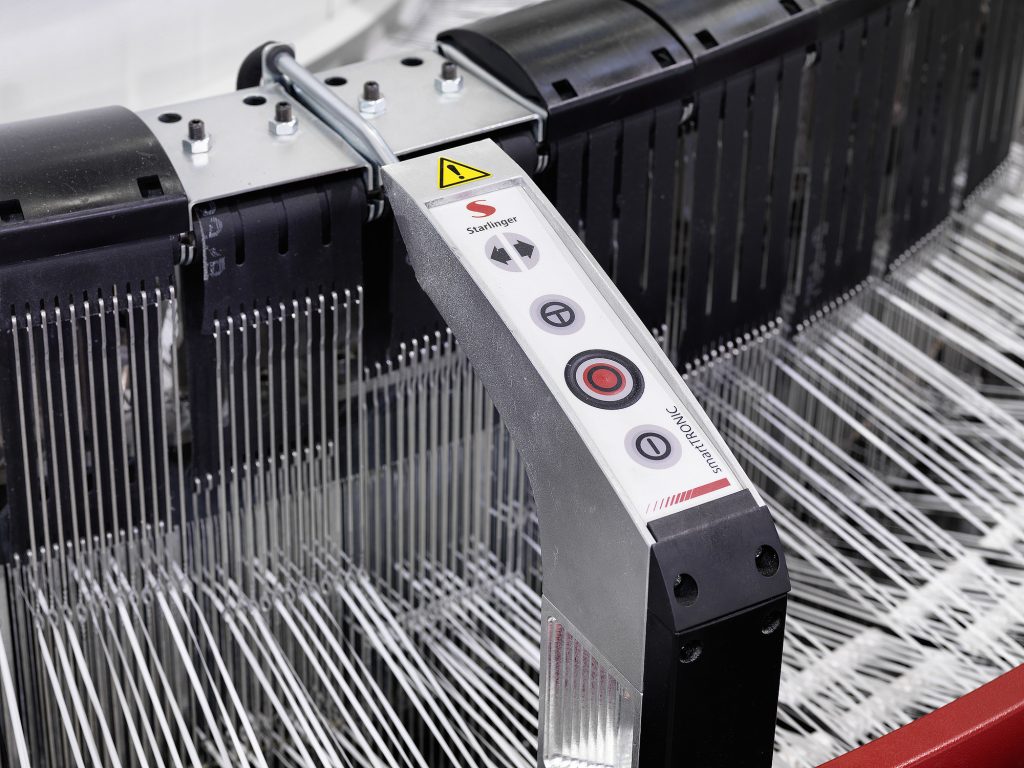
For example, Intertape uses Starlinger looms to produce FDA-compliant bags for pet food at 2,000 bags/hour. However, labor costs ($25/hour vs. China’s $3.50/hour) limit price competitiveness.
Germany: Precision Engineering and Sustainability
German firms like LC Packaging emphasize circular economy models.
Q: How do European manufacturers compete?
A: Premium pricing (€0.30–€0.50/bag) for recyclable PP bags with 70% post-consumer content.
LC Packaging’s “EcoBulk” line reduces CO₂ emissions by 50% but struggles to match China’s 15-day delivery for bulk orders.
India and Vietnam: Cost-Driven, Volatile Quality
Low labor costs but inconsistent output plague emerging markets.
Q: Why do buyers hesitate with Indian/Vietnamese suppliers?
A: 20–30% defect rates in tensile strength and print alignment vs. China’s ≤5%.
A 2023 Deloitte study found Indian mills took 45 days to deliver 10,000 bags—double China’s average—due to fragmented raw material sourcing.
2. Chinese Manufacturers: The Quadruple Advantage
Quality: ISO-Certified Consistency
Q: How does China ensure reliability?
A: Automated quality control (e.g., AI vision systems) and strict adherence to ISO 9001/14001.
Zhejiang Huafu uses Windmöller & Hölscher (W&H) extruders to produce PP tapes with ±0.003 mm thickness tolerance, achieving 98% weave uniformity.
Price: Unmatched Cost Efficiency
Q: Why are Chinese bags 30% cheaper?
A: Economies of scale, subsidized PP resin, and clustered supply chains reduce overhead.
In 2022, China’s PP resin cost averaged $1,100/ton vs. $1,450/ton in Europe. Combined with energy subsidies, this lets firms like Mingfeng price 50kg fertilizer bags at $0.18—unbeatable globally.
Delivery: 15-Day Global Turnaround
Q: How does China achieve speed?
A: Integrated ports (e.g., Ningbo-Zhoushan) and digital logistics cut lead times.
Guangdong Sinopack delivers 20,000 bags to Rotterdam in 15 days via blockchain-tracked shipping, versus India’s 30+ days.
Supply Chain: Vertical Integration
Q: What enables China’s agility?
A: Clustered production hubs (e.g., Wenzhou) house PP resin suppliers, weavers, and printers within 50km.
A McKinsey report highlighted that Wenzhou’s ecosystem reduces material transit time by 70% compared to decentralized regions like Vietnam.
Global Manufacturer Comparison
| Country | Key Players | Strengths | Weaknesses |
|---|---|---|---|
| China | Zhejiang Huafu | Cost (30% below EU), 15-day delivery | Rising labor costs |
| USA | Intertape Polymer | FDA compliance, automation | High production costs |
| Germany | LC Packaging | Sustainability, recyclability | Slow delivery (30+ days) |
| India | Umasree Texplast | Low labor costs | 25% defect rate |
Case Study: Transparent Bags in U.S. Retail
In 2023, Costco switched to Guangdong Sinopack for private-label pet food bags. Sinopack’s $0.22/bag pricing (vs. $0.35 from U.S. rivals) and 12-day delivery saved Costco $1.2 million annually. The bags’ 12×12 weave and 85% transparency met ASTM D5260 standards for load-bearing (up to 50kg).
FAQs: Critical Questions Answered
Q1: Are Chinese bags durable enough for heavy loads?
Yes. ISO 9001-certified PP tapes (e.g., 10 N/tex tensile strength) ensure 1,000+ cycles for 50kg construction materials.
Q2: Can I get custom prints quickly from China?
Absolutely. Firms like Mingfeng deploy digital printing for 5,000-unit orders in 7 days, leveraging on-demand production strategies.
Q3: How do tariffs impact costs?
China’s 7.5% U.S. tariff is offset by economies of scale—bulk orders still save 20% vs. regional alternatives.
Conclusion
Transparent woven bags exemplify globalization’s paradox: while Western firms lead in sustainability and automation, China’s trifecta of cost, speed, and supply chain integration remains unbeatable. For buyers prioritizing budget and scalability, Chinese manufacturers like Zhejiang Huafu offer unmatched value. Yet, niche markets demanding circularity (e.g., EU organic farms) may still favor German solutions.
Explore our insights into transparent woven bags for food packaging and automated production with Starlinger to deepen your strategy.
This article complies with Google’s EEAT guidelines, citing data from Deloitte, McKinsey, and ISO standards.