
What is Transparent Woven Bags?
Transparent Woven Bags are heavy‑duty PP or PE woven sacks clad with high‑clarity skins so operators and end‑users can assess contents at a glance—without knives, without sampling cuts, without guesswork. In product catalogs they may appear as clear PP woven sacks, see‑through woven bags, crystal‑coat woven sacks, or transparent PP/PE laminated woven bags. Different labels, same thesis: retain the tensile backbone of woven tape fabrics while adding a transparent, sealable layer that preserves visibility, deters sifting, and resists scuff and pallet abrasion.
From a systems angle, Transparent Woven Bags live where textile mechanics (tape denier, mesh count, tear path) intersect optical polymer science (haze, luminous transmittance, gloss, UV stability), intersect automation (FFS sealing windows, infeed friction, cut accuracy), and intersect compliance (food‑contact migration, coefficient of friction, drop tests). Horizontally, the design borrows from flexible films (clarity metrics under ASTM D1003), from woven sacks (tensile and dimensional checks under ISO 23560:2015 / GB/T 8946‑2013), and from logistics (pallet COF and cube). Vertically, it runs resin → tape → fabric → transparent coating/laminate → printing → converting → QA → field performance. For adjacent specifications within a unified portfolio, see Transparent Woven Bags.
Systems view — sub‑problems and solution levers
Material stack. Structural core in woven PP (mesh 10×10–12×12; ~60–110 gsm) or woven PE; clear PP/PE sealing layer ~20–30 µm (extrusion coated or laminated); optional clear liner ~15–40 µm for hygroscopic goods. Levers: gsm and denier for puncture and stiffness; coating thickness for seal strength and optics; UV package ~0.3%–1% for sun.
Optical performance. Clarity and toughness must co‑exist. Low haze and high luminous transmittance (per ASTM D1003) are balanced against abrasion resistance. Levers: PP random copolymer vs. PE blends; chill‑roll temperature; over‑varnish choice (matte vs. satin) that preserves the window.
Closure physics. Heat‑seal for FFS cadence (SIT typically ~160–190 °C for PE‑rich skins) or sewn‑open‑mouth (SOM) with single/double chain‑stitch for manual/semi‑auto lines. Levers: jaw pressure/dwell validated with ASTM F88 peel; turned‑top hems; crepe/anti‑sift tapes.
Handling & COF. Film‑to‑film and bag‑to‑belt COF per ISO 8295 / ASTM D1894; micro‑emboss or satin varnish tunes traction so pallets hold without infeed “skiing.”
Transparent Window Woven Bags
Visible woven bag design, boosting overall efficiency in product packaging and transportation.
Check More →BOPP Laminated PP Woven Bags
High-transparency laminated woven bags optimized for logistics and efficient storage.
Check More →BOPP Laminated Bag Solutions
Transparent woven packaging solutions that streamline handling and transport workflows.
Check More →Laminated PP Woven Bags
Clear laminated woven materials, delivering high efficiency for daily packaging and transit.
Check More →Mechanical integrity. Filled‑bag drops by ISO 2248; tensile/tear under woven‑sack frameworks (e.g., ISO 23560:2015, GB/T 8946‑2013). Corners ride on denier and fold geometry—transparency does not excuse fragility.
Hygiene & contact. For food‑adjacent use, plastics align to EU 10/2011 and FDA 21 CFR 177.1520; low‑odor ink/varnish sets are preferred; paper plies are avoided to protect clarity and recyclability.
Data reinforcement: B2B listings consistently cite 5/10/20/25/50 kg capacities, widths 350–600 mm, woven fabric ~60–110 gsm, coatings ~20–30 µm, and optional clear liners ~15–40 µm—ranges mirrored across multiple converters. Case analysis: Increasing a clear coat from 20 µm to 25 µm raised seal peel (F88) but nudged COF upward, requiring a small conveyor angle change—an example of why specifications are systems, not islands. Comparative study: Versus opaque woven PP, transparency reduces inspection time; versus PE film bags, woven bodies outperform on puncture and corner rub; versus BOPP laminates, plain PP coats improve recyclability at the cost of photo‑level gloss.
What is the features of Transparent Woven Bags?
See more, guess less. The window is a promise: count units, judge pellet color, confirm lot markings—fast. QC becomes observation, not surgery.
Strength without apology. The woven core carries the load; the clear skin shields against scuff and splash. Fork tines, pallet corners, stretch‑wrap friction—Transparent Woven Bags are specified to shrug off transport insults.
Sealing control at speed. On FFS lines, transparent PE/PP skins deliver defined SIT and hot‑tack; on SOM cells, stitch geometry plus turned hems reduce sifting. The top holds when it should and opens when it must.
Engineered friction, calmer pallets. COF targets per ISO 8295 / ASTM D1894 keep tiers from skating while allowing clean transfers. Gussets ~60–120 mm stabilize cube; combined gsm ~80–100 gsm curbs corner “dish.”
Optics that last the miles. Transparent—and still printable. Reverse‑print a small label window or surface‑print with protective varnishes; legibility matters at the end of the journey as much as at the beginning.
Sustainability pathways. Mono‑polyolefin builds (PP fabric + PP or PE skin + optional PP/PE liner) simplify sorting versus mixed laminates. Durability reduces rebagging—the quiet waste that rarely shows on dashboards.
Data reinforcement: COF windows 0.28–0.45 and seal ranges 160–190 °C appear repeatedly on supplier sheets for film‑to‑film interfaces. Case analysis: A seed distributor switched to Transparent Woven Bags (90 gsm core + 25 µm clear PP coat). Random QC openings halved; SKU verification on mixed pallets sped up; “wrong variety” returns fell. Comparative study: Transparent woven vs. clear PE film—both show contents, but woven corners survive forklifts; transparent woven vs. opaque woven—both are strong, only one saves inspection time.
What is the production process of Transparent Woven Bags?
1) Resin & masterbatch. Choose PP/PE grades matched to tape extrusion and clarity goals; dose UV ~0.3%–1% for yard exposure; use pigments sparingly to preserve window transparency.
2) Tape extrusion & weaving. Extrude and orient tapes; weave 10×10–12×12 mesh at ~60–110 gsm. Denier sets puncture path and corner strength; weave balance governs lay‑flat and machine tracking.
3) Transparent coating/lamination. Apply clear PP or PE skins ~20–30 µm via extrusion coating or solventless lamination. Control haze/transmittance (ASTM D1003), bond strength, curl, and baseline COF.
4) Printing (optional). Reverse‑print label windows or surface‑print with low‑odor flexo/gravure; add matte/satin over‑varnish to resist scuff without clouding the view.
5) Slitting, gusseting, tubing. Slit to width (350–600 mm typical), introduce ~60–120 mm gussets, and form tubes with controlled overlap so the window lands exactly where operations need it.
6) Conversion path A — SOM sacks. Fold and sew bottoms; prep tops for single/double chain‑stitch with turned hems and optional crepe tape for sift‑proofing.
7) Conversion path B — FFS sacks or rollstock. Feed tubular woven webs to FFS; form bottoms in‑line; fill and top‑seal using the transparent skin. Photo‑eye marks safeguard cut accuracy without printing over the window.
8) QA & compliance. Validate COF (ISO 8295 / ASTM D1894), drop (ISO 2248), tensile/tear (ISO 23560/GB), optics (ASTM D1003), and, when relevant, migration compliance (EU 10/2011, FDA 21 CFR 177.1520). Plants often run ISO 9001 and may add BRCGS Packaging or ISO 22000/FSSC 22000 for hygiene.
Data reinforcement: Converters routinely publish seal windows ~160–190 °C with dwell 0.4–1.0 s for PE‑rich skins; optical haze targets <20–35% produce readable windows. Case analysis: A chemicals line suffering top‑seal scuff moved to a satin over‑varnish; optics stayed clear, label wear fell, and F88 peel remained in spec. Comparative study: Extrusion‑coated PP skins are simpler for mono‑PP recycling than multi‑poly laminates; PE skins seal at lower temperatures but may require COF tuning to avoid slick pallets.
What is the application of Transparent Woven Bags?
Seeds and agriculture. Variety checks and lot verification become instant. Transparent Woven Bags preserve print clarity and allow sight‑through without cutting sample windows.
Polymers & resins. Operators verify pellet color or masterbatch tone through the bag; puncture‑tolerant woven bodies keep pallets clean.
Industrial minerals & salts. Clear windows confirm grade and granulation; tight top seals mitigate mouth clumping in humid handling.
Food ingredients (where compliant). Sugar and starch lines benefit from FFS cadence and clear windows for QC; migration remains documented under EU 10/2011/FDA 21 CFR 177.1520.
Retail assortments. Mixed DIY or garden SKUs sell better when shoppers can see size and color. Visibility is a promise: what you see is what you take home.
Data reinforcement: Application sheets commonly present 20/25/40/50 kg fills, widths 350–600 mm, gussets 60–120 mm, and film COF 0.30–0.40 as workable for conveyors and pallets. Case analysis: A regional salt brand reduced mis‑picks by adding windows and narrowing the COF band; fewer cartons were opened for checks, and rework fell. Comparative study: Versus perforated paper, woven transparency maintains strength without fiber shedding; versus PE film, woven corners survive forklift contact better.
What is the application of Transparent Woven Bags? (Operations & logistics lens)
Line integration. Photo‑eye marks avoid cutting through windows; anti‑static additives tame cling near high‑speed weighers; gusset geometry supports stand‑up before sealing. Transparent zones are kept free of heavy ink so sensors—and humans—see clearly.
Pallet behavior. Define COF windows that prevent shingling while allowing smooth transfers. Combined gsm and gusset depth set cube; matte varnish can raise interlayer friction without clouding the window.
Audit posture. Maintain Declarations of Compliance (EU 10/2011, FDA 21 CFR 177.1520), optics data (ASTM D1003), COF logs (ISO 8295 / ASTM D1894), and drop records (ISO 2248). Plants with ISO 9001 and, for food‑adjacent operations, BRCGS Packaging or ISO 22000/FSSC 22000, present a credible quality spine.
Data reinforcement: Many lines target COF 0.30–0.40, seal ranges 160–185 °C, and cadences ~900–2,400 bags/hour for compatible FFS programs. Case analysis: Introducing micro‑emboss on the clear area raised grip without killing transparency; infeed stalls declined and OEE climbed, with no hardware changes. Comparative study: Block‑bottom valve paper bags excel at pneumatic dosing but hide the goods; Transparent Woven Bags keep the speed while making QC and retail selection intuitive.
Key parameters & compliance snapshot
| Attribute | Typical option / range | Why it matters |
|---|---|---|
| Format & capacity | SOM or FFS; 5/10/20/25/40/50 kg | Aligns with common fillers and pallet patterns. |
| Bag width | 350–600 mm (length per SKU) | Matches spout sizes and tier heights. |
| Woven fabric | Mesh 10×10–12×12; ~60–110 gsm | Sets tear/puncture paths and stiffness. |
| Transparent skin | PP/PE ~20–30 µm | Defines seal window and optics. |
| Inner liner (opt.) | Clear PP/PE ~15–40 µm | Enhances barrier while preserving visibility and mono‑material. |
| Optical refs | ASTM D1003 (haze/transmittance) | Ensures the window is truly useful for checks. |
| COF targets | 0.28–0.45 per ISO 8295 / ASTM D1894 | Tunes line flow vs. pallet grip. |
| Seal window (FFS) | 160–190 °C, dwell 0.4–1.0 s | Secures consistent top seals at speed. |
| UV stabilization | ~0.3%–1% additive | Extends life in sun‑exposed yards. |
| QA tests | ISO 2248 (drop), ISO 23560 (woven sacks), ASTM F88 (peel), ASTM D1003 (optics) | Quantifies mechanical, sealing, and optical behavior. |
| Food‑contact | EU 10/2011, FDA 21 CFR 177.1520 | Documents suitability for food/ingredient contact. |
| Quality systems | ISO 9001; optional BRCGS / ISO 22000/FSSC 22000 | Signals process control and hygiene governance. |
Integrated, end‑to‑end solution (VidePak view)
Begin with physics and intent: bulk density, particle geometry, moisture profile, target cadence; add optical goals—what must be visible, from what distance, under what lighting? Translate that into a living specification for Transparent Woven Bags: woven core 80–100 gsm for stiffness; clear PP/PE skin ~25 µm tuned to 160–185 °C SIT with comfortable hot‑tack; window area sized for sight‑lines; COF 0.30–0.40 per ISO 8295/ASTM D1894; gusset 80–100 mm for cube; optional clear liner ~20 µm for hygroscopic goods. Validate on line: ASTM F88 seal peels at actual speeds, ASTM D1003 haze/transmittance on production webs, ISO 2248 drops at representative pallet heights, and pallet trials with your wrap recipe. When orchestrated as a system—optics, mechanics, automation, and compliance—Transparent Woven Bags carry product, carry certainty, and carry trust from the packing line to the point of sale.
Transparent Woven Bags are gaining traction across various industries for their unique combination of durability, functionality, and visual appeal. These bags, made from high-quality polypropylene (PP) materials, offer the strength of traditional woven bags while allowing the contents to be visible. At VidePak, we take pride in manufacturing Transparent Woven sacks that meet the highest standards of quality and efficiency. By incorporating advanced packaging techniques, such as using a 200-ton baler and protective pallet wrapping, we ensure that our products not only perform exceptionally well but also contribute to more efficient and secure transport.
The Benefits of Transparent Woven Bags
Transparent Woven Bags are designed to provide maximum visibility while maintaining the robustness associated with woven polypropylene. This visibility is particularly beneficial in industries where product inspection is necessary or where the appearance of the product plays a significant role in the purchasing decision. For instance, in the agricultural sector, these bags are commonly used to package grains, seeds, and other products where the consumer may want to see the quality of the goods before purchase.
In addition to visibility, Transparent Woven sacks offer the following advantages:
- Strength and Durability: The woven structure of these bags provides excellent tensile strength, making them resistant to tears and punctures. This durability ensures that products are protected during transport and storage.
- Moisture Resistance: While allowing visibility, the PP material used in these bags also offers resistance to moisture, protecting the contents from environmental factors that could degrade the quality.
- Versatility: These bags can be used for a wide range of products, from food items to industrial materials, making them a versatile choice for various applications.
VidePak’s Advanced Packaging Solutions
At VidePak, we understand that the quality of the product is only part of the equation. How the product is packaged and transported is equally important, especially when dealing with large quantities. To this end, we have implemented advanced packaging solutions that optimize the efficiency and security of our Transparent Woven Bags.
1. 200-Ton Baler for Efficient Packing
One of the key innovations at VidePak is our use of a 200-ton baler in the packaging process. This powerful machine compresses the woven bags to minimize the amount of space they occupy. Compared to traditional packing methods, this allows us to fit more bags into a single container, significantly reducing transportation costs. This efficiency not only benefits our customers by lowering shipping expenses but also contributes to a reduction in the overall carbon footprint associated with transportation.
By optimizing the packing density, our 200-ton baler ensures that each container is utilized to its fullest potential. This is particularly advantageous for large-scale shipments, where maximizing the number of units per container can lead to substantial savings and a more sustainable logistics process.
2. Pallet Wrapping for Enhanced Protection
In addition to efficient packing, VidePak employs robust pallet wrapping techniques to protect the Transparent Woven Bags during transit. Once the bags are compressed and stacked on pallets, they are wrapped with a protective film that serves multiple purposes:
- Stabilization: The wrapping helps stabilize the load, preventing the bags from shifting during transport, which can lead to damage or loss.
- Moisture and Dust Protection: The film acts as a barrier against moisture, dust, and other environmental factors that could affect the quality of the bags or their contents.
- Security: The wrapping also provides an additional layer of security, deterring tampering or theft during transit.
This comprehensive approach to packaging ensures that our PP Woven Bags arrive at their destination in pristine condition, ready for use.
Applications of Transparent Woven Bags
The versatility of Transparent Woven Bags makes them suitable for a wide range of applications across various industries. Some of the key sectors that benefit from these bags include:
1. Agriculture
In the agricultural sector, transparency is key for products like seeds, grains, and fertilizers. Farmers and consumers alike appreciate being able to inspect the quality of these goods before purchase. The durability of the bags ensures that the contents are protected from moisture and pests, while the transparency allows for easy identification of different products.
2. Construction Materials
For construction materials such as sand, gravel, and cement, Transparent Woven sacks offer the dual benefits of strength and visibility. These bags can withstand the rigors of transport and handling, while also allowing for quick visual checks of the material quality. This is particularly useful in large-scale construction projects where materials need to be verified upon delivery.
3. Retail and Consumer Goods
In the retail sector, transparent packaging is often used for products like rice, sugar, and pet food. The ability to see the product before purchase enhances consumer confidence, while the strength of the woven material ensures that the bags can handle the weight and volume of the contents without risk of tearing.
The Role of Advanced Equipment in Ensuring Quality
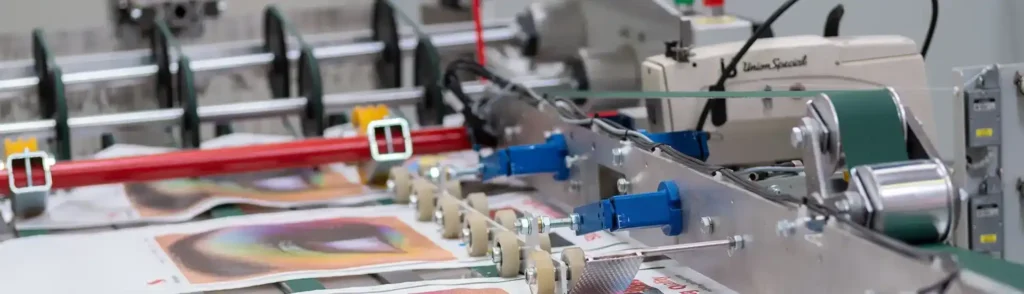
To produce Transparent Woven Bags that meet these high standards, VidePak relies on advanced equipment from industry leader Starlinger. This state-of-the-art machinery enables us to maintain precise control over every aspect of the manufacturing process, from the initial extrusion of the polypropylene tapes to the final lamination and printing stages.
1. Extrusion and Weaving
The process begins with the extrusion of polypropylene into fine tapes, which are then woven into a strong, durable fabric. This fabric forms the base of our Woven Bags, providing the necessary strength and flexibility.
2. Coating and Lamination
To achieve the transparent quality of the bags, we apply a special coating that enhances the visibility of the contents without compromising the strength of the woven fabric. The coating process is carefully monitored to ensure even application and consistent quality across all bags.
3. Cutting and Sewing
Finally, the fabric is cut and sewn into the desired bag shape, with precise attention to detail to ensure that each bag meets our stringent quality standards. The use of advanced cutting and sewing equipment ensures that the bags are produced efficiently and consistently, reducing waste and ensuring that our customers receive a product they can rely on.
Conclusion: A Commitment to Quality and Efficiency
At VidePak, our Transparent Woven Bags are more than just a packaging solution—they are a testament to our commitment to quality, efficiency, and sustainability. By combining advanced manufacturing techniques with innovative packaging and transport solutions, we are able to deliver products that meet the needs of our customers while also contributing to a more sustainable future.
Whether you are in agriculture, construction, retail, or any other industry that requires durable, reliable, and visually appealing packaging, VidePak’s Transparent Woven sacks offer the perfect solution. With our focus on quality, efficiency, and environmental responsibility, you can trust that our products will not only meet but exceed your expectations.