
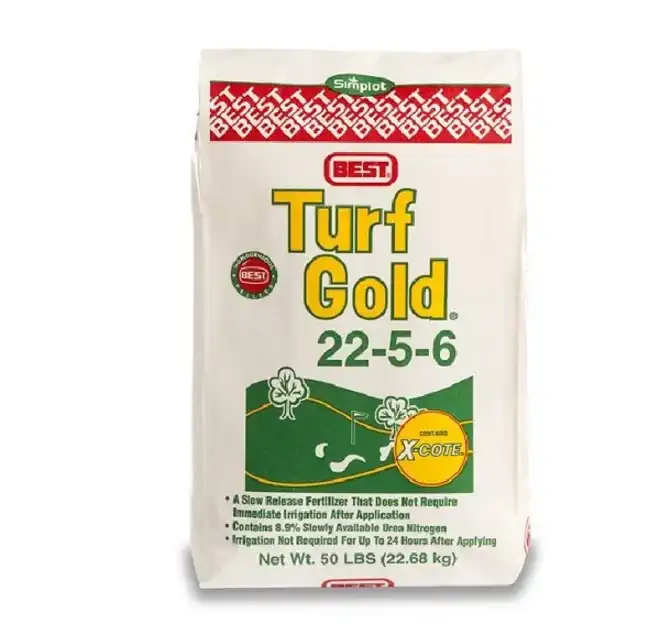
- What is Industrial Woven Bags?
- What is the features of Industrial Woven Bags?
- What is the production process of Industrial Woven Bags?
- What is the application of Industrial Woven Bags? (Industrial & Municipal Streams)
- What is the application of Industrial Woven Bags? (Healthcare & Hazardous Streams)
- Integrated Solution (System Thinking Synthesis)
- Key Specifications & Options (Typical Ranges)
- Professional Identifiers & Why They Matter
- Copy Blocks You Can Reuse (Brand Voice Ready)
What is Industrial Woven Bags?
Industrial Woven Bags are heavy‑duty sacks engineered from interlaced polypropylene (PP) tapes—or, in bulk formats, full‑size flexible intermediate bulk containers (FIBCs)—that safely transport, segregate, and store industrial and municipal waste streams. In the field they are also called PP woven waste bags, industrial woven sacks, waste FIBC bulk bags, and, where odor control matters, liner‑integrated woven bags. The proposition is deceptively simple: marry a high‑tenacity woven substrate with process‑ready geometries (open‑mouth, valve, vented, block‑bottom, or 1‑/2‑/4‑loop FIBC) to reduce leakage, improve handling, and strengthen compliance outcomes. When operators ask, “Are they just bags?” the better response is a counter‑question: if a container influences line speed, housekeeping, injury risk, and regulatory exposure, is it still “just a bag” or a compact piece of infrastructure embedded in your waste network?
Read through the lens of systems thinking, Industrial Woven Bags touch sorting lines, compaction routines, DOT/ADR transport rules, storage constraints, and downstream treatment choices. Horizontally, they are contrasted with paper sacks (printable yet moisture‑sensitive) and polyethylene film liners (seal‑friendly yet prone to creep and puncture). Vertically, design causality flows from polymer grade → tape denier → fabric pick count → lamination/liner choice → seam design → lifting architecture. Each upstream decision echoes downstream in dust control at filling, drop/tear performance in transit, and stack stability at the depot. For a practical product hub, see Industrial Woven Bags.
What is the features of Industrial Woven Bags?
System view. Performance emerges when materials, structure, and operations reinforce one another. Industrial Woven Bags make that reinforcement visible across environmental, operational, and regulatory dimensions. To keep the reasoning explicit, each feature below adds background, data reinforcement, a case analysis, and a comparative study.
- Strength‑to‑Weight & Damage Resistance
Background. Woven PP tapes deliver high tear‑propagation resistance, stout puncture tolerance at corners, and dimensional stability under sustained load. These properties matter in waste environments where edges are sharp, payload density is high, and handling is unpredictable.
Data reinforcement. Typical fabric basis weights for waste‑duty FIBCs span ~120–220 g/m², with safe working loads (SWL) commonly 500–1500 kg and safety factors 5:1 (single‑use) or 6:1 (multi‑trip). Sack formats in the 20–50 kg class often use meshes 10×10–14×14 and coatings 15–30 g/m² to curb sifting while maintaining fold memory.
Case analysis. A materials recovery facility (MRF) that replaced mixed paper drums with Industrial Woven Bags reported double‑digit reductions in puncture‑related loss during forklift transfers, while operators noted better grip and fewer secondary cleanups.
Comparative study. Against paper, woven PP sustains integrity in damp bays and resists corner abrasion; against thin film liners, it better withstands pallet‑edge scuffing and rack friction without stretching out of shape. - Moisture, Odor, and Sift Control
Background. Waste is messy: fines that drift, residual liquids that weep, volatile compounds that offend. Bag architecture counters these with coated fabric, internal liners (LDPE 50–120 μm; optional barrier layers such as EVOH), and micro‑perforation tuned to vent air without losing product.
Data reinforcement. Coated sacks reduce moisture ingress under 24–72 h humidity exposure; five‑layer barrier liners materially slow odor permeation compared with mono‑layer PE; liner‑in‑bag builds lower “weep” events during dwell.
Case analysis. A food‑processing site handling wet spent grains shifted to liner‑integrated Industrial Woven Bags: odor complaints in staging areas fell, while coated fabric resisted capillary leakage on pallets.
Comparative study. Versus uncoated woven fabric, coated/laminated builds block capillary paths; versus film‑only bags, the woven substrate preserves shape and stackability for safer handling. - Operational Throughput & Handling Safety
Background. Waste lines live or die by predictability. Square bottoms, anti‑slip exteriors, and standardized lift loops (single, double, or four‑loop) shorten cycle times and reduce rework. Ergonomics matter: fewer awkward lifts, fewer torn seams, fewer near‑misses.
Data reinforcement. In FIBCs, standard regimes test top‑lift, topple, righting, and stacking; sack formats validate via free‑fall drop tests in the ≤50 kg class. Anti‑skid coatings increase pallet friction coefficients, translating into fewer load shifts in transit.
Case analysis. A municipal yard‑waste program adopted vented Industrial Woven Bags to allow airflow; compost feedstock arrived drier, reducing evaporation loss downstream and keeping tipping floors cleaner.
Comparative study. Open‑top bins invite spills and cross‑contamination; woven, lidded, or liner‑drawstring designs confine material while keeping loading ergonomic. - Compliance Anchors & Traceability
Background. Waste streams intersect transport and environmental law. UN‑rated FIBCs for dangerous goods carry markings such as 13H1/13H2/13H3/13H4; non‑dangerous goods FIBCs align with ISO 21898; small woven sacks reference national specs (e.g., GB/T 8946‑2013). Quality and environmental management systems—ISO 9001 and ISO 14001—encode change control and waste minimization. Transport rules (49 CFR in the U.S. and ADR in the EU) govern packaging performance for hazardous consignments; medical facilities overlay infection‑control directives.
Data reinforcement. UN testing includes top‑lift, drop, topple, and stacking under defined safety factors; lot/batch labels connect field incidents to root cause.
Case analysis. A chemical plant moving solvent‑contaminated rags into UN‑rated Industrial Woven Bags cut incident investigations after instituting documented inspection intervals and re‑use limits.
Comparative study. Ad‑hoc containers may appear cheap; compliance failures rarely are. - Sustainability Pathway
Background. Sustainability balances material input, durability, and end‑of‑life. Mono‑polyolefin builds simplify recycling; re‑use cycles extend service life; lower basis weights reduce inputs without surrendering safety.
Data reinforcement. UV‑stabilized PP (e.g., QUV endurance from ~200 to 1600 h depending on additive package) protects against outdoor degradation, preserving multi‑trip potential.
Case analysis. An e‑waste program adopted 6:1 FIBCs for repeated shuttles between collection hubs and dismantling sites, tracking cycles with QR codes to retire bags proactively.
Comparative study. Versus single‑trip film liners, re‑usable woven solutions cut packaging waste volume and reduce container cleanout time.
What is the production process of Industrial Woven Bags?
From pellets to pallets, every station foreshadows the next—and small specifications have large consequences.
Tape Extrusion & Stretching. PP pellets are extruded into films, slit, and stretched into high‑tenacity tapes. Draw ratio drives tape strength; denier sets fabric modulus and seam behavior. A higher draw ratio boosts tensile values but can reduce ductility; the right compromise determines how the bag behaves when dropped or jolted. Horizontal linkages abound: tape properties influence weaving tension, coating adhesion, and print register. Vertically, a denier shift can alter valve stiffness, fold memory at the block bottom, and edge crush at the pallet.
Weaving. Circular or flat looms interlace warp and weft into fabric. Pick count and loom tension control width tolerance and flatness—inputs that later govern gusset symmetry and bottom squareness. For waste sacks, meshes around 10×10–14×14 are common; FIBCs use broader fabrics tailored to target SWL and safety factor.
Coating/Lamination. PP/PE coatings (typically 15–30 g/m²) increase sifting resistance and moisture barrier; BOPP or kraft laminations enable high‑fidelity graphics and scuff resistance where labeling is critical. Over‑calendered laminates print beautifully yet may resist crisp folding at bottoming—specifications must reconcile aesthetics with mechanics.
Conversion & Finishing. Fabric is tubed, gusseted, and formed. For sacks: open‑mouth or valve designs with heat‑cut or sewn seams; for FIBCs: cutting to size, attaching lift loops (1, 2, or 4), installing discharge/closure features, and integrating liners (loose, tab‑bed, or form‑fit). Quality controls include needle density at seams, patch dimensions, and loop elongation under proof load. Horizontal thinking connects loop style to crane/fork geometry; vertical thinking links seam density to proof load and field failure modes.
Inspection & Test. Sack formats validate with dimensional checks and free‑fall drops in the ≤50 kg class; FIBCs undergo top‑lift, stacking, righting, and topple tests under rated SWL and safety factor (5:1, 6:1, or 8:1 as specified). Where UN markings are required, dangerous‑goods protocols apply. Labels carry batch IDs to sustain traceability and enable containment if issues are found.
What is the application of Industrial Woven Bags? (Industrial & Municipal Streams)
Construction & Demolition (C&D). Rubble, rebar offcuts, bricks, drywall—sharp, dense, unforgiving. Industrial Woven Bags counter with high puncture tolerance and stable block‑bottom geometry that sits square on pallets and hoists cleanly. Data reinforcement: Sites record fewer spills at scaffold hoists after switching from flimsy liners to reinforced woven sacks. Case analysis: A contractor moved plaster debris in 1‑loop FIBCs and cut elevator runs by consolidating payloads without exceeding building load constraints. Comparative study: Pallet‑based woven handling beats loose bin handling on dust control and containment.
Municipal Solid Waste (MSW) & Organics. Vented woven designs allow airflow for green waste; coated sacks with drawstring or tie‑top features confine odors for curbside or depot collection. Data reinforcement: Moisture loss in transit lowers disposal weight charges for organics bound to composting. Case analysis: A city piloted vented Industrial Woven Bags for leaf collection; compost feedstock arrived drier, and tipping floors stayed cleaner. Comparative study: Bags as unit loads reduce cross‑contamination versus open bins during mixed‑stream transfer.
E‑waste & Metal Scrap. Abrasive edges meet stiff, scuff‑resistant exteriors; optional liners capture fines and residues. Lifting loops integrate with yard cranes and forklifts, standardizing moves and reducing improvised rigging.
What is the application of Industrial Woven Bags? (Healthcare & Hazardous Streams)
Healthcare Waste (non‑sharps). Color‑coded woven sacks with high‑definition print areas support segregation protocols; liner‑in‑bag builds reduce leakage risk. Where incineration is the end‑of‑life pathway, PP and PE components align with common thermal treatment processes. Data reinforcement: Facilities tracking leakage incidents often attribute reductions to liner‑gauge adjustments and seam audits. Case analysis: A hospital group adopted form‑fit liners inside woven outers; housekeeping time per ward dropped thanks to fewer secondary cleanups. Comparative study: Rigid bins excel at puncture protection; woven outers reduce labor per move when waste density is moderate.
Hazardous Waste (UN‑rated where applicable). UN 13H‑marked FIBCs transport solids within defined packing groups, with markings identifying build type and test year. Industrial Woven Bags in this class follow documented inspection, proof‑load, and retirement criteria. Data reinforcement: Top‑lift/stacking tests at specified safety factors validate performance under real handling profiles. Case analysis: A refinery shipped catalyst fines in 13H3 FIBCs (coated with liner) and cut silo sweepings on arrival due to better sifting control. Comparative study: Steel drums dominate vapor retention; woven solutions excel for solids needing high payload‑to‑tare ratios.
Integrated Solution (System Thinking Synthesis)
Goal: reduce spills, complaints, and non‑compliance while improving throughput and sustainability—without inflating total cost of ownership. Industrial Woven Bags become the lever when you design the system around them.
Diagnose. Map each waste stream by density, particle size, moisture, odor potential, and hazard class. Quantify current losses (leaks, rips, reworks) and their cost in time, money, and risk.
Design. For sacks, select mesh, GSM, and coating; for FIBCs, choose SWL (e.g., 500/1000/1500 kg), safety factor (5:1/6:1/8:1), and loop architecture. Specify liner gauge (50–120 μm) and whether barriers are required (EVOH for odors). Embed UV packages for outdoor dwell, and define label content for traceability.
Validate. Run free‑fall drops for ≤50 kg sacks and full FIBC tests (top‑lift, topple, righting, stacking) to the intended duty cycle. If UN‑rated, complete the dangerous‑goods protocol and secure markings. Record results in a controlled document system (ISO 9001), and integrate environmental objectives into ISO 14001 programs.
Deploy. Train teams on fill heights, tie‑offs, loop handling, and pallet patterns; add in‑process checks for seam density, loop elongation, and liner integrity; standardize corner protection where rack scuffing is common.
Improve. Review incident logs quarterly; right‑weight fabrics where margins allow; retire multi‑trip FIBCs according to cycle counts; update signage and color coding as waste streams evolve.
Key Specifications & Options (Typical Ranges)
| Attribute | Typical Options / Range | Why it Matters |
|---|---|---|
| Formats | Open‑mouth/valve sacks (20–50 kg); FIBCs (0.5–2.0 m³; SWL 500–1500 kg) | Matches bin sizes, forklifts, and collection rhythms |
| Safety Factor (FIBC) | 5:1 (single‑use), 6:1 (multi‑trip), 8:1 (heavy‑duty) | Governs proof loads, reuse, and inspection rules |
| Fabric (sacks) | Mesh 10×10–14×14; coating 15–30 g/m² | Controls sifting, tear resistance, printability |
| Fabric (FIBC) | 120–220 g/m² woven PP; UV‑stabilized | Balances tare weight with durability outdoors |
| Liners | LDPE 50–120 μm; optional EVOH barrier | Odor and moisture control; hygiene compliance |
| Loop styles (FIBC) | 1‑/2‑/4‑loop; sleeve or belt lift | Interfaces with cranes/forklifts safely |
| Compliance | UN 13H1–13H4 (DG solids); ISO 21898 (non‑DG FIBC); ISO 9001/14001; national sack specs (e.g., GB/T 8946‑2013) | Audit‑ready vocabulary and markings |
Note: Ranges reflect widely available supplier listings and standard test practices; tune final specifications to waste density, climate, dwell time, and handling equipment.
Professional Identifiers & Why They Matter
UN 13Hx — Flexible IBC codes for dangerous‑goods solids; define fabric/liner combinations and the test regime.
ISO 21898 — Packaging—FIBCs for non‑dangerous goods; harmonizes dimensions, tests, and acceptance criteria.
GB/T 8946‑2013 — General technical requirements for plastic woven sacks; common baseline for PP sacks.
49 CFR (U.S.) / ADR (EU) — Transport rules that determine packaging suitability for hazardous consignments.
ISO 9001 / ISO 14001 — Management systems that make change control, traceability, and environmental goals operational.
Copy Blocks You Can Reuse (Brand Voice Ready)
Value line. Cleaner bays, safer lifts, fewer fines—Industrial Woven Bags turn waste from a liability into a controlled, traceable flow.
Proof point. Woven PP strength, liner‑guided hygiene, and UN/ISO‑anchored testing deliver reliability from sorting line to transfer station.
Sustainability note. Specify mono‑polyolefin builds for recyclability, choose 6:1 where reuse is viable, and right‑weight fabrics without surrendering safety—so Industrial Woven Bags do more with less.
In today’s industrial landscape, the demand for reliable and durable packaging solutions has never been higher. As industries evolve, so do the requirements for packaging that not only protects products but also adheres to strict regulations regarding waste management and environmental sustainability. Industrial Woven Bags have emerged as a key player in meeting these needs, offering a versatile, robust, and eco-friendly option for various sectors. At VidePak, we have over 30 years of experience in the industry and are dedicated to producing top-tier Industrial Woven Bags that align with both market demands and governmental regulations.
The Importance of Industrial Woven Bags in Modern Industries
Industrial Woven Packaging Bags are used across a wide range of industries, including agriculture, construction, and manufacturing. These bags are known for their high strength, flexibility, and resistance to harsh environmental conditions. They are ideal for packaging products such as grains, cement, chemicals, and other bulk materials that require secure and durable containment.
One of the key advantages of Industrial Woven Bags is their ability to be customized to meet specific industry requirements. Whether it’s adding UV protection for outdoor storage, incorporating a moisture barrier for sensitive materials, or designing bags with special features like anti-slip surfaces, these bags can be tailored to the unique needs of each application.
Waste Management and Recycling: A Growing Concern
As industries continue to grow, so does the amount of waste they generate. Managing industrial waste effectively is not just a matter of operational efficiency; it’s also a legal requirement. Governments around the world are implementing stricter regulations to ensure that industrial waste is handled responsibly, with an emphasis on reducing landfill usage and promoting recycling.
Industrial Packaging Bags play a crucial role in this context. These bags are designed not only for the initial storage and transportation of materials but also for the safe and efficient handling of industrial waste. For instance, after their primary use, Industrial Woven Bags can be repurposed for collecting and transporting waste, helping companies to minimize their environmental footprint.
Compliance with Government Regulations
Government regulations regarding waste management and recycling are becoming increasingly stringent. Companies are now required to demonstrate that they are taking steps to reduce their environmental impact, including using recyclable materials and following proper waste disposal protocols. Industrial PP Bags and Industrial Woven Bags made from polypropylene are highly favored in this regard, as they are fully recyclable and can be reused multiple times before they need to be disposed of.
At VidePak, we understand the importance of compliance with these regulations. Our Industrial Woven Bags are manufactured using the highest quality materials and state-of-the-art Starlinger equipment, ensuring they meet all relevant standards. We are committed to helping our clients navigate the complexities of waste management regulations by providing packaging solutions that are both effective and compliant.
The Role of Starlinger Equipment in Sustainable Manufacturing
The quality and durability of Industrial Packaging Bags depend heavily on the manufacturing process. At VidePak, we use the latest equipment from Starlinger, a global leader in machinery for the production of woven bags. Starlinger’s advanced technology allows us to produce bags that are not only strong and durable but also environmentally friendly.
Our production process begins with the extrusion of polypropylene, which is then woven into fabric using high-speed looms. This fabric is then laminated or coated, depending on the intended use of the bag, before being cut and sewn into the final product. The use of Starlinger equipment ensures that every step of the process is optimized for efficiency and sustainability, with minimal waste generated.
Recycling and Reuse: Closing the Loop
One of the most significant advantages of using Industrial Woven Bags is their recyclability. After their initial use, these bags can be collected, cleaned, and processed into new products, reducing the need for virgin materials and minimizing waste. This process not only helps companies meet their sustainability goals but also provides a cost-effective solution for managing waste.
In addition to recycling, Industrial Woven Bags can also be reused in various applications. For example, bags used for transporting raw materials can be repurposed for waste collection or storage, extending their lifespan and further reducing environmental impact.
The Future of Industrial Packaging
As the world becomes more environmentally conscious, the demand for sustainable packaging solutions will continue to grow. Industrial Woven Bags are well-positioned to meet this demand, offering a versatile, durable, and eco-friendly option for a wide range of applications.
At VidePak, we are committed to staying at the forefront of this trend. By continually investing in the latest technology and adhering to the highest standards of quality and sustainability, we ensure that our Industrial Woven Bags not only meet the needs of today’s industries but also contribute to a more sustainable future.
In conclusion, Industrial Woven Bags represent a powerful tool in the fight against industrial waste and environmental degradation. With their durability, versatility, and recyclability, these bags are an essential component of modern industrial operations. And with the support of advanced manufacturing technologies like those provided by Starlinger, VidePak is proud to offer solutions that help our clients meet their sustainability goals while maintaining the highest standards of quality and compliance.