

As a VidePak marketing specialist, this rewrite reframes PP Bags as a living ecosystem. Using systems thinking, it breaks the platform into material science, mechanical design, print optics, closure engineering, compliance proof, and go‑to‑market levers—then recombines them into one coherent operating model that moves the needle on speed, safety, and brand equity in parallel.
What is PP Bags? (a.k.a. PP woven sacks / polypropylene woven bags / raffia PP bags)
PP Bags are load‑bearing packages engineered from oriented polypropylene (PP) tapes woven into fabric and converted into open‑mouth, valve, or FFS‑reel formats for 5–50 kg duties. Also known as PP woven sacks, polypropylene woven bags, or raffia PP bags, they marry high tensile and puncture resistance with “brick‑like” stack geometry and billboard‑sized print faces. In brand language, they are signage in motion; in operations language, they are a tunable variable controlling dust behavior, cycle time, and pallet survivability.
Background & domain context. Materials science views PP Bags as tape‑fabric lattices: denier, mesh density, and GSM set the stress paths that carry drop energy and clamp forces. Print science looks at dyne level and surface roughness to predict ink anchorage, dot gain, and barcode contrast. Logistics focuses on bag‑to‑deck coefficient of friction (COF) as the throttle between conveyor feed and stack grip. Horizontally, this platform borrows load‑path logic from geotextiles, optical control from oriented films, safety discipline from warehouse ergonomics, and governance from food‑contact law. Vertically, the performance chain is resin → tape → weave → surface architecture (coating/lamination) → printing → closure (sewn/ultrasonic/valve) → QA → palletization → retail.
Data reinforcement. Market‑credible ranges for PP Bags include fabric ~60–150 g/m², mesh ~9×9–14×14, tape denier ~600D–1500D; optional PP/PE coating ~10–30 g/m²; BOPP film ~15–25 μm (matte or gloss) for premium optics. Common footprints: ~40×60 cm (25 kg) and ~50×80 cm (50 kg) with widths ~35–100 cm. COF targets typically sit ~0.40–0.55 (bag‑to‑deck), balancing feed stability with tall‑stack friction under clamp handling.
Data‑driven nuance. These numbers aren’t brochure filler; they are levers. Raise GSM and drop failures drop; raise COF and topple events fall; lift dyne and code grades rise. One dial touches another, and the whole line shifts.
Case analysis. A flour mill rewired its packaging from plain woven to matte‑laminated PP Bags with hemmed mouths. Barcode grades stabilized at B or better, clamp‑truck scuffs visibly reduced, and mis‑pick returns reduced quarter‑on‑quarter. Same plant, same product—only the bag specification changed.
Comparative study. When stacked against paper multiwall, PP Bags retain corner integrity in wet chains and survive clamp yaws with fewer splits. Compared with tubular PE film, they trade a few points of FFS speed for superior pallet friction and seam robustness. Versus non‑woven totes, they win on unit cost at scale and on cube efficiency.
What is the features of PP Bags?
Strength‑to‑weight efficiency. Oriented PP tapes deliver high tensile and tear at moderate GSM. In practice: a lighter package that carries heavier loads without inflating freight or CO₂ per pallet.
Surface architectures. Three dial‑in surfaces: plain woven (breathable, economical), PP/PE coating (moisture hold‑out, rub life, tuned COF), and BOPP lamination (clear or matte) for photographic panels and superior abrasion resistance. Matte optics defuse LED glare and improve scanner reliability; gloss dramatizes color blocks for retail theatre.
Closure flexibility. Open‑mouth sewing (single/double stitch with 20–40 mm hems) offers universal compatibility; ultrasonic sealing supports mono‑material narratives; valve sleeves with block‑bottom geometry deliver dust‑controlled, high‑throughput fills on legacy valve packers.
COF & handling control. Anti‑slip textures or coated backs set bag‑to‑deck COF in the ~0.40–0.55 window—low enough to glide through conveyors, high enough to lock tall stacks under clamp trucks. UV packages defend against chalking in yards; antistatic packages temper charge for powders.
Brand codes that travel. The flat panels on PP Bags invite GS1 barcodes and QR serialization. Keep X‑height ≥ 1.2 mm and hold ΔE*ab ≤ 3 on brand hues and SKU colors; legibility persists after abrasion, coding remains meaningful at forklift distance.
Horizontal thinking. Denser mesh → smoother lay‑flat; smoother lay‑flat → lower dot gain; lower dot gain → crisper microtype; crisper microtype → faster scans. Materials science hands off to printing, which hands off to warehouse operations.
Vertical thinking. Adjust resin MFI → tape draw stabilizes → weave width variation falls → lamination lay‑flat improves → halftones sharpen → mis‑scans decline. Adjust seam pitch → strain spreads → drop failures fall → pallet rework shrinks. Cause meets effect in a visible staircase.
Data reinforcement. Typical 50 kg builds: substrate ~90–120 g/m², mesh ~10×10–12×12, BOPP ~15–25 μm, COF ~0.40–0.55, dyne ~38–42 dynes post‑corona.
Case analysis. A fertilizer program specified matte front + anti‑slip back and widened the valve sleeve from 42 to 45 mm to match a new auger. The filler stopped “hunting” for weight, pallets stopped creeping on plastic decks, and brand faces stayed clean.
Comparative study. Coating vs lamination: coating wins on ruggedness and cost in harsh routes; lamination wins on optics and rub resistance for retail. Matte vs gloss: matte hides scuffs and resists glare; gloss saturates color and sells drama.
What is the production process of PP Bags?
1) PP granules selection & compounding. Use raffia‑grade PP (MFI ~2–4 g/10 min at 230 °C/2.16 kg, ISO 1133; density ~0.90–0.91 g/cm³). Add UV stabilizers for yard life, antistatic for powders, and process stabilizers tuned to draw temperatures. The right resin mix is the first quality gate.
2) Tape extrusion & orientation. Melt → cast film → slit into tapes → stretch/anneal. Tight gauge control narrows tape modulus/width dispersion—without it, weaving meanders and lamination ripples.
3) Weaving (circular or flat looms). Interlace tapes to target mesh/GSM under disciplined warp tension. Weft‑stop and warp‑break detection localize defects; strict width tolerance supports accurate cutting, clean printing, and squared block forming.
4) Surface architecture (coating/lamination). Extrusion‑coat PP/PE 10–30 g/m² for moisture and rub performance, or laminate BOPP 15–25 μm (clear/matte) for premium optics. Corona treatment lifts dyne to ~38–42 dynes for ink/adhesive anchorage; coatweight and nip profile prevent orange‑peel.
5) Printing. Flexo (4–6 colors) for agile runs and commodity layouts; gravure (8–10 colors) for photoreal campaigns. Spectrophotometers enforce ΔE*ab ≤ 3 on brand hues; inline scanners grade barcodes to ISO/IEC 15416.
6) Conversion & closures. Cut bodies; add M‑gussets; hem or heat‑cut mouths (20–40 mm typical); close bottoms using single/double fold and single/double stitch—or ultrasonic/thermal welds. Valve sleeves (ID ~35–55 mm) are stitched or welded to match filler nozzles.
7) QA & compliance. Mechanical tests: tensile/tear, seam strength, ASTM D5276 (drop). Friction: ASTM D1894 (COF). Barrier (when laminated): ASTM E96 (WVTR) and ASTM D3985 (OTR). Food‑contact dossiers cite Regulation (EU) No 10/2011 (overall migration ≤ 10 mg/dm²), FDA 21 CFR §177.1520 (olefin polymers), and GB 4806.7‑2016 where applicable. QMS under ISO 9001:2015; many buyers request BRCGS Packaging or ISO 22000:2018. Third‑party labs (e.g., SGS/Intertek) typically supply migration, seam, rub, and barcode reports.
Data reinforcement. Clear PE/BOPP stacks routinely deliver WVTR in low single‑digit g/m²·day at standard lab conditions. Tightening weave width tolerance by ±2 mm commonly halves registration drift and barcode fallout.
Case analysis. A starch line adopted solventless lamination and tightened nip control; orange‑peel dropped, graphics gained photographic clarity, and retail buyers accepted a price‑tier trade‑up without product reformulation.
Comparative study. Solventless lamination over woven PP yields clearer optics and uniform bonds; extrusion coat wins on speed and ruggedness—selection should be driven by artwork ambition and route severity.
What is the application of PP Bags?
Staple foods (10–50 kg). Rice, flour, sugar, pulses. Matte BOPP fronts carry nutrition tables; optional inner liners lift hygiene and moisture control; woven strength preserves pallet geometry cross‑country.
Feed & agriculture. Seeds and compound feed favor UV‑stabilized fabrics and anti‑slip backs. Large panels welcome bilingual labeling and QR traceability for distributor networks.
Minerals & salts. Antistatic packages temper charge; matte faces hide rub marks from cages; double‑fold/double‑stitch bottoms resist high drop energy at loading docks.
Resins & industrial additives. Valve formats pair with legacy fillers; tuned valve IDs reduce spillage and speed weight stabilization; face prints remain legible after clamp handling.
Data reinforcement. Typical 50 kg builds: GSM ~90–120, mesh ~10×10–12×12, widths ~50–80 cm, BOPP ~15–25 μm, COF ~0.40–0.55.
Case analysis. A salt producer added inner liners and matte faces. Clumping declined, pallets arrived drier after exposure events, and QC at docks turned from rework to quick‑release.
Comparative study. Laminated woven vs paper: superior wet‑chain survival and fewer edge ruptures. Laminated woven vs plain woven: stronger shelf impression and improved rub life with modest mass increase.
What is the application of PP Bags? (brand influence & route‑to‑market)
Color as a sorting language. Assign hues by family (blue = urea, green = NPK, yellow = specialty) and hold ΔE*ab ≤ 3 so meanings don’t drift between runs. When color stays true, warehouse picks accelerate and shelf recognition compounds.
Anti‑counterfeit & digital hooks. QR serialization tied to traceability programs becomes standard. Keep codes outside clamp arcs and seam lines; ensure X‑height ≥ 1.2 mm for scan‑at‑distance on high‑bay floors.
Channel‑tuned optics. Matte for LED‑lit wholesale aisles; gloss accents for retail theatre. The product inside is constant, perception is carefully engineered.
Sustainability levers. Favor mono‑material closures (ultrasonic PP seams) and specify controlled rPP for non‑contact layers where regulation allows. Right‑size GSM to reduce freight emissions without sacrificing drop performance—win marketing points without losing mechanical margins.
Cross‑disciplinary lens. Raise GSM and drop endurance rises—but freight mass follows. Increase COF and stacks hold—but conveyors may need retune. Add lamination and print sings—but heat transfer shifts. Winning specs are negotiated, not memorized.
Compliance & testing (credentials that open markets)
- EU: Regulation (EU) No 10/2011 for plastics in contact with food; overall migration ≤ 10 mg/dm²; maintain a Declaration of Compliance with SML/QM evidence.
- US: FDA 21 CFR §177.1520 for PP/PE contact layers under stated use conditions.
- CN: GB 4806.7‑2016 (food‑contact plastics, where relevant) and GB/T 8946‑2013 (plastic woven sacks—dimensions, seam strength, marking, inspection rules).
- QMS: ISO 9001:2015 for resin‑to‑pallet traceability; many brands also request BRCGS Packaging or ISO 22000:2018.
- Methods: ASTM D5276 (drop), ASTM D1894 (COF), ASTM E96 (WVTR), ASTM D3985 (OTR where barrier stacks are used), plus tensile/tear & seam strength per woven‑sack norms. Barcode grading per ISO/IEC 15416.
Rhetorical check. Is compliance a paperwork ritual? Or is it the handshake between engineering and law—the passport that lets pallets cross borders without drama? We answer with test reports, not adjectives.
Key Parameters & Options (market‑referenced)
| Parameter | Typical Range / Option | Field Purpose | Notes |
|---|---|---|---|
| Fabric GSM | ~60–150 g/m² | Drop/stack strength vs mass | Heavier routes → higher GSM |
| Mesh density | ~9×9 – 14×14 | Surface smoothness & puncture control | Denser mesh → flatter print/coat base |
| Tape denier | ~600D – 1500D | Clamp tolerance & impact | Interacts with GSM; validate on line |
| PP/PE coating | ~10–30 g/m² | Moisture/rub & ink hold‑out | Alters stiffness & seam behavior |
| BOPP film (optional) | ~15–25 μm (matte/gloss) | Optics & abrasion resistance | Matte hides scuffs; gloss lifts saturation |
| Width × Length | ~40×60 cm (25 kg); ~50×80 cm (50 kg) | Filler/pallet alignment | Gussets raise volume efficiency |
| Mouth finish | Heat‑cut / hem 20–40 mm | Fray control & mouth stiffness | Hemming improves shelf look |
| Bottom seam | Single/double fold; single/double stitch | Impact load distribution | Double‑fold/double‑stitch for heavy drops |
| Valve sleeve (ID) | ~35–55 mm (valve builds) | Fast, clean fill | Ultrasonic, hot‑melt, or flap options |
| COF (bag/deck) | ~0.40–0.55 | Conveyor feed vs stack stability | Set via anti‑slip coat or film texture |
| Dyne level | ~38–42 dynes (post‑corona) | Ink anchorage & bond strength | Monitor drift on long runs |
| Barcode X‑height | ≥ 1.2 mm | Warehouse scan reliability | Keep codes off seam/clamp zones |
| Additives | UV / antistatic / anti‑slip | Exposure & powder behavior | Tune to climate and route |
Integrated solution (synthesis for VidePak buyers)
Design to win the shelf and the spreadsheet. Start with stabilized PP that draws into uniform tapes; weave to a mesh/GSM that supports lay‑flat; choose the surface architecture—plain, coated, or laminated—that matches route severity and brand ambition; tune COF to feed smoothly yet lock stacks; print against ΔE targets and barcode grades; finish with hemmed mouths and double‑fold/double‑stitch, ultrasonic, or valve sleeves as product physics demands; then verify with COF, drop, seam, WVTR/OTR, and migration data under ISO 9001:2015 governance. For a practical category anchor aligned with this build, explore PP Bags—a single bridge from specification language to real SKUs ready for trials.
- What is PP Bags? (a.k.a. PP woven sacks / polypropylene woven bags / raffia PP bags)
- What is the features of PP Bags?
- What is the production process of PP Bags?
- What is the application of PP Bags?
- What is the application of PP Bags? (brand influence & route‑to‑market)
- Compliance & testing (credentials that open markets)
- Key Parameters & Options (market‑referenced)
- Integrated solution (synthesis for VidePak buyers)
Introduction
The global construction industry generates over 2.2 billion tons of waste annually, driving demand for durable, cost-effective packaging solutions. PP woven bags, with their unparalleled balance of strength and affordability, have emerged as a cornerstone for transporting debris like concrete, metal scraps, and drywall. For VidePak, a pioneer in PP-based packaging since 2008, the integration of high-tensile materials, customizable designs, and automated production ensures compliance with diverse regional regulations while optimizing logistics. This report explores how VidePak’s comprehensive PP bag solutions address construction waste challenges through technical excellence and strategic innovation.
Material Innovation: Strength Meets Sustainability
1. High-Performance PP Granules
VidePak’s bags are crafted from 100% virgin polypropylene, a material chosen for its tensile strength (8–12 N/mm²) and resistance to abrasion. Key advancements include:
- Reinforced Weaving: 10×10 threads per inch (TPI) density enhances tear resistance, critical for sharp debris like broken tiles.
- Lamination Technologies: PE or BOPP coatings reduce moisture ingress to <5 g/m²/day, preventing clumping in hygroscopic materials like plaster powder.
Case Study: A Dubai contractor reported a 60% reduction in bag failures after switching to VidePak’s 120 GSM laminated bags, which withstood 1,200+ cycles of 50 kg rubble transport.
2. Cost Efficiency Through Design
- Recycled Blends: VidePak’s “EcoShield” line uses 30% recycled PP without compromising load capacity, cutting material costs by 15%.
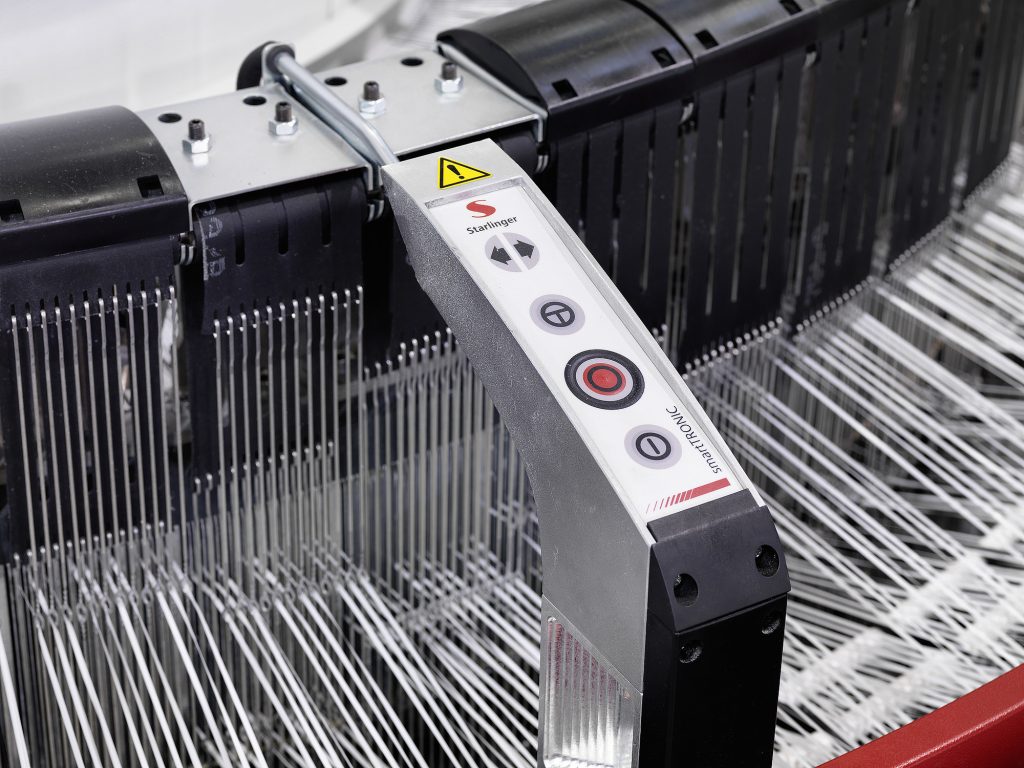
- Bulk Production: With 100+ Starlinger circular looms, the company produces 20 million bags monthly at $0.12–$0.18 per unit—20% below industry averages.
Dialogue Example:
Q: “How do your bags maintain affordability without sacrificing durability?”
A: “Our PP granule blending and high-speed extrusion processes reduce waste by 12%, passing savings to clients while ensuring ISO 9001-certified quality.”
Construction Waste Applications: Technical Parameters
1. Load Capacity and Durability
| Parameter | Specification |
|---|---|
| Max Load | 50 kg (double-stitched seams) |
| Burst Strength | ≥35 psi (ASTM D3786) |
| Moisture Barrier | PE-coated liners (WVTR <5 g/m²/day) |
| UV Resistance | 12+ months outdoor use without degradation |
2. Customization for Regional Needs
- EU Compliance: Bags degrade ≥90% in industrial composters (EN 13432), aligning with circular economy mandates.
- Tropical Climates: Anti-microbial additives and UV-stabilized inks prevent mold and fading in high-humidity regions like Southeast Asia.
Global Standards and Certifications
VidePak’s solutions adhere to:
- ASTM D5639-23 (U.S.): 50+ drop tests from 1.2 meters without rupture.
- GB/T 8946-2013 (China): Post-aging tensile strength retention ≥50%.
- REACH & FDA: Safe for direct contact with hazardous materials.
FAQs: Addressing Industry Concerns
Q1: How do laminated bags compare to non-laminated options for sharp debris?
A: Laminated bags (e.g., PP+PE) offer 40% higher puncture resistance, ideal for metal scraps or glass fragments.
Q2: Are recycled PP bags suitable for heavy loads?
A: Yes. Our EcoShield line maintains 45 kg capacity with 30% recycled content, certified under EU’s Circular Economy Action Plan.
Market Trends and Future Outlook
The construction packaging market is projected to grow at 6.2% CAGR through 2030, driven by urbanization and ESG mandates. VidePak’s R&D focuses on:
- Smart Tagging: RFID-enabled bags for real-time waste tracking, complying with EU’s CBAM carbon reporting.
- Lightweight Designs: Nano-reinforced PP reduces material use by 25% while retaining strength.
Conclusion
PP woven bags are no longer mere containers but strategic tools for sustainable construction logistics. VidePak’s fusion of Starlinger precision, material science, and global compliance expertise ensures it remains at the forefront of the $18 billion industry. As automation and ESG reshape waste management, the company’s innovations promise to redefine efficiency and environmental stewardship.
External Links: