
Waterproof woven bags play a critical role in the packaging and transportation of various industrial products, particularly in the chemical fertilizer industry. Their ability to withstand moisture and environmental conditions makes them an essential choice for storing and handling products like chemical fertilizers and compound fertilizers. At VidePak, we specialize in providing high-quality Waterproof PP Bags that meet the demanding needs of the agricultural and chemical sectors.
What is Waterproof Woven Bags for Chemical Fertilizers?
In fertilizer supply chains, packaging is not an afterthought; it is a frontline control that mediates between chemistry and climate, between warehouse discipline and port chaos. Waterproof Woven Bags for Chemical Fertilizers—also described as waterproof PP woven fertilizer sacks, BOPP‑laminated fertilizer bags, anti‑moisture PP valve sacks, or composite water‑resistant woven sacks—marry an oriented polypropylene (PP) woven substrate with moisture defenses such as laminations, coatings, liners, or combinations tailored to the fill material and route. The goal is not merely to look robust; it is to be robust: keep rain and spray out, keep fines and nutrients in, keep labels readable, and keep handling predictable from packer to port to plot.
To understand why Waterproof Woven Bags for Chemical Fertilizers are a platform rather than a single product, consider the variables that co‑determine performance. Fabric GSM and tape denier govern tensile strength, puncture resistance, and mouth stiffness; lamination chemistry and thickness determine water‑vapor transmission and graphic holdout; micro‑perforations and valve geometry orchestrate deaeration during high‑rate filling while policing dust; anti‑slip finishes tune coefficient of friction (COF) to pallet wood species and wrap pattern; stitch architecture converts thread into a structural joint; and print system choices (flexo on coated fabric, gravure on film) calibrate legibility after abrasion, condensation, and ultraviolet exposure. Change one control, others move. Strength is relational; waterproofing is architectural; performance is emergent.
Why the specific emphasis on waterproofing for fertilizers? Because water is not just an ambient condition; it is an active reagent for common fertilizers. Urea absorbs moisture and cakes; hygroscopic NPK blends exchange water across components and harden; ammonium nitrate (AN) demands disciplined, static‑aware handling; phosphates and potash transform from free‑flowing granules to hopper‑blocking aggregates when damp. The cost of errant moisture is not cosmetic—it is rework at the packer, claims at the distributor, erratic spreader patterns for farmers, and ultimately yield variability. Waterproof Woven Bags for Chemical Fertilizers translate those risks into requirements: block liquid, modulate vapor, preserve flow, and present compliant, scannable labeling long after forklifts and weather have done their worst.
Because packaging is a regulated object, terminology matters. For woven plastic sacks that may carry regulated solids, UN packaging codes 5H1–5H4 define construction and performance tests (drop, stack, and more). Textile performance is quantified by ISO 13934‑1 (strip tensile) and ISO 13935‑2 (seam strength). Film and laminate behavior is indexed by ASTM D1894 (COF) and ASTM D1709 (dart impact). Moisture performance is probed using ASTM E96 / ISO 15106 (water vapor transmission rate on films), ISO 535 (Cobb water absorption for paper faces), and where relevant ISO 811 (hydrostatic head) for coated fabrics. Quality systems are anchored in ISO 9001:2015; hygiene‑sensitive flows often map to FSSC 22000. These numbers are not decoration; they are the grammar of assurance across buyers, auditors, and converters.
If someone asks, “Aren’t these just sacks?”—the better question is, “Which failure mode do you need the sack to eliminate first?” In mist, in downpour, in container sweat; on splintered pallets, hot steel decks, and monsoon ramps—Waterproof Woven Bags for Chemical Fertilizers act as programmable boundaries that answer different questions without contradicting themselves.
What are the features of Waterproof Woven Bags for Chemical Fertilizers?
A feature earns its place only if it neutralizes a real‑world failure. For Waterproof Woven Bags for Chemical Fertilizers, the recurring risks cluster into six arenas. In each arena below, we establish background logic, add data reinforcement, dissect a brief case analysis, and close with a comparative study so the trade‑offs are explicit rather than implied.
1) Waterproofing architecture — block liquid, modulate vapor. Rain is binary, humidity is continuous. Exterior BOPP/PE lamination forms a low‑porosity shell that sheds rain and sea spray while offering a clean print face; internal LDPE liners (single‑layer or co‑extruded structures) create a tunable vapor boundary. Micro‑perforations in valves facilitate air release during high‑rate fills yet suppress dust plumes; after filling, heat‑seal or ultrasonic closure re‑establishes the barrier. The result: fewer wet claims, fewer caking events, less label bleed.
Data reinforcement. Practical lamination thicknesses cluster around 18–30 μm; fertilizer liners are often 60–100 μm LDPE, with EVOH co‑ex options where oxygen control matters (e.g., trace micronutrient blends). Paper‑faced composites use ISO 535 to verify Cobb absorption; films are evaluated for WVTR via ASTM E96 / ISO 15106. Coated fabrics can be screened with ISO 811 hydrostatic head when splash exposure is expected. Edge‑seal strength and valve leak are tested by peel and compression protocols.
Case analysis. A coastal distributor reporting seasonal caking and label delamination migrated to Waterproof Woven Bags for Chemical Fertilizers with 25 μm BOPP lamination and 80 μm LDPE valve films. Complaint rates fell, inbound pallets withstood drizzle without smearing graphics, and customer silos reported smoother discharge.
Comparative study. Multiwall paper breathes—useful in curing—but fails under rain and condensation. Heavy PE FFS film seals hermetically but is prone to puncture and pallet slip unless textured. Mono woven PP is rugged but porous without coatings. The hybrid envelope of Waterproof Woven Bags for Chemical Fertilizers reconciles these tensions by pairing abrasion‑tough exteriors with interior vapor control.
2) Mechanical integrity — survive tines, decks, and drops. Laminations do not carry pallets; the woven core does. Tape denier and picks‑per‑inch determine how snag forces redistribute around damage; seam architecture (chain, safety, overlock plus bar‑tacks) turns thread into structure; back‑side anti‑slip holds stacks when forklifts brake on wet concrete. Mouth stiffness matters for auto‑spout docking; bottom integrity governs clean discharge.
Data reinforcement. Common fertilizer fabrics: 80–120 g/m². Tape denier windows: 500–1200D. Typical 25–50 kg formats include valve 460×760–480×780 mm and open‑mouth around 500×900 mm. Reference tests include ISO 13934‑1 (strip tensile), ISO 13935‑2 / ASTM D1683 (seam strength), ASTM D1709 (dart impact on laminates), and COF via ASTM D1894.
Case analysis. A port packer plagued by deck‑plate punctures switched from uncoated sacks to laminated Waterproof Woven Bags for Chemical Fertilizers with a sand‑grip backside. Puncture incidents dropped, pallet lean improved, and emergency rewraps during rain events were reduced to exceptional cases.
Comparative study. Paper sacks stack tidily but lose wet strength; FFS film resists rain but elongates at corners and punctures under point loads; laminated woven sacks distribute stress through the weave while resisting moisture through lamination—two strengths in one.
3) Dust & contamination control — keep fines in, keep mud out. Fertilizer fines become paste in rain and airborne dust in heat. Coatings lower fabric porosity; tightened stitch density and precisely fitted valve lips suppress needle‑hole sifting; optional micro‑perfs balance deaeration against dust containment. Clean, laminated faces curb cross‑contamination transfer and protect scannable codes.
Data reinforcement. Abrasion/rub resistance for printed faces is checked via ASTM D5264; barcode legibility follows ISO/IEC 15416 with typical acceptance targets at grade C or better in warehouse light. AQL visual sampling per ISO 2859‑1 embeds cleanliness benchmarks—critical for white fertilizers where blemishes are conspicuous.
Case analysis. A blender operating 12 SKUs across shared lines reduced cross‑contamination holds after adopting coated Waterproof Woven Bags for Chemical Fertilizers with dovetailed valve lips. Dust metrics in the warehouse improved, and inbound receiving scans accelerated as labels remained crisp.
Comparative study. Drums isolate dust impeccably but inflate freight and storage footprint; mono woven PP is rugged yet dusty at high line rates; laminated woven sacks offer a middle path—cleaner, machinable, and cost‑credible.
4) Operational throughput & brand legibility — speed without mess. Bagging halls monetize predictability. Stiff mouths dock cleanly to auto‑spouts; consistent lay‑flat widths avoid magazine jams; valves profiled to spout geometry reduce fill‑time variance; abrasion‑resistant inks protect regulatory panels and brand blocks after rain and strapping. High‑contrast barcodes and QR marks turn pallets into scannable data, not guesswork.
Data reinforcement. Plants instrument Cp/Cpk on width/length (typical tolerances ±5–10 mm), mouth squareness, and COF windows tuned to conveyors. Color ΔE targets keep cross‑site artwork consistent; vision systems catch off‑center logos to prevent quarantine and reprint cycles.
Case analysis. After adopting vision‑guided registration and narrowing lay‑flat tolerance on its Waterproof Woven Bags for Chemical Fertilizers, a regional packer logged a >90% drop in misprint quarantines and faster container staging. Gains appeared as hours saved, not slogans printed.
Comparative study. FFS films sprint but block in humid rooms; paper stacks flat but smears under condensation; laminated woven sacks sustain pace, legibility, and stack fidelity from inland depots to tropical ports.
5) Safety & compliance — fertilizer‑specific expectations. Most granular fertilizers are non‑dangerous, yet oxidizer‑bearing grades and certain blends trigger stricter rules. Packaging should track local transport law; where required, sacks are qualified under UN 5H1–5H4. Static control follows IEC 61340 practices even with non‑conductive sacks because dust + dry air + polymer surfaces can produce surprises at ungrounded spouts.
Data reinforcement. Line checks include spout‑ground verification, humidity logs, and periodic drop/stack tests per buyer specs. Quality systems align with ISO 9001:2015; when micronutrient blends touch feed chains, bag plants often adopt FSSC 22000 hygiene measures (zoning, pest, foreign‑matter control).
Case analysis. A packer running urea and AN on shared machinery added grounding checks and antistatic valve films to its Waterproof Woven Bags for Chemical Fertilizers. Nuisance shocks disappeared; a third‑party EHS audit closed with zero corrective actions.
Comparative study. Rigid bins simplify grounding but devastate export cube; uncoated woven sacks depend heavily on operator discipline; laminated woven sacks add print real estate for hazard icons, traceability marks, and instructions—compliance made visible.
6) End‑of‑life & circularity — realism over rhetoric. Sustainability is not a sticker; it is a supply chain. Keeping polymer families compatible (PP fabric + PP coating + PP liner) improves baling and reprocessing. If kraft faces are used, define mechanical separation routes. Labels should specify resin families and pigment classes to aid sortation.
Data reinforcement. Converters publish bale specs and weights; recyclers issue certificates tied to lot IDs. Circularity claims are framed by local capability rather than generic icons. Post‑industrial take‑back for trim is common; post‑consumer routes depend on geography and contamination tolerance.
Case analysis. A blender captured trimmings from Waterproof Woven Bags for Chemical Fertilizers to make pallet top sheets via a regional recycler. The ROI was modest; the inventory resilience during resin price spikes and the ESG signal to retailers were significant.
Comparative study. Mixed‑film laminates jam recycling streams; paper‑only sacks compost but fail in wet yards. Mono‑PP constructions keep end‑of‑life options open without compromising yard toughness.
What is the production process of Waterproof Woven Bags for Chemical Fertilizers?
Production is where repeatability is manufactured. Each stage inoculates the finished bag against a failure that would otherwise emerge later: a leak path in a wet yard, a mis‑dock at an auto‑spout, a smeared label at an audit. For Waterproof Woven Bags for Chemical Fertilizers, the process is a quality‑gated chain rather than a sequence of isolated steps.
1) Resin selection & compounding. PP homopolymers/copolymers are chosen for drawability and tensile potential. UV stabilizers anticipate outdoor staging; antioxidants steward thermal history; antistatic/slip agents tune surface behavior. Where inner films contact product, material declarations under FDA 21 CFR 177.1520 and EU 10/2011 simplify buyer audits. Lot traceability begins here—not at shipping.
Data reinforcement. Resin MFI is selected to balance tape drawability and extrusion throughput; UV packages are sized to staging exposure (often 200–1000 h in accelerated aging plans). Documentation links masterbatch lots to fabric rolls and finished goods.
Case analysis. A converter experiencing tape breakage stabilized draw by switching to a narrower MFI resin and re‑balancing UV and slip packages. Downstream loom stops fell, and mouth squareness improved as tension variation dropped.
Comparative study. High‑MFI resin raises throughput but can compromise tape strength at a given draw; lower‑MFI improves draw window but increases extruder load. The correct choice follows CTQs: tensile reserve and mouth stiffness first, then speed.
2) Tape extrusion & orientation. Film is extruded, slit into tapes, then drawn to orient chains. Draw ratios and temperature profiles decide whether tapes fray at the loom or crack at folds. Inline gauges hold thickness/width within roughly ±5% to stabilize GSM and seam capture.
Data reinforcement. Typical tape thickness windows: 20–40 μm pre‑draw, landing at denier targets aligned to fabric GSM. Edge sensors and closed‑loop control keep slit widths in band; SPC charts flag drift before it becomes defect.
Case analysis. Introducing closed‑loop width control reduced tape wander, which had been causing variable PPI and erratic bag widths. Packer magazine jams declined in tandem.
Comparative study. Under‑draw yields stretchy tapes and mouth collapse; over‑draw yields brittle folds and seam peel. A balanced draw ensures drape without fragility.
3) Weaving (circular or flat). Tapes become fabric as looms set picks‑per‑inch and GSM. End‑break detection, doff logs, and roll barcoding localize defects; operator patrols catch pattern faults—chatter, missed ends—that automation can miss.
Data reinforcement. Typical PPI windows for fertilizer sacks: 10×10 to 14×14, tuned with GSM to control sifting and tensile. Loom efficiency and break rates act as early‑warning signals for resin or draw drift.
Case analysis. A plant reduced seam weakness by tightening PPI on the weft and shifting seam allowances, improving capture without adding cost to the body fabric.
Comparative study. Circular looms deliver seam‑free tubes but can induce print registration challenges; flat fabric simplifies registration and block‑bottom forming. Choice follows the packer and artwork demands.
4) Surface treatment & lamination. Corona treatment raises surface energy for inks and adhesives. Extrusion coating or lamination—typically 18–30 μm—adds barrier and print holdout. The triad of web temperature, nip pressure, and line speed is tuned to suppress curl, preserve lay‑flat width, and ensure bond uniformity. Kraft faces, where used, are checked for Cobb and peel strength to prevent rain‑time delamination.
Data reinforcement. Bond tests (T‑peel) and dart impact monitor laminate resilience; WVTR targets are set by product hygroscopicity and route climate. COF is adjusted by additive package or over‑print varnish to land within the packer’s handling window.
Case analysis. A converter eliminated label bleed by increasing corona dose prior to gravure, improving ink anchorage without thickening laminate. The outcome was cleaner pallets and fewer reprints.
Comparative study. Thicker laminates lower WVTR but increase mouth stiffness; thin laminates print beautifully but risk scuff. The right choice is the minimum barrier that remains machinable and legible after transport.
5) Printing & graphics. Flexographic on coated fabric or gravure on films applies brand marks, handling icons, regulatory panels, batch IDs, and machine‑readable codes. Color ΔE and plate/anilox maintenance keep graphics stable in real light, not just lab light.
Data reinforcement. ΔE targets of ≤3–5 for brand blocks are commonplace; barcodes are verified to ISO/IEC 15416. Abrasion is screened via ASTM D5264 rub cycles representative of strapping and pallet slide.
Case analysis. Adding a clear abrasion‑resistant over‑varnish on the regulatory panel preserved QR readability after wet yard moves without dulling the brand panel.
Comparative study. Flexo is fast and economical on coated fabric; gravure excels on films for photographic detail. Selection follows artwork complexity and scuff risk.
6) Cutting, forming, sewing. Hot‑knife or ultrasonic cutting curbs fray. Seam architectures (chain, safety, overlock) and bar‑tack patterns are sized to expected peel/shear regimes; mouth shaping and valve construction establish machinability and stack fidelity. Anti‑slip finishes are applied on the back panel when yard conditions demand it.
Data reinforcement. Typical dimensional tolerances: width/length within ±5–10 mm; mouth squareness within ±3 mm. Seam strength windows are tied to product bulk density and pallet heights.
Case analysis. Raising seam allowance by 2–3 mm on a high‑density NPK SKU reduced pull‑out events without material change to the body fabric.
Comparative study. Safety stitches resist peel; overlocks protect edges from fray; chain stitches are fast but need sufficient allowance. The joint must match the journey.
7) Valve closure & liner operations. Waterproof builds typically heat‑seal or ultrasonically close valve lips. Liners are inserted and tacked with care to avoid pleats that trap product or compromise seal lines. Spout‑to‑valve geometry is tuned to fill rate and dust tolerance.
Data reinforcement. Leak tests under compression simulate stacked transport; peel strength on valve seals is routinely sampled per lot. Liner gauges are checked with micrometers and optical systems to prevent thin‑spot pinholes.
Case analysis. Switching valve film to an antistatic grade eliminated nuisance shocks at the filler and stabilized powder plume, improving operator comfort and fill consistency.
Comparative study. Heat seals are quick and economical; ultrasonic seals tolerate dust better but require capital and training. Choice follows dust load and uptime priorities.
8) Inspection & testing. Visual AQL (ISO 2859‑1) joins mechanical tests (strip tensile, seam strength), laminate dart impact (ASTM D1709), COF (ASTM D1894), Cobb on paper‑faced variants (ISO 535), and where specified hydrostatic head (ISO 811). UN 5H1–5H4 routines are executed when the route or material requires.
Data reinforcement. CTQ records are tied to serialized rolls and finished goods so any deviation triggers a pinpoint recall, not a broadcast. Third‑party labs (SGS/Intertek/TÜV) often witness migration tests for inner films and verify mechanicals on retained samples.
Case analysis. Instituting routine stack compression checks caught a drift in COF additive dosing; a minor coating tweak restored stability and prevented a rash of leaning pallets.
Comparative study. Testing is not a tax; it is insurance. Plants that calibrate test cadence to risk profiles spend less on emergency containment later.
9) Process capability & SPC. CTQs—lay‑flat width, length, mouth squareness, seam strength, COF, print registration—are tracked with Cp/Cpk and reviewed against packer KPIs such as magazine jam rate, hook‑up success, and fill‑time dispersion. Prevention replaces heroics; capability replaces inspection.
Data reinforcement. Capability indices above 1.33 on width/length translate directly into fewer line stops. ΔE histograms drive plate/anilox maintenance cycles rather than guesswork.
Case analysis. After correlating jam spikes with width drift, a plant tightened die temperature control at extrusion; Cp on width rose from 1.05 to 1.48 and jams fell by half.
Comparative study. More inspection cannot outpace unstable processes. Stabilize upstream variation, and downstream exceptions quiet themselves.
What is the application of Waterproof Woven Bags for Chemical Fertilizers?
Applications are laboratories disguised as logistics. Different fertilizers stress Waterproof Woven Bags for Chemical Fertilizers differently—and teach the platform how to adapt without compromise.
Urea (46‑0‑0). Urea is hygroscopic and cakes under coastal humidity. A balanced microclimate—BOPP/PE lamination outside, LDPE valve liner inside—preserves flowability. Anti‑slip backs stabilize stacks on wet decks; clear, durable graphics prevent SKU mix‑ups between treated and untreated lots after double‑handling.
NPK blends. Components pull and push moisture at different rates; the bag’s interior climate matters profoundly. Laminated exteriors and selected liners damp moisture migration. High‑contrast barcodes and batch IDs preserve traceability for agronomists investigating field outcomes.
Ammonium nitrate (AN) & oxidizer blends. Where oxidizers are present, transport rules may bind. Packaging must reflect UN sack testing and disciplined ESD practices (spout grounding, humidity control). Even with non‑conductive sacks, antistatic valve films and housekeeping reduce nuisance charge.
Phosphates & potash. Abrasive and stain‑prone. Laminated faces protect graphics; robust seams resist peel under stack compression; block‑bottom forming and optional baffles suppress bulging to maximize container cube and improve stack safety.
Specialty water‑soluble fertilizers. Moisture‑sensitive and purity‑critical. Higher‑barrier co‑ex liners and tighter cleanliness controls (foreign‑matter screening, controlled access) are selected. Labels must survive greenhouse condensation and remain scannable.
Data reinforcement. Common 25–50 kg formats: valve ~460×760–480×780 mm, open‑mouth ~500×900 mm; fabric 80–120 g/m²; lamination 18–30 μm; liner 60–100 μm. UV‑stabilized constructions validate accelerated weathering (ASTM G154 / ISO 4892) to defend outdoor staging; COF windows are tuned to pallet wood and wrap patterns to prevent creep.
Case analysis. A tropical‑port exporter retired uncoated sacks in favor of Waterproof Woven Bags for Chemical Fertilizers with 25 μm BOPP lamination, micro‑perforated valves, and anti‑slip backs. Container sweat stopped ruining labels; stacks loaded squarer; loading time per container dropped by minutes that compound across a vessel’s manifest.
Comparative study. Rigid bins tame moisture but devastate export cube and require reverse logistics; multiwall paper breathes yet becomes liability in rain; heavy PE FFS bags seal perfectly yet scuff and slip; laminated woven sacks land in the workable middle—respecting physics, economics, and weather.
Key technical parameters (typical ranges)
| Parameter | Typical Range / Options | Standards & Notes |
|---|---|---|
| Base material | Woven PP (homo/copex); optional kraft face on composites | Textile tensile ISO 13934‑1; seam ISO 13935‑2 / ASTM D1683 |
| Fabric weight (GSM) | 80–120 g/m² (typical 50‑kg builds) | Balance tear vs. foldability; influences mouth stiffness |
| Tape denier | 500–1200D | Higher denier → higher tensile; affects seam capture |
| Lamination thickness | 18–30 μm BOPP/PE | WVTR via ASTM E96 / ISO 15106 on films |
| Liner thickness | 60–100 μm LDPE; optional EVOH co‑ex | Material declarations: FDA 21 CFR 177.1520, EU 10/2011 |
| Common sizes | Valve 460×760–480×780 mm; Open‑mouth 500×900 mm | Dimensional tolerance typically ±5–10 mm (Cp/Cpk monitored) |
| Mouth & closures | Valve (heat‑seal / ultrasonic); stapled/taped open‑mouth | Leak checks on sealed valves; peel tests for bonds |
| Anti‑slip / COF | Sack‑to‑sack COF typically ~0.35–0.55 (specified) | Measured per ASTM D1894; tuned to pallet wood & wrap |
| Printing | Flexo / gravure up to 6–8 colors | Rub resistance ASTM D5264; barcode ISO/IEC 15416 |
| UV stability | Additives tuned to staging exposure | Accelerated aging ASTM G154 / ISO 4892 |
| Dangerous goods (if applicable) | UN 5H1–5H4 sack categories | Drop/stack tests per UN Model Regulations |
| Quality systems | ISO 9001:2015; FSSC 22000 (as applicable) | Third‑party testing (SGS / Intertek / TÜV) |
Notes: Ranges above are indicative and should be tuned to bulk density, granule hardness, hygroscopicity, fill rate, and deaeration setup. Third‑party labs (SGS, Intertek, TÜV) routinely witness tensile, seam, rub, dart, WVTR, Cobb, and related tests as specified by buyers; reports carry lot or model identifiers to preserve traceability.
The Importance of Waterproof Woven Bags
In the agricultural and chemical industries, proper packaging is crucial for maintaining the quality and effectiveness of products. Waterproof woven sacks are designed to offer superior protection against moisture, which can compromise the integrity of fertilizers and other chemical products. Here’s why waterproof woven bags are indispensable:
- Protection Against Moisture: Chemical fertilizers and compound fertilizers are often hygroscopic, meaning they absorb moisture from the environment. If not properly packaged, these products can clump, degrade, or lose their efficacy. Waterproof woven sacks provide a barrier against moisture, ensuring that the contents remain dry and effective.
- Durability and Strength: Waterproof woven bags are engineered to handle the stresses of transportation and storage. Their woven structure offers high tensile strength, making them suitable for carrying heavy and abrasive materials without tearing or breaking.
- Environmental Protection: In addition to moisture resistance, these bags can also offer protection against other environmental factors such as dust, UV radiation, and chemicals. This makes them versatile for various applications beyond just chemical fertilizers.
Key Features of Waterproof Woven Bags
At VidePak, our range of Waterproof Poly Bags is designed with several key features to meet the needs of the chemical fertilizer industry:
- Lamination: The outer layer of our waterproof woven bags is often laminated with materials that provide additional protection against moisture and other environmental factors. Lamination enhances the durability of the bags and ensures that the contents remain protected.
- Sealed Construction: To prevent water ingress, our waterproof woven sacks are constructed with sealed seams and closures. This design feature helps to maintain the integrity of the packaging and safeguard the contents.
- Customizable Designs: We offer customizable options for our waterproof woven bags, including different sizes, weights, and closures. This flexibility allows us to meet specific requirements for various types of chemical fertilizers and other products.
Applications in Chemical Fertilizers
Waterproof woven bags are particularly beneficial in the chemical fertilizer industry, where the handling and storage of products like chemical fertilizers and compound fertilizers require careful consideration:
1. Chemical Fertilizers
Chemical fertilizers are essential for enhancing soil fertility and promoting plant growth. However, their effectiveness can be compromised if exposed to moisture. VidePak provides Waterproof PP Bags that ensure these fertilizers remain dry and effective throughout their storage and transport phases.
2. Compound Fertilizers
Compound fertilizers, which often contain a mix of nutrients, are susceptible to clumping and degradation when exposed to moisture. Our Waterproof woven sacks help maintain the quality and usability of these fertilizers by providing robust protection against environmental factors.
The VidePak Advantage
At VidePak, we are dedicated to delivering Waterproof woven bags that meet the highest standards of quality and performance. Our commitment to excellence is reflected in the following aspects of our production process:
Advanced Manufacturing
- High-Quality Materials: We use premium polypropylene (PP) granules that undergo rigorous quality testing to ensure they meet the required standards for strength and durability. Our Waterproof woven sacks are produced with these high-quality materials to ensure long-lasting performance.
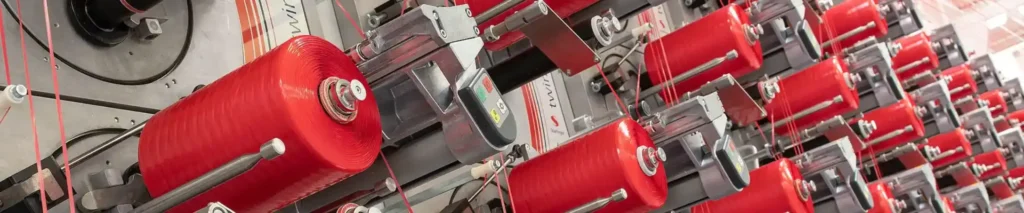
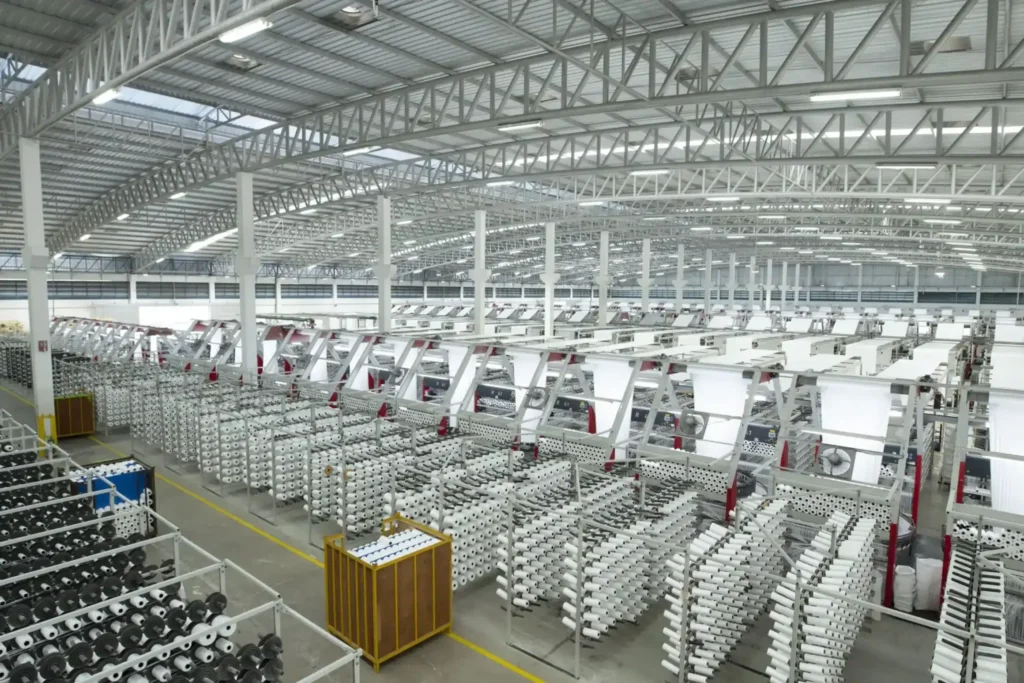
- State-of-the-Art Equipment: Our production facilities are equipped with advanced machinery from leading suppliers like Starlinger. This technology allows us to produce waterproof woven bags with precision and consistency.
- Lamination and Coating Technologies: We employ advanced lamination and coating techniques to enhance the water resistance and durability of our bags. These processes add an extra layer of protection and ensure that our bags can withstand harsh conditions.
Quality Control
- Rigorous Testing: Every batch of Waterproof woven bags undergoes extensive testing to ensure it meets our quality standards. We test for moisture resistance, tensile strength, and overall durability to ensure that our bags provide reliable protection.
- Custom Solutions: We work closely with our clients to understand their specific needs and provide customized solutions. Whether it’s for bulk storage or specialized packaging requirements, our team is dedicated to delivering products that meet and exceed expectations.
Industry Trends and Future Directions
The demand for Waterproof woven bags continues to grow as industries seek more effective solutions for packaging and transportation. Innovations in materials and manufacturing processes are expected to drive further improvements in the performance and functionality of these bags.
VidePak remains committed to staying at the forefront of these developments, continuously enhancing our products to meet the evolving needs of our clients. Our focus on quality, customization, and advanced technology ensures that we provide the best possible packaging solutions for the chemical fertilizer industry and beyond.
By investing in high-quality raw materials and state-of-the-art manufacturing processes, VidePak ensures that our Waterproof woven sacks deliver superior performance and protection for a wide range of applications.