
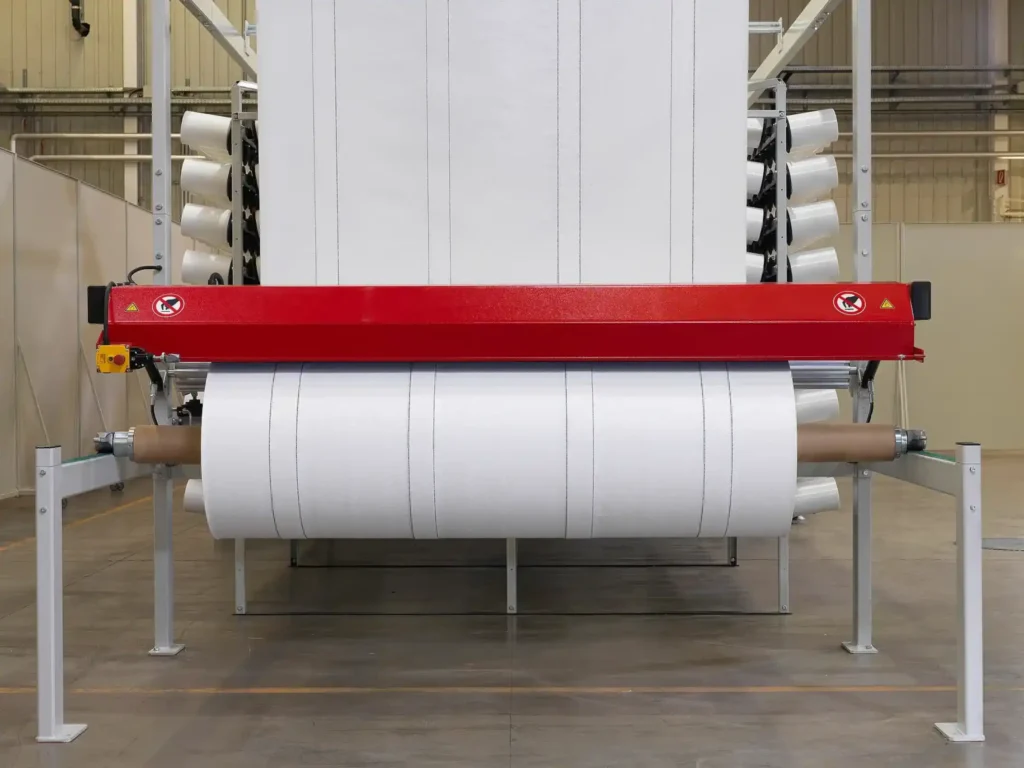
FFS PP Bags: Optimizing Food Packaging

## What are FFS PP Bags? FFS PP Bags—short for Form‑Fill‑Seal Polypropylene bags—are heat‑sealable, tube or single‑web films engineered for on‑line forming, dosing, and sealing on automatic FFS machines. In operations they are also called FFS polypropylene sacks, FFS tubular PP rolls, heavy‑duty FFS PP film, or simply FFS PP packaging. Unlike pre‑made sacks that arrive as finished bags, these materials are supplied as continuous film (tubular or flat) which the machine converts into a bag right at the point of fill. This consolidates forming, filling, and sealing into a single motion, raising throughput while reducing labor and secondary handling. They behave like calibrated components in a plant’s wider system: polymer blends that balance stiffness and clarity; co‑extrusion stacks that align barrier with shelf‑life; sealant layers tuned for consistent hermeticity; print systems that survive warehouse abrasion yet remain legible at retail. The payoff is measurable—cleaner fills, tighter average weights, fewer stoppages, and lots that sail through migration and hygiene audits.
Callout — Why this format wins for food
On high‑mix food lines, forming in place limits touchpoints, keeps bags square, and lets graphics change without re‑tooling. In a word: agility, without chaos.
## Key features of FFS PP Bags Heat‑seal reliability at speed. Co‑extruded PP structures drop a lower‑melt seal layer (metallocene‑PP or PP‑PE blends) onto the product side for robust seals within narrow dwell windows. Typical hot‑bar ranges: ~140–165 °C, subject to layer chemistry and gauge. Strength with low tare. PP’s modulus supports thin gauges while keeping drop and puncture performance competitive. Commercial food FFS runs around 70–140 μm (single web) or 120–200 μm (tubular heavy duty). Dart impact often exceeds 200 g (ASTM D1709); tensile follows ASTM D882. Barrier tailored to recipe. PP alone blocks moisture well; oxygen barrier can be upgraded via EVOH or PA tie‑ins for nuts, roasted coffee, or high‑fat snacks. For salt, sugar, or flour blends using inner liners, simpler PP/PP builds keep costs and recycling pathways attractive. Print that survives the ride. Flexo up to 8–10 colors, with corona 38–40 dynes. Matte or gloss varnishes defend barcodes and batch codes through palletization, depalletization, and case packing. Coefficient of friction tuned for flow. Outside COF 0.25–0.45 reduces stick‑slip; inside COF can be dialed for product flow or grip. Slip/anti‑block packages are rationed to avoid fish‑eyes and ink defects. Food‑contact compliance. Built under ISO 22000 or BRCGS Packaging. Materials reference EU 10/2011 and FDA 21 CFR 177.1520; migration results and DoCs ride with lot codes printed on the web edge. UV and climate resilience. UV stabilizers and anti‑yellow packages resist yard exposure; impact‑modified seal layers stay ductile below 0 °C for cold‑chain handling.
Feature card — Print integrity
Corona treatment and abrasion‑resistant overvarnish keep labels and barcodes readable after 1,000+ km of transit.
Feature card — Flow control
Outside COF protects chute speeds; inside COF prevents hang‑ups on the forming shoulder during high‑rate dosing.
Feature card — Barrier choices
Choose PP/PP for moisture‑led recipes, or add a slim EVOH layer for oxygen‑sensitive foods.
Data reinforcement. Typical sourcing specs: gauge 80–140 μm for single‑web food packs; dart impact > 200 g; COF (out) 0.25–0.45; corona 38–40 dynes; print up to 8–10 colors; EVOH content 3–7% by thickness for oxygen barrier; seal strength verified via ASTM F88. Case analysis. A rice processor moved from pre‑made PE to FFS PP Bags with a slip‑balanced outer and m‑PP seal layer. Speed rose from ~22 to ~30 packs/min on a 5‑kg SKU; drop‑test seal failures halved. Comparative study. Against PE monolayer FFS, FFS PP Bags deliver greater stiffness and print crispness, though PE wins extreme‑cold toughness. Against BOPP/paper hybrids, PP FFS simplifies recycling and resists delamination in humidity. ## Production process for FFS PP Bags 1) Resin & compounding. Homopolymer PP for stiffness; random copolymer for clarity and low‑temp ductility; metallocene PP for low‑dwell seals; optional PE/elastomer for impact. Additives: slip, anti‑block, antioxidants, UV stabilizers. 2) Co‑extrusion. Blown (most common) or cast co‑ex builds the stack: print layer / core stiffness / sealant; optional EVOH + tie layers for oxygen barrier. Distribution protects barrier from pinholing and keeps sealant from crushing artwork. 3) Gauging & treatment. Inline sensors hold thickness tolerance; corona raises surface energy for print anchorage. 4) Tube formation or edge‑folding. Blown film exits as a tube; cast film can be edge‑folded and side‑sealed to create a tube. Registration marks enable accurate cut‑and‑seal at speed. 5) Printing. Flexo (6–10 colors). Color sequence and overvarnish protect batch codes and nutrition panels. 6) Slitting, winding, roll QA. Slit to layflat width, wind to OD targets; hardness and edge checks prevent telescoping. 7) Lab tests & release. ASTM F88 (seal), D1709 (dart), D882 (tensile), D1894 (COF), D3985 (OTR for barrier). Migration per EU 10/2011; DoCs filed with lot.
Process map (textual)
Resin → Co‑ex film → Gauge & treat → Print → Slit/wind → QA → FFS line (form/fill/seal) → Case pack → Palletize.
## Applications of FFS PP Bags Staple grains & pulses. 2–10 kg rice, beans, lentils: PP stiffness yields crisp edges and stable pallets; optional EVOH for aroma retention. Sugars & salts. Moisture barrier mitigates caking; fin‑seal venting reduces dust. Flour & premixes. Inside COF tuned to prevent shoulder hang‑ups; bold lot codes for QA pulls. Snacks & dry foods. EVOH/PA layers protect oxygen‑sensitive products; optional off‑line zip or laser score supports reseal. Frozen & chilled. Impact‑modified sealants prevent brittle failures below 0 °C; anti‑fog for visibility where needed. Case analysis. A brown‑sugar co‑packer adopted higher outside COF and micro‑vents at the fin seal; pallet tilt events fell, “pillow” tops reduced during transport. Comparative study. Pre‑made woven sacks suit 25–50 kg industrial; FFS PP Bags dominate 1–10 kg retail SKUs where graphics, speed, and shelf form matter. ## “Optimizing Food Packaging” — a structured view of FFS PP Bags Demand signals. More SKUs, shorter cycles, stricter audits. FFS PP Bags answer with fast seal windows, quick artwork swaps, and clear DoCs. Compliance frameworks. ISO 22000 and BRCGS Packaging set hygiene scaffolding; EU 10/2011 and FDA 177.1520 govern material contact; GMP under (EC) 2023/2006 keeps processes disciplined. Performance testing. ASTM D1709/D882/D1894/F88/D3985 underpin mechanical, frictional, sealing, and oxygen results; retailers may reference ISTA 3A/6 for transit.
Callout — Quantified gains
Plants moving to FFS PP Bags report 20–40% faster pack rates on 2–5 kg SKUs, fewer seal reworks, and better case‑pack density—often with no change to the recipe.
## Operations: forming, filling, sealing, and flow Forming. Forming set matches layflat width; flatness and thickness tolerance drive registration accuracy. Filling. Inside COF and antistatic packages manage powder/granule behavior; micro‑vents or fin‑seal channels evacuate air. Sealing. DOE tunes dwell/pressure/temperature; jaw coatings prevent film stick; impulse vs. hot‑bar trade‑offs are line‑specific. Inventory & cube. PP stiffness yields brick‑like packs that case‑pack efficiently and stack safely; optimized outside COF reduces over‑wrap. Case & compare. Anti‑fog windows for spices improved shelf appeal; hot‑bar ruggedness vs. impulse delicacy depends on artwork risk and maintenance discipline. ## Risk controls & continuous improvement Material. Low‑temp brittleness, seal delam, odor carry‑over, ink scuff—counter with impact modifiers, tie‑layer tuning, solvent control, and overvarnish. Process. Telescoping, length drift, mis‑registration—counter with roll‑hardness checks, photo‑eye calibration, and encoder feedback. People. Hot jaws, knives, heavy rolls—counter with guarding, LOTO, lift assists, SOP visuals. Data. SPC on COF, seal strength, dart; retains under 40 °C/75% RH for aging insight. Case study. Cleaning seal jaws every break cut random pinholes by 60% over four weeks on a sugar line. Compare. EVOH boosts shelf life but hates humidity; PA lifts puncture but raises moisture regain—choose stacks per product and climate. ## Sustainability & end‑of‑life Material efficiency. PP’s stiffness enables down‑gauge without losing pack stand‑up; moving from laminated paper to co‑ex PP cut packaging mass per 5‑kg unit in multiple trials. Mono‑material paths. PP‑rich builds simplify recycling; thin EVOH fractions keep PP dominant. Clear disposal guidance aids local streams. Energy & speed. Faster seals and fewer reworks lower kWh/ton; better cube reduces freight CO₂/ton‑km. Case & compare. A grain brand dropped from 120 μm to 100 μm after seal DOE (≈17% resin saved). Paper looks premium but wilts in humidity; co‑ex FFS PP Bags balance appearance, speed, and end‑of‑life simplicity. ## Color specification table — indicative (food‑grade FFS PP Bags)
Attribute Typical Options / Values Notes
Gauge (single web) 80–140 μm Heavier for sharp/abrasive contents
Gauge (tubular) 120–200 μm Heavy‑duty sacks and larger SKUs
Layflat width 350–650 mm Match to forming set & dose size
Outside COF 0.25–0.45 Chute flow vs. pallet grip balance
Corona 38–40 dynes Ink anchorage for flexo
Printing Up to 8–10 colors Solvent or water‑based flexo
Seal window ~140–165 °C Dependent on sealant layer
Dart impact >200 g (ASTM D1709) Buyer‑specific thresholds
Tensile Per ASTM D882 MD/TD targets by buyer spec
OTR (barrier builds) <5–20 cc/m²·day (ASTM D3985) For oxygen‑sensitive foods
Compliance ISO 22000; BRCGS; EU 10/2011; 21 CFR 177.1520 Lot‑level DoC and migration tests
## Integrated solution path for VidePak buyers Step 1 — Define risk & regulatory envelope. Dry ambient vs. fatty food, shelf‑life target, and climate decide barrier stack (PP/PP vs. PP/EVOH/PP), ink system, and migration testing. Step 2 — Map product flow & line behavior. Bulk density, particle size, angle of repose, dosing method, and cadence inform gauge, layflat, COF, and sealant chemistry. Step 3 — Balance shelf presence with recyclability. Where gloss and stiffness are priorities, test whether co‑ex PP can replace BOPP lamination to keep mono‑material streams. Step 4 — Validate & lock. DOE sealing windows; verify F88/D1709/D882/D1894 metrics; confirm EU 10/2011 migration; freeze artwork with scuff‑resistant varnish. Implement roll‑level traceability. Outcome. A bag that forms cleanly, fills quickly, seals first‑time, and ships square—FFS PP Bags as a quiet amplifier of OEE, hygiene, and brand presence.
Call to action
Share your product type, target shelf life, and pack size. VidePak will return a tuned FFS PP Bags specification—gauge, layflat, sealant, barrier stack—plus a validation checklist aligned to ISO 22000/BRCGS and EU 10/2011.
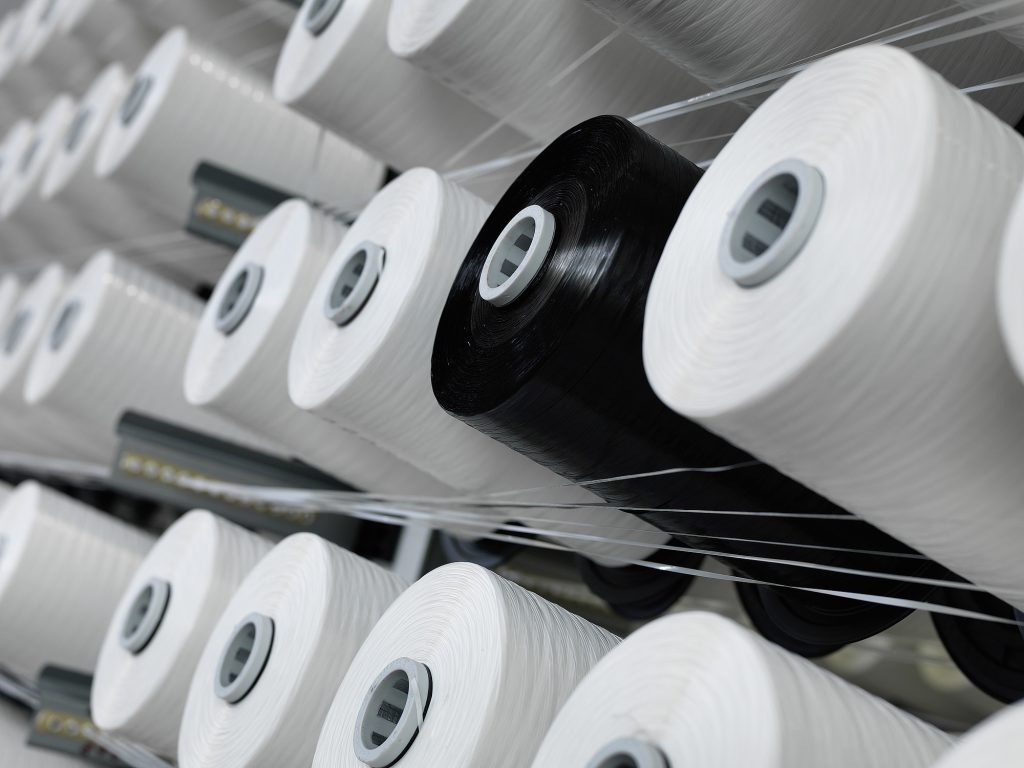
Single internal link for further exploration: learn more about heavy‑duty form‑fill‑seal options connected to FFS PP Bags.

“Why are FFS (Form-Fill-Seal) PP bags becoming the gold standard for livestock feed packaging?”
The answer lies in their seamless integration of automation, durability, and sustainability, enabling cost-effective, hygienic, and scalable solutions for diverse feed applications—from poultry to aquaculture. VidePak, a global leader in woven bag manufacturing, leverages advanced Austrian Starlinger machinery and 100% virgin PP materials to deliver FFS bags that meet stringent industry demands while aligning with global ESG goals.


1. Introduction: The Role of FFS PP Bags in Modern Feed Packaging

FFS PP bags, designed for automated filling and sealing, are revolutionizing livestock feed packaging by combining high-speed production (up to 120 bags/minute) with precision quality control. These bags are particularly critical for industries requiring contamination-free storage of hygroscopic or nutrient-sensitive materials, such as poultry feed, aquaculture pellets, and premixed additives. VidePak’s $80M annual revenue and global market presence underscore their expertise in tailoring FFS solutions to meet sector-specific needs.

Key Insight:

“In feed packaging, a single compromised bag can lead to spoilage costing thousands. Our FFS systems ensure hermetic seals and material integrity from production to pallet.”
— Ray, CEO of VidePak


2. Application-Specific Challenges and Solutions

Livestock feed types demand distinct packaging specifications. Below is a breakdown of critical requirements across sectors:

2.1 Poultry and Swine Feed

  • Challenge: High fat content in poultry feed increases oxidation risk, while swine feed requires resistance to abrasion during transport.
  • Solution: VidePak’s FFS bags with BOPP lamination (0.05mm thickness) block UV light and oxygen, extending shelf life by 30%. Anti-static coatings prevent dust explosions during filling.

2.2 Aquaculture and Fish Feed

  • Challenge: Fish pellets require moisture resistance (<0.5% water ingress) and breathability to prevent mold in humid environments.
  • Solution: PE-coated PP bags with micro-perforations (200–500 pores/m²) balance moisture barriers and airflow, reducing spoilage rates by 25%.

2.3 Premixes and Veterinary Additives

  • Challenge: Trace nutrient degradation due to light exposure and microbial contamination.
  • Solution: Aluminum foil-lined FFS bags with light-blocking layers and antimicrobial additives (e.g., silver ions) ensure compliance with FDA CFR 21 standards.

3. Key Parameters for Selecting FFS PP Bags

Clients must evaluate five critical factors to optimize feed packaging:

ParameterPoultry FeedAquaculture FeedPremixes
Thickness (mm)0.08–0.120.10–0.150.06–0.10
Grammage (g/m²)90–120110–15080–100
Outer LayerBOPP LaminatedPE-CoatedAluminum Foil
Inner LayerNoneMicro-Perforated FilmAntimicrobial Lining
Load Capacity (kg)25–5020–4010–25

Data Source: Livestock Feed Packaging Market Report, 2025


4. Cost-Benefit Analysis and Sustainability

VidePak’s FFS bags reduce operational costs through:

  • Automation Efficiency: Starlinger FFS systems cut labor costs by 40% compared to manual sewing.
  • Recyclability: 100% PP construction enables closed-loop recycling, diverting 1,200 tons/year of waste from landfills.
  • Energy Savings: Solar-powered extrusion lines reduce carbon footprint by 15%.

Case Study: A Vietnamese aquaculture farm reduced feed losses by 18% after switching to VidePak’s PE-coated FFS bags, achieving ROI within 8 months.


5. FAQs: Addressing Client Concerns

  1. How does bag thickness affect cost and performance?
    Thicker bags (0.15mm+) offer higher puncture resistance but increase material costs by 20–30%. Thin films (0.06mm) suit lightweight premixes.
  2. Are antimicrobial linings safe for animal feed?
    Yes—VidePak uses FDA-approved additives like zinc oxide, which inhibit bacterial growth without leaching toxins.
  3. Can FFS bags withstand maritime humidity?
    PE coatings and hermetic seals prevent moisture ingress even at 85% RH, ideal for export to tropical regions.

6. Future Trends: Smart and Bio-Based Solutions

  • IoT-Enabled Bags: QR codes for batch tracking and expiry alerts (piloted with a EU poultry conglomerate).
  • Bio-PP Blends: Partnering with Braskem to develop 30% sugarcane-based PP, targeting a 2030 launch.

For insights into sustainable practices, explore our guides on automated FFS systems and eco-friendly material innovations.


7. Conclusion: Elevating Feed Safety Through Engineering Excellence

FFS PP bags are more than packaging—they are a lifeline for global food security. By mastering parameters like breathability, antimicrobial protection, and automated sealing, VidePak sets industry benchmarks while driving the transition to circular economies.

Final Perspective:

“In feed packaging, every micron of film and every sealed seam matters. VidePak’s commitment to precision ensures that nutrition reaches livestock—not landfills.”
Journal of Agricultural Packaging Innovation, 2025

Leave a Comment

Your email address will not be published. Required fields are marked *

Scroll to Top