
Definition and Scope — What are Recyclable PP Bags?
In the language of civil protection and hydraulic engineering, Recyclable PP Bags are high‑tenacity containers built from polypropylene (PP) webs—usually woven tapes with optional coatings or laminated films—designed to be filled on site with sand, gravel, soil, or absorbents and then stacked, chained, or tethered to shape water. The same artefact appears under many aliases: PP sandbags, polypropylene flood sacks, woven poly emergency bags, reusable polyolefin barrier bags. Whatever the badge, the mission is constant: create a controllable, modular unit of mass that can be deployed quickly, survive turbulent conditions, and return—once emptied and decontaminated—into a recycling pathway consistent with #5 polypropylene.
At first glance a sandbag looks trivial. Yet the performance of Recyclable PP Bags emerges from a dense interplay of material physics (molecular orientation, UV stabilization), geotechnical behavior (seepage vs. uplift, toe stability), and human factors (glove ergonomics, night‑time visibility, training cadence). A well‑specified bag is not just a sack; it is a system component whose small choices—hem type, coat weight, anti‑slip pattern—decide whether a wall gains that one extra, lifesaving course before the crest arrives.
Material Architecture — From Resin to Fabric to Barrier
Materials are decisions with consequences. The most effective Recyclable PP Bags are built from the fewest possible parts that satisfy strength, durability, ergonomics, and end‑of‑life goals. Below is a structured map of the material stack, with each layer tied to a field outcome and a cost lever.
Homopolymer PP dominates tape extrusion thanks to stiffness and tensile strength; impact copolymer appears in thick films or molded closures for cold‑weather resilience. Density ≈0.90 g/cm³ keeps freight light; low moisture uptake and broad chemical resistance make PP forgiving in brackish or polluted floodwaters.
Design levers: melt flow index for processability; isotacticity for modulus; antioxidants for thermal history; HALS (hindered amine light stabilizers) for sunlight; nucleators for clarity and cycle time in films. Economically, the dominant lever is grams per bag—every unnecessary gram travels on every truck, to every site.
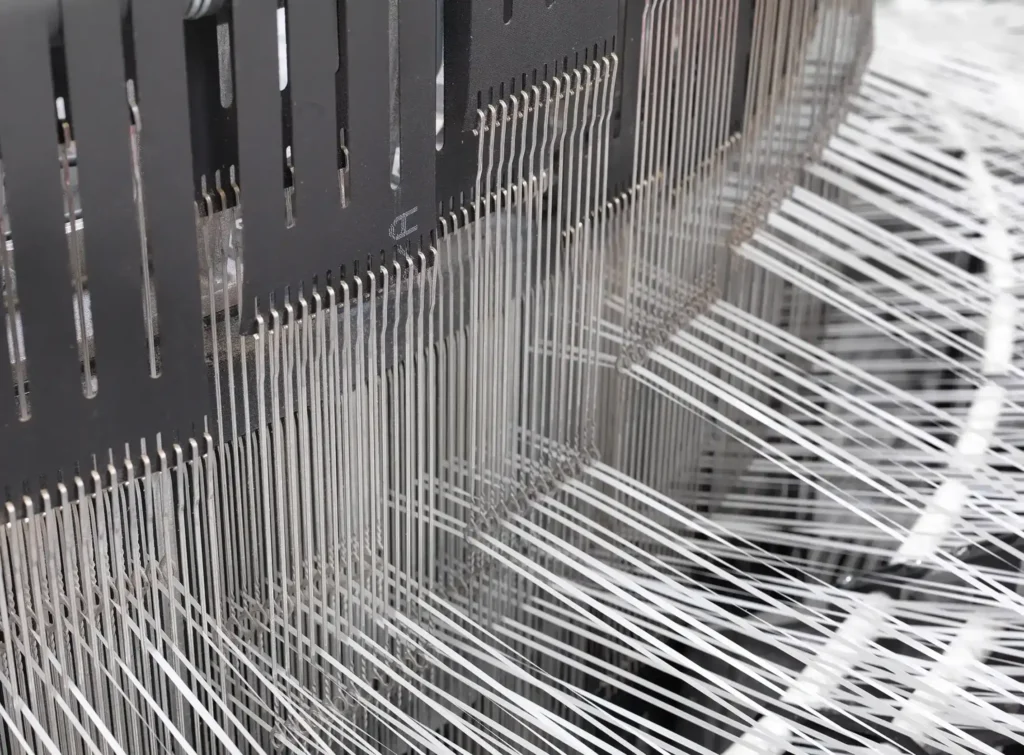
Extruded PP sheet is slit into tapes and drawn 6–8× to align chains, raising tenacity and creep resistance. Circular looms weave those tapes into tubular fabric—typically 65–160 g/m². Weave density (10×10–12×12 tapes/in) controls porosity and silt retention; MD/TD balance governs bulging and stack stability.
Outcome mapping: fabric GSM is the first predictor of tensile and seam efficiency; too low risks tears, too high inflates cost and slows fill rate per crew.
Uncoated woven PP breathes—useful in earthen levees. Extrusion coating with PP (≈15–30 μm) narrows pores, reduces dust, and improves abrasion; BOPP lamination (20–35 μm) adds a printable, scuff‑resistant face while staying within mono‑polyolefin identity. Anti‑slip stripes (silica‑filled) stabilize stacked courses without heavy sprays.
Trade‑off: more barrier reduces seepage but can raise uplift pressure; choose porosity to match site hydraulics.
Seasonal staging demands HALS packages calibrated to regional UV index; carbon‑black improves UV resistance but may complicate optical sortation downstream. Bright color masterbatches or reflective inks serve night ops and sorting between clean vs. contaminated streams.
Hemmed mouths reduce cuts; drawstrings or ties speed closure. Liners (thin PP/PE) are reserved for very fine fill or polluted sediments to avoid egress. Hot‑air welded seams, though costlier, reduce stitch porosity for doorways and utility protection.
Under‑film QR/Datamatrix codes support lot tracking and recovery audits. Reverse‑printed BOPP patches outlast surface print on rough fabric and stay scannable after abrasion.
Feature Set — From Pain Points to Field Outcomes
Every specification line should resolve a real hazard: caking of fines, wall slump, knife injuries, unreadable labels, brittle failures in sun, landfill afterlife. Below, the recurring hazards are paired to features that change outcomes when crews are tired, wet, and racing the hydrograph.
Uncoated or lightly coated faces enable pressure relief, limiting blow‑outs and encouraging compaction of fill. For near‑zero flow, add coating or liner and anchor against uplift.
Silica‑filled anti‑slip stripes at true contact zones raise friction, adding safe course height with the same crew effort.
HALS packages matched to climate preserve tensile properties; carbon‑black or tarps extend staging life.
Hemmed mouths, clear open/close arrows, and appropriate bag stiffness cut glove snags and reduce knife use.
Under‑film serialization + lot codes enable after‑action audits and separate clean vs. contaminated streams for end‑of‑life.
Mono‑PP architecture aligns with #5 recycling; advanced recycling pilots expand options where mechanical streams are absent.
Process Map — How Recyclable PP Bags Are Manufactured
From pellets to stacked walls, the journey of Recyclable PP Bags can be read as a sequence of control charts: each station widens or narrows the operating window for the next. Where failures recur, the root usually hides in one of these dials.
- Compounding: PP resin + masterbatches (UV, pigment, slip) → melt filtration and moisture control. Output is a cast sheet with stable rheology.
- Slitting & drawing: sheet → tapes; draw ratio 6–8× sets tenacity; inline width/neck‑in and thermal profile management avoid split ends that seed seam weakness.
- Weaving: circular looms set pick density and balance MD/TD; GSM variation is tracked since it correlates with drop performance.
- Coating/lamination: extrusion coat PP (or laminate BOPP) to tune porosity; coat‑weight maps predict bag‑level seepage and abrasion performance.
- Printing: reverse print on BOPP patches for durable labeling; spectrophotometric ΔE controls protect legibility; rub tests simulate transport wear.
- Conversion: cut to length; bottom fold and seam (chain stitch or hot‑air weld); hem mouth; add ties or drawcords; integrate anti‑slip stripes and reflective bands.
- Quality: GSM, tape tenacity, seam efficiency, COF (ASTM D1894), dart impact (ASTM D1709), UV weathering, and full‑bag drop tests at specified fill mass. Traceability binds every bag ID to resin, coating, and print lots.
Application Landscape — Flood Control and Water Management
Because Recyclable PP Bags act as both structural units and hydraulic modifiers, their use cuts across emergency response and planned works. The same design palette supports very different risk profiles, from a river crest sprint to months of coastal staging.
- Rapid flood defense: stacked walls, doorway barricades, ad‑hoc diversion berms; emphasis on quick fill, stack stability, and predictable seepage.
- Water works: coffer dams around excavations, culvert bypasses, silt‑fence anchoring where bags serve as ballast.
- Agricultural control: field bund repair, canal toe protection during monsoon, small‑holder weir improvisation.
- Coastal operations: dune toe stabilization, scour buffers around pilings, overtopping mitigations during storm surge.
- Recovery logistics: debris anchoring, temporary traffic control ballast, and training kits for community exercises.
Systems View — Making “Recyclable PP Bags: An Effective Solution for Flood Control and Water Management” Operational
Effectiveness is not stamped into a single bag; it emerges from loops that reinforce or unravel under pressure. The following subsystems show how design, logistics, safety, and stewardship interlock.
Subsystem A: Hydraulics × Soil
The first decision is philosophical: should the wall breathe or seal? Earthen levees thrive on controlled seepage—water seeps, fines settle, the structure compacts. Doorways and utility pads demand the opposite—nearly sealed faces that refuse water. Recyclable PP Bags let engineers pick a porosity and then counterbalance with toe support, batter angle, and anchors, so failure migrates toward benign seepage rather than catastrophic overturning.
Subsystem B: Logistics × Speed
Minutes to safe height beats grams per bag. Anti‑slip bands add one or two safe courses with the same crew. Pre‑attached ties shave seconds from every fill. High‑contrast height markers improve night checks. The unit cost matters; the unit time matters more.
Subsystem C: Durability × Staging
Seasonal staging punishes under‑stabilized fabric. HALS at the right dose prevents chalking and cracks; tarps extend life regardless of polymer; carbon‑black adds margin but can interfere with optical sorting. The win is a bag that survives drills and remains recyclable.
Subsystem D: HSE × Labeling
Crews work tired. Hemmed mouths reduce cuts; printed open/close arrows reduce knife use; reflective bands cut accidents at floodlights; serialization stops commingling of clean and contaminated streams. Small marks, large outcomes.
Subsystem E: End‑of‑Life × Stewardship
The promise of recyclability must survive contact with mud. Mono‑PP stacks, distinct color coding, and dewatering plans make it practical to bale and ship the clean fraction to #5 reclaimers or advanced recycling partners. Where contamination is unavoidable, honest labeling prevents greenwashing and sets correct expectations.
Standards, Certifications, and Test Methods
Credibility flows from evidence. While Recyclable PP Bags are not food packaging, many converters operate under systems used for sensitive goods— ISO 9001:2015 for quality, ISO 14001:2015 for environmental performance, and ISO 45001:2018 for occupational safety. Performance tests often pull from ASTM and textile standards: D882 (film tensile), D1894 (COF), D1709 (dart impact), F1249 (WVTR for coated fabrics), D5035 (strip tensile for fabrics) or D4632 (grab tensile for geotextiles). Agencies publish operational sandbag guides (bag size ~14×26 in; fill ≈35–45 lb; batter ~45°) that, while not material standards, anchor practical success.
| Structural/Barrier | Typical Range/Target | Why It Matters |
|---|---|---|
| Fabric GSM (woven PP) | 65–160 g/m² (usage‑dependent) | Primary lever for tensile & seam efficiency; higher for reuse/abrasion. |
| Weave density | 10×10–12×12 tapes/in | Controls porosity, silt retention, puncture behavior. |
| Extrusion coat weight | 15–30 μm | Narrows pores; reduces dusting; raises abrasion life. |
| UV stabilization | Tiered (seasonal/extended) | Matches staging duration and sunlight exposure. |
| COF (face/face) | 0.30–0.45 with stripes | Governs stack stability in levees and pallets. |
| Mechanical/Deployment | Target | Test/Remark |
|---|---|---|
| Drop resistance (20–25 kg fill) | ≥5 drops @ 1.2 m, no rupture | Full‑bag testing, dry & wet conditions. |
| Seam efficiency | ≥70% of fabric tensile | Stitch density, thread spec, bottom fold design. |
| Fill rate per crew | ≥500 bags/shift (training dependent) | Driven by mouth stiffness, staging, ties. |
| Stackable course height | +1 to +2 vs. plain with stripes | Validate wet & dry on site substrate. |
Design Playbook — From Questions to Choices
Which matters more here: seeing water trickle or seeing the wall topple? Do we prefer a breathable levee or a sealed doorway? Is the crew constrained by time or by budget? The most effective briefs for Recyclable PP Bags start with questions, not with catalogs.
- If the risk is head pressure on earthen berms, prefer breathable fabric and well‑graded sand; spend on anti‑slip, not liners.
- If the risk is ingress into a building, prefer coated fabric or liners and plan anchors; spend on door‑side sealing sheets and egress labeling.
- If the constraint is crew time, pre‑attach ties, use height markers, and keep GSM just high enough to survive drops.
- If the constraint is end‑of‑life, keep layers mono‑PP; label #5; publish dewatering and baling steps on pack.
Worked Scenarios — Blueprint to Deployment
Scenario 1: A river crest is forecast within 24 hours; crews must gain 0.6 m height across a 60 m frontage on silty clay. Choose a breathable variant at ~80–90 g/m², anti‑slip stripes, and hemmed mouths. Train a 45° batter, stage chutes, color‑code clean fill, and mark course counts. Verify with a five‑course mock stack. After the event, divert clean sand, dewater bags, and bale for #5 reclamation.
Scenario 2: A substation needs doorway and cable‑tray protection against localized flash flooding. Choose coated fabric (~95 g/m² + 20 μm PP coat) with reflective labeling. Place plastic sheeting under the first course, anchor against uplift, and ensure egress signage. After use, separate contaminated units; dewater and recycle the rest.
Risk Register — Failure Modes and Mitigations
Patterns repeat. Map them once, and crews gain time when it counts.
| Risk | Likelihood | Impact | Design Mitigation |
|---|---|---|---|
| UV embrittlement in staging | Medium | Medium | HALS tier matched to climate; tarps; optional carbon‑black. |
| Wall sliding on saturated clay | Medium | High | Anti‑slip stripes; wider base; geotextile underlayment. |
| Knife injuries at opening | Medium | Medium | Hemmed mouth; printed open/close arrows; training. |
| Mixing clean and contaminated fill | Low | High | Color coding; serialization; dedicated piles and logs. |
Cost & Operations — The Total‑Cost Lens
The best Recyclable PP Bags are those that convert minutes into meters. Unit price matters, but the true KPI is minutes to protective height per trained crew, with a clean end‑of‑life. Material efficiency through orientation and right‑sized GSM, conversion yield via coat‑weight uniformity, throughput through ergonomics, and stewardship through mono‑PP design—these are where tenders are being decided in 2024–2025.
Editable Specifications — Ready to Adapt
Spec A — Breathable levee unit (single‑event)
Structure: woven PP 80–90 g/m²; uncoated; hem + tie; anti‑slip stripes optional.
Targets: ≥5 drops @ 1.2 m (20–25 kg); seam efficiency ≥70%; COF ≥0.30; UV short‑term.
Notes: 45° batter; well‑graded sand; avoid overfill.
Spec B — Doorway/utility barrier (low seepage)
Structure: woven PP 95 g/m² + 20 μm PP coat; double‑fold bottom; anti‑slip; reflective panel.
Targets: near‑zero seepage; anchor against uplift; validate dart impact; UV short‑term.
Notes: plastic sheet under first course; egress signage.
Spec C — Seasonal training/staging (reusable)
Structure: woven PP 110–120 g/m²; UV tier; anti‑slip; reinforced corners; serialization.
Targets: survive tarped staging; maintain seam performance after cycles.
Notes: dewater and bale clean fraction for #5 reclamation.
Field Diagnostics — Quick Patterns, Quick Fixes
- Corner bruises → raise coat weight at wear points; adjust bottom fold; check thread.
- Wall sliding → denser anti‑slip; broaden base; lay a geotextile underlayment.
- UV chalking → upgrade HALS/carbon‑black; tarp stockpiles.
- Excess seepage → move to coated variant or liner; seal base with plastic sheet.
- Slow fill rates → stiffen mouth hem; widen chute; pre‑attach ties; drill the shovel‑to‑chute rhythm.
Perspective — A Human‑Centered Engineering Lens
When people are moving wet sand in the dark, elegance is measured in seconds saved and injuries avoided. Recyclable PP Bags win because they are light to ship, fast to fill, tolerant to stack, readable under rain, and honest about afterlife. In practice, the choice is rarely between good and bad; it is between breathing and sealing, grams and minutes, features and budgets. The art is to choose deliberately—and document those choices so they hold up on the levee and in the audit.
In the realm of environmental sustainability and effective disaster management, recyclable PP bags have emerged as a versatile and practical solution. Their applications extend far beyond traditional packaging, playing a crucial role in flood control and water management. This article explores the use of recyclable PP bags in flood prevention efforts, particularly as sandbags for barriers and dams, and compares their performance with other solutions in the market.
Understanding Recyclable PP Bags
Recyclable PP bags are crafted from polypropylene, a type of plastic known for its strength, durability, and recyclability. Unlike single-use plastics, these bags are designed to be reused and recycled, aligning with modern sustainability goals. The key benefits of recyclable PP sacks include:
- Durability: PP woven bags are robust and resistant to wear and tear, making them suitable for heavy-duty applications.
- Environmental Benefits: These bags are made from polypropylene, which can be recycled, thus reducing environmental impact compared to non-recyclable plastics.
- Versatility: Recyclable woven bags can be used in a wide range of applications, from packaging to flood control measures.
Applications in Flood Control
One of the most significant applications of recyclable PP bags is in flood control and water management. Here’s how these bags are utilized in various flood prevention strategies:
- Sandbags for Flood Barriers:
Recyclable PP sacks are commonly used to create sandbags for flood control. These sandbags are filled with sand and strategically placed to form barriers that can prevent water from breaching levees, dams, or other critical areas. The strength and durability of PP woven bags ensure that they can withstand the pressure of water and heavy sand loads. - Flood Defense Structures:
Recyclable woven bags are also employed in the construction of temporary flood defense structures such as dikes and levees. When filled with materials like sand, gravel, or soil, these bags form an effective barrier against rising water levels. Their ability to resist punctures and leaks makes them a reliable choice for such applications. - Water Containment and Management:
In addition to barriers and levees, woven recyclable bags can be used to create containment systems for water management. These systems can include water storage solutions for areas affected by floods or to control water flow in flood-prone regions.
Advantages Over Traditional Sandbags
While recyclable PP bags are a versatile solution, it’s important to compare their effectiveness with traditional sandbags and other alternatives:
- Environmental Impact:
Traditional sandbags are often made from non-recyclable materials, contributing to environmental waste. In contrast, recyclable PP bags can be reused and recycled, offering a more sustainable solution. Their ability to be repurposed or recycled after use reduces the overall environmental footprint. - Durability and Strength:
Compared to traditional burlap sandbags, PP woven bags provide superior strength and durability. They are resistant to tearing, UV degradation, and water damage, which enhances their performance in flood situations. This durability ensures that they remain effective over time, even in harsh conditions. - Cost-Effectiveness:
While the initial cost of recyclable woven bags might be higher than traditional sandbags, their long-term benefits in terms of durability and recyclability can lead to cost savings. Additionally, their ability to be reused and recycled can reduce waste management costs. - Ease of Use:
Woven recyclable bags are often lighter and easier to handle compared to traditional sandbags. Their flexibility allows for quicker deployment and adjustments during flood events, improving overall efficiency in flood management.
Industry Trends and Future Directions
The use of recyclable PP bags in flood control and water management is part of a broader trend towards sustainable and efficient solutions. Here are some trends and future directions in this field:
- Innovation in Materials:
Ongoing research and development are focused on enhancing the properties of recyclable materials. Innovations in polypropylene formulations and bag designs aim to improve strength, flexibility, and recyclability, making these bags even more effective for flood control. - Integration with Smart Technologies:
Future advancements may include the integration of smart technologies with PP woven bags. For instance, sensors could be embedded in the bags to monitor water levels and structural integrity in real-time, providing valuable data for flood management. - Increased Adoption of Sustainable Practices:
As awareness of environmental issues grows, there is a push for greater adoption of sustainable practices in flood control. The use of recyclable woven bags aligns with this trend, offering a greener alternative to traditional methods. - Enhanced Recycling Programs:
Improving recycling infrastructure and programs for polypropylene products is crucial. Effective recycling systems will ensure that recyclable PP sacks are processed correctly, further reducing their environmental impact.
Comparative Analysis with Other Solutions
To fully understand the advantages of recyclable PP bags, it’s essential to compare them with other flood control solutions:
- Versus Traditional Burlap Sandbags:
Burlap sandbags are biodegradable but can degrade quickly when exposed to water and harsh weather conditions. In contrast, PP woven bags offer greater durability and resistance, making them a more reliable choice for long-term flood control. - Versus Geotextile Bags:
Geotextile bags are another alternative used in flood management. While they provide good filtration and stabilization, recyclable PP sacks offer superior strength and resistance to environmental factors. Geotextile bags also tend to be more expensive compared to PP woven bags. - Versus Inflatable Dams:
Inflatable dams are a more modern solution but can be costly and complex to deploy. Recyclable woven bags provide a cost-effective and straightforward alternative for temporary flood barriers and levees.
Conclusion
The use of recyclable PP bags in flood control and water management exemplifies the intersection of sustainability and practicality. Their durability, strength, and environmental benefits make them an ideal choice for applications such as sandbags and flood barriers. As the industry continues to innovate and prioritize sustainable practices, recyclable PP sacks are poised to play an increasingly important role in managing and mitigating the impacts of floods. By leveraging these advanced materials and practices, communities can enhance their flood defense systems while contributing to a more sustainable future.