
VIDEPAK Polypropylene Bags: Engineered Woven Bags from a Reliable Global Supplier
Industrial packaging has a simple mission and a difficult job: hold the product, protect the product, move the product, and present the product. A bag may pass through a filling line in seconds, yet it must continue working through lifting, stacking, warehouse pressure, long-distance transport, humidity changes, abrasion, sunlight, and final handling. That is why VIDEPAK approaches Polypropylene Bags as an engineered packaging system rather than a low-value container. Every decision—from resin and tape orientation to weave density, coating, printing, seam construction, and pallet behavior—must support the real route from production line to customer.
VIDEPAK was founded in 2008 and presents itself as a manufacturer of heavy-duty industrial packaging with more than 500 employees, exports to more than 70 countries, and stated annual capacity of up to 800 million bags across its wider portfolio. Its published product range includes PP Woven Bags, valve bags, BOPP laminated formats, FIBC bulk bags, kraft paper sacks, and heavy-duty PE solutions. The company also states that it uses virgin materials and advanced European production equipment to support consistent output at scale.
VIDEPAK VALUE PROMISE: Strong where the supply chain is rough. Precise where the filling line is fast. Clear where the brand must speak. Flexible where the application changes. The right Polypropylene Bags do not merely contain value; they preserve it.
Why Polypropylene Bags Matter in Modern Packaging
The market chooses Polypropylene Bags because they unite qualities that are often separated in other packaging formats. They are light but strong, flexible but stable, economical but highly customizable. The woven structure spreads force through crossing tapes, so stress does not remain at one narrow point. The result is a package that can tolerate repeated lifting, stacking, and contact with rough surfaces when the fabric weight, seam, and bag shape are correctly matched to the filled product.
The material itself is central. Polypropylene is a low-density polyolefin with useful stiffness, chemical resistance, and process flexibility. Research literature describes its broad value in packaging and industrial products, while recycling guidance notes that PP can combine impact resistance, heat resistance, chemical resistance, and dimensional control in a widely used packaging resin.In practical terms, less material mass can provide meaningful carrying performance, and the resin can be converted into oriented tapes, woven fabric, coating, and printable film structures.
How Polypropylene Becomes a Load-Bearing Fabric
Raw Polypropylene resin is melted and formed into a thin sheet, then slit into narrow tapes. Those tapes are stretched, which orients the polymer chains and raises strength along the tape direction. Warp tapes and weft tapes are then interlaced on looms to form a fabric. The logic is easy to see: one tape carries force, crossing tapes share force, and the full fabric controls force. VIDEPAK technical guidance describes this route as resin selection, extrusion, tape drawing, weaving, optional coating or lamination, printing, cutting, and conversion.
This structure also gives designers several control points. Tape denier affects individual tape strength. Mesh count affects how tightly the fabric is woven. GSM, or grams per square meter, influences material mass and duty level. Coating affects dust control and moisture moderation. A liner adds a separate inner barrier. None of these settings should be selected alone. A heavier fabric with a weak seam can still fail; a strong seam with poor venting can slow filling; a glossy laminate with low surface friction can reduce pallet stability. Good Woven Bags are balanced systems.
Strength
Oriented tapes and controlled weaving help Polypropylene Bags resist tensile loads, puncture, and handling stress.
Protection
Coatings, laminates, liners, UV packages, and secure closures help adapt Woven Bags to the product and route.
Communication
Print systems turn industrial Polypropylene Bags into clear carriers of brand, handling, safety, and traceability information.
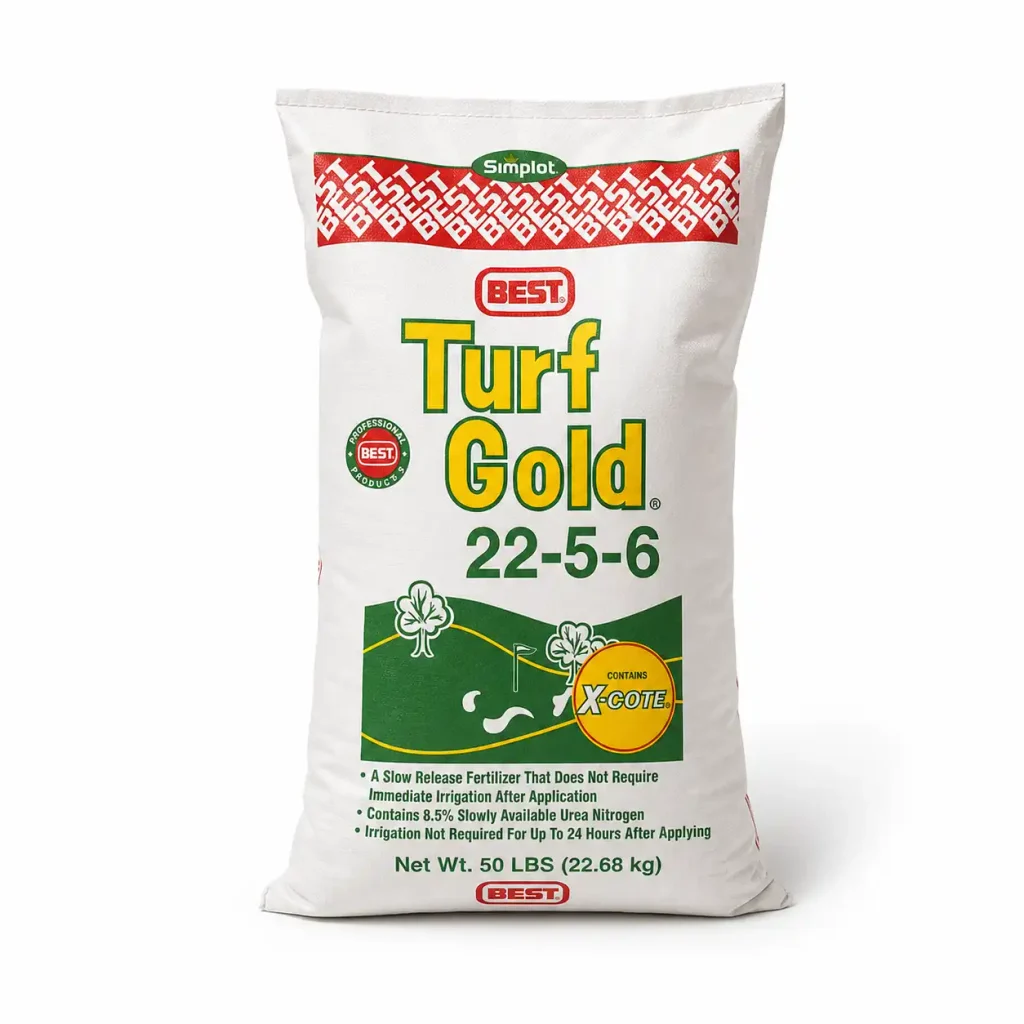
For chemical fertilizer, one of the toughest common applications, the benefits become especially clear. Granules and powders create dead weight, abrasion, dust, and moisture risk. VIDEPAK guidance highlights high tensile performance, moisture-resistant options, UV stabilization, secure sealing, and formats designed around loads reaching 50 kg.The same engineering logic applies to grain, seed, feed, salt, sugar, flour, minerals, resin pellets, dry construction mixes, and many other products: identify the pressure, then build the package around it.
VIDEPAK Product Architecture: From Plain Woven Bags to High-Impact Retail Packs
There is no universal bag for every product. VIDEPAK develops Polypropylene Bags through a modular structure in which the base fabric, surface layer, inner barrier, mouth style, bottom style, dimensions, printing, and functional treatments can be combined. This modular method gives buyers a practical advantage: instead of paying for every possible feature, they can specify the features that solve measurable risks.
VIDEPAK’s published guidance for its core PP Woven Bags lists customizable examples covering approximately 80–150 GSM, sizes from about 40 × 60 cm to 120 × 180 cm, and nominal carrying programs from 5 kg to 50 kg, with final values determined by product density, dimensions, fabric design, seams, and handling conditions. It also describes flat, gusseted, sewn, heat-sealed, block-bottom, anti-slip, windowed, coated, laminated, and liner-equipped choices. These ranges are design starting points, not automatic guarantees; the filled-bag test remains the final judge.
Core Formats and Their Commercial Roles
Plain Woven Bags are often the correct answer when breathability, direct functionality, and cost efficiency lead the brief. They can be supplied with a hemmed or heat-cut top, a sewn bottom, gussets for better cube shape, flexographic print, and optional coating. Their direct appearance suits industrial channels, while their open structure may help release air during filling. Simple does not mean careless. Tape consistency, clean cutting, stitch density, and print legibility still decide whether the bag runs well.
BOPP laminated Polypropylene Bags add a high-quality visual layer. The film is commonly printed on its reverse side before lamination, helping protect the artwork from direct rubbing. The woven substrate carries the load; the film carries the image. One is the skeleton, one is the face. Together they can deliver vibrant graphics, fine detail, gloss or matte effects, stronger resistance to surface scuffing, and improved presentation across retail and export channels. VIDEPAK describes this family as combining woven PP strength with a printable BOPP face and optional liners or functional features.
Liner-equipped Woven Bags separate structural strength from barrier performance. The outer fabric manages lifting and abrasion. The inner liner supports dust control, moisture protection, and product cleanliness. A liner may be loose, cuffed, tabbed, glued, or otherwise integrated according to the filling and discharge method. Its gauge, seal design, and fit must prevent folds from blocking the filler or creating weak areas. VIDEPAK quality guidance recommends checking liner gauge, pinholes, seal performance, bag dimensions, stitching, and filled-bag behavior as one connected system.
DESIGN RULE: Do not ask only, “How thick is the bag?” Ask, “What must the bag survive?” A trained Supplier translates product density, particle size, moisture sensitivity, filling speed, storage time, pallet height, transport mode, climate, and branding goals into a complete specification.
Functional details often create the final difference. Anti-slip treatment can support stack stability. Micro-perforation can release trapped air. A transparent window can show the contents. Easy-open tape can improve user convenience. UV stabilization can protect strength during defined outdoor exposure. Matte surfaces can reduce glare; glossy surfaces can heighten color. Handles may support smaller retail weights. A block bottom can improve standing shape. Each detail has a benefit, but each detail also changes cost, production, filling, or recycling behavior. VIDEPAK’s role as a Supplier is to make those trade-offs visible before the order is placed.
Application Engineering for Agriculture, Chemicals, Food, Feed, and Construction
The best Polypropylene Bags begin with the packed product, not with a catalog code. A free-flowing grain behaves differently from a fine mineral powder. Fertilizer may absorb moisture. Salt may challenge metal parts and inks. Feed may release oil or aroma. Flour demands clean handling. Dry mortar produces dust and requires rapid deaeration. Therefore, VIDEPAK maps the product, filler, route, storage, and end user before recommending fabric weight, mesh, liner, laminate, valve, perforation, seam, and print system.
In fertilizer packaging, strength and moisture control work as a pair. A high-strength fabric helps carry the load; a coating or liner helps preserve flow and reduce clumping. Yet too little venting can trap air during filling, while too much perforation can release dust or invite moisture. The correct answer is neither “more barrier” nor “more air.” It is controlled barrier and controlled air. VIDEPAK’s fertilizer guidance emphasizes load-bearing woven construction, moisture-resistant structures, UV options, and secure closure for granular and powdered products.
Food and agricultural products add another layer: cleanliness and market presentation. For suitable programs, virgin resin, documented inputs, clean conversion conditions, protected packaging, and application-specific compliance support are important. The buyer should provide the destination market, food-contact expectations, filling temperature, storage time, and any migration or odor requirements. A responsible Supplier does not treat “food grade” as a decorative phrase; it connects raw-material documents, production controls, finished-pack tests, and the actual intended food.
Feed and pet-food brands often need both toughness and color. Bags may be dragged, stacked, rubbed, and displayed. This makes BOPP laminated Woven Bags valuable: the structure can carry demanding loads while the printed film communicates nutrition, product type, instructions, batch data, and brand identity. The package must speak from a distance and survive at close range. Bright on the shelf, strong on the route—that contrast is the commercial power of laminated Polypropylene Bags.
Construction and mineral products shift attention toward filling performance. Fine powders trap air and can generate pressure inside the pack. Valve geometry, micro-perforation, coating pattern, fabric strength, and deaeration must work together. A bag that fills quickly but leaks is not efficient. A bag that never leaks but fills slowly is not efficient either. VIDEPAK therefore treats line trials as part of design, checking how the bag opens, seats, fills, vents, closes, conveys, and stacks under real machine conditions.
THE THREE-FIT PRINCIPLE
Product fit: the bag protects the contents. Process fit: the bag runs on the filling line. Market fit: the bag carries the required information and visual identity. VIDEPAK designs Polypropylene Bags where all three fits meet.
Controlled Manufacturing and Quality Assurance from Resin to Shipment
Consistency is the hidden feature customers value most. The first bag, the ten-thousandth bag, and the final bag in a repeat order should behave within agreed limits. VIDEPAK supports that goal by controlling linked production stages rather than inspecting only at the end. The company’s published process descriptions connect resin checks, tape extrusion, drawing, weaving, printing, lamination, cutting, gusseting, conversion, inspection, and packing.
VIDEPAK Process Flow for Polypropylene Bags
Identity, cleanliness, melt behavior, color, UV or functional package
Width, denier, draw ratio, tensile behavior, elongation
Mesh, tension, GSM, width, missing-tape and surface checks
Color, register, bond, coating weight, surface friction
Cut length, gusset, valve, liner, seam, heat seal, easy-open feature
Dimensions, appearance, strength, filled-bag trials, traceability, packing
At extrusion and drawing, small variations can become large final problems. Uneven tape width can change fabric mass. Unstable draw can change strength and elongation. Contamination can create weak points. At weaving, missing tapes, loose tapes, oil marks, width drift, and uneven tension must be identified before coating or lamination makes correction harder. Process control therefore moves upstream: prevent first, detect early, correct quickly.
Printing and lamination require another kind of precision. Color must remain within approved expectations. Text and barcodes must be readable. Registration must stay aligned across panels and gussets. Lamination must bond without bubbles, wrinkles, edge lifting, or unwanted curl. Surface friction must suit both the filling machine and the pallet. A smooth bag may travel well through one machine but slide in a tall stack; an aggressive anti-slip finish may stabilize a pallet but create feeding friction. VIDEPAK evaluates these conditions as connected performance, not isolated appearance.
Bag conversion creates the final load paths. Cutting should be clean. Gussets should fold consistently. Liners should fit without blocking the mouth. Sewing should have the correct thread, stitch type, stitch density, fold, and seam allowance. Heat seals should have suitable width and strength without damaging the fabric. Valve dimensions should match the spout. The seam is a small part of the bag, but a large part of the risk. Strong fabric, weak closure: failure. Balanced fabric, engineered closure: confidence.
Recognized test methods help create common language. ASTM D882 covers tensile properties of thin plastic sheeting and explains that controlled conditions are essential when results are used for specification, comparison, engineering, or quality control. ASTM D1709 evaluates impact resistance of plastic film using a free-falling dart and is useful for specification when method and sample conditions are controlled. For woven fabric and finished sacks, buyers may also specify relevant tensile, seam, drop, conditioning, UV, and filled-package methods based on product and market. Standards guide the test; application risk defines the acceptance plan.
VIDEPAK also supplies FIBC bulk packaging within its broader portfolio. For these products, ISO 21898:2024 specifies material, construction, design, type-test, marking, selection, and safe-use requirements for FIBCs intended for non-dangerous goods. Small Polypropylene Bags and FIBCs are different product classes, but the quality principle is the same: define the duty, test the complete package, document the result, and release only what meets the agreed requirement.
Why VIDEPAK Is More Than a Supplier of Woven Bags
A transactional Supplier quotes a bag. A strategic Supplier reduces uncertainty. VIDEPAK’s value is not limited to resin conversion or printing capacity; it lies in turning a broad operating brief into a controlled commercial package. That means asking the questions that prevent hidden cost: What is the bulk density? Is the product sharp, dusty, oily, warm, or hygroscopic? How fast is the filler? What is the spout size? How high is the pallet? Will the bags wait outdoors? Which face must carry the barcode? How will the customer open the package? Where will the empty bag be recovered?
These questions protect total cost. The lowest unit price can become expensive when bags tear, lines stop, powder leaks, pallets lean, colors vary, barcodes fail, or customers complain. The correct economic measure is cost per successfully packed, shipped, received, and used unit. A well-designed program may reduce resin through right-weighting, reduce freight through compact packing, reduce product loss through stronger closures, reduce downtime through dimensional control, and reduce rework through approved artwork management. Less waste, fewer interruptions, better arrival—three gains from one disciplined specification.
Before Quotation
VIDEPAK reviews product characteristics, target weight, dimensions, filling equipment, closure, storage, route, printing, compliance, packing method, order volume, and required testing.
Before Mass Production
The specification, artwork, color expectations, samples, tolerances, test plan, pallet pack, and approval responsibilities are aligned.
Before Shipment
Production records, dimensional checks, visual results, functional tests, counts, labels, traceability, and export packing are verified against the order.
Customization is most effective when it is disciplined. Buyers should identify “must have,” “should have,” and “nice to have” features. A moisture-sensitive powder may require a liner; a short local route may not require a heavy UV package. A premium food product may justify BOPP graphics; an internal process material may need only one-color print. A fast valve filler may demand exact valve geometry; a manual filling process may favor an open mouth. VIDEPAK helps separate critical performance from optional decoration, so Polypropylene Bags become fit for purpose without becoming overbuilt.
Sustainability follows the same practical logic. The first task is to prevent product loss, because a failed package can waste both the bag and the far more valuable contents. The second task is right-weighting: use enough material to pass route tests, but avoid unnecessary mass. The third task is design clarity: where possible, keep structures compatible with available collection and recycling systems, provide accurate material information, and avoid claims that ignore local infrastructure. PP packaging can support recycling pathways, and design guidance notes benefits when package components are kept within compatible PP systems; actual recovery still depends on contamination, collection, sorting, end markets, and regional rules.
For procurement teams, a strong RFQ for Woven Bags should state the packed product, net weight, bulk density, target bag size, mouth and bottom style, fabric or performance target, coating or lamination, liner need, venting, UV exposure, print method, number of colors, artwork areas, barcode standard, pallet arrangement, filling speed, sample approval, inspection level, destination, and applicable compliance documents. Where the buyer does not know the final GSM or mesh, that is acceptable; provide the operating facts, and let the Supplier propose a tested design.
THE VIDEPAK DIFFERENCE
Not one bag for every customer, but one clear engineering method for every challenge: understand the product, map the route, design the structure, prove the performance, control the process, and support the supply. This is how VIDEPAK turns Polypropylene into dependable Polypropylene Bags, dependable Woven Bags into stronger brands, and a capable Supplier into a long-term packaging partner.
VIDEPAK Polypropylene Bags are built for real work. They carry fertilizer through humid ports, grain through busy warehouses, feed through retail channels, powders through fast fillers, and industrial materials through demanding routes. They can be plain or highly printed, breathable or barrier-focused, open-mouth or valve-filled, flat or gusseted, compact or large. Different forms. One purpose: reliable protection.
Choose strength where impact is high. Choose barrier where moisture is the enemy. Choose venting where air must escape. Choose print where the market must listen. Above all, choose a Supplier that treats every specification as a promise. With scalable manufacturing, a broad product platform, detailed customization, and process-linked quality control, VIDEPAK provides Polypropylene Bags and Woven Bags designed not only to leave the factory in good condition, but to arrive, perform, and represent the customer with confidence.
In the world of packaging, Polypropylene Bags play a crucial role, especially in industries like agriculture, where chemical fertilizers such as urea, ammonium sulfate, and compound fertilizers are stored and transported. These bags, also known as PP Bags, offer exceptional durability, moisture resistance, and strength, making them an ideal choice for fertilizer packaging. The use of PP Woven Bags ensures that fertilizers remain protected from environmental factors while maintaining the integrity of the product during handling and transportation.
PP Bags for Chemical & Fertilizer Packaging
Standardized polypropylene bags engineered for safe, durable chemical and fertilizer storage.
Check More →PP Woven Fabric Bag Features
High-strength PP woven bags offering corrosion resistance for industrial fertilizer use.
Check More →Heat-Sealed PP Fertilizer Bags
Leak-proof heat-sealed PP bags ideal for moisture-sensitive chemical fertilizer packaging.
Check More →Breathable PP Industrial Bags
Ventilated polypropylene packaging solutions for long-term fertilizer and chemical storage.
Check More →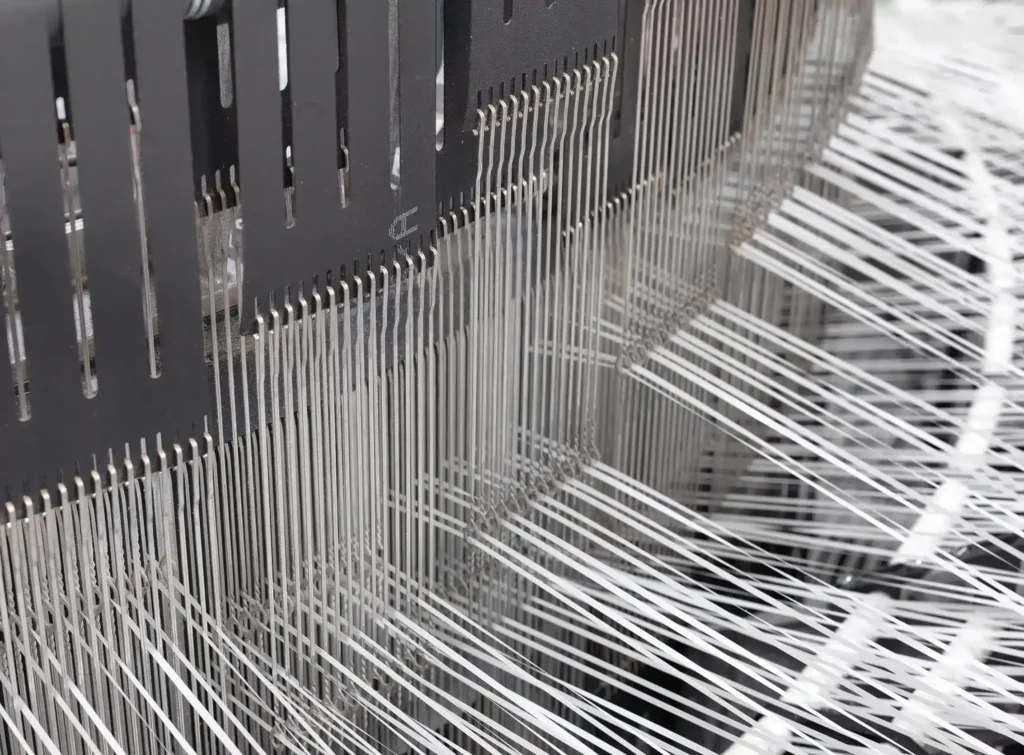
Polypropylene Bags and Their Key Advantages
Polypropylene Bags, commonly referred to as PP Woven Bags, are manufactured from polypropylene polymers, which are woven into strong, tear-resistant fabrics. These fabrics are then used to create sacks that are lightweight yet robust enough to withstand heavy loads. The distinct advantages of PP Bags include:
- Strength and Durability: PP Woven Bags are highly resistant to punctures and tears, making them ideal for carrying heavy and dense products like fertilizers.
- Moisture Resistance: These bags offer excellent protection against moisture, which is essential for keeping fertilizers dry and free from clumping.
- Lightweight: Despite their strength, Polypropylene Bags are lightweight, reducing shipping costs and making them easy to handle.
- Eco-Friendly: Polypropylene sacks are recyclable, and with advancements in manufacturing processes, more sustainable options are now available.
The Role of Polypropylene Bags in Fertilizer Packaging
In the agricultural sector, fertilizers are often transported in bulk, and Polypropylene Bags are preferred for their ability to maintain the quality of the product. Chemical fertilizers are sensitive to moisture, and exposure can lead to degradation. PE Woven Bags with inner liners provide an extra layer of moisture protection, keeping the fertilizers dry and safe for extended periods. Furthermore, these bags can withstand rough handling during transport, ensuring that the product reaches its destination in optimal condition.
Common Applications in Fertilizer Packaging
- Urea: One of the most widely used nitrogen fertilizers, urea is packaged in PP Bags to prevent moisture absorption, which could lead to clumping.
- Compound Fertilizers: These contain multiple nutrients like nitrogen, phosphorus, and potassium. PP Woven Bags ensure these fertilizers remain dry and intact, preserving their efficacy.
- Ammonium Sulfate: Known for its hygroscopic nature, ammonium sulfate requires packaging that can protect against moisture. PE Woven Bags with inner liners are frequently used for this purpose.
Comparison with Other Packaging Solutions
When compared to other packaging materials such as paper or jute sacks, Polypropylene Bags have several advantages. Paper sacks, for instance, are susceptible to tearing and offer limited moisture resistance. Jute bags, while more environmentally friendly, are not as durable or resistant to moisture as PP Woven Bags. Additionally, PP Bags can be produced at a lower cost, making them a more economical choice for fertilizer packaging.
Other countries in the fertilizer packaging industry, like India and Vietnam, are known for producing PP Woven Bags at competitive prices. However, Chinese Woven Bag Manufacturers hold a distinct advantage in terms of quality, technology, and supply chain efficiency. Companies like VidePak have invested in state-of-the-art equipment, such as high-speed circular looms and advanced printing machines, ensuring superior product quality. Moreover, the scale of production in China allows for shorter lead times, enabling manufacturers to meet global demand more efficiently.
Manufacturing Process of Polypropylene Woven Bags
The production of Polypropylene Bags involves several key steps, starting with the extrusion of polypropylene into tapes. These tapes are then woven into fabric on circular looms to create the base material. The fabric is cut to size, printed (if necessary), and sewn into bags. Depending on the application, additional features like inner liners or laminated layers can be added to provide enhanced protection.
PE Woven Bags vs. PP Woven Bags
While PE Woven Bags (made from polyethylene) offer excellent moisture resistance and flexibility, PP Woven Bags are stronger and more durable, making them better suited for handling heavy loads like fertilizers. The choice between PE and PP woven bags depends on the specific requirements of the application. In cases where superior moisture protection is needed, PE Woven Bags with inner liners are preferred, while PP Woven Bags are ideal for bulk transportation and storage.
Customization Options for Fertilizer Packaging
To cater to the diverse needs of the fertilizer industry, Woven Bag Manufacturers offer a range of customization options. For example, customers can choose between laminated or unlaminated bags depending on the level of moisture protection required. Laminated PP Woven Bags are coated with a layer of polypropylene film, providing an additional barrier against water and moisture. This makes them especially suitable for storing fertilizers in humid or wet environments.
Furthermore, manufacturers can customize the size, weight capacity, and printing options to meet specific customer needs. Printed Polypropylene Bags are commonly used for branding and product identification, with high-quality printing ensuring that the bags not only protect the contents but also serve as a marketing tool for the manufacturer.
Global Market Competition and the Role of Chinese Manufacturers
In the global market, PP Woven Bags are produced by manufacturers in various countries, including India, Vietnam, and Bangladesh. Each of these countries offers different advantages in terms of pricing, quality, and production capacity. Indian manufacturers, for example, are known for their cost-effectiveness, while Vietnamese companies have gained a reputation for high-quality products.
However, Chinese manufacturers continue to dominate the market due to several factors. First, they have access to advanced machinery and technologies, allowing them to produce Polypropylene Bags at a consistently high quality. Second, China’s vast manufacturing base enables shorter lead times and more reliable supply chains. Finally, Chinese Woven Bag Manufacturers can offer a wide range of customization options, making them a preferred choice for international clients.
VidePak: A Leader in Polypropylene Bag Production
At VidePak, we pride ourselves on being a trusted partner for global clients seeking high-quality PP Woven Bags for fertilizer packaging. Our advanced production facilities and experienced team allow us to produce a wide range of Polypropylene sacks, from standard PE Woven Bags to customized PP Bags with enhanced features. We understand the unique needs of the chemical fertilizer industry and offer tailored solutions to meet those requirements, ensuring that our clients receive the best possible packaging for their products.
Our quality management system ensures that every batch of Polypropylene Bags undergoes rigorous testing for strength, durability, and moisture resistance, ensuring that our clients can rely on the safety and integrity of our products. With our global supply chain and commitment to excellence, VidePak continues to set the standard in the world of PP Woven Bags.