
What are Recyclable PP Bags and which other names do stores use?
At the checkout counter, in click-and-collect lanes, and across pop-up retail, Recyclable PP Bags define a platform of durable, reuse-ready carry solutions made predominantly from polypropylene. The platform spans non-woven shoppers, woven laminated totes, gusseted promotional bags, and return-for-reward store programs. Each variant shares the same objective: carry more, last longer, clean easier, and participate in polyolefin recycling where collection and sorting exist. In wet weather a paper shopper wilts; in prolonged use a thin film sack tears; yet a well-specified Recyclable PP Bags design keeps shape and color while protecting contents and brand reputation.
Terminology changes with procurement portals and converter catalogs. To minimize confusion, retailers often document accepted aliases so cross-functional teams speak the same language.
- Reusable polypropylene shopping bags
- Non-woven PP shopper totes
- Woven polypropylene carry bags
- Recyclable PP grocery sacks
- Polypropylene reusable totes
- BOPP-laminated PP shoppers
- Polyolefin recycle-ready bags
- Mono-material PP shoppers
From pellet to panel: materials that build the platform
The anatomy of Recyclable PP Bags is a modular stack where every component has a job to do and a failure mode to avoid. Material science is not an afterthought: it is the difference between a tote that fails at the handle root and a tote that comfortably lifts 15–20 kg week after week.
A web of thermally bonded fibers, commonly 60–120 gsm. Pros: soft handfeel, easy cut-and-sew, budget-friendly. Trade-offs: lower tear resistance at low gsm; edge fray without binding. Tape yarns drawn 5–7× (≈600–1200 denier) are woven 8–12 tapes/cm to deliver high tensile and tear strength with good dimensional stability. Pros: long life, shape retention; Cons: stiffer feel unless laminated.
Reverse-printed BOPP laminated to the textile safeguards inks under a matte or gloss surface, improving scuff resistance and enabling photographic campaigns. Direct flexographic print on coated non-woven supports simpler graphics. For wet markets and rainy climates, film skins shed splash and wipe clean.
PP webbing (25–40 mm), X-box or 3–5 bartack stitches, and backing patches spread forces into the body. Bottom boards (recycled PP sheet 1.0–2.5 mm) stop sag, protect corners, and stabilize the load. Loop length (25–35 cm handheld; 55–70 cm shoulder) sets comfort and reuse behavior.
Solventless polyurethane adhesives bond film to textile with low emissions and robust peel. PP thread maintains mono-material status; heat-cut edges reduce fray on woven; bias binding improves comfort on non-woven edges.
Film-optimized gravure or HD-flexo ink systems deliver strong rub resistance and barcode legibility. Overprint varnish bands tune coefficient of friction for safe stacking. UV stabilizers extend life in car boots; easy-clean or anti-fog coatings help for chilled goods.
A reliable rule of thumb: if your program expects hundreds of trips, invest in woven PP with laminated film, reinforced sew zones, and a proper bottom board. If you target promotional giveaways with moderate reuse, non-woven at higher gsm plus smart handle geometry can be the cost-effective sweet spot.
Key capabilities that define everyday performance
Customers judge by feel and failure, not spec sheets. The capabilities below repeatedly separate winning Recyclable PP Bags programs from fragile ones.
- Strength-to-weight that endures: woven cores resist propagation tears, while reinforced handle roots prevent pull-out under dynamic loads.
- Rain and splash tolerance: laminated skins shrug off showers and wipe clean, keeping food safe and prints legible.
- Print fidelity and brand presence: reverse-printed film keeps color and microtext readable after weeks in car trunks and carts.
- Ergonomics that invite reuse: handle width, loop length, and edge binding reduce hand-cut and shoulder fatigue.
- Mono-material simplicity: PP fabric + PP film + PP thread + PP board = a straightforward path to PP recycling and clearer on-pack guidance.
- Program readiness: QR-enabled panels for rewards and care instructions; batch coding for tracebacks.
Production choreography from resin to point-of-sale
Behind the scenes, Recyclable PP Bags rely on a multi-vendor chain. Quality is cumulative; shortcuts propagate into returns. The sequence below captures the moving parts.
- Melt flow index is matched to route (spunbond fibers vs tape extrusion). Recycled content is dried, filtered, and blended to maintain strength targets.
- Non-woven fibers are laid and thermally bonded to gsm. Woven cast film is slit to tapes, drawn, and woven 8–12 tapes/cm to spec.
- Film receives reverse gravure or HD-flexo; color management aligns proofs with gloss/matte appearance.
- Film-to-textile bonding via solventless PU with controlled laydown; nip/temperature/cure windows avoid curl and delamination.
- Panels are cut; hems folded; handles attached (X-box or bartacks); bottom boards inserted; edge binding applied as needed.
- Handle pull tests, seam checks, rub resistance, barcode/QR readability; AQL sampling and corrective feedback to sewing lines.
- Bundles prepared for stores; inserts provide care and reuse prompts; QR-linked instructions explain take-back.
Applications and program archetypes
Recyclable PP Bags underpin three common retail strategies. Many chains run all three in parallel, pivoting by region and season.
Non-woven PP 80–100 gsm, direct print, 30–35 mm handles, goal of 15–25 reuse cycles. Emphasis on price point and broad adoption. QR labels guide care and reward milestones.
Woven PP base with 20–25 μm BOPP lamination, reinforced X-box handles, bottom board. Designed for multi-year use and photo-grade campaigns.
In-store bins accept worn totes; material is baled and routed to PP recyclers; regranulate returns as sheet/board or fresh textile where quality allows. Logistics planning is decisive: bin placement, cleaning, and bale frequency.
Recyclable PP Bags: A Sustainable Solution for Supermarkets and Retail Stores
Sustainability is a result, not a label. The reason Recyclable PP Bags earn their reputation is simple: durability that unlocks high actual reuse; material simplicity that keeps components in one polymer family; and communication surfaces that guide behavior—care, reuse, and return. A tote reused thirty times quickly amortizes its grams against single-use baselines, particularly when stores add light-touch prompts and rewards that make returning with a tote feel as natural as bringing a shopping list.
Operationally, the platform’s strengths show up in avoided returns (broken handles), lower complaint rates (soaked paper), and stronger brand impressions (artwork that still looks new after months). Sustainability metrics improve because quality improves first.
A system map retailers can act on
Decisions are easier when you decompose the problem. Use this map to specify Recyclable PP Bags without guesswork.
Weekly grocery loads vs occasional boutique trips. Peak mass, typical SKUs, and wet/dry mix define gsm, denier, and reinforcements.
Photo-heavy stories merit laminated film; simpler art can run direct on coated non-woven. Reserve quiet zones for QR and legal text.
Handle width and loop length dictate comfort; edge binding prevents hand-cut; shoulder options for transit-heavy shoppers.
Set handle pull, cycle lifts, and wet exposure. Reinforce handle roots and fold radii per results.
Keep components PP wherever feasible (textile, film, webbing, thread, bottom board) and label accordingly.
Bin spacing, contamination controls, bale cadence, and recycler partnerships determine real recovery rates.
Align recycling marks and durability claims with local rules. Use QR to route shoppers to city-specific guidance.
Track failures by mode; fix the most common first. Balance gsm and lamination against return rates and brand lift.
Synthesis: profile use (A), choose graphics (B), set ergonomics (C), define tests (D), lock mono-material spec (E), design collection (F), verify claims (G), model cost (H). Pilot, measure, iterate.
Technical tables buyers and QA teams actually use
| Material/Construction Metric | Typical Range | Why It Matters | Adjustable Lever |
|---|---|---|---|
| Non-woven PP gsm | 60–120 gsm | Handfeel vs longevity | Raise gsm for heavy loads or wet markets |
| Woven PP tape denier | 600–1200 | Tensile/tear and abrasion resistance | Increase denier/picks for long service life |
| BOPP film gauge | 15–30 μm | Print protection and cleanability | Matte for glare-free text; gloss for vibrancy |
| Handle webbing width | 25–40 mm | Comfort and cut prevention | Choose wider straps for heavy baskets |
| Handle stitch pattern | X-box or 3–5 bartacks | Load transfer into the body | Use backing patches on laminated panels |
| Bottom reinforcement | Recycled PP board 1.0–2.5 mm | Prevents sag and corner wear | Match board to typical load geometry |
| UV stabilization | 200–800 h | Car-boot heat and sunlight tolerance | Higher packages for warm climates |
| Program/Operations Metric | Target/Observation | Why It Matters | Operational Lever |
|---|---|---|---|
| Reuse count goal | 20–50 trips | Displaces single-use volume | Prompts, rewards, durable spec |
| Take-back participation | ≥15% of issued bags | Feeds closed-loop trials | In-store signage, QR incentives |
| Seam/handle failures | <2% in AQL | Customer satisfaction | Backer patches, thread spec, QC |
| Barcode/QR readability | ≥99% post-handling | Traceability and rewards | Reverse print, quiet zones, inspection |
Comparative context: where alternatives shine
Paper shoppers fit well in fiber recovery systems and offer a premium tactile feel, yet struggle in rain and repeated heavy loads. Cotton totes last for years but must be used extensively to balance their production footprint. RPET non-wovens leverage bottle-to-fiber streams yet can mix polymers at seams and labels. For mainstream grocery and discount retail, Recyclable PP Bags typically balance durability, cleanability, print quality, and mono-material recovery better than most options.
Economics and risk: dials that truly move outcomes
Procurement often fixates on unit cost while customers feel failure rate. A small increase in gsm, a stronger stitch pattern, or film lamination that preserves art can multiply reuse and crush returns. QR-linked rewards convert anonymous carry into measurable loyalty, moving the bag from cost to channel.
- Adopt a minimum handle pull test (≥25 kg for 30 s) and reject lots below threshold.
- Reserve a 25 × 25 mm quiet zone for QR near the top hem to protect scannability.
- Standardize mono-material components (PP thread, PP webbing, PP board) for clearer recycling claims.
- Run a monthly closed-loop: bale worn totes, audit contamination, and measure regranulate yield.
Scenario cards that translate constraints into specs
Woven PP base; 25 μm matte BOPP lamination; 35 mm PP webbing handles with X-box + backer; recycled PP bottom board 2.0 mm; UV 400 h; reverse-printed art with QR rewards panel; mono-PP thread and edging. Target: 20–30 kg loads, 50 reuse cycles.
Non-woven PP 90–100 gsm; direct flexo print; 30 mm handles; 3–4 bartacks; optional thin PP coating on outer panels. Goal: 15–20 reuse cycles at accessible unit cost.
Woven PP + 20–25 μm gloss BOPP with photo-grade gravure; bound edges; shoulder straps; premium bottom board. Emphasis: art durability and perceived value for cobranded campaigns.
Non-woven PP 110–120 gsm with matte BOPP; easy-clean coating; drain-friendly bottom seam; short handles for heavy short-haul loads. Focus: cleanability and moisture control.
Copy-ready checklist for buyers and QA
non-woven shopper or woven laminated tote. non-woven 80–120 gsm or woven 8–12 tapes/cm + BOPP 15–30 μm; mono-PP thread/webbing/board. width 25–40 mm; loop 25–70 cm; X-box or bartacks with backing. handle pull ≥25 kg/30 s; 100 lift cycles @ 15–20 kg; UV ≥200 h. reverse-printed BOPP for photo-grade; quiet zone for QR; rub-resistant inks. reuse goal 20–50 trips; take-back bin capacity; baling plan; recycler partner. mono-material PP; check city-specific guidance via QR.
Internal link for context (encyclopedia-style)
For adjacent material context about PP textiles and lamination routes relevant to Recyclable PP Bags, see this concise overview of polypropylene woven bags, which clarifies terminology and neighboring industrial formats.
A human cadence to end (no formal conclusion)
Write the specification as if Saturday depends on it—because it does. If handles fail over the weekend, customers will not wait until Monday. Ask the blunt questions: what fails first—the seam, the handle root, or the print? Will ten extra gsm prevent failure more effectively than a different stitch pattern? Does gloss blind QR scanners under store lights while matte solves it? The dials on Recyclable PP Bags—gsm, denier, film gauge, handle geometry, stitch strategy, QR placement—are easy to turn and essential to validate. Turn one. Test. Observe. Adjust. Then document so the next buyer inherits skill, not guesswork.
As the world continues to embrace sustainable practices, industries are exploring more eco-friendly options for packaging and storage solutions. One such solution gaining prominence is the use of recyclable PP bags. Made from polypropylene, a type of plastic known for its durability and versatility, these bags are widely used in supermarkets and retail stores for the packaging and storage of goods like rice, flour, starch, and pet food. With the growing need for sustainable alternatives, recyclable PP sacks and woven recyclable bags are becoming essential in reducing environmental impact while maintaining the functionality and strength necessary for the commercial sector.
In this article, we will explore the science behind PP woven bags, their role in the retail industry, and how companies like VidePak are leading the charge in providing high-quality, customizable, and sustainable recyclable woven bags. We will also highlight the practical applications of these bags, focusing on their use in supermarkets, grocery stores, and other retail environments.
What Are Recyclable PP Bags?
Recyclable PP bags are made from polypropylene (PP), a lightweight, durable thermoplastic polymer. PP is one of the most commonly used plastics in packaging due to its robustness, flexibility, and resistance to various chemicals and environmental factors. The term “recyclable” refers to the fact that polypropylene can be reprocessed and reused, reducing the need for new plastic production and minimizing waste in landfills.
Recyclable PP sacks are designed to handle bulk products and are often laminated to improve moisture resistance, making them suitable for storing dry goods like grains, flour, and starch. They are typically woven, creating a fabric-like texture that adds to their strength and durability. PP woven bags have the ability to withstand heavy loads and are reusable, making them an ideal solution for packaging a wide range of products in both industrial and commercial settings.
Advantages of Recyclable PP Bags
The use of recyclable woven bags presents several advantages, both for the environment and for businesses:
- Durability: One of the key benefits of PP woven bags is their strength. The woven structure allows them to carry heavy products like rice, flour, and even pet food without tearing or breaking. They are designed to withstand the rigors of transportation, storage, and handling, making them a reliable option for retailers and consumers alike.
- Moisture and UV Resistance: Many recyclable PP bags are laminated to provide extra protection against moisture and UV rays. This is particularly important for food products that need to be stored in dry conditions to prevent spoilage. The UV resistance ensures that the bags can be stored in bright environments without degrading over time, which is beneficial for long-term storage.
- Reusability: Unlike single-use plastic bags, woven recyclable bags are durable enough to be used multiple times before they need to be recycled. This reusability factor contributes to waste reduction and promotes sustainability in the retail industry.
- Recyclability: Once they reach the end of their useful life, recyclable PP sacks can be recycled into new products, reducing the need for virgin plastic. This not only cuts down on waste but also lessens the environmental impact of plastic production.
- Customizability: PP woven bags can be customized to meet the specific needs of businesses. Whether it’s adding logos, product information, or unique colors, these bags offer a high degree of flexibility in design. This is particularly useful in the retail space, where branding and product differentiation are crucial.
Applications of Recyclable PP Bags in Supermarkets and Retail Stores
In the world of retail, especially in supermarkets and grocery stores, recyclable PP bags are used for various purposes, ranging from the sale of packaged goods to the storage of bulk materials. Here are some of the common applications of these bags:
1. Rice and Grain Bags
Rice is a staple food in many parts of the world, and supermarkets often sell it in bulk quantities. Recyclable PP sacks are commonly used to package and store rice due to their strength and ability to protect the product from moisture. The woven structure of the bags provides excellent breathability, ensuring that the rice remains fresh over extended periods. These bags are not only durable but also designed to be visually appealing, with options for custom branding and information printing.
2. Flour and Starch Bags
Another common application of PP woven bags is in the packaging of flour and starch. These food products require packaging that can handle heavy weights while also protecting the contents from environmental factors such as moisture and sunlight. Laminated recyclable woven bags provide the perfect solution, ensuring that the flour and starch are kept dry and in optimal condition until they are purchased by consumers.
In supermarkets, these bags are often available in various sizes, depending on the quantity of the product being sold. Customization options such as brand logos, product descriptions, and nutritional information are commonly printed on these bags, making them an essential part of retail packaging.
3. Pet Food Bags
Pet food is another category where woven recyclable bags are widely used. Pet food products often come in large quantities, requiring packaging that is both strong and durable. PP woven bags are ideal for this purpose, as they can hold heavy loads without compromising the integrity of the product inside.
Additionally, the customizability of these bags allows pet food manufacturers to differentiate their products from competitors. Pet food packaging often features vibrant colors and clear branding, ensuring that it stands out on supermarket shelves.
4. Food Packaging Bags
In the realm of food packaging, recyclable PP bags are used for a wide variety of products, including sugar, salt, spices, and dried fruits. The versatility of these bags makes them suitable for packaging both dry and semi-dry food items. In some cases, they are laminated to offer additional protection from moisture, extending the shelf life of the product.
Supermarkets and retail stores benefit from the customizability of PP woven bags by using them to create visually appealing packaging that can attract customers. In addition to custom designs, product information and barcodes can be printed on these bags, ensuring that they meet retail industry standards.
The Role of Customization in Recyclable Woven Bags
Customization is a major feature that makes recyclable PP bags stand out as a packaging solution. In retail, where product presentation is key, having the ability to tailor packaging to specific needs is invaluable. Some of the customization options available for woven recyclable bags include:
- Logo and Branding: Supermarkets and retailers often use custom logos and branding on their PP woven bags to promote their products and make them easily recognizable. This not only helps in marketing but also adds a layer of professionalism to the packaging.
- Product Information: Nutritional facts, usage instructions, and other relevant details can be printed directly on the bags. This is especially useful for food products, where transparency and clear labeling are essential for consumer trust.
- Color and Design: Woven recyclable bags can be produced in various colors and designs, allowing businesses to create packaging that aligns with their brand identity. This customization can range from simple logos to complex multi-color designs.
- Size and Shape: Depending on the product being packaged, PP woven bags can be customized in different sizes and shapes. For example, large sacks are ideal for storing bulk grains, while smaller bags are used for products like spices or dried fruits.
VidePak’s Commitment to Sustainable Packaging Solutions
VidePak, a leader in the woven bag industry, has made significant strides in producing high-quality, eco-friendly recyclable PP bags for a variety of applications. With over 30 years of industry experience, VidePak combines state-of-the-art technology with a commitment to sustainability, ensuring that their PP woven bags meet the highest standards of quality and environmental responsibility.
1. Advanced Manufacturing Techniques
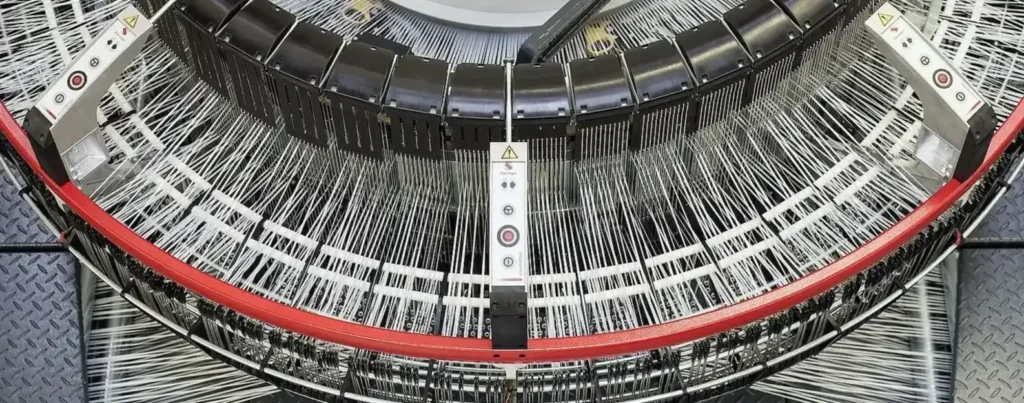
VidePak employs cutting-edge manufacturing processes to produce recyclable woven bags that are both durable and customizable. The company uses equipment from renowned manufacturers like Starlinger, known for their precision and reliability in the production of woven polypropylene fabrics. This allows VidePak to create bags that are strong, flexible, and resistant to environmental factors, ensuring that they meet the specific needs of their clients.
2. Sustainability Initiatives
As part of its commitment to sustainability, VidePak focuses on producing recyclable PP sacks that reduce the environmental impact of plastic packaging. By offering products that are both reusable and recyclable, VidePak helps its clients reduce their carbon footprint and meet the growing demand for eco-friendly packaging solutions.
In addition, VidePak is constantly exploring new ways to improve the recyclability of its products, ensuring that the polypropylene materials used in their woven bags can be easily reprocessed and repurposed after use.
3. Customization Capabilities
VidePak understands the importance of customization in today’s competitive retail environment. The company offers a wide range of customization options for its PP woven bags, from size and color to branding and product information printing. This flexibility allows clients to create packaging solutions that are tailored to their specific needs, whether they are selling rice, flour, pet food, or other products.
4. Commitment to Quality
Quality is at the core of everything VidePak does. The company’s recyclable woven bags are produced using high-quality materials and rigorous quality control processes to ensure that they meet the demands of even the most challenging applications. Whether it’s handling heavy loads or protecting products from moisture, VidePak’s PP woven bags are designed to deliver exceptional performance.
Conclusion
As the demand for sustainable packaging solutions continues to rise, recyclable PP bags offer a practical and