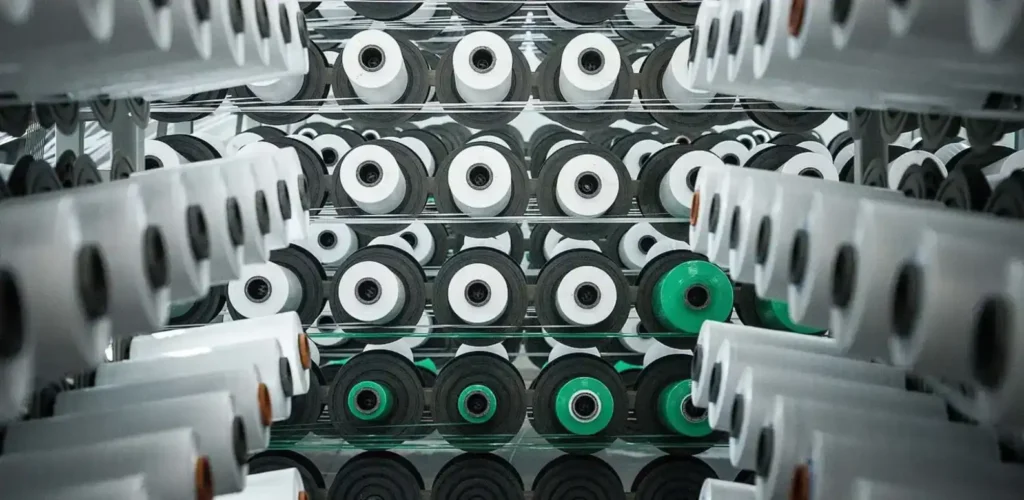
In today’s world, the focus on sustainability and environmental responsibility is more critical than ever. As industries strive to reduce their ecological footprint, packaging solutions and energy practices play a significant role in promoting green initiatives. Block Bottom Bags, a type of packaging known for its robust design and efficiency, is at the forefront of this movement, especially when combined with sustainable practices like clean energy production.
# Block Bottom Bags: Sustainable Packaging Solutions and Green Energy Innovations
## What Are Block Bottom Bags? (Definition and Common Aliases)
Block Bottom Bags are industrial or retail sacks engineered with a rectangular, brick‑like base that stands upright, stacks densely, and resists slumping during storage and transport. Most commonly manufactured from woven polypropylene (PP) and optionally laminated with film for print quality and moisture protection, they are converted either as valve bags for high‑speed filling of powders or as open‑mouth bags for pinch‑sealing, sewing, or heat sealing. The format excels wherever pallet stability, clean filling, and clear on‑bag information are essential.
Across regions, plants, and catalogs, you will encounter near‑synonyms that refer to the same archetype or to closely related variants. For clarity, the most common aliases are listed and intentionally emphasized:
1. **Block‑bottom valve bags**
2. **Block‑bottom PP woven sacks**
3. **BOPP‑laminated block bottom bags**
4. **AD‑style block‑bottom sacks**
5. **Brick‑pack woven bags**
6. **Square‑base polypropylene bags**
7. **Block‑shaped cement bags**
8. **Rectangular‑bottom industrial bags**
The core idea is consistent: a bag whose bottom is folded and pasted (or sealed) into a rectangular footprint so that full pallets behave like interlocking bricks rather than soft, rolling cylinders.
## The Materials of Block Bottom Bags (Layer Stack, Properties, and Cost Drivers)
Materials are chosen as parts of a system. The bag’s behavior is never the work of a single layer; it is a negotiated truce among strength, barrier, printability, and machinability. Understanding each layer lets specifiers turn performance dials with intent rather than tradition.
### 1) Woven PP Fabric — The Tensile Skeleton
* **What it is:** Extruded PP film is slit into tapes, drawn 5–7× to build tenacity, and woven into flat or circular fabrics. Typical denier ranges from 800 to 1500; weave densities often sit near 10–12 tapes per centimeter in both warp and weft.
* **What it does:** Carries load, resists puncture and tear propagation, and stabilizes the block‑bottom geometry so the bag stands square on a pallet.
* **Options:** UV‑stabilizer packages (200–1600 hours) for yard exposure, color tracer yarns for identity, anti‑skid surface treatments to improve pallet friction.
* **Cost levers:** Resin index, denier, pick count, draw ratio, and loom uptime dominate cost; higher denier and picks increase mass and strength but affect foldability.
### 2) Outer Film or Coating — The Print‑Ready Skin
* **BOPP Film (15–35 µm):** Reverse‑printed and then laminated to the fabric, BOPP protects artwork under the film, raises scuff resistance, and offers high‑fidelity color for regulatory icons and QR/batch codes. Gloss finishes boost vibrancy; matte finishes control glare on instructional panels.
* **Thin PP/PE Coatings (≈15–30 g/m²):** Close interstices to reduce sifting, raise moisture tolerance, and provide a printable surface at lower cost than full film lamination.
* **Key tradeoffs:** Film boosts print quality and weathering but adds grams; coatings are economical and flexible but provide less optical pop and sometimes lower rub resistance without OPV (overprint varnish).
### 3) Inner Surfaces and Air Management
* **Seal coats:** Thin PP or PE layers enable clean pinch‑seals on open‑mouth formats and reduce dust egress.
* **Perforation maps:** Micro‑ and macro‑perforations placed along upper panels or around valve areas vent entrained air during fast filling without creating dust plumes.
* **Valve sleeves:** Self‑seal sleeves can eliminate manual close‑off stations and increase bags per minute on modern fillers.
### 4) Adhesives, Inks, and Varnishes — Small Grams, Big Reliability
* **Lamination adhesive:** Solventless polyurethane systems are common for film‑to‑fabric bonding; correct laydown, nip pressure, and cure windows prevent delamination and preserve fold performance at the bottom.
* **Inks:** Flexographic and rotogravure sets designed for film deliver fine text and pictograms; low‑VOC and LED‑assisted options have emerged for specific press lines.
* **OPV bands:** Target coefficient of friction (COF) for pallet stability while maintaining readable, low‑glare instruction panels.
### 5) Optional Liners and Special Layers
* **PE liners:** Inserted liners (60–150 µm) or form‑fit liners (80–180 µm) extend moisture control for hygroscopic powders.
* **Barrier films:** Where oxygen or aroma control matters (rarer in construction, more in food/chemical adjacency), coextruded liners with EVOH or metallized layers may be specified—with recycling implications noted.
## What Are the Features of Block Bottom Bags? (Attributes That Matter on the Floor)
Block Bottom Bags are evaluated by dock workers, line operators, and receivers—not by brochures. The attributes below consistently move the operational scoreboard.
* **Pallet density and stability:** The rectangular base creates brick‑like stacks that resist slump and topple.
* **Moisture tolerance:** Film and coatings outperform uncoated fiber sacks on humid lanes, uncovered yards, or monsoon seasons.
* **High tear and puncture resistance:** Oriented PP tapes and strong seam architectures limit propagation after forklift nicks.
* **Fast, clean filling:** Tuned porosity and valve geometry vent air quickly, stabilize weighments, and reduce housekeeping.
* **Durable print and legibility:** Reverse printing protects graphics under film, ensuring hazard icons and instructions survive handling.
* **Mono‑polymer pathways:** Polyolefin‑only structures (PP fabric + PP film) simplify participation in PP recycling streams where infrastructure exists.
* **Outdoor dwell tolerance:** UV‑stabilized options keep bags intact between plant and jobsite.
## How Are Block Bottom Bags Produced? (From Resin to Pallet‑Ready Sacks)
A modern conversion chain integrates extrusion, orientation, weaving, printing, lamination, tubing, bottoming, perforation, and quality control. Each station has levers that alter final performance and cost.
1. **Tape Extrusion & Draw:** PP is cast, slit into tapes, and drawn to target tenacity; winding quality governs loom uptime.
2. **Fabric Weaving:** Circular or flat looms set pick counts to balance stiffness and foldability; optional in‑line coatings close pores.
3. **BOPP Film Production & Reverse Printing:** Films receive flexo or gravure prints on the inner face; lamination later protects the image.
4. **Lamination:** Adhesive laydown, nip, and cure are tuned to deliver bond strength without curl or brittle folds.
5. **Tubing & Sizing:** Laminated webs become tubes; print‑to‑cut registration ensures panel alignment after bottoming.
6. **Block‑Bottom Conversion:** Folders and pasting units create the rectangular base; valves are inserted and heat‑set or the mouth is prepared for pinch‑seal.
7. **Perforation & Air Control:** Pattern choice matches powder PSD and air retention to vent efficiently while keeping dust in check.
8. **Quality Tests:** Tensile, tear, drop, stack, WVTR, UV exposure, and seal integrity tests; cameras verify registration and code readability.
9. **Palletization:** Bundles are wrapped and pattern documents accompany shipments to the filler.
## What Is the Application of Block Bottom Bags? (Where They Fit and Why)
Block Bottom Bags shine wherever powders and granules demand moisture discipline, clear on‑bag guidance, and rugged handling. Representative use cases include:
* **Cement and blended cements:** Moisture resistance and impact toughness prevent caking and ruptures; valve designs sustain high line speeds.
* **Dry mortar systems:** Tile adhesives, grouts, self‑levelers, gypsum, and plasters benefit from tuned perforations and sift‑proof seams for cleaner floors and honest weights.
* **Mineral powders and fillers:** Silica, limestone, barite, calcium carbonate, pigments; the structure’s abrasion resistance and UV‑stable options fit uncovered yards.
* **Fertilizers and soil amendments:** Anti‑skid OPV bands and reinforced corners steady tall pallets.
## Block Bottom Bags: Sustainable Packaging Solutions and Green Energy Innovations
Block Bottom Bags do more than carry powder; they are a lever for lower waste, cleaner sites, and reduced lifecycle impact when specified and operated intelligently. The phrase “Sustainable Packaging Solutions and Green Energy Innovations” is best understood along four interconnected vectors:
1. **Material efficiency** — achieving performance with fewer grams through strong woven tapes, high seam efficiency, and cube‑optimized geometry that reduces overwrap and dunnage.
2. **Operational cleanliness** — faster, cleaner fills and discharges reduce product loss and housekeeping; less waste means less embodied energy discarded.
3. **Energy and emissions in conversion** — expanded‑gamut print to cut wash‑ups, solventless adhesives to reduce emissions, and renewable power installations at plants can materially lower Scope‑2 footprints.
4. **Circular participation** — mono‑polymer designs ease sorting in PP recycling; clear labeling and take‑back pilots prevent landfilling of valuable polyolefins.
### A Systems Map for Decision‑Making
To specify Block Bottom Bags rationally, break the decision into subsystems and synthesize an answer.
* **A) Product Rheology:** PSD, air retention, hygroscopicity, and oil/fat content define perforation maps, film gauge, and whether liners are justified.
* **B) Filling Line Architecture:** Spout geometry, magazine style, seal modules, palletizer behavior; select internal self‑seal valves for maximum BPM or external valves where visual inspection is critical.
* **C) Mechanical Envelope:** Drop heights, stack duration, compression loads; adjust denier, picks, or corner reinforcements to resist propagation tears.
* **D) Barrier Strategy:** Climate‑matched WVTR; film gauge and inner coat selection; desiccants and pallet hoods for maritime lanes.
* **E) Print & Information:** Language count, hazard icons, batch/QR codes; reverse print for durability, matte varnish to keep instruction panels glare‑free.
* **F) Circularity & Stewardship:** Favor polyolefin‑only structures, label for recycling, avoid unnecessary multi‑material laminates; consider take‑back pilots.
* **G) Compliance & Risk:** Ensure chemical compliance of inks/adhesives, verify electrostatic behavior in dusty fill rooms, and align shipping marks with destination markets.
* **H) Economics & OEE:** Instrument bags per minute, changeover time, reject rates, moisture‑related returns, and residual product loss.
**Synthesis recipe:** Profile product and route (A, D), lock line constraints (B), set mechanics (C), choose print/barrier (E, D), embed stewardship (F), document compliance (G), and optimize for OEE (H). Pilot, validate, and lock the spec.
## Professional Knowledge Reinforcement: Practical Pitfalls and Fixes
* **Seam efficiency beats raw grams:** Upgrading stitch architecture and density can improve top‑lift and drop performance more than adding fabric mass.
* **Dust control starts at the needle:** Wrong needle profiles cut monofilaments and create leak paths; match needles, thread, and filler cords to powder fineness.
* **Registration and code quality:** Print‑to‑cut registration and camera inspection prevent unreadable instructions—critical on multi‑language product families.
* **Container condensation management:** For ocean routes, pair higher film gauge with pallet hoods and desiccants; acclimatize pallets before opening in humid climates.
* **UV realism:** Specify UV hours based on real yard exposure rather than optimistic forecasts; sometimes a simple tarp beats expensive additives.
* **Changeover economics:** Expanded‑gamut workflows and standardized valve sleeves commonly save more time and scrap than gram reductions.
## Technical Tables: Targets and Levers
### Printing & Surface Prep
| Metric | Typical Target/Range | Why It Matters | Lever |
| ———————– | ——————-: | ———————————— | —————————————– |
| BOPP surface energy | 38–42 dynes | Ink wetting and lamination bond | Re‑treat windows; storage controls |
| Line screen (film) | 120–200 lpi | Image detail and vignette smoothness | Hybrid/FM screens; plate/cylinder quality |
| Register tolerance | ≤±0.2–0.3 mm | Panel alignment after bottoming | Tension control; camera systems |
| Coefficient of friction | 0.25–0.45 | Pallet stability and machine flow | OPV bands; additive choice |
### Mechanical & Barrier
| Metric | Typical Range | Why It Matters | Lever |
| ———————– | ———————: | ——————————– | —————————————- |
| Tape yarn denier | 800–1500 | Tear/puncture strength, abrasion | Raise denier or picks; reinforce corners |
| Weave density | 10–12 × 10–12 tapes/cm | Stiffness vs foldability | Tune picks for stack vs conversion |
| UV stabilization | 200–1600 h | Yard exposure tolerance | Higher for equatorial routes |
| BOPP film gauge | 15–35 µm | WVTR and scuff | Increase for humid/maritime lanes |
| WVTR (38 °C/90% RH eq.) | <1–10 g/m²·day | Moisture ingress | Inner coats; pallet hoods + desiccant |
### Operations & OEE
| Metric | Typical Observation | Why It Matters | Lever |
| ---------------- | --------------------------- | ------------------------ | ----------------------------------- |
| Fill rate (BPM) | +3–5% vs poorly tuned specs | Throughput, labor, scrap | Valve geometry; perf map; anti‑skid |
| First‑pass yield | >98% goal | Rework and cleanup | Seal dwell control; web handling |
| Changeover time | 10–30 min saved | Capacity unlocked | EG workflow; sleeve standardization |
## Green Energy, Utilities, and Plant‑Level Innovations
Sustainability is not only about grams in the bag; it is also about kilowatt‑hours in the plant. Converters and printers are increasingly investing in:
* **On‑site solar and PPAs:** Rooftop or ground‑mount photovoltaic arrays to cover press and laminator baseloads; power purchase agreements (PPAs) that lock in lower‑carbon electricity.
* **Heat recovery on dryers:** Capturing waste heat from dryers or oxidizers to preheat incoming air reduces gas consumption and stabilizes print quality.
* **Solventless adhesive dominance:** Replacing solvent‑based laminations where possible to cut emissions and energy in drying.
* **LED‑assisted curing:** Where compatible, LED‑UV assistance on inks/varnishes lowers energy per cured square meter and reduces heat on BOPP webs.
* **Compressed‑air optimization:** Leak audits and variable‑speed compressors curb a hidden but substantial energy load in weaving and converting halls.
These utility‑side improvements often yield faster paybacks than material substitutions and complement the inherent efficiency of Block Bottom Bags’ cube‑optimized design.
## Comparative Lens (Alternatives in Context)
* **Multiwall paper sacks:** Excellent fit with fiber‑only recovery narratives and temperate lanes; weaker in splash and tear resistance under humid, rough handling.
* **Heavy‑duty PE FFS bags:** Outstanding WVTR and line speed on form‑fill‑seal lines; lack the woven skeleton’s corner toughness and block‑bottom stance unless engineered with gussets.
* **FIBCs (bulk bags):** The clear winner above ≈500 kg. For 20–50 kg sacks and manual site handling, Block Bottom Bags strike the pallet footprint and ergonomics balance.
## Economics: What Actually Moves the P&L
Materials (film, fabric, adhesive, inks) often account for 50–70% of unit cost; conversion and overheads make up the rest. But the quiet profit killers are rejects, dust cleanup, and moisture‑related returns. That is why dial choices in print and air management—reverse print protection, perforation patterns, sleeve design, OPV friction—frequently outperform raw gram savings.
**Working levers:**
* Adopt expanded‑gamut color to cut wash‑ups and stabilize interplant color.
* Set a film‑gauge safety band so procurement cannot push below functional limits during price spikes.
* Standardize valve geometry across SKUs to reduce changeovers.
* Map humidity by lane; pair higher film gauge with pallet hooding for ocean routes; test lighter structures on short, dry lanes.
## Case‑Style Scenarios (Variables Turned into Specs)
**Scenario 1 — 50 kg Portland cement, tropical humidity**
Spec: 25 µm gloss BOPP (reverse print) // 1200 denier fabric // self‑seal internal valve; micro‑perf P3; UV 800 h; pallet hooding.
Rationale: Speed, durability, moisture defense for monsoon cycles.
**Scenario 2 — 25 kg tile adhesive, temperate lane**
Spec: 20 µm matte BOPP // 1000 denier fabric // external valve; micro‑perf P2; optional pinch for open‑mouth SKUs.
Rationale: Readability and clean mouth while maintaining de‑aeration.
**Scenario 3 — Calcium carbonate, export by sea**
Spec: 30 µm BOPP // 1200 denier // inner seal coat; macro‑perf on upper panel only; desiccant protocol.
Rationale: Lower WVTR, controlled venting, and durable image quality over long voyages.
**Scenario 4 — Animal feed blends, regional SKUs with frequent art changes**
Spec: 18–20 µm BOPP // 900–1000 denier; CI‑flexo with expanded gamut; plate‑ready art library; OPV matte‑gloss register for premium cues.
Rationale: Rapid changeovers without sacrificing print fidelity.
## Copy‑Ready Specification Template
* **Product:** powder/granule; PSD; bulk density; moisture sensitivity; electrostatic notes if applicable.
* **Format:** block‑bottom valve (internal/external) or block‑bottom open‑mouth.
* **Structure:** BOPP 15–35 µm (matte/gloss, reverse print) // woven PP 800–1500 denier (UV 200–1600 h) // optional inner seal coat.
* **Valve:** sleeve length/diameter to spout; self‑seal if available; seal dwell X s @ Y °C.
* **Perforation:** pattern ID and placement; target de‑aeration curve.
* **Printing:** gravure or HD flexo; EG policy; register tolerance; code readability acceptance.
* **Performance:** drop height Z orientations; stack 24–72 h @ load; WVTR target; UV exposure hours.
* **End‑of‑life:** mono‑polymer PP label; recycling guidance; take‑back notes where applicable.
## A Human Cadence to Close (No Formal Conclusion)
Write like operators will read it Monday morning. Ask the blunt questions: what fails first—the seam, the corner, or the print? Will a 2‑gram film reduction save cents but cost pallets? Are UV hours matched to real yard exposure or to hope? If one bag prevents a moisture‑ruined pallet, how many grams did it just justify? The dials on Block Bottom Bags are intuitive to turn and rigorous to validate. Turn one. Test. Observe. Adjust. Document so the next shift inherits skill, not luck.
This article explores the advantages of Block Bottom Bags, including BOPP Block Bottom Bags and Block Bottom Valve Bags, while also highlighting the sustainable efforts undertaken by VidePak, such as their use of a 2MW photovoltaic system to power their operations. Through this approach, VidePak not only enhances its packaging solutions but also contributes to the global transition towards green energy.
What Are Block Bottom Bags?
Block Bottom Bags are a type of packaging designed to offer superior strength and stability. They are characterized by their flat, square bottom, which provides a sturdy base that prevents the bag from tipping over and ensures it stands upright. This design is particularly beneficial for bulk packaging and transportation, where stability and load-bearing capacity are essential.
Key Features of Block Bottom Bags:
Stable Base: The block bottom design gives these bags a solid, flat base that enhances stability during storage and transportation. This feature is especially useful for products that need to be stacked or displayed in retail environments.
Durable Construction: Made from woven polypropylene (PP) or BOPP (Biaxially Oriented Polypropylene), Block Bottom Sacks are known for their strength and durability. They are resistant to tearing and puncturing, making them suitable for handling a variety of materials, including heavy or abrasive products.
Customizable Design: Block Bottom Bags can be customized in terms of size, color, and printing options. This flexibility allows businesses to tailor the bags to their specific needs and branding requirements.
Versatility: These bags are used across various industries, including agriculture, construction, and chemicals, due to their ability to handle different types of bulk materials.
Environmental Impact and Sustainability of Block Bottom Bags
As industries seek to minimize their environmental impact, the sustainability of packaging materials becomes increasingly important. Block Bottom Bags, including BOPP Block Bottom Bags and Block Bottom Valve Bags, are designed with sustainability in mind, contributing to a greener packaging solution.
1. Material Efficiency
The use of woven polypropylene or BOPP in Block Bottom Bags offers several environmental benefits:
Recyclability: Both polypropylene and BOPP are recyclable materials. When properly disposed of, these bags can be recycled and reused, reducing waste and conserving resources.
Durability: The durability of these materials extends the life of the packaging, reducing the need for frequent replacements and minimizing waste.
2. Reduced Environmental Footprint
Block Bottom Sacks help reduce the environmental footprint in several ways:
Efficient Packaging: The strong and stable design of these bags allows for efficient packing and transportation, which can reduce the overall carbon footprint associated with logistics.
Customization: Customizable designs ensure that the bags meet specific needs, reducing the likelihood of over-packaging and waste.
VidePak’s Commitment to Sustainability: Solar Power and Green Energy
VidePak is committed to not only providing high-quality packaging solutions but also contributing to the global effort towards sustainability. One of the key initiatives in this regard is the installation of a 2MW photovoltaic (solar power) system on the company’s roof. This initiative aligns with the company’s broader goal of integrating sustainable practices into its operations.
1. Solar Power System
The 2MW solar power system installed by VidePak serves multiple purposes:
Clean Energy Production: The system generates clean, renewable energy that powers the company’s manufacturing operations. By using solar power, VidePak reduces its reliance on non-renewable energy sources and lowers its carbon footprint.
Energy Independence: The solar power system helps VidePak achieve a degree of energy independence, ensuring that the company can operate efficiently while reducing its impact on the environment.
Excess Energy Sales: Any surplus energy generated by the solar power system is sold back to the national grid. This not only provides an additional revenue stream for VidePak but also contributes to the national effort to increase the availability of green energy.
2. Environmental Benefits
The use of solar power at VidePak brings several environmental benefits:
Reduction in Greenhouse Gas Emissions: By replacing conventional energy sources with solar power, VidePak significantly reduces its greenhouse gas emissions. This helps mitigate the impact of industrial activities on climate change.
Promotion of Green Energy: By contributing excess energy to the national grid, VidePak supports the broader transition towards renewable energy sources. This helps promote the adoption of green energy practices across various sectors.
3. Sustainable Practices and Innovation
VidePak’s commitment to sustainability extends beyond solar power. The company continuously seeks innovative ways to enhance its operations and reduce environmental impact:
Eco-Friendly Materials: VidePak uses recyclable and sustainable materials in its packaging solutions, including Block Bottom Bags. This aligns with the company’s goal of minimizing waste and conserving resources.
Energy Efficiency: In addition to solar power, VidePak implements energy-efficient practices in its manufacturing processes, further reducing its environmental footprint.
Applications of Block Bottom Bags in Various Industries
Block Bottom Bags are highly versatile and find applications across several industries. Here are some examples of how these bags are used:
1. Agriculture
In the agriculture sector, Block Bottom Sacks are used to package and transport a variety of products, including grains, seeds, and fertilizers. The stable base and durable construction of these bags make them ideal for handling and storing agricultural materials.
2. Construction
Block Bottom Valve Bags are commonly used in the construction industry to package cement, sand, and other bulk materials. The strength and stability of these bags ensure that construction materials are transported safely and efficiently.
3. Chemicals
In the chemical industry, BOPP Block Bottom Bags are used to package powders and granules, such as pigments, additives, and reagents. The PE liner in some of these bags provides additional protection against moisture and contamination, ensuring the quality of the chemical products.
4. Retail
Block Bottom Bags are also used in the retail sector for packaging consumer goods. The customizable design allows for branding and marketing opportunities, while the sturdy construction ensures that products are presented attractively and securely.
VidePak’s Achievements and Future Directions
VidePak’s commitment to sustainability and innovation is reflected in its achievements and ongoing efforts:
Leadership in Packaging Solutions: VidePak is a leading provider of high-quality Block Bottom Bags, offering a range of customizable options to meet diverse industry needs.
Pioneering Sustainable Practices: The company’s installation of a 2MW solar power system demonstrates its dedication to green energy and environmental responsibility. By integrating sustainable practices into its operations, VidePak sets an example for others in the industry.
Continued Innovation: VidePak continues to invest in research and development to enhance its packaging solutions and sustainability efforts. This includes exploring new materials, technologies, and processes to further reduce environmental impact.
Looking Ahead
As industries and consumers increasingly prioritize sustainability, the role of innovative packaging solutions and green energy practices will become even more critical. Block Bottom Bags offer a durable and versatile option for packaging a wide range of products, while VidePak’s commitment to sustainable practices, including its solar power initiative, demonstrates a forward-thinking approach to environmental responsibility.
By combining high-performance packaging with green energy solutions, VidePak is leading the way in creating a more sustainable future for the packaging industry. Through continued innovation and dedication to eco-friendly practices, the company is well-positioned to meet the evolving needs of its clients and contribute to the global transition towards a greener, more sustainable world.