
SOS PP bags, also known as Self Opening Sacks, are versatile packaging solutions designed to meet various industrial needs. Their unique design and functionality make them particularly suitable for packaging food ingredients and products. In this article, we will explore the characteristics of SOS PP Bags, their applications in the food industry, and how they compare to other packaging options. We’ll also highlight the advantages of using these bags for various food items such as flour, sugar, spices, and more.
What Are SOS PP Bags and Why Do They Matter?
SOS PP Bags are self‑standing, square‑bottom open‑mouth sacks built around polypropylene components. The acronym SOS denotes Self‑Opening Square: present the empty bag to a spout, flex the gussets, and the block bottom opens into a stable rectangle that stands its ground while product flows. The result is less spillage at the filler, calmer pallets in the warehouse, and cleaner facings where retail presentation counts. If a flat‑bottom PE sack feels compliant yet collapsible, and a multiwall paper SOS bag looks tidy yet moisture‑sensitive, SOS PP Bags aim for that middle path: geometry that holds shape plus polyolefin toughness that tolerates abrasion, humidity, and repeated handling.
Industry documents, RFQs, and audit trails frequently use alternative labels for the same geometry. To keep conversations precise, it helps to normalize the vocabulary you encounter in drawings and specifications.
Block‑Bottom Open‑Mouth PP Bags
Square‑Bottom Open‑Mouth PP Sacks
Open‑Mouth Block‑Bottom Woven Bags
Pasted Open‑Mouth (POM) PP Bags
Self‑Opening Square Polypropylene Bags
PP Woven SOS Sacks
BBOM PP Bags
Square‑Base PP Food Bags
Callout — nomenclature sanity check: whether a drawing says BBOM, POM, or square‑base open‑mouth, the performance envelope you test is nearly identical—standing stability, sift control at corners, and runnability on your filling line.
The message behind the geometry is practical: a package that does not fight the operator, that does not sag in the case packer, and that does not weep powder at the pallet corners. In food plants where every minute of line speed and every gram of waste matter, that practical edge compounds.
Material Architecture for SOS PP Bags: Resin, Fabric, Films, and Liners
Every durable package is a negotiation among materials. Polypropylene buys strength‑to‑weight; oriented films buy print fidelity and scuff control; coatings and liners buy moisture hygiene; adhesives and tie layers buy cohesion. The structure of SOS PP Bags is elegantly sparse—film, bond, fabric, bottom—yet the tuning within those layers is where performance happens.
Woven Polypropylene Fabric
Extruded tapes drawn for strength and woven into fabrics (≈10×10 to 14×14 picks). Fabric mass of ≈55–110 g/m² balances tensile, tear, and hand. For mass‑dense foods—sugar, rice, mineral salts—this substrate carries the load without excessive weight.
BOPP Film as Print Face
Reverse‑printed BOPP (≈15–35 μm) laminated to the exterior delivers saturated color and abrasion resistance. Gloss for vibrancy, matte for scuff masking, satin for a soft touch. For context on film‑based constructions, see this primer on laminated BOPP woven bags.
Inner Liners and Hygiene
LDPE/LLDPE liners add a continuous barrier for fine powders and hygroscopic contents. EVOH co‑extrusions or metallized laminates are reserved for aroma‑critical SKUs. Attachment can be loose, tack‑down at the mouth, or full tubular integration.
Bondlines and Adhesives
Extrusion lamination with PP/PE ties supports a mono‑polyolefin narrative; solvent or solventless polyurethane adhesives provide thin, uniform bonds at modest thermal loads. Cure kinetics, residuals, and odor matter in food contexts.
Bottom and Seam Materials
Hot‑melt for pasted block bottoms; thermal formation on coated constructions; stitching where specified. Pattern control and fold accuracy prevent corner sifts and star‑cracks.
Functional Additives
UV stabilizers for outdoor storage; slip/anti‑block for machinability; anti‑slip bands to guard pallets; pigments and masterbatches for branding and light stability.
Callout — alignment with recycling: when fabric, tie, and film remain within the polypropylene family, SOS PP Bags support a credible mono‑PP pathway where local PP collection and sorting exist. Adhesives and ink systems should be screened for stream compatibility.
A common misconception is that film lamination exists for looks alone. In practice it acts as a protective membrane, policing moisture ingress, masking scuffs, and creating a cleanable exterior. This is why retail rice and premium pet nutrition nearly always ride with a film face, while commodity feeds may rely on coated fabric with direct print.
Feature Set of SOS PP Bags: What Users Actually Experience
Why this format, and not paper multiwall, not PE heavy‑duty, not PET/PE pouches? Because users experience the bag at the filler, on the floor, and at the shelf—not in a spreadsheet. The right geometry meets the spout; the right CoF meets the belts; the right print meets the eye. The following traits matter day to day.
Self‑Standing Geometry
Square base and gussets “pop” open for clean fills. Pallets align tightly; warehouse picks are faster; retail displays stay upright longer.
Food Hygiene Toolkit
Film faces shed dust and oil; liners provide continuous barriers; clean seams support audit regimes from HACCP to BRCGS.
Mechanical Toughness
Woven PP tolerates abrasion and corner knocks; coated exteriors resist scuffs; bags survive longer routes without visual decay.
Moisture Management
Polyolefin walls resist humidity; lamination and liners suppress ingress; hygroscopic products keep their texture and flow.
High‑Fidelity Print
Reverse‑printed films protect imagery, enabling photographic branding and metallic accents that endure handling.
Tunable Runnability
Exterior CoF can be engineered low for fast form‑fill‑seal, then rescued for pallets with localized anti‑slip zones.
Real systems ask for trade‑offs. Lower CoF for speed, higher friction for safety—how to reconcile? You localize anti‑slip. More matte for premium haptics, more ink density for saturation—how to reconcile? You calibrate curves and proof on the film grade you will run. In short: you treat SOS PP Bags as engineered systems, not commodity sacks.
Manufacturing Workflow: From Pellet to Pallet
The process is familiar to woven‑polyolefin converters, with added discipline around square‑bottom formation and graphics alignment.
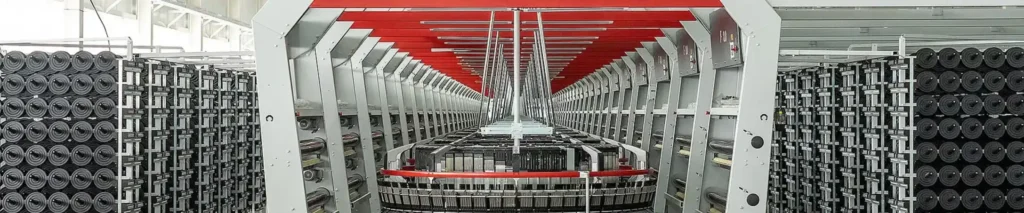
Tape extrusion and weaving — Melt PP, extrude thin films, slit into tapes, draw for tensile strength. Weave into fabrics at 10×10 to 14×14 picks; set fabric mass by load and drop targets.
Coating/lamination — Extrusion coat for sift‑proofing and sealability, or laminate reverse‑printed BOPP (≈15–35 μm). Maintain dyne levels and registration.
Tubing and body formation — Form tubes with back or side seams; leverage web guides and cameras to protect artwork integrity.
Block‑bottom conversion — Pasted hot‑melt patterns or thermal formation create the square base. Control fold accuracy, glue footprints, and pressure dwell.
Mouth finishing and options — Keep the mouth flush‑cut or reinforced; add notches, laser scores, or handles; integrate liners with appropriate fin seals.
Quality control — CoF A/B surfaces, bond/peel strength, seam integrity, drop tests across orientations, visual/registration, and migration/odor checks for food SKUs.
Tip — block‑bottom choices: pasted bottoms give excellent sift control when glue windows are dialed in; thermal bottoms reduce materials complexity on coated constructions. Both benefit from precise creasing to avoid star‑cracks.
Application Landscape for SOS PP Bags in Food
Applications are not merely addresses for shipping; they are laboratories for constraints. Rice and grains sharpen moisture control; sugar punishes poor sift‑proofing; flour exposes weak mouth handling; pet nutrition demands haptics and aroma stewardship. Here is how SOS PP Bags meet those tests.
Rice, grains, pulses (5–25 kg): film faces keep texture intact; windows reassure consumers; square bases resist pallet creep across long routes.
Sugar and fine powders (10–25 kg): smooth interiors and tuned bottoms prevent leakage; liners add continuity; anti‑slip bands stabilize stacks in humid depots.
Flour and bakery mixes (10–20 kg): matte films hide scuffs; block bottoms present taller, tidier stacks; micro‑perfs balance venting with powder retention.
Pet nutrition (10–20 kg): satin finishes cue premium; optional EVOH liners steward aroma; easy‑open features improve user experience.
Seeds and feed: reinforced seams and serialized codes under the laminate; UV‑stabilized tapes for outdoor storage.
Salt and mineral blends: coated seams and robust fabrics limit wicking; thermal bottoms or corrosion‑resistant thread avoid salt‑induced issues.
Colored Tables: Parameters, Comparisons, and Ready‑to‑Order Specs
A Systems Method: Engineering SOS PP Bags for Food
Packaging is a system; performance emerges when subsystems agree. The fastest way to miss is to optimize one knob—print, or speed, or cost—while ignoring the rest. The fastest way to land the plane is to decompose the spec by function, interrogate constraints, and then re‑compose with intent.
Subsystem A — Protection and Shelf Life
Moisture sets the baseline: define a WVTR target by product (rice vs sugar vs flour). Use lamination and liners to reach it, adding micro‑perfs only when air evacuation is necessary. Where aroma matters, confine barrier layers to the minimum viable footprint.
Subsystem B — Machinability
Exterior CoF affects speed and safety. Tune it low for VFFS/HFFS feeds, then add localized anti‑slip to recover pallet friction. Keep mouth stiffness consistent; dimensional drift at the spout is a silent thief of uptime.
Subsystem C — Strength and Logistics
Drop at 0.8–1.2 m in relevant orientations; stack to the program height you will ship. Block‑bottom corners should neither star‑crack nor sift. Engineer wrap recipes to your measured CoF, not a guess.
Subsystem D — Branding and Retail
Reverse‑printed BOPP supports photographic imagery and spot effects. Use windows where they build trust; tune matte/gloss ratios for both tactility and scuff management.
Subsystem E — Compliance and Sustainability
Request declarations for contact suitability (FDA 21 CFR 177.1520; EU 10/2011). Prefer PP‑only stacks (fabric + tie + film) for clear end‑of‑life storytelling; document liner polymers and their separability when you must introduce non‑PP layers.
Integrated example: a 15 kg kibble program shipping to humid coasts—Woven PP 80 g/m² wall, 30 μm satin BOPP face reverse‑printed 10‑color, pasted block bottom, exterior CoF 0.35–0.40, anti‑slip bands only on the back panel, optional EVOH liner for premium SKUs, and under‑laminate serialization. Trial at 5,000 bags to capture real line speeds and pallet shear; lock parameters only after live tests.
Troubleshooting and Continuous Improvement
Delamination at folds → increase bond strength, widen glue/heat footprints, smooth fold radii, verify dyne levels prior to lamination.
Pallet slippage → raise CoF via top coats or patterned anti‑slip, adjust wrap tension, reduce gloss exposure in high‑contact zones.
Sift leaks at corners → re‑profile creases, use inner patches for extreme fines, increase weave count for tighter fabric.
Ink scuffing → ensure reverse print under film, increase film thickness or matte content, confirm curing and adhesion promoters.
Odor/NIAS → extend adhesive curing, audit chemical inputs, switch to low‑odor systems, control post‑process storage.
Production Windows and Quality Tests
Operators win when windows are explicit rather than implicit. Capture them, post them, and audit against them.
Surface Energy
Incoming film ≥38 dynes (40–42 preferred) for ink and adhesive wetting. Track decay during storage; re‑treat if necessary.
Adhesive Control
Solventless PU: verify mix ratio and pot life; Solvent systems: ensure drying tunnel residence limits residuals before winding.
CoF and Drop
Measure A/B surfaces; correlate with line speed. Drop at 0.8–1.2 m across relevant orientations and humidities.
Callout — documentation: keep certificates of analysis, CoF reports, bond/seam strength data, migration summaries, and pest‑control logs in a single digital binder keyed to lot numbers. Faster audits; fewer surprises.
Market and Policy Context, 2024–2025
Three realities frame current decisions around SOS PP Bags in food: secure polypropylene supply; retailer and regulator expectations for right‑sizing and labeling clarity; and momentum around recycled PP in defined use conditions. Supply expansions in Asia temper price spikes and shore up availability for fabric and films. Retailers push for honest material declarations and tamper‑evident, traceable prints. Authorities refine pathways for recycled PP in contact layers via controlled processes—encouraging, but never a blank check.
Frequently Asked Questions
Are SOS PP Bags recyclable? If the structure remains a mono‑polyolefin (PP fabric + PP tie + PP film) and a PP collection/sorting stream exists, mechanical recycling is feasible. Where liners or barriers are added, specify polymers and separability.
Do all food applications require liners? No. Liners are recommended for fine powders, hygroscopic contents, or aroma‑sensitive SKUs. Coarse, dry grains often run well with laminated walls alone.
Which is stronger for 25 kg flour—square‑bottom open‑mouth or pinch‑bottom woven PP? Both pass when specified well. Pinch‑bottom excels in ultra‑tight sift‑proofing; SOS often opens faster on certain lines. Validate on your equipment.
What exterior CoF should we target? A range of 0.30–0.45 typically balances speed and stack stability. Measure on the actual film/finish you intend to ship.
How do matte, satin, and gloss films behave? Matte masks scuffs and reads premium; gloss amplifies color; satin splits the difference with soft touch and moderated glare.
Supplier Shortlisting and RFQ Checklist
Product: SOS PP Bags, capacity ___ kg, content ___ (rice/sugar/flour/pet food/etc.).
Wall: Woven PP ___ g/m²; weave ___×___; tape denier ___D; UV stabilized? (Y/N).
Print face: BOPP ___ μm; finish (gloss/matte/satin/metallized); reverse print (Y/N).
Lamination: Extrusion tie (PP/PE) ___ μm / Adhesive (solvent/solventless) coat weight ___ g/m².
Bottom: Pasted or thermal block bottom; glue pattern or heat settings.
Mouth: Flush‑cut; easy‑open/laser‑score; handle (Y/N).
Liner: LDPE/LLDPE ___ μm / EVOH barrier (Y/N); attachment method.
Targets: Exterior CoF ___/___; drop test ___ m; WVTR goal (film) ___ g/m²·day; seam strength ___.
Compliance: FDA 21 CFR 177.1520 declaration; EU 10/2011 migration data; GMP/HACCP/BRCGS packaging certification if applicable.
Traceability: Under‑laminate QR (Y/N); serialized batches (Y/N).
Logistics: Pallet height ___ m; climate (dry/humid/tropical); outdoor storage (Y/N).
QA deliverables: CoA per lot; CoF A/B; bond and seam strength; vision inspection report; odor/migration summaries (for food).
Focused Analysis on the Prompt Phrase
The title “SOS PP Bags: Understanding Applications and Benefits for Food Packaging” can be treated as a map. Understanding asks: what is the essence? Applications ask: where does the format earn its keep? Benefits ask: why this choice over others, here and now? And the qualifier for food forces discipline around hygiene, migration, and documentation. Answer the four, and you can specify with confidence.
Essence first: self‑standing geometry paired with polyolefin durability. The square base reduces entropy on the line; the PP body resists humidity and abrasion; the film face protects branding. Where applications diverge—rice versus sugar versus kibble—the same core adapts: liners added or omitted; films switched from gloss to satin; CoF tuned from slippery to grippy. Benefits emerge from these switches. Less waste at fill, fewer pallet incidents, more resilient branding. Food‑specific care rounds the set: declare materials clearly, manage residuals and odor, test for migration, and use recycled content only within the permissions and processes that apply. The flow looks simple on paper; in practice it rewards teams that prototype, measure, and iterate.
1. Overview of SOS PP Bags
SOS PP Bags, or Self Opening Sacks, are a type of woven polypropylene (PP) bag with a distinctive self-opening feature. This design makes them easy to fill, handle, and transport. These bags are widely used in the packaging industry due to their durability, cost-effectiveness, and user-friendly nature.
Key Features of SOS PP Bags:
- Self-Opening Mechanism: The bags are designed to open automatically when filled, facilitating faster and more efficient packaging.
- Woven Polypropylene Material: Made from PP woven fabric, these bags are strong, lightweight, and resistant to moisture.
- Versatile Design: Available in various sizes and configurations to meet different packaging needs.
2. Applications in Food Packaging
SOS PP Bags are ideal for packaging a wide range of food products. Their strength and durability make them suitable for handling bulk food ingredients and finished products. Let’s explore how these bags are used in the packaging of different food items:
| Food Item | Application | Benefits |
|---|---|---|
| Flour | Bulk flour storage and transport | Prevents spillage, maintains freshness, and is easy to handle. |
| Sugar | Packaging of granulated and powdered sugar | Keeps sugar dry and free from contaminants; easy to stack and store. |
| Spices and Seasonings | Packaging for spices, herbs, and seasoning blends | Protects against moisture and air; ensures product integrity and freshness. |
| Agricultural Products | Includes grains, beans, and other processed crops | Sturdy construction; ideal for bulk storage and transport. |
| Food Additives | Packaging for various food additives | Ensures accurate dosing and easy access; maintains product quality. |
3. Advantages of SOS PP Bags in Food Packaging
The use of SOS PP Bags in food packaging offers several benefits over other types of packaging materials:
- Enhanced Efficiency:
- Self-Opening Feature: The automatic opening mechanism speeds up the filling process, making it more efficient for high-volume packaging operations.
- Durability and Strength:
- High Load Capacity: SOS PP Bags are designed to hold substantial weight, ensuring that the contents are secure during handling and transport.
- Moisture Resistance: The woven polypropylene material is resistant to moisture, protecting the contents from environmental factors.
- Cost-Effectiveness:
- Economical: These bags are relatively inexpensive to produce and purchase, making them a cost-effective choice for bulk packaging.
- Environmental Considerations:
- Recyclability: Polypropylene is a recyclable material, which can help reduce environmental impact when properly disposed of or recycled.
4. Comparison with Other Packaging Options
To provide a comprehensive understanding of SOS PP Bags, it’s useful to compare them with other common packaging options:
| Packaging Type | Advantages | Disadvantages |
|---|---|---|
| SOS PP Bags | Self-opening, durable, cost-effective, recyclable | May not be suitable for all types of food products |
| PE Bags | Flexible, cost-effective, moisture-resistant | Less durable, not as strong as PP bags |
| PET Bags | Strong, clear, good for visibility | More expensive, less environmentally friendly |
| Paper Bags | Biodegradable, good for certain food products | Less durable, susceptible to moisture |
5. Future Trends in SOS PP Bag Technology
The packaging industry is continuously evolving, with ongoing advancements in materials and technology. Future trends for SOS PP Bags may include:
- Enhanced Barrier Properties:
- Innovative Coatings: Development of new coatings to improve barrier properties against moisture and air.
- Sustainable Materials:
- Bio-Based Polypropylene: Introduction of more sustainable and eco-friendly materials for manufacturing SOS PP Bags.
- Smart Packaging:
- Integrated Sensors: Incorporation of sensors to monitor the freshness and quality of packaged food products.
- Customizable Designs:
- Enhanced Customization: Greater options for customization in terms of sizes, colors, and printing for branding purposes.
6. Conclusion
SOS PP Bags offer a practical and efficient solution for packaging various food products. Their self-opening feature, durability, and cost-effectiveness make them a preferred choice in the food packaging industry. As technology continues to advance, we can expect further improvements in the design and functionality of these bags, contributing to more sustainable and effective packaging solutions.
In summary, SOS PP Bags are an essential component of modern packaging practices, providing numerous benefits for both manufacturers and consumers. By understanding their features and applications, businesses can make informed decisions about the most suitable packaging options for their needs.
Table of Contents:
| Section | Details |
|---|---|
| Overview of SOS PP Bags | Key features and benefits of Self Opening Sacks |
| Applications in Food Packaging | Examples of how SOS PP Bags are used for various food products |
| Advantages of SOS PP Bags | Efficiency, durability, cost-effectiveness, and environmental considerations |
| Comparison with Other Packaging Options | Comparison with PE Bags, PET Bags, and Paper Bags |
| Future Trends in SOS PP Bag Technology | Innovations and trends in SOS PP Bag technology |
| Conclusion | Summary of the key points discussed |