
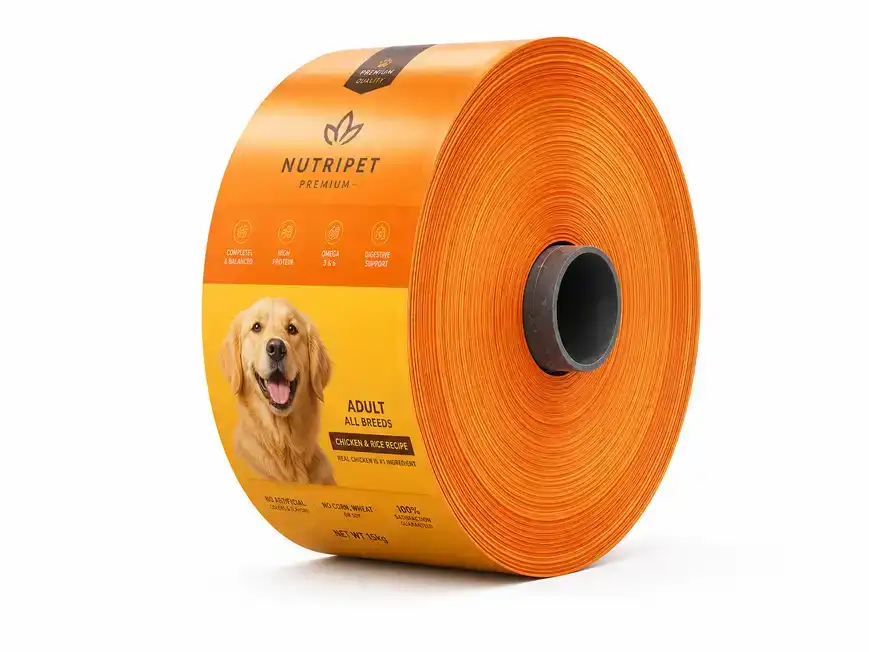
FFS Roll PP Woven Bags are widely used across industries for their ability to streamline packaging, filling, and sealing processes. These bags, also known as FFS Roll PP Woven Sacks or Tubular PP Woven Bags, are ideal for automated filling systems and offer strength, flexibility, and cost-efficiency. At VidePak, we utilize cutting-edge technology and adhere to strict quality control protocols to manufacture durable, reliable PP Tubular Woven Bags that meet a wide range of industrial needs.
Tubular Form Fill Seal Films
Learn the core technology and quality standards of FFS roll films for automated packaging production.
Check More →Heat-Sealed PP Woven Bags
High-quality heat-sealed FFS woven bags with strict quality control and defect prevention systems.
Check More →Woven Fabric PP Bags Features
Key material features that ensure FFS roll woven bag quality and reduce common production defects.
Check More →Heavy-Duty PE Bags Roll
Premium FFS roll bag solutions with stable performance and professional quality assurance processes.
Check More →What are FFS Roll Woven Bags and what are they also called?
FFS Roll Woven Bags are roll‑fed packaging substrates engineered for high‑throughput automatic form‑fill‑seal equipment. Instead of shipping a stack of pre‑made sacks, suppliers deliver a continuous, machine‑readable web: the line forms a tube around a forming shoulder, welds a bottom seal, doses the product, then welds and codes the top—all in one rhythm of temperature, pressure, and time. The woven substrate carries mechanical loads; the coating or laminate provides a continuous skin that resists dust egress and liquid ingress; specialized seal layers broaden the thermal window so closures remain intact, even under dust, vibration, or residual product heat. In practice, this format turns a complex choreography—web control, sealing physics, and aeration management—into predictable, pallet‑stable output at the lowest practical packaging mass.
Because the same platform travels across geographies and industries, naming varies while fundamentals remain stable. For clarity, the most common aliases—each hinting at a particular plant habit or procurement angle—are listed below. The alternate names are bolded for rapid recognition and search parity.
- FFS woven roll stock — emphasizes the continuous web supplied on a core.
- Form‑fill‑seal woven PP rolls — underscores machine compatibility and the polypropylene base.
- Tubular woven FFS fabric — used when supplied as circular‑woven tube rather than flat web.
- Raffia FFS rolls — shop‑floor shorthand referencing oriented tape‑yarn construction.
- Heavy‑duty woven FFS sack material — signals industrial load‑bearing intent.
- Coated woven PP FFS substrate — highlights the extrusion‑coated skin for sealing and anti‑sift control.
- BOPP‑laminated woven FFS web — flags a biaxially oriented polypropylene laminate for barrier and print.
- Woven poly FFS packaging — umbrella phrasing when PP and HDPE variants are both in play.
- Roll‑fed woven sack stock — procurement language covering roll geometry and lamination detail.
- Woven form‑fill‑seal sack fabric — frequently used in equipment manuals and maintenance notes.
The material of FFS Roll Woven Bags: substrates, skins, and how the parts fit together
Think of FFS Roll Woven Bags as a modular platform. Change the substrate and you shift tensile behavior; change the coating and you modify barrier and seal energy; change the liner and you rewrite hygiene and moisture performance; change the roll build and you alter tension, splice reliability, and registration. The map below breaks the structure into components and explains why each one matters.
Polypropylene raffia—a film extruded, slit, and drawn into oriented tapes—forms the woven matrix. Ends‑per‑inch and picks‑per‑inch distribute load and tune porosity; tape denier and draw ratio set the stress–strain profile. HDPE raffia appears in some regions for stiffness or chemical resistance preferences but is less common for small sacks. Resin cost dominates, which is why designs that raise strength per gram (draw control, corner density, smarter reinforcement) consistently beat naive GSM increases.
Extrusion‑coated PP or PE skins (typically 20–50 μm) close pores, block sifting, shed liquid water, and create a repeatable seal interface. BOPP laminates add lower vapor transmission and photo‑grade print while stabilizing tension behavior at speed. Where seals must hold through heat or dust, co‑extruded skins place a lower‑melt or metallocene‑rich layer at the surface to widen hot‑tack and heat‑seal windows.
Loose or form‑fit LDPE/LLDPE liners create near water‑tight performance for hygroscopic contents and provide a clean product‑contact surface. In combustible‑dust settings, antistatic or dissipative liners pair with grounded equipment to manage ignition risk while retaining the mechanical advantage of the woven shell.
Tie resins and primers keep laminates bonded through thermal cycles; corona or flame treatment raises surface energy for ink and adhesive wet‑out. Consistency across the web width is non‑negotiable—uneven dyne maps translate directly into legibility and delamination complaints.
Gussets and controlled fold radii generate the square‑shouldered geometry that pallets love. Sharp radii concentrate stress and precipitate corner tears in drop tests; widening them is usually more effective than adding mass. Clean selvage and reinforced splice caps protect web integrity at speed.
What are the features of FFS Roll Woven Bags?
Why do teams keep migrating to FFS Roll Woven Bags from pre‑made sacks or film‑only roll stock? Because the format turns throughput, cleanliness, and mechanical robustness into a single decision. Some advantages are obvious on day one; others reveal themselves only after a full season of outdoor staging or cross‑dock abuse.
- Strength‑to‑weight. Oriented tapes in a woven matrix survive shocks and fork‑tine brushes that would compromise thin films at comparable mass.
- Seals that hold under pressure. Properly engineered seal skins deliver wide hot‑tack windows and robust closure at speed, even with minor dust at the lips.
- Moisture and dust control. Coatings and laminates reduce sifting and shed rain; liners add near water‑tight performance for hygroscopic contents without sacrificing toughness.
- Pallet geometry. Gusseted, block‑style packs stack square with lower wrap tension, reducing crushed corners and wrap waste.
- Print fidelity. Laminated print faces keep warnings and lot codes legible after wipes and rubs, an underrated win for safety and traceability.
- Mono‑material intent. PP fabric plus PP coating (or BOPP) remains within the polyolefin family, supporting designed‑for‑recycling strategies where collection exists.
- Machine harmony. With the right COF and dyne windows, the same baggers that run heavy‑duty PE sacks can be tuned for woven PP FFS webs.
What is the production process of FFS Roll Woven Bags?
From pellets to pallets, disciplined producers treat each step as a quality gate with metrology to match. The upstream sequence for the web and the downstream choreography on the bagger are both crucial.
- Tape extrusion & drawing — melt PP, extrude a film, slit into tapes, draw to orientation, anneal. Tensile, elongation, and creep behavior are set here.
- Weaving — circular or flat looms define EPI/PPI and GSM; selvedge quality foreshadows splice reliability.
- Surface engineering — extrusion coat PP/PE or laminate BOPP; pick tie resins and primers that keep bonds through thermal cycles.
- Web finishing — trim edges, verify thickness profile, check COF and dyne levels, and mark lanes for registration.
- Roll winding — wind to specified OD on strong cores with controlled hardness; cap splices and encode a roll map for traceability.
- Form & bottom‑seal — thread the roll over a forming shoulder; create a fin/lap seal (if not tubular); make the first transverse seal and cut.
- Dose & de‑aerate — gravity, auger, impeller, or air‑assist dosing; venting via perf maps or deaeration pulses.
- Top‑seal & code — close within a validated PTT window; inkjet or TT code; add handles or easy‑open if specified.
- Check & palletize — pass weight checkers and leak testers; collate to pallets proven by stack/creep tests.
What is the application of FFS Roll Woven Bags?
The same foundation—woven strength plus sealable skin—adapts to remarkably different payloads and climates. Below are typical, not exhaustive, clusters of use.
- Petrochemicals and polymers — PE/PP pellets and masterbatch: dust‑tight seals, abrasion tolerance, and high line speeds.
- Fertilizers and agricultural minerals — hygroscopic contents call for liners and robust seal chemistry; outdoor staging is routine.
- Cement, mortar, and dry mixes — abrasive handling demands high corner density and block‑style geometry to keep pallets square.
- Salts and de‑icing agents — moisture control is non‑negotiable; coated skins and hot‑tack windows prevent clumping.
- Food and feed ingredients — sugar, rice, premixes benefit from wipe‑down faces and durable codes; liners where hygiene demands.
- Minerals and pigments — dense powders push panel tensile and seal cleanliness; recipe‑driven packers reduce entrained air.
Quality assurance for FFS Roll Woven Bags: architecture, metrology, and discipline
Quality is not a silo; it is a network of controls that start at incoming inspection and end with field feedback. The schema below organizes controls by phase so issues can be anticipated rather than endured.
- Resin COA checks: melt flow, density, UV and slip packages.
- Fabric metrics: GSM, EPI/PPI, tape denier, panel tensile with variance limits.
- Coating/laminate: thickness profile, pinhole scan, peel (bond) strength, visual streaks.
- Surface energy: dyne levels on print and seal faces across lanes.
- Roll geometry: core ID/OD, roll width/OD, splice count and flags.
- Active tension control and web guiding to prevent skew and length drift.
- Seal window mapping (PTT) with hot‑tack sampling under dusted lips.
- Print‑to‑cut registration audits during speed ramps; barcode rub tests.
- Dynamic checkweighers with alarms tied to Cpk thresholds.
- Vacuum bell or pressure‑decay leak tests on filled samples.
- Drop test (flat/edge/corner) with documented tear and leak criteria.
- Compression/creep under realistic climate for 3–7 days.
- Thermal cycling and moisture exposure where outdoor staging is expected.
- Lot traveler: roll IDs, machine recipes, operators, and test results linked to printed lot codes.
Common defects in FFS Roll Woven Bags: field patterns and countermeasures
Defects are messages. When translated correctly, they point directly to the subsystem that needs attention. The cards and tables below cover the usual suspects and the fastest proven fixes.
Often traceable to narrow seal windows, dusty lips, or contaminated jaws. Widen PTT, add air knives, clean bars on cadence, and verify hot‑tack at operating speed.
Signals tie‑layer mismatch or over/under‑treatment. Align tie chemistry; manage dyne aging; acclimatize rolls before use in cold seasons.
Rooted in winding hardness and core strength. Specify stronger cores, profile hardness, and tune unwind brakes for gentle starts.
Caused by tension swings or forming‑shoulder draw. Add active tension control, align rollers, and stabilize seal‑bar temperature.
Usually tight radii or low corner density. Widen fold radii, add reinforcements, and raise PPI/EPI at corners before adding GSM everywhere.
Often a surface‑energy or ink system problem. Maintain dyne level, specify abrasion‑resistant inks, and add protective varnish if lanes scuff.
| Symptom | Likely cause | Corrective lever |
|---|---|---|
| Seal leaks after vibration | Under‑heat; dusty lips; worn jaws | Raise time/pressure; clean bars; add dust‑blowoff; refresh pads |
| Roll telescoping on unwind | Soft winding; core crush; tension spikes | Re‑profile hardness; stronger cores; tune brakes |
| Bag length variability | Tension drift; draw on shoulder | Active tension control; roller alignment; thermal stabilization |
| Delamination at corners | Tie incompatibility; over‑treatment; cold shock | Compatible tie; treatment control; acclimatize rolls |
| Corner tears on edge drops | Tight fold radii; low corner density | Widen radii; add reinforcement; raise corner PPI/EPI |
| Barcode unreadable after wipe | Low abrasion resistance; poor ink bond | Abrasion‑resistant inks; protective varnish; dyne verification |
A systems model for FFS Roll Woven Bags: break, diagnose, integrate
Every failure is a duet between material and method; every success, a chorus of tuned subsystems. Treat FFS Roll Woven Bags as five coupled domains and you will see where to intervene.
Choose polymer grades, draw ratios, UV and slip packages with the target climate in mind. Cold‑drop brittleness? Shift to impact‑modified tapes. Summer heat driving ink smear? Upgrade inksets and cure regimes.
Denier, EPI/PPI, and geometry define how loads spread. Corner density is the hidden hero of edge‑drop survival; add it before you add GSM.
Coating GSM and seal chemistry set the seal window; surface treatment consistency sets print and lamination reliability. Keep dyne in a measured window, not a guess.
Hardness profiling, splice caps, and square edges prevent telescoping and mis‑registration. Roll maps shrink troubleshooting time from hours to minutes.
Seal PTT recipes, dust control, static mitigation, and operator training knit everything together. Without clean bars and steady tension, even the best web will disappoint.
Integrated solution: the living specification of FFS Roll Woven Bags
Specifications that survive forklifts read like contracts with physics: measurable, auditable, unambiguous. Use the following scaffolding and tune values by SKU and climate.
- Panel tensile minima tied to drop performance.
- Seal strength thresholds and validated hot‑tack windows.
- Leak criteria under vibration or pressure‑decay sampling.
- Stack/creep durations, temperatures, and loads by SKU class.
- Forming‑shoulder dimensions, spout diameters, clamp pressures.
- Dyne windows for print/bond faces and acceptable aging curves.
- COF windows that balance handling with pallet stability.
- Dust limits at fill and after densification; liner integrity.
- Barcode/2D code legibility after rub tests; ink/varnish specs.
- Lot ID schema linking roll IDs, resin batches, PTT, and test results.
- Mono‑material intent (PP fabric + PP coating or BOPP laminate).
- Food‑contact declarations and hygiene SOPs where applicable.
- Claims phrased: designed for recycling where collection exists.
Color table: specification parameters for FFS Roll Woven Bags
| Parameter | Typical options / ranges | Why it matters | Notes |
|---|---|---|---|
| Woven substrate GSM | 70–140 g/m² (10–50 kg class) | Base tensile, stiffness, porosity | Strength per gram beats raw GSM; corner density matters |
| Tape denier & draw ratio | 600–1200 denier; draw set by resin | Controls tensile and elongation | Validate at climate (cold‑drop tolerance) |
| EPI/PPI (weave density) | Factory standards by SKU | Load distribution; coating holdout | Corner weave density for edge‑drops |
| Coating (PP/PE) thickness | 20–50 μm | Anti‑sift; seal interface | Match resin family for recovery aims |
| Laminate (BOPP) | 18–30 μm | Barrier; crisp graphics | Stabilizes web tension at speed |
| Seal layer chemistry | mLLDPE‑rich or similar | Wider hot‑tack and heat‑seal windows | Critical for dusty/warm fills |
| Dyne level (print/lam bond) | Per ink/adhesive spec | Ink and bond reliability | Audit aging; re‑treat if required |
| COF (face‑to‑face) | 0.25–0.45 typical | Handling vs stacking balance | Anti‑slip varnish where needed |
| Roll width tolerance | ±1–2 mm typical | Bag width & registration | Verify across diameter |
| Splices per roll | ≤ 1–2 (flagged) | Avoid unplanned stops | Heat‑sealed, reinforced; encoded in roll map |
Test matrix for qualifying FFS Roll Woven Bags and routine QA
| Test / check | Purpose | Indicative target | Notes |
|---|---|---|---|
| Panel tensile (warp/weft) | Establish body strength | Meet design minima with variance limits | Tie to drop & stack outcomes |
| Seal strength (top/bottom) | Avoid leakers | Exceed set N/15 mm thresholds | Map across PTT and dust levels |
| Hot‑tack strength | Hold while warm/moving | Defined minimum in green zone | Critical for rapid discharge |
| Laminate peel (if used) | Prevent delamination | Exceed bond N/15 mm | Test pre/post thermal cycle |
| Drop test (flat/edge/corner) | Simulate shocks | Pass 0.8–1.2 m depending on SKU | Define tear/leak criteria |
| Compression/creep | Validate stacking | Hold defined load/height for 3–7 days | Include temperature/humidity |
| Dyne level | Ensure surface energy | Within target window | Record aging curve |
| COF | Handling stability | Within machine window | Static & kinetic; face‑to‑face |
Process FMEA snapshot for a woven‑FFS line
- Forming & bottom seal — Failure: under‑seal → Effect: leakers → Cause: low bar temp/pressure → Controls: closed‑loop temp, pressure sensors, hourly peel tests.
- Dosing & de‑aeration — Failure: entrained air → Effect: burst/slump → Cause: inadequate venting → Controls: perf maps, deaeration pulses, densification dwell.
- Top seal & coding — Failure: ink smear → Effect: traceability loss → Cause: wet ink/low dyne → Controls: cure settings, dyne audits, sample scans.
- Unwind & web handling — Failure: telescoping → Effect: stops/waste → Cause: poor roll hardness → Controls: roll maps, hardness testing, brake tuning.
Case examples (composite, anonymized) using FFS Roll Woven Bags
Polymer pellets at 1,800 bags/hour. A plant moving from pre‑made PE sacks to FFS Roll Woven Bags with coex seal layers widened the seal window and cut leakers by 70% at constant mass. Pallets stacked squarer; forklift damage claims fell noticeably.
NPK fertilizer with outdoor staging. Adding a form‑fit liner and anti‑slip print face to a coated woven FFS web eliminated clumping during the rainy season and allowed lower wrap tension without pallet slump.
Dense mineral fines (abrasive). Corner reinforcements and raised corner weave density delivered edge‑drop passes at 1.0 m without an across‑the‑board GSM increase.
Frequently asked questions (engineer’s edition)
- Are FFS Roll Woven Bags recyclable? Many builds remain in the polyolefin family (PP fabric + PP coating or BOPP laminate). Where collection/sorting exist, they are designed for recycling; confirm local acceptance.
- Fastest way to stop top‑seal leaks? Validate hot‑tack with dusted lips, add ionized air knives, and raise seal pressure before temperature.
- Do I always need a liner? No. Use liners for hygiene or moisture‑sensitive goods; otherwise coatings/laminates with good seal engineering often suffice.
- Why do rolls telescope? Winding hardness and core strength. Specify both and audit with hardness tests at receiving.
- What drives cost most? Resin and machine time. Strength per gram, clean web quality (few splices), and high OEE are the big levers.
Keyword and long‑tail placement relevant to FFS Roll Woven Bags
To aid readers and searchers alike, this article uses contextual terms such as FFS woven roll stock, form‑fill‑seal woven PP rolls, tubular woven FFS fabric, coated woven polypropylene FFS substrate, BOPP‑laminated woven FFS web, heavy‑duty woven form‑fill‑seal packaging, raffia FFS rolls, roll‑fed woven sack stock, woven poly FFS packaging, sealing window for woven FFS bags, hot‑tack for woven FFS seals, dyne level for woven PP lamination, telescoping roll defects in woven FFS stock, leak test for woven FFS sacks, and compression/creep test for woven FFS packaging. The consistent anchor throughout remains the product we have explored in depth: FFS Roll Woven Bags.
While FFS PP Bags are highly durable, common quality issues can arise if proper manufacturing and testing processes are not in place. These defects not only affect the functionality of the bags but also impact the integrity of the materials they are designed to protect. This article explores the most common quality problems associated with FFS Woven Bags and how VidePak addresses these challenges through comprehensive testing and advanced production methods.
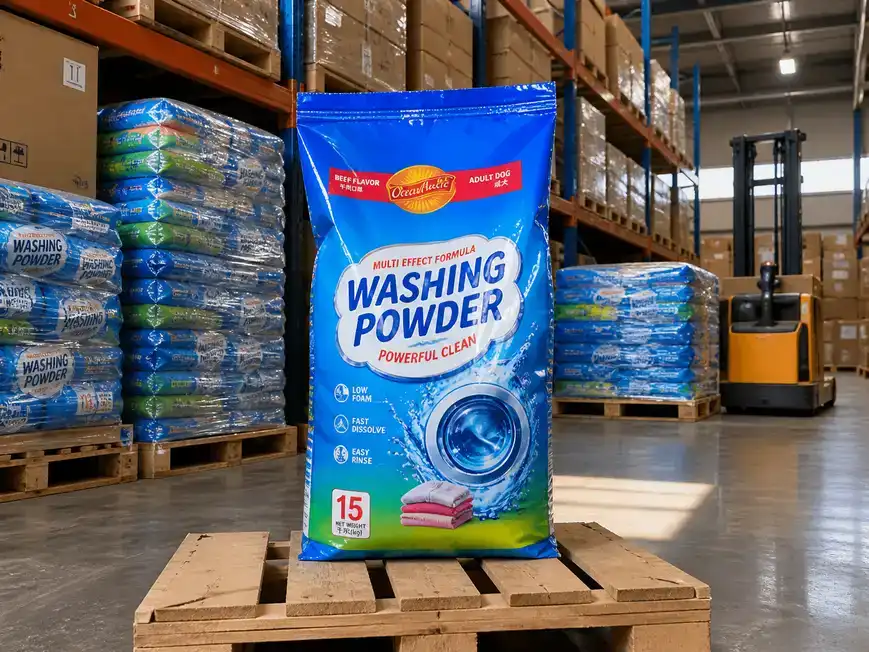
What Are FFS Roll Woven Bags?
FFS Roll Woven Bags (Form-Fill-Seal) are tubular woven polypropylene (PP) sacks designed for automatic packaging systems. These bags come in roll form, allowing them to be easily filled, formed, and sealed by automated machines, increasing efficiency in high-volume packaging operations. The use of FFS Woven Bags is prevalent in sectors like chemicals, agriculture, and construction, where bulk materials need to be securely packed and transported.
Key characteristics of FFS Roll Woven Sacks include:
- Strength: Made from polypropylene, these bags have excellent tensile strength and can handle heavy loads.
- Flexibility: The bags are flexible enough to conform to the shape of the product being packaged while maintaining structural integrity.
- Cost-Effective: Their design and production process reduce overall packaging costs, making them ideal for bulk handling.
The Role of Tubular Woven Bags in Industrial Packaging
The tubular design of FFS PP Bags ensures that there are no side seams, which enhances the bag’s strength and reduces the risk of tearing. Additionally, these bags can be laminated for added moisture protection, making them suitable for materials that need to be safeguarded from the elements. Tubular bags are commonly used for products like grains, fertilizers, cement, and resins.
Common Quality Issues in FFS Woven Bags
While FFS Woven Bags are engineered for reliability, several quality issues can arise during production if proper care is not taken. These defects can impact the bag’s performance, resulting in potential damage to the materials inside. Here, we analyze the most frequent quality problems encountered in FFS PP Bags and how they can be addressed through stringent quality control measures.
| Common Quality Issues in FFS Woven Bags | Impact on Product | Detection and Prevention Measures |
|---|---|---|
| Thickness Variations | Weakens the bag’s structural integrity | Thickness tolerance testing |
| Uneven Cutting or Rough Edges | Difficulty in sealing, potential tearing | Edge trimming and detection of burrs |
| Color Inconsistencies | Affects brand image and product recognition | Color matching and shade testing |
| Incorrect Weight (Grammage) | Impacts strength and load capacity | Weight consistency testing (Grammage) |
| Low Tensile Strength | Increases risk of bag rupture under stress | Tensile strength and elongation tests for raw material |
| Poor Impact Resistance | Bags may tear during handling or transport | Impact resistance tests for final products |
| UV Degradation | Weakens the bag when exposed to sunlight over time | UV resistance and aging tests |
| Environmental Concerns | Non-compliance with eco-friendly regulations | Environmental performance and recyclability testing |
Key Quality Control Measures for FFS Woven Bags
At VidePak, we understand the importance of delivering reliable Tubular Woven Bags that meet the highest standards of durability and performance. Our comprehensive quality control processes are designed to detect and eliminate any potential issues before the products reach our customers. Let’s delve into some of the key testing procedures we employ.
1. Thickness Tolerance Testing
Thickness plays a vital role in determining the strength of FFS Roll Woven Bags. Variations in thickness can lead to weak points in the bag’s structure, making them more prone to tearing or bursting under pressure. By maintaining strict tolerances, we ensure that the thickness of our bags is consistent across the entire roll.
2. Edge Trimming and Burr Detection
Uneven cutting or rough edges can cause problems during the sealing process. For bags used in automated systems, clean cuts are essential for proper sealing. Our automated cutting systems are designed to trim the edges smoothly and check for any burrs that could interfere with sealing.
3. Color Consistency and Shade Testing
For brands that rely on uniformity in their packaging, color consistency is crucial. FFS Woven Bags often need to match specific colors for branding purposes. To achieve this, we perform color matching tests to ensure there are no discrepancies between batches.
4. Grammage Testing (Weight Consistency)
Grammage refers to the weight per unit area of the fabric, which directly influences the bag’s strength. Bags with inconsistent grammage can have varying load capacities, which may lead to failure under stress. Our quality control team conducts grammage tests to ensure uniformity across the entire batch.
5. Tensile Strength and Elongation Tests
Both the raw polypropylene fibers and the finished FFS PP Bags undergo tensile strength and elongation testing to ensure that they can withstand the stresses of filling, transportation, and handling. These tests measure how much force the material can bear before breaking and how much it can stretch without deforming.
6. Impact Resistance Testing
FFS Roll Woven Bags are often subjected to rough handling during transportation and storage. To ensure they can withstand such conditions, we conduct impact resistance tests to determine how well the bags can handle sudden forces without rupturing.
7. UV Resistance and Anti-Aging Tests
Bags exposed to sunlight for extended periods can degrade due to UV radiation, especially if used for outdoor storage. We conduct UV resistance and aging tests to ensure that our FFS Woven Bags maintain their strength and durability even after prolonged exposure to sunlight.
8. Environmental Performance and Sustainability
In today’s market, eco-friendly packaging is not just a trend but a necessity. Our PP Tubular Woven Bags undergo environmental performance testing to ensure compliance with sustainability standards. The materials used are recyclable, and we follow practices that minimize waste during production.
Addressing Quality Issues in FFS Roll Woven Bags
By identifying and addressing these common quality problems, we can guarantee that our FFS Roll Woven Bags meet the rigorous demands of industrial applications. Below is a table outlining the major quality issues and the corresponding tests and procedures that we employ to prevent them.
| Quality Issue | Testing/Detection Method | Preventative Action |
|---|---|---|
| Thickness Variation | Thickness tolerance testing using micrometers | Adjust machinery settings to maintain uniform thickness |
| Rough Edges | Automated edge trimming and burr detection | Regular maintenance of cutting equipment to ensure clean cuts |
| Color Inconsistencies | Shade matching and color consistency tests | Batch monitoring and fine-tuning of dyeing processes |
| Grammage Fluctuations | Weight consistency checks (grammage testing) | Frequent weighing and adjustments during production |
| Low Tensile Strength | Tensile strength and elongation tests for raw fibers | Use of high-quality raw materials and frequent tensile testing |
| Poor Impact Resistance | Impact resistance tests for finished products | Strengthening bag design through additional lamination or reinforcement |
| UV Degradation | UV resistance and aging tests | Use of UV stabilizers in the material composition |
| Environmental Concerns | Recyclability and eco-compliance testing | Sourcing recyclable PP and minimizing environmental impact |
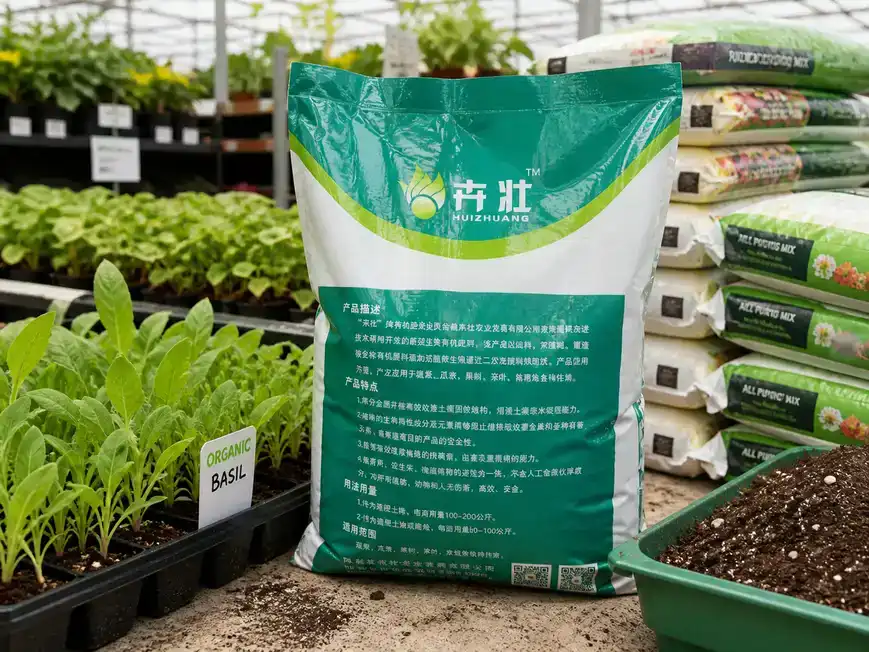
Applications of FFS Roll Woven Bags in Various Industries
Due to their flexibility and durability, FFS Roll Woven Sacks have applications in a wide range of industries. Some key sectors that benefit from these bags include:
1. Agriculture
In agriculture, FFS PP Bags are used for packaging bulk materials like seeds, grains, and fertilizers. The water-resistant nature of laminated Tubular Woven Bags ensures that these materials stay dry and protected during storage and transportation.
2. Chemical Industry
FFS Woven Bags are highly effective for packaging powdered chemicals and resins, providing both strength and chemical resistance. Their ability to be used in automated filling systems makes them an efficient solution for high-volume chemical production.
3. Construction
In construction, FFS Roll Woven Sacks are commonly used for packaging and transporting materials like cement, sand, and gravel. The strength and durability of these bags make them ideal for heavy materials, while their moisture resistance helps protect contents from environmental exposure.
4. Food Processing
FFS Roll Woven Bags are also used in the food industry for packaging bulk food products like flour, sugar, and salt. The bags’ ability to withstand heavy loads without tearing ensures that food products remain safe and secure throughout the supply chain.
Future Outlook for FFS Roll Woven Bags
As industries continue to demand more efficient and durable packaging solutions, **FFS Woven