
What are FIBC Bags?
FIBC Bags—an abbreviation of Flexible Intermediate Bulk Containers—are high‑capacity, soft‑sided containers engineered for safe handling of dry bulk materials. Typical safe working loads range from 500 kg to 2,000 kg per unit, with factors of safety of 5:1 for single‑trip and 6:1 for managed multi‑trip programs. Constructed primarily from woven polypropylene (PP) tapes and finished as U‑panel, 4‑panel, circular, or baffled bodies, these containers form an interface between powder/granular product, the people who move it, and the processes that fill and empty it. In chemical packaging they bridge the practical gap between small sacks and rigid intermediate bulk containers, offering high payload density, fast line speeds, and excellent cube efficiency while folding flat for storage and return logistics.
Also called by many names
- Flexible Intermediate Bulk Containers
- Bulk Bags
- Big Bags
- Jumbo Bags
- Super Sacks
- UN‑Certified Flexible IBCs
- Electrostatic Protective FIBCs (Types A/B/C/D)
Despite the variety of aliases, the function is consistent: a high‑strength, sewn or welded container optimized for forklift/hoist handling with optional liners or coatings that tune barrier, cleanliness, and electrostatic safety for chemical products.
Why do many chemical shippers standardize on FIBC Bags? Because they multiply advantages: rugged mechanics (puncture resistance, seam efficiency), environmental protection (moisture moderation, light shielding via liners), process compatibility (rapid fill/discharge, dust control), and regulatory alignment (UN performance testing, electrostatic classifications). When the product is valuable, sensitive, or hazardous, the packaging has to do more than contain—it must engineer outcomes.
What are FIBC Bags made of?
The core of a modern FIBC Bags program is polymer textile science. The body is woven from stretched PP tapes that deliver tensile strength at low mass, then finished with coatings or liners that tailor barrier, cleanliness, and electrification behavior. Think of the wall as a composite beam: the weave carries tensile loads; coatings distribute abrasion; liners provide barrier; seams translate loads to lifting points. Each element plays a distinct role, and the cost profile reflects how much performance your chemical SKU actually requires.
Woven Polypropylene Fabric
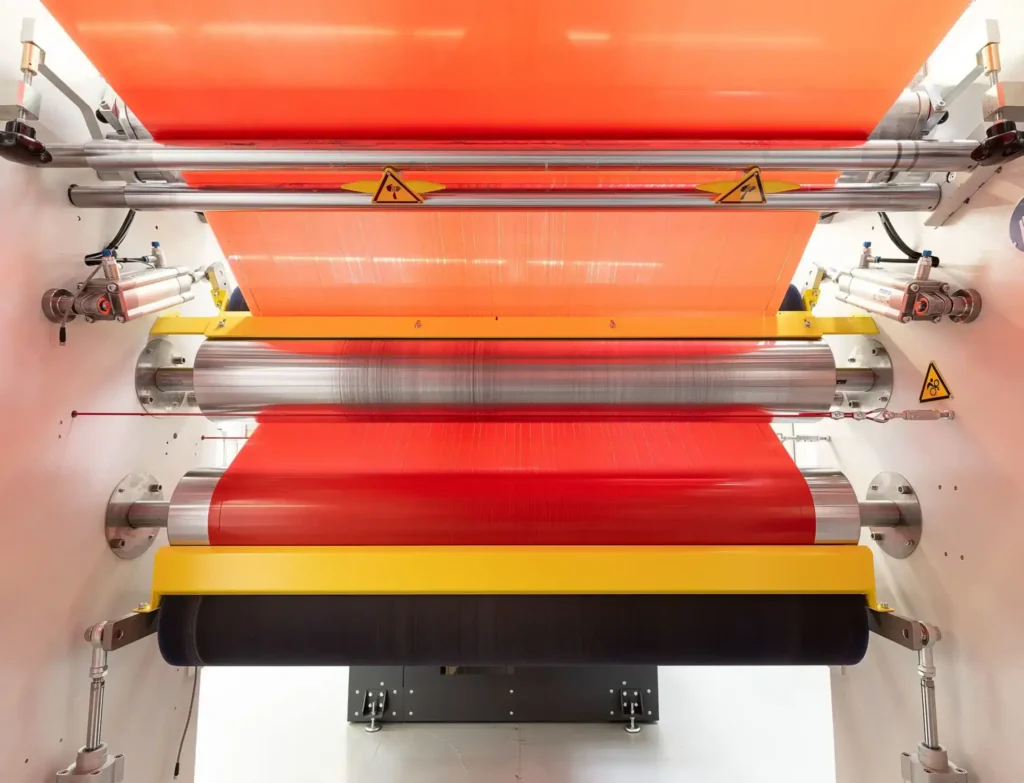
PP pellets are extruded into film, slit, and drawn 4–7× to align molecular chains; tapes are woven on circular or flat looms into fabrics 140–240 g/m² for industrial builds. The fabric is the mechanical backbone: high tensile and tear, low elongation, good puncture tolerance, excellent payload‑to‑package mass ratio.
Coatings & Lamination
PP or PE coatings reduce dusting, moderate moisture ingress, and improve printability. Extrusion lamination provides robust, mono‑polymer ties; solventless adhesive lamination enables lower heat loads for heat‑sensitive graphics.
Liners (Loose, Tab‑fixed, Form‑fit)
LDPE/LLDPE is common; EVOH co‑ex for oxygen barrier; conductive/static‑dissipative liners for combustible dusts; foil composite liners for ultra‑sensitive powders. Liners allow FIBC Bags to carry food‑adjacent additives, oxidation‑sensitive catalysts, or hygroscopic salts without caking or potency loss.
Lifting, Closures, Accessories
Cross‑corner or side‑seam loops for forklifts/hoists; open top, skirt top, or spout top builds; flat base, discharge spout, or conical bases; anti‑bridging patches; dust flaps; tamper‑evident ties. Accessory choice determines fill speed, dust control, and operator ergonomics.
Cost posture
Compared with mono‑film sacks, FIBC Bags cost more per unit but reduce system cost through higher line throughput, fewer ruptures, and lower product losses (caking, oxidation, contamination). For high‑value chemicals and additives, avoided spoilage dominates the economics.
Key features of FIBC Bags
When evaluating packaging for chemical powders, pellets, or flakes, it helps to translate features into outcomes. The following capability map ties design choices to measurable results.
Mechanical & Handling
- Safe working load 500–2,000 kg; U‑panel/4‑panel/circular/baffled geometries resist bulging.
- Seam efficiency engineered via stitch density and thread spec; cyclic top‑lift validation for 6:1 reuse programs.
- Drop, topple, and stack resilience through heavier gsm, baffles, and base reinforcement.
Product & Environment Protection
- Coatings and liners manage moisture (MVTR) and oxygen (OTR); EVOH co‑ex liners hold O2 to very low ppm.
- Cleanliness via low‑lint fabrics, dust‑tight seams, and form‑fit liners.
- Grease/solvent resistance driven by liner chemistries—vital for specialty additives.
Process & Safety
- Electrostatic control through FIBC Types A/B/C/D and matching liners.
- Faster fills with spout/valve tops; dust hood interfaces cut airborne particulates.
- Traceability with large printable surfaces, QR/GS1 codes, and batch fields.
A quick question
If a powder clumps when humid, oxidizes when exposed, ignites when charged, and loses potency when warm, what packaging blocks all those vectors at once? In many cases: FIBC Bags with the right liner, the right electrostatic type, and the right seam geometry.
How are FIBC Bags produced?
From pellet to pallet, the production of FIBC Bags is a disciplined sequence of polymer processing and textile conversion. Each stage introduces variables that must be controlled to keep safety factors and hygiene claims credible.
-
Film, Tape, and Fabric
PP resin is extruded into film, slit to tapes, drawn to increase molecular orientation, and woven into fabric. Pick density and tape denier determine burst and tear, while loom tension affects dimensional stability. UV masterbatch is added when outdoor dwell is expected.
-
Printing, Coating, and Lamination
Corona treatment raises surface energy; printing (gravure or HD flexo) applies durable graphics; coatings moderate permeability; laminations (PP‑to‑PP, barrier films) create composite walls. Process windows—nip pressure, dyne levels, bond strength—are tracked to prevent curling, tunneling, or delamination.
-
Cutting, Sewing, and Assembly
Panels are cut; loops are stitched into side seams or cross‑corners; tops and bottoms are formed as open, skirt, spout, flat, or discharge spout/cone. Baffles are laser‑cut with vent holes to resist bulge without trapping air. Stitch patterns and thread specs drive seam efficiency.
-
Liner Insertion & Fitments
Liners are inserted loose, tab‑fixed, or form‑fit, then welded and leak‑tested. Fitments include valves, dust flaps, and spout accessories for controlled discharge.
-
Quality Assurance & Validation
Top‑lift (static and cyclic), stack/compression, drop/topple, seam efficiency, and electrostatic tests confirm compliance. For barrier liners, OTR/MVTR are verified; for cleanliness, fiber shedding and particulate counts are monitored. Documentation includes certificates of analysis and, for dangerous goods, UN performance reports.
Where are FIBC Bags used in the chemical sector?
Chemicals are diverse—resins and pellets, hygroscopic salts, oxidizers, catalysts, pigments. A single container format must adapt without compromising safety. Below are high‑signal applications where FIBC Bags excel.
- Resins & Polymer Pellets: PP/PE pellets, PET, nylon, masterbatch—coated or lined FIBCs with baffles to stabilize pallet cube; anti‑slip faces reduce wrap usage.
- Salts & Inorganics: Sodium hydroxide flakes, calcium chloride, soda ash, titanium dioxide—dust‑tight seams and moisture‑moderating liners prevent caking and efflorescence.
- Oxidation‑Sensitive Additives & Catalysts: EVOH co‑ex or foil liners minimize oxygen ingress; nitrogen flushing supports potency.
- Combustible Pigments: Type C (groundable) or Type D (static‑dissipative) builds manage ignition risk during fill and discharge.
- Food‑adjacent Excipients & Nutraceuticals: Cleanroom sewing, low‑lint fabrics, and migration documentation support compliance when permitted.
Want a quick primer on industrial big bags? See this overview of FIBC bulk bags for definitions, geometries, and common options frequently referenced by chemical shippers.
FIBC Bags in chemical product packaging: the logic model
How do you justify a packaging platform? By mapping failure modes to countermeasures, then showing that the platform closes the loop consistently. The role of FIBC Bags in chemical packaging becomes obvious under that lens.
Failure vector
- Moisture uptake → caking, hydrolysis
- Oxygen ingress → oxidation, color shift
- Dust escape → housekeeping, exposure
- Electrostatic charge → ignition hazards
- Seam failure → loss events, claims
Countermeasure in the spec
- Coatings + liners with specified MVTR
- EVOH/foil liners with OTR targets
- Dust‑tight seams, skirt tops, spout seals
- Type C grounding or Type D dissipation
- Seam efficiency ≥ 80–90% + cyclic top‑lift
Operational outcome
- Flowable discharge without rework
- Potency retention and color stability
- Cleaner docks; lower dust exposure
- Safe handling in combustible atmospheres
- Fewer claims; predictable stacking
Technical tables (colored)
| Electrostatic Type | Protection concept | Typical chemical use | Key caveats |
|---|---|---|---|
| Type A | No electrostatic features | Inert, non‑flammable atmospheres | Never in combustible dust/vapor zones |
| Type B | Low breakdown voltage fabric | Some combustible dusts (no flammable vapors) | Not a grounding substitute |
| Type C | Conductive network—must be grounded | Combustible dusts or flammable vapors | Strict earthing of bag and equipment |
| Type D | Static‑dissipative fabric—no ground wire | Hazardous zones where grounding is hard | Follow use‑conditions; avoid contamination |
| UN Code | Meaning (simplified) | Typical build |
|---|---|---|
| 13H1 | Woven plastic without liner or coating | Uncoated PP fabric, no liner |
| 13H2 | Woven plastic, coated | Coated PP fabric, no liner |
| 13H3 | Woven plastic, with liner | PP fabric + inserted liner |
| 13H4 | Woven plastic, coated and with liner | Coated PP + liner (common for chemicals) |
| Liner | Barrier traits | Typical chemicals | Notes |
|---|---|---|---|
| LDPE/LLDPE | Moisture moderation; good weldability | Salts, minerals, pellets | Economical baseline; add anti‑block/slip if needed |
| PP Co‑ex | Higher temp resistance; stiffness | Hot fills; certain resins | Mono‑PP recovery potential |
| EVOH Co‑ex | Very low OTR; aroma barrier | Oxidation‑sensitive additives, catalysts | Protect from humidity; barrier declines when wet |
| Foil Composite | Near‑zero OTR/MVTR; light barrier | Ultra‑sensitive powders | Cost & recyclability trade‑offs |
| Conductive/SD | Electrostatic charge control | Combustible dusts | Match to bag Type C/D SOPs |
System thinking: decompose, solve, integrate
Borrow the engineer’s approach: divide the overall problem into smaller ones, specify local remedies, then integrate them into a coherent operating model. The result is a reliable FIBC Bags portfolio that reduces total delivered cost.
Containment & Cleanliness
Specify coated fabrics, dust‑tight seams, and lined constructions for fine powders. Filtered vents balance air release with containment for fast fills.
Mechanical Integrity
Lift loops, seam geometry, fabric gsm, and baffles bear the load. Validate by cyclic top‑lift, drop, topple, and compression tests.
Electrostatic Safety
Map minimum ignition energy and site atmospheres; choose Type C with mandatory grounding or Type D with documented use‑conditions.
Regulatory Compliance
Maintain UN performance dossiers (13H1–13H4) and electrostatic certifications; keep change‑control for resin grades, liners, threads, and adhesives.
Process Compatibility
Tune spout diameters, skirt tops, and discharge geometries to filler and hopper behavior. Use massagers or conical bases for cohesive powders.
Sustainability & Lifecycle
Adopt 6:1 designs to enable reuse; prefer mono‑PP where recovery exists; document take‑back or verified outlets.
An integrated blueprint for chemical SKUs
- Maintain four canonical builds: (i) unlined coated FIBC for low‑risk pellets; (ii) lined FIBC with EVOH barrier for sensitive powders; (iii) baffled lined FIBC for cube‑critical fines; (iv) UN‑certified Type C or D for combustible dusts and dangerous goods.
- Publish a qualification dossier per SKU: fabric gsm, loop test data, seam efficiency, top‑lift cycles, stack curves, liner OTR/MVTR, electrostatic classification reports.
- Create a use‑conditions matrix: humidity bands, fill/empty rates, grounding checks (Type C), and equipment compatibility (avoid isolated metal parts that accumulate charge).
- Standardize labeling: matte windows for codes, quiet zones for scanners, QR links to SDS and handling SOPs; batch fields on each face.
- Define inspection‑based reuse grades (A/B/C) with reject criteria: cuts, loop wear, seam abrasion, liner breach, contamination.
- Lock change control: resin grades, liner recipes, thread types, sewing patterns, and adhesives require notification and, if needed, re‑qualification.
Worked scenarios
A. Oxidation‑sensitive additive blend
Potency decays above 500 ppm O2. Solution: 13H4 build with EVOH form‑fit liner; nitrogen purge; matte panels with QR to SOPs; pallet cube stabilized via baffles. Outcome: shelf‑life maintained; fewer returns; cleaner audits.
B. Combustible pigment with solvent vapor
Low MIE; vapor present. Solution: Type C FIBC Bags with conductive liner; mandatory grounding; documented resistance checks. Outcome: no incendiary discharges; DG compliance preserved.
C. Hygroscopic salt prone to caking
Coated fabric + LDPE form‑fit liner; conical discharge and massagers; desiccant placement; warehouse RH control. Outcome: smooth discharge; less downtime.
D. High‑cube export of polymer pellets
Baffled FIBCs with anti‑slip faces; large pictograms; QR‑linked labeling; ISTA distribution checks. Outcome: fewer topple events; faster receiving scans; better trailer utilization.
Procurement & qualification checklist
- Geometry: U‑panel/4‑panel/circular/baffled; top (open/skirt/spout); base (flat/spout/cone).
- Fabric & loops: gsm, tape denier, loop style, seam efficiency target, Factor of Safety (5:1/6:1).
- Coatings & liners: caliper, resin system; EVOH/foil barrier if required; liner style (loose/tab‑fixed/form‑fit).
- Electrostatics: Type A/B/C/D; grounding hardware and SOPs (Type C); liner compatibility.
- UN code & testing: 13H1–13H4; packing group; test density; reports required.
- Printing & traceability: art files, matte ID blocks, QR/GS1 symbology, durable label zones.
- QA plan: top‑lift cyclic, stack, drop/topple, electrostatic, liner OTR/MVTR, cleanliness, scan‑rate.
- Change control: locked materials and notifications; re‑qualification triggers.
- Sustainability: reuse policy (inspection grades), mono‑PP preference, take‑back or verified outlets.
Frequently asked technical questions
Are all FIBC Bags suitable for dangerous goods? No. Only UN‑certified builds tested for the specific substance (or surrogate) and packing group are permitted. ISO standards for non‑DG are not a substitute for UN performance tests.
Type C vs Type D—how to choose? Use Type C when reliable earthing is practical; it provides a clear, auditable control. Use Type D when grounding is hard to guarantee and follow the manufacturer’s use‑conditions precisely.
How many trips can a 6:1 bag handle? There is no fixed count. 6:1 designs enable reuse; inspection and grading (A/B/C) determine when to retire.
Do barrier liners make FIBC Bags airtight? They drastically reduce ingress of oxygen and moisture, but seals, ports, and handling practices still matter. Validate OTR/MVTR against your shelf‑life model.
Keywords & long‑tail phrases (for natural placement)
FIBC Bags; Flexible Intermediate Bulk Containers; chemical bulk bags; UN‑certified flexible IBC; Type C conductive FIBC; Type D static‑dissipative FIBC; 13H4 chemical bulk bag; baffled big bag; EVOH barrier liner FIBC; conductive liner FIBC; reusable 6:1 FIBC; moisture‑resistant FIBC liner; chemical packaging bulk container; UN performance tested FIBC; static safe bulk bag for solvents; hygienic FIBC with low‑lint fabric; pallet‑stable baffled FIBC for pellets.
- What are FIBC Bags?
- What are FIBC Bags made of?
- Key features of FIBC Bags
- How are FIBC Bags produced?
- Where are FIBC Bags used in the chemical sector?
- FIBC Bags in chemical product packaging: the logic model
- Technical tables (colored)
- System thinking: decompose, solve, integrate
- An integrated blueprint for chemical SKUs
- Worked scenarios
- Procurement & qualification checklist
- Frequently asked technical questions
- Keywords & long‑tail phrases (for natural placement)
“Why are FIBC bags the gold standard for packaging hazardous chemical powders like titanium dioxide?” asked a logistics manager at a global chemical conglomerate during a 2025 industry summit. “Their multilayer design, compliance with global safety standards, and leak-proof engineering make them irreplaceable,” responded Ray, CEO of VidePak, a leader in industrial packaging solutions. “At VidePak, we integrate BOPP lamination, high-density weaving, and UN-certified inner liners to ensure zero leakage—critical for protecting workers and meeting ESG goals.” This exchange underscores the report’s core thesis: FIBC bags are essential for safely transporting chemical powders, with manufacturers like VidePak leveraging advanced materials, regulatory expertise, and precision engineering to dominate the market.
The Role of FIBC Bags in Chemical Powder Packaging
1. Material Science and Leakage Prevention
FIBC (Flexible Intermediate Bulk Container) bags are engineered to handle fine, abrasive, or hygroscopic powders such as titanium dioxide, calcium titanate, and sodium carbonate. Key leakage prevention strategies include:
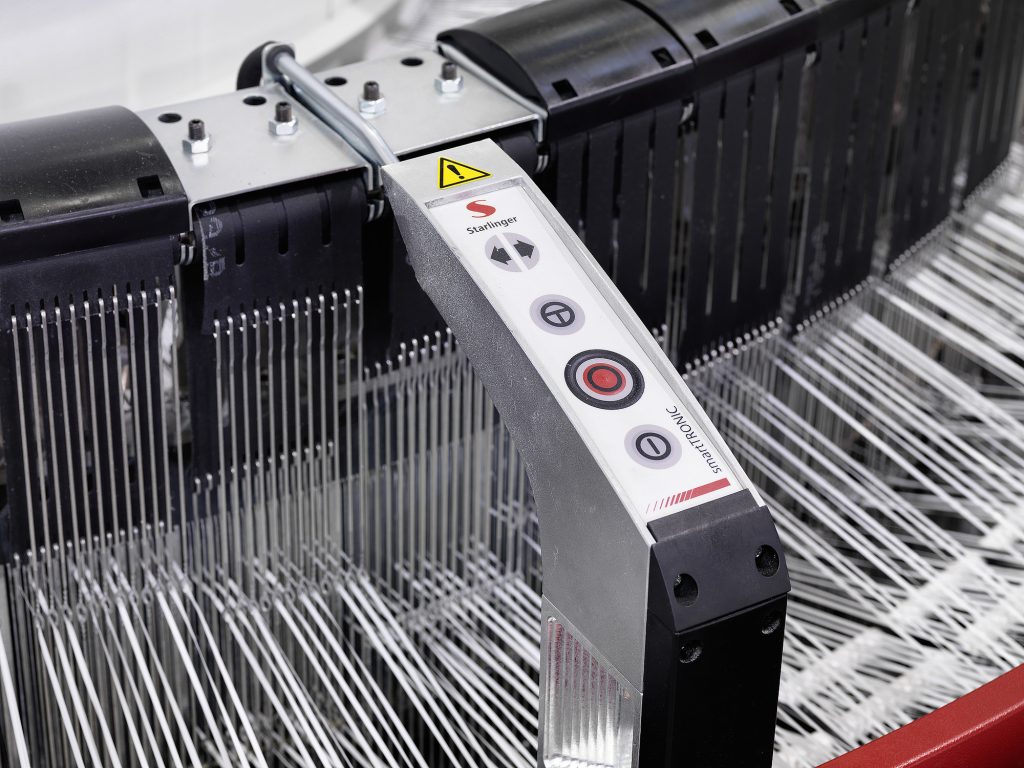
- High-Density Weaving: VidePak’s Starlinger circular looms produce PP fabric with 12–15 threads/cm², reducing pore size to <50 microns—small enough to block particles as fine as 20 µm (e.g., silica gel powder).
- BOPP Lamination: A 30–50 µm biaxially oriented polypropylene layer adds moisture resistance (<5g/m²/day permeability) and prevents static discharge, critical for flammable powders like latex.
- Inner Liners: PE-coated pouches with heat-sealed seams achieve 99.9% dust containment, as validated in tests with zinc sulfate (particle size: 10–100 µm).
For example, a Chinese titanium dioxide producer reduced spillage by 40% after switching to VidePak’s Type D FIBC bags with antistatic coatings.
2. Global Regulatory Compliance
- EU Standards (EN 1898): Require 6:1 safety factor for load capacity (e.g., 1,500 kg bags tested to 9,000 kg).
- US DOT 49 CFR: Mandates UN certification for hazardous materials, including tear resistance >35 N/mm² and UV stabilization for outdoor storage.
- JIS Z 1650 (Japan): Specifies double-stitched seams and 200 Denier fabric for corrosive powders like sodium carbonate.
VidePak’s bags exceed these benchmarks, achieving 40 N/mm² seam strength and 1,800 Denier PP fabric for 25–50 kg payloads.
Technical Specifications: Balancing Safety and Efficiency
| Parameter | VidePak Standard | Industry Average |
|---|---|---|
| Fabric Density | 14 threads/cm² | 10 threads/cm² |
| Lamination Thickness | 45 µm BOPP + 30 µm PE | 30 µm PP |
| Load Capacity | 2,000 kg (6:1 safety) | 1,500 kg (5:1 safety) |
| Seam Strength | 40 N/mm² | 30 N/mm² |
| Lead Time (10k units) | 18 days | 25–30 days |
Selecting FIBC Bags by Chemical Type
1. Titanium Dioxide and Color Pigments
- Requirements: UV resistance, moisture barrier (<3g/m²/day), and anti-static properties.
- Solution: VidePak’s 3-layer laminated bags with carbon-black-coated fabric block 99% UV rays, preventing TiO2 degradation.
2. Hygroscopic Powders (e.g., Sodium Sulfate)
- Requirements: <2% moisture permeability and resealable spouts.
- Solution: PE-lined bags with ultrasonic-sealed valve systems, as used by a German chemical distributor to extend shelf life by 60%.
3. Flammable Powders (e.g., Latex)
- Requirements: Static dissipation (<108 Ω surface resistance).
- Solution: Conductive FIBC bags with copper threads woven into PP fabric, compliant with IEC 61340-4-4.
VidePak’s Competitive Edge in Chemical Packaging
1. Advanced Manufacturing Capabilities
- Automation: 100+ Starlinger looms enable 8,000-ton monthly output, fulfilling bulk orders (e.g., 500,000 bags) within 20 days.
- Customization: 8-color HD printing for hazard labels (GHS/CLP compliant) and RFID tag integration for batch tracking.
2. Sustainability Initiatives
- Closed-Loop Recycling: 30% post-consumer PP content reduces virgin plastic use by 1.2 tons per 10,000 bags.
- Solar-Powered Production: A 2 MW rooftop system cuts CO2 emissions by 1,200 tons/year.
FAQs: Addressing Critical Industry Concerns
Q1: How do FIBC bags compare to steel drums for corrosive chemicals?
VidePak’s PE-lined bags resist acids up to pH 2 (e.g., sulfuric acid), weigh 70% less than drums, and cost 40% less in logistics.
Q2: Can these bags withstand maritime humidity?
Yes. BOPP lamination reduces moisture absorption to <1.5%, validated in Vietnamese salt spray tests.
Q3: Are custom sizes cost-effective for SMEs?
VidePak offers no MOQ for sizes 50×80 cm to 120×120 cm, with 3-day prototyping using CAD-driven looms.
Future Trends and Strategic Recommendations
- Smart Packaging: IoT sensors for real-time pressure/temperature monitoring, trialed with Australian mining firms.
- Biodegradable Blends: PLA-PP composites targeting 50% biodegradation in 5 years, in R&D with BASF.
- Modular Designs: Zip-top closures for partial dispensing, reducing waste by 30% in pigment packaging.
For insights into hazardous material compliance or high-speed filling systems, explore how VidePak balances innovation and regulation.
In conclusion, FIBC bags are indispensable for safe, efficient chemical logistics. VidePak’s fusion of cutting-edge materials, regulatory mastery, and ESG-driven production positions it as a global leader, offering solutions that meet both operational demands and planetary stewardship goals. By prioritizing leakage prevention, compliance, and sustainability, the company exemplifies the future of industrial packaging.