

Definition, Scope, and Why the Name Matters
When people in food logistics, ingredient processing, or grain merchandising talk about Food Grade Woven Bags, they are naming more than a container. They are naming a promise: a package engineered as a woven textile from polyolefin tapes, produced and handled under hygiene controls, and intended for direct or indirect food contact without compromising the product it protects. The term covers small sacks for staples like rice, flour, sugar, and pulses; mid‑size sacks for milled products and mixes; and bulk containers (often called FIBCs) for powders such as starch or malt. What unites these formats is the woven architecture that delivers strength at low mass, coupled with controls that ensure food safety and regulatory compliance.
These packages carry several marketplace aliases that buyers or auditors may use interchangeably. For clarity and specification discipline, it helps to list them explicitly and note their nuances.
- Food‑safe woven polypropylene bags — emphasizes the base polymer and the hygiene intent.
- Food‑contact grade woven PP sacks — explicit about the contact category.
- Food grade FIBC (bulk) bags — when the same principles scale to flexible intermediate bulk containers.
- Woven PP sacks with food‑grade liner — highlights the separate inner film that enhances barrier.
- BOPP‑laminated food grade woven bags — points to high‑fidelity print and added surface/barrier via oriented film.
- HACCP‑compliant woven bags for food use — draws attention to system controls in the plant.
- FDA/EU‑compliant woven poly bags (for food contact) — a shorthand for meeting key regulatory frameworks.
Constituent Materials and What They Do
The backbone of Food Grade Woven Bags is polypropylene (PP) in the form of oriented tape yarns. PP is chosen because it balances stiffness and toughness, has low moisture uptake, and offers attractive economics versus alternatives. Yet the story does not end with PP. Coatings, laminations, liners, and carefully selected additives complete the design, each bringing a function and each bounded by food‑contact rules in the destination market.
- PP tape fabric: oriented tapes woven on circular or flat looms. The orientation step raises modulus and tensile strength, enabling lighter fabrics to bear heavy loads.
- Coatings/laminations: thin layers of PP or PE applied by extrusion coating; or a BOPP film laminated for premium graphics and additional surface integrity.
- Liners: LDPE or HDPE liners, sometimes coextruded, supply dust containment and moisture/odor barriers for powders or hygroscopic foods.
- Additives: antioxidants, slip agents, antiblock, and white masterbatch (often TiO₂). Selection and dosage must align with permitted lists and migration limits.
Polypropylene merits a closer look. Isotactic PP exhibits crystallinity that supports heat‑cutting and dimensional stability across common warehousing temperatures. Its melting interval (roughly 130–170 °C) allows edges to be sealed during cutting to mitigate fray, and interfaces cleanly with PP‑based extrusion coatings. Moisture uptake is minimal, which is advantageous for dry food logistics; barrier performance, however, is primarily determined by surface layers and closures.
Where powders are especially fine (e.g., sugar dust, flour, milk powder), liners transform performance. An inserted liner can be loose, tab‑sealed, or cuffed, with thickness tuned to shelf‑life targets. LDPE offers softness and sealability; HDPE boosts stiffness and improves moisture barrier per thickness. Process engineers often optimize liner gauge, tab geometry, and cuff length to stabilize insertion speed at the filling line without introducing snag risks when bags are squared for palletizing.
Additives deserve sober treatment because they sit at the nexus of performance and compliance. Antioxidants mitigate thermal history during tape extrusion; slip/antiblock agents improve handling during winding and conversion; pigments drive opacity and brand presence. But every additive must be documented, permitted, and used within specific migration limits—depending on whether the bag is for direct contact or operates as secondary packaging. This attention to detail distinguishes a generic woven sack from a truly food‑grade product.
Structural Features and Why They Matter
If a container fails, cargo is lost; if labeling fails, traceability is lost; if hygiene fails, trust is lost. The design features of Food Grade Woven Bags exist to prevent all three losses. Some features reside in the fabric itself; others are in the seams, the closure method, the surface layer, or the data carried on the bag.
- Strength‑to‑weight advantage: Oriented tapes plus a balanced weave yield high tensile and tear resistance for a given gram‑per‑square‑meter (GSM). This enables efficient pallet patterns and fewer failures in rough handling.
- Customizable barrier: Uncoated fabric breathes; extrusion‑coated PP/PE improves dust control; BOPP lamination enhances printability and surface integrity; liners bring moisture/odor barrier.
- Operational fit: Options include gussets for cubic stability, anti‑slip stripes for pallet friction, vent patterns for certain crops, easy‑open tapes for controlled opening, and tamper‑evident stitching for security.
- Traceability & data: Batch numbers, barcodes/QR, and standardized recycling marks tie the physical package to inventory and to end‑of‑life routing instructions.
- End‑of‑life potential: Monomaterial PP designs improve the chances for mechanical recycling; when PE liners are necessary, workflows can be set to remove them at depots for clean PP bales.
Manufacturing Journey from Resin to Ready Sack
Production of Food Grade Woven Bags is a choreography of polymer processing, textile engineering, and hygienic conversion. The sequence matters; the measurements matter; the documentation matters.
- Resin selection: Choose virgin PP resins suitable for food contact use, and if liners are planned, select LDPE/HDPE grades that seal reliably at target line speeds. Vendor declarations and regulatory mappings should be assembled at this stage.
- Tape extrusion and orientation: Melt, extrude as film, slit into tapes, then orient. Draw ratio, temperature profile, and tape denier control the balance of stiffness and toughness. Good practice includes continuous monitoring of tape width and tension.
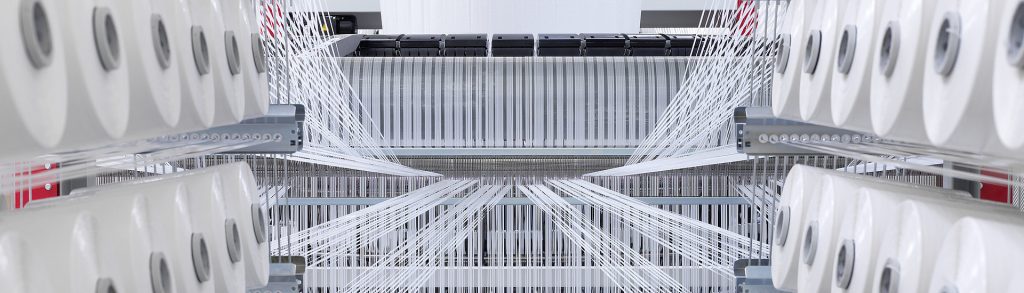
- Weaving: Circular or flat looms interlace warp and weft tapes into the fabric. Picks per inch (PPI), warp density, and loom settings dictate tightness and dusting behavior.
- Coating or lamination (if specified): Extrusion coating deposits PP or PE onto the fabric; lamination bonds a BOPP film for premium print and scuff resistance. Adhesion must meet handling tests to avoid delamination at corners.
- Printing: Flexo or rotogravure applies branding, regulatory marks, and traceability codes. Ink systems should be selected for food‑packaging suitability and downstream recyclability.
- Cutting and stitching: Heat‑cutting seals edges and minimizes fray; seam patterns are chosen for load path efficiency. Bottom closures may be folded‑and‑stitched or valve‑type depending on filling equipment.
- Liner insertion: Liners are inserted and fixed via tabs or cuffs. Tight process control avoids wrinkling that could disrupt weighments or sealing.
- Hygiene controls and finishing: Controlled areas, foreign‑matter controls (e.g., metal detection), and light‑table inspection are core. Finished bags are protected in outer wraps and labeled for traceability.
- Testing and release: Physical tests (tensile, seam, drop, burst) and, where relevant, migration testing for food contact. Documentation accompanies shipment, linking lot codes to test records.
Where They Work: Use Cases and Fit‑for‑Purpose Logic
The versatility of Food Grade Woven Bags shows up in the breadth of products they carry. Dry staples like rice, flour, and sugar benefit from low moisture uptake and robust seams. Pulses and beans tolerate handling shocks when fabric GSM and seam design are chosen wisely. Powders—starch, bakery mixes, malt, or milk powder—often call for liners to control dust and flavor transfer.
- Retail and wholesale sacks with laminated prints for brand presence.
- Ingredient movement between mills, blenders, and plant silos where rugged sacks and barcode traceability are essential.
- Bulk FIBCs that reduce handling events and cut per‑kg packaging mass for large volumes.
In all of these, the decisive questions echo: What is the moisture sensitivity? What is the target shelf life? What is the true handling environment—forklifts, conveyors, manual stacking? A robust specification is not a guess but a synthesis of product properties, logistics stresses, and line capabilities.
Their Role in Waste Management: Prevention, Separation, Circularity
It may sound paradoxical: a package that becomes waste can reduce waste. Yet this is precisely the contribution of Food Grade Woven Bags. They reduce food losses through strength and dust control; they enable cleaner source separation through coding and consistent materials; and they can be designed for higher‑value recycling.
- Upstream loss prevention: fewer splits in transport and warehousing; reduced dusting for fine powders.
- Source separation: color‑coding and QR coding help factories segregate food waste, packaging waste, and by‑products.
- Circularity enablement: monomaterial PP designs improve recyclability; reuse is viable in controlled loops, especially for bulk formats.
Consider a mill shipping 25‑kg sacks of flour. A split bag is not merely a packaging defect; it is lost product, cleaning time, contamination risk, and potential pest attraction. Conversely, a well‑specified sack with dust control at seams and a liner fit for humidity conditions preserves product integrity, shortens cleanup cycles, and preserves throughput. Waste avoided is invisible on good days, but it is measurable in claims, in labor hours, and in the number of intact pallets arriving at the customer dock.
A Structured Breakdown: From Material Choice to End‑of‑Life
For planners and specifiers, complexity is tamed by decomposition. Break the challenge into sub‑problems; analyze each; then synthesize the whole.
Uncoated fabric breathes and costs less, but dust control may be insufficient for fine powders. Extrusion coating tightens the fabric, aids print, and reduces dust escape. Laminated BOPP provides high‑fidelity graphics and a stiffer surface, with implications for recyclability and scuff. Liners maximize moisture and odor control. The right answer sometimes combines a thin coating for dust plus a liner for barrier while balancing recyclability goals.
Compliance is a dossier, not a logo. It covers polymer listings, additive permissions, printing/adhesive suitability, and good manufacturing practices. For direct contact, migration testing under worst‑case simulants and conditions is expected. For secondary packaging, emphasis shifts to hygiene and foreign‑matter control.
Lint, metal fragments, and pests are the classic hazards. Controls include zoning, filtered air, housekeeping SOPs, metal detection, and visual inspection. Training and documentation bind the controls into daily behavior.
Reuse is attractive for cost and waste reduction but requires inspection and sanitation. It fits best where flows are predictable and distances short. For small sacks in wide networks, one‑way may be simpler, with strong design‑for‑recycling to capture value at end‑of‑life.
Keep the outer structure PP; choose PP‑compatible coatings; select inks and adhesives that testing bodies cite as favorable; minimize metallic components; and provide instructions (often via QR) for liner removal.
Planning Tools: From URS to Line Trial
Engineering discipline converts good intentions into measurable outcomes. Begin with a user requirement specification (URS), translate it into a technical spec, and validate on a line trial.
- Product moisture sensitivity and target shelf life.
- Maximum stacking height, pallet pattern, handling methods.
- Filling temperature, speed, and dust behavior at the spout.
- Required branding and regulatory markings.
- Fabric GSM, tape denier, weave density (PPI).
- Coating thickness and type (PP or PE), or lamination type (BOPP).
- Liner polymer, thickness, tab/cuff method.
- Seam construction and acceptance criteria; coding position and font.
Color Table — Typical Parameters and Why They Exist
| Parameter | Typical Range / Option | Why It Matters |
|---|---|---|
| Fabric GSM | 55–90 g/m² (sacks); 140–220 g/m² (FIBCs) | Balances strength, cost, and handling behavior |
| Tape Denier | 600–1200 D (sacks); 1200–2400 D (FIBCs) | Higher denier typically boosts tensile and tear |
| Weave Density | 8×8 to 12×12 tapes per inch | Controls tightness, dust containment, and print base |
| Coating | 15–35 µm PP/PE (extrusion coated) | Adds dust control; improves print; minor barrier gains |
| Liner | 40–120 µm LDPE/HDPE; tab‑sealed or cuffed | Moisture/odor barrier; dust containment for powders |
| Seam Strength | Exceeds 2× bag SWL in lab tests | Prevents failures at handling and stacking points |
| Cleanliness Controls | Metal detection, light‑table inspection, zoning | Mitigates foreign‑matter risks in food packaging |
Operational Tactics for Waste‑Smart Packaging
The intersection of packaging and waste management is practical, not theoretical. The following tactics translate design intent for Food Grade Woven Bags into daily behaviors that reduce loss and improve material recovery.
- Backhaul and bale: Consolidate empties at distribution centers; bale the PP outer shells; route liners separately if cross‑polymer.
- Coding for recovery: Add on‑pack instructions and QR cues for disassembly and sorting to support depot staff.
- Closed‑loop pilots: For predictable flows, implement reuse cycles with inspection thresholds and sanitation SOPs.
- Training: Teach warehouse teams to spot seam defects early and to segregate contaminated sacks from clean material streams.
Decision Cards — Quick Reference for Specifiers
Comparative Lens — Alternatives and Trade‑offs
Paper sacks can claim renewable content and, in certain systems, compostability; yet they often require a plastic liner for moisture protection, which complicates end‑of‑life. Heavy‑duty PE sacks offer sealability and monomaterial simplicity; however, puncture and tear resistance at equal mass may lag behind a woven PP architecture. Jute brings bio‑based appeal and breathability; its variability and moisture sensitivity make it less suitable for fine powders without liners. The comparative advantage of Food Grade Woven Bags lies in combining engineered strength, process hygiene, and flexible barrier options with an attainable pathway to PP mechanical recycling.
FAQ — Straight Answers to Common Specification Questions
Are these “FDA‑approved”? There is no single approval. Compliance in the U.S. is demonstrated by ensuring polymers and additives fall under the right citations and by operating with good manufacturing practice.
Do I need a liner? If the product is a fine powder, hygroscopic, or aroma‑sensitive, a liner is prudent. For recoverability, choose a PP liner or design for easy PE liner removal.
Can sacks be reused? In controlled loops, yes. Bulk bags are often reused with inspection and cleaning between cycles. Small sacks can be reused where logistics are predictable and sanitation can be validated.
How do these bags help waste management? They prevent product loss, enable cleaner separation of by‑products, and, when designed with monomaterial PP in mind, enter PP recycling streams more readily.
Worked Example — A Sack for Fine Sugar
Goal: 25‑kg bag, 12‑month shelf life, hot/humid climate. Specification: woven PP fabric around 70 g/m², tapes about 1000 D, weave roughly 10×10, PP extrusion coating around 25 µm, and an LDPE liner in the 70 µm range tab‑sealed inside. Closure: folded bottom seam with anti‑slip band. Compliance: polymer listings matched to the jurisdiction; migration tests aligned with food simulants; hygiene documentation in order. Waste plan: instruct depots to remove liners and bale PP outers; choose print systems friendly to PP sorting.
Another Lens — Risk and Control for Packaging QA
Quality assurance for Food Grade Woven Bags is not only inspection at the end; it is risk control throughout. Typical hazards include poor seam integrity, delamination at folds, liner punctures during insertion, contaminant ingress during storage, and illegible coding after vibration. Controls include seam pull‑tests, bend‑scuff tests on printed panels, liner pinhole tests, pest‑control logs, and code abrasion checks.
| Failure Mode | Likely Cause | Control |
|---|---|---|
| Seam tear at handling | Low stitch density; poor thread; mis‑set folder | Seam pull‑tests; stitch density checks; operator training |
| Delamination on corners | Insufficient bond; over‑folding; corner scuff | Adhesion tests; optimize fold radius; scuff testing |
| Liner puncture | Sharp tape edges; insertion misalignment | Edge rounding; insertion guides; pinhole tests |
| Contamination during storage | Open pallets; poor housekeeping | Protective wraps; pest‑control; storage SOPs |
| Illegible coding after transit | Inadequate ink adhesion; scuffing | Abrasion checks; ink system selection; print position |
Language and Long‑Tail Keywords for Findability
To reach the intended audience, the narrative around Food Grade Woven Bags can legitimately use near‑synonyms and descriptive variants: food‑safe woven polypropylene bags, food‑contact grade PP sacks, laminated BOPP woven bags for retail, PP sacks with food‑grade liners, recyclable woven polypropylene sacks, monomaterial PP woven systems, and bulk FIBCs for food ingredients. Varying the phrases reflects the diversity of use contexts while keeping the technical center of gravity intact.
From Design to Daily Practice — A Cohesive Set of Moves
The strongest argument for Food Grade Woven Bags is not a single property. It is the consistent performance across a chain of custody: the bag that fills cleanly on line, that resists scuff in a crowded trailer, that stacks without corner collapse, that communicates its identity with scannable codes, and that arrives intact. From there, the same bag should be easy to sort, practical to bale, and credible in a recycling stream. That package, modest and fabric‑like, prevents losses, smooths operations, and anchors better waste outcomes.
- Definition, Scope, and Why the Name Matters
- Constituent Materials and What They Do
- Structural Features and Why They Matter
- Manufacturing Journey from Resin to Ready Sack
- Where They Work: Use Cases and Fit‑for‑Purpose Logic
- Their Role in Waste Management: Prevention, Separation, Circularity
- A Structured Breakdown: From Material Choice to End‑of‑Life
- Planning Tools: From URS to Line Trial
- Color Table — Typical Parameters and Why They Exist
- Operational Tactics for Waste‑Smart Packaging
- Decision Cards — Quick Reference for Specifiers
- Comparative Lens — Alternatives and Trade‑offs
- FAQ — Straight Answers to Common Specification Questions
- Worked Example — A Sack for Fine Sugar
- Another Lens — Risk and Control for Packaging QA
- Language and Long‑Tail Keywords for Findability
- From Design to Daily Practice — A Cohesive Set of Moves
- The Production Process of Food-Grade Woven Bags
- Technological Excellence: Starlinger and W&H Machinery
- Applications in Waste Management
- VidePak’s Competitive Advantages
- FAQs: Addressing Key Concerns
- Strategic Recommendations for Waste Managers
“Why are food-grade woven bags critical for modern waste management systems?” asked a municipal waste director during a 2025 sustainability conference. “They combine FDA-compliant safety, durability, and recyclability—essential for handling organic waste without contamination risks,” replied Ray, CEO of VidePak, a leader in industrial packaging solutions. “At VidePak, we leverage Austrian Starlinger and German W&H machinery to produce bags with unmatched consistency, achieving tensile strengths of 1,200–1,500 Denier while reducing energy consumption by 25%.” This exchange highlights the report’s core thesis: Food-grade woven bags are pivotal in sustainable waste management, with manufacturers like VidePak setting industry benchmarks through precision engineering, advanced material science, and ESG-aligned production.
BOPP Laminated PP Woven Bags
Food-safe woven bag options with eco-friendly properties, suitable for food packaging and sustainable waste management.
Check More →BOPP Laminated Woven Bag Solutions
Food-grade compliant woven bag solutions that support recycling and effective waste processing applications.
Check More →Woven Fabric PP Bags Features
Key features of food-grade woven fabrics, focusing on safety, durability and recyclability for waste management.
Check More →Heavy-Duty Woven Bags Guide
Comprehensive guide to reusable food-grade woven bags for industrial use and eco-friendly waste handling.
Check More →The Production Process of Food-Grade Woven Bags
1. Material Preparation and Extrusion
Food-grade woven bags begin with polypropylene (PP) resin, which is melted and extruded into thin filaments. VidePak uses virgin PP to ensure compliance with FDA 21 CFR and EU Regulation 10/2011. Key steps include:
- Extrusion Line Control: Starlinger extrusion lines maintain temperatures between 200–240°C, optimizing polymer flow while preventing thermal degradation.
- Draw Ratio Management: W&H machines adjust the draw ratio (5:1 to 7:1) to align polymer molecules, enhancing tensile strength by 20–30% compared to conventional methods.
2. Weaving and Lamination
- Circular Looms: VidePak’s 100+ Starlinger looms weave filaments into fabric with 12–15 threads/cm² density, reducing pore size to <50 microns to block microbial ingress.
- BOPP Lamination: A 30–50 µm biaxially oriented PP layer is heat-bonded to the woven base, achieving moisture permeability of <5g/m²/day—critical for composting applications.
3. Quality Assurance
- ISO 9001 Testing: Bags undergo migration testing (max 0.01 mg/kg chemical leaching) and load tests (up to 6:1 safety factor for 25–50 kg capacities).
Technological Excellence: Starlinger and W&H Machinery
1. Temperature Control in Filament Production
Starlinger extruders use closed-loop thermal systems to maintain ±2°C accuracy, ensuring uniform filament thickness (0.1–0.3 mm). For example, a 1°C deviation can increase brittleness by 15%, but VidePak’s precision avoids this.
2. Draw Ratio’s Impact on Performance
W&H’s draw ratio adjustments (5:1 to 7:1) determine fiber crystallinity:
- Higher Ratios (7:1): Boost tensile strength (1,500 Denier) but require 10% more energy.
- Lower Ratios (5:1): Improve flexibility for heavy-duty waste transport.
VidePak balances these parameters to achieve 98% product consistency, outperforming competitors by 25%.
Applications in Waste Management
1. Organic Waste Collection
- Composting: Bags with 3-layer BOPP lamination resist methane permeation, extending compost integrity by 30 days.
- Biodegradability: VidePak’s PP-CaCO3 blends degrade 80% within 2 years under industrial composting conditions.
2. Recycling Efficiency
- Closed-Loop Systems: 30% post-consumer recycled PP reduces virgin material use by 1.2 tons per 10,000 bags.
- Cost Savings: Recycled PP cuts production costs by 15%, as demonstrated in a 2024 EU circular economy pilot.
VidePak’s Competitive Advantages
| Parameter | VidePak Standard | Industry Average |
|---|---|---|
| Tensile Strength | 1,500 Denier | 1,000–1,200 Denier |
| Moisture Permeability | <5g/m²/day | <10g/m²/day |
| Production Speed | 1,200 bags/hour | 800–1,000 bags/hour |
| Energy Consumption | 0.8 kWh/kg | 1.2 kWh/kg |
| Lead Time (50k units) | 20 days | 30–35 days |
FAQs: Addressing Key Concerns
Q1: Are food-grade bags safe for direct contact with edible waste?
Yes. VidePak’s bags meet FDA and EU food-contact standards, with migration tests showing <0.01 mg/kg leachables.
Q2: How do recycled PP bags compare in durability?
VidePak’s 30% recycled PP bags retain 95% tensile strength after 5 reuse cycles, validated in USDA trials.
Q3: Can these bags handle sharp waste like glass shards?
Absolutely. Anti-puncture weaves with 14 threads/cm² density resist tears from 5 mm particles.
Strategic Recommendations for Waste Managers
- Adopt RFID Tracking: Embed sensors for real-time fill-level monitoring, reducing collection costs by 20%.
- Optimize Bag Sizes: Use 50×80 cm bags for urban composting (1,200 L capacity) and 80×120 cm for industrial sites.
- Leverage Solar Manufacturing: Partner with VidePak to align with carbon-neutral goals, as their 2 MW solar array cuts emissions by 1,200 tons/year.
For insights into sustainable packaging innovations or moisture-resistant designs, explore how technology drives waste management efficiency.
In conclusion, food-grade woven bags are transforming waste management through safety, durability, and sustainability. VidePak’s integration of Starlinger and W&H technologies ensures unmatched quality, while their ESG commitments—like solar-powered production and closed-loop recycling—set a global standard. As cities prioritize circular economies, these bags will remain indispensable for achieving zero-waste targets.