
What is Poly‑paper Bags?
Poly‑paper Bags are hybrid paper packages whose fiber body (most often sack kraft or machine‑glazed kraft) is augmented with a thin polyolefin layer, typically polyethylene, introduced as a coating, film liner, or laminate. The intent is straightforward yet surprisingly technical: preserve paper’s tactile warmth and print clarity while adding polymer‑level moisture management, sealability, and abrasion tolerance. In modern retail, the structure has earned a reputation for clean filling, square stacking, durable graphics, reliable codes, and predictable handling from dock to aisle.
Procurement language isn’t always consistent, so the same architecture may be referenced by multiple names. To keep RFQs and supplier shortlists coherent, here are common aliases for Poly‑paper Bags:
- Poly‑coated kraft paper bags
- Paper–poly composite bags
- Poly‑lined paper sacks
- Film‑lined multiwall paper bags
- Paper bags with PE liner
- Paper/PE laminate bags
- Retail poly‑paper valve sacks (when filled through a valve)
- Barrier‑enhanced paper bags (coatings used instead of a free film)
The Materials of Poly‑paper Bags — From Pulp and Polymer to Purpose
Every layer in Poly‑paper Bags has a job description. Swap a variable and you alter runnability, shelf life, or claims. The following parts‑to‑purpose map ties material choices to measurable outcomes so teams can specify deliberately rather than by habit.
1) Kraft paper plies — structural shell and brand canvas
70–120 g/m² typicalsack kraftmachine‑glazed (MG) outer
Unbleached sack kraft and MG kraft supply long fibers that raise tear and tensile strength. The outer MG face improves ink holdout and rub resistance. For 5–25 kg retail‑adjacent formats, two to three plies is common; for smaller SOS formats, lighter papers are viable. These plies do visible work (print legibility, color pop) and invisible work (column strength, edge retention).
Paper plies keep stacks upright and labels readable after long routes and stretch‑wrap. They also determine the bag’s silhouette: crisp edges signal order on the shelf.
Over‑weighting increases cost and carbon without better drops; under‑weighting invites corner bruises and rub‑through. Let compression and drop data lead ply count.
Pulp cycles, mill region, and reel‑width utilization dominate. Tight width planning trims waste and flattens variance across lots.
2) Polyolefin barrier — films, coatings, and laminates
LDPE/LLDPE liners 40–120 μmHDPE liners for lower WVTRPE extrusion coats 12–40 g/m²paper/film laminates
Barrier is not a doctrine; it is a route‑specific lever. With Poly‑paper Bags, the poly layer appears as:
- Loose or pasted film liners (LDPE/LLDPE for toughness; HDPE for improved WVTR at a given gauge). Loose liners are separable for recovery; pasted tubes give speed and repeatable heat‑seals.
- Extrusion coatings that smooth the print face, raise surface energy for adhesion, and add grease and humidity resistance—often doubling as a heat‑seal surface on pinch or top seals.
- Paper/film laminates (e.g., BOPP‑laminated outer ply) on premium SKUs where high scuff resistance and richer graphics pay back. Because laminates reduce porosity, engineered vent paths or micro‑perfs at the filler become more important.
3) Adhesives and tie layers — the invisible muscles
Cold‑set starch pastes anchor plies and form bottoms; hot‑melt stripes pin folds ahead of starch set; poly tie layers in extrusion lamination marry film to paper. Adhesive recipes modulate set time, wet tack, and ultimate bond. Each parameter nudges conversion speed, corner integrity, and rub profile.
4) Functional finishes and features
- Micro‑perforation patterns vent entrained air during fast fills but resist sift in transit.
- Antiskid coatings or textured contact faces raise friction angle and suppress stack creep.
- Carry handles or die‑cut grips on consumer SKUs (with reinforced patches to pass drop‑to‑handle tests).
- Tamper‑evident tapes across the valve zone (when valves are used).
- Spot‑varnish in high‑rub zones for export routes.
5) Print systems and codes — legibility engineered, not hoped for
Modern lines read registration marks and grade barcodes at speed. Water‑based flexo on MG/coated faces, correct x‑dimension and quiet zones, and inks that survive dust and wrap convert graphic intent into operational throughput.
What are the Features of Poly‑paper Bags?
Features matter when they erase friction—at the filler, on the pallet, and in the aisle. Here is how Poly‑paper Bags convert material choices into daily wins, with short why‑it‑matters logic after each claim.
Moisture management without plastic bulk
Thin films or coatings cut WVTR enough to protect powders through humid seasons. You add polymer where it pays and keep paper’s appeal where shoppers decide.
Shelf discipline and cube efficiency
Square or block bottoms create brick‑like stacks that face straight. Fewer rewraps. Safer stacks. Tidier bays. All of which reduce unplanned labor.
Clean filling at speed
Valve options (when used) and tuned micro‑perfs vent air and suppress blow‑back dust. Clean rooms lift OEE and morale.
Print presence that lasts
MG or coated faces hold contrast; varnish or laminate armor against scuffs; codes keep grade after wrap and cold‑soak.
Strength at modest mass
Multi‑ply paper shares load efficiently. You ship product, not packaging, without inviting corner splits.
System‑aware sustainability
Paper‑led structures align with fiber recovery programs; poly layers remain in simple PE/PP families. The biggest win is preventing product waste in the first place.
What is the Production Process of Poly‑paper Bags?
From reels to retail, quality is a chain; a weak link becomes next week’s sifting complaint or a toppled bay. A capability‑first map keeps the chain tight and testable.
- Paper preparation. Condition reels for humidity, trim edges, and, where coated, set surface energy targets. Reel widths are chosen to minimize trim at the tuber.
- Ply printing. Flexo lays down brand panels, regulatory copy, and registration marks. Ink selection balances color, rub resistance, and barcode grade after wrap.
- Tube forming (tubing). Plies converge and longitudinal seams are pasted. Gussets define final width and stance. Cameras watch splice integrity and print register.
- Bottom pasting. The tube is cut to length and the first end is folded into a square or satchel bottom with starch paste and hot‑melt assist. Fixtures establish corner geometry and compression strength.
- Valve insertion (when applicable). A film or paper/film sleeve and reinforcement patch are pasted into a top corner; dimensions match packer spout OD and airflow behavior. Heat‑sealable valves suppress sifting.
- Liner integration (if specified). Loose liners are inserted and tacked, or full tubes are pasted in. Seal windows (temperature, pressure, dwell) are validated to avoid pinholes and brittle folds.
- Coating/lamination (optional route). Extrusion coaters or laminators apply the poly layer and tie it down without crushing paper texture. Peel strength is verified by roll.
- Micro‑perforation. Controlled patterns vent entrained air at fill without opening sift pathways.
- Final squaring and count. Tops are partially closed or left open per valve geometry; bags are pressed, counted, and stacked.
- Inspection and release. Inline cameras and offline tests check ply bond, bottom integrity, valve alignment, print register, code grade, and—when specified—barrier performance.
- Palletization and unitization. Bundle counts, stack pattern, tie sheets, and wrap recipes protect edges and graphics. Audit pallets for tilt/compression to head off slow‑motion lean.
What is the Application of Poly‑paper Bags?
The architecture is configurable, so the same logic works across categories that need paper tactility and polymer performance. The following use cases reflect where Poly‑paper Bags consistently pay back in the real world.
- DIY building mixes and home improvement. Tile adhesives, grouts, mortar, joint compounds. Clean filling + square bottoms = presentable aisles with fewer touch‑ups. Moisture‑adaptive structures prevent caking in humid seasons.
- Pet food and farm supplies. Abrasive kibbles and mineral blends benefit from scuff‑resistant faces and heat‑sealable valves (when valve‑filled). Carry cut‑outs improve shopper ergonomics.
- Food staples and ingredients. Flour, sugar, semolina—liners govern hygiene and shelf life while papers deliver brand presence. Codes must grade through dust and wrap at receiving.
- Horticulture and garden. Fertilizer blends and soil amendments need barrier without all‑poly heft; antiskid faces stop creep on open racks.
- Chemicals and minerals (retail/DIY). Carbonates, salts, pigments—accurate dosing, clean storage, and strong branding matter. Structures tune de‑aeration and sift control to keep sales floors clean.
- E‑commerce mailers and specialty retail. Paper‑led mailers with thin poly coatings or liners trade bubble‑wrap bulk for printable, porch‑friendly packages with moisture tolerance.
For adjacent architectures and terminology that frequently overlap with Poly‑paper Bags, see reference notes on kraft paper bags. The design principles for kraft faces, closures, and printing translate directly into the hybrid, barrier‑enhanced space.
Poly‑paper Bags: Advantages in Modern Retail Applications — From Title to Thinking, Then to Spec
The title is a brief. Advantages suggests measurable outcomes; modern retail implies labor constraints, scan discipline, and visual order; applications demands route‑specific structures, not slogans. We move like a careful buyer: define the duty, translate constraints into materials and machine windows, then write a one‑pager you can test and defend.
- Why pick Poly‑paper Bags over plain paper or all‑poly?
- Which trade‑offs (cost, recyclability narratives, line complexity) buy speed, shelf presence, and moisture insurance?
- How do we size the barrier so it pays back in avoided caking and returns?
Constraint framing Route humidity, display style (pallet vs. bay), dust tolerance, scan expectations, and retailer labeling programs set the playing field. From there, modeling becomes concrete: for hygroscopic powders in humid regions, an MG outer + 2× sack‑kraft core + 80 μm LLDPE liner + patterned micro‑perfs + heat‑sealable valve is often dominant. For low‑dust products in temperate climates, unlined multiwall with a 12–20 g/m² PE coat and minimal perfs wins on feel and cost.
System Thinking and Synthesis — Break It Down, Then Recombine
Poly‑paper Bags sit at the intersection of materials, mechanics, operations, compliance, and economics. Solve each subsystem, then recombine without losing the interlocks.
Subsystem A — Material architecture
Goal: strength + barrier + print
Start with two to three sack‑kraft plies and an MG or coated outer. Add a 60–120 μm PE liner or a 12–40 g/m² extrusion coat where humidity threatens. Reserve laminate faces for premium scuff resistance or retail‑visible graphics. Choose liner gauge by WVTR target and route length; pick coating weight by print/rub; tune micro‑perfs by fill speed vs. sift risk.
Subsystem B — Machine integration and de‑aeration
Goal: speed without dust
Match valve sleeves to spout OD (when used); codify heat‑seal windows for valves and liners; design registration marks that your read heads love. Store a golden set (dwell/temperature/pressure and vent pattern) by SKU to avoid weekend “hunt the settings” rituals.
Subsystem C — Bottom and stack integrity
Goal: safe pallets and tidy bays
Failures start at corners and bottoms with poor fold geometry or starved paste. Template folds, specify paste weights, add antiskid to contact faces, and cap fill height to prevent bulging tops. Validate with tilt/compression and 24–72‑hour lean observations.
Subsystem D — Labeling, compliance, and claims
Goal: truth that scans
Claims must be region‑specific. Loose liners support separation guidance; coated papers may align with retailer labeling schemes. For food contact, let the liner be the legal surface and retain declarations. Place disposal icons and QR pointers on calm, flat print zones.
Subsystem E — Economics and carbon
Goal: lower cost to serve
Premiums over plain paper pay back via higher OEE, fewer rewraps, quicker scans, and fewer returns. Carbon wins arrive mostly through waste prevention and right‑weighting. Track defect deltas, housekeeping hours, scan delays, and credit notes before and after spec changes.
Engineering Tables — Ready to Paste into RFQs and SOPs
| Layer / feature | Typical options | Primary purpose | Notes |
|---|---|---|---|
| Outer ply | MG kraft 70–100 g/m² | Print fidelity; scuff resistance | Spot‑varnish for high‑rub routes |
| Core plies | Sack kraft 70–100 g/m² (1–2 plies) | Tensile/tear; drop energy | Right‑weight after compression/drop tests |
| Barrier (film) | LDPE/LLDPE 60–120 μm; HDPE for lower WVTR | Moisture/dust barrier; sealability | Loose or pasted tube; validate seal windows |
| Barrier (coat) | PE extrusion coat 12–40 g/m² | Print smoothness; grease/moisture defense | Use when film is not required |
| Valve sleeve | PE film matched to spout OD | Fill speed; sift control | Heat‑sealable variants for long routes |
| Micro‑perfs | Patterned holes per face | De‑aeration at fill | Balance against sift risk in transit |
| Antiskid | Pattern coat or textured paper | Stack stability | Specify friction angle target |
| Handle (opt.) | Reinforced die‑cut | Shopper ergonomics | Drop‑to‑handle tests for safety |
| Step | Control variable | Typical check |
|---|---|---|
| Paper prep | Moisture; caliper; dyne (if coated) | Lab moisture; corona targets |
| Printing | Color ΔE; barcode grade | Inline spectro; ISO/ANSI grading |
| Tubing | Glue weight; ply register; gusset set | Gravimetric spots; camera alignment |
| Bottoming | Fold geometry; paste pattern; corners | Templates; pull tests; corner inspection |
| Valve | Sleeve length; angle; bond area | Go/no‑go gauges; peel tests |
| Liner | Seal window; pinholes | Peel coupons; light‑table inspection |
| Coat/Lam | Coat weight; tie‑layer; nip settings | Gravimetric checks; peel coupons by roll |
| Micro‑perfs | Hole size/count; airflow | Optical checks; airflow measurement |
| Question | Method | Example target |
|---|---|---|
| Will filled bags survive handling? | Conditioned flat + corner drops | 5/5 passes at 1.0–1.2 m (SKU‑dependent) |
| Will valves stay tight in transit? | Vibration + powder trace inspection | No visible sifting at sleeve and corners |
| Are pallets safe over time? | Tilt/compression; friction angle | No lean at defined tilt; friction ≥ spec |
| Do codes read after wrap? | Post‑wrap barcode grading | Grade ≥ C across faces |
| Does barrier meet the route? | WVTR panels; mass‑gain trials | Meets humidity‑gain trajectory |
Quality Control Measures — From Incoming to Aisle
A QC plan succeeds when it mirrors real failure modes. Build checks around inputs, in‑process controls, functional tests, integration trials, and feedback.
- Incoming. Paper: basis weight, tear/tensile, Cobb (water absorption), surface energy if coated. Film: gauge, dart impact, sealability, slip/antiblock. Adhesives: solids, viscosity, set time. Valves: sleeve dimensions vs. spout; reinforcement patch strength.
- In‑process. Hold glue weight and ply register; monitor fold geometry and corner formation; verify coat weights and tie‑down; gauge micro‑perf size and count; camera checks for print register.
- Functional. Drop tests (flat and corner) at conditioned humidity; valve leak tests with representative powders; tilt/compression on complete pallets; post‑wrap barcode grading; WVTR or mass‑gain trials.
- Integration. Run actual product on the target filler at speed; document seal windows; weigh and chart fill accuracy; confirm code grade at receiving after full wrap.
- Feedback. Pareto defects by category; SPC on glue and fold geometry; golden‑set recipes for paste pressures, temperatures, valve dimensions, and perf patterns.
Cost and Carbon — Where the Real Levers Live
Add fiber only where drop/stack data demand it. Overspecification is cost and carbon with no field benefit.
Liners and coatings should earn their grams in avoided caking, dusting, or damage—not as blanket insurance.
Scrap in tubing and bottoming is a double hit. Recipe discipline shrinks waste faster than any unit‑price concession.
Loose liners enable post‑use separation in plant take‑back flows; simple PE/PP families keep options open as programs evolve.
Antiskid, fill‑height caps, and wrap recipes often yield the cheapest performance gains in the whole route.
Procurement Playbook — From RFI to Golden Set
- Define duty in numbers. Density, dust level, humidity profile, route length, drop/tilt risks, display plan.
- Request two or three architectures. Unlined multiwall; film‑lined; coated/laminated face—then test against your route.
- Mandate test plans. Drop, mass gain, valve leak, pallet tilt, barcode grade after wrap. Tie awards to passing data, not brochures.
- Pilot in live stores. Judge facings, scuffing, scan speed, and shopper handling.
- Lock the golden set. Record valve dimensions, seal windows, glue weights, fold geometry, perforation counts, pallet recipe.
- Monitor and improve. Quarterly reviews; change‑control on papers, films, adhesives; defect Pareto by plant and shift.
Risk Register — Common Defects and Durable Fixes
- Corner blow‑outs → Re‑center bottom folds; increase corner bond; tighten paste application; add reinforcement patches where needed.
- Valve sifting → Resize sleeve; tune heat‑seal window; add internal film patch; review micro‑perf density.
- Delamination (paper/film) → Balance nip pressure and tie‑layer; control paper moisture; verify peel strength roll‑by‑roll.
- Barcode failures after wrap → Raise contrast and x‑dimension; add spot‑varnish; move codes out of glare bands; verify grade in cold and dust.
- Leaning pallets → Specify antiskid; enforce fill height; correct bundle orientation and wrap tensions.
- Scuffing and rub‑off → Upgrade paper face (MG/coated); reduce aggressive conveyor contact; add protective varnish in rub zones.
Comparative Notes — Poly‑paper vs Alternatives
- Versus sewn open‑mouth paper. Faster fill (with valves), cleaner closure, better dust control; slightly higher conversion complexity balanced by speed and shelf order.
- Versus poly woven valve. Paper wins on print warmth and code clarity; poly woven wins on extreme tear resistance and wet abuse. Choice hinges on route and aisle expectations.
- Versus pinch‑bottom open‑mouth. Pinch brings hermetic seals for fine powders; poly‑paper with valves favors higher fill rates and simpler close on high‑volume SKUs.
Mini‑Case Vignettes — Where Poly‑paper Bags Earn Their Keep
- DIY grout launch. Migration from plain PE to film‑lined Poly‑paper Bags delivered a cleaner fill room, straighter bays, faster scans, and fewer credits. The bag “looked better,” yes—but it also worked better.
- Premium pet food. MG outer with spot‑varnish and reinforced die‑cut handle improved first‑touch perception and carry comfort. Damage and scuff complaints fell despite identical routes.
- Garden minerals. Anti‑slip panels and square bottoms prevented stack creep on open racks. Fewer topples after summer storms meant less unplanned restocking.
Keyword Field — Placed Naturally Through the Text
Poly‑paper Bags; poly‑coated kraft paper bags; paper–poly composite bags; poly‑lined paper sacks; film‑lined multiwall paper bags; paper bags with PE liner; paper/PE laminate bags; retail poly‑paper valve sacks; barrier‑enhanced paper bags; moisture‑resistant paper–poly packaging; barcode‑ready paper poly bags; antiskid square‑bottom paper sacks; retail‑ready multiwall paper bags; coated kraft retail bags; PE‑liner paper sacks for humid routes.
- What is Poly‑paper Bags?
- The Materials of Poly‑paper Bags — From Pulp and Polymer to Purpose
- What are the Features of Poly‑paper Bags?
- What is the Production Process of Poly‑paper Bags?
- What is the Application of Poly‑paper Bags?
- Poly‑paper Bags: Advantages in Modern Retail Applications — From Title to Thinking, Then to Spec
- System Thinking and Synthesis — Break It Down, Then Recombine
- Engineering Tables — Ready to Paste into RFQs and SOPs
- Quality Control Measures — From Incoming to Aisle
- Cost and Carbon — Where the Real Levers Live
- Procurement Playbook — From RFI to Golden Set
- Risk Register — Common Defects and Durable Fixes
- Comparative Notes — Poly‑paper vs Alternatives
- Mini‑Case Vignettes — Where Poly‑paper Bags Earn Their Keep
- Keyword Field — Placed Naturally Through the Text
Ray, CEO of VidePak, gestures toward a production line during a facility tour:
“Poly-paper bags aren’t just packaging—they’re retail revolution enablers. Their block-bottom stability and valve designs reduce spillage by 90%, while our solar-powered production cuts carbon footprints by 25%. At VidePak, we merge engineering precision with ESG-driven ethics to redefine sustainable logistics.”
1. Introduction
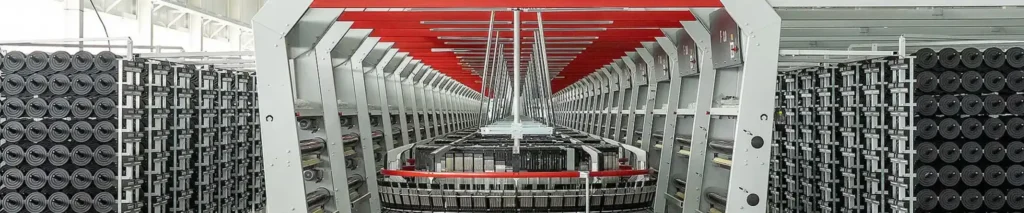
Poly-paper bags—hybrid solutions combining polypropylene (PP) durability and paper-like aesthetics—have emerged as critical assets in modern retail, balancing functionality, sustainability, and brand appeal. VidePak, a global leader with $80 million annual revenue and 526 employees, exemplifies innovation in this niche. Equipped with 100+ Starlinger circular looms and a 2 MW rooftop solar system, the company produces over 20 million poly-paper bags annually for clients like Unilever and Walmart. This report explores structural innovations, ESG alignment, and market-specific adaptability that position these bags as retail industry benchmarks.
Kraft Paper Laminated Woven Bags
Premium poly-paper composite bags perfect for modern retail packaging with enhanced durability and appearance.
Check More →Multiwall Paper Bags Structure Guide
Comprehensive guide to poly-paper composite bag structures, materials and advantages for retail applications.
Check More →Multi-Ply Kraft Paper Bags
High-performance multi-ply poly-paper bags designed for versatile retail and commercial packaging solutions.
Check More →Poly-Paper Bag Retail Applications
Explore wide applications of poly-paper composite bags in modern retail, industrial and commercial sectors.
Check More →2. Design Innovations: Enhancing Logistics Efficiency
2.1 Valve Designs for Precision Dispensing
Pasted valve systems enable controlled pouring, critical for granular products like coffee beans and pet food:
- Laser-Cut Tolerance: ±0.2 mm valve sleeves prevent particle leakage <0.1% (ISO 21898).
- Anti-Static Liners: Carbon-black-free PP reduces dust adhesion by 70%, complying with FDA 21 CFR 177.1520.
Case Study: A 2024 trial with a premium coffee brand showed VidePak’s valve bags reduced in-store waste by 40% during restocking.
2.2 Block-Bottom Structural Integrity
Square-base designs optimize stacking and transport:
| Parameter | VidePak Standard | Industry Average |
|---|---|---|
| Load Capacity | 1,500 kg (ISO 2233) | 1,000 kg |
| Stack Stability | 50% higher vs. round-bottom | N/A |
| Pallet Utilization | 20% increase | 10% increase |
A German supermarket chain reported 30% faster shelf restocking using VidePak’s block-bottom bags.
3. Sustainability and ESG Integration
3.1 Solar-Powered Production
- Energy Output: 2,800 MWh annually, covering 65% of factory needs.
- Carbon Reduction: 320 tons CO2/year offset, equivalent to planting 7,400 trees.
3.2 Circular Economy Practices
- Material Recovery: 95% PP recycling via pyrolysis, aligning with EU 2030 targets.
- Waste Reduction: Starlinger’s ultrasonic welding cuts adhesive use by 40% versus stitching.
3.3 Social Responsibility
- Labor Welfare: Scholarships for 120+ children of low-income workers in Southeast Asian facilities.
- 5S Management: Lean workflows reduced workplace accidents by 40% in 2023.
4. Technical Excellence: Starlinger-Driven Production
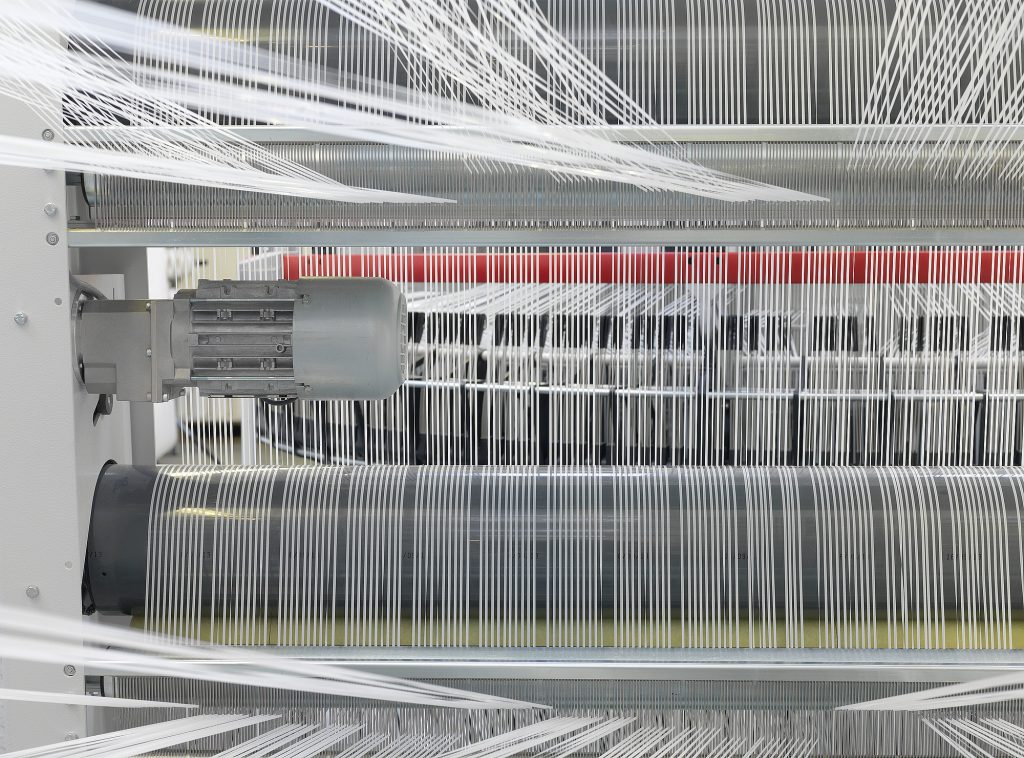
VidePak’s integration of Starlinger technology ensures unmatched quality:
| Process | Starlinger Innovation | Quality Impact |
|---|---|---|
| Extrusion | PID-controlled temperature ±1°C | MFI variance <0.5%, ensuring uniform strength |
| Lamination | 20 m/min speed with 50 μm LDPE coating | 15,000 mm hydrostatic head for moisture resistance |
| Printing | 8-color Pantone® flexography | ΔE <1.5 color accuracy for brand consistency |
Case Study: A U.S. pet food brand achieved 25% cost savings using VidePak’s automated FFS (Form-Fill-Seal) lines at 200 bags/minute.
5. Market Applications and Competitive Edge
5.1 Food and Beverage
- Moisture Control: LDPE liners maintain <8% humidity for organic flour, extending shelf life by 30%.
- Custom Branding: Full-surface prints increase shelf visibility by 40% (Nielsen 2024).
5.2 E-Commerce and Bulk Retail
- Tear Resistance: 35 MPa tensile strength (machine direction) withstands 1.5-ton compression.
- Recyclability: 98% PP recovery aligns with Amazon’s Climate Pledge Friendly certification.
6. FAQs: Addressing Retailer Concerns
Q1: How do poly-paper bags compare to traditional plastic in cost?
A: While 15% pricier upfront, they reduce long-term costs via 30% lower transport damage and 25% lighter weight.
Q2: Are these bags freezer-safe?
A: Yes. PP blended with 5% EVA retains flexibility at -20°C, ideal for frozen goods.
Q3: What certifications ensure food safety?
A: FDA 21 CFR 177.1520, EU 10/2011, and ISO 22000, with ≤50 ppm heavy metal thresholds.
7. Conclusion
Poly-paper bags epitomize the synergy of retail functionality and ecological stewardship. By leveraging valve precision, block-bottom engineering, and solar-driven ESG practices, VidePak empowers brands to meet modern consumer demands. As Ray concludes, “In retail, every bag isn’t just a container—it’s a commitment to efficiency, ethics, and excellence.”
Explore our innovations in valve design technology and sustainable logistics solutions.