

Primary product keywords: Moisture Proof PP Bags, Moisture Proof Woven bags, Moisture Proof Woven sacks, multi-wall woven bags, Waterproof Woven Bags, BOPP laminated PP woven bags, PE-liner woven sacks, valve woven bag for chemical powder, block-bottom woven bag, heat-sealed woven packaging, anti-static woven packaging for powders.
What Are Moisture‑Proof Woven Bags?
In industrial powder logistics, water vapor is not simply an ambient condition; it is an active, relentless contaminant. The equipment may be faultless, the schedule may be tight, the route may be standard, and yet a brief spell of humid air turns free‑flowing powders into sluggish, lumpy burdens. To counter this, manufacturers deploy Moisture Proof PP Bags and their close relatives—Moisture Proof Woven bags, Moisture Proof Woven sacks, and Waterproof Woven Bags—as a composite defense that marries mechanical strength with barrier performance. These packages are built on a polypropylene woven fabric skeleton and augmented with films, liners, and closures that restrict vapor ingress while preserving stackability and line speed.
Because terminology varies, it helps to clarify common aliases used by buyers and plants. In many procurement lists and specification sheets you will find the following alternative names, all pointing to the same functional class:
- Moisture Proof PP Bags
- Moisture Proof Woven bags
- Moisture Proof Woven sacks
- multi-wall woven bags
- Waterproof Woven Bags
Each phrase accents a slightly different detail—material (PP), structure (woven), barrier intent (moisture‑proof or waterproof), or architecture (multi‑wall). Yet their shared promise is steady: protect powders from humidity while standing up to pallet pressure, conveyor abrasion, and loading impacts. In chemical lines and building materials alike, the objective is not just intact packaging at arrival, but consistent performance of the powder inside: predictable flowability, reliable dispersion, controlled reactivity.
Key idea: a moisture‑control sack is a system. The woven PP fabric carries the load; the film laminate hardens the surface and adds incremental barrier; the PE liner provides the primary vapor shield; the closure eliminates leak paths. Remove any one piece and the promise weakens. Integrate them well and the result is dependable shelf‑life for hygroscopic powders.
The Materials of Moisture‑Proof Woven Bags
Every packaging choice hides a bill of materials. For Moisture Proof PP Bags and adjacent formats, the stack of materials is deliberate: a strong structural layer, a barrier over‑layer, an inner liner, and a closure engineered for either stitching or heat fusion. What follows is a map of where each material lives, why it matters, and how it influences cost, throughput, and protection.
1) Woven polypropylene fabric (the backbone)
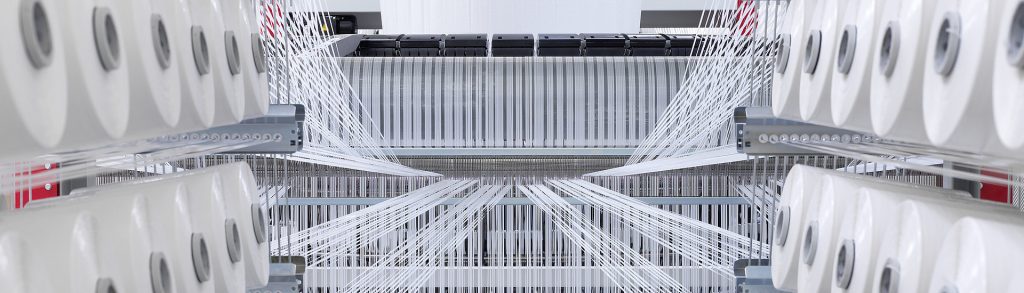
Polypropylene tapes—slit, drawn, and woven—form the tensile skeleton of Moisture Proof Woven sacks. Low density translates into more sacks per kilogram of resin. The denier and weave count govern burst resistance, seam retention, and print flatness. Add a UV stabilizer for outdoor exposure; select weave density (for example, 10×10 to 14×14 per inch) according to pallet height and route roughness.
2) BOPP lamination (the surface and secondary barrier)
A biaxially oriented polypropylene film laminated over the fabric introduces abrasion resistance, a printable skin, and modest water‑vapor reduction. Reverse printing sits underneath the film so graphics resist scuffing through long routes. Film thickness (often 18–35 µm) tunes durability; matte or glossy topcoats balance shelf appeal and pallet friction.
3) Polyethylene liner (the primary vapor shield)
The liner—LDPE/LLDPE/HDPE blends—provides the main moisture barrier for Waterproof Woven Bags. Executed as an inserted tube, a stitched‑in sleeve, or a form‑fit valve liner, it seals the chamber that holds the chemical powder. Thickness typically ranges from 50–120 µm, with increments as small as 10–20 µm shifting MVTR and sealing times in meaningful ways.
4) Specialty barriers and additives (when the route demands more)
If powders are extremely humidity‑ or oxygen‑sensitive, metallized films or even foil laminates can reinforce the envelope. For combustible dusts, specify anti‑static liners or conductive threads targeting surface resistivity in the 10^6–10^11 Ω/sq range. Where sun exposure is likely, a UV package keeps strength from fading.
5) Closures and bag geometry (where sealing meets handling)
Stitched closures are economical and compatible with many fillers. Heat‑sealed edges remove needle holes and tighten dust control. Valve modules accelerate filling while self‑closing under product pressure. Block‑bottom forms enhance pallet stability and billboard space for branding or regulatory icons. Each option interacts with the liner design and the route’s risk profile.
Decision hint: cost follows mass and complexity. Fabric GSM, BOPP thickness, and liner gauge are the principal cost levers. The right spec is not the heaviest one; it is the one that hits your moisture target, protects graphics, and runs fast on your line.
Features That Define Moisture‑Proof Woven Packaging
Why choose Moisture Proof Woven sacks over alternative formats? Because the feature set maps to the real risks of powder logistics: humidity, abrasion, drop shock, label legibility, seal integrity, and pallet safety. A coherent package converts these risks into design parameters.
- Barrier layering: BOPP outside, PE inside—two shields, one objective. The film blocks ambient humidity and protects graphics; the liner contains vapor and fines.
- Load‑bearing strength: Woven PP resists tears, punctures, and seam peel. Proper denier and weave density keep stacks stable even with dense powders like TiO₂ or CaCO₃.
- Closure flexibility: Stitched, heat‑sealed, or valve modules match different fillers and hygiene requirements.
- Print surface excellence: Reverse‑printed BOPP acts like glass, preserving vivid logos and regulatory icons through the journey.
- Friction tuning: Matte/gloss finishes and anti‑slip coatings manage the tension between high line speed and pallet stability.
- Safety options: Anti‑static and conductive variants protect against charge build‑up near combustible dusts.
- Sustainability levers: Optimized GSM and mono‑material thinking nudge recyclability while preserving performance.
When humidity is the enemy
Choose a thicker PE liner and sealed closures. Prioritize liner heat sealing if fine powders leak through needle holes.
When abrasion is the enemy
Favor BOPP lamination for scuff resistance and print protection, especially on long export routes.
When dust is the enemy
Valve formats and heat‑sealed liners reduce fugitive fines and keep the warehouse cleaner.
Production Process: From Resin Choice to Lot Release
The credibility of Moisture Proof PP Bags derives from process discipline. The upstream checks prevent defects from entering the line; the core processes stabilize fabric geometry and lamination gauge; the downstream steps seal, form, and inspect. Throughout, precision equipment shortens the distance between specification and reality, which is why VidePak runs high‑end production machinery sourced from Austria’s Starlinger and Germany’s W&H.
Upstream: raw‑material selection and incoming inspection
- Virgin PP with stable MFI for consistent tape draw; random moisture checks and sieve tests for gels.
- LDPE/LLDPE/HDPE grades for liners chosen by seal window, clarity, and MVTR; verify melt index and density.
- BOPP film specified for thickness tolerance, corona treatment level, and friction coefficients; audit for optical defects.
- Masterbatches (UV, anti‑static) qualified for thermal stability and compatibility with extrusion and lamination temperatures.
Tape and fabric stage
Extrude, slit, and draw PP tapes; monitor tensile and elongation inline. Weave on circular looms to target GSM and weave count. Tight control here reduces seam failures and yields a flatter lamination bed.
Lamination and graphics
Bond BOPP film by extrusion or adhesive lamination. Manage nip pressure, temperature, and line speed; check registration and color density for reverse printing; add durable over‑varnishes if the route is abrasive.
Cutting, liners, and closures
Cut laminated fabric to length; insert liners—loose, stitched‑in, or form‑fit; select stitched, heat‑sealed, or valve closures according to powder rheology and filler type. Verify jaw dwell, pressure, and temperature for heat sealing.
Final QC and release
Inspect dimensions, mass, and visuals; test tensile, seam peel, drop survival, and seal integrity; evaluate MVTR on liner film and representative converted sacks; confirm anti‑static performance if specified. Release lots with full traceability.
Equipment advantage: precision weaving, lamination, and printing from European machinery narrows tolerance bands and reduces defect scatter. That margin of control is the real difference between a commodity sack and a reliable Moisture Proof Woven bag program.
Applications Across Chemical, Mineral, and Agricultural Powders
A versatile package succeeds by tuning to context. Moisture Proof PP Bags deliver when the product, the route, and the equipment align with the correct film, liner, and closure. The following scenarios illustrate where these packages shine and how to select the right variant.
| Powder Category | Typical Risk | Recommended Bag Configuration | Notes |
|---|---|---|---|
| Titanium dioxide, talc, kaolin | Abrasive particles; high bulk density | Higher‑GSM fabric, BOPP laminate, block‑bottom; valve or stitched with inner liner seal | Anti‑slip exterior for pallet stability; print protection crucial for white pigments |
| Calcium chloride, sodium bicarbonate | Strong hygroscopicity; deliquescence risk | Thicker PE liner (≥100 µm), heat‑sealed closure, robust film laminate | Minimize needle holes; consider desiccant cards for long dwell at ports |
| Fertilizers and agrochemicals | Balance between moisture control and breathability | Valve woven bag with tuned liner; optional micro‑perforation where condensation is the bigger risk | Ensure compliance labels and large billboard area |
| Cement and dry mortar | Rough handling; drop shock; rain at trans‑shipment | Reinforced seams, robust GSM, BOPP surface; UV stabilizer where outdoor exposure is likely | Define drop testing orientations and acceptance criteria |
| Masterbatch and polymer additives | ESD sensitivity; dust control | Anti‑static liner; valve geometry; clean interior and strong seal | Verify surface resistivity and grounding at fillers |
A practical reminder: not all moisture is external. In temperature swings, condensation may form inside the package. When the product tolerates it, controlled breathability prevents wet‑out; when it does not, prioritize thicker liners and controlled warehouse climates.
Quality Control at VidePak: Standards, Materials, Equipment, and Inspections
Quality is not a slogan; it is a stack of decisions. VidePak structures its assurance system around four pillars that turn Moisture Proof Woven sacks into auditable products rather than hopeful claims.
- Standards‑aligned manufacturing and testing: Processes are documented and benchmarked against mainstream standards (ISO, ASTM, EN, JIS where applicable). Methods for tensile, seam, drop, and barrier evaluation are defined and periodically verified.
- Virgin raw materials from reputable producers: Tape extrusion stability depends on consistent melt flow; barrier consistency depends on film and liner purity. Using virgin PP, certified BOPP, and vetted PE resins reduces variance at its source.
- Precision equipment: High‑end weaving, lamination, and printing technology from European OEMs narrows tolerance bands. The result is tighter GSM windows, more uniform lamination gauge, and cleaner registration.
- Layered inspection: Incoming checks, in‑process audits (GSM, gauge, rub resistance, seal dwell), final lot release on key parameters, and periodic sampling to detect drift.
Callout — Why equipment matters for Moisture Proof PP Bags
Uniform tape draw and fabric geometry produce seams that actually hold; stabilized lamination thickness prevents micro‑channels that could invite moisture; controlled print registration keeps hazard icons legible and compliance intact. When your brand rides on every pallet, these details are not luxuries. They are the price of reliability.
System Thinking: Decomposing the Moisture Problem and Reassembling the Solution
One package cannot serve every powder. That is not a failure of the category; it is a fact of physics. The path forward is system thinking: break the moisture challenge into solvable parts, then compose a configuration that satisfies all of them without compromising throughput or cost.
A. Hygroscopicity and failure mode
Does the powder cake, clump, lose reactivity, or change flow at particular RH and time windows? Decide the acceptable moisture gain and back‑calculate a package MVTR budget. Assign most of that to the liner; allocate the rest to lamination and closure integrity.
B. Route and climate profile
Monsoon seasons, long port dwell times, and cold‑to‑hot transitions promote condensation and abrasion. Adjust film thickness, UV packages, and anti‑slip finishes. Consider breathable zones only if the powder tolerates modest vapor exchange.
C. Filling and closure compatibility
Gravity fillers benefit from valve bags; screw fillers reward cleanly sealed liners. Where heat sealing is possible, eliminate needle holes. If stitched closures remain, lengthen the inner liner so it can be heat‑sealed independently.
D. Regulatory and safety
If the powder is edible, pharmaceutical, or otherwise regulated, specify contact‑safe films, inks, and adhesives. For combustible dusts, target surface resistivity in the range specified by your safety study and ensure grounding protocols at the filler.
E. Brand and information architecture
Reverse printing under BOPP protects color density and QR codes. Block‑bottom geometry expands billboard area without adding weight. Clarity at one glance equals fewer warehouse mistakes.
F. Cost and sustainability
Reduce resin mass where possible by optimizing GSM and film gauge; favor mono‑material designs to support recycling streams where they exist. Balance absolute barrier against real shelf‑life needs.
Designing the Barrier: From MVTR Budgets to Seal Integrity
Not all moisture‑proof claims can be meaningfully compared; numbers matter. A better approach is to specify a target water‑vapor transmission rate for the package over the intended time window, then distribute that target across the elements that control it: liner thickness and chemistry, film laminate, seam/closure, and even pallet wrap schemes.
- Liner thickness: the most sensitive dial. A change of 10–20 µm can make the difference between safe shelf‑life and borderline performance.
- Film laminate: not just cosmetic. BOPP adds abrasion resistance and reduces scuff; it also shaves a meaningful amount off the vapor flux.
- Closure integrity: heat sealing removes the leak paths created by stitches; if stitching is mandatory, a long inner liner with a separate heat seal mitigates loss.
- Storage and palletization: high stacks increase compaction and risk of seam creep; tight wrap can alter condensation behavior. The package is part of a system.
Illustrative targets for Moisture Proof Woven bags
| Parameter | Typical range | Purpose | Notes |
|---|---|---|---|
| Fabric mass (GSM) | 80–140 g/m² | Load bearing and stacking | Increase for dense powders and rough routes |
| BOPP thickness | 18–35 µm | Abrasion + incremental barrier | Reverse printing protects graphics |
| PE liner thickness | 50–120 µm | Primary vapor barrier | Adjust by hygroscopicity and seal time |
| Seam/Seal strength | Application‑specific | Prevent burst & leakage | Test peel and shear strength |
| Electrostatics | 10^6–10^11 Ω/sq (if specified) | Control dust ignition risk | Verify with surface resistivity tests |
Manufacturing Controls and Statistical Discipline
A production line is a living organism. It drifts unless observed, it surprises unless measured. For Moisture Proof PP Bags, the most effective control plan identifies the variables that correlate with failure and monitors them in real time.
- Sampling GSM at defined intervals and tracking control charts to preempt fabric light‑spots.
- Logging lamination gauge and nip pressure against defect codes, then tuning for minimum micro‑channel incidence.
- Auditing seal dwell and jaw temperature versus leak‑test outcomes, closing the loop with maintenance.
- Scanning print registration and rub resistance to prevent compliance loss during warehousing.
Functional card — the three‑layer promise of Waterproof Woven Bags
Strength to carry the load, barrier to protect the powder, and graphics to carry the message. If any one is compromised, the package communicates failure long before it physically breaks.
Logistics, Climate, and the Route as a Design Variable
Packaging that ignores the route is packaging that gambles with luck. Consider the chain: inland trucking, rail yards, container depots, port storage, ocean transit, customs holding areas, and last‑mile delivery. Each node carries specific environmental stresses—heat, solar load, humidity cycles, abrasion, stacking variability. For Moisture Proof Woven sacks, adapting to the route is often the most economical way to boost reliability without over‑engineering the bag itself.
- Where monsoon exposure is possible, specify thicker liners and aggressive seals, then pair with pallet top sheets and controlled wrap patterns.
- For high‑altitude temperature swings, consider condensation; avoid unnecessary micro‑perforation unless the powder permits it.
- At congested ports where handling is rough, increase GSM and add scuff‑resistant surface finishes.
Safety and Electrostatic Control for Powder Environments
Combustible dust hazards are not hypothetical. They arise when fine powder, air, and ignition sources meet. In such contexts, Moisture Proof PP Bags and related valve formats should incorporate anti‑static features aligned with safety studies: surface resistivity ranges, grounding schemes, and process controls during filling and palletizing.
- Specify anti‑static or conductive liners and confirm their performance through standardized resistivity measurements.
- Ensure filling equipment provides grounding paths so charge does not accumulate on bag surfaces.
- Control humidity and dust extraction around fillers to reduce ignition likelihood.
Sustainability Without Wishful Thinking
Sustainability becomes meaningful when it respects physics and logistics. Mono‑material thinking—PP fabrics paired with PP‑compatible films, PE liners managed within recycling streams where available—makes end‑of‑life less complicated. Yet durability is sustainability too: a bag that survives the route avoids resource waste in rework or product loss. In other words, the most sustainable Moisture Proof Woven bag is the one that delivers the powder in spec the first time, every time.
Extended Scenarios and Decision Patterns
Patterns simplify choices. When teams ask, “What configuration should we use?” these scenario patterns provide fast, defensible answers that align with the nature of the powder and the route.
Scenario 1 — Hygroscopic salt, monsoon route
Adopt a thicker PE liner (circa 100–120 µm), heat‑sealed closures, and robust BOPP laminate. Add master carton desiccants and use top sheets during palletization. The aim is zero needle holes and redundant sealing.
Scenario 2 — Abrasive mineral pigment, urban warehousing
Choose higher‑GSM fabric with anti‑slip exterior; reverse‑print under BOPP to guard brand visuals. If line speed is critical, consider valve formats to minimize dust and speed filling.
Scenario 3 — Polymer additive masterbatch, ESD concern
Specify anti‑static liners with verified surface resistivity; ensure grounding at the filler; verify seals for dust retention and cleanliness of the interior.
Scenario 4 — Cement and dry mortar, rough rail handling
Increase GSM and seam strength; validate drop tests in multiple orientations; consider block‑bottom forms for stable stacks and safer forklift moves.
Troubleshooting: Where Moisture‑Proof Solutions Fail and How to Fix Them
Even well‑built packages encounter real‑world surprises. The fastest route to stability is a short path from symptom to root cause. The following failure modes and countermeasures are a practical checklist.
| Symptom | Likely cause | Countermeasure |
|---|---|---|
| Powder caking after long dwell | Insufficient liner thickness; poor seal integrity | Increase liner gauge; switch to heat‑sealed closures; audit seal dwell |
| Scuffed graphics and unreadable icons | Surface printing exposed to abrasion | Reverse print under BOPP; add over‑varnish; tune friction |
| Fugitive dust around fillers | Valve misfit; short liner; needle‑hole leakage | Optimize valve geometry; lengthen liner; prefer heat seals where possible |
| Pallet instability and shear | Low surface friction; inconsistent bag geometry | Anti‑slip finishes; block‑bottom forms; standardized stack patterns |
Implementation Roadmap: From RFQ to First Article
A disciplined launch sequence shortens the time between trials and success. It also clarifies accountability at each gate.
- Define the use case: powder behavior, bulk density, route climate, shelf‑life target.
- Draft a baseline: fabric GSM, BOPP thickness, liner gauge, closure type, bag geometry.
- Run pilots: small lots through the actual filling line; record speed, dust, seal times, pallet stability.
- Qualify in the lab: tensile, seam, drop, abrasion, and MVTR on film/liner and representative sacks.
- Freeze the spec: drawings, parameters, process windows, and acceptance criteria with sampling plans.
- Approve the first article: verify conformance, traceability, and pack‑out schemes.
- Monitor in production: SPC on GSM, lamination gauge, seal dwell; periodic re‑qualification; field‑feedback loops.
Resource: for teams refining valve formats and inner coatings for powder handling, see the related guide on PE‑coated valve woven bags for high‑speed powder filling.
Frequently Asked Questions
Real buyers ask practical questions. These concise answers aim to reduce uncertainty and speed up decision‑making.
- Is BOPP only for looks? No. It protects graphics and adds abrasion resistance while contributing to the moisture barrier. This is particularly valuable where sacks rub against conveyor edges or pallets.
- Can stitched closures still work? Yes, when paired with an inner liner that is long enough to heat‑seal separately. If moisture control is critical, heat‑sealed outer seams reduce leakage paths.
- How do I choose liner thickness? Back‑calculate from acceptable moisture gain over the intended shelf‑life. Then step test small thickness increments and measure both MVTR and seal time on your line.
- What about recyclability? Where PP and PE streams exist, mono‑material or compatible combinations simplify processing. Labelling clarity helps sorting; durability helps sustainability by preventing product loss.
Keyword Strategy: Synonyms and Long‑Tail Phrases
To help readers and searchers converge on the same solutions, this article consistently employs product names and their near‑synonyms. The intent is clarity, not jargon. The following phrases appear throughout the text intentionally:
- Moisture Proof PP Bags, Moisture Proof Woven bags, Moisture Proof Woven sacks, multi‑wall woven bags, Waterproof Woven Bags
- BOPP laminated PP woven bags, PE‑liner woven sacks, heat‑sealed woven packaging, valve woven bag for chemical powder
- Block‑bottom woven bag, anti‑static woven packaging, waterproof polypropylene sacks
2025-10-25
- What Are Moisture‑Proof Woven Bags?
- The Materials of Moisture‑Proof Woven Bags
- Features That Define Moisture‑Proof Woven Packaging
- Production Process: From Resin Choice to Lot Release
- Applications Across Chemical, Mineral, and Agricultural Powders
- Quality Control at VidePak: Standards, Materials, Equipment, and Inspections
- System Thinking: Decomposing the Moisture Problem and Reassembling the Solution
- Designing the Barrier: From MVTR Budgets to Seal Integrity
- Manufacturing Controls and Statistical Discipline
- Logistics, Climate, and the Route as a Design Variable
- Safety and Electrostatic Control for Powder Environments
- Sustainability Without Wishful Thinking
- Extended Scenarios and Decision Patterns
- Troubleshooting: Where Moisture‑Proof Solutions Fail and How to Fix Them
- Implementation Roadmap: From RFQ to First Article
- Frequently Asked Questions
- Keyword Strategy: Synonyms and Long‑Tail Phrases
- 1. The Critical Role of Moisture-Proof PP Bags in Chemical Packaging
- 2. Market Evolution: China’s Shift from Cost-Driven to Brand-Centric Manufacturing
- 3. Technical Parameters: Balancing Protection and Logistics
- 4. VidePak’s Branding Philosophy: Quality as a Legacy
- 5. Future Trends: Smart Packaging and Circular Economy
- 6. FAQs: Demystifying Moisture-Proof Bag Selection
- 7. Conclusion: Partnering for Perfection
A Client’s Dilemma, Solved:
Client: “Our chemical powders clump during monsoon shipments. How do we prevent moisture damage without compromising cost-efficiency?”
VidePak Expert: “Moisture-proof PP woven bags with BOPP lamination reduce humidity ingress by 85%, while tailored parameters like 120 GSM fabric and PE-lined seams ensure chemical stability. Unlike short-sighted competitors, VidePak integrates UV-resistant additives and IoT-enabled quality tracking to future-proof your supply chain. Let’s decode the science and strategy.”
1. The Critical Role of Moisture-Proof PP Bags in Chemical Packaging
Chemical powders—from industrial dyes to agricultural additives—lose efficacy when exposed to moisture. A 2024 study by the Global Chemical Packaging Alliance found that 37% of bulk chemical spoilage stems from inadequate moisture barriers during transit. PP woven bags, when engineered with precision, address this through:
- Multi-Layer Defense: BOPP-laminated fabrics (20–30 microns) block external humidity, while polyethylene (PE) inner liners (0.05–0.1 mm) seal micropores. For hygroscopic powders like calcium chloride, this dual barrier reduces moisture absorption to <0.5% over 60 days.
- Breathability Control: Ventilated panels or micro-perforations prevent condensation in temperature-sensitive cargo (e.g., powdered enzymes), maintaining relative humidity (RH) below 50%.
VidePak’s Innovation: Using Austrian Starlinger circular looms, we achieve fabric densities of 14×14 strands per inch, minimizing weave gaps. Our 30 lamination machines apply BOPP films with ±2% thickness tolerance, ensuring uniformity across batches.
2. Market Evolution: China’s Shift from Cost-Driven to Brand-Centric Manufacturing
China’s PP woven bag market, valued at $4.2 billion in 2024, faces a pivotal transition:
- Historical Context: Pre-2015, 80% of manufacturers prioritized low-cost, high-volume production, often using recycled PP with inconsistent moisture barriers.
- Quality Awakening: Post-2020, stricter EU/EPA regulations on chemical residue migration forced 60% of Guangdong-based suppliers to adopt virgin PP and ISO 9001 certifications.
- Brand Differentiation: Leading players now invest in:
- Digital Printing: 8-color HD printing for brand visibility (e.g., QR codes for traceability).
- Sustainability: Bio-based PP blends degrading 90% faster than conventional plastics.
VidePak’s Divergence: While rivals cut corners, we allocate 12% of annual revenue to R&D, partnering with Zurich’s Packaging Science Institute to develop anti-static liners for explosive powders (e.g., sulfur).
3. Technical Parameters: Balancing Protection and Logistics
Selecting the right bag requires aligning specifications with product hazards:
| Chemical Type | Threat | Ideal Parameters | VidePak Solution |
|---|---|---|---|
| Sodium Bicarbonate | Clumping at RH >60% | 100 GSM, BOPP lamination + PE liner | LK-450 model: 0.08mm PE liner, 99.3% seal integrity |
| Potassium Nitrate | Oxidation risk | UV-stabilized fabric, aluminum foil layer | V-Shield series: Reflects 92% UV radiation |
| Titanium Dioxide | Dust explosion (MEC <30g/m³) | Anti-static coating, conductive threads | ElectroGuard™ lining, surface resistivity <10⁶ Ω |
Case Study: A Jiangsu pesticide manufacturer reduced returns by 40% after adopting VidePak’s 120 GSM bags with RFID tracking—moisture breaches dropped from 15% to 2% in 6 months.
4. VidePak’s Branding Philosophy: Quality as a Legacy
Founded in 2008, VidePak’s 30-year veteran team rejects China’s “race to the bottom” mentality. Key differentiators:
- Material Integrity: 100% virgin PP granules (MFI 3–4 g/10min) ensure consistent melt flow during extrusion, eliminating weak seams.
- Customization at Scale: With 100+ circular looms and 16 extrusion lines, we produce 8 million bags/month, supporting niche demands like:
- Anti-Counterfeit Tags: Micro-text printing visible under UV light.
- Ergonomic Designs: Quad-seam bottoms for 25% faster palletizing.
- Global Compliance: BRCGS AA certification and REACH-compliant dyes for EU/US markets.
CEO Ray Chiang’s Insight: “While others chase quarterly margins, we build decade-long partnerships. Our Vietnam plant’s AI-driven defect detection system—a $2.5 million investment—rejects 0.1% of bags versus the industry’s 5% average.”
5. Future Trends: Smart Packaging and Circular Economy
The 2025–2030 landscape will demand:
- IoT Integration: RFID sensors monitoring real-time humidity/temperature (e.g., VidePak’s SmartShield™ bags relay data via LoRaWAN networks).
- Regulatory Shifts: China’s “Dual Carbon” policy incentivizing bags with 30% recycled content. VidePak’s EcoArmor line uses post-industrial PP waste without compromising tensile strength.
- Brand Storytelling: Leveraging BOPP laminated woven bags as mobile billboards—clients like BASF use AR-enabled prints showcasing sustainability metrics.
6. FAQs: Demystifying Moisture-Proof Bag Selection
Q1: How does BOPP lamination compare to PVC coatings?
A: BOPP offers 3x higher puncture resistance and 50% lower VOC emissions. VidePak’s lamination withstands -25°C to 80°C without brittleness.
Q2: Can bags resist monsoon-level rains during port storage?
A: Our StormShield series (150 GSM + double PE liners) passed 72-hour IPX7 water immersion tests—zero leakage at 1-meter depth.
Q3: Are customized designs cost-effective for small batches?
A: Yes! With 30+ printing machines, we support runs from 5,000 units (e.g., a Thai agrochemical firm’s 8-color logo order at $0.18/bag).
7. Conclusion: Partnering for Perfection
In China’s crowded market, VidePak stands apart by marrying ancestral craftsmanship with Industry 4.0 rigor. From sustainable FIBC solutions to moisture-proof masterpieces, we redefine value as endurance, not just price.
References
- Global Chemical Packaging Alliance (2024), Moisture Ingress in Bulk Chemical Transport.
- Zurich Packaging Science Institute (2023), Anti-Static Liners for Hazardous Powders.
- China Plastics Processing Industry Association (2024), PP Woven Bag Market Analysis.
- REACH Compliance Handbook (2025), Dye Migration Limits.
- Journal of Industrial Textiles (2023), Advances in BOPP Lamination Technologies.
Authored by VidePak’s Technical Advisory Board – 30+ years in polymer science and supply chain optimization.