
What are Sewn Open Mouth PP Bags and why do they matter?
In industrial packaging, there is a family of rugged, reliable, and remarkably adaptable sacks known as Sewn Open Mouth PP Bags. They are filled from the top, closed with stitches after dosing, and constructed from woven polypropylene fabric engineered for a demanding life in warehouses, silos, ships, and retail aisles. Some users call them Sewn Open Mouth Bags; others prefer SOM Bags, Sewn Open Mouth sacks, Open Mouth Bags, or family variants such as Block Bottom Bags and Bottom Open Mouth Bags. Names differ, geometry shifts, graphics evolve—yet the promise remains: dependable containment, steady machinability, and predictable performance under pressure.
Why do they matter so much to producers of fertilizers, grains, pet food, minerals, salts, and additives? Because these sacks reconcile what is often irreconcilable: strength without unnecessary weight; a printable face that still resists abrasion; dust control without strangling throughput; a price that respects thin margins while reducing waste. In a world where product loss is costly, delays are unforgiving, and brand reputation rides on the last mile, Sewn Open Mouth PP Bags do quiet, crucial work.
Quick orientation: This article expands the logic, materials, processes, use cases, and quality regimes surrounding Sewn Open Mouth PP Bags and their related forms (Sewn Open Mouth Bags, SOM Bags, Sewn Open Mouth sacks, Open Mouth Bags, Block Bottom Bags, Bottom Open Mouth Bags). It blends engineering detail with practical selection guidance and supply‑chain thinking, using reader‑friendly cards, callouts, and color tables throughout.
Definitions, scope, aliases
A functional definition helps. Sewn Open Mouth PP Bags are bags formed from woven polypropylene fabric, left open at the top for filling, then closed by a sewn seam. The essential traits are simple but consequential: a robust weave that resists tearing; a geometry that feeds well on open‑mouth lines; and a face that accepts printing—either on a coated surface or under a protective BOPP laminate. Within this universe live the familiar synonyms and variants: Sewn Open Mouth Bags, SOM Bags, Sewn Open Mouth sacks, Open Mouth Bags, and the geometry‑modifying Block Bottom Bags and Bottom Open Mouth Bags.
What sets them apart from valve bags or multiwall paper sacks? Simplicity and serviceability. Open‑mouth designs invite straightforward filling and sewing; woven polypropylene delivers strength at low mass; coating or lamination can be “dialed in” to achieve moisture control or retail‑class graphics without abandoning recyclability within the polyolefin family.
Core identity
Woven PP fabric; open top for filling; sewn closure post‑fill.
Common names
Sewn Open Mouth PP Bags, Sewn Open Mouth Bags, SOM Bags, Sewn Open Mouth sacks, Open Mouth Bags.
Variants
Block Bottom Bags for rectangular bases; Bottom Open Mouth Bags for specific closures.
Material system: from resin to readable graphics
The bag looks simple, yet under the surface hides an engineered stack: tapes extruded from polypropylene, woven into fabric, optionally coated with polyolefin or laminated with BOPP, printed with brand language, then cut and sewn—with optional liners and selective additives quietly doing work. Each layer adjusts a lever: strength versus stiffness, dust control versus breathability, print gloss versus scuff, cost versus longevity. To understand the whole, understand the parts.
Key insight: When performance targets tighten—higher drop heights, harsher climate, stricter graphic durability—engineers escalate one or more of four knobs: fabric grammage (gsm), seam design, surface finish (coating or BOPP), and optional liner. Economics improve not by one silver bullet but by aligning all four.
Base fabric first. Oriented PP tapes deliver exceptional strength for their weight. Draw ratios increase molecular alignment; loom density (ends and picks) tunes porosity; weave pattern distributes point loads. Next comes surface engineering: a polyolefin coating to seal pores and anchor inks; or a BOPP laminate that unlocks retail‑grade print, protects ink beneath a clear film, and wards off scuffs. Then the details: threads that resist thermal softening; easy‑open tapes that humanize the tear; antistatic, UV, pigment, and slip additives that smooth manufacturing and prolong life. Optional liners step in when contents are hygroscopic or aromatic.
| Layer | What it does | Trade‑offs |
|---|---|---|
| Woven PP fabric | Carries load; resists tear; sets baseline stiffness | Higher gsm = stronger, costlier, less flexible |
| Coating (polyolefin) | Seals pores; improves print adhesion; moderates moisture | Too thick can reduce flexibility; adds cost |
| BOPP laminate | Enables high‑fidelity graphics; protects ink; boosts scuff resistance | Higher cost; must manage bond strength |
| Thread & seam | Keeps the fill inside; resists burst; supports easy‑open | Too dense perforates edge; too loose weakens seam |
| Liner (optional) | Adds moisture/odor barrier; improves cleanliness | Complicates closure; adds material; not always necessary |
Key features: strength, moisture discipline, graphics that survive
Three priorities guide most specifications. First, mechanical integrity under drops, stacking, and conveyor abrasion. Second, moisture management, especially for hygroscopic contents in humid climates. Third, graphic resilience—because surly distribution environments do not care about pantone pride. Sewn Open Mouth PP Bags juggle these demands through fabric gsm, seam architecture, and finish selection. Do you need the lightest workable bag? Favor lower gsm, sober coatings, and tuned stitches. Do you need a billboard on a pallet? Consider BOPP lamination with reverse print to lock the ink under film, then protect the corners and edges that meet the world.
- Strength at sensible mass: oriented tapes make the most of every gram.
- Seam reliability: double chain stitches and fold‑over hems reduce edge initiation cracks.
- Moisture discipline: coated faces limit wicking; liners add insurance for salts and sugars.
- Print fidelity: BOPP protects imagery; coated faces welcome flexo inks.
- Supply‑chain civility: flat faces stack, block bottoms cube out pallets, anti‑slip varnish prevents load creep.
Is the choice binary—coated or laminated? Not really. It is a conversation among environment (humidity, UV), line behavior (magazine feed, jaw grip, sewing speed), and brand ambition (color count, gloss/matte, scuff rating). You do not pick a finish; you orchestrate a response.
Production process: from pellets to pallets
Imagine the flow as three control gates—front‑end materials and inspection; mid‑stream conversion and printing; back‑end testing and release. Quality is not a department; it is a choreography.
Front‑end
Virgin PP, masterbatches, BOPP films, threads, and liners arrive with certificates. Melt flow, moisture, dyne, and thickness are checked to prevent “garbage in, garbage out”.
Mid‑stream
Tape extrusion and orientation; weaving on circular or flat looms; extrusion coating or BOPP lamination; flexo or gravure printing; precision cutting and sewing.
Back‑end
Inline checks and lab tests—tensile, tear, drop, burst, MVTR—and AQL‑based audits, followed by serialization and traceability records.
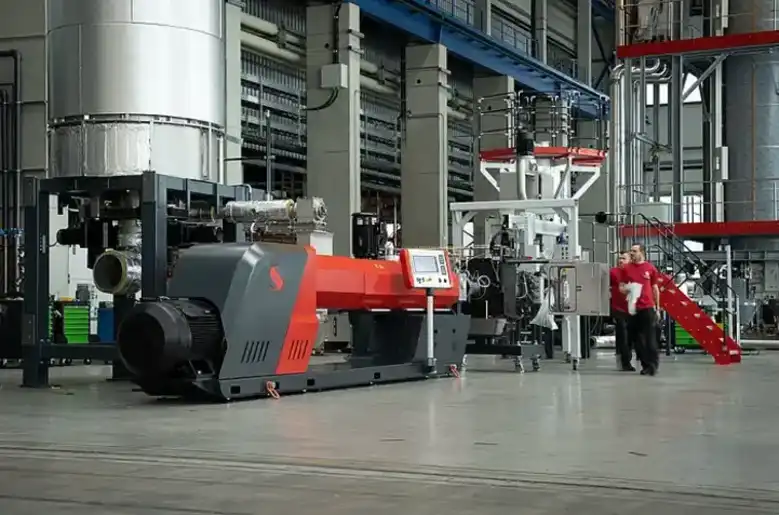
Process capability matters. Equipment from Austria’s Starlinger and Germany’s W&H is prized for tight thickness control, high uptime, and impeccable registration—advantages that propagate down the line as fewer bag failures, cleaner edges, steadier palletization. Precision upstream buys forgiveness downstream.
A practical lens: increase draw ratio to raise tensile strength; tune stitches per inch to avoid over‑perforating edges; verify peel strength of laminations; keep dyne levels healthy before printing; respect hot‑knife settings to reduce fray. The science is polymer; the art is balance.
Applications: who benefits and how
Different industries ask different questions. A fertilizer producer wants UV stability and moisture discipline. A pet food brand wants shelf presence and clean edges that resist scuffs. A cement mill wants brute, repeatable strength. Sewn Open Mouth PP Bags answer in dialects: coated faces for salts; laminated faces for retail feed; heavier gsm for 40‑kilogram cement; liners for powders that hate humidity.
- Agriculture and seeds: coated or laminated faces, optional UV packages, and block bottoms for neater stacks.
- Fertilizers: higher gsm, UV stabilizers, and anti‑slip treatments to keep pallets polite.
- Pet food and supplements: BOPP lamination with reverse print; easy‑open tape for user delight.
- Construction and minerals: double‑stitched bottoms, hot‑knife edges, and abrasion‑resistant faces.
- Food staples: liners for sugar and salt; caution around MVTR; crisp barcoding for traceability.
- Fine chemicals: antistatic packages, dust‑tight seams, and thoughtful handling SOPs.
Case vignette: A coastal distributor struggled with salt clumping and torn paper sacks. A switch to coated Sewn Open Mouth PP Bags with an optional liner cut product loss, held print after rough handling, and tightened inventory credibility.
Lesson learned: moisture discipline plus seam reliability beats a low unit price that leaks value at every pallet corner.
Quality governance: how to guarantee what you promise
Promises are cheap; compliance is earned. A disciplined program aligns mainstream standards, virgin materials, world‑class equipment, and closed‑loop inspection into one flow. The result is not merely pass/fail; it is confidence.
- Standards anchoring: align specs and tests with ISO/ASTM/EN/JIS so results are intelligible across labs and regions.
- Virgin materials: predictable melt flow and cleanliness stabilize tape strength and print color.
- Equipment excellence: Starlinger and W&H platforms deliver consistency that ordinary lines struggle to match.
- Closed‑loop inspection: incoming COAs → in‑process gsm/peel/registration → final AQL sampling, drop tests, and documentation.
| Stage | Typical checks | Why it matters |
|---|---|---|
| Incoming | MFI, moisture, dyne, film thickness, thread strength | Prevents variability before it multiplies |
| In‑process | Gsm scans, peel strength, print registration, SPI | Catches drifts early and cheaply |
| Final | AQL sampling, drop/burst, MVTR, labeling | Sends good actors to market with traceability |
Variants and selection logic: open mouth, block bottom, bottom open mouth
Choosing among Sewn Open Mouth PP Bags, Block Bottom Bags, and Bottom Open Mouth Bags is less about fashion and more about equipment, stacking, and retail intent. A standard SOM is the workhorse on open‑mouth lines. A block bottom stands tall in stores and cubes out pallets. Bottom open mouth geometries harmonize with specific sewing heads and case handling.
- Stacking and retail? Favor Block Bottom Bags.
- Lowest conversion cost? Choose standard Sewn Open Mouth Bags.
- Equipment constraints? Match Bottom Open Mouth Bags to your closure hardware.
Engineering mechanics: seams, barriers, reliability
Mechanics first. Drawn PP tapes concentrate strength along their axis; weaving spreads a point load across many strands. Seams are more than stitches; they are a controlled perforation at the edge of a woven fabric. Too few stitches and the seam fails; too many and the needle row becomes a tear path. Barriers matter too: coatings slow wicking; laminates add scuff resistance and lower MVTR; liners approach hermetic, but at a cost in complexity. Reliability is the intersection of all three.
Common pitfalls: skip stitches from poor thread tension, delamination from low dyne or weak nip, edge fray from cold cuts, UV embrittlement from under‑dosed stabilizers. Countermeasures: thread QC and cameras at sewing, corona treatment and peel tests, hot‑knife edges and fold‑over hems, stabilized masterbatches and realistic shelf‑life policies.
Operations integration: line, pallet, logistics
Production lines reward well‑behaved bags: clean creases; consistent length; faces with the right coefficient of friction for grabbers and magazines. Palletization rewards predictable surfaces and anti‑slip patterns. Logistics rewards edge protection and smart stretch‑wrap tension. The warehouse is a theater; the bag is both prop and performer.
- Match spout, fill density, and feeder style (gravity, screw, belt) to avoid dust storms and channeling.
- Use easy‑open where operators slice bags daily; save time, reduce blades.
- Validate pallet patterns and stack height with real product creep, not assumptions.
- Print variable data where scanners see it; reserve quiet zones away from high‑wear corners.
Sustainability: monomaterial logic and loss prevention
Because fabric, coating, and laminate are all polyolefin, Sewn Open Mouth PP Bags preserve a monomaterial pathway for recycling streams that accept polypropylene. Right‑sizing gsm and coating keeps resin intensity honest; reducing bag failures prevents product loss, which often dwarfs the plastic footprint in climate terms. A bag that survives transit is a bag that saves emissions twice—once in its own mass, again in the cargo it protects.
Risk map and corrective action
When failures occur, they cluster: seams, delamination, edge fray, UV damage, print scuff. Each has a root; each invites a countermeasure. The discipline is to treat every defect as a teacher, not an anecdote.
| Failure mode | Likely cause | Mitigation |
|---|---|---|
| Seam tear | Low SPI, wrong needle, brittle thread | Re‑spec SPI, pick correct needle gauge, upgrade thread |
| Delamination | Low dyne, low nip pressure, poor adhesive flow | Raise corona, verify nip/temperature, test peel strength |
| Edge fray | Cold cut edges, no hem | Hot‑knife cutting, fold‑over hem |
| UV embrittlement | Under‑dosed stabilizer; harsh storage | Increase UV package; revise storage SOPs |
| Print scuff | No laminate or weak varnish | BOPP lamination or robust over‑varnish |
Specification snapshots and buying logic
Specification is translation: turn product properties and operational realities into numbers others can build and test. The following snapshots are illustrative—not commandments—but they show how parameters move together.
| Parameter | Typical range / option | Influence |
|---|---|---|
| Fabric basis weight | 55–120 gsm | Tear resistance, drop survival, unit cost |
| Coating thickness | 18–35 μm | Moisture control, print adhesion, stiffness |
| BOPP film | 15–30 μm | Graphic fidelity, scratch resistance |
| Stitching | Single or double chain | Seam integrity vs. closure cost |
| Top hem | 10–25 mm fold‑over | Edge stability and fray control |
| Liner | 20–60 μm PE (optional) | Moisture/odor barrier, hygiene |
Buying logic in one breath: define product density, hygroscopicity, and abrasion; pick face finish (uncoated for breathability, coated for cleanliness, BOPP for retail); choose closure features; tune dimensions to line and pallet; test on your equipment at your speed—then lock the spec.
KPIs and continuous improvement
Measure what matters: bag failures per million, seam strength distributions, drop‑test survival, print ΔE, pallet stability incidents, CO₂e per shipped tonne, and OTIF. Improvement is cumulative; each tenth of a percent counts—first in avoided loss, then in quieted complaints, finally in trust.
System synthesis: from sub‑problems to one solution
The packaging problem splits into parts—mechanics, barriers, branding, throughput, sustainability, economics. But the best specifications reunite them: right‑size fabric, set stitches and hems that do not perforate the edge into weakness, pick coating or BOPP with intent, reserve liners for must‑have scenarios, commit to upstream equipment quality, and close the loop with disciplined QA. This is not decoration; it is design as promise‑keeping.
If a specification reads like a melody, it will perform like one: the bass line of gsm, the rhythm of stitches, the harmony of finishes, the lyric of brand color. Miss a note, and the audience hears it on the warehouse floor.
Additional guidance: artwork, EHS, and localization
- Reserve quiet zones for barcodes and regulatory marks; keep high‑wear corners free of dense small text.
- Color manage with discipline; maintain ΔE targets across lots; validate gloss/matte effects under BOPP.
- For food contact, align inks/adhesives with relevant migration limits.
- Engineer dust extraction around fillers handling fine powders; specify micro‑perforation only when necessary.
- Adapt UV dosage, coating thickness, and laminate hardness to climate and storage culture.
Want a deeper look at the product family and configuration options around Sewn Open Mouth PP Bags? Visit this practical overview: design and selection guide for open‑mouth woven PP sacks.
2025-10-30
- What are Sewn Open Mouth PP Bags and why do they matter?
- Definitions, scope, aliases
- Material system: from resin to readable graphics
- Key features: strength, moisture discipline, graphics that survive
- Production process: from pellets to pallets
- Applications: who benefits and how
- Quality governance: how to guarantee what you promise
- Variants and selection logic: open mouth, block bottom, bottom open mouth
- Engineering mechanics: seams, barriers, reliability
- Operations integration: line, pallet, logistics
- Sustainability: monomaterial logic and loss prevention
- Risk map and corrective action
- Specification snapshots and buying logic
- KPIs and continuous improvement
- System synthesis: from sub‑problems to one solution
- Additional guidance: artwork, EHS, and localization
- Key Properties of Sewn Open Mouth Bags
- Features and Benefits of Sewn Open Mouth Bags
- Meeting Market-Specific Needs
- Applications of Sewn Open Mouth Bags
- Comparison with Other Packaging Solutions
- Future Trends in Sewn Open Mouth Bags
- Conclusion
Sewn open mouth PP bags, often referred to as SOM bags, are a widely used packaging solution in various industries due to their versatility and robustness. These bags are designed with an open mouth at one end, allowing for easy filling and handling. Their application spans across agriculture, food processing, and industrial sectors, making them an essential product in the packaging landscape. This article will delve into the characteristics, advantages, and market-specific needs that our company addresses with sewn open mouth bags, highlighting their varied designs, quality requirements, and primary applications.
Overview of Sewn Open Mouth PP Bags
Sewn open mouth bags are made from woven polypropylene fabric, which is known for its strength, durability, and resistance to various environmental factors. These bags can hold a wide range of products, from agricultural seeds and fertilizers to industrial materials and pet food. The unique design allows for easy filling, while the sewn closure provides added security for the contents.
Key Properties of Sewn Open Mouth Bags
| Property | Description |
|---|---|
| Material | Constructed from high-quality woven polypropylene (PP) for strength and durability |
| Weight Capacity | Capable of carrying weights from 5 kg (11 lbs) to over 50 kg (110 lbs), depending on the design |
| Design Options | Available in various designs including Block Bottom Bags, Bottom Open Mouth Bags, and standard Open Mouth Bags |
| Moisture Resistance | Resistant to moisture and environmental factors, protecting contents from spoilage or damage |
| Customization | Options for custom printing, sizes, and colors to meet branding requirements |
| Certifications | Compliance with industry standards and certifications, ensuring quality and safety |
Features and Benefits of Sewn Open Mouth Bags
- Versatility in Applications
- Sewn open mouth bags are highly versatile, making them suitable for various applications across different industries. From packaging agricultural products like grains and seeds to holding construction materials, these bags can handle diverse contents effectively.
- Easy Filling and Handling
- The open mouth design allows for quick and easy filling, enhancing productivity in packaging processes. This feature is especially beneficial in agricultural settings where efficiency is crucial during harvest seasons.
- Cost-Effectiveness
- Compared to other packaging options, sewn open mouth bags are relatively economical. Their ability to hold significant weight while remaining lightweight reduces shipping costs and improves handling efficiency.
- Strength and Durability
- Made from woven polypropylene, these bags are designed to withstand rough handling, making them ideal for transporting heavy materials. Their durability ensures that they maintain their structural integrity throughout the supply chain.
- Customizable Designs
- Our company offers a range of customization options for sewn open mouth bags, allowing clients to tailor the bags to their specific branding and operational needs. This includes custom sizes, colors, and printed logos.
- Environmental Considerations
- Sewn open mouth bags made from recyclable polypropylene contribute to sustainability efforts in packaging. By choosing these bags, companies can minimize their environmental impact and promote eco-friendly practices.
Meeting Market-Specific Needs
Our company understands that different markets have unique requirements and preferences when it comes to packaging. By familiarizing ourselves with the characteristics and needs of various markets, we can provide tailored solutions that meet those demands. Here are some key aspects of how we cater to diverse market needs with our sewn open mouth bags:
- Quality Standards
- Different industries have varying quality requirements for packaging materials. For instance, the food industry demands stringent compliance with safety and hygiene standards. Our sewn open mouth bags meet these requirements, ensuring that the packaging is safe for direct contact with food products.
- Design Preferences
- Market preferences can vary significantly based on regional trends and customer expectations. For example, in some markets, aesthetically pleasing designs are crucial for attracting consumers. Our customization options allow clients to choose the design that best fits their target audience.
- Primary Applications
- Understanding the primary applications for sewn open mouth bags is essential for meeting market needs. For agricultural markets, we focus on bags designed for seeds and fertilizers, while for industrial sectors, we offer options suitable for construction materials and chemicals.
- Regulatory Compliance
- Different regions have specific regulations governing packaging materials. Our bags comply with industry standards and certifications, ensuring that they meet local requirements and provide peace of mind for our clients.
Applications of Sewn Open Mouth Bags
Sewn open mouth bags are widely used across various industries due to their flexibility and durability. Below are some common applications:
- Agriculture
- In the agricultural sector, sewn open mouth bags are primarily used for packaging grains, seeds, and fertilizers. Their moisture resistance and strength ensure that the contents remain safe during storage and transportation.
- Food Processing
- The food industry utilizes these bags for packaging bulk ingredients, such as flour, sugar, and pet food. The bags can be printed with product information and branding, enhancing shelf appeal.
- Construction and Industrial Use
- In construction, sewn open mouth bags are used to transport materials like sand, gravel, and cement. Their high load capacity makes them suitable for holding heavy construction supplies.
- Chemical Packaging
- Chemical manufacturers often rely on sewn open mouth bags for packaging powders and granules. The strength and durability of these bags ensure safe handling and transportation of hazardous materials.
Comparison with Other Packaging Solutions
To better understand the advantages of sewn open mouth bags, it is helpful to compare them with other packaging options:
| Feature | Sewn Open Mouth Bags | Plastic Containers | Paper Bags |
|---|---|---|---|
| Durability | High (tear-resistant) | Moderate (can be brittle) | Moderate (can tear or get wet) |
| Weight Capacity | High (up to 2,000 kg or more) | Variable (depends on type) | Lower (typically 5-25 kg) |
| Moisture Resistance | Excellent (moisture-resistant) | Variable (depends on type) | Poor (not moisture-resistant) |
| Cost | Economical | Higher (especially for durable types) | Moderate to high (depending on quality) |
| Customization | Highly customizable | Limited options | Limited options |
Future Trends in Sewn Open Mouth Bags
As the packaging industry evolves, several trends are shaping the future of sewn open mouth bags:
- Sustainability Initiatives
- With increasing awareness of environmental issues, there is a growing demand for sustainable packaging solutions. Our company is committed to using recyclable materials and exploring options for biodegradable alternatives to meet these demands.
- Advanced Customization Options
- Technological advancements are enabling more sophisticated customization options for sewn open mouth bags. Enhanced printing techniques and digital designs will allow businesses to create unique branding experiences for consumers.
- Smart Packaging Solutions
- The rise of smart technology in packaging is creating opportunities for incorporating features such as QR codes and RFID tags into sewn open mouth bags. These innovations can enhance traceability and provide valuable information to consumers.
- Regulatory Changes
- As regulations surrounding packaging materials evolve, our company remains proactive in ensuring compliance with local and international standards. This commitment helps our clients navigate the complexities of packaging regulations and meet market expectations.
Conclusion
Sewn open mouth PP bags are an essential packaging solution that caters to diverse market needs through their strength, durability, and versatility. Our company’s commitment to understanding the specific characteristics and requirements of various markets enables us to provide tailored solutions that meet quality, design, and application preferences. By leveraging the advantages of sewn open mouth bags, businesses can enhance their operational efficiency while promoting sustainable practices. As the industry continues to evolve, we remain dedicated to innovating our product offerings to address emerging trends and challenges, ensuring that we meet the ever-changing demands of our clients.