
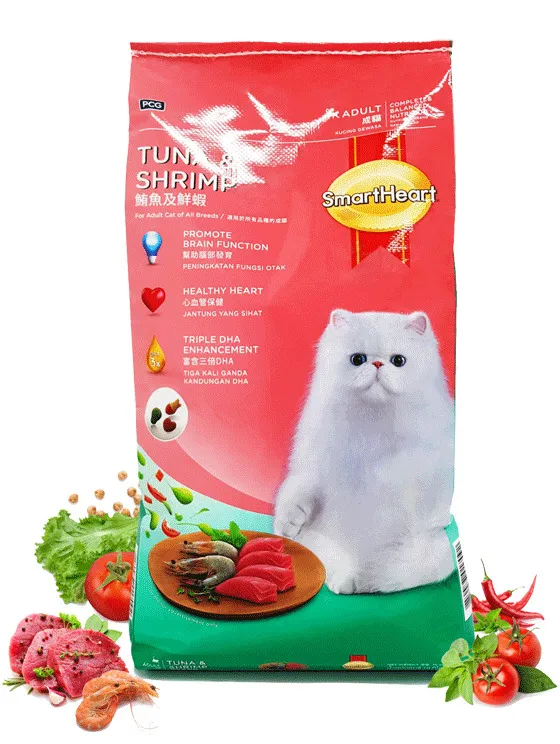
1. Understanding Printed BOPP Woven Bags in Modern Packaging
Printed BOPP Woven Bags sit at a fascinating crossroads in the world of packaging. They merge the structural backbone of woven polypropylene with the visual precision of biaxially oriented polypropylene film, creating a hybrid that is part industrial workhorse, part marketing canvas. They are not flimsy retail pouches, yet they are far more expressive than plain commodity sacks; they are heavy-duty industrial packagings that also speak the language of brands.
At the most basic level, Printed BOPP Woven Bags are woven polypropylene sacks laminated with a printed BOPP film on one or both sides. The woven fabric provides tensile strength and tear resistance, while the outer film enables high-resolution graphics, enhanced moisture resistance and a smooth, cleanable surface. The result is packaging that can carry 5–50 kg or more of product, travel long distances on trucks and ships, and still arrive with intact graphics that command attention.
Across different regions and sectors, this packaging platform appears under multiple aliases, including:
- Printed BOPP Woven Bags
- Printed BOPP Woven Sacks
- Printed Woven Bags
- BOPP Woven Bags
- Printed BOPP woven packaging
- BOPP printed woven sacks
Some names emphasize the printing aspect, others highlight the BOPP lamination or the sack construction. In practice, they all point to the same family of structures: woven polypropylene strengthened and refined by a film layer that carries detailed artwork. When a buyer asks for high-definition Printed BOPP Woven Sacks for fertilizer or pet food, the conversation quickly converges on this laminated, printed woven architecture.
Key mental model: Think of Printed BOPP Woven Bags not as a single, fixed product, but as a configurable platform. By tuning fabric weight, film thickness, ink system, surface finish, bag geometry and closures, converters can build many different solutions on top of the same core concept.
This platform perspective matters because the demands placed on Printed BOPP woven packaging vary widely. A 50 kg cement bag stored outdoors in a humid climate faces a very different risk profile from a 10 kg premium pet food bag displayed in an air-conditioned retail store. Yet both can be served by the same technology family, simply configured with different materials, graphics and technical details.
From a broader packaging-system viewpoint, Printed BOPP Woven Bags help connect multiple domains:
- Materials science, where polymer selection, orientation, barrier layers and additives are engineered.
- Mechanical design, where bag dimensions, bottoms and closures are optimised for filling and stacking.
- Printing technology, where artwork, color management and ink systems transform film into a brand carrier.
- Supply chain and logistics, where robustness, palleting efficiency and handling safety are evaluated.
- Marketing and communication, where graphics, claims and certifications guide buyers and end users.
Because these domains intersect inside every bag, any serious understanding of Printed BOPP Woven Bags must start with their material architecture and then expand outward through their features, manufacturing processes, applications and future directions.
2. Material Architecture of Printed BOPP Woven Bags
The performance of Printed BOPP Woven Bags is not accidental. It emerges from a carefully layered material structure in which each component is optimised for a particular role. Some elements provide strength, some offer barrier performance, some enable print quality, and some exist to make the bag run smoothly on high-speed filling lines. The value of the final package lies in how effectively these materials act together.
2.1 Woven polypropylene base
The structural foundation of most Printed BOPP Woven Bags is a woven polypropylene fabric. Polypropylene is a semi-crystalline thermoplastic with low density, good chemical resistance and a very favourable strength-to-weight ratio when oriented. In tape form, PP can deliver notable tensile strength and tear resistance while remaining relatively lightweight and cost-effective.
In manufacturing, PP granules are melted, extruded into a thin sheet and then slit into narrow tapes. These tapes are stretched at controlled temperatures so that polymer chains align, increasing tensile strength and reducing elongation. After cooling, the oriented tapes are wound on bobbins and fed into circular or flat looms, where they are woven into fabric with a given pick density and tape width.
Typical fabrics for Printed BOPP Woven Sacks fall in the range of roughly 60–110 g/m², with the exact choice depending on bag capacity, drop-test requirements, stacking height and transport conditions. Higher gsm fabric supports higher loads and more aggressive handling, while lower gsm fabric minimises material use and cost. By adjusting tape denier and weave density, converters can fine-tune the balance between strength, stiffness, flexibility and price.
2.2 BOPP film as printable skin
The outer film on Printed BOPP Woven Bags is typically biaxially oriented polypropylene. In BOPP film production, a cast PP sheet is stretched first in the machine direction, then in the transverse direction, and finally heat-set to lock in the orientation. This process increases tensile strength and stiffness, improves clarity and gloss, and enhances moisture barrier properties compared with non-oriented PP.
For printed applications, the surface of the BOPP film is usually treated by corona discharge or flame treatment, which increases surface energy and enables good adhesion of inks and extruded adhesives. Film gauges commonly fall between 15 and 35 microns, with thinner films emphasising cost and flexibility and thicker films supporting a more rigid, premium feel.
Different film variants help tailor the look and function of Printed BOPP Woven Bags:
- Gloss films that maximise shine and photographic impact.
- Matte films that provide a softer, less reflective appearance, often perceived as natural or premium.
- Metallised films that improve light and oxygen barrier for sensitive formulations.
- Textured or low-slip films that enhance grip and stacking stability.
2.3 Extrusion lamination and tie layers
To create a unified laminate, the woven fabric and BOPP film must be bonded together. This is typically achieved via extrusion lamination: a molten curtain of polyethylene or a dedicated tie resin is extruded between the fabric and film just before they enter a chilled nip roll. Pressure and temperature at the nip force intimate contact, and as the molten polymer cools, it solidifies into a thin bonding layer.
The choice of bonding resin and process conditions has multiple consequences for Printed BOPP Woven Bags:
- Bond strength determines whether the laminate will resist delamination under flexing, stacking and impact.
- Flexibility and toughness influence whether the laminate will crack at fold lines or retain integrity over time.
- Heat resistance affects how well the structure tolerates downstream sealing or hot filling operations.
- Compatibility with recycling streams shapes the sustainability profile of the finished bag.
If lamination is poorly controlled, defects such as bubbles, voids, weak spots or excessive curl may appear. These can translate into practical problems: localized leaks, wrinkled graphics, or bags that refuse to stack neatly. High-quality lamination is therefore invisible to the untrained eye but critical to the day-to-day performance of Printed BOPP Woven Sacks.
2.4 Inks, coatings and functional additives
Printing is the most visible aspect of Printed BOPP Woven Bags, yet the chemistry behind that printing is often underestimated. The ink system must wet and adhere to the treated BOPP surface, resist abrasion and blocking, and remain stable under varying humidity and temperature. Historically, solvent-based flexographic and rotogravure inks have dominated, offering rapid drying and strong adhesion. Increasingly, water-based and low-VOC formulations are gaining ground as environmental expectations rise.
Overprint varnishes and coatings add further functionality. Clear gloss coatings can deepen colour and add shine; matte coatings can create contrast or a paper-like feel; abrasion-resistant coats help protect artwork in demanding supply chains. Coatings can also be engineered to tolerate elevated sealing temperatures or to maintain slip properties within narrow ranges that keep bags stable on high-speed conveyors.
Beyond the printed surface, additives and masterbatches embedded in tapes, films or adhesives play quiet yet decisive roles. UV stabilisers protect Printed BOPP Woven Bags during outdoor storage; anti-static packages reduce dust attraction and static discharge risk; slip and anti-block agents improve handling, stacking and unwinding behaviour. Each adjustment at the material level ultimately shows up as a difference in how the bag feels, runs or survives in real-world conditions.
2.5 Optional inner liners and barrier structures
For some products, the standard laminate of PP fabric and BOPP film provides adequate protection. For others – particularly hygroscopic powders, oil-containing feeds, or flavour-sensitive ingredients – additional barrier layers are needed. In those scenarios, Printed BOPP Woven Bags may incorporate a separate inner liner or a co-extruded film with barrier resins such as EVOH.
Inner liners can be loose (in-bag liners) or partially attached at the bottom or sides. They enhance moisture and oxygen protection, reduce aroma loss and prevent migration of oils or additives into the fabric structure. Because the outer shell remains a standard, visually consistent Printed BOPP Woven Bag, a single external design can be combined with different liner configurations to serve multiple product grades or markets.
Material architecture in one sentence: woven polypropylene tapes provide the skeleton, BOPP film provides the skin and face, lamination ties them together, inks and coatings give them a voice, and liners act as armour when extra protection is needed.
3. Functional Features and Performance Advantages
When buyers evaluate Printed BOPP Woven Bags, they rarely ask first about polymer orientation or lamination gauge. They ask about something simpler: Will the bag hold the product safely? Will it keep the contents dry and fresh? Will the graphics look strong in the market? Will the total cost make sense? The technical structure exists only to answer these practical questions.
3.1 Mechanical strength and durability
The woven polypropylene backbone of Printed BOPP Woven Bags delivers a strength-to-weight ratio that surpasses many traditional materials. Properly designed, these bags can resist punctures from sharp granules, maintain integrity during multiple handling cycles and survive long-distance transport under varying loads. Compared with multi-ply paper sacks of similar capacity, laminated woven structures can often achieve the same or better performance with less mass.
Strength is not only about ultimate breaking force. Repeated flexing, stacking on rough pallets, corner impacts during loading and unloading, and minor abrasions over time all stress the bag in different ways. The ability of Printed BOPP Woven Sacks to tolerate this cumulative punishment with minimal failures translates directly into reduced product loss, cleaner warehouses and safer workplaces.
3.2 Barrier protection and product shelf life
Many of the products packed in Printed BOPP Woven Bags are sensitive to moisture, oxygen or contamination. Fertilisers may cake and lose flowability if they absorb water; animal feeds can oxidise, losing flavour and nutritional value; mineral additives and pigments may degrade when exposed to humidity. The BOPP film layer, often complemented by optional liners, provides an effective defence against these threats.
By selecting film thickness, liner composition and seam design appropriately, converters can provide a menu of barrier levels – from standard moisture resistance for robust industrial commodities to more demanding structures for food and feed applications. For buyers, this modular approach means that the same recognisable Printed BOPP woven packaging can be used for both standard and premium formulations, with the internal structure tuned to the needs of each product.
3.3 High-impact print and brand expression
Visually, Printed BOPP Woven Bags offer something few heavy-duty packagings can match: the ability to present photographic imagery, fine typography and complex branding on a rugged, load-bearing container. Eight, ten or even more colours can be combined on flexographic or rotogravure presses to create vivid designs with gradients, shadows and detailed illustrations.
Why does this matter? In a crowded retail aisle, where multiple bags of fertiliser or pet food compete for attention, a brand has mere seconds to be noticed. Strong graphics, consistent colour reproduction and thoughtful layout help products stand out and convey quality. For commodity items sold in bulk, clear and accurate printing still has value: it helps prevent mix-ups on site, communicates application instructions and supports traceability through lot codes and barcodes.
3.4 Operational efficiency and machinability
From the perspective of plant engineers, a good bag is one that runs smoothly on existing filling lines. Printed BOPP Woven Bags can be engineered with stiffness, coefficient of friction and dimensional tolerances designed to support high-speed forming, filling and sealing. Laminated surfaces must be slippery enough to run, but not so slippery that pallets become unstable; gussets and bottoms must open easily yet retain shape under load.
Well-specified Printed BOPP Woven Sacks reduce line stoppages, misfeeds, spillage and rework. When thousands of bags are filled every hour, small differences in runnability can accumulate into significant savings in labour time, maintenance and consumed product.
3.5 Customisation and SKU flexibility
Today’s markets favour variety: multiple flavours, formulations, regional variants and promotional designs. Because the key elements of Printed BOPP Woven Bags are modular, it is relatively straightforward to create families of bags with shared structures but different artwork, dimensions or functional features. A converter can keep the same base fabric and lamination, while printing different designs and adapting bag heights or gusset widths for different weights and markets.
In practical terms, this means: one production platform for many SKUs, one engineering framework for many regional markets, and one recognisable brand look across a complex portfolio of Printed BOPP Woven Bags.
3.6 Economics and sustainability
From a cost perspective, Printed BOPP Woven Bags are not always the cheapest option per unit. Simple unprinted woven sacks or basic paper bags may carry a lower purchase price. However, total cost of ownership tells a different story. When lower product losses, reduced cleaning costs, better pallet utilisation and stronger shelf performance are factored in, high-quality Printed BOPP woven packaging often proves to be economically attractive – especially for branded or value-added goods.
Environmentally, the fact that both the fabric and film are polypropylene-based opens the door to mono-material recycling schemes in markets where such infrastructure exists. Weight savings compared with multi-layer paper-plastic combinations help reduce material consumption per packed kilogram. Additionally, ongoing innovations in thinner films, optimised fabric gsm and more efficient inks are gradually improving the sustainability profile of Printed BOPP Woven Bags.
4. Manufacturing Printed BOPP Woven Bags: From Resin to Ready Bag
The journey from raw polypropylene pellets to finished Printed BOPP Woven Bags involves a chain of tightly connected processes. At each stage, parameters must be controlled to ensure that the final bag performs as intended. High-end manufacturers such as VidePak emphasize that sophisticated equipment – notably from Austrian Starlinger and German W&H – is essential, but only becomes truly valuable when combined with disciplined process control and quality systems.
4.1 Raw material selection and incoming control
The manufacturing process starts long before a single tape is extruded. Virgin PP resin, BOPP films, inks, adhesives and masterbatches must be selected and vetted. For critical components, manufacturers typically require certificates of analysis and perform their own incoming checks. Melt flow index tests verify that PP and PE resins will process consistently; visual and sieve checks look for contamination or gels; dyne level tests confirm that BOPP film surfaces have sufficient energy for reliable printing and lamination.
For Printed BOPP Woven Bags used in food, feed or sensitive chemicals, additional documentation around compliance and migration limits may be required. Rejecting non-conforming materials at the door prevents expensive rework and quality issues later in the process.
4.2 Tape extrusion and fabric weaving
Once raw PP is approved, it enters tape extrusion lines, often supplied by Starlinger. Resin is melted, filtered and extruded through a wide slit die to form a thin sheet. This sheet is rapidly cooled, slit into tapes and stretched in an oven to the desired draw ratio. Parameters such as extruder temperature profile, screw speed, slit width and stretch ratio must be tuned to achieve the target tape thickness, strength and elongation.
The finished tapes are then wound and fed into looms. Circular looms produce tubular fabric; flat looms create flat fabric that may later be shaped into tubes. Loom settings – pick density, warp tension, loom speed – control the gsm and mechanical properties of the fabric. Online monitoring systems detect broken tapes, missing picks and fabric flaws so that defects can be corrected quickly.
The woven fabric that emerges from this stage is the skeleton of Printed BOPP Woven Sacks. If it is inconsistent or under-strength, no amount of later processing can fully compensate. For that reason, many quality programs treat tape extrusion and weaving as critical control points.
4.3 BOPP film printing
In parallel with fabric production, BOPP film is printed. Whether the film is produced in-house or sourced from a specialist, it is loaded onto flexographic or rotogravure presses, often from W&H. Artwork files are converted into printing plates or cylinders, colour separations are managed, and ink formulations are matched to target shades.
During printing, operators pay close attention to register accuracy (the alignment of colours), ink density, dot gain and drying performance. They conduct regular draw-downs and colour checks to ensure that each run of Printed BOPP Woven Bags matches visual standards and prior batches. Because bags from different production runs might be displayed side by side in stores, colour consistency is more than a cosmetic concern; it is essential for brand integrity.
4.4 Extrusion lamination
After printing, the BOPP film and woven fabric converge on an extrusion lamination line. Here, a molten curtain of LDPE or tie resin is extruded between the two substrates as they pass through a nip. Precise control of melt temperature, nip pressure, web tension and chill roll temperature is crucial. Too little pressure or too low a melt temperature may lead to weak bonding; too much can cause warping, shrinkage or excessive curl.
High-quality lamination lines incorporate thickness gauges and bond strength testing routines that help catch defects early. The laminated web that leaves this stage should be flat, free of bubbles and strongly bonded, ready to be transformed into the final form of Printed BOPP Woven Bags.
4.5 Conversion: cutting, forming and finishing
Conversion transforms the laminated web into discrete bags. This stage includes several operations:
- Slitting the wide web into narrower webs corresponding to bag width.
- Cutting the web to length to define bag height.
- Forming tubes by sewing, welding or folding, depending on design.
- Creating bottoms: flat or block-bottom, often with precise folding patterns.
- Adding gussets, easy-open features, carry handles or hanging holes where required.
Each bag dimension – width, length, gusset depth, seam allowance – must be carefully controlled. Inconsistent cutting or sewing can lead to bags that lean, stack poorly or deviate from the required volume. When millions of Printed BOPP Woven Sacks are produced, even small dimensional variations can add up to large discrepancies in pallet patterns and total load heights.
4.6 Final inspection and packing
Before shipment, finished bags undergo final inspection. Dimensional checks, visual inspection for print and lamination defects, tensile and tear tests on samples, and drop tests on filled bags are common. For food-contact or high-risk applications, additional odour tests or migration screening may be performed.
At VidePak, the manufacturing chain is strengthened further by the use of advanced equipment from Starlinger and W&H at key stages – tape extrusion, weaving, printing and lamination. High-end machinery is not a luxury; it is a prerequisite for building consistent, high-performance Printed BOPP Woven Bags at industrial scale.
5. Application Landscape: Where Printed BOPP Woven Bags Create Value
Because they combine strength, barrier protection and high-impact print, Printed BOPP Woven Bags occupy an important niche across many industries. Yet different sectors value different facets of the technology. For some buyers, the primary concern is protecting a sensitive formulation; for others, it is about differentiating a product on a crowded shelf; for yet others, it is about reducing losses in a harsh distribution environment.
5.1 Agriculture, fertilisers and soil inputs
In agriculture, Printed BOPP Woven Bags are widely used for NPK fertilisers, urea, micronutrient blends, seeds and soil conditioners. These products are often dusty, abrasive and sensitive to moisture. Bags must tolerate being stacked high in warehouses, moved by forklift, loaded onto trucks and sometimes stored outdoors.
The barrier function of BOPP film helps slow moisture ingress, reducing caking and maintaining flowability. High-strength fabric resists tearing when pallets shift or sacks are dragged on rough surfaces. At the same time, detailed print allows agribusiness brands to highlight nutrient compositions, application rates and safety precautions clearly, which can support safer and more efficient use in the field.
5.2 Animal feed and pet food
Animal feed and pet food represent another core domain for Printed BOPP Woven Sacks. These products often contain fats, proteins and vitamins that degrade when exposed to oxygen and moisture. Laminated woven bags with inner liners offer the robustness needed for bulk handling while also providing the barrier required to preserve flavour and nutritional quality.
On the consumer side, pet owners frequently make purchasing decisions based on visual cues and perceived quality. High-definition artwork of pets, clear ingredient lists and trust-building claims printed on Printed BOPP Woven Bags play a crucial role in brand storytelling. Functional features such as carry handles, reclosable tops and ergonomic bag shapes further enhance user experience.
5.3 Cement, building materials and industrial minerals
In construction and industrial minerals, packaging must withstand particularly harsh treatment. Cement, gypsum, mortar, tile adhesives and similar materials are heavy, abrasive and frequently handled in rough conditions. Here, the strength and moisture resistance of Printed BOPP Woven Bags provide tangible value.
In high humidity, multi-ply paper sacks can weaken or fail, causing product loss and mess. Laminated woven structures resist such degradation, supporting safer storage and transport. Clear printing of product grade, compressive strength class and setting time on heavy-duty Printed BOPP Woven Sacks also helps contractors and distributors avoid misapplication, which can otherwise be expensive and dangerous.
5.4 Chemicals and specialty powders
Chemical intermediates, pigments, additives and specialty powders require packagings that limit dust release, resist contamination and withstand regulatory scrutiny. Printed BOPP Woven Bags can be equipped with antistatic liners, advanced closures and detailed hazard labelling, helping buyers meet both technical and legal requirements.
Because these products are often high value per kilogram, even small reductions in packaging-related losses can quickly justify investments in better structures. Precise, durable print also ensures that warning symbols, batch numbers and regulatory statements remain legible throughout the product’s journey.
5.5 Consumer and retail products
Finally, in consumer channels, Printed BOPP Woven Bags are used for premium rice, flour, sugar, pulses and other household staples. In these settings, the packaging must accomplish three tasks at once: protect the product, present the brand attractively and feel convenient and trustworthy to the shopper.
Because woven fabrics can support large pack sizes (10–20 kg or more) without tearing, families can buy in bulk while still enjoying retail-grade presentation. For brand owners, the ability to harmonise graphics across multiple formats – from Printed BOPP woven packaging to smaller laminated pouches – supports consistent messaging across channels.
6. Quality and Risk Management: How VidePak Controls Performance
Producing high-performance Printed BOPP Woven Bags at scale is not just a question of buying good machinery. It requires a systematic approach to quality management, from standards-based design to disciplined inspection. VidePak’s strategy can be understood as four mutually reinforcing pillars: adherence to international standards, strict raw material policies, advanced equipment and comprehensive inspections.
6.1 Standards-based design and testing
VidePak designs and validates its Printed BOPP Woven Bags with reference to established frameworks such as ISO, ASTM, EN and JIS, depending on the market and application. These standards define how to measure tensile strength, tear resistance, drop performance, seam integrity, water vapour transmission and, where relevant, food-contact safety.
Why is this important? Without standardised test methods, discussions between buyers and suppliers can become vague. With them, performance targets become measurable and comparable. A buyer can specify that a 25 kg Printed BOPP Woven Sack must survive a certain number of drops from a defined height or must achieve a given puncture resistance under lab conditions. VidePak can then design structures to meet those targets and document the results in a way that regulators and auditors recognise.
6.2 Commitment to virgin raw materials
For critical components such as PP tapes, BOPP film and PE liners, VidePak uses 100% virgin material sourced from reputable producers. While recycled content has clear environmental benefits in some contexts, it can also introduce variability in melt behaviour, mechanical performance and odour. For Printed BOPP Woven Bags intended for food, feed or sensitive chemicals, such variability may not be acceptable.
By insisting on virgin resins for these applications, VidePak reduces the risk of unexpected failures or performance drift across batches. Where recycled content is appropriate – for example, in less demanding industrial uses – it can be deployed in carefully controlled ways that do not compromise safety or reliability.
6.3 Advanced equipment from Starlinger and W&H
The third pillar of VidePak’s quality strategy is investment in advanced lines from Starlinger and W&H. These suppliers are renowned for precision in extrusion, weaving, printing and lamination, as well as for integrated control systems that enable stable processing windows and repeatable results.
In practical terms, these lines bring several advantages to the production of Printed BOPP Woven Bags:
- Stable extrusion conditions that keep tape thickness and mechanical properties within tight limits.
- Efficient, low-defect weaving with automatic detection of broken ends and fabric flaws.
- High-precision printing with excellent registration and colour consistency over long runs.
- Reliable lamination with controlled nip pressure and web handling, reducing defect rates and waste.
6.4 Layered inspections: incoming, in-process, final
The fourth pillar is a layered inspection regime. Raw materials are assessed on arrival; process checkpoints at extrusion, weaving, printing and lamination catch deviations early; final inspections on finished Printed BOPP Woven Bags verify that dimensional, mechanical and visual criteria are met. Sampling plans and acceptance levels are documented, and non-conforming results trigger corrective actions.
Viewed together, these four pillars — standards, virgin materials, advanced machinery and layered inspections — transform the production of Printed BOPP Woven Sacks from a craft into a controlled industrial process. This is how VidePak turns complex material science into dependable daily performance for customers.
7. Printed BOPP Woven Bags in the Packaging Ecosystem
Printed BOPP Woven Bags do not operate in isolation. They interact with filling machines, warehouse layouts, truck dimensions, regulatory frameworks and consumer expectations. A systems perspective helps clarify where these bags add the most value and how they compare with alternatives such as open-top woven bags, multiwall paper sacks or co-extruded film systems.
7.1 Product protection as a system goal
The primary purpose of any package is to protect its contents. For Printed BOPP woven packaging, this means defending products against moisture, oxygen, light (where relevant), mechanical stress and contamination. When product integrity is compromised, every other function — branding, logistics, convenience — becomes secondary.
By combining a strong woven base, a protective BOPP skin and optional liners, Printed BOPP Woven Bags can be tuned to different protection profiles. High-barrier variants can help extend shelf life for sensitive goods; standard variants can provide cost-effective defence for more robust materials. The key is matching structure to risk: a high-value, sensitive ingredient merits a different bag than a basic mineral additive, even if both share the label of “powder.”
7.2 Filling line efficiency and uptime
On the filling line, packaging interacts intimately with equipment. Bags that do not open reliably, do not sit correctly under the filling spout or do not seal cleanly can cause stoppages, spillage and frustration. By specifying parameters such as stiffness, surface friction, tolerances and closure type, Printed BOPP Woven Bags can be optimised for a particular line configuration.
In many plants, a modest investment in better-specified Printed BOPP Woven Sacks reduces unplanned downtime enough to offset the higher unit price. A handful of prevented stoppages per week – each avoiding wasted product and labour – can add up over the lifetime of a packaging program.
7.3 Logistics, storage and presentation
In warehousing and transport, bags become structural elements in stacked units. Consistent dimensions, adequate stiffness and strong seams make it easier to create stable pallets that resist shifting and collapse. Laminated surfaces with controlled slip properties help maintain stack integrity in transit while still allowing workers to reposition bags when necessary.
When these pallets reach retail or trade outlets, the same physical structure becomes a display medium. The faces of Printed BOPP Woven Bags carry brand messages, usage instructions and visual cues. A bag that stacks neatly is easy to merchandise; a bag that fights gravity and refuses to stand makes attractive displays difficult.
7.4 Regulation, safety and sustainability
Regulatory frameworks increasingly shape packaging decisions. Food-contact rules, chemical labelling requirements, extended producer responsibility schemes and recycling targets all influence how Printed BOPP Woven Bags are designed and justified. Detailed, durable printing is needed to display hazard pictograms, language-specific warnings and certification marks; mono-material structures support recycling goals where infrastructure exists.
For buyers seeking a broader view of region-specific adaptations and regulatory considerations, resources such as this overview of regionally optimised BOPP woven bag solutions can help connect technical design choices with local market realities.
8. Technological Evolution and Future Directions
The progression of Printed BOPP Woven Bags from simple utilitarian sacks to sophisticated packaging platforms has been driven by continuous innovation in materials, printing and automation. Understanding this trajectory helps anticipate where the technology is likely to go next.
8.1 From plain sacks to laminated graphics
Historically, woven polypropylene bags emerged as a replacement for jute and other natural-fibre sacks. Early versions were mostly unprinted or carried simple one-colour logos applied directly to the fabric. Their selling points were practical: lower weight, better moisture resistance and improved strength consistency.
As printing technology evolved, basic flexographic prints on woven fabric became common. Later, the introduction of BOPP lamination allowed converters to move printing onto a smooth film surface, dramatically increasing graphic quality. This shift marks the birth of what we now call Printed BOPP Woven Bags – packs that carry detailed artwork while retaining the robustness of woven structures.
8.2 Advances in printing technology
Today, high-definition flexography and rotogravure offer outstanding image quality for Printed BOPP Woven Sacks. Plates or cylinders can reproduce small text, subtle gradients and complex illustrations with striking clarity. Developments in anilox roll technology, photopolymer plates, engraving and digital prepress workflows have collectively raised the standard for what can be printed on BOPP films.
The next frontier is hybrid and digital printing approaches. For some applications, digital presses can produce short runs of Printed BOPP woven packaging with frequent artwork changes, regional variations or personalised elements, without the need for new plates or cylinders. While not yet a universal solution, these emerging options offer brands new ways to experiment and respond quickly to market signals.
8.3 Materials innovation and sustainability
Material science continues to refine both films and fabrics. New BOPP formulations aim for improved toughness at lower gauges, allowing weight reductions without sacrificing performance. Developments in adhesives seek to maintain strong bonds while simplifying recycling. Inks and coatings with lower volatile emissions, higher mileage and better resistance characteristics contribute to cleaner, more efficient production.
Sustainability drives many of these innovations. As regulations and consumer expectations push toward recyclability and reduced environmental impact, designers of Printed BOPP Woven Bags are exploring mono-material solutions, downgauging strategies and more efficient use of additives. While perfect circularity remains challenging, especially in global supply chains with uneven recycling infrastructure, each incremental improvement helps narrow the gap between performance and responsibility.
8.4 Automation, data and process intelligence
Automation is reshaping how Printed BOPP Woven Bags are made. Robotics assist with material handling, roll changes and palletising. Smart sensors monitor tension, temperature, registration and bond strength in real time. Data from these systems feeds into dashboards and analytics tools that help engineers fine-tune settings, predict maintenance needs and reduce waste.
In many plants, this trend is summed up as a move toward highly connected, data-rich production environments. For buyers, the practical consequence is more consistent quality, better traceability and the ability to track how a given batch of bags was produced, from resin lot to printing conditions.
9. Technical Parameters, Selection Framework and Practical Tools
Because Printed BOPP Woven Bags are so configurable, buyers need a structured way to specify what they want. Rather than choosing a design based solely on past habits or unit price, it is more effective to anchor decisions in product properties, risk tolerance, branding strategy and equipment constraints.
Practical question set: What is the density and sensitivity of the product? How long must it remain stable? How aggressive is the distribution environment? What does the filling line look like? What impression should the bag create in the market?
To support these discussions, the table below summarises typical parameter ranges and options for Printed BOPP Woven Sacks.
| Parameter | Typical range / option | Selection notes |
|---|---|---|
| Bag capacity | 5–50 kg (common: 10, 20, 25, 40, 50 kg) | Choose based on dosing system, handling preferences and market expectations. |
| Fabric material | Woven polypropylene (circular or flat) | Circular fabric for tubular constructions; flat fabric for certain side-seamed formats. |
| Fabric gsm | 60–110 g/m² | Higher gsm for heavy or high-drop applications; lower gsm for cost-sensitive products. |
| BOPP film thickness | 15–35 µm | Thicker films enhance stiffness and perceived quality; thinner films reduce weight and cost. |
| Surface finish | Gloss, matte, metallised, textured | Match finish to brand positioning, legibility needs and stacking behaviour. |
| Lamination method | Extrusion lamination with LDPE or tie resins | Higher bond strength for long-distance export or heavy abuse environments. |
| Printing technology | Flexographic, rotogravure, hybrid or digital | Balance artwork complexity, run length, changeover frequency and cost structure. |
| Inner liner | Optional PE, co-extruded PE/EVOH or similar | Use liners for products with higher sensitivity to moisture, oxygen or aroma loss. |
| Additives | UV, anti-static, slip, anti-block | Tailor additive packages to outdoor storage, dust level and line speed. |
| Closure type | Sewn, heat-sealed, pinch-top, drawstring, reclosable | Match closure to filling machine, end-user habits and reclosure needs. |
| Bottom style | Flat, gusseted, block-bottom | Block-bottom designs typically offer better pallet stability and shelf presentation. |
Quick selection tip: start with product risk (sensitivity, value, hazard level), then align bag structure, printing complexity and closure type to that risk profile. Finally, refine aesthetics and tactile qualities of your Printed BOPP Woven Bags to match brand position.
10. Positioning Printed BOPP Woven Bags Among Alternative Formats
In many projects, choosing Printed BOPP Woven Bags is not a binary yes-or-no decision but a comparative one. Buyers evaluate them against open-top PP woven bags, multiwall paper sacks, co-extruded film bags and other formats. Each alternative has its strengths; the question is not which format is universally “best,” but which structure offers the best fit for a specific product and supply chain.
Compared with plain woven bags, Printed BOPP woven packaging adds graphical sophistication and improved moisture resistance while preserving load-bearing capacity. Compared with paper sacks, laminated woven structures improve tear resistance, particularly in humid environments, and can often reduce overall material usage. Compared with film-only bags, they offer superior stiffness and robustness, especially for large formats and heavy fills.
For some buyers, a mixed strategy makes sense: Printed BOPP Woven Sacks for premium or export lines, simpler woven or film structures for cost-sensitive domestic segments. What matters is that these choices are informed by a holistic understanding of the trade-offs involved – not just in packaging cost, but in product protection, operational performance, branding impact and sustainability goals.
In this broader landscape of heavy-duty flexible packaging, Printed BOPP Woven Bags stand out as a particularly versatile and resilient platform. They accommodate a wide spectrum of requirements while maintaining a core structural logic: strong woven tapes, protective and printable film, and a lamination layer that unites them into a single, coherent system.
2025-11-13
- 1. Understanding Printed BOPP Woven Bags in Modern Packaging
- 2. Material Architecture of Printed BOPP Woven Bags
- 3. Functional Features and Performance Advantages
- 4. Manufacturing Printed BOPP Woven Bags: From Resin to Ready Bag
- 5. Application Landscape: Where Printed BOPP Woven Bags Create Value
- 6. Quality and Risk Management: How VidePak Controls Performance
- 7. Printed BOPP Woven Bags in the Packaging Ecosystem
- 8. Technological Evolution and Future Directions
- 9. Technical Parameters, Selection Framework and Practical Tools
- 10. Positioning Printed BOPP Woven Bags Among Alternative Formats
Introduction
In the ever-evolving landscape of packaging, Printed BOPP Woven Bags have carved out a significant niche. Combining the strength of woven polypropylene (PP) with the visual appeal of high-quality printing, these bags serve a multitude of industries—from agriculture to retail. This article explores the historical development of Printed BOPP Woven Sacks, focusing on the technological advancements, material innovations, and cost control strategies that have shaped their production. Additionally, we will look into future trends in automation and technology that promise to revolutionize this sector.
Understanding Printed BOPP Woven Bags
Before diving into the history and future trends, it’s essential to understand what Printed BOPP Woven Bags are and how they differ from traditional woven bags.
- Material Composition: BOPP (Biaxially Oriented Polypropylene) is a type of plastic film that is stretched in both directions to improve its strength and clarity. When laminated onto woven PP fabric, it enhances the bag’s durability and printability.
- Applications: These bags are widely used in packaging agricultural products, food items, chemicals, and consumer goods due to their robustness and aesthetic appeal.
- Visual Appeal: High-resolution printing allows for vibrant colors and detailed images, making these bags not only functional but also effective marketing tools.
Historical Development of Printed BOPP Woven Bags
1. Early Beginnings: The Rise of Polypropylene
The history of BOPP Woven Bags dates back to the 1970s when polypropylene was first commercialized. Initially, woven polypropylene bags were simple, unprinted sacks used mainly for agricultural and industrial applications. However, as the demand for more sophisticated packaging solutions grew, manufacturers began to explore the potential of BOPP film for lamination and printing.
2. Technological Advances in Printing
In the 1980s and 1990s, advances in printing technology dramatically changed the landscape for Printed Woven Bags. Traditional printing methods, like flexography, were enhanced with newer technologies such as gravure and digital printing. These advancements allowed for:
- High-Quality Imagery: The ability to print intricate designs and logos directly onto the bag, increasing brand visibility.
- Color Variety: The incorporation of multiple colors became feasible, appealing to a broader audience.
3. Material Innovation
The introduction of BOPP film marked a significant shift in material science. BOPP is known for its strength, clarity, and resistance to moisture. This film allows for:
- Moisture and Dust Protection: Essential for industries that deal with granular or powdery products.
- Extended Shelf Life: BOPP’s barrier properties help preserve the quality of the contents for longer periods.
4. Cost Control Strategies
As demand for Printed BOPP Woven Sacks increased, manufacturers implemented several cost control measures:
- Bulk Production: Mass production techniques were adopted, reducing the cost per unit.
- Supply Chain Optimization: Collaborating with suppliers to ensure a steady and cost-effective supply of raw materials.
- Waste Reduction: Utilizing advanced machinery that minimizes material waste during the production process.
Current Trends and Future Outlook
1. Automation in Production
With the advent of Industry 4.0, automation is becoming increasingly prevalent in the production of BOPP Woven Bags. Modern manufacturing facilities are integrating:
- Robotic Systems: For tasks such as material handling and packaging, which improves efficiency and reduces labor costs.
- Smart Manufacturing: Utilizing IoT (Internet of Things) devices to monitor production lines, ensuring optimal operation and reducing downtime.
2. Sustainability Concerns
The global shift toward sustainability is influencing the production of Printed Woven Bags. Manufacturers are exploring:
- Recyclable Materials: Developing BOPP films that can be recycled, addressing environmental concerns.
- Eco-Friendly Inks: Utilizing water-based or soy-based inks for printing, reducing the environmental impact.
3. Customization and Flexibility
As consumer preferences become more diverse, the need for customization in Printed BOPP Woven Bags is growing. Manufacturers are:
- Offering Shorter Runs: This enables smaller brands to produce custom-designed bags without incurring excessive costs.
- Enhancing Design Capabilities: Using digital printing technologies that allow for quick changes in designs and branding.
Key Features and Technical Parameters
To better understand the offerings of Printed BOPP Woven Bags, here are some essential technical parameters:
| Feature | Description |
|---|---|
| Material | BOPP laminated woven polypropylene |
| Thickness | Typically ranges from 50 to 120 microns |
| Printing Quality | High-resolution, full-color printing available |
| Strength | Excellent tensile strength, suitable for heavy-duty applications |
| Moisture Resistance | BOPP film provides superior protection against moisture and dust |
| Customization Options | Variety of sizes, colors, and printing designs available |
| Eco-Friendly Options | Recyclable materials and environmentally friendly inks available |
Conclusion
The evolution of Printed BOPP Woven Bags reflects a dynamic interplay of technology, material innovation, and market demand. From their humble beginnings in the 1970s to the sophisticated, highly functional packaging solutions they are today, these bags have undergone significant transformations.
Looking forward, automation and sustainability will play pivotal roles in the future of this industry. As manufacturers strive to meet the challenges of a rapidly changing market, Printed BOPP Woven Bags will continue to evolve, offering consumers a perfect blend of strength, aesthetic appeal, and environmental responsibility.
By embracing these changes, manufacturers can not only enhance their product offerings but also contribute positively to the environment and consumer satisfaction. The journey of BOPP Woven Bags is far from over, and the future promises even greater advancements and innovations in this essential sector of the packaging industry.