
What Are Printed BOPP Woven Bags?
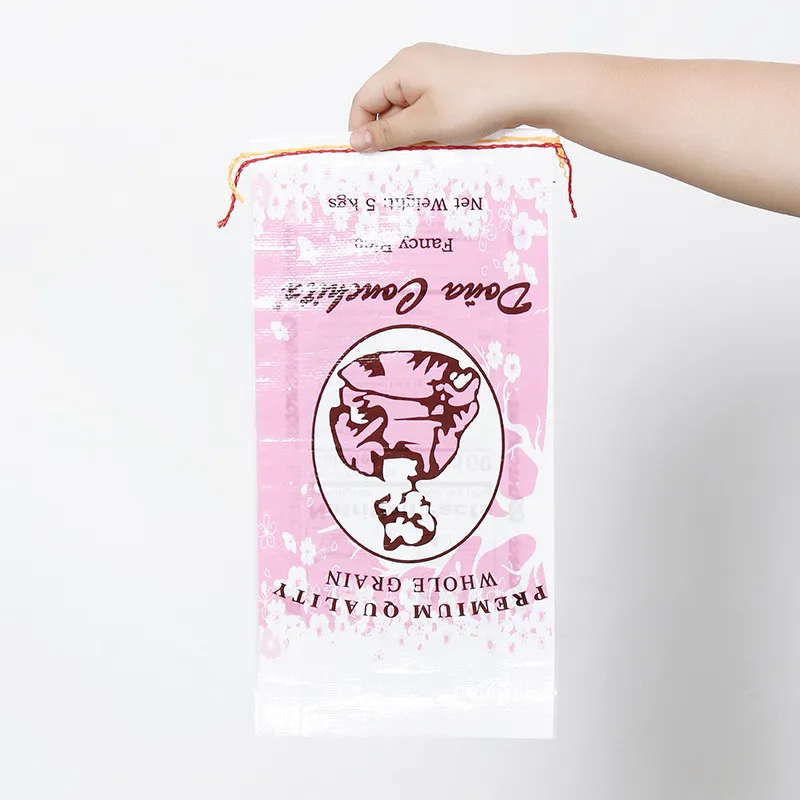
A Printed BOPP Woven Bag is a composite sack that pairs a load‑bearing woven polypropylene (PP) fabric with a reverse‑printed biaxially oriented polypropylene (BOPP) face film, then converts this laminate into open‑mouth or valve formats for dense powders and granules. The woven PP delivers tensile, tear, and puncture strength; the BOPP film protects high‑definition graphics from scuffing and moisture while offering hydrophobic faces and optional matte windows for barcode readability. Combined with engineered mouths and seams—pasted pinch, block‑bottom valve, or sewn‑and‑tape—the result is a package that carries 10–50 kg safely, fills quickly, stacks square, and communicates brand stories that endure real‑world abuse.
- BOPP Laminated Woven Bags
- Printed Woven PP Bags
- BOPP Woven Sacks with Reverse Printing
- Photo‑Grade Woven Polypropylene Bags
- High‑Gloss Printed Woven Sacks
- Matte‑Finish Printed Woven PP Sacks
- Retail‑Ready BOPP Woven Packaging
Why do brands and operations migrate to Printed BOPP Woven Bags? Three demands converge: mechanical survival, visual storytelling, and operational reliability. Bags must endure corner drops, forklift rubs, and humid yards; they must display photo‑grade imagery that does not abrade; and they must scan on the first try in mixed‑lighting warehouses. A woven PP backbone supplies the muscle, the BOPP film locks in the art, and a leak‑disciplined seam system keeps fines inside. In short: strength without excess mass, beauty without fragility, and speed without mess.
The Materials Behind Printed BOPP Woven Bags (Architecture, Constituents, Cost/Benefit)
A Printed BOPP Woven Bag is not a monolith; it is a negotiated stack. Every layer must justify itself—adding measurable strength, barrier, optics, machinability, or safety. The guiding principle is pragmatic: keep a mono‑polyolefin interior when possible (PP fabric + PP‑friendly ties + PE/PP liners) to simplify end‑of‑life, then introduce paper plies or specialty films only when they change outcomes such as stiffness, optics, or abrasion resistance.
Woven PP (raffia‑style) begins as extruded tapes slit from virgin polypropylene, drawn for tenacity, and woven on circular or flat looms to a target GSM—typically 60–100 g/m² for 10–50 kg sacks, higher for abrasive or export‑severe lanes. This fabric is the skeleton that resists tensile loads, tears, punctures, and flex‑fatigue. It tolerates splash‑and‑dry cycles, holds crease memory for crisp block‑bottom shapes, and presents a stable base for coating and lamination.
Cost lens: The cheapest gram is the gram you do not add. Instead of escalating GSM, greater returns often come from seam architecture, face selection, valve design, and coefficient of friction (COF) tuning that prevent rewraps, slips, and sift‑related claims.
BOPP is a clear, biaxially oriented PP film that accepts high‑resolution reverse printing. After lamination, inks sit behind the film, protected from scuffing and rain. Gloss grades deliver depth and “wet look” on shelf; matte variants control glare and invite touch; hybrid panels combine matte barcode windows with gloss hero imagery. Because BOPP is hydrophobic, faces shed moisture and preserve art, while properly reserved matte zones keep scanners happy.
Solventless polyurethane systems or PP‑friendly extrusion tie coats create the bond between film/paper and fabric. Targets: peel and shear strength, low residuals for odor discipline, curl control across humidity swings, and long‑run register stability. Balanced laydown and tuned nip temperatures prevent the dreaded “potato‑chip” curl that complicates tubing.
PE/PP mono films in 25–70 μm—or co‑ex structures where oxygen/aroma control matters—serve as inner guardians. Formats include loose‑insert liners for sewn builds, form‑fit liners that preserve cube in block‑bottom bricks, and pre‑sealed tube liners for valve bags. Liners set WVTR/OTR windows, isolate oils and odors, and enable hygienic heat sealing that survives long voyages.
Pasted pinch bottoms remove needle holes and yield premium bricks; block‑bottom valve (BBV) formats allow high‑speed, dust‑disciplined filling with sleeves sized to nozzle OD and closed thermally or ultrasonically; sewn + tape remains a pragmatic workhorse—crepe/hot‑melt seam tapes seal perforations and reduce capillary wicking while stitch density (SPI) and hem depth are tuned to pass the drop matrix.
Reverse‑printed gravure or HD‑flexo inks deliver photography‑grade imagery. Edge varnish protects high‑rub zones while code windows remain unvarnished. Micro‑embossed matte stripes can raise COF without dulling art—striking a balance between conveyor flow and pallet stability.
Prefer mono‑polyolefin interiors for simpler recycling pathways. Add paper or specialty films only when they measurably improve stiffness, shelf optics, or route survival. Every gram must prove its worth in speed, safety, or survival.
What Are the Features of Printed BOPP Woven Bags?
Reverse‑printed imagery is locked beneath a BOPP shield, resisting rub, rain, and UV fade. Matte windows over codes prevent glare‑driven scan failures while the rest of the panel can shine.
Woven PP carries the load through forklift rubs and corner drops; BOPP adds face durability without turning the pack into a slippery brick. Together they hold shape, keep seams tight, and protect contents.
Lamination lowers WVTR; liners, where specified, lock in aroma and protect hygroscopic powders against caking across humid routes.
Textured stripes or matte panels add grip where it matters; block‑bottom geometry makes brick‑like stacks; consistent footprint turns pallets into stable modules for container cube.
Valve sleeves sized to spouts, engineered micro‑perfs, and thermal or ultrasonic closures curb blowback and post‑transport leaks. On sewn builds, seam tapes plus tuned SPI reduce sifting.
With PP fabric plus PP‑family films and ties, Printed BOPP Woven Bags support PP‑oriented collection streams where available, while clear material ID aids sorting.
What Is the Production Process of Printed BOPP Woven Bags?
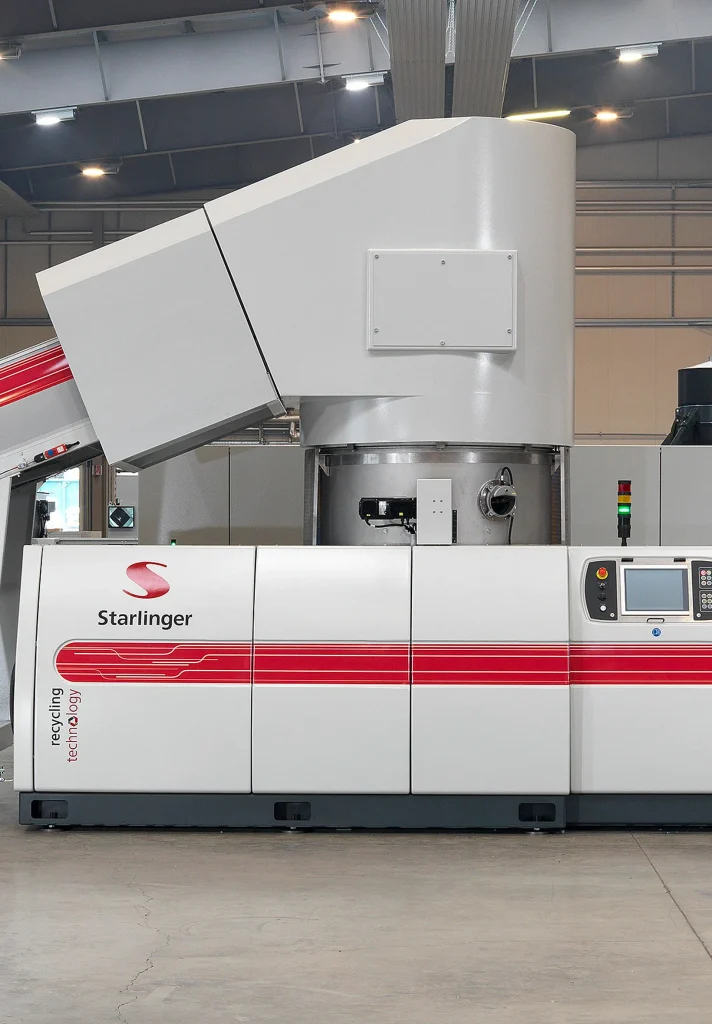
VidePak anchors production on European benchmarks: Austrian Starlinger for extrusion, tape orientation, weaving, and extrusion coating; German Windmöller & Hölscher (W&H) for high‑fidelity printing and lamination. Wrapped around these assets is a HACCP/GMP‑inspired discipline—SOPs, SPC, AQL, and DFMEA—that turns tight tolerances into predictable outcomes across long runs.
- PP resin: melt‑flow distribution, isotacticity, Karl Fischer moisture, gel count, odor/ash; lots bar‑coded for cradle‑to‑pallet traceability.
- Woven fabric: GSM and pick balance; porosity prior to coat/lam; broken‑end Pareto; flatness for lamination readiness.
- BOPP film: gauge uniformity, haze/gloss, dyne ≥ 38 dyn/cm for adhesion, dart impact; SIT mapping for valve closures.
- Adhesives/tie layers: viscosity, solids, pot life; peel and shear after pilot laminations; curl checks under humidity cycles.
- Inks/varnishes: rub resistance, ΔE color targets, reserve masks for codes, residual solvent limits for food‑adjacent builds.
- Threads/tapes/valves: fiber identity, tenacity, sleeve stiffness and ID tolerance; hem depth guidance by drop matrix severity.
- Tape extrusion/orientation: cast → slit → draw → anneal; controls: denier uniformity, tape width, crystallinity (DSC), tensile/elongation.
- Weaving: circular/flat looms hold GSM and picks; broken‑end logs guide maintenance; flatness and pick balance prepare the web for coating/lamination.
- Surface treatment: corona/plasma elevates dyne levels for reliable anchorage; energy delivery is logged by reel ID.
- Coating/lamination: extrusion coats (PP/PE) close pores; reverse‑printed BOPP is laminated via solventless PU or PP‑friendly ties; poly‑paper routes laminate kraft to coated fabric for paper‑like optics without sacrificing wet toughness.
- Printing: W&H flexo/gravure meets ΔE targets; matte code windows are reserved; edge varnish protects high‑wear zones while keeping codes readable.
- Tubing/forming: cutting, gusseting, block‑bottom formation; bevel trims reduce notch starters; valve sleeve fabrication and insertion on‑register.
- Mouth/closure engineering: pasted pinch removes needle holes; thermal/ultrasonic valve seals lock dust; sewn + tape builds tune SPI and hem depth to pass the drop matrix.
- Liner insertion and sealing: loose‑insert for sewn builds; form‑fit liners heat‑sealed at SIT for bricks; antistatic performance verified for dusty lanes.
- De‑aeration maps: hot‑needle or laser micro‑perfs placed away from rain paths and code zones; density matched to PSD, bulk density, and BPM.
- In‑line inspection and baling: vision checks for register, code legibility, and seam patterns; automatic counting and compression balers create uniform, traceable bales.
- Mechanical: tensile/tear/burst; multi‑orientation drops (e.g., 5× at 0.8–1.2 m) matched to lane severity; seam/valve peel to spec.
- Functional: leak/tightness yield; COF window (0.30–0.45) balancing conveyor flow against pallet stability; stack creep; label rub and barcode grade.
- Barrier: WVTR/OTR for laminated/linered builds; condensation‑cycle checks for container routes; hydrostatic splash/dry recovery on faces.
- Traceability: cradle‑to‑pallet data link resin, films, inks, and process cells to bale labels; retained swatches and samples archived.
- Equipment pedigree: every order rides on Starlinger + W&H stability—benchmarks for register fidelity and bond control.
What Is the Application of Printed BOPP Woven Bags?
Printed BOPP Woven Bags excel where density is high, route conditions are unforgiving, and shelf storytelling matters.
Clear windows draw shoppers; hydrophobic faces resist humidity; reverse‑printed graphics endure rub; matte barcode lanes prevent glare at intake.
Composite skins protect kibbles and chunks; aroma retention improves with liners; artwork remains photo‑grade through distribution.
UV‑stable faces tolerate yard storage; matte stripes lift COF; valve formats speed fills in dusty plants while curbing blowback.
Laminated faces keep pellets clean; seams/valves are validated for sifting; WMS codes stay scannable in mixed lighting.
How VidePak Controls and Guarantees the Quality
ISO/ASTM/EN/JIS methods govern tensile, tear, burst, drop/topple, COF, WVTR/OTR, print adhesion, seam/valve peel; SOPs, SPC, and PPAP‑style validations on request.
Virgin PP resin, accredited films/liners, low‑odor inks/adhesives, and certified kraft when used; lot‑level barcoding and automatic quarantine for out‑of‑spec inputs.
Austrian Starlinger for extrusion/weaving/coating; German W&H for printing/lamination/converting—benchmarks for register and bond stability across long runs.
Incoming → in‑process → outgoing checks; CAPA routines and retained swatches/samples for forensic reference and mock recalls.
Systems Thinking: From Sub‑Problems to a Coherent Specification
Success with Printed BOPP Woven Bags comes from solving smaller, measurable problems, then recombining the answers into one pilot‑ready spec.
- Intake constraints across physics, climate/storage, warehouse cube, and brand/compliance.
- Shortlist concepts: coated fabric + reverse‑printed BOPP + pasted pinch; valve build with thermal closure + engineered perf map; hybrid matte/gloss panel with form‑fit liner for abrasion‑heavy routes.
- DFMEA: rank seam pull‑through, needle‑hole sifting, delamination, code glare, stack slump, moisture caking.
- Pilot: 500–2,000 bags on the real filler; instrument BPM, dust ppm, leak tests, WVTR/OTR, scan grades, pallet creep.
- Finalize: lock fabric GSM, face construction, liner gauge, mouth/closure, perf map, COF window, UV hours, QA plan.
- Scale: SPC on denier/picks, bond, register, seam tensile; AQL sampling; retained swatches and samples.
- Review: down‑gauging trials; recycled‑content pilots (non‑contact layers first); artwork governance and seasonal ΔE checks.
Decoupling lets each sub‑problem find its optimal lever; recombination yields a specification that is fast to fill, tight on moisture, reliable on scanners, and predictable on pallets.
Technical Parameters and Windows (Reference Tables)
Case‑Style Scenarios
Gloss faces delight retail but glare can trip scanners. Hybrid panels—matte barcode windows + gloss hero imagery—resolve the tension. Edge varnish reinforces high‑rub zones; ΔE control protects brand color across seasons.
Container moves abrade faces; fragrance fades. Reverse‑printed BOPP at 30–35 μm, localized edge varnish, a form‑fit 50–60 μm liner, and thermal valve closure retain both art and aroma.
Outdoor dwell softens faces; pallets slump. Add anti‑slip stripes to lift COF, UV‑stabilize outer stacks, reposition micro‑perfs away from rain paths, and tune COF to ~0.35–0.40.
Sizing, Palletization, and Logistics
- Work backward from bulk density × target mass; leave headspace for de‑aeration and closure geometry.
- Favor block‑bottom for brick stacks; tune COF and wrap tension; interlayers help with very smooth laminates.
- Model container loads with realistic tolerances; small footprint shifts (e.g., 90 → 95 cm) often unlock full rows.
- Keep barcode windows matte and free of flood varnish; maintain retained swatches for ΔE control across plants and seasons.
- Validate pallet drop/topple and stack creep across wet/dry or chilled/condensing cycles as routes demand.
Purchasing Checklist
- Product physics: PSD, angle of repose, bulk density (loose/tapped), hygroscopicity, fines content, oil/odor.
- Filling/closing: nozzle OD, target BPM, de‑aeration path, acceptable dust ppm, discharge heel, closure preference.
- Warehouse/container: pallet size, stack height, wrap recipe, container cube goals, floor COF.
- Climate/route: UV hours, humidity/temperature cycles, outdoor dwell, handling shocks, cold‑to‑warm transitions.
- Brand/compliance: labeling norms, ΔE tolerance, barcode/QR specs, hazard pictograms, serialization.
- Sustainability: mono‑polyolefin interiors, down‑gauging targets, recycled‑content pilots (non‑contact layers first).
- Performance windows: WVTR/OTR caps, drop/leak/COF targets, valve peel, bond strength, barcode grade.
Troubleshooting Matrix
Example Integrated Specifications
- Body: woven PP 80–90 g/m² with white MB for color fidelity.
- Face: BOPP 25–30 μm; gloss hero panel; matte barcode window.
- Closure: pasted pinch with tamper evidence.
- Liner: optional 40–50 μm PE for aroma retention.
- Perf: low‑density micro‑perfs away from windows and hero art.
- QA: drop 5× at 1.0–1.2 m; ISO/IEC code grade B+; ΔE ≤ 2.5.
- Body: woven PP 85–95 g/m²; antistatic MB.
- Face: BOPP 30–35 μm hybrid with edge varnish; matte code lane.
- Closure: block‑bottom valve with thermal seal.
- Liner: form‑fit 50–60 μm PE barrier.
- QA: WVTR verified under condensation cycles; COF 0.35–0.40; leak ≤ 0.3%.
- Body: woven PP 100–110 g/m²; UV stabilized.
- Face: BOPP 25–30 μm with micro‑emboss anti‑slip stripes.
- Closure: valve build with ultrasonic seal.
- Liner: 60 μm PE barrier; SIT tuned to closure.
- QA: stack creep limits validated; barcode B or better under glare.
- Body: woven PP 80–85 g/m²; high flatness for lamination.
- Face: BOPP 25–30 μm matte to maximize scanner reliability.
- Closure: pasted pinch; optional reclosable tape for sampling.
- Perf: none (pellets); rely on valve geometry if required.
- QA: pallet topples passed; forklift rub tests; first‑scan ≥ 98%.
Comparative Options and Connected Use‑Cases
For a stage‑by‑stage view of how quality is architected in BOPP‑laminated systems, see quality at every stage.
When speed, hygiene, and leak discipline converge, explore block‑bottom valves and seaming technologies.
For cement, gypsum, and dry mortar, review multi‑wall woven options tailored to site realities.
Where shelf hand‑feel and stiffness matter, scan kraft paper laminated practices.
When payloads scale or cold chains complicate handling, evaluate FIBC/Jumbo formats.
For high‑throughput lines with roll‑fed equipment, consider FFS woven bag innovations.
To align material choices with perception and policy, see recyclable PP brand dynamics.
- What Are Printed BOPP Woven Bags?
- The Materials Behind Printed BOPP Woven Bags (Architecture, Constituents, Cost/Benefit)
- What Are the Features of Printed BOPP Woven Bags?
- What Is the Production Process of Printed BOPP Woven Bags?
- What Is the Application of Printed BOPP Woven Bags?
- How VidePak Controls and Guarantees the Quality
- Systems Thinking: From Sub‑Problems to a Coherent Specification
- Technical Parameters and Windows (Reference Tables)
- Case‑Style Scenarios
- Sizing, Palletization, and Logistics
- Purchasing Checklist
- Troubleshooting Matrix
- Example Integrated Specifications
- Comparative Options and Connected Use‑Cases
- 1. High-Density Packaging Demands and BOPP’s Superiority
- 2. Ergonomic Designs for Efficient Handling
- 3. Technical Specifications and Customization Options
- 4. FAQs: Addressing Procurement Concerns
- 5. VidePak’s Global Leadership in Packaging Innovation
- References
- What Are Printed BOPP Woven Bags?
- The Fine Filament Technology
- Benefits of Printed BOPP Woven Bags
- Applications of Printed BOPP Woven Bags
- Fine Filament Weaving: The Key to Better Packaging
- Conclusion
In industries demanding unparalleled durability, precision, and adaptability, BOPP (biaxially oriented polypropylene) woven bags have emerged as the cornerstone of modern high-density packaging. With over 30 years of expertise, VidePak has pioneered solutions that reduce material waste by 18–22%, enhance load capacity by 30%, and streamline logistics through innovative designs like valve and block-bottom configurations. Our data reveals that businesses using BOPP woven bags achieve a 25% reduction in packaging-related costs and a 40% improvement in supply chain efficiency. For instance, a European chemical distributor reported zero seam failures after switching to VidePak’s laminated BOPP valve bags with 150 g/m² fabric and 20-micron BOPP coatings.
1. High-Density Packaging Demands and BOPP’s Superiority
BOPP woven bags excel in high-density applications due to their unique material properties and structural adaptability. Key advantages include:
- Tensile Strength: 40–50 N/cm², enabling safe transport of abrasive materials like cement or metal scraps.
- Moisture Resistance: Laminated BOPP layers achieve ≤0.3% permeability, critical for hygroscopic products like fertilizers.
- Customizability: Multi-color printing with 150-line/inch resolution ensures brand visibility while meeting regulatory labeling requirements.
VidePak’s Austrian Starlinger circular looms and 30+ lamination machines enable production of 8 million bags monthly, serving clients in 50+ countries. Our block-bottom BOPP bags, for example, combine 180 g/m² PP fabric with heat-sealed bases, supporting 1,500 kg loads without deformation—ideal for automated palletizing systems.
2. Ergonomic Designs for Efficient Handling
A. Valve Bags: Precision in Filling and Sealing
Valve designs eliminate manual closure, reducing filling time by 35%. VidePak’s pasted valve bags feature:
- Anti-Static Liners: Carbon-coated layers dissipate charges, preventing explosions in flammable powder handling.
- Automation Compatibility: Precision-cut valves align with pneumatic filling systems, achieving 99.9% dust containment.
A U.S. pet food manufacturer reduced spillage by 28% using our BOPP laminated valve bags with 0.25 mm thickness and FDA-compliant inks.
B. Block-Bottom Bags: Stability and Space Optimization
Block-bottom designs enable freestanding storage, maximizing warehouse space utilization. Key specifications:
- Reinforced Gussets: 10 cm seam allowances withstand 2,000 kg dynamic loads.
- Printing Durability: UV-resistant inks maintain clarity under prolonged sunlight exposure.
VidePak’s customizable block-bottom FIBC bags are widely adopted in construction waste management, offering a 0.02% leakage rate under ASTM D7386 testing.
3. Technical Specifications and Customization Options
Critical Parameters
| Feature | Range | Application Example |
|---|---|---|
| Fabric Weight | 80–200 g/m² | 100 g/m² for grains; 200 g/m² for industrial powders |
| BOPP Thickness | 15–30 microns | 20 microns for UV protection; 30 microns for chemical resistance |
| Load Capacity | 500–2,000 kg | 1,500 kg baffled FIBC for construction debris |
| Closure Types | Sewn, heat-sealed, valve | Heat-sealed for food safety; valve for automated filling |
VidePak’s Production Capabilities
- 100+ Circular Looms: Output 10,000 bags/hour with ±0.5 mm dimensional accuracy.
- ISO 9001 & 22000 Certification: Guarantees compliance with EU REACH and FDA standards.
- MOQ Flexibility: Orders as low as 5,000 units, with 10–14-day turnaround for bulk orders.
4. FAQs: Addressing Procurement Concerns
Q1: Are VidePak’s BOPP bags recyclable?
Yes. Our bags incorporate 30% recycled PP content and comply with ISO 14001 sustainability protocols.
Q2: How do valve bags prevent contamination during filling?
VidePak’s anti-dust valve technology uses electrostatic filters to capture 99.5% of particulates, as validated by a German chemical supplier’s audit.
Q3: What is the lifespan of BOPP laminated bags in humid environments?
With 25-micron BOPP layers, bags resist moisture for 18–24 months, as proven in Southeast Asian rice export trials.
5. VidePak’s Global Leadership in Packaging Innovation
Founded in 2008 under CEO Ray’s leadership, VidePak has grown into an $80 million enterprise with 568 employees. Our 16 extrusion lines produce virgin PP granules, while 30 printing machines deliver photorealistic branding. A recent partnership with a Brazilian agribusiness showcased a 40% reduction in transport costs using our lightweight BOPP woven bags (90 g/m²) for soybean storage.
References
- VidePak Official Website: BOPP Laminated Woven Bags
- Industry Insights: Valve Bag Design and Automation
- Contact: info@pp-wovenbags.com
By merging cutting-edge engineering with ergonomic design, VidePak redefines high-density packaging for industries worldwide. Explore our valve bag solutions or custom block-bottom FIBC designs to elevate your logistics efficiency.
- What Are Printed BOPP Woven Bags?
- The Materials Behind Printed BOPP Woven Bags (Architecture, Constituents, Cost/Benefit)
- What Are the Features of Printed BOPP Woven Bags?
- What Is the Production Process of Printed BOPP Woven Bags?
- What Is the Application of Printed BOPP Woven Bags?
- How VidePak Controls and Guarantees the Quality
- Systems Thinking: From Sub‑Problems to a Coherent Specification
- Technical Parameters and Windows (Reference Tables)
- Case‑Style Scenarios
- Sizing, Palletization, and Logistics
- Purchasing Checklist
- Troubleshooting Matrix
- Example Integrated Specifications
- Comparative Options and Connected Use‑Cases
- 1. High-Density Packaging Demands and BOPP’s Superiority
- 2. Ergonomic Designs for Efficient Handling
- 3. Technical Specifications and Customization Options
- 4. FAQs: Addressing Procurement Concerns
- 5. VidePak’s Global Leadership in Packaging Innovation
- References
- What Are Printed BOPP Woven Bags?
- The Fine Filament Technology
- Benefits of Printed BOPP Woven Bags
- Applications of Printed BOPP Woven Bags
- Fine Filament Weaving: The Key to Better Packaging
- Conclusion
Printed BOPP woven bags have rapidly gained popularity in a range of industries, from agriculture to construction, due to their durability, customizability, and cost-effectiveness. These bags are constructed using Biaxially Oriented Polypropylene (BOPP) film laminated onto woven polypropylene (PP) fabric, which offers a perfect blend of strength, visual appeal, and environmental resistance. In this blog, we will explore how printed BOPP woven bags are produced using fine filament technology, highlighting the benefits this brings to the packaging process in terms of strength, aesthetics, and functionality.
What Are Printed BOPP Woven Bags?
Printed BOPP woven bags are high-strength packaging solutions made from woven polypropylene fabric that is laminated with a BOPP film. The BOPP film not only provides an excellent printing surface but also enhances the bag’s durability by offering moisture resistance and UV protection. This makes these bags ideal for products like animal feed, fertilizers, grains, chemicals, and other bulk materials.
The key feature that distinguishes printed BOPP woven bags from other packaging materials is their ability to display high-quality, full-color graphics on the exterior. This visual appeal makes them a popular choice for companies seeking to enhance their brand’s visibility on retail shelves.
The Fine Filament Technology
A significant advancement in the manufacturing of BOPP woven bags is the use of fine filament technology. This process involves creating much thinner, stronger threads or filaments of polypropylene, which are then woven into the fabric used to make the bags. Let’s dive into how this technology works and why it’s so beneficial.
How Fine Filament Technology Works
In traditional woven bag production, thicker polypropylene tapes are extruded and woven to form the fabric. Fine filament technology, however, reduces the diameter of these tapes, creating thinner, more densely packed threads that still retain the material’s tensile strength.
- Extrusion Process: The process begins with the extrusion of PP resin into thin tapes or filaments. Fine filament technology allows the production of tapes that are as thin as a fraction of a millimeter.
- Weaving: These fine filaments are then woven using circular or flat-weaving looms to create a highly dense and uniform fabric.
- Lamination: The woven fabric is laminated with a BOPP film, which not only adds waterproofing and UV protection but also serves as a printable surface for detailed, high-quality graphics.
- Printing: Advanced rotogravure printing techniques are often used to produce vibrant and detailed images on the BOPP surface, allowing for customized designs that enhance brand visibility.
Advantages of Fine Filament Technology
The fine filament approach offers several key benefits compared to traditional manufacturing methods:
- High-Density Weaving: The fine threads enable a more compact weave, improving the bag’s strength and resistance to punctures or tears.
- Enhanced Tensile Strength: Despite the thinner filaments, the woven structure has excellent tensile strength, allowing the bags to withstand heavy loads and rough handling.
- Improved Appearance: The denser weave results in a smoother and more uniform surface, enhancing the clarity and vibrancy of printed graphics.
- Better Load Distribution: Due to the tight weave, these bags distribute the weight of their contents more evenly, reducing the risk of bag failure during handling or transportation.
| Parameter | Description |
|---|---|
| Material | Woven polypropylene + BOPP lamination |
| Weave Density | High-density fine filament |
| Printing Method | Rotogravure printing |
| Tensile Strength | Up to 60 KN/m (varies by bag type) |
| Water Resistance | Enhanced by BOPP lamination |
| UV Protection | Up to 6 months for outdoor exposure |
Benefits of Printed BOPP Woven Bags
Printed BOPP woven bags offer an array of advantages, making them an ideal choice for businesses across multiple industries.
1. Customization for Brand Promotion
One of the most notable benefits of BOPP woven bags is their ability to be fully customized. The BOPP film layer is perfect for high-resolution printing, which allows brands to add logos, product information, and vibrant designs that stand out on retail shelves.
Whether you need simple logos or intricate full-color designs, the printing process ensures durability and resistance to smudging or fading over time. This level of customization makes these bags ideal for companies looking to strengthen their brand presence.
2. Strength and Durability
Thanks to fine filament weaving, BOPP woven bags are highly durable. They can easily withstand harsh environmental conditions, heavy loads, and rough handling during transportation and storage. The woven structure ensures that even when packed with heavy materials, these bags maintain their integrity without tearing.
3. Water and Moisture Resistance
The BOPP lamination creates a protective barrier against water, making these bags suitable for packaging products that need to stay dry, such as grains, fertilizers, or chemicals. The water resistance also makes them ideal for outdoor storage, ensuring that the contents remain safe even in adverse weather conditions.
4. Cost-Effective
Compared to traditional paper or plastic packaging, BOPP woven bags offer a more cost-effective solution. Their durability reduces the likelihood of bag failure, minimizing the cost of damaged goods. Additionally, the lightweight nature of woven polypropylene reduces shipping costs, while the ability to reuse the bags further adds to their economic value.
5. Environmental Friendliness
BOPP woven bags are fully recyclable. While they are durable and reusable, once they reach the end of their lifecycle, the polypropylene material can be recycled, reducing environmental impact. This is an important consideration for businesses looking to enhance their sustainability efforts.
Applications of Printed BOPP Woven Bags
Printed BOPP woven bags are used in various industries where strength, durability, and visual appeal are essential. Some common applications include:
- Agriculture: BOPP woven bags are widely used to store and transport grains, seeds, and animal feed. The moisture resistance and strength make them perfect for agricultural products.
- Chemicals: Chemical products like fertilizers, powdered chemicals, and building materials benefit from the leakproof and durable nature of these bags.
- Construction Materials: The durability of BOPP woven bags makes them ideal for carrying heavy construction materials like cement, sand, and gravel. The high-tensile strength ensures the bags don’t tear under pressure.
- Retail Packaging: With their ability to feature high-quality printed graphics, these bags are also used in retail packaging to enhance brand visibility and appeal.
| Industry | Application | Advantages |
|---|---|---|
| Agriculture | Seeds, grains, animal feed | Moisture-resistant, durable, customizable |
| Chemical | Fertilizers, powders | Leakproof, UV resistant, high tensile strength |
| Construction | Cement, sand, gravel | Heavy-duty, tear-resistant |
| Retail | Consumer products | Custom branding, strong graphics display |
Fine Filament Weaving: The Key to Better Packaging
The fine filament technology used in producing BOPP woven bags not only improves the performance of the packaging but also offers a range of aesthetic and functional benefits. By reducing the diameter of the polypropylene threads, manufacturers can create woven fabric that is:
- Smoother: The finer threads result in a smoother fabric surface, which enhances the printing quality and clarity of designs.
- More Flexible: The thinner filaments make the fabric more flexible without compromising strength, making it easier to handle and store.
- Stronger: Despite their finer size, the threads maintain a high tensile strength, resulting in a bag that can handle heavier loads with less risk of tearing.
Why Fine Filament Weaving Matters
- Enhanced Printing Surface: The smoother surface provided by fine filament weaving allows for higher-quality printing, ensuring that logos, product names, and designs are crisp and vibrant.
- Increased Load Capacity: The high-density weave produced by fine filaments distributes weight more evenly, allowing the bags to hold heavier materials without sagging or tearing.
- Improved Aesthetic Appeal: The fine, dense weave gives the bags a more refined look, making them suitable for high-end products that require attractive packaging.
Conclusion
Printed BOPP woven bags represent a significant advancement in the world of packaging, offering a combination of strength, durability, and customizability. With the use of fine filament weaving technology, these bags provide enhanced tensile strength and improved aesthetic appeal, making them ideal for a range of industries. Whether it’s agricultural products, chemicals, or construction materials, businesses can benefit from the high-quality printing and leakproof features these bags offer.
As companies continue to prioritize sustainability and durability in their packaging choices, printed BOPP woven bags stand out as a versatile, cost-effective solution that meets the needs of modern packaging while ensuring brand visibility.