
Scope, Orientation, and Why These Two Formats Matter
Packaging in industrial supply chains is not a decorative afterthought but a kinetic system that governs fill speed, transit loss, shelf life, and scan reliability. In that system, two stalwarts do most of the heavy lifting: Aluminum Foil Composite Bags and Woven Bags. The former rules whenever oxygen, moisture vapor, or light is the enemy; the latter rules where forklifts, clamp trucks, rough floors, and high-speed valve fillers set the tempo. What follows is a practical, technical, and strategic expansion that reframes a routine purchasing choice as an engineering decision with measurable consequences.
What Are Aluminum Foil Composite Bags and Woven Bags?
Aluminum Foil Composite Bags are multilayer laminates that integrate an aluminum foil core—typically between PET/PA and PE seal webs—to deliver ultra-low oxygen and moisture vapor transmission plus absolute light block. These structures are favored for oxygen- or aroma-sensitive goods, photolabile contents, pharmaceutical intermediates, and premium powders that demand long, predictable shelf life.
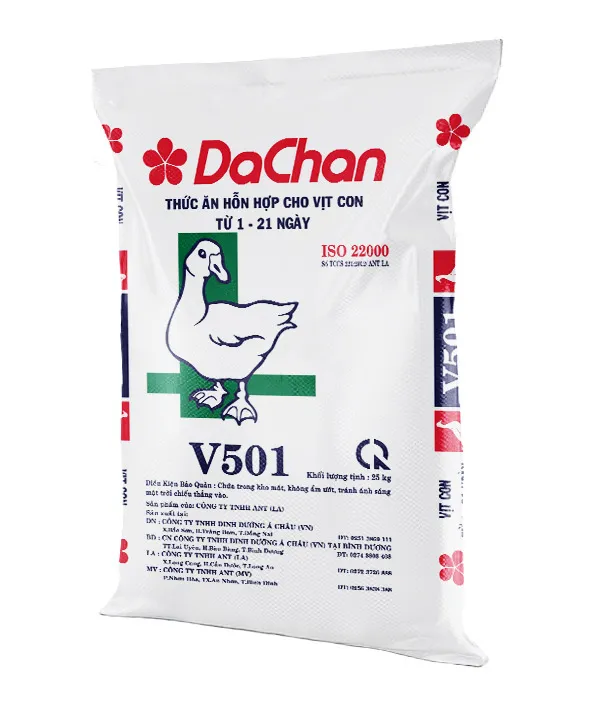
Woven Bags are polymer-fabric sacks built from drawn polypropylene (PP) or HDPE tapes woven into a strong mesh, then coated, laminated, or lined. They dominate in the 10–50 kg class for minerals, fertilizers, grains, seeds, pet food, resins, and outdoor retail goods where abrasion, clamp handling, and pallet physics decide the day.
- Aluminum Laminated Woven Bags
- Aluminum Foil Barrier Bags
- Composite Woven Sack
- Multi-layer Aluminum Barrier Packaging
- PP Woven Bags
- Woven Polypropylene Sacks
- Block-bottom Woven Bags
- Valve-type Woven Sacks
Do they compete? Yes. Do they overlap? Absolutely. But the first principles diverge. Aluminum Foil Composite Bags begin with barrier physics—gas transmission, light block, odor retention. Woven Bags begin with mechanics—tensile, tear, puncture, stiffness, coefficient of friction. Place the product and the route in the foreground and the choice sharpens quickly.
Layer Chemistry vs. Fabric Mechanics: Materials That Decide Outcomes
Think function-first. Each layer, fiber, or finish exists to neutralize a specific failure mode: vapor diffusion, liquid splash, abrasion, puncture, dust egress, pallet slip, UV weathering, barcode scuff. The craft is not a single “miracle” layer, but interfaces tuned in concert.
Aluminum Foil Composite Bags — layer logic
- Outer print face. PET 12–23 μm or BOPP 18–25 μm for stiffness, print clarity, and scuff control. PET resists heat and warpage; BOPP enables photo-grade gloss/matte effects at low density.
- Barrier core. Aluminum foil 7–12 μm yields near-zero oxygen transmission and complete light block. That is why roasted coffee, powdered dairy, and sensitive catalysts survive months without flavor fade or oxidation.
- Adhesive system. PU or solventless adhesives providing green strength and long-term bond through humidity/temperature cycling—no ghosting, no delamination.
- Seal web. LDPE/LLDPE 40–80 μm tuned for hot-tack and contamination-tolerant sealing—because real lines shed powder into jaws.
- Finishes. Anti-slip COF tuning for pallet discipline; matte/soft-touch to shield codes from glare; antistats for cleaner depalletizing.
Woven Bags — fabric-forward architecture
- Backbone fabric. PP raffia tapes or monofilament strands drawn for orientation and woven on circular/flat looms. Typical GSM 70–140; denier 700–1600D; picks-per-inch tuned for strength and baseline porosity.
- Coats/laminates. Clear PP coats 18–40 μm for dust control and print holdout; BOPP laminates 18–25 μm for billboard-grade graphics and added barrier.
- Liners. LDPE/LLDPE 25–80 μm (loose or spot-glued) where MVTR targets are tight (gypsum, modified starches, specialty salts).
- Valve sleeves. PE film or PP-coated fabric sleeves whose stiffness and geometry govern nozzle coupling, back-pressure self-closure, and leak rates at scale.
- Additives. UV masterbatch for yards; anti-slip varnishes to hold layers; antistats to tame winter dryness.
Barrier and Breathability: Physics, Trade-offs, and Tuning Knobs
Permeation, diffusion, and sorption set shelf life. Geometry, stiffness, and friction set pallet safety. When the product is aroma-critical or oxidation-prone, Aluminum Foil Composite Bags win on physics alone: foil provides orders-of-magnitude better OTR/MVTR than polymers and blocks every stray photon in retail lighting. When the route is abrasive and the filler is a valve, Woven Bags deliver speed and survival—vented patches exhaust trapped air, stiff walls resist clamp “smiles,” and tuned COF locks layers without crushing edge bags.
| Property | Aluminum Foil Composite Bags | Woven Bags |
|---|---|---|
| Oxygen barrier | Ultra-low (foil-dominated) | Low to moderate; liners improve |
| Light sensitivity control | Total light block | Requires opaque inks/BOPP |
| Puncture/tear | Moderate; improve with PA ties | High; scales with GSM/denier |
| High-speed valve filling | Rare format | Native strength; vent patches |
| Outdoor yard survival | Good if handled crease-aware | Excellent with UV packages |
| Pallet cube stability | Excellent with headspace control | Excellent with block-bottom geometry |
Manufacturing of Aluminum Foil Composite Bags: From Films to Finished Packs
A reliable laminate resists not just time but vibration, handling, and weather. The path from film to finished pack is therefore a chain of precise steps with measurable windows.
- Printing. Reverse-print PET/BOPP with six to eight colors; govern ΔE drift, dot gain, and register. Precision web handling—exemplified by Windmöller & Hölscher lines—keeps barcodes and fine text crisp after miles of run-time.
- Lamination. Dry-bond or solventless laminate to aluminum foil, then to PE seal webs. Tune nip pressure, thermal profile, and coat weight; verify bond strength post-conditioning and check for curl.
- Conditioning. Allow adhesive cure to mature before conversion; green strength prevents blocking, mature bonds prevent layer slip over time.
- Conversion. Form pouches/tubes, insert gussets, and heat-seal with contamination-tolerant jaws. Validate hot-tack and peel in the presence of real powder fines.
- Release. Audit dimensions, seals, barrier (OTR/MVTR where scoped), ΔE, scuff, and scan rates; palletize with a target containment force to protect edges.
Manufacturing of Woven Bags: Resin-to-Pallet on Industrial Lines
A woven program is a sequence of controlled interfaces: tapes, fabric, coats, laminates, valves, and bottoms. Miss one window and the defect escapes into the pallet. Hit every window and the bag simply disappears into the process—as it should.
- Tape extrusion & drawing. Slit-film PP extruded and oriented to target denier/elongation; chill-rolls and edge-trim refeed tuned to lock tensile and optical cleanliness.
- Weaving. Circular/flat looms set warp tension and PPI; plant humidity governs static and ends-down. Uniform tape width produces clean faces beneath clear coats.
- Coating/lamination. Clear PP coats deliver dust control and print holdout; reverse-printed BOPP laminates produce photoreal panels and added barrier. Corona strength, nip pressure, and thermal profile anchor bond integrity.
- Printing. Reverse-print BOPP in 6–8 colors with inline vision for ΔE and barcode readability; keep sensitive data off fold/impact zones.
- Conversion. Tube forming; optional valve insertion; block- or pinch-bottom formation; heat/ultrasonic sealing or sewing according to risk and route.
- Counting & palletizing. Optical counting, alignment fences, and defined containment force—because layer creep is cheaper to prevent than to investigate.
Feature-by-Feature: What Actually Moves KPIs
Throughput
Valve-ready Woven Bags save seconds per bag via tuned venting and sleeve stiffness. Multiply those seconds by daily volume and you count extra truckloads per quarter. Open-mouth or FFS Aluminum Foil Composite Bags can match raw speed when degassing and headspace are engineered.
Damage & returns
Clamp marks and conveyor rash punish weak corners and soft faces. Fabric-forward builds resist that abuse; laminated faces protect codes from rub and splash. Foil laminates shine on shelf-life and odor lock but must be handled crease-aware.
Freight & storage
Square stacks carry layers higher before tilt and sink. Block-bottom Woven Bags excel here; headspace-managed Aluminum Foil Composite Bags can be equally precise when the fill, settle, and wrap are disciplined.
Compliance & brand
Photoreal panels, crisp hazard icons, and scannable barcodes reduce claims and rework. Reverse-printed BOPP on Woven Bags and PET-on-foil in Aluminum Foil Composite Bags achieve studio-grade fidelity with yard-grade endurance.
Applications: Match the Format to the Risk
Route, climate, and chemistry determine the winner more than habit does. Here is a quick atlas that connects content risks to packaging choices.
- Moisture/oxygen-sensitive goods. Roasted coffee, powdered dairy, dehydrated meals, aroma-critical blends, photolabile additives—choose Aluminum Foil Composite Bags and verify OTR/MVTR windows.
- Construction and minerals. Cement, dry-mix mortars, gypsum, silica sand—choose Woven Bags with vent patches and heavier GSM. See the extended treatment of printing and laminate options in high-coverage printed BOPP woven bags.
- Fertilizers and soil amendments. Urea, NPK, potash, biochar—favor UV-stable Woven Bags with optional liners. For valve geometry in chemical fertilizers, review square-bottom PP valve bags.
- Livestock feed and animal nutrition. Demanding outdoor logistics and retail visibility point to Woven Bags with BOPP faces; for sector specifics, see heavy-duty woven solutions for feed.
- Hybrid portfolios. Many plants mix formats by SKU. Pasted-valve woven options often lead retail powder lines—an approach explored here: retail-ready pasted valve bags.
Quality Assurance at VidePak: Four Pillars That Hold in January and July
- Standards-aligned gates. Acceptance criteria reference ISO/ASTM/EN/JIS. Process setpoints—lamination coat weight, nip/temperature, seal windows, draw ratios, PPI, coating weights—are defined and audited. Release tests cover dimensions, mechanics, OTR/MVTR (where scoped), COF, ΔE, barcode readability.
- Virgin materials from tier‑1 suppliers. Films, foils, resins, adhesives, inks, and liners land with auditable COAs. Random sampling confirms MFI, haze, bond strength, contamination limits, and line readiness.
- Equipment pedigree. Fabric, looms, and forming are guided by Starlinger; printing and precision web handling by W&H. Capability narrows the defect window at industrial speeds.
- Comprehensive inspection and sampling. Incoming verification; in-process bond/seal checks; finished-goods audits; AQL sampling; periodic transport simulations on random pallets. Non-conformities trigger root-cause CAPA with SOP/tooling updates.
System Thinking: Decompose, Decide, Recombine
Stop arguing opinions; start testing hypotheses. Break the choice into four axes, run the numbers, then lock a spec that is a contract with physics.
| Axis | Question | Implication |
|---|---|---|
| Product risk | Is oxidation/aroma/light the dominant failure? | If yes, prefer Aluminum Foil Composite Bags; otherwise choose Woven Bags with liners/laminates for moisture control. |
| Operations risk | Do you run valve fillers at speed? | If yes, Woven Bags plus vent patches; if open‑mouth/FFS, foil laminates can compete with degassing control. |
| Logistics risk | Is the route outdoor, coastal, or monsoon‑exposed? | Waterproof corners and liners for either format; UV packages and COF targets for square stacks. |
| Brand/compliance | Do panels and codes survive rub and glare? | Reverse‑printed BOPP or PET with matte/soft‑touch; place codes out of fold/impact zones and verify post‑vibration. |
Recombination rule: freeze GSM, stack, venting, valve, and bottom geometry only after live line trials measure fill time, dust index, weigh stability, leak rate, stack tilt, ΔE drift, and scan success rates.
Engineering Tables: Parameters, Trade-offs, and Test Plans
| Parameter | Typical options/targets | Why it matters |
|---|---|---|
| Nominal fill weight | 10 / 20 / 25 / 40 / 50 kg | Drives bag size, fabric GSM or laminate thickness, and corner geometry. |
| Fabric GSM | 70–140 g/m² | Balances strength vs cost for abrasive routes. |
| BOPP film | 18–25 μm; gloss/matte | Controls scuff resistance, barrier lift, and print fidelity. |
| Foil gauge | 7–12 μm | Sets OTR/MVTR floor; watch handling/pinholes. |
| Seal web | LDPE/LLDPE 40–80 μm | Hot‑tack, contamination tolerance, seal integrity. |
| Outer COF | 0.35–0.60 | Pallet stability with minimal film use. |
| UV stability | 6–12 months | Outdoor yards; prevents embrittlement and chalking. |
| QC stage | Test | Intent |
|---|---|---|
| Incoming | MFI, moisture, haze/clarity, surface energy, foil pinholes | Confirm processability and barrier potential. |
| In‑process | GSM, bond strength, seal pull, porosity (woven) | Ensure strength is built, not assumed. |
| Finished | Dimensions, COF, drop/vibration, OTR/MVTR (if scoped), ΔE/barcode | Verify performance in use. |
| Audit | UV aging, cold‑drop, valve leak, print abrasion | Validate storage and transport extremes. |
Cost and ROI: Unit Price vs Cost per Delivered Ton
Cheap is expensive when stoppages, cleanup, and claims stack up. Model the whole system.
- Throughput. Seconds saved per bag via venting and sleeve stiffness move the tons/hour needle more than pennies on material.
- Damage & returns. Strong corners and scuff‑safe panels cut claims and rebagging.
- Freight & storage. Square geometry and correct COF lift pallet counts without collapse.
- Shelf life. Only Aluminum Foil Composite Bags collapse oxygen and light to near-zero without liners.
- Brand equity. Readable codes and resilient artwork prevent reprints and refusals.
Frequently Asked Questions
Which format should we choose for an oxidation‑sensitive, aroma‑critical powder with open‑deck trucking? Favor Aluminum Foil Composite Bags for barrier and build an outer logistics plan that treats laminates gently (caps, corners, and protected pallet edges). If yard abuse overwhelms barrier risk, a Woven Bag with liner and light‑block laminate can be more robust—verify shelf life empirically.
Can retail‑grade graphics live on a construction‑grade sack? Yes. BOPP‑laminated Woven Bags deliver photoreal panels and rub resistance while retaining the stiffness and cube discipline construction depots demand.
Are foil laminates recyclable? Infrastructure varies. Mono‑polyolefin Woven Bags have clearer PP recovery paths in many regions today, while specialized delamination pilots for foil composites continue to expand.
Do valve formats exist for foil laminates? They are uncommon. High‑speed valve filling remains a comparative advantage of Woven Bags. Where you must combine barrier and valve cadence, consider hybrid specs and live trials.
November 27, 2025
- Scope, Orientation, and Why These Two Formats Matter
- What Are Aluminum Foil Composite Bags and Woven Bags?
- Layer Chemistry vs. Fabric Mechanics: Materials That Decide Outcomes
- Barrier and Breathability: Physics, Trade-offs, and Tuning Knobs
- Manufacturing of Aluminum Foil Composite Bags: From Films to Finished Packs
- Manufacturing of Woven Bags: Resin-to-Pallet on Industrial Lines
- Feature-by-Feature: What Actually Moves KPIs
- Applications: Match the Format to the Risk
- Quality Assurance at VidePak: Four Pillars That Hold in January and July
- System Thinking: Decompose, Decide, Recombine
- Engineering Tables: Parameters, Trade-offs, and Test Plans
- Cost and ROI: Unit Price vs Cost per Delivered Ton
- Frequently Asked Questions
When it comes to packaging, choosing the right type of bag can significantly impact the safety, longevity, and quality of the products being stored or transported. Among the most popular options in the market are Aluminum Foil Composite Bags and traditional woven bags. Each type has its unique characteristics, advantages, and applications, making them suitable for different industries and purposes. This blog will explore the differences between Aluminum Foil Composite Bags and regular woven bags, focusing on their distinct features and benefits. Additionally, we will discuss the critical aspects of raw material quality control in manufacturing these bags, including procurement and storage practices.
Understanding the Basics: Woven Bags and Aluminum Foil Composite Bags
Woven Bags
Woven bags, often made from polypropylene (PP) or high-density polyethylene (HDPE), are commonly used for various applications, including agricultural products, construction materials, and consumer goods. These bags are created through a weaving process that intertwines fibers, resulting in a durable and robust structure.
Key Features of Woven Bags:
- Durability: Woven bags are designed to withstand rough handling and heavy loads.
- Breathability: The woven structure allows for airflow, which is beneficial for certain agricultural products to prevent moisture buildup.
- Reusability: Many woven bags are designed for multiple uses, making them a cost-effective solution.
- Customization: They can be printed with logos and information, providing branding opportunities.
Aluminum Foil Composite Bags
Aluminum Foil Composite Bags, also known as Composite Woven Bags, are made by combining multiple layers of materials, including an aluminum foil layer, which provides excellent barrier properties. These bags are commonly used for packaging products sensitive to moisture, light, and oxygen, such as food items, pharmaceuticals, and chemicals.
Key Features of Aluminum Foil Composite Bags:
- Barrier Protection: The aluminum foil layer provides superior protection against moisture, light, and oxygen, extending the shelf life of the products.
- Lightweight: Despite their robust barrier properties, these bags are relatively lightweight.
- Versatility: They can be used for various applications, from food packaging to industrial products.
- Sealing Options: Aluminum foil bags can be heat-sealed, ensuring the contents remain safe from contamination.
Comparing the Two: Advantages and Disadvantages
| Feature | Woven Bags | Aluminum Foil Composite Bags |
|---|---|---|
| Material | Polypropylene (PP), HDPE | Aluminum foil, composite materials |
| Durability | High | Moderate to high |
| Barrier Properties | Low to moderate | High |
| Weight | Heavier compared to composite bags | Lightweight |
| Breathability | High | Low |
| Customization | High (printing available) | Moderate (limited printing options) |
| Reusability | High | Moderate (usually single-use) |
| Applications | Agriculture, construction, retail | Food, pharmaceuticals, chemicals |
Advantages of Woven Bags
- Cost-Effectiveness: Woven bags are generally less expensive to produce than aluminum foil composite bags, making them an economical choice for many businesses.
- Reusability: Their durable nature allows for multiple uses, which can reduce waste and lower costs in the long term.
- Customization: Woven bags offer extensive customization options, including size, color, and printing, which are beneficial for branding purposes.
- Breathability: The breathable fabric is advantageous for agricultural products, helping to maintain freshness by allowing airflow.
Advantages of Aluminum Foil Composite Bags
- Superior Barrier Properties: The aluminum layer significantly reduces moisture and oxygen penetration, preserving the integrity of sensitive products.
- Lightweight and Compact: These bags take up less space during storage and transportation, reducing shipping costs.
- Sealing Options: The ability to heat-seal these bags provides an additional layer of security, preventing contamination.
- Versatility: Their application spans across various industries, making them a flexible option for businesses.
Quality Control in Raw Materials for Bag Production
Regardless of the type of bag being produced, maintaining high-quality standards for raw materials is crucial for ensuring the durability and functionality of the final product. Quality control processes can be divided into two main stages: procurement and storage.
1. Procurement
The quality of the raw materials used in manufacturing woven bags and aluminum foil composite bags is fundamental to the performance of the final product. The procurement process involves sourcing materials that meet specific quality standards.
- Sourcing New Materials:
- Polyethylene (PE) and Polypropylene (PP): High-quality PE and PP plastic pellets are sourced from reputable suppliers to ensure optimal strength and flexibility in woven bags.
- Aluminum Foil: For aluminum foil composite bags, the aluminum used must meet strict industry standards for thickness and barrier properties.
- Batch Inspection:
- Quality control begins with batch inspections upon delivery. Each batch of incoming materials is subjected to rigorous testing, including:
- Mechanical Properties Testing: Ensures that the raw materials possess the necessary tensile strength, elongation, and durability required for production.
- Consistency Checks: This involves evaluating the uniformity of the materials to prevent defects in the final products.
2. Storage
Proper storage of raw materials is essential to maintain their quality and prevent degradation. This process involves several critical considerations:
- Environmental Conditions:
- Raw materials should be stored in a controlled environment to prevent exposure to moisture, extreme temperatures, and contaminants. For instance, PE and PP pellets must be kept in a dry area to avoid moisture absorption, which can weaken the material.
- Inventory Management:
- Implementing an effective inventory management system is crucial to track the usage and turnover of materials. This ensures that older stock is used first, reducing the risk of material degradation over time.
- Regular Audits:
- Conducting regular audits of stored materials helps identify any issues early on, such as contamination or deterioration. This proactive approach allows manufacturers to address problems before they impact production quality.
Conclusion
In conclusion, both Aluminum Foil Composite Bags and traditional woven bags have their unique advantages and applications in the packaging industry. While woven bags offer durability, reusability, and cost-effectiveness, aluminum foil composite bags provide superior barrier properties, making them ideal for sensitive products. Understanding the differences between these two types of bags can help businesses make informed choices that meet their specific packaging needs.
Moreover, maintaining strict quality control throughout the procurement and storage processes is vital for ensuring that the raw materials used in manufacturing these bags meet the required standards. By using high-quality materials and implementing effective quality control measures, manufacturers can produce bags that not only meet but exceed customer expectations, ensuring the safety and integrity of the products being packaged.
Whether you need Composite Woven Bags, Aluminum Laminated Woven Bags, or Multi-wall Woven Bags, selecting the right type and ensuring quality will lead to optimal results in your packaging solutions.