
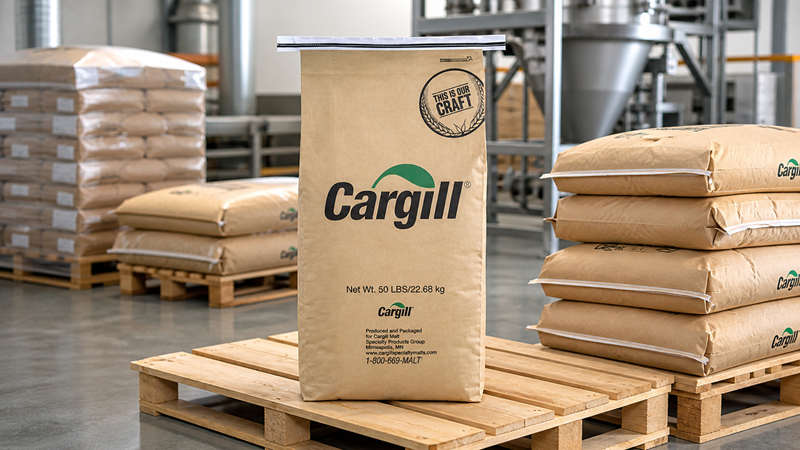
Multiwall paper bags: Choosing block bottom valve or pinch bottom open mouth for Industrial Packaging?
Industrial packaging is not a choice between a “good bag” and a “bad bag.” It is a choice between structures that solve different problems. A powder that traps air, a food ingredient that needs a controlled final seal, and a filling line built around a horizontal spout all ask different things from the package. That is why VIDEPAK treats Multiwall paper bags as engineered packaging systems. The practical questions come first: How will the product enter? How will air leave? How will the pack close? What protection is needed after filling?
Within this family, two important formats are the block bottom valve bag and the pinch bottom open mouth bag. They can use similar kraft-paper plies, liners, and printing, yet their working logic is different. The first is largely closed before it reaches the packing line and is filled through a corner valve. The second keeps the upper open mouth available for filling, then closes by folding and pinching the top. That structural contrast changes equipment, dust behavior, sealing sequence, pallet shape, and application fit.
VIDEPAK Multiwall paper bags: Built Around the Product and the Packing Line
Modern industrial paper sacks are defined by more than the number of paper layers. The current paper-sack vocabulary standard covers single- and multi-ply sacks made mainly from paper, including combinations in which paper remains the main material. In practical manufacturing, the package can combine kraft-paper strength with carefully chosen porosity, coatings, free films, inner liners, special closing structures, and printed outer surfaces. VIDEPAK’s kraft-paper portfolio includes brown and white papers, multiwall constructions, PE-coated options, PE inner liners, multiple valve designs, and several open mouth closing formats. VIDEPAK lists a heavy-duty product range from about 2 kg to 60 kg and describes multiwall kraft structures using roughly two to five paper layers, depending on the required performance.
KEY DESIGN IDEA: The best Multiwall paper bags specification starts with the packed product and the filling line, not with a fixed layer count. Product density, particle size, entrained air, moisture sensitivity, desired filling speed, sealing method, storage climate, pallet pattern, and print requirements should be considered together. A bag that is ideal for fast mineral powder filling may be unnecessary for a premium ingredient; a bag that gives excellent protection after heat sealing may not match an existing valve packer.
This system approach matters because paper itself performs several jobs at once. Sack kraft contributes tensile and tear strength; controlled porosity can help release displaced air during filling; multiple plies distribute mechanical stress; and an outer paper face provides a strong surface for instructions, regulatory text, lot identification, and brand graphics. Barrier elements can then be added only where the product needs them. For food applications, industry guidance notes that both open mouth and valve paper sacks are used, often with two or three paper layers and, where needed, a polyethylene free-film liner or coated paper. The correct structure is therefore not “more layers at any cost,” but the right combination of strength, air flow, closure, barrier, and converting quality.
Two Structures, Two Filling Philosophies
How the block bottom valve Structure Works
A block bottom valve sack is essentially a pre-closed multiwall package with a dedicated filling opening formed in a corner. During conversion, the paper plies are tubed, the ends are folded and pasted, and the valve unit is built into the corner area. At the packing plant, the bag is placed on a filling spout and product travels through the valve into the closed sack. Depending on the product, packer, and required closure level, the valve may close by internal product pressure and geometry or may use a tuck-in, heat-sealed, ultrasonic, or other assisted sealing design. Industry guidance for building-material paper sacks identifies pasted valve sacks as especially suitable for cement and similar products and emphasizes proper bottom pasting, corner sealing, and valve construction as key controls against dust leakage.
The geometry is important. A pasted block bottom creates a broad, rectangular end that helps the filled package form a compact, brick-like shape. When bag size, fill volume, and product density are correctly matched, the finished sack can lie flat and build an orderly pallet. Industry guidance also warns that an oversized sack can become loose and palletize poorly, while an undersized sack can slow filling and interfere with proper valve closure. In other words, the block bottom is not only an attractive shape. It is part of the filling and logistics system.
Air management is equally important for fine powders. During fast packing, solid product enters the bag while air must escape. Depending on the paper grade and the product, the structure may use porous sack paper, engineered venting, or other de-aeration features. For standard cement sacks, technical guidance recommends high-porosity paper and explains that porosity can reduce dependence on perforations, which can otherwise affect sack strength and dust behavior. This is why the block bottom valve format is strongly associated with automated powder packing: entry, de-aeration, closure, and pallet geometry are designed as one sequence.
How the pinch bottom open mouth Structure Works
A pinch bottom open mouth sack follows the opposite filling logic. Its lower end is prepared and closed at the factory, while the customer receives a bag with a wide upper open mouth. The operator or automated system opens the top, places the bag under a hopper or vertical filling point, doses the product into the full-width opening, and then moves the filled sack to a closing station. The top is folded into the designed closing geometry and compressed after heat activates pre-applied adhesive, producing the characteristic pinch bottom style closure at the customer end. Some related constructions can use sewing, but the adhesive pinch-seal route is central to the PBOM concept.
The advantage is control after the target weight has been reached. The filling opening is large and easy to access; the final top closure happens as a deliberate post-fill step. Industry guidance describes the pinch bottom sack as a flat or gusseted open mouth sack that can provide very high leak resistance, making it suitable for products that require protection during transport and storage. This is especially relevant when the product brief prioritizes sift resistance, hygiene, aroma retention, or a clean finished top. With the correct inner liner or barrier ply, the pinch bottom open mouth design can be adapted to moisture-sensitive powders and ingredients while retaining the familiar vertical filling sequence.
FILLING FLOW AT A GLANCE
block bottom bag formed and closed
→
Place on valve filling spout
→
Fill + release air
→
valve closes or is sealed
pinch bottom lower end pre-closed
→
Fill through wide open mouth
→
Fold top + activate adhesive
→
Compress and finish seal
The contrast is simple to remember: the block bottom valve bag is filled through a controlled corner entry; the pinch bottom open mouth bag is filled into a wide opening and sealed afterward.
Structural Comparison: block bottom valve vs. pinch bottom open mouth
Structure is the skeleton of performance. Both formats can belong to the same Multiwall paper bags family and can use comparable kraft-paper plies, printing systems, coatings, or liners, but the decisive difference appears at the ends of the sack. The block bottom valve design closes the package around a small corner filling path. The pinch bottom open mouth design closes one end in advance and leaves the other end open across most of the bag width until filling is complete. From that single difference follows a chain of engineering consequences.
Bottom construction deserves special attention because it affects sift resistance and mechanical stability. Technical guidance for pasted sacks shows that bottom caps, correct glue placement, folded-corner control, and stepped or flush-cut tube construction can all influence tightness. This supports a broader rule for VIDEPAK projects: a nominal block bottom label is not enough. Bottom dimensions, overlap, adhesive pattern, paper stiffness, filled volume, and product behavior must work together. The same is true for pinch bottom designs, where the fold geometry and the activation window of the closing adhesive must match the filled bag thickness and the customer’s sealing equipment.
The other structural difference is where “risk” is concentrated. In a block bottom valve sack, the critical control points often include the valve-to-spout fit, corner pasting, air evacuation, and final valve closure. In a pinch bottom open mouth sack, critical points shift toward mouth presentation, contamination control before closing, fold consistency, adhesive activation, compression, and cooling or curing. Neither structure is automatically tighter or faster in every plant. Correct machinery and correct specification determine performance. That is the central engineering lesson: geometry directs the process, and the process determines what quality controls matter most.
Application Comparison: Where Each Format Creates More Value
The strongest difference between these two Multiwall paper bags appears in application fit. A block bottom valve bag is usually the natural starting point when the product is dry and flowable, the plant already uses a spout packer, fast filling is valuable, dust must be controlled, and the final pallet should be compact. A pinch bottom open mouth bag becomes attractive when the plant wants a wide filling opening followed by a deliberate final seal, especially when protection from sifting, moisture, odor, or contamination carries more weight than pure spout-packing speed. These are centers of gravity, not rigid rules. Both structures can be engineered beyond their “typical” use.
Choose a block bottom valve direction when…
The product is a fine or free-flowing industrial powder or granule; the filling line uses a valve spout; air release during filling is a major process issue; dust control around the packer matters; high line efficiency is desired; and a regular, compact pallet footprint supports warehouse and transport efficiency. Cement, mortar, plaster, mineral powders, certain chemicals, and other dry industrial products are common examples in industry guidance.
Choose a pinch bottom open mouth direction when…
The process benefits from full-width top access; the product is weighed or dosed through an open mouth bagger; the customer wants a neat folded top; and final seal integrity, hygiene, sift control, or barrier customization is a leading requirement. Food ingredients, dairy powders, pet nutrition, fine chemicals, and other protection-sensitive dry goods can fit this logic when the selected materials and line conditions meet product requirements.
Food use shows why application language must remain careful. Industry guidance confirms that food paper sacks can be made as either open mouth or valve structures and may combine paper with PE free-film liners or coated papers. Storage time, temperature, product interaction with air, moisture sensitivity, and hygiene requirements all affect the final specification. Therefore, “food bag” should never be treated as a single design. The same ingredient can move toward a valve format on one filling line and toward a pinch bottom open mouth format on another. Equipment leads. Product protection follows. Material compliance must support both.
Building materials illustrate the other side. Guidance focused on cement highlights pasted valve sacks, high-porosity paper, close spout fit, correct sack sizing, short discharge drops, and well-designed valve closures as a coordinated strategy to reduce dust and improve line behavior. This makes the block bottom valve family especially logical when the plant’s main challenge is moving a large quantity of dry powder through a high-speed packing and palletizing process. Fast in, air out, close cleanly, stack squarely: four needs, one connected design.
Materials, Barrier Options, Printing, and Practical Parameters
VIDEPAK’s Multiwall paper bags are configurable because geometry is only one part of the design. The paper body can use multiple kraft plies, natural brown or white outer surfaces, and selected barrier layers. VIDEPAK’s published kraft-paper range covers about 2 kg to 60 kg and describes multiwall structures using about two to five paper layers, with PE-coated paper and PE inner bags available where needed. For the two formats discussed here, the goal is not to add every possible material; it is to add only the functions required by the product and supply chain.
Paper selection should be understood in terms of performance rather than thickness alone. A stronger, extensible sack paper can sometimes deliver the needed drop resistance with fewer plies than a weaker paper, while a highly porous grade can improve air release for fast powder filling. Technical paper-sack guidance uses tensile energy absorption, which combines tensile strength and stretch behavior, as an important indicator for how paper can absorb energy during handling. That same guidance provides different strength targets for 25 kg, 35 kg, and 50 kg sacks under normal or tough handling conditions, showing why basis weight alone is not enough to define durability. The correct question is not “How many layers?” but “What mechanical performance must the whole sack survive?”
Barrier design requires the same discipline. A PE liner can improve moisture and fine-particle protection, but it also changes de-aeration, heat-sealing behavior, material recovery, and sometimes the way the bag opens or empties. A fully closed barrier film can restrict the air path required by fast valve filling, so de-aeration may need to be engineered elsewhere. In a pinch bottom open mouth format, the liner can support a more protective final package, but the liner and paper shell must remain stable during filling and must enter the closing station consistently. Barrier and breathability are not enemies; they are a balance. Protect too little and the product can suffer. Block air too early and the packing line can suffer.
IMPORTANT: Published weight ranges and ply counts are useful starting points, not universal specifications. Final Multiwall paper bags dimensions, paper grades, ply sequence, valve size, block bottom geometry, pinch bottom closing design, open mouth width, liner type, venting, and adhesive system should be confirmed against the actual product, filling machine, target speed, storage conditions, and pallet plan. VIDEPAK recommends sample validation and line trials before mass production for new or materially changed packaging systems.
Quality control should follow recognized methods and agreed customer specifications. The international paper-sack standards landscape has recently been updated: ISO 6590-1:2025 covers paper-sack vocabulary, ISO 6591-1:2026 covers dimensions and measurement of empty paper sacks, and ISO 7965-1:2024 addresses drop testing for paper sacks. VIDEPAK states that its broader quality system follows ISO 9001 and applies relevant ASTM, EN, JIS, and ISO methods depending on the product. For a customer, the practical value is traceability and repeatability: dimension, closure strength, paper performance, print registration, drop behavior, and finished-bag appearance should be checked against an agreed specification rather than judged by sight alone.
How to Choose the Right VIDEPAK Format
Start with the machine. If your plant is built around a horizontal spout packer, a block bottom valve design is usually the most logical first candidate. If your line presents a bag under a hopper or vertical filling station and closes the top afterward, a pinch bottom open mouth design deserves first attention. This sounds obvious, yet many packaging problems begin when a bag style is selected for appearance or unit price before anyone maps the actual filling sequence. Equipment leads. Bag geometry follows. Then material, barrier, and print are optimized around that match.
Next, study the product. Does it fluidize? Does it carry a large volume of air during filling? Does it sift through tiny channels? Does it absorb moisture? Does it carry fat or aroma? Is it abrasive? Is it sensitive to contamination? A dusty powder that needs rapid de-aeration may favor the valve route, especially when high throughput matters. A sensitive ingredient that benefits from a deliberately folded and sealed top may favor the pinch bottom route. But the labels never replace testing. Fine powder can challenge either structure. Moisture can challenge either structure. Rough logistics can challenge either structure. The winning format is the one whose geometry and materials make those risks easiest to control on the customer’s real line.
Finally, choose the simplest structure that reliably meets the brief. Use porous paper where air release is required, add a liner where moisture or sifting risk justifies it, strengthen the valve closure when normal self-closing behavior is not enough, and choose a pinch bottom closing system when the product needs a controlled top seal. Good packaging is not the bag with the most layers or features. It is the bag in which every layer and every fold has a job.
VIDEPAK SELECTION PRINCIPLE
For high-speed spout filling, strong de-aeration, low-dust handling, and compact pallet geometry, start with a block bottom valve concept. For wide-access filling, a controlled post-fill top closure, and flexible barrier or liner design, start with a pinch bottom open mouth concept. Then validate dimensions, materials, sealing settings, filled shape, handling, and pallet performance with the actual product. The right answer is not “which bag is better?” The right answer is “which structure makes your process more stable from hopper to pallet to customer?”
That is the practical value of VIDEPAK Multiwall paper bags. The block bottom valve format turns a closed sack, a controlled filling entry, managed air release, and square geometry into an efficient industrial packing tool. The pinch bottom open mouth format turns wide filling access, a deliberate closing stage, and adaptable barrier options into a clean and protective packaging tool. Same paper-sack family; different choreography. Same goal; different route. When structure follows the filling line, materials follow the product, and quality checks follow real supply-chain risks, packaging stops being a commodity and becomes part of production performance, product protection, and brand trust.
In this article, the style commonly described as a Block Bottom Valve Bag, a pasted valve bag, or a PVSE bag follows the same structural logic: the sack is factory-closed, it is filled through a corner valve on a spout packer, and once filled it forms a square, block-like footprint that palletizes securely. By contrast, a PBOM Paper bags remain open at the customer end until filling, then closes by sewing or, more typically, by activating a pre-applied adhesive and pinching the folded top shut. Same family, different choreography. Same material tradition, different filling logic.
That distinction matters in industrial packaging above 5 kg because bag choice is never just about the bag. It is about the product’s flow behavior, the filling line, the desired seal, the need for de-aeration, the amount of dust the plant can tolerate, the barrier the packed goods require, and the way the finished packs must store, stack, and open in real use. Ask a simple question—“Which bag from Block Bottom Valve Paper Bags and Pinch Bottom Open Mouth Paper Bags should I choose?”—and the honest answer becomes another question: How does your product behave from hopper to pallet to end use?
Differences in Block Bottom Valve Bags & Pinch Bottom Open Mouth Paper Bags
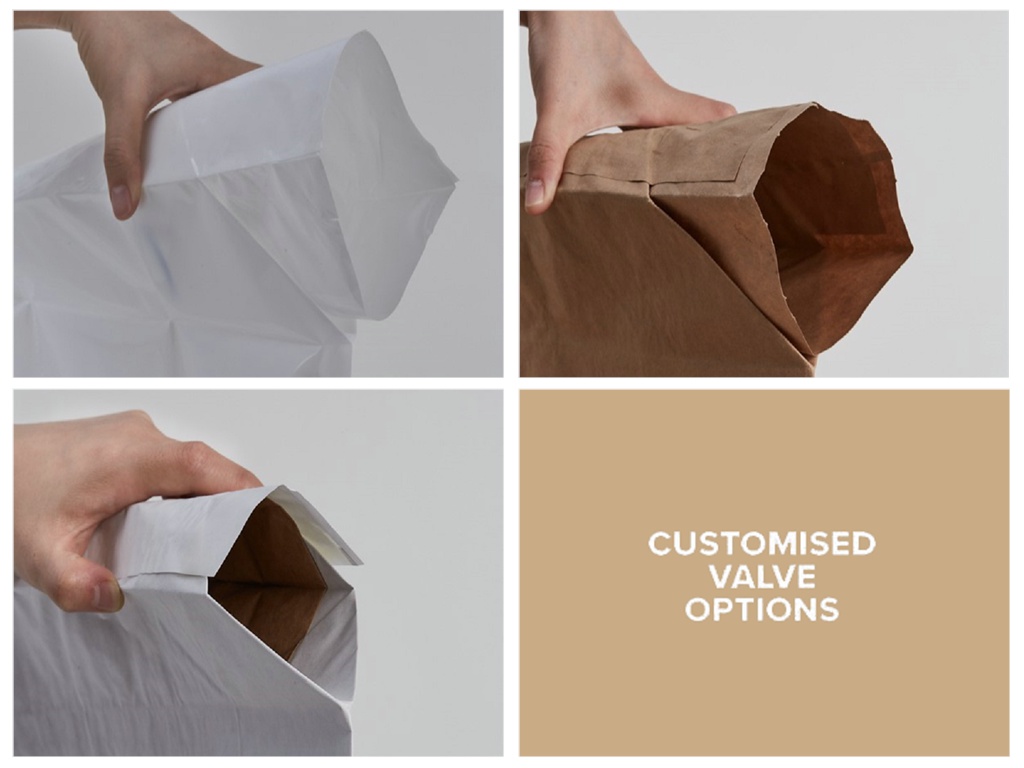
At the structural level, a block bottom valve bag is a closed-ended multiwall sack with a small valve opening built into a top corner. During manufacture, the plies are tubed, bottomed, and pasted closed at both ends, leaving only the valve path for filling. The result is a squared-up bag that is naturally suited to high-speed filling equipment and secure pallet formation. A PBOM bag, by contrast, starts as an open-mouth construction: the pinch bottom is factory sealed, the top remains open for customer filling, and the final closure is created after filling by folding and pinching the mouth shut with heat-activated adhesive or, in some constructions, sewing.
Geometry reinforces that difference between Block Bottom Valve Paper Bags and Pinch-Bottom Open-Mouth Paper Bags. The valve bag builds its efficiency around the valve corner and square footprint; the PBOM bag builds its logic around a stable pinch-sealed profile and, once filled, a tapered or shaped upper section that still palletizes well but is fundamentally designed around an open-mouth filling sequence. One is filled through the bag. The other is filled into the bag. That sounds minor. It is not. It changes equipment, operator handling, closure sequence, and, often, the suitable product set.
| Structural Aspect | Block bottom valve multiwall paper bags | PBOM multiwall paper bags |
|---|---|---|
| Basic body form | Factory-closed bag with a built-in corner valve | Factory-closed bottom with open mouth left for customer filling |
| Fill entry | Horizontal spout / valve opening | Open mouth via hopper or vertical spout |
| Final closure principle | Valve self-seals, or sleeve can be tucked, heat sealed, or ultrasonically sealed | Top is folded and sealed by heat-activated adhesive, or sewn in some constructions |
| Filled shape | Square, block-like pallet footprint | Stable bottom with folded/pinched top; often tapered after fill |
| Structural emphasis | Fast machine filling and compact pallet geometry | Controlled top closure and product protection after open-mouth fill |
- Multiwall paper bags: Choosing block bottom valve or pinch bottom open mouth for Industrial Packaging?
- VIDEPAK Multiwall paper bags: Built Around the Product and the Packing Line
- Two Structures, Two Filling Philosophies
- Structural Comparison: block bottom valve vs. pinch bottom open mouth
- Application Comparison: Where Each Format Creates More Value
- Materials, Barrier Options, Printing, and Practical Parameters
- How to Choose the Right VIDEPAK Format
- Differences in Block Bottom Valve Bags & Pinch Bottom Open Mouth Paper Bags
- What changes in production and filling
- The Performance Difference between Block Bottom Valve Bags & Pinch Bottom Open Mouth Paper Bags
- Product specification and material selection
What changes in production and filling
Both Block Bottom Valve Paper Bags and Pinch Bottom Open Mouth Paper Bags share the same industrial foundation. Multiwall paper bags are generally produced through four broad stages—printing, tubing, bottoming, and palletizing/drying—and they are commonly made from kraft or extensible paper, with optional films or grease barriers added where needed. Supplier guidance also shows that these bags can range from roughly 2 to 6 plies depending on style, paper grade, and barrier requirement. So the family resemblance is real. The divergence appears in the last steps of construction and, above all, in filling.
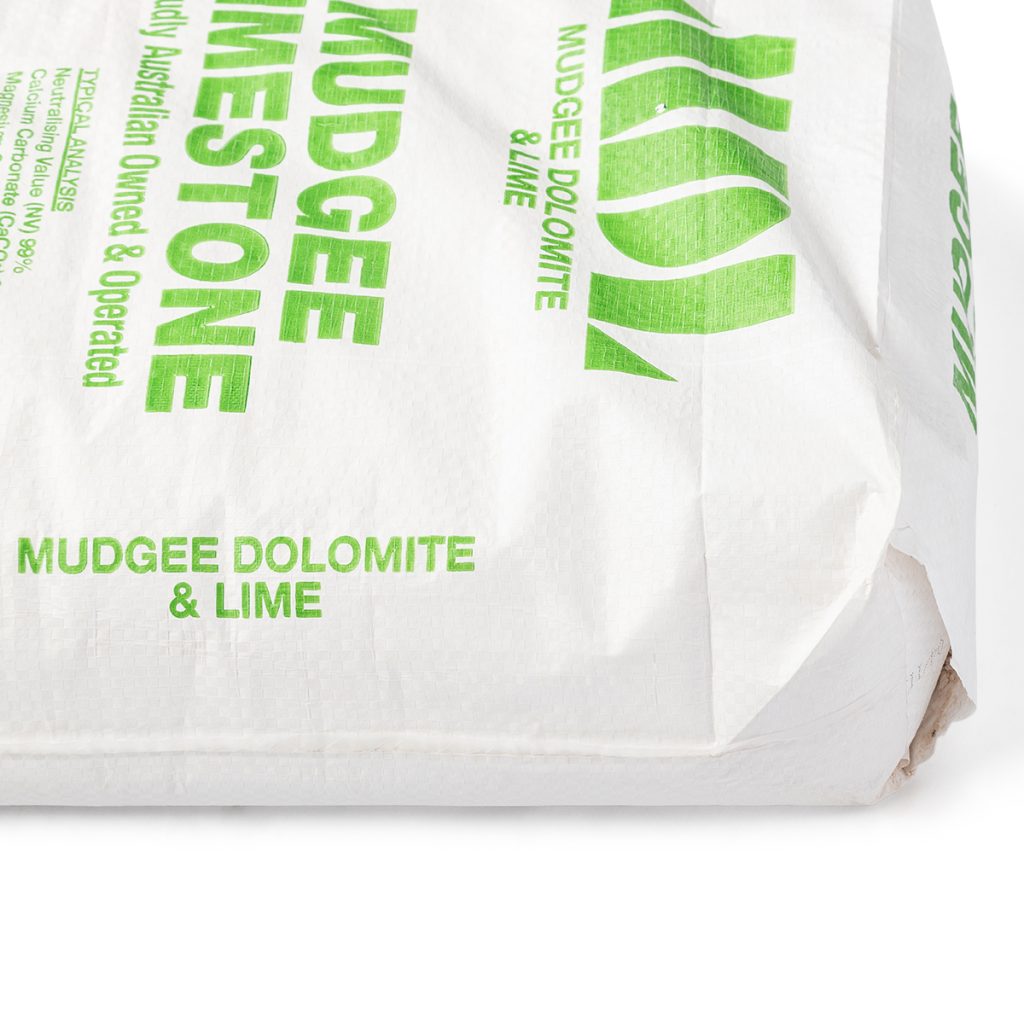
The Performance Difference between Block Bottom Valve Bags & Pinch Bottom Open Mouth Paper Bags
If the structural difference in Block Bottom Valve Paper Bags and Pinch Bottom Open Mouth Paper Bags is the skeleton, the performance difference is the personality. Valve bags are fundamentally optimized for high-speed filling of dry flowable products, especially where fast de-aeration and compact, squared pallet loads matter. High-porosity sack papers are explicitly promoted for valve sacks because they can reduce or eliminate the need for perforation while enabling quick, cleaner filling of powdered goods. That is why valve constructions appear again and again in cement, building materials, minerals, granulates, pellets, and many dust-prone industrial products.
Product specification and material selection
Block bottom valve multiwall paper bags
For block bottom valve constructions, cited supplier specifications show capacities from about 5 to 110 lb, with many industrial references centered at 25 to 100 lb. Construction is published as 1 to 6 paper plies by one source and up to 4 plies plus optional poly liner by another, which is consistent with a market that ranges from simpler sacks to highly engineered moisture- or sift-resistant bags. Critically, extensible sack papers can reduce ply count: one supplier notes that modern two-ply extensible paper bags can hold up to 100 lb, and another highlights one-ply or high-porosity valve solutions that reduce material while maintaining performance.
For paper grammage, the clearest published paper-grade references in the retrieved sources show brown sack kraft at 70–120 g/m² and white kraft grades commonly around 60–110 g/m² or 60–120 g/m². That does not mean every valve bag uses those exact values on every ply; it means the paper families feeding this market commonly sit in that window. A practical rule follows: when higher stretch, porosity, and energy absorption are available, fewer plies may do the work of a heavier traditional construction.
For paper color, unbleached brown and bleached white are both standard options for industrial bags. Brown grades are prominently associated with sack kraft strength and natural industrial appearance, while white grades are repeatedly linked to brightness, smoothness, and stronger print presentation. In practical selection terms, brown is often chosen where industrial function and a natural look are sufficient; white is often chosen when print definition, branding contrast, or a cleaner visual impression matters more. That final sentence is a practical market inference from cited paper-grade descriptions, not a formal universal rule.
For PE or film thickness, the retrieved sources do not provide one universal coating-thickness band for every valve construction. What they do provide is valuable and specific: one advanced barrier valve design uses a 20 µm barrier film in place of a more conventional 50 µm HDPE layer, while general multiwall liner options from another supplier extend to 2–10 mil PE. The practical takeaway is that thin integrated barrier films and heavier inserted liners serve different purposes: the former support moisture protection with lower plastic content; the latter support stronger standalone liner performance.
For inner-bag choice, valve bags may incorporate film between paper plies or place film against the product, and valve performance can be further tuned with paper inserts, poly-lock sleeves, tuck-ins, or heat-seal sleeves. If the key concern is valve-area sift resistance, sleeve design becomes central. If the key concern is whole-pack moisture protection, integrated film or liner placement matters more than sleeve style alone.
PBOM multiwall paper bags
For PBOM bags, cited supplier data show capacities from 1 to 110 lb overall, with industrial references such as 20 to 100 lb and the common 50 lb / 25 kg fill case appearing repeatedly. Construction ranges vary by supplier: one source lists up to 3 multiwall plies plus poly liner, another lists 3 to 6 plies of paper, and a third notes that PBOM can also be built in 2-ply extensible paper where paper performance is high enough. That apparent inconsistency is not a contradiction; it reflects how PBOM spans simple to highly specialized constructions.
For paper grades and grammage, PBOM draws from the same sack-kraft universe as valve bags, but the cited product references make the visual side more explicit. One supplier lists paper choices including natural, bleach, matte, and gloss, while another documented award-winning pinch-bottom bag uses white kraft paper at 80 g/m² with a 12-micron PET-laminated outer layer. Together with the cited kraft-paper data sheets, this supports a realistic specification conversation in which PBOM outer plies are selected not only for strength, but also for print finish, retail appearance, and surface functionality.
For barrier design, PBOM is unusually flexible. The retrieved sources document PE-coated inner plies, free film between paper plies, greaseproof paper, foil and Mylar liners, heat-sealed inner ply liners, and separate inner polyethylene bags with standard or high-barrier film options. This is why PBOM shows up so frequently in dry food ingredients, dairy powders, pet food, and other products where moisture, fat, aroma, or hygiene control is part of the packaging brief rather than an afterthought.
For inserted inner bags versus attached or pasted inner bags, the terminology varies by supplier, but the structure is clear. One source lists PE inserted and attached, 4–8 corners as liner options; another describes free film between plies and coated inner plies; and a dairy-packaging reference describes either an inserted LDPE liner or polyethylene laminated directly to the inner wall of the paper sack. In practical selection terms, an inserted or free inner bag is a strong choice when a distinct internal barrier, separate sealing step, or more independent liner specification is needed. An attached, pasted, or laminated inner structure is often the better fit when liner stability inside the paper shell and smoother behavior on the filling line matter more. That sentence is a practical engineering inference from the cited construction options.
| Specification item | Block bottom valve bag | PBOM bag |
|---|---|---|
| Published capacity range | About 5–110 lb overall; many industrial references at 25–100 lb | About 1–110 lb overall; many industrial references at 20–100 lb, with 50 lb / 25 kg very common |
| Published ply range | 1–6 plies, or up to 4 plies plus poly liner; 2-ply extensible also documented | Up to 3 plies at one supplier, 3–6 at another, and 2-ply extensible also documented |
| Paper-grade direction | Brown and white sack kraft; high-porosity/extensible options important for valve filling | Natural, bleach, matte, gloss; print-oriented outer plies more commonly highlighted |
| Barrier direction | Poly-coated plies, HDPE films, valve sleeves, advanced thin barrier films | PE-coated inner plies, free film, greaseproof, foil/Mylar, separate inner bags |
| Inner-liner decision | Often integrated around whole-bag barrier need plus valve-sleeve design | Inserted/free liners suit strong internal barriers; attached/laminated liners suit line stability and integrated construction |