
What is BOPP Valve Woven Bags?
BOPP Valve Woven Bags are high‑duty industrial packages that marry a woven polypropylene (PP) backbone with a reverse‑printed BOPP (biaxially oriented polypropylene) film and finish the build with an integrated valve mouth for rapid, dust‑managed filling. In factory catalogs they may also be described as BOPP‑laminated woven valve sacks, PP/PE valve woven bags, PE‑coated BOPP valve sacks, or raffia valve sacks with BOPP facings. Different names, one architecture: textile strength for drops and pallets; a film face for premium, rub‑resistant graphics; a valve sleeve that lets air out while product goes in—then closes. In short, BOPP Valve Woven Bags behave like a precision component on the line and a resilient container in the world.
System thinking explains the advantage. The “bag” is a coordinated set of subsystems rather than a single part. Materials: raffia‑grade PP resin for tapes; BOPP film (commonly 10–18 μm) reverse‑printed; PE/PP extrusion coatings (≈16–35 μm); valve films; food‑grade inks/adhesives; UV stabilizers; slip/antiblock packages. Structure: mesh and denier (e.g., 9×9–12×12; ~800–1200 denier), laminated GSM (~110–190 GSM), valve geometry (straight or self‑closing), gusset width (≈80–200 mm), designed COF inner/outer, bottom fold design. Process: tape extrusion & drawing → circular‑loom weaving → BOPP reverse printing → lamination/coating → slitting → valve insertion → bottom forming & heat sealing → inspection. Assurance: mechanical and seal performance, barrier as specified, food‑contact where relevant, and friction windows that satisfy both machine path and pallet stability. Touch one dial and the others move—add 10 μm of coating and seals get easier, yet folds stiffen; lower inner COF and formers glide, yet outer COF must rise to prevent pallet creep. Treat BOPP Valve Woven Bags as an integrated system and outcomes turn repeatable rather than lucky.
Data reinforcement · Case anatomy · Comparative lens. Representative listings show woven bases near ~70–110 GSM with laminated totals ~120–180 GSM for 20–50 kg formats, meshes 9×9–12×12 typical. Brands moving off paper multiwall report fewer wet‑floor failures and sharper shelf faces when they adopt BOPP Valve Woven Bags—ink lives under film, scuff drops, graphics endure. Compared with paper multiwall: stronger on damp floors, better abrasion tolerance. Compared with mono PE valve film: superior drop integrity and billboard‑flat panels.
For a concise reference point, see BOPP Valve Woven Bags.
What is the features of BOPP Valve Woven Bags?
Strength without bulk. Oriented PP tapes translate low mass into high tensile and tear performance. The lattice arrests tear propagation and spreads impact energy at docks and on conveyors. With double‑fold bottoms, BOPP Valve Woven Bags routinely clear ~1.2–1.5 m drop regimes for 25–50 kg fills.
Valve that vents—and then seals. Integrated sleeves (PE or PP/PE) purge entrained air during impeller or air‑pack filling; optional micro‑vents or porous inserts tame dust without throttling speed. As product settles, the sleeve self‑closes or is heat‑tacked, giving short cycles and tidy mouths.
Print that persuades and persists. Reverse‑printed BOPP hides ink beneath film, so branding resists conveyor rub and pallet friction. Matte or gloss top‑varnish tunes glare for scanners; compliance panels remain crisp because the woven core limits stretch.
Friction engineered in two directions. Inner COF ~0.18–0.30 keeps webs moving over formers and mandrels; outer COF ~0.35–0.55 helps tall stacks grip. Anti‑slip emboss adds traction without smearing codes.
Moisture strategy matched to lane. BOPP improves print fidelity and surface hardness; adding a PE extrusion coating (≈16–35 μm) or a thin inner liner (PE/PP ~25–60 μm) can push WVTR (38°C/90% RH) into ~1–5 g/m²·day bands for hygroscopic powders or humid depots.
Sustainability with teeth. Mono‑polyolefin builds (PP fabric + BOPP + PP/PE valve) fit mechanical‑recycling pathways more cleanly than mixed systems, and fewer re‑bags mean fewer rejected pallets—less waste, fewer miles.
Data reinforcement · Case analysis · Comparative study. Laminated constructions often publish ~120–180 GSM, print 1–8 colors, with COF windows tuned to OEE targets. A mortar producer cut reject rates by adopting BOPP Valve Woven Bags tuned to outer COF ~0.48 and inner ~0.22; mis‑stacks fell double digits versus paper valve kraft. Compared with stitched open‑mouth woven sacks, valve designs run cleaner and faster at the filler.
What is the production process of BOPP Valve Woven Bags?
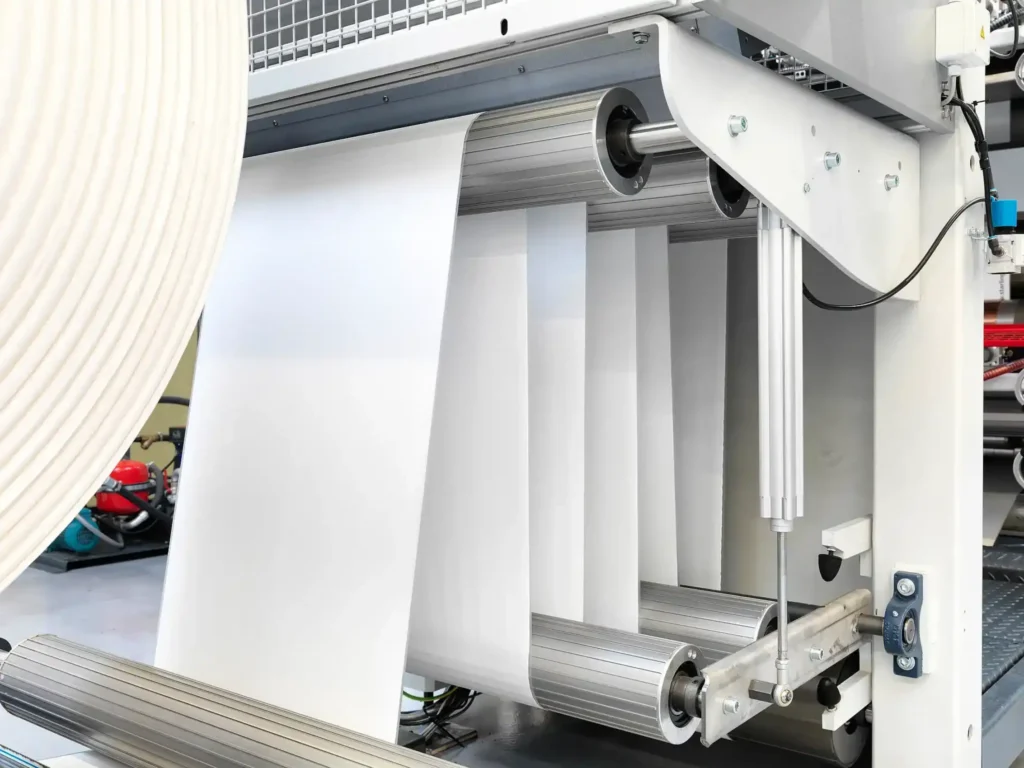
Step 1 — PP tape extrusion & drawing. PP resin is extruded to a film, slit to tapes, and drawn to align chains. Resin analytics guide stability: MFR (ISO 1133) ~2–4 g/10 min for steady draw; OIT (ASTM D3895) ≥20 min @ 200°C for antioxidant sufficiency; ash (ISO 3451) ≤0.05% to limit contamination.
Step 2 — Circular‑loom weaving. Warp and weft tapes interlace to target mesh (e.g., 9×9–12×12) and width. Loom tension and pick count determine GSM, dimensional stability, and downstream print flatness.
Step 3 — Reverse printing & lamination. Artwork is printed in reverse on BOPP (typically 10–18 μm), then laminated to the fabric via extrusion lamination (often with a PE tie). This station sets peel strength, layflat, curl, and film COF; anti‑slip emboss may be imparted here.
Step 4 — Slitting, valve insertion, and bottom forming. Laminates are slit to width; a valve sleeve (PE or PP/PE) is inserted at side seam or header; bottoms are folded and heat‑sealed (cross/step) to remove stitch leak paths.
Step 5 — Coding & finishing. Lot/date/traceability codes land in reserved quiet zones; matte finishes help barcode contrast. Gussets ~80–200 mm are formed to stabilize pallets and present flat faces.
Step 6 — QC & compliance. Thickness/GSM audits; tensile/tear for films (ASTM D882/D1004), dart impact (ASTM D1709), COF (ASTM D1894), seal/peel (ASTM F88/F88M), drop (ASTM D5276) at ~1.2–1.5 m for 20–50 kg; barrier verification (ASTM F1249 / ISO 15106) when specified. Food‑adjacent builds reference 21 CFR 177.1520 (USA), EU No 10/2011, GB 4806.7; woven mechanics align to GB/T 8946‑2013; management systems often ISO 9001:2015 and ISO 22000:2018.
Horizontal & vertical reasoning. Horizontally, film converting meets textile weaving and valve fabrication; vertically, tolerances cascade—miss draw temp and tapes neck; over‑nip lamination and curl rises; mis‑set COF and pallets slide. Reliability is designed, not discovered.
Data reinforcement · Case anatomy · Comparative lens. Suppliers publish seal windows by coating micron and track peel across jaw temperatures. A gypsum program eliminated corner blowouts by shifting denier from ~900 → ~1100 and lengthening the bottom fold—modest edits, significant stability.
What is the application of BOPP Valve Woven Bags?
BOPP Valve Woven Bags are specified for cement and mortar, gypsum and plasters, lime and fly ash, mineral salts, fertilizers, and selected food‑adjacent minerals (e.g., water‑treatment salts). The valve enables high‑speed fill with low dust; the BOPP face protects branding; the woven core survives conveyor abuse and dockside drops.
Selection cues. Three levers do most of the work: bulk density, lane humidity, and target OEE. Retail‑leaning 20–25 kg formats often use flat widths ~500–700 mm with gussets ~80–160 mm; industrial 40–50 kg fills move to ~650–900 mm. In humid corridors, pair BOPP with thicker PE or a liner for WVTR targets; in dusty fills, micro‑vents prevent ballooning and keep filler accuracy honest.
Data reinforcement · Case anatomy · Comparative lens. Print systems handle 1–8 colors; code fields integrate GS1/QR/lot. A sand supplier shrank reject rates by broadening the seal plateau (coating +10 μm) and tuning COF to inner 0.20 / outer 0.50—formers ran cleaner; pallets rode tighter than paper valve kraft.
What is the application of BOPP Valve Woven Bags (Extended)?
Cement & blended cements. High‑denier fabrics and anti‑slip externals keep tall stacks square on rough yards; matte finishes cut glare for scanners under warehouse lighting.
Gypsum & dry mortar. Reverse‑printed BOPP preserves small text and compliance grids; gusset geometry keeps faces billboard‑flat on retail displays and contractor pallets.
Fertilizers & seeds. UV‑stabilized tapes, double‑fold bottoms, and tuned valve sleeves suit prilled and granular flows; outdoor depots stay orderly.
Salts & de‑icers. Where incidental food‑contact frameworks apply, mono‑polyolefin structures align with common standards while resisting wet floors and forklift rub.
Data reinforcement · Case anatomy · Comparative lens. Exposure‑class UV options extend outdoor life; total GSM is dialed to stack height and drop regime. A fly‑ash line improved seal uniformity by adopting pre‑heated jaws matched to thicker coatings—fewer jaw rejects, cleaner pallets.
Compliance & Certification Map (for auditors and buyers)
United States (FDA). 21 CFR 177.1520 (olefin polymers) for PP/PE components; 21 CFR 175.105 / 175.300 when adhesives/coatings are used. Validation typically cites ASTM D882/D1004/D1709/D1894/D5276 and ASTM F88/F88M; WVTR by ASTM F1249 when specified.
European Union. Framework (EC) 1935/2004; Plastics Regulation (EU) No 10/2011; GMP (EC) 2023/2006; barrier metrics often reference ISO 15106; migration evaluated via EN 1186.
China. GB 4806.7‑2016 (plastics in contact with food) when relevant; woven mechanics per GB/T 8946‑2013; additive inventory GB 9685‑2016.
Quality systems. ISO 9001:2015 (QMS), ISO 22000:2018 or FSSC 22000 for food‑adjacent plants. Third‑party labs (SGS, TÜV, Intertek) typically issue reports used for retailer onboarding.
Paperwork is not bureaucracy; paperwork is risk control. Certificates, peel curves, COF reports, and lot traceability are how pallets arrive as promised.
Quick Spec Table — BOPP Valve Woven Bags (Representative Ranges)
| Attribute | Representative Range / Options | Engineering Notes |
|---|---|---|
| Capacity classes | 20–50 kg | Map to bulk density and drop regime |
| PP fabric GSM | ~70–110 GSM | Mesh 9×9–12×12; ~800–1200 denier |
| BOPP film | ~10–18 μm (reverse‑printed) | Photo‑quality graphics; high rub resistance |
| Extrusion coating | ~16–35 μm (PE/PP) | Drives seal window, WVTR, and COF tuning |
| Total laminated GSM | ~120–180 GSM | Balance drop integrity and line speed |
| Valve sleeve | PE or PP/PE, 2–3 ply | Self‑closing or straight; tuned to flow/air |
| COF (outer/inner) | Outer 0.35–0.55 / Inner 0.18–0.30 | Anti‑slip outside, low‑friction inside |
| WVTR (38°C/90% RH) | ~1–5 g/m²·day (stack‑dependent) | Verify via ASTM F1249 / ISO 15106 |
| Seal strength (ASTM F88) | ~30–60 N/25 mm | Validate on production equipment |
| Dart impact (ASTM D1709) | ≥ 200–400 g typical | Tune to handling severity |
| Width × Length | ~450–900 mm × 600–950 mm | Gusset ~80–180 mm formed in converting |
| Printing | 1–8 colors (flexo/gravure) | Matte topcoat improves code contrast |
| UV stabilization | Exposure‑class options | For sun‑exposed storage yards |
Values reflect widely published supplier ranges and peer listings; confirm against your product density, humidity cycles, and transport trials before freezing a BOM.
System Synthesis — An integrated valve‑BOPP brief you can issue today
Objective. Run a 25–40 kg cement/mortar program with high OEE, clean pallets, and billboard‑flat faces under mixed indoor/outdoor storage.
Material & structure. Specify BOPP Valve Woven Bags with ~100 GSM PP fabric (mesh ~11×11, denier ~1000), 15 μm reverse‑printed BOPP, and ~25–30 μm PE tie/coating. Valve: self‑closing PE sleeve tuned to bulk density and air release. Total laminated GSM ~150–170.
Barrier & print. Maintain WVTR targets matched to climate; use matte topcoat for low glare; reserve quiet zones for GS1/lot/date codes. Outer COF 0.45±0.05; inner 0.22±0.04.
FFS setup. Cross or fin seal with pre‑heated jaws matched to coating microns; micro‑vents for dusty fills; jaw dwell optimized to avoid cut‑through. Validate drop at 1.2–1.5 m for the target mass (ASTM D5276).
Assurance. Require attestations to 21 CFR 177.1520, EU 10/2011, GB 4806.7, and GB/T 8946; archive seal, COF, dart, drop, peel, and WVTR reports per lot.
Outcome. Strong where it travels, clean where it fills, persuasive where it sells—evidence that BOPP Valve Woven Bags turn material innovation into operational advantage.
- What is BOPP Valve Woven Bags?
- What is the features of BOPP Valve Woven Bags?
- What is the production process of BOPP Valve Woven Bags?
- What is the application of BOPP Valve Woven Bags?
- What is the application of BOPP Valve Woven Bags (Extended)?
- Compliance & Certification Map (for auditors and buyers)
- Quick Spec Table — BOPP Valve Woven Bags (Representative Ranges)
- System Synthesis — An integrated valve‑BOPP brief you can issue today
BOPP (Biaxially Oriented Polypropylene) valve woven bags have revolutionized the packaging industry, particularly in sectors requiring durable and reliable materials. These bags are made from a strong and flexible woven fabric laminated with BOPP film, which enhances their performance in various applications, from industrial goods to agricultural products. This article explores the material innovation behind BOPP valve woven bags, examining their features, benefits, and how they align with market trends and environmental standards.
What Makes BOPP Valve Woven Bags Special?
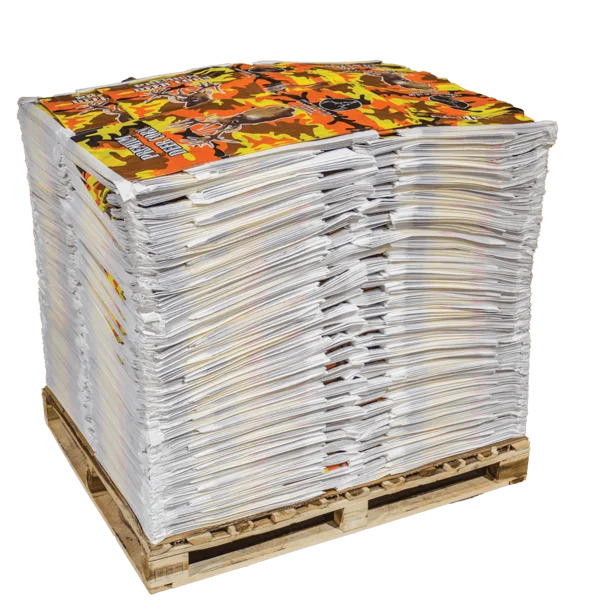
BOPP valve woven bags are highly durable, versatile, and cost-effective. Combining the strength of woven polypropylene with the clarity and protection of BOPP film, these bags offer superior packaging solutions. The valve closure mechanism in these bags ensures quick filling and secure sealing, making them ideal for packaging dry products, grains, chemicals, and fertilizers.
Key Features:
- Durability: BOPP valve woven bags are designed to withstand harsh environments, offering resistance to punctures, tears, and abrasions.
- Moisture Protection: The BOPP film coating acts as a barrier against moisture, making these bags suitable for storing sensitive products.
- Customization: These bags can be custom printed with high-quality graphics, offering branding and promotional opportunities.
- Lightweight: Despite their strength, BOPP valve woven bags remain lightweight, which reduces transportation costs.
Advantages of BOPP Valve Woven Bags
The demand for BOPP valve woven bags has grown due to their ability to meet the packaging needs of a variety of industries. Let’s look at some of the primary advantages of using these bags:
- Enhanced Protection: The BOPP laminate provides an extra layer of protection, especially for products sensitive to moisture, dust, and contamination.
- Cost Efficiency: These bags are affordable compared to other packaging materials like paper bags or plastic containers, making them a preferred choice for companies looking to cut down on packaging costs.
- Sustainability: With growing environmental concerns, many companies are opting for recyclable BOPP woven bags. These bags can be recycled, reducing environmental waste.
- High Strength-to-Weight Ratio: The combination of polypropylene and BOPP film ensures a high strength-to-weight ratio, making them ideal for storing and transporting heavy loads.
- Versatility: These bags are not only suitable for agriculture but also for industrial and retail applications, making them highly versatile.
Product Parameters of BOPP Valve Woven Bags
To understand the technical specifications and applications of BOPP valve woven bags, let’s break down some critical parameters.
| Parameter | Description |
|---|---|
| Material | Polypropylene (PP) woven fabric laminated with BOPP film |
| Size | Customizable from small to large sizes (commonly 25-50 kg capacity) |
| Weight | Varies from 50g to 250g, depending on the product and strength requirements |
| Print Type | Flexographic or gravure printing for multi-color, high-definition prints |
| Closure Type | Valve system, enabling fast filling and sealing |
| Lamination | Single or double-sided lamination with BOPP film for added protection |
| Strength | High tensile strength, making it resistant to damage during storage and transport |
| Applications | Ideal for agricultural products (grains, seeds, fertilizers), chemicals, and building materials |
FAQs About BOPP Valve Woven Bags
1. What industries use BOPP valve woven bags?
BOPP valve woven bags are widely used in industries such as agriculture, chemicals, food packaging, and construction. These bags are ideal for packing products like grains, fertilizers, cement, animal feed, and powders. The ability to withstand tough conditions makes them suitable for industrial and retail packaging as well.
2. Are BOPP valve woven bags eco-friendly?
Yes, BOPP valve woven bags are recyclable, making them a more sustainable choice compared to other non-recyclable materials. Companies are increasingly focusing on minimizing their environmental impact by adopting recyclable packaging options. Additionally, BOPP bags can be made with recycled polypropylene fibers, further enhancing their sustainability.
3. How customizable are BOPP valve woven bags?
BOPP valve woven bags offer extensive customization options. From bag size to color, design, and printing, businesses can tailor these bags to meet their branding and packaging needs. Multi-color printing is common, allowing for high-quality logos and graphics on the bags. Customization adds value, especially for consumer-facing brands that want to differentiate their products.
4. Can BOPP valve woven bags be used for food packaging?
Yes, BOPP valve woven bags can be used for food packaging, especially for non-perishable items like grains, rice, flour, sugar, and pet food. The BOPP film protects the contents from moisture and contamination, ensuring the product remains fresh during transport and storage. However, it’s essential to ensure that the bag materials meet regulatory standards for food safety in different regions.
5. What are the sealing options for BOPP valve woven bags?
BOPP valve woven bags typically use a valve system, where the bag is sealed after being filled. This system ensures that the bags are tightly closed, preventing spillage and contamination. Some bags are also equipped with additional reinforcement such as double stitching or ultrasonic welding for extra strength.
The Future of BOPP Valve Woven Bags
With advancements in material technology and production processes, the future of BOPP valve woven bags looks promising. Manufacturers are continuously improving the durability, functionality, and sustainability of these bags. Some key trends influencing the development of BOPP valve woven bags include:
- Automation in Production: The use of automated machinery is helping increase production efficiency, reduce costs, and ensure consistency in quality.
- Sustainability Initiatives: As the demand for eco-friendly packaging grows, companies are focusing on creating recyclable and biodegradable BOPP woven bags.
- Customization and Branding: The trend for personalized packaging is expanding, and BOPP valve woven bags are a perfect medium for businesses to showcase their branding through custom printing.
- Smart Packaging: The integration of technology into packaging is another emerging trend. Smart BOPP bags with embedded RFID tags could allow for better tracking and inventory management.
Related Innovations and Market Insights
BOPP valve woven bags are just one part of the larger trend of material innovation in the packaging industry. For a more comprehensive look at how innovations in materials are transforming packaging, take a look at industrial woven packaging bags aligning with policies and ESG standards. This article delves into how new technologies and sustainability efforts are shaping the future of packaging across industries.
For businesses focused on exploring packaging solutions that combine BOPP laminated fabrics with other materials, check out the versatility of Kraft paper bags laminated with woven fabric, which discusses the latest advancements in composite packaging materials.
Conclusion
BOPP valve woven bags stand at the forefront of packaging material innovation. By combining strength, durability, customization options, and environmental sustainability, these bags meet the evolving needs of various industries. As demand for high-quality, sustainable packaging solutions continues to rise, BOPP valve woven bags will remain a key player in providing efficient, cost-effective, and eco-friendly packaging options.
As industries continue to look for more versatile and reliable packaging solutions, BOPP valve woven bags will not only meet the current demands but will also be key to driving forward the next wave of packaging innovations.