
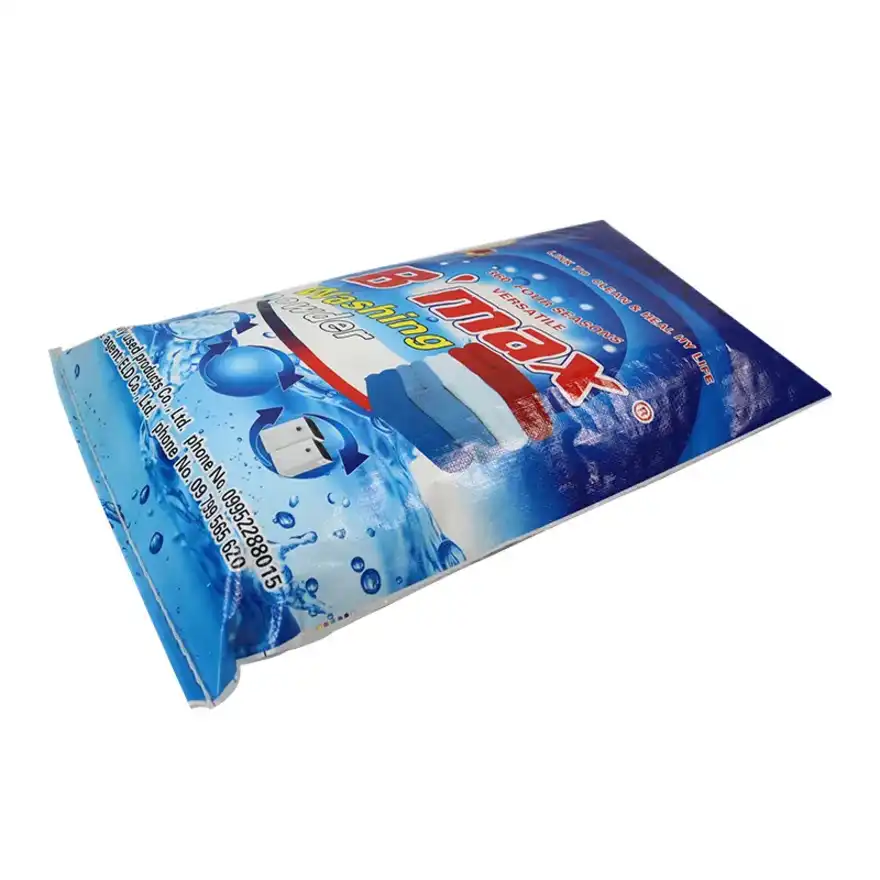
- What is BOPP Woven Bags?
- United States — Parameters, Grammage, and Printing Expectations
- European Union — Parameters, Grammage, and Printing Expectations
- China — Parameters, Grammage, and Printing Expectations
- Japan — Parameters, Grammage, and Printing Expectations
- United Kingdom — Parameters, Grammage, and Printing Expectations
- Comparative Snapshot — Parameters Seen Across Listings
- Choosing Materials Against International Standards
- System Thinking — Breaking Down Decisions for BOPP Woven Bags
- Test Methods That Prevent Surprises
- Worked Scenarios — Problem → Solution → Result
- Bill of Materials — Quick Reference for BOPP Woven Bags
- Market‑Specific Compliance Checklist
- Parameter Table You Can Drop into a Spec
- Rhetorical Toolkit for Buyer Conversations about BOPP Woven Bags
- Internal Link for Fast Navigation
- Market Orientation — Why BOPP Woven Bags Now?
- Key Features of BOPP Woven Bags — From Shelf Impact to Stack Safety
- Materials Used in BOPP Woven Bags — What’s Inside the Stack?
- Basics of Weaving & Lamination — How BOPP Woven Bags Are Made
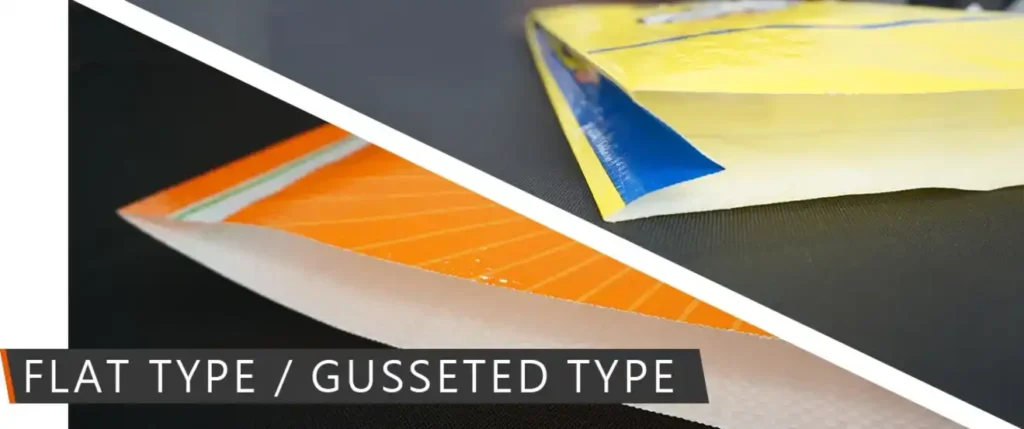
- Types of BOPP Woven Bags Available — Form Factors and Options
- Do Manufacturers Offer a Full Range of BOPP Woven Bags?
- Is There a Minimum Order Quantity for Wholesale BOPP Woven Bags?
- How to Choose the Right BOPP Woven Bags — A System Thinking Checklist
- Components of the BOPP Woven Bags System — From Resin to Finished Sack
- Common Applications of BOPP Woven Bags — Where They Win
- Quality Plan Setup — How to Commission BOPP Woven Bags for Your Packaging Line
- Benefits of Upgrading Your BOPP Woven Bags Specification
- Keeping Your BOPP Woven Bags Supply in Top Shape — Maintenance and Continuous Improvement
- Quick Parameter Table for BOPP Woven Bags
- References
What is BOPP Woven Bags?
BOPP Woven Bags are engineered flexible packages in which a reverse-printed Biaxially Oriented Polypropylene (BOPP) film is laminated onto a polypropylene (PP) woven fabric. The top film delivers the billboard—high-definition artwork, gloss or matte aesthetics, moisture protection—while the raffia fabric supplies the backbone—tensile strength, puncture resistance, and dimensional stability. People call them by many names: BOPP laminated PP bags, BOPP coated woven sacks, BOPP–PP raffia bags, BOPP rice bags, BOPP feed bags, even PP woven sacks with BOPP. Different labels, same core architecture.
Features of BOPP Woven Bags
• High strength-to-weight, enabling net fills from 5 kg to 50 kg without resorting to metal clips or multi-material shells.
• Moisture management: the BOPP layer slows vapor ingress; optional micro‑perforation lets gases escape when the product demands it.
• Superb print fidelity (6–10 colors) with rotogravure or HD CI‑flexo; matte/gloss, spot varnish, and metallic accents possible.
• Mono‑material story: where recycling streams allow, BOPP Woven Bags can enter PP mechanical recycling with minimal pre‑sorting.
How BOPP Woven Bags are produced
- Raffia tape extrusion and weaving — PP homopolymer is melted, slit into tapes, orientation-stretched for strength, then woven via circular or flat looms.
- BOPP printing — a 18–35 μm BOPP film is reverse‑printed to protect inks after lamination.
- Lamination — printed film is bonded to the fabric using PP/PE extrusion tie (≈12–25 μm) or solventless PU adhesive for low odor and strong bonds.
- Conversion — tubing, side gusset, cut, stitch or hot‑air weld; add valve tops, easy‑open tapes, or a PE liner if needed.
- Quality control — GSM checks, dimensional control, peel strength, rub/scuff, and line‑side drop/stack tests to certify logistics readiness.
Primary uses of BOPP Woven Bags
Staple foods, rice, flour, sugar, animal feed, pet food, fertilizers, seeds, building materials (e.g., putty, dry mix), industrial chemicals (resins, pigments), and retail display packs that must look premium yet survive rough handling.
Looking for a quick reference? See this resource anchored on BOPP Woven Bags: BOPP Woven Bags.
United States — Parameters, Grammage, and Printing Expectations
Why do U.S. buyers so often ask for robust drop performance and coast‑to‑coast moisture stability? Freight distances are long; climate swings are real; warehouses vary. Thus BOPP Woven Bags in the U.S. tend toward slightly heavier fabrics for 25–50 kg fills and consistent lamination bonds that won’t delaminate in heat.
Regulatory framing
Food‑contact layers must satisfy FDA pathways (PP under 21 CFR 177.1520; adhesives under 175.105). Packaging heavy metals are capped by TPCH‑model state rules (total Pb+Cd+Hg+Cr(VI) ≤ 100 ppm). Retailers may ask for letters of guarantee and, when no inner liner is used, migration screening to support risk management. Do these rules dictate exact GSM, color count, or matte vs. gloss? No. But they shape material choices and ink/adhesive selection.
Spec tendencies
• Fabric GSM: ≈70–110 g/m² for 10–25 kg; ≈90–120 g/m² for 25–50 kg.
• BOPP film: ≈20–30 μm; gloss or matte; micro‑perforation for breathability when the fill off‑gasses.
• Printing: 6–10 colors, rotogravure common; HD flexo gaining ground for agile runs.
• Documentation: FDA letters for resin, film, adhesive; TPCH heavy‑metals certificate; ink supplier statements when the food‑facing risk warrants it.
Why it matters
When shipments travel from humid Gulf states to arid deserts or chilled distribution centers, the same BOPP Woven Bags must not scuff, block, or sag. U.S. graphs rarely forgive weak seams; pallet drops expose any shortcuts. A bag that looks beautiful but fails a stack test is a marketing failure disguised as a QC issue.
European Union — Parameters, Grammage, and Printing Expectations
EU buyers bring a document‑first mindset. Not because they love paperwork, but because regulations expect a Declaration of Compliance chain across every plastic layer. BOPP Woven Bags destined for the EU therefore carry robust DoC files, NIAS risk assessments, and ink GMP declarations.
Regulatory framing
EU 10/2011 governs plastics for food contact, supported by Framework 1935/2004 and GMP 2023/2006. The Packaging & Packaging Waste Directive keeps heavy metals in check (≤100 ppm total). While the EU has no ink‑specific law, EuPIA GMP and, frequently, Swiss‑Ordinance alignment are buyer expectations, especially for high‑coverage designs.
Spec tendencies
• Fabric GSM: ≈65–100 g/m² for 10–25 kg foods; ≈80–110 g/m² for premium 25 kg rice/flour.
• BOPP film: ≈18–25 μm; matte top‑coats favored for upscale textures.
• Printing: 7–9 colors; gravure or high‑line CI‑flexo with clean halftones.
• Documentation: Full DoC with SMLs, test simulants, conditions; EuPIA GMP statements; heavy‑metals declaration on the finished pack.
Why it matters
A beautiful bag failing a set‑off test can contaminate pallets; a missing NIAS rationale can stall audits. In the EU, compliance isn’t a gate at the end—it’s the road itself. BOPP Woven Bags that travel this road smoothly tend to repeat orders with fewer debates and lower audit friction.
China — Parameters, Grammage, and Printing Expectations
China mixes speed with scale. Domestic and export buyers often share lines, yet standards differ. The latest GB updates around inks and composites push converters toward cleaner chemistries and clearer DoCs.
Regulatory framing
The GB 4806 family applies: GB 4806.7‑2023 (plastics), GB 4806.13‑2023 (composites), GB 4806.14‑2023 (printing inks), GB 4806.1‑2016 (general). Migration tests follow GB 31604 series. Non‑food sectors (fertilizers, building materials) reference GB/T 8946 and GB/T 8947 for mechanicals and dimensions.
Spec tendencies
• Fabric GSM: ≈70–120 g/m² across 10–50 kg fills.
• BOPP film: ≈20–35 μm; both extrusion and solventless adhesive lamination in use.
• Printing: 6–10 colors; ink sets moving toward GB 4806.14‑2023 compliance (low PAA, heavy‑metal limits).
• Documentation: GB 31604 reports; GB‑anchored DoCs for each layer.
Why it matters
A single plant may run BOPP Woven Bags for domestic chemicals at dawn and export food at noon. Clean separations—ink kitchens, solvent rooms, QC protocols—are how schedules keep pace without compromising audits.
Japan — Parameters, Grammage, and Printing Expectations
Japan prizes precision: in tolerances, in odor, in print. If a spec says 85 g/m², expect 85± tight. If a design calls for deep matte with a gloss logo, register must be exact.
Regulatory framing
The MHLW Positive List (PL) defines admissible substances for resins, additives, and monomers. Ink practice is steered by the JPIMA Negative List. BOPP Woven Bags therefore prioritize PL compliance tables and low‑odor adhesive/ink systems.
Spec tendencies
• Fabric GSM: ≈60–95 g/m² for 5–25 kg premium retail.
• BOPP film: ≈18–25 μm; matte/gloss in register; solventless adhesive is mainstream.
• Printing: up to 10‑color photorealistic gravure; blocking control essential for oily or sticky fills.
• Documentation: PL conformance, migration by Japanese simulants, organoleptic checks.
Why it matters
In a market where consumers handle the bag on the shelf, subtle odor or slight scuff can break the spell. BOPP Woven Bags succeed when design intent meets technical discipline: exact dyne, correct curing windows, disciplined rewinding tension.
United Kingdom — Parameters, Grammage, and Printing Expectations
Post‑Brexit, GB mirrors EU 10/2011 for plastics in practice. Importers carry legal responsibility, so their document requests can seem relentless. Deliver, and life is easier.
Regulatory framing
Retained EU 10/2011 applies, enforced via the Materials and Articles in Contact with Food (England) Regulations. Heavy‑metal thresholds align with EU practice. BOPP Woven Bags for GB need EU‑style DoCs formatted for GB and clear importer roles stated.
Spec tendencies
• Fabric GSM: ≈65–100 g/m² for 10–25 kg; ≈80–110 g/m² for 25 kg premium.
• BOPP film: ≈18–25 μm; solventless adhesive favored.
• Printing: EuPIA‑aligned ink sets; NIAS conversations increasingly common.
• Documentation: GB‑formatted DoCs; importer traceability details.
Why it matters
When a GB retailer queries a migration limit, the fastest answer is a complete DoC pack. The second fastest? A converter who already predicted the question and attached the test report when sending first articles of the BOPP Woven Bags.
Comparative Snapshot — Parameters Seen Across Listings
| Parameter | Typical Range | Practical note for BOPP Woven Bags |
|---|---|---|
| Woven fabric GSM | 60–120 g/m² | 5–10 kg at lower end; 25–50 kg at 80–110 g/m²; outdoor use often bumps GSM and adds UV masterbatch. |
| BOPP film thickness | 18–35 μm | 18–25 μm for premium retail textures; 25–30 μm improves stiffness and scuff resistance. |
| Color count | 6–10 (gravure) | HD CI‑flexo increasingly competitive for medium runs and changeovers. |
| Capacity tiers | 5, 10, 20, 25, 40, 50 kg | Valve options for fast filling; micro‑perf for off‑gassing products. |
| Options | Micro‑perforation, anti‑slip, easy‑open, PE liner | Choose by product moisture, dustiness, shelf‑life goals, and filling line speeds. |
Choosing Materials Against International Standards
A question to sharpen decisions: do standards decide the exact recipe, or do they define a fence inside which you optimize? Regulations build the fence. Performance, cost, and branding decide where inside the fence you pitch your tent. BOPP Woven Bags live or die by how you balance the two.
Resin families
• PP homopolymer raffia: highest tensile and creep resistance for tapes; MFR ≈2.5–4.0 g/10 min for drawability; high isotacticity is your friend.
• BOPP base polymer: isotactic PP tuned for biaxial orientation; additives for optical clarity, slip, and antiblock.
• Adhesion systems: solventless PU for low odor and strong bonds; PP/PE tie for extrusion lamination where line design or cost demands.
Standards logic by market
• US — 21 CFR 177.1520 for PP, 175.105 for adhesives, 178.2010 for additive clearances. Select materials supported by supplier letters; verify OIT so antioxidant packages withstand climate extremes.
• EU/UK — EU 10/2011 (retained in GB) with full DoC; EuPIA GMP for inks; 94/62/EC heavy metals. Choose grades with Union‑List compatible constituents and up‑to‑date DoCs; build NIAS justifications.
• CN — GB 4806.7/13/14 plus GB 31604 tests; ink selection must now satisfy explicit GB ink safety requirements.
• JP — MHLW Positive List plus JPIMA Negative List; low‑odor adhesive/ink combinations carry weight.
Additives and fillers that move the needle
• Antioxidants (AO 1010 + 168): guard against thermo‑oxidative degradation; confirm via DSC OIT and heat aging.
• UV stabilization (HALS ± UV absorbers): for outdoor storage, specify a weathering hour target (e.g., ISO 4892 xenon cycles) aligned to real shelf life.
• Slip/antiblock: erucamide/oleamide for slip; silica‑based antiblock to prevent blocking in high‑ink solids areas.
• Calcium carbonate: boosts stiffness and reduces cost but can embrittle if overused; pilot for extrusion stability and weaving integrity.
• Antistats: use where dust or static cling affects filling or palletizing; check listing status for food‑adjacent markets.
A pragmatic rule
Keep the additive package minimal yet sufficient. Then prove it with data: OIT for thermal stability, migration for safety, peel for bond integrity, and UV hours for outdoor survival. BOPP Woven Bags don’t win awards for additive count; they win for reliable performance.
System Thinking — Breaking Down Decisions for BOPP Woven Bags
Ask, don’t assume. What must the bag survive? Where will it be sold? Which agency inspects it? Answers shape the stack far more than fashion.
1) Regulatory fit
Build a compliance matrix per destination: plastics, inks, adhesives, heavy metals. Collect DoCs and keep their amendment numbers visible. A pet‑food SKU aiming at the US + EU + JP can share a mono‑PP construction if every layer carries the right paperwork and migration data.
2) Mechanical performance
Define fabric tensile/tear targets; certify seams; rehearse drop and stack at the line. A 25 kg rice bag travelling by sea prefers ≈85–100 g/m² fabric, ≈25 μm BOPP, anti‑slip surface, and micro‑perforation to avoid gaseous swelling.
3) Print and branding
Decide solvent windows, curing time, and bond strength before the first big run. If the design calls for matte field with spot gloss, choose a film/ink/adhesive trio that reaches peel targets without odor spikes.
4) Supply chain and QA
Run an incoming DoC checklist; track lots from resin to bag. Add OIT and UV weathering sentinels for outdoor SKUs. It’s cheaper to discover a UV gap in the lab than to apologize to a fertilizer brand in August.
5) Sustainability and cost
When possible, hold to mono‑PP. If barrier demands a liner, document the rationale and the recyclability implications. Model GSM vs. shelf claims vs. cost per pallet; remember that a single failure costs more than a few grams of insurance.
Test Methods That Prevent Surprises
| Risk | What to Measure | Representative Method | What “good” looks like for BOPP Woven Bags |
|---|---|---|---|
| Thermal oxidation | OIT of tapes/fabric | ASTM D3895 (isothermal DSC) | Baseline per climate; extend AO if below target |
| Sunlight & weather | Accelerated UV/weathering | ISO 4892‑2/‑3 (xenon/UV‑F) | Hours aligned to outdoor months of storage |
| Fabric integrity | Tensile/elongation | ISO 13934‑1 (strip) | Meets kN/m minimum for fill weight |
| Seam resilience | Seam strength | ISO 13935‑2 (grab) | Seam ≥ defined % of fabric strength |
| Bond reliability | 180° peel of laminate | Internal spec (e.g., ≥2–3 N/15 mm) | No print pick‑off; no set‑off |
| Chemical safety | Overall/specific migration | EU 10/2011 or GB 31604 schedules | Meets SML/OM limits |
| Metals in pack | Pb/Cd/Hg/Cr(VI) total | PPWD 94/62/EC or TPCH | ≤100 ppm sum |
Why this matrix? Because every failure you’ve seen in the field had a lab test that could have predicted it. BOPP Woven Bags don’t surprise their owners when the test plan is part of the spec, not an afterthought.
Worked Scenarios — Problem → Solution → Result
Scenario A — One SKU for U.S. & EU retail rice (10–25 kg)
Problem: two markets, one artwork, strict odor expectations, maritime transport.
Solution: reverse‑printed matte BOPP ≈25 μm, solventless adhesive, PP woven ≈90 g/m²; EuPIA/Swiss‑aligned inks; complete DoC set (FDA + EU 10/2011); TPCH heavy‑metals certificate; OIT baseline validated.
Result: a single specification that prints crisply, resists scuffing, and clears audits.
Scenario B — CN domestic fertilizer (40–50 kg), outdoor stacks
Problem: high UV exposure and rough handling; non‑food.
Solution: fabric ≈100–120 g/m² with UV masterbatch; BOPP 25–30 μm with UV absorber; extrusion lamination for rugged bonds; heavy‑duty stitching and anti‑slip; ISO 4892 xenon program added to QA.
Result: lower field returns; better stack stability; stronger color hold after sun exposure.
Scenario C — JP premium pet food (10–20 kg), low‑odor photoreal printing
Problem: odor‑sensitive market, meticulous graphics, strict PL/JPIMA expectations.
Solution: 20 μm matte BOPP with registered gloss logo; solventless adhesive with PL support; raffia 80–90 g/m²; ink set compliant with JPIMA NL; sensory/migration tests as release criteria.
Result: neutral odor, sharp halftones, clean pallets with no blocking.
Bill of Materials — Quick Reference for BOPP Woven Bags
| Layer | Typical Choice | Additives & Notes | Why it matters |
|---|---|---|---|
| BOPP film (18–25 μm) | Isotactic PP for BOPP | Slip/antiblock; optional UV absorber; high dyne treatment | Print quality, scuff resistance, outdoor color retention |
| Adhesive/tie | Solventless PU or PP/PE tie | Food‑contact cleared chemistries; low odor; robust bond | Maintains ink integrity and laminate peel strength |
| Woven fabric (80–110 g/m²) | PP homopolymer raffia | AO 1010/168; optional HALS; tuned CaCO₃ | Handles fill weight and stacking without creep failures |
Market‑Specific Compliance Checklist
| Market | Plastics | Inks | Heavy Metals |
|---|---|---|---|
| U.S. | FDA 21 CFR 177.1520 (PP); 175.105 (adhesives) | Brand policy; EuPIA/Swiss alignment helps globalization | TPCH: total ≤100 ppm |
| EU | EU 10/2011; Framework 1935/2004; GMP 2023/2006 | EuPIA GMP; often Swiss‑Ordinance alignment | PPWD 94/62/EC ≤100 ppm |
| CN | GB 4806.7/13/14; GB 31604 testing | GB 4806.14‑2023 | Per product std.; export may mirror EU/TPCH |
| JP | MHLW Positive List | JPIMA Negative List | Typically buyer policy; align to export |
| UK | Retained EU 10/2011 (GB) | EuPIA GMP | Mirrors EU thresholds |
Parameter Table You Can Drop into a Spec
| Item | Preferred Range for BOPP Woven Bags | Rationale |
|---|---|---|
| Fabric GSM (food retail 10–25 kg) | 65–100 g/m² | Balance between print‑friendly handling and stack safety |
| Fabric GSM (industrial 25–50 kg) | 90–120 g/m² | Higher puncture/creep resistance for long logistics |
| Film thickness (retail) | 18–25 μm | Premium tactility, fine halftones |
| Film thickness (industrial) | 25–30 μm | Stiffer face, better scuff resistance |
| Color count | 7–10 | Photographic imagery and spot brand colors |
| Lamination peel | ≥2.0–3.0 N/15 mm | Avoids print pick‑off/set‑off in stacks |
| OIT (DSC at 200–210 °C) | Meet internal climate baseline | Confirms antioxidant sufficiency |
| UV weathering target | Programmed hours to shelf life | Predicts outdoor fade and strength loss |
| Seam strength | ≥ specified % of fabric | Prevents split under drop/stack |
Rhetorical Toolkit for Buyer Conversations about BOPP Woven Bags
When a buyer asks, “Can you make it lighter?” answer with a question: “What drop height must it survive, and how long will it wait in a sunny yard?” Contrast clarifies. So does repetition with intent: strong where it matters, light where it can, compliant everywhere. Quote your own SOPs if needed: peel must exceed the threshold; NIAS must be addressed; heavy metals must stay below the line. And remind them—appearance, mechanics, compliance: remove one leg, and the stool tips.
Parallel framing you can use
Durability without dead weight; graphics without odor; compliance without drama. This trio is the north star for BOPP Woven Bags across markets.
Antithesis for trade‑offs
Thicker film adds scuff resistance yet reduces breathability; lower GSM cuts cost yet narrows safety margins. Which risk do we prefer—the visible scuff or the invisible creep? Informed trade‑offs beat default habits.
Set‑up questions that unlock specs
What is the longest pallet dwell time? Which climate extremes will it see? Will the bag meet food on its inside, or will a liner shoulder that duty? Each answer shifts the formulation more than any single buzzword ever could.
Internal Link for Fast Navigation
For a curated overview, manufacturing visuals, and application templates centered on BOPP Woven Bags, visit: BOPP Woven Bags.
Market Orientation — Why BOPP Woven Bags Now?
Global brands face a simple but relentless question: how to ship powders, grains, pellets, and dry mixes safely while still winning the shelf? BOPP Woven Bags answer with strength, print impact, and moisture control in one mono‑polymer system. This section frames the context (demand for premium graphics, stricter food‑contact rules, rising logistics stress) so that later choices feel inevitable rather than arbitrary.
Problem (background): Fragmented packaging (paper + PE liners, film + fabric hybrids) creates recycling friction, inconsistent drop performance, and dull shelf presence.
Method (approach): Compare structures and processes across industries—textiles for strength, printing for branding, regulatory science for safety—then synthesize a single solution stack centered on BOPP Woven Bags.
Result (what changes): Higher strength‑to‑weight ratios, photoreal artwork under protective film, and a clear compliance path in the U.S., EU, JP, CN, and UK.
Discussion (implication): By unifying aesthetics and mechanics, BOPP Woven Bags convert packaging from a cost center into a retail lever without inflating complexity.
Key Features of BOPP Woven Bags — From Shelf Impact to Stack Safety
BOPP Woven Bags combine a reverse‑printed BOPP face (gloss or matte) with PP raffia fabric. The film shields inks from scuff and humidity; the woven core resists puncture and creep. Expect 6–10‑color art, optional registered matte/gloss effects, and micro‑perforation when breathability is crucial. Because all layers are polypropylene, mechanical recycling streams can accept the pack where infrastructure exists.
Horizontally, think like a printer (color density, halftones), a fabric engineer (tensile/tear), and a logistics planner (drop/stack). Vertically, move from polymer selection → tape extrusion → weaving → lamination → conversion → testing. Each layer solves a different failure mode—ink pick‑off, seam split, moisture bloom—and together they close the loop.
Materials Used in BOPP Woven Bags — What’s Inside the Stack?
The woven base uses PP homopolymer raffia grades (MFR ≈2.5–4.0 g/10 min) for drawability and stiffness. The face film uses isotactic PP optimized for biaxial orientation to achieve clarity and stiffness. Adhesion comes from solventless polyurethane adhesives (low odor, food‑contact cleared) or PP/PE tie layers applied via extrusion lamination. Additives are purposeful, not decorative: AO 1010/168 for thermal stability; HALS plus UV absorbers for outdoor storage; slip and antiblock for smooth winding; antistats when dust is a hazard.
This palette echoes other industries—coatings for durability, textiles for strength, and food packaging for migration control—yet the synthesis is uniquely suited to BOPP Woven Bags.
Basics of Weaving & Lamination — How BOPP Woven Bags Are Made
Tape extrusion stretches PP into strong, oriented tapes that are woven into fabric on circular or flat looms. Reverse‑printed BOPP (18–35 μm) then laminates to the fabric, protecting inks from abrasion and humidity. Conversion adds form: tubular or back‑seamed bodies, side gussets, bottom stitching or hot‑air sealing, and features such as easy‑open, valve tops, anti‑slip varnish, or PE liners for special barriers. The workflow is linear, but the decisions are recursive—film thickness influences print, which influences adhesive choice, which influences curing windows.
Types of BOPP Woven Bags Available — Form Factors and Options
You’ll find flat‑bottom display bags for premium rice, tubular sacks for grains and feed, valve bags for rapid pneumatic filling, and large‑format industrial sacks for 25–50 kg. Options include matte/gloss in register, micro‑perforation, anti‑slip coatings, and easy‑open structures. Different shapes speak to different lines: gravity fillers prefer stiffer faces and polished seams; valve fillers favor controlled breathability.
Do Manufacturers Offer a Full Range of BOPP Woven Bags?
Yes—if “full range” means capacities from 5 to 50 kg, film finishes from mirror gloss to deep matte, and printing from economical 6‑color to photoreal 10‑color. The more meaningful question is coverage across regulatory geographies and QA depth. Leading suppliers provide documentation packs (FDA/21 CFR, EU 10/2011, GB 4806.x, JP PL) and maintain in‑house peel, OIT, and UV testing capabilities to validate every option.
Is There a Minimum Order Quantity for Wholesale BOPP Woven Bags?
MOQ reflects printing cylinders/plates, setup time, and color count. For rotogravure, MOQs are typically higher due to cylinder costs; HD CI‑flexo can reduce thresholds for short runs. From a systems view, MOQ is a risk‑sharing device: the converter amortizes make‑ready while the buyer secures consistent color and bond performance across a meaningful lot size. If you need speed, keep color counts tight and artwork techniques disciplined.
How to Choose the Right BOPP Woven Bags — A System Thinking Checklist
Problem definition: What are you packing—food, feed, fertilizer, pigments? Is direct food contact expected, or is a liner present? How long and where will pallets dwell?
Method: Translate answers into parameters. For 25 kg rice moving by sea, target 85–100 g/m² fabric, 20–25 μm matte film for premium tactility, solventless adhesive for low odor, and micro‑perforation to avoid bloating. For outdoor fertilizers, push fabric to 100–120 g/m² and specify a UV program (ISO 4892) alongside a HALS‑rich masterbatch.
Result: Bags that pass drop/stack, resist scuff and color fade, and clear audits in the destination market.
Discussion: Trade‑offs are explicit. Thicker film stiffens the face but reduces breathability; lighter fabric lowers cost but narrows safety margins. Document the rationale—future you will thank present you.
Components of the BOPP Woven Bags System — From Resin to Finished Sack
Think in layers: BOPP film → adhesive/tie → PP woven fabric → seams/closures → features (valve, easy‑open). Each layer has its own acceptance criteria. Film: dyne level, haze, slip. Adhesive: peel strength after full cure, no residual monomers beyond limits. Fabric: tensile/tear, dimensional stability. Seams: strength as a fraction of fabric, no missed stitches or hot‑air voids. Features: function on your filling line at real speeds.
Common Applications of BOPP Woven Bags — Where They Win
BOPP Woven Bags thrive in staple foods (rice, flour, sugar), animal feed and pet food, fertilizers and seeds, building materials (putty, dry mixes), industrial chemicals (resins, pigments), and retail display packs. Why here? Because the product wants a tough skin, the brand wants an attractive face, and the regulator wants a safe interface. The structure delivers all three.
Quality Plan Setup — How to Commission BOPP Woven Bags for Your Packaging Line
Start with incoming documentation: DoCs, migration reports, and heavy‑metals statements aligned to your market. On line‑trials, measure lamination peel, rub resistance, seam strength, and drop/stack. Add DSC OIT for thermal stability and an ISO 4892 weathering program for outdoor SKUs. Capture artwork delta‑E targets so your second run matches your first. A simple truth: a lab hour today prevents a pallet surprise tomorrow.
Benefits of Upgrading Your BOPP Woven Bags Specification
Upgrading is not vanity; it’s risk management with upside. An optimized spec can cut returns from seam failures, reduce scuff‑induced rejections, and extend outdoor life. It can also declutter your SKU tree by enabling a global core stack (reverse‑printed BOPP 20–25 μm → solventless adhesive → PP woven 80–100 g/m²) with additive tuning by climate. The payback may show up as fewer claims, cleaner audits, and sharper shelves.
Keeping Your BOPP Woven Bags Supply in Top Shape — Maintenance and Continuous Improvement
Run periodic audits on resin and ink lots; recalibrate peel after seasonal humidity shifts; refresh UV programs when artwork switches to darker solids that absorb heat. Build feedback loops with your filler operators—snagged seams and static cling are early warnings. And keep a living spec: when your route changes or your dwell time grows, the spec should evolve too.
Quick Parameter Table for BOPP Woven Bags
| Item | Typical Range | Why it matters |
|---|---|---|
| Fabric GSM (10–25 kg food) | 65–100 g/m² | Balance handling and stack safety |
| Fabric GSM (25–50 kg industrial) | 90–120 g/m² | Puncture/creep resistance for long logistics |
| BOPP film thickness | 18–30 μm | 18–25 μm for premium textures; 25–30 μm for scuff resistance |
| Color count | 6–10 | Photographic imagery; flexible branding |
| Lamination peel | ≥2.0–3.0 N/15 mm | Avoid ink pick‑off and set‑off |
| UV/weathering target | Program to shelf life | Outdoor color and strength retention |
For a visual overview and product gallery anchored on BOPP Woven Bags, visit: BOPP Woven Bags.
References
Framework Regulation (EC) No 1935/2004;
GMP Regulation (EC) No 2023/2006.
U.S. FDA 21 CFR 177.1520 (Olefin Polymers, incl. polypropylene);
21 CFR 175.105 (Adhesives);
21 CFR 178.2010 (Antioxidants and stabilizers for polymers).
GB 4806.1‑2016 (General Safety Requirements),
GB 4806.7‑2023 (Plastics),
GB 4806.13‑2023 (Composite materials),
GB 4806.14‑2023 (Printing inks);
GB 31604 series (migration testing) — China.
MHLW Positive List (Japan) Notification No. 196 of 2020;