
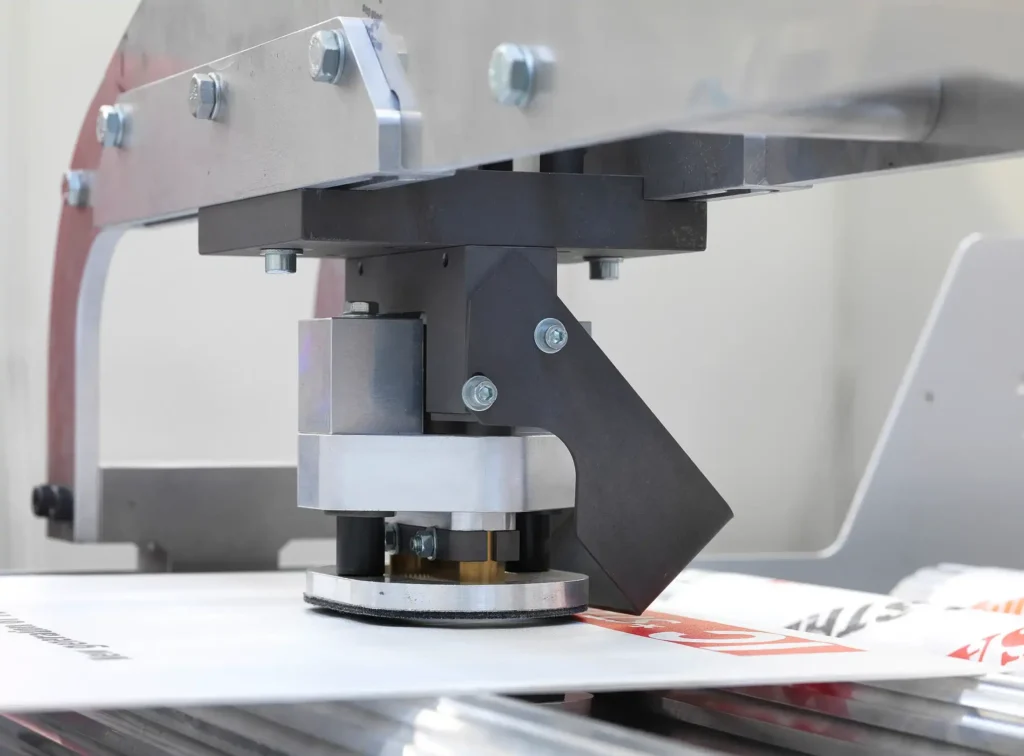
- What is Breathable PP Woven Bags?
- Why breathability matters: physics, plant realities, and logistics consequences
- A systems map for Breathable PP Woven Bags: five subsystems, one outcome
- Mechanism 1 — Uncoated woven fabric porosity: simplicity with strings attached
- Mechanism 2 — Coated woven with hot‑needle or laser micro‑perforation: the tunable workhorse
- Mechanism 3 — BOPP‑laminated woven with engineered vents: breathability meets branding
- Closure choice and bottom geometry in Breathable PP Woven Bags: where air leaves and loads lock
- Moisture vs. airflow: a balancing act with numbers, not wishes
- Printing engineering on Breathable PP Woven Bags: single‑color clarity to full‑color spectacle
- Application deep‑dives for Breathable PP Woven Bags
- Printing approach matrix
- Product parameter summary for Breathable PP Woven Bags
- Selection workflow: from question to qualified spec
- Frequently asked questions about Breathable PP Woven Bags
- A quick path to related formats
- Mini blueprints: ready‑to‑adopt patterns for Breathable PP Woven Bags
- The Role of Precision in Breathable PP Woven Bags
- Benefits of Using Breathable PP Woven Bags for Spare SKUs and Short Runs
- Exploring Custom Configurations in Breathable PP Woven Bags
- Standard Specifications for Heavy Loads in Breathable PP Woven Bags
- Performance Enhancements: Upgrading Your Supply Chain with Breathable PP Woven Bags
- Key Factors to Consider When Selecting a Breathable PP Woven Bags Supplier
- Evaluating the Quality of Breathable PP Woven Bags Manufacturing
- Breathable PP Woven Bags: Hot‑Air‑Welded Valve vs. Open‑Mouth Sew (A Comparative Study)
- Understanding Hot‑Needle and Laser Micro‑Perforation in Breathable PP Woven Bags
- Key Components of a High‑Performing Breathable PP Woven Bags System
- What Sets Breathable PP Woven Bags Apart from Other Granular Packaging Options
- Product Parameter Summary for Breathable PP Woven Bags
- A Quick Category Link for Breathable PP Woven Bags
- From Problem to Solution to Result: A Stepwise Selection Workflow
- Frequently Asked Questions on Breathable PP Woven Bags
- References (Non‑CNC Sources)
What is Breathable PP Woven Bags?
Definition.
Breathable PP Woven Bags are industrial and retail transport sacks manufactured from woven polypropylene (PP) tapes and engineered to permit controlled airflow through the package while retaining high tensile strength, puncture resistance, and stack stability. Breathability may arise from the intrinsic porosity of uncoated woven fabric, or from engineered venting—most often micro-perforations—in otherwise low-permeability coated or BOPP-laminated constructions.
Aliases (bolded for clarity).
- PP woven sacks
- vented woven bags
- breathable valve sacks
- micro-perforated BOPP laminated PP sacks
- block-bottom PP valve bags
- AD*STAR®-type PP bags
These labels are siblings rather than strangers; they differ by closure style and surface treatment, not by the fundamental woven PP substrate.
Key features of Breathable PP Woven Bags.
- High strength-to-weight ratio
- Adjustable air permeability (from near-airtight to highly vented)
- Options for moisture management and print fidelity via PP coatings or BOPP films
- Compatibility with open-mouth sew, tape-over, or hot-air-welded block-bottom valve formats
- Excellent cube efficiency for pallets when made in block-bottom geometry
- Recyclability pathways in PP streams for uncoated articles
- Tunable deaeration performance that shortens fill cycles and reduces dust
Manufacturing process (from resin to ready load).
- Polypropylene resin
- Tape extrusion and stretching (to orient molecules and raise tensile)
- Circular loom weaving (typical meshes 8×8 to 14×14 tapes/in)
- Optional corona treatment
- Surface skin (15–30 g/m² PP coating, or 15–25 μm BOPP film)
- Micro-perforation via hot-needle or laser (pattern and density set to target airflow)
- Printing (CI-flexo or gravure, 1–10 colors)
- Conversion (open-mouth sew/tape-over; or hot-air-welded block-bottom valve)
- QA (dimensions, seam/valve peel, air permeability per ISO 9237/ASTM D737, filled-sack drop per ISO 7965)
- Palletization and load securement
Typical uses (bolded).
- Cement and building materials
- Industrial minerals (lime, barite)
- Fertilizers
- Resins & chemical additives
- Animal feed and pet food
- Rice, flour, and grains
- Charcoal and wood pellets
- Root vegetables & onions in hybrid mesh/woven formats
- Specialty powders that entrap air during filling or off-gas modestly in storage
Each application asks the same question in its own accent: how much should the package breathe—and where?
Why breathability matters: physics, plant realities, and logistics consequences
The moment a fine powder hits an impeller spout, it becomes not just matter but air‑laden matter. Trapped air stretches seams, inflates bag walls, and tempts the package to “balloon.” Too little venting and you fight your own filler; too much venting and you invite moisture, sift product, and undercut cleanliness. Breathable PP Woven Bags live in the middle—sufficiently porous to release air at the right time and place, sufficiently tight to guard product quality across miles of road and weeks of ocean.
Consider a simple chain:
- Product physics: particle size (D50), shape, friction, hygroscopicity, and heat at fill determine entrained air and moisture sensitivity.
- Equipment: gravity vs. auger vs. impeller vs. air‑packer governs how fast you need air to escape; hood capture and dust rules set permissible emissions.
- Geometry: block‑bottom designs stack like bricks; open‑mouth pillows do not. Vent placement interacts with these shapes.
- Distribution: container sweat, long‑duration compression, forklift bumps. A breathable wall that is perfect at the filler may need help from over‑pack and stretch shrouds later.
Ask a rhetorical question: Isn’t a hole just a hole? Not here. Perforation diameter, density, pattern, and location turn a hole into a valve without moving parts. That is why the craft of Breathable PP Woven Bags sits at the meeting point of textile physics, fluid dynamics, and packaging engineering.
A systems map for Breathable PP Woven Bags: five subsystems, one outcome
We decompose the performance puzzle into five subsystems, then recombine them into a coherent specification.
- Fabric porosity — woven mesh geometry (tape width, thickness, pick count) sets a baseline airflow.
- Surface skin — PP coatings and BOPP films reduce permeability while improving printability and splash resistance.
- Directed vents — micro‑perforations (hot‑needle or laser), vent stripes, and perforation windows bring back controlled airflow through skins.
- Closure and bottom style — open‑mouth sew/tape vs. hot‑air‑welded block‑bottom valve concentrates venting in walls while keeping seams sift‑proof.
- Unitization environment — pallet pattern, straps, corrugated over‑pack, stretch shrouds, and desiccants modulate moisture and mechanical stress in transit.
Interdependencies matter. Raise fabric mesh to reduce pores? You may need more vents in the film. Choose matte BOPP for anti‑glare branding? You must re‑open breathing through laser micro‑perfs. Optimize the valve for fill speed? Then check the hood capture rate and perforation field to prevent dust pulses.
Mechanism 1 — Uncoated woven fabric porosity: simplicity with strings attached
Background. Uncoated woven PP derives breathability solely from the interstices between tapes. No skins, no films—just fabric.
Horizontal perspective. Borrow intuition from textiles: air permeability rises as pores enlarge and packings loosen. Borrow again from powder handling: coarse pellets vent themselves; fine powders do not.
Vertical decomposition. Tape extrusion → loom settings → mesh (e.g., 10×10 or 12×12 tapes/in) → fabric gsm → sew parameters. Each rung affects airflow, sifting, and seam behavior.
Problem → Method → Result → Discussion.
- Problem. Fine premixes in agriculture sift through needle holes; yet the line lacks film lamination capacity.
- Method. Tighten mesh from 10×10 to 12×12, increase fabric gsm modestly for tear resistance, and specify sew with sift‑proof crepe tape underlay. Define an air‑permeability window at procurement using ISO 9237/ASTM D737.
- Result. Fewer dust events, stable stacking, line rates maintained because baseline fabric porosity still vents entrained air.
- Discussion. Uncoated builds shine where cost pressure is intense and graphics are modest. But the “weave pattern” can telegraph through print, and moisture splash resistance is lower than in skinned constructions.
Data signals. Commodity uncoated fabrics for Breathable PP Woven Bags often target air‑permeability windows set by the buyer (for example, bands aligned with 20–160 m³/h on a normalized test rig), meshes in the 8×8–14×14 range, and fabrics around 58–220 g/m² depending on load.
Mechanism 2 — Coated woven with hot‑needle or laser micro‑perforation: the tunable workhorse
Background. A thin PP coating (≈15–30 g/m²) calms the surface for better print and lowers uncontrolled porosity. The bag, now “quiet,” needs engineered vents to exhale.
Horizontal perspective. Think of a rain jacket with pit‑zips: the membrane blocks rain; the vents let vapor out where needed. Coating plays the membrane; micro‑perfs are the zips.
Vertical decomposition. Coating weight → perf diameter → perf density (holes/m²) → perf pattern (full‑field, bands, or windows) → placement relative to valve and gussets.
Problem → Method → Result → Discussion.
- Problem. Cement on an impeller packer inflates laminated sacks; the mouth puffs, hoods catch dust, pallets creep.
- Method. Specify coated woven for print; add micro‑perforation bands aligned to the flow path; adopt a block‑bottom valve with hot‑air welding to keep the bottom sift‑proof. Tune perf density to the targeted 20–160 m³/h airflow band.
- Result. Faster fill cycles, lower mg/m³ at capture hoods, square‑faced pallets; graphics remain photographic thanks to the smoother face.
- Discussion. Hot‑needle perfs create melt‑sealed rims (good for anti‑tear); lasers can craft finer, more regular holes (good for precision matrices). Choose based on product fineness and desired print zone aesthetics.
Engineering notes. In Breathable PP Woven Bags, perf location often avoids high‑abrasion zones; many converters hide perforation fields in side panels or gussets to protect visuals while preserving airflow.
Mechanism 3 — BOPP‑laminated woven with engineered vents: breathability meets branding
Background. BOPP films unlock saturated color, smooth halftones, and tactile control—Glossy for pop, Matte for premium restraint. The film, though, seals pores. We must “teach” the laminate to breathe again.
Horizontal perspective. Borrow from roast‑coffee bags and modified‑atmosphere pouches: barrier + controlled vents balance freshness with package integrity.
Vertical decomposition. Clear vs. matte BOPP → ink laydown (anilox selection) → micro‑perf strategy (laser through film; or pre‑perforate coating under film) → vent windows hidden in gussets when panels must be pristine.
Problem → Method → Result → Discussion.
- Problem. Rice and flour need photo‑grade branding and a Matte Finish, yet must “breathe” enough to curb condensation during diurnal temperature swings.
- Method. Matte BOPP lamination, laser micro‑perforation in a distributed pattern sized to predicted moisture load, CI‑flexo or gravure in 8–10 colors, and tape‑over or sewn open mouth with sift‑proofing.
- Result. Rich visuals, anti‑glare tactility, and a slow, steady respiration that keeps grains crisp and labels scan‑clean.
- Discussion. Glossy film maximizes chroma and shelf light play; matte film hides scuffs and reads upscale. Either can be breathable when vents are engineered, not improvised.
Pro tip. Keep vents off barcode and small‑text areas to prevent visual noise; schedule plates to avoid printing over dense perf fields where dot gain may behave unusually.
Closure choice and bottom geometry in Breathable PP Woven Bags: where air leaves and loads lock
A closure is more than an afterthought; it decides which path air will choose. Open‑mouth sew is friendly to coarse goods and legacy lines; tape‑over adds cleanliness. Block‑bottom valve formats—hot‑air welded—give a brick‑like geometry that interlocks on pallets and concentrate breathing in the sidewalls where perf fields sit.
Question worth asking: if the bag breathes, does the seam have to? Prefer not. Let the walls breathe; keep seams sift‑proof. That’s the logic behind valve designs in Breathable PP Woven Bags.
Plant geometry. Block‑bottoms self‑stand, present broad print panels, and resist “pallet walk.” Open‑mouth pillows can be cheaper, yet stack less efficiently. Your product density, route roughness, and retail‑face ambitions will decide the trade.
Moisture vs. airflow: a balancing act with numbers, not wishes
The enemy of dust is not always the friend of dryness. Perforate too timidly and your filler groans; perforate too boldly and humid lanes will punish you. Treat the balance as a design target.
Knobs you can turn:
- Air‑permeability band (e.g., ~20–160 m³/h) as the spec center.
- Perf topology: bands for directional venting; full‑field for global deaeration; windows to protect print zones.
- Skin choice: thin coatings for modest barrier and better print; film laminations for photo graphics; both made breathable by perfs.
- Unit load: shrouds, corner boards, desiccants, and strapping patterns preserve the gains you made upstream.
Thought experiment. Would you rather fight dust at the mouth or place discreet vents where turbulence is predictable? The second approach wins more often in Breathable PP Woven Bags because it harnesses physics rather than denying it.
Printing engineering on Breathable PP Woven Bags: single‑color clarity to full‑color spectacle
Bags must sell while they protect. That means symbols must be legible, barcodes must scan, colors must hold across long runs, and registration must survive humidity swings.
Press pedigree. Plants equipped with Austria’s Starlinger and Germany’s Windmöller & Hölscher (W&H) platforms deliver this repeatability at scale: Starlinger’s dynaFLEX flexo lines (up to 8 colors) for coated/uncoated fabrics and ad*starKON conversion (with perforation modules) for block‑bottom valves; W&H MIRAFLEX II CI‑flexo and NOVOFLEX/VISTAFLEX families (often 8–10+ colors) for film‑grade printing with integrated defect detection.
Color systems and finishes. Commodity marks in single color, mid‑tier branding in two‑to‑six colors, or photo‑grade branding in full color (CMYK plus specials) on BOPP. Glossy Finish for high‑chroma sparkle; Matte Finish for quiet confidence.
Registration on rough webs. Coated fabric calms the weave; BOPP eliminates print‑through of the mesh. Modern camera systems hold register even as web tension and ambient RH shift.
Moiré mitigation. Stagger halftone angles, choose anilox volumes prudently, and avoid halftone fields over dense perf matrices. The goal: pictures that look like pictures, not fabric.
Application deep‑dives for Breathable PP Woven Bags
Cement and building materials
Background. Powdery, abrasive, time‑sensitive at fill.
Specification logic. Coated woven + micro‑perfs + block‑bottom valve; perf band tuned to filler and powder density; 6–8 color flexo sufficient for industrial branding; dense pallet patterns enabled by brick geometry.
Operational payoffs. Faster line rates, lower hood dust, fewer burst seams, cleaner warehouses.
Rice, flour, and grains
Background. Retail‑facing, flavor‑sensitive, prone to condensation in coastal lanes.
Specification logic. Matte BOPP lamination + laser micro‑perf matrix; open‑mouth sew/tape‑over; 8–10 color CI‑flexo or gravure for culinary imagery.
Operational payoffs. Premium shelf presence, slow “breathing” to reduce moisture fogging, scuff‑resistant faces.
Animal feed and pet food
Background. Coarse pellets; dusty residues at seams; robust handling in bulk channels.
Specification logic. Uncoated or lightly coated woven; sift‑proof sewn seam; anti‑slip weaving; mid‑tier branding in 4–6 colors.
Operational payoffs. Clean aisles, stable stacks, manageable cost per bag.
Fertilizers and soil amendments
Background. Hygroscopic risks vary; some oxidizers strict on contamination.
Specification logic. Coated woven with banded perfs to direct venting away from high‑contact faces; valve or open‑mouth depending on granule size; compliance checks on any DG classifications.
Operational payoffs. Lower caking, improved safety perception, consistent fill mass.
Charcoal and wood pellets
Background. Off‑gassing and odor management; rough outdoor handling.
Specification logic. Uncoated woven for ruggedness or BOPP laminated for retail; targeted perf fields to vent volatiles; darker inks for scuff camouflage.
Operational payoffs. Reduced bag swelling, steady pallet geometry, brandable surfaces for seasonal promotions.
Root vegetables & onions (hybrid)
Background. Respiration continues post‑harvest; moisture and CO₂ must exchange.
Specification logic. Hybrid mesh/woven panels; perfed films in non‑load‑bearing zones; breathable windows sized to commodity respiration rates.
Operational payoffs. Cooler sacks, fewer rot pockets, friendlier handling in supply chains where crates are not universal.
Printing approach matrix
| Printing objective | Recommended method | Color stations | Typical substrate | Finish options | Notes |
|---|---|---|---|---|---|
| Commodity marks & simple logos | Flexo on coated woven | 1–3 | Coated woven | Natural satin | Low ink laydown, fast changeovers |
| Mid‑tier branding & regulatory blocks | CI‑flexo on coated woven | 4–6 | Coated woven | Satin / Gloss (via OPV) | Tight register with vision systems |
| High‑fidelity photo graphics | CI‑flexo or Gravure on BOPP | 8–10 | BOPP‑laminated woven | Glossy or Matte | Laser micro‑perfs retain breathability |
Product parameter summary for Breathable PP Woven Bags
| Parameter | Typical Options / Range | Engineering notes |
|---|---|---|
| Bag capacity | 5–50 kg common; up to block‑bottom 9–75 L | Choose size by bulk density and pallet plan |
| Fabric mesh | 8×8, 10×10, 12×12, 14×14 tapes/in | Higher mesh → smaller pores, lower base airflow |
| Fabric weight | ~58–220 g/m² | Strength and stiffness scale with gsm |
| Coating weight | 15–30 g/m² PP | Improves print; lowers baseline permeability |
| BOPP film | 15–25 μm (matte or glossy) | Enables photo‑quality print and finish control |
| Air permeability | ~20–160 m³/h (supplier‑tuned) | Achieved through mesh + micro‑perfs |
| Construction | Open‑mouth sew/tape‑over or block‑bottom valve (hot‑air welded) | Valve accelerates filling and brick‑like stacking |
| Printing | Flexo/gravure 1–10 colors | CI‑flexo with vision; gravure for ultra‑fine screens |
| Testing | ISO 9237/ASTM D737 (air), ISO 7965 (drop), ASTM D4169/ISTA 3A (distribution) | Third‑party labs often used for validation |
| Food contact | FDA 21 CFR 177.1520; EU 10/2011 | Migration and OM limits per regulation |
Selection workflow: from question to qualified spec
- Characterize the product. D50/D90, shape factor, bulk density, hygroscopicity, off‑gassing, fill temperature.
- Pick the airflow window. Commit to a numeric band (e.g., ~20–160 m³/h for powder sacks), not a vague wish.
- Choose the fabric. Mesh and gsm to hit tensile/tear targets without starving airflow.
- Set the skin and vents. Coating or BOPP for print; micro‑perfs to breathe; place vents where turbulence helps, not harms.
- Decide the closure. Sew/tape for coarse goods and legacy lines; block‑bottom valve for speed, squareness, and cleaner seams.
- Prove it. Lab: air, drop; Line: filler rate, hood mg/m³; Distribution: ISTA/ASTM sequences.
- Protect the unit load. Pallets, straps, corner boards, stretch shrouds, and desiccants preserve moisture balance and geometry.
The loop closes when field results—dust complaints, stack stability, returns—feed back into vent density and placement. That is the virtue of Breathable PP Woven Bags: the parameters are adjustable, measurable, and meaningful.
Frequently asked questions about Breathable PP Woven Bags
Do vents make the bag “leaky” in rain? Not when engineered smartly. Perfs are tiny and commonly placed in sheltered panels or gussets. For maritime lanes, combine breathable walls with stretch shrouds and, where warranted, container desiccants.
Is a Matte Finish compatible with breathability? Yes. Matte BOPP can be laser‑perforated, or vents can be created in the coating layer beneath the film. You keep the anti‑glare look and the airflow spec.
How many colors can we print without smearing the weave? On coated woven, 4–8 colors via CI‑flexo are routine; on BOPP, 8–10 color CI‑flexo or gravure yields photo‑level fidelity. Smooth skins tame moiré and protect small type.
Are these sacks recyclable? Uncoated woven PP fits many PP recycling streams. Laminated builds are compatible with specialized PP recycling where available; several converters run take‑back schemes and incorporate recycled PP in non‑critical layers.
What if we need aroma barrier? PP is not an odor barrier. For aroma‑critical goods, use an inner liner (sacrifice breathability in distribution) or design a dual‑state approach: breathe during fill through wall vents, then seal a liner at the mouth.
A quick path to related formats
For broader category context—sizes, closure options, and adjacent specifications—see: Breathable PP Woven Bags.
Mini blueprints: ready‑to‑adopt patterns for Breathable PP Woven Bags
Blueprint A — 50 kg cement (rotary impeller, ~2,200 bags/hour per spout). Coated woven + hot‑needle micro‑perfs; block‑bottom valve; target ~20–160 m³/h; 6‑color flexo; brick pallets; ISO 7965 drop‑test acceptance.
Blueprint B — 10 kg rice (retail with photoreal graphics). Matte BOPP + laser micro‑perfs; 8–10 color CI‑flexo or gravure; tape‑over open mouth; carton shrouds for sea freight; compliance to EU 10/2011 and FDA 177.1520.
Blueprint C — 25 kg animal feed (coarse pellets). Uncoated woven (12×12 mesh) for natural breathability; sift‑proof sewn seam; 4‑color flexo; anti‑slip weave; ISTA 3A distribution validation.
This expanded rewrite keeps the product name Breathable PP Woven Bags visible by design, amplifies mechanism‑level detail, and structures each section around real design levers so the specification you issue translates directly into performance you can measure.
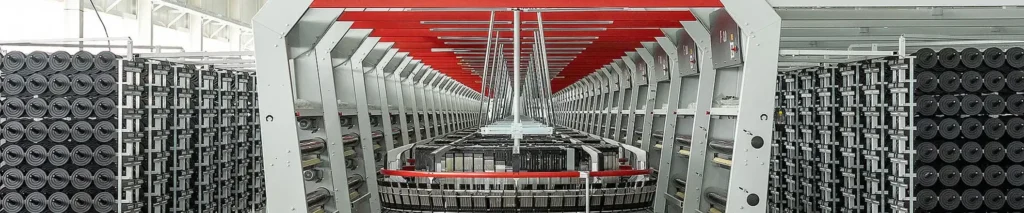
The Role of Precision in Breathable PP Woven Bags
Introduction — Problem. When does a bag stop being a mere container and start acting like a process component? The moment air becomes part of the payload. Powders and granules carry entrained air; if the package geometry, porosity, and seam tolerances are sloppy, that air inflates the bag, stresses the closure, and derails stacking. Precision, therefore, is not vanity; it is the quiet engine that makes Breathable PP Woven Bags fill fast, stand square, and arrive intact.
Method. Treat tolerances as hard levers: tube width (±2 mm), gusset (±2 mm), valve mouth length (±3 mm), seam coverage (>95%). Calibrate air‑permeability to a numeric window (e.g., 20–160 m³/h by ISO 9237/ASTM D737) and place micro‑perforations in deliberate fields rather than random sprays. Align fabric mesh (8×8, 10×10, 12×12, 14×14 tapes/in) with target airflow, then choose coating/BOPP laminations for printability and re‑add breathability via hot‑needle or laser vents.
Result. Faster filling without ballooning, cleaner mouth zones, barcodes that scan, pallets that behave. Precision travels: from loom tension to perforation pitch, from anilox volume to strap tension.
Discussion. Horizontally compare to textile testing and powder rheology; vertically decompose from resin → tape → weave → skin → vent → print → closure → unit load. Each layer inherits the previous layer’s precision; miss by a millimeter at the tube and you may miss by a meter at the warehouse.
Benefits of Using Breathable PP Woven Bags for Spare SKUs and Short Runs
Problem. Spare SKUs and seasonal items often inherit “whatever’s on the shelf,” causing over‑engineered packaging for simple goods and under‑engineered packaging for tricky powders. Changeovers multiply; waste follows.
Method. Platform the offering. Standardize a small kit: two fabric meshes (e.g., 10×10 & 12×12), two skins (coating & BOPP), three breathability presets (low, mid, high), two closures (open‑mouth sew/tape and block‑bottom valve). Create print plate libraries for single‑color, mid‑color, and full‑color scenarios. The kit covers 80% of cases while allowing edge‑case customization.
Result. Lower MOQs, predictable lead times, steady air‑permeability, smoother changeovers, fewer “special snowflake” drawings that bog down QA.
Discussion. Horizontally borrow from modular product platforms in consumer goods; vertically close the loop using post‑shipment KPIs (dust complaints, stack collapses, moisture claims) to retune presets.
Exploring Custom Configurations in Breathable PP Woven Bags
Problem. Some products refuse to play nice: hygroscopic micronized powders, oily feed premixes, low‑density puffed granules. Off‑the‑shelf bags either suffocate the filler or breathe too much in the warehouse.
Method. Co‑design with constraints. Start with a design brief that quantifies D50/D90, bulk density, hygroscopicity, fill temperature, and route humidity. Choose fabric gsm to hit tensile and tear. If premium print is required, select BOPP and restore breathability through laser micro‑perfs placed in side panels or gussets; if ruggedness trumps print, favor coated or uncoated woven with hot‑needle perforation bands. Pick closure by flow: open‑mouth sew/tape for coarse products; block‑bottom valve for fine powders on impeller or air packers.
Result. A bag that breathes at the filler but calms down in transit. Branding and compliance find their place without sacrificing performance.
Discussion. Horizontally compare to modified‑atmosphere pouches (barrier with vents); vertically align lab data (airflow, WVTR), line trials (bags/hour, mg/m³ at the hood), and distribution tests (ISTA 3A/ASTM D4169).
Standard Specifications for Heavy Loads in Breathable PP Woven Bags
Problem. Heavy industrial fills (25–50 kg) punish seams and corners. Round‑bottom sacks creep; poor porosity balloons.
Method. Use block‑bottom geometry for brick‑like stacking; adopt coated woven plus micro‑perf fields tuned to filler dynamics; specify valve ID and sleeve length to match spout geometry. For open‑mouth builds, add sift‑proof crepe tape under the seam and consider anti‑slip weaving.
Result. Higher stack heights with fewer crushed corners, clean pallets, and reliable arrival conditions.
Discussion. Horizontally map to corrugated top‑load theory (planarity rules); vertically integrate pallet pattern, strap tension (3×3 PET), and stretch shrouds to defend against container sweat.
Performance Enhancements: Upgrading Your Supply Chain with Breathable PP Woven Bags
Problem. Hidden losses—0.2–0.5% product spillage, pallet walk, humidity‑driven clumping—eat margins in silence.
Method. Upgrade where the physics hurts: self‑seal valves on block‑bottom builds for powders; matte or glossy BOPP for retail panels with laser vents; dispersion coatings to resist splash; desiccant plus shrouds for ocean lanes; vision‑guided CI‑flexo for registration on long runs.
Result. A lighter P&L: fewer claims, sharper shelves, faster lines, safer stacks.
Discussion. Horizontally benchmark lanes (tropical vs. temperate) and fillers (gravity vs. impeller) to prioritize upgrades; vertically create an audit trail—spec, test, accept.
Key Factors to Consider When Selecting a Breathable PP Woven Bags Supplier
Problem. From the outside, many sacks look similar; inside, variability in weave, coating, perforation, and QA separates partners from problems.
Method. Evaluate on six axes: (1) certification stack (ISO 9001, FSSC 22000/BRCGS for food lines), (2) converting tolerances and SPC discipline, (3) perforation capability (hot‑needle vs. laser, density control), (4) printing technology (CI‑flexo/gravure, color count, defect detection), (5) material compliance (FDA 21 CFR 177.1520; EU 10/2011), and (6) distribution validation (ISO 7965, ISTA/ASTM). Tour the plant; ask for retained‑sample policy and lot traceability.
Result. A shortlist that can actually hold tolerance and schedule.
Discussion. Horizontally compare suppliers on run‑to‑run color variance and airflow Cp/Cpk; vertically check how quickly CAPAs close when an out‑of‑spec lot appears.
Evaluating the Quality of Breathable PP Woven Bags Manufacturing
Problem. Specs on paper don’t seal a seam in real life. Variability creeps in at extrusion, weaving, coating, and perforation.
Method. Build a test ladder: (1) Air permeability (ISO 9237/ASTM D737) at multiple points across the web; (2) Seam/valve peel; (3) Filled‑sack drop (ISO 7965) after conditioning; (4) Distribution simulation (ASTM D4169/ISTA 3A). Add print checks—delta‑E measurements, bar‑code grade, registration drift over long runs. Use third‑party labs (SGS/Intertek/TÜV Rheinland) for periodic blind validation.
Result. Comparable tenders, fewer disputes, predictable field performance.
Discussion. Horizontally correlate airflow data with line throughput; vertically trace non‑conformances to the culprit step (tape draw ratio, loom tension, perf pin heat, or ink rheology).
Breathable PP Woven Bags: Hot‑Air‑Welded Valve vs. Open‑Mouth Sew (A Comparative Study)
Problem. Which closure belongs to which product? The wrong choice invites dust, delays, or moisture ingress.
Method. Map product physics to closure: fine powders on impeller/air packers favor block‑bottom valve with perfed walls; coarse granules on gravity fillers tolerate open‑mouth sew/tape with sift‑proof underlay. Where premium print is essential, consider BOPP lamination and re‑introduce breathability with laser perfs; where ruggedness is king, coated or uncoated woven with hot‑needle perf bands suffice.
Result. Reduced dust at fill, consistent net weights, cleaner warehouse air, and sturdy stacks that survive forklift life.
Discussion. Horizontally analyze dust emissions and throughput vs. closure; vertically balance breathability during fill against moisture control in transit.
Understanding Hot‑Needle and Laser Micro‑Perforation in Breathable PP Woven Bags
Problem. “Make it breathe” is not precise enough. Hole size, density, and placement decide whether airflow helps or harms.
Method. Hot‑needle perforation melts a tapered hole with a sealed rim—robust and economical. Laser perforation crafts fine, highly regular holes—precise and visually clean. Both must be specified with density (holes/m²), topology (bands, full‑field, or windows), and coordinates relative to the valve and gussets.
Result. Predictable deaeration, clean graphics, and stable stacks. On film‑laminated builds, laser perfs preserve face aesthetics; on coated woven, hot‑needle perfs deliver rugged venting.
Discussion. Horizontally relate to breathable apparel membranes (location matters); vertically simulate how vent fields interact with spout turbulence during fill.
Key Components of a High‑Performing Breathable PP Woven Bags System
Problem. A bag rarely fails alone; usually a weak link elsewhere snaps first.
Method. Think in components: (1) Substrate (mesh/gsm), (2) Skin (coating/BOPP), (3) Vents (method, density, pattern), (4) Closure (valve vs. sew), (5) Palletization (pattern, straps, corner boards), (6) Stretch shroud and desiccant for export humidity. Design each component to support the others, not fight them.
Result. A cohesive system that fills smoothly, ships safely, and looks the part on arrival.
Discussion. Horizontally integrate with warehouse practices (column vs. interlock stacking); vertically align spec, QC, and training so operators understand why each knob exists.
What Sets Breathable PP Woven Bags Apart from Other Granular Packaging Options
Problem. Buyers ask: why not paper multiwall or PE film sacks? The answer is not ideology; it’s physics, price, and print.
Method. Compare on axes: strength‑to‑weight, adjustable breathability, print fidelity, moisture behavior, recyclability pathways, and equipment compatibility. Breathable PP Woven Bags combine high tensile with tunable airflow and photo‑grade branding when BOPP‑laminated—an unusual trio.
Result. For powders requiring deaeration at speed and retailers demanding strong shelf presence, Breathable PP Woven Bags hit a sweet spot.
Discussion. Horizontally note cases where paper remains optimal (certain food regulations, compostability targets); vertically recognize that the decision pivots on filler type, lane humidity, and marketing ambition.
Product Parameter Summary for Breathable PP Woven Bags
| Parameter | Typical Options / Range | Engineering Notes |
|---|---|---|
| Capacity | 5–50 kg common; block‑bottom volumes ~9–75 L | Size by bulk density & pallet plan |
| Fabric Mesh | 8×8, 10×10, 12×12, 14×14 tapes/in | Higher mesh → smaller pores, lower base airflow |
| Fabric Weight | ~58–220 g/m² | Strength & stiffness scale with gsm |
| Coating Weight | 15–30 g/m² PP | Improves print; lowers baseline permeability |
| BOPP Film | 15–25 μm (Matte/Glossy) | Enables photo‑grade print & finish control |
| Air Permeability | ~20–160 m³/h (tuned) | Achieved via mesh + micro‑perfs |
| Construction | Open‑mouth sew/tape; block‑bottom valve (hot‑air welded) | Valve accelerates fill & improves stacking |
| Printing | Flexo/Gravure 1–10 colors | CI‑flexo with vision; gravure for fine screens |
| Testing | ISO 9237/ASTM D737 (air), ISO 7965 (drop), ASTM D4169/ISTA 3A (distribution) | Third‑party verification advisable |
| Food Contact | FDA 21 CFR 177.1520; EU 10/2011 | Migration limits per regulation |
A Quick Category Link for Breathable PP Woven Bags
To explore adjacent styles, closures, and sizes, visit: Breathable PP Woven Bags.
From Problem to Solution to Result: A Stepwise Selection Workflow
Problem. Teams often start with the catalog photo instead of the product physics.
Method. 1) Quantify product (D50/D90, moisture, bulk density, fill temp). 2) Set an airflow window (numeric, not fuzzy). 3) Choose mesh/gsm for tensile without starving airflow. 4) Decide on skin (coating or BOPP) for print and splash; re‑add breathability by hot‑needle or laser perfs. 5) Select closure (sewn open mouth for coarse flows; block‑bottom valve for fine powders). 6) Validate (air, drop, distribution). 7) Unitize (pallet, straps, shroud, desiccant).
Result. A bag that fills fast, breathes just enough, and looks right at the shelf or the silo.
Discussion. Keep the loop closed: field data (dust counts, claims, returns) should revise perf density and placement. That’s the secret of Breathable PP Woven Bags—every parameter is adjustable and measurable.
Frequently Asked Questions on Breathable PP Woven Bags
Do vents compromise rain resistance? Engineered perfs are tiny and often located in sheltered zones (side panels/gussets). For humid export routes, combine breathable walls with stretch shrouds and container desiccants.
Is a Matte finish compatible with airflow? Yes. Matte BOPP can be laser‑perforated; alternatively, perforate the coating beneath a matte film to preserve both look and breathing.
How many colors can we print? On coated fabric, 4–8 colors via CI‑flexo are routine; on BOPP, 8–10 colors via CI‑flexo or gravure produce photo‑quality branding.
Are these sacks recyclable? Uncoated woven PP fits many PP recycling streams. Laminated structures can be processed where PP film/fabric recycling is available; some converters run take‑back schemes.
What tests should we insist on? Air (ISO 9237/ASTM D737), drop (ISO 7965), distribution (ISTA 3A/ASTM D4169), plus print QA (delta‑E, barcode grade, register control).
References (Non‑CNC Sources)
- ISO 9237: Textiles — Determination of the permeability of fabrics to air.
- ASTM D737: Standard Test Method for Air Permeability of Textile Fabrics.
- ISO 7965‑2: Sacks — Drop test for filled transport sacks.
- ASTM D4169 / ISTA 3A: Distribution simulation performance tests.
- FDA 21 CFR 177.1520: Olefin polymers for food contact.
- EU Regulation No. 10/2011: Plastic materials and articles intended to come into contact with food.
- Starlinger (ADSTAR® / adstarKON / dynaFLEX) — technical brochures on block‑bottom PP valve bags and perforation options.
- Windmöller & Hölscher (MIRAFLEX II / NOVOFLEX / VISTAFLEX) — CI‑flexo press specifications and register control systems.
- SGS, Intertek, TÜV Rheinland — third‑party testing services for migration, permeability, and distribution validation.
- Public procurement listings (Made‑in‑China, Alibaba) for breathable and micro‑perforated PP woven sacks, with meshes, gsm ranges, and typical air‑permeability bands.