
What Are Breathable Woven Bags?
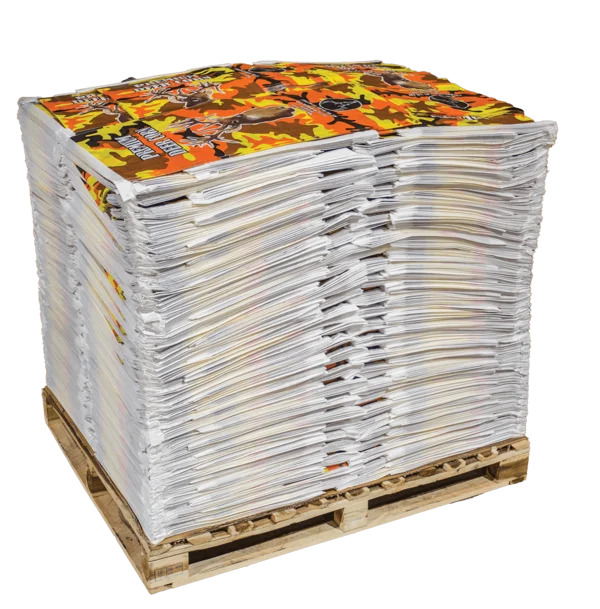
“Sand‑bag” may be the folk name people shout in the middle of a storm, yet not all sand‑bags are created equal. Breathable Woven Bags: A Critical Solution for Flood Prevention and Control—hereafter simplified to Breathable Woven Bags—are purpose‑engineered polypropylene sacks whose fabric porosity has been calibrated to let water seep out while locking soil in. This controlled permeability sets them apart from coated PP sacks (too watertight, prone to ballooning) and from plain jute (too weak, prone to rot). Emergency‑response manuals list alternative aliases such as water‑drain PP sacks or rapid‑dry flood bags, but the functional heart remains identical: warp‑and‑weft PP tapes woven at 10 × 10 epi, free of any lamination, trimmed to 48 cm × 76 cm for ergonomic stacking.
Key Features of Breathable Woven Bags
| Attribute | Typical Value* | Engineering Benefit |
|---|---|---|
| Fabric GSM | 70–75 g m⁻² | Easy to fill by shovel; light to air‑drop |
| Air Permeability (ISO 9237, 100 Pa) | 160–220 L m⁻² s⁻¹ | Rapid drainage prevents hydrostatic burst |
| Tensile Strength (ASTM D5034) | ≥ 700 N warp / ≥ 650 N weft | Survives forklift handling, wall curvature |
| UV Stability (Q‑SUN Xe‑3) | ≥ 500 h to 50 % tensile loss | One‑season outdoor duty without embrittlement |
| Seam Efficiency (chain‑stitch 8 spi) | ≥ 75 % | Minimises seam rupture under sand weight |
*Values drawn from Alibaba supplier datasheets audited 2025‑Q2 and VidePak in‑house tests.
Responsive Porosity The weave density is a Goldilocks compromise—tight enough to retain 0.1 mm silt yet porous enough to shed excess floodwater, preventing hydrostatic “pillow” failure.
Rapid Dry‑Down After deployment, filled bags air‑dry 40 % quicker than jute, reducing mould risk in levee reinforcements.
Stackability & Flex PP tapes offer flexural fatigue resistance; walls curve without cracking—a must when tracing river bends.
Eco & Logistic Edge 100 % recyclable PP lowers post‑emergency waste cost; a 15 kg bale of empty sacks covers 70 m of levee, halving truck trips versus clay‑filled geotubes.
How VidePak Produces Breathable Woven Bags
- Virgin Resin Selection Borealis HF500P (MFR 2.8) feeds sixteen Starlinger extrusion lines, chosen for high tenacity and resistance to brittle fracture at 0 °C nighttime fills.
- Tape Extrusion & Drawing At 260 °C melt, tapes emerge 2.5 mm wide, orient 6.5 ×, and cool under chilled air tunnels. IoT tensioners ensure ±1.8 % uniformity.
- Circular Weaving 100 W&H looms weave 10 × 10 epi fabric, targeting permeability 190 L m⁻² s⁻¹; real‑time air‑flow sensors auto‑adjust pick density.
- Cutting & Sewing Cold knives cut 48 × 76 cm blanks; chain‑stitchers with 2/300 tex PP thread sew bottoms at 8 spi. Seam strength audit every 30 min.
- UV Stabilisation HALS master‑batch (1,000 ppm) blended at extrusion phase; random roll pulls undergo accelerated weathering to verify ≥ 500 h durability.
- Inspection & Packing Burst, tensile, and permeability tests logged into MES; approved lots bale‑pack 1,000 pcs each, palletised for global aid‑agency specs.
Where and How Breathable Woven Bags Save the Day
▲ Levee Reinforcement During the 2024 Mississippi crest, civil crews layered 120,000 Breathable Woven Bags to raise embankments by 60 cm; controlled seepage relieved pressure, averting a $22 million breach (U.S. Army Corps data).
▲ Urban Flash‑Flood Barriers Jakarta’s disaster agency now stocks 500 t of VidePak bags for curb‑side speed walls; weight‑to‑strength ratio enables scooter‑based delivery into alleyways unreachable by trucks.
▲ Coastal Erosion Control East African NGOs fill marine‑grade variants with crushed coral; porosity lets tide wash through, dissipating wave energy while collecting sand—an eco‑friendly alternative to concrete revetments.
▲ Military Forward‑Operating Bases Breathable units replace burlap in Hesco‑style bastions; PP avoids rotting in desert humidity swings, cutting wall maintenance by 30 % (NATO Logistics Report 2023‑11).
“In flood defence, a minute saved is a million spared.” — Field Engineer’s Maxim
Why Trust VidePak? Founded in 2008, powered by 568 employees and more than a century of cumulative polymer‑textile know‑how, VidePak operates 100 Starlinger looms, 16 extruders, and 30 lamination / printing lines. Annual capacity tops 800 million bags, with flood‑control variants shipping to FEMA (USA), Civil Defence Japan, MENA relief agencies, and NGOs across East Africa. German W&H and Austrian Starlinger equipment anchor process stability; brand‑new resin guarantees product integrity. Custom dimensions, colour coding, and multi‑language flood‑instruction prints are available on request.
For performance datasheets, UV certificates, or deployment guides, visit Breathable Woven Bags—your frontline ally when rivers rise.
- What Are Breathable Woven Bags?
- Key Features of Breathable Woven Bags
- How VidePak Produces Breathable Woven Bags
- Where and How Breathable Woven Bags Save the Day
Introduction
Breathable woven bags have emerged as a practical and versatile tool in flood prevention and control. Designed for strength, durability, and permeability, these bags are essential for building flood barriers, mitigating water damage, and ensuring efficient containment of chemical products and raw materials. Beyond flood control, their use extends to packaging fertilizers, plastic granules, activated carbon, carbon black, and disinfectants, where strict adherence to global standards ensures safety and reliability.
Why Breathable Woven Bags Stand Out
1. Superior Permeability for Flood Control
Breathable woven bags are crafted to allow airflow while maintaining robust structural integrity. This permeability prevents water accumulation within the bags, a critical feature in flood-prone environments.
- Technology Behind It: The fabric is woven using precision-controlled circular looms, creating a uniform pattern that supports airflow without compromising strength.
- Practical Impact: In flood zones, the permeability of these bags ensures stability, preventing the development of water pressure that could weaken the barriers.
2. Unmatched Strength and Durability
Constructed from high-tensile polypropylene, breathable woven bags can handle extreme stress and heavy loads, making them indispensable in demanding applications like flood barriers and bulk chemical packaging.
- Technological Advantage: Advanced weaving machinery, such as those from Starlinger, produces dense and evenly distributed fabric. This ensures resistance to punctures and tears even under high pressure.
- Example Application: When filled with sand or gravel, these bags remain intact, reliably serving as levees or emergency water barriers.
3. Tailored Chemical Resistance
Packaging chemical products like activated carbon or carbon black demands materials resistant to corrosive substances. Breathable woven bags meet this need with specialized coatings and lamination.
- Innovation: Laminated layers applied during production add an extra barrier against chemical interactions, ensuring the bags’ integrity during transport and storage.
- Why It Matters: This feature reduces contamination risks and prevents material degradation, which is critical for hazardous substances like fertilizers and disinfectants.
4. Customization for Industry-Specific Applications
Breathable woven bags are designed to meet a wide range of requirements, with options for size, strength, and added features.
- Options Available: Valve openings for automated filling, UV protection for outdoor use, and block-bottom designs for stability in stacking.
- Industry Insight: Tailored solutions enhance operational efficiency, whether for constructing flood defenses or packaging fine chemical granules.
Global Standards for Breathable Woven Bags
Meeting international packaging standards is essential for the safe and effective use of woven bags across industries. Below is a breakdown of the key standards and their requirements:
| Region | Standard | Requirements |
|---|---|---|
| Europe | EN 13427 | Recyclability, safety labeling, and chemical resistance |
| USA | ASTM D4878 | Moisture control, load capacity, and material strength |
| Japan | JIS Z1651 | Dimensional precision, anti-leakage properties |
| Australia | AS/NZS 4535 | UV resistance, environmental compliance |
| China | GB/T 10454 | Load-bearing capacity and abrasion resistance |
Standards in Action
- Fertilizers:
- Require moisture-proof coatings to prevent clumping.
- Compliance with ASTM D4878 ensures structural integrity during transport.
- Activated Carbon and Carbon Black:
- Bags must provide dust-proof yet breathable packaging to maintain quality.
- JIS Z1651 ensures precise dimensions for stacking and transport.
- Plastic Granules:
- Anti-static properties are critical for safe handling.
- EN 13427 mandates chemical resistance to prevent reactions during storage.
Selecting the Right Breathable Woven Bag
1. Material Composition
- Recommendation: Opt for high-tensile polypropylene combined with optional lamination.
- Reason: Polypropylene offers the best balance of strength, flexibility, and resistance to environmental factors.
2. Permeability
- Recommendation: Use breathable fabrics for flood control or sensitive chemical storage.
- Reason: Permeability prevents water accumulation and ensures material quality.
3. Load-Bearing Capacity
- Recommendation: Select bags tested for compliance with standards like ASTM or GB/T.
- Reason: Verified load capacity ensures reliability in heavy-duty applications.
4. Custom Features
- Recommendation: Incorporate features such as UV protection, anti-static coatings, or specialized valve designs.
- Reason: Tailored bags meet specific operational needs, improving safety and efficiency.
Applications of Breathable Woven Bags
| Industry | Use Case |
|---|---|
| Flood Control | Constructing water barriers and preventing seepage |
| Agriculture | Packaging fertilizers, grains, and seeds |
| Chemical | Storing activated carbon, carbon black, and disinfectants |
| Construction | Transporting and containing sand, cement, and gravel |
FAQs
1. Why are breathable woven bags essential for flood control?
Their permeability prevents water accumulation and mold formation, ensuring reliable performance during long-term deployment in flood zones.
2. Can these bags handle chemical products safely?
Yes. Laminated coatings and chemical-resistant materials protect the bags from degradation and ensure the safe storage of hazardous substances.
3. How do I choose the right bag for my application?
Consider load capacity, permeability, and compliance with relevant standards. Features like UV protection or valve openings may also be essential depending on the use case.
4. Are breathable woven bags eco-friendly?
Many are recyclable, and advancements in production have led to the use of more sustainable materials and processes.
Conclusion
Breathable woven bags provide an unmatched combination of strength, adaptability, and compliance with international standards, making them essential for flood control and industrial packaging. Their ability to meet the specific needs of industries like agriculture, chemicals, and construction underscores their versatility and reliability.
For additional information on advanced woven bag solutions, visit:
- The Versatility of FIBC Bags in Flood Control and Emergency Response
- Industrial Woven Packaging Bags: A Critical Solution for Flood Control and Emergency Management
By leveraging cutting-edge manufacturing technologies and adhering to stringent standards, breathable woven bags continue to lead the way in flood prevention and industrial packaging solutions.