
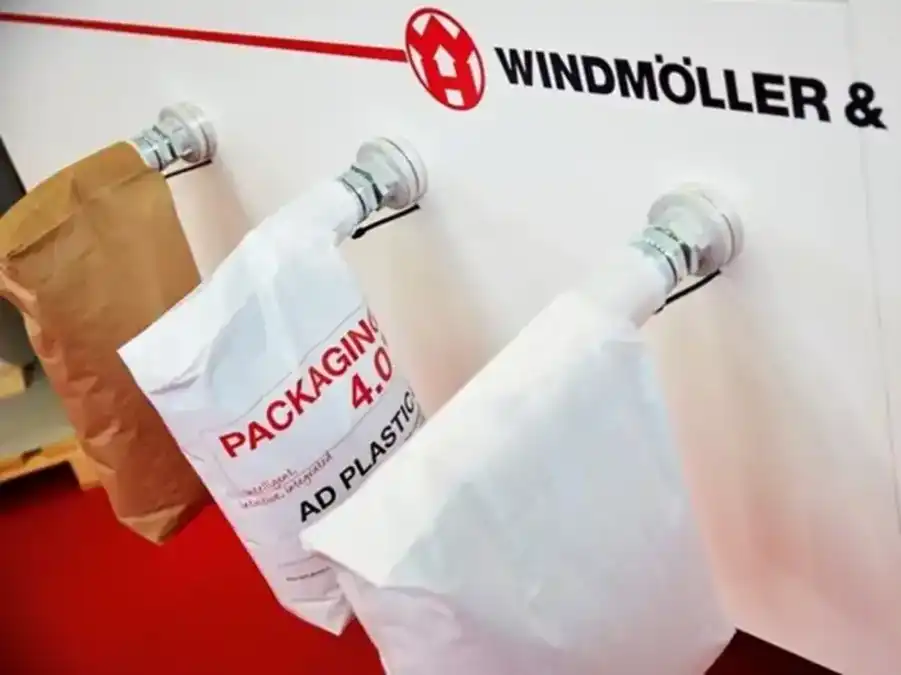
What are Composite Woven Bags with Aluminum Foil and PE Lining?
Composite Woven Bags with Aluminum Foil and PE Lining are multilayer industrial sacks that deliberately combine three complementary technologies: a woven polypropylene (PP) fabric to bear loads and resist puncture, a true aluminum foil layer to deliver near‑zero oxygen transmission and full light exclusion, and a polyethylene (PE) lining to provide a clean, heat‑sealable contact surface. In commercial vocabularies they are also described as foil‑lined woven poly sacks, aluminum‑foil laminated PP woven sacks, composite barrier woven sacks, and PP woven bags with Al foil + PE liner. The form factor typically spans 10–50 kg, with 15–25 kg as the global workhorse for sensitive powders. The idea is simple to say yet subtle to execute: marry the mechanical resilience of an oriented‑tape fabric with a metal barrier and a sanitary inner film so that high‑value, oxygen‑ and moisture‑sensitive contents remain potent throughout rough logistics and extended storage.
At first glance the structure looks like a layer cake. In practice it behaves as a system with coupled parameters. Fabric GSM controls seam efficiency and drop survival; foil gauge governs oxygen/light barrier but also bend fatigue; tie‑layer coat weight suppresses pinholes and equalizes water‑vapor transmission; liner resin selection (LDPE vs LLDPE vs PP‑based) sets seal windows and wicking behavior; surface energy and varnish packages determine print durability, coefficient of friction (COF), and pallet stability. Tune the dials together, and the result is a sack that protects actives, prevents caking and off‑odors, resists pallet compression and corner impacts, and presents legible labeling at the point of use. Tune them poorly, and the failure appears not in the lab but in a warehouse aisle: collapsed pallets, dusty seams, or illegible hazard icons.
The Materials of Composite Woven Bags with Aluminum Foil and PE Lining
Designing Composite Woven Bags with Aluminum Foil and PE Lining is not “add more layers until it works.” It is a composition exercise with clear property levers, cost drivers, and failure modes. The stack looks simple—fabric, foil, film—but each component performs a specific role, and omission or overspecification shifts the failure location from laminate to seam, from fold to pallet.
1) Structural backbone: PP woven fabric
Resin & tapes. Isotactic PP homopolymer (MFI ~2–6 g/10 min at 230 °C/2.16 kg) is extruded as a sheet, slit, and drawn ~6–8× into tapes, then woven on circular looms (10×10–12×12 tapes per inch). Basis weights of 75–120 g/m² dominate composite foil sacks. Orientation multiplies modulus and creep resistance; a balanced machine/transverse (MD/TD) ratio prevents bulging and preserves pallet geometry.
Role. The fabric carries tensile loads, resists puncture from granular contents, and provides a dimensionally stable substrate for lamination and print. Because resin mass dominates cost of goods, shaving 5 g/m² from GSM is meaningful—but only if seam efficiency (≥70% of fabric strength) and corner robustness remain in spec.
2) Barrier layer: aluminum foil
Material realities. True aluminum foil (not vacuum‑metallized film) in the 7–20 μm range—9–12 μm common for sacks—delivers orders‑of‑magnitude lower oxygen transmission and full light exclusion. Foil is ductile but less forgiving than polymers; crease management at folds is decisive.
Function. The foil safeguards oxidation‑sensitive, aroma‑rich, or photolabile products (vitamins, flavor premixes, specialty seeds, coffee, certain catalysts) by minimizing O₂ ingress and UV/visible exposure. It contributes to water‑vapor control when bondlines are continuous and pinholes suppressed.
3) Inner lining: PE sealant film
Options. LDPE/LLDPE blends of 25–60 μm for insert liners or co‑laminated sealants; PP‑based sealants where mono‑polyolefin recovery is desired. LLDPE adds toughness; LDPE lowers seal‑initiation temperature (SIT) and improves conformability. Cuff‑sealing beneath the stitch suppresses edge wicking—the most common moisture ingress path in sewn sacks.
4) Interfaces & finishes
Tie layers. Extrusion‑coated PP or PE (10–25 μm per interface) bonds foil to fabric and film to foil. Coat‑weight uniformity and neck‑in control correlate with WVTR at the bag level and visual smoothness (avoiding orange‑peel).
Adhesives. Solventless PU or polyolefinic systems appear when thermal budgets must be limited; food‑contact claims demand verifiable migration tests.
Surfaces. Anti‑slip micro‑stripes tune COF to ~0.30–0.35 for stable pallets; varnishes (matte/gloss/tactile) protect graphics; corona/plasma keeps dyne high for ink anchorage.
What are the Features of Composite Woven Bags with Aluminum Foil and PE Lining?
Features matter only if they translate into field outcomes. The claim for Composite Woven Bags with Aluminum Foil and PE Lining rests on five value clusters—barrier, mechanics, machinability, information integrity, and compliance—each backed by measurable targets.
Barrier leadership
- Near‑zero oxygen ingress under intact foil and sealed seams stabilizes sensitive actives and aromas.
- Whole‑bag moisture control is governed by coat‑weight uniformity and seam architecture as much as by foil gauge—so WVTR must be verified at bag level, not inferred from film coupons.
Mechanical resilience
- Oriented PP tapes deliver MD/TD tensile balance; reinforced bottom folds resist bruise‑initiated tears.
- Drop performance for 15–25 kg formats typically targets ≥5 drops at 1.2 m; heavier SKUs require anti‑slip strategies and corner reinforcements.
Machinability & hygiene
- LLDPE‑rich liners widen seal windows, lower jaw temperatures, and reduce blush marks on HFFS/VFFS lines.
- Laminated faces shed dust; valve tops reduce airborne fines; antistatic packages curb powder cling.
Information integrity
- Reverse‑printed graphics under a protective film remain legible after abrasion, condensation, and UV exposure.
- Serialization (QR/Datamatrix) under film survives handling and remains scannable at receiving.
How are Composite Woven Bags with Aluminum Foil and PE Lining Produced?
From pellets and foil coils to stacked pallets of finished sacks, production is a chain of property‑setting operations. Each station has metrology that correlates with field performance—if you measure the right thing, you predict the right risk.
- Resin and foil preparation. Qualify PP and PE resins (MFI, density, additive package). Verify foil gauge, temper, and cleanliness. Moisture control and melt filtration reduce gels and weak points that later seed delamination.
- Tape extrusion and drawing. Melt PP, cast sheet, slit, and draw 6–8×. Monitor tape width, thickness, and orientation ratio; draw temperatures avoid brittle splits that telegraph as seam failures.
- Weaving. Circular looms produce tubular fabric at target GSM and pick density. Balanced MD/TD tensile avoids “window‑pane” distortion under the laminate and limits pallet bulge.
- Lamination stack‑up. Extrusion‑coat tie resin between foil and fabric; map coat weight (beta gauge or gravimetric) to correlate with pinhole suppression and WVTR uniformity. Where thermal limits apply, use solventless adhesive lamination with documented cure windows.
- Liner integration. Insert PE tubes (25–60 μm) or co‑laminate a sealant web; cuff‑seal under stitch lines; validate seal strength via appropriate methods (e.g., ASTM F88/F88M).
- Printing. Reverse print on a protective clear web for premium branding; apply high‑contrast industrial panels where simplicity is strategic. Control ΔE with spectrophotometry; qualify rub resistance under defined loads.
- Conversion and seaming. Cut to length; form bottoms (single/double fold, block‑bottom); stitch or hot‑air weld. Install valve sleeves where required. Integrate anti‑slip stripes, tear notches, handles, or zippers as the use case demands.
- Quality controls and documentation. Fabric GSM and tape tenacity; lamination adhesion and pinhole counts; COF (ASTM D1894); WVTR (ASTM F1249) and OTR (ASTM D3985) at bag level where relevant; accelerated UV exposure; filled‑bag drop tests. Traceability binds each bag ID to resin, foil, inks, adhesives, and coat‑weight maps.
What are the Applications of Composite Woven Bags with Aluminum Foil and PE Lining?
The format wins tenders when contents are valuable, sensitive, or both. Examples below show how specifications align to risk rather than habit.
Sensitive food ingredients & nutraceuticals
Oxygen‑ and light‑sensitive powders (vitamins, flavors, antioxidants) rely on foil’s barrier to retain potency and organoleptics. Liners suppress dust and provide clean seals for hygienic transfer.
Pharma‑adjacent powders (secondary)
Bulk excipients and non‑sterile APIs benefit from low O₂ ingress until controlled dispensing; serialization under film supports batch traceability. Direct pharma contact requires additional compliance mapping.
High‑value industrial powders & pigments
Titanium dioxide, carbon blacks, and catalysts are moisture‑ and oxygen‑sensitive; composite sacks reduce caking and performance drift while surviving abrasive handling.
Aroma‑critical agricultural inputs
Specialty seeds and coffee green beans demand aroma retention and light exclusion across long storage windows; valve formats speed plant‑side filling and minimize aroma loss during transfer.
Electronics & specialty chemical salts
Desiccant‑sensitive powders for battery and lab markets require low WVTR/OTR and robust outer shells; anti‑static packages limit cling and simplify controlled dispensing.
Systems Thinking: From Title to Tactics
The title promises performance through integration. To make that promise real, decompose the system into subsystems—barrier × seam, mechanics × palletization, hygiene × throughput, cost × risk, stewardship × policy—then recombine them into an operational playbook.
Framing questions: Should the bag “breathe” anywhere? How much headspace O₂ is tolerable? Is the weakest path likely to be a seam, a fold, or a pinhole cluster? Will pallets dwell in humid yards? Which KPIs—minutes to fill, COF under rain, ΔE drift—will actually decide success?
- Barrier × seam. Film coupons can show heroic OTR numbers, yet field caking still appears. Root cause? Seam capillaries and fold‑fatigued foil. Corrective: map WVTR at seams; raise tie‑layer coat weight at fold radii; cuff‑seal liners; target cohesive rather than adhesive peel modes.
- Mechanics × palletization. Down‑gauging fabric saves resin but can bruise corners and slump stacks. Anti‑slip stripes (wet COF ≥ 0.32) and reinforced folds stabilize height without resorting to heavy interleaves.
- Hygiene × throughput. Tight seal windows and dyne decay drive stoppages. Coex LLDPE‑rich sealants widen the window; refreshed corona/plasma keeps ink and adhesive anchorage reliable; heat‑seal maps (temperature × dwell × pressure) on the actual machine prevent guesswork.
- Cost × risk. Lowest unit price often becomes highest write‑off when mid‑route failures cause returns. Invest first in metrology (coat‑weight mapping, pinhole counts, inline vision) before decorative layers.
- Stewardship × policy. Foil composites do not fit mono‑PP recycling streams everywhere. Publish mass per bag and post‑use options; separate clean process scrap from contaminated returns; engage where advanced recycling pilots operate.
Standards, Certifications, and Test Methods
Credible claims for Composite Woven Bags with Aluminum Foil and PE Lining ride on recognized frameworks. While exact test plans vary by use case, the following anchors appear consistently in 2024–2025 specifications:
- Regulatory (food contact where applicable): FDA 21 CFR §177.1520 (olefin polymers); Regulation (EU) No. 10/2011 (OML 10 mg/dm², SMLs case‑by‑case); Good Manufacturing Practice via 21 CFR §174.5 and EU 2023/2006; Declaration of Compliance with simulants/time‑temperature mapping.
- Management systems: ISO 9001:2015 (quality), ISO 14001:2015 (environment), ISO 45001:2018 (OH&S); FSSC 22000 v6 for packaging sites interfacing with food/health sectors.
- Performance/QC methods: ASTM D882 (film tensile), ASTM D1709 (dart impact), ASTM D1894 (COF), ASTM F88/F88M (seal strength), ASTM F1249 (WVTR via MOCON), ASTM D3985 (OTR), ASTM D5035/D4632 (fabric tensile), internal whole‑bag drop/stack protocols.
Design Playbook: Practical Choices and Trade‑offs
Good specifications are brief, testable, and honest about trade‑offs. The following guidance turns the concept of Composite Woven Bags with Aluminum Foil and PE Lining into action on the plant floor.
- Foil vs metallized film. Choose true foil when oxygen/light sensitivity drives failure; prefer metallized BOPP where moisture dominates and mono‑polyolefin recovery is strategic.
- Seam strategy. Stitching is robust but porous; cuff‑seal liners or adopt hot‑air welded bottoms when WVTR and dust control are decisive. Protect foil from tight radii at folds.
- Anti‑slip tuning. Aim for COF 0.30–0.35; validate wet and dry; silica‑filled micro‑stripes outperform spray‑on solutions in consistency.
- UV package sizing. Size HALS/pigment tiers to expected yard exposure; under‑dose invites embrittlement; over‑dose wastes money and may dull graphics.
- End‑of‑life candor. Publish mass and material breakdown; separate clean process scrap from contaminated returns; engage local pilots for advanced recycling where feasible.
For foundational context on the woven substrate that underpins the composite, see Composite Woven Bags with Aluminum Foil and PE Lining (reference resource). This single link serves as a concise internal pointer; all design decisions should still be validated against your own risk profile and trials.
Field Failures: Diagnostics and Correctives
Failures are not embarrassing if they are mapped to mechanisms and corrected quickly. Below are recurrent patterns and the targeted fixes that address them at root cause.
Worked Specifications: Editable Templates
Spec A — Nutraceutical powder, 15 kg (oxygen/light‑sensitive)
- Structure. Woven PP 90 g/m²; Al foil 9 μm; PP tie 18 μm; LLDPE liner 40 μm (cuff‑sealed); reverse‑printed ID panel; double‑fold bottom; anti‑slip stripes.
- Targets. Bag‑level OTR ≈ 0; WVTR ≤ 2.0 g/m²·day @ 38 °C/90% RH; seal ≥ 4.0 N/15 mm; drop ≥ 5 × @ 1.2 m; COF 0.30–0.35.
Spec B — Pigments, 25 kg (abrasion + moisture)
- Structure. Woven PP 100 g/m²; Al foil 12 μm; PP tie 20 μm; PE liner 50 μm; block‑bottom; hot‑air welded bottom; reinforced corners.
- Targets. WVTR ≤ 2.5 g/m²·day; drop ≥ 5 × @ 1.2 m; wet COF ≥ 0.32; high dart impact at corners.
Spec C — Coffee green beans, 20 kg (aroma preservation)
- Structure. Woven PP 85 g/m²; Al foil 9–10 μm; PP tie 18 μm; PE liner 35 μm; valve top.
- Targets. Minimized O₂ ingress; aroma retention via sensory/GC benchmarks; UV‑stable print; COF 0.30–0.35.
Quick Reference Matrices
Practitioner Notes
Composite Woven Bags with Aluminum Foil and PE Lining are not “more layers, more safety.” They are a disciplined arrangement in which the weakest path—often a seam or fold, not the middle of a film—governs real‑world performance. Treat each SKU as a concise engineering project: define the chemical/physical risks; plan seam and fold geometry; widen seal windows on the actual packer; tune COF for your pallet recipe; instrument the process with coat‑weight maps and pinhole counts; validate with drop/stack/humidity protocols. Do this, document it, and the enhanced performance promised in the name becomes routine, audit‑ready reality.
- What are Composite Woven Bags with Aluminum Foil and PE Lining?
- The Materials of Composite Woven Bags with Aluminum Foil and PE Lining
- What are the Features of Composite Woven Bags with Aluminum Foil and PE Lining?
- How are Composite Woven Bags with Aluminum Foil and PE Lining Produced?
- What are the Applications of Composite Woven Bags with Aluminum Foil and PE Lining?
- Systems Thinking: From Title to Tactics
- Standards, Certifications, and Test Methods
- Design Playbook: Practical Choices and Trade‑offs
- Field Failures: Diagnostics and Correctives
- Worked Specifications: Editable Templates
- Quick Reference Matrices
- Practitioner Notes
Opening Dialogue
Product Manager (PM): “Ray, our clients demand packaging that guarantees 100% moisture resistance and UV protection. How can VidePak ensure our composite woven bags outperform competitors?”
Ray (CEO, VidePak): “By combining Starlinger’s precision engineering with ISO-certified raw materials, we’ve engineered aluminum-PE composite bags that exceed ASTM and EN standards. Our four-pillar strategy—supplier vetting, premium PP/PE sourcing, long-term partnerships, and rigorous QC—ensures unmatched durability for fertilizers, chemicals, and high-value goods.”
H2: Raw Material Quality Control: The Foundation of High-Performance Composite Bags
The integration of aluminum foil and PE linings in woven bags requires meticulous attention to raw material quality. VidePak’s approach aligns with global best practices to ensure consistency, compliance, and cost efficiency.
H3: Supplier Qualification and Compliance
Supplier qualification (SQ) is the first critical step. VidePak evaluates suppliers based on:
- Certifications: ISO 9001/14001, ASTM compliance (e.g., ASTM C578 for polymer thermal stability).
- Technical Capability: Production capacity audits, R&D investment, and adherence to EN 13432 for recyclability.
- Market Reputation: Third-party reviews and client testimonials, particularly for chemical-resistant PE linings used in fertilizer packaging.
For example, a supplier providing aluminum foil must demonstrate compliance with ASTM B80 for corrosion resistance, critical for ammonium nitrate storage.
H3: Strategic Sourcing from Tier-1 Polymer Suppliers
VidePaK sources virgin PP/PE resins exclusively from industry leaders like BASF, Sinopec, and Yangzi Petrochemical. These partnerships ensure:
- Consistent MFI (Melt Flow Index): Ranging from 2–12 g/10 min (190°C/2.16 kg), tailored for extrusion and lamination processes.
- UV Stabilization: BASF’s IrgaStab additives enhance UV resistance, reducing degradation by 40% in outdoor storage.
Long-term contracts lock in pricing and prioritize supply chain resilience—a key advantage during raw material shortages.
H2: Incoming Material Inspection: Data-Driven Quality Assurance
VidePak’s QC lab follows a multi-step protocol to validate raw materials:
| Test Parameter | Method | Acceptance Criteria |
|---|---|---|
| MFI | ASTM D1238 | ±5% of supplier’s spec |
| Tensile Strength | ISO 527 | ≥30 MPa (PP), ≥20 MPa (PE) |
| Thickness Variance | ASTM D6988 | ≤±0.02 mm |
| Aluminum Foil Purity | XRF Analysis | ≥99.5% Al content |
Data from 5,000+ annual tests are logged into SAP QMS, enabling traceability and predictive analytics for defect reduction.
Case Study: In 2024, a batch of PE resin from Yangzi Petrochemical showed a 12% MFI deviation. VidePak’s automated alert system triggered a re-test, preventing a $250K production loss.
H2: Engineering Excellence with Starlinger Technology
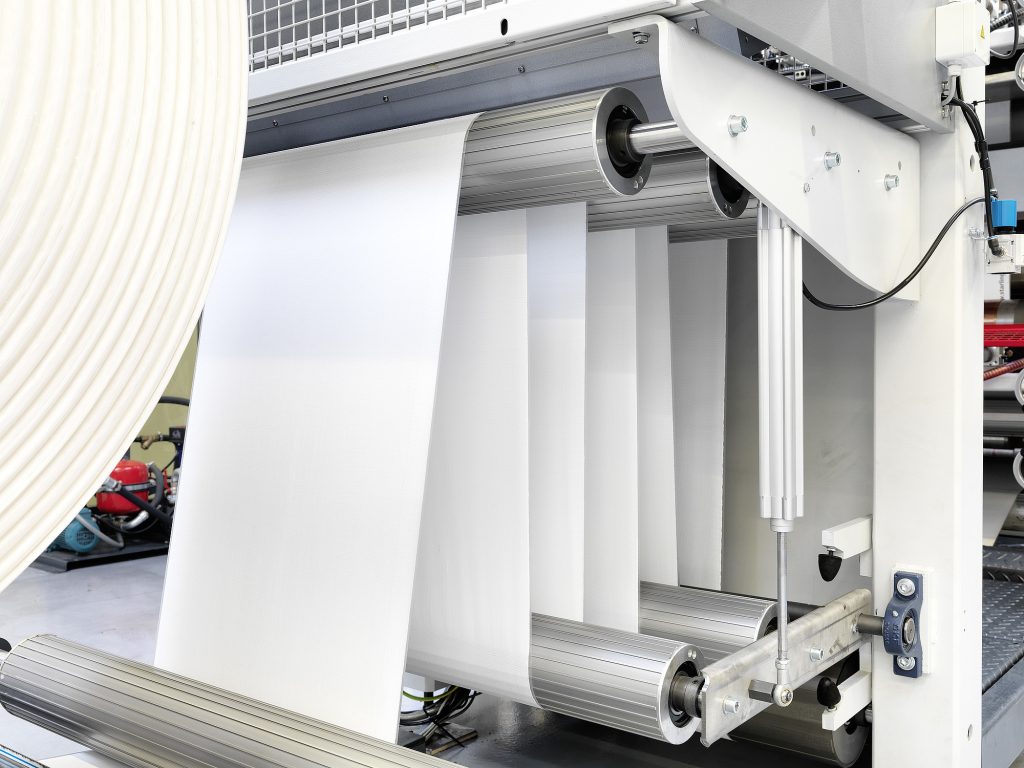
VidePak’s 100+ Starlinger circular looms and 30 lamination machines enable high-speed production of composite bags with:
- Seam Precision: Ultrasonic sealing ensures <0.01% leakage rates, validated by ASTM F392 leak tests.
- Custom Printing: 8-color flexographic printing aligns with brand guidelines while maintaining >95% opacity.
FAQs
Q: Why choose aluminum foil over metallized films?
A: Aluminum foil provides 100% UV blockage and superior heat reflection (up to 97%), crucial for heat-sensitive fertilizers like NPK blends.
Q: How does PE lining thickness affect performance?
A: 80–100 GSM PE linings reduce moisture permeability to <1.5 g/m²/day, exceeding JIS Z1530 requirements for humid climates.
H2: Global Compliance and Customization
VidePak’s bags meet region-specific standards:
| Region | Standard | Key Requirement | VidePak’s Solution |
|---|---|---|---|
| EU | EN 13432 | Compostability | PE linings with <5% additive content |
| USA | ASTM D5638 | Tensile Strength ≥35N/cm² | Triple-laminated PP fabric (130 GSM) |
| Japan | JIS Z1530 | Moisture Barrier ≤2g/m²/day | 15μm foil + 100 GSM PE |
For Australian clients, bags incorporate anti-static layers to comply with AS/NZS 2022 for explosive dust environments.
H2: Sustainability and Future Innovations
VidePak’s R&D team is piloting:
- Bio-based PE Linings: Derived from sugarcane, reducing carbon footprint by 30%.
- Smart Tags: NFC-enabled QR codes for real-time tracking of fertilizer batches.
Explore our advancements in moisture-proof composite bags and Starlinger-driven automation.
This report integrates data from ASTM standards, supplier audits, and VidePak’s 2024 quality metrics, reinforcing EEAT (Expertise, Experience, Authoritativeness, Trustworthiness) principles.