
What Are PP Woven Bags?
PP Woven Bags are engineered packaging units made from woven polypropylene tape fabric (raffia) that are converted into strong, lightweight sacks for powders, granules, and agricultural or industrial commodities. The underlying textile is woven from highly oriented polypropylene tapes that deliver high tensile and tear resistance at low mass. Typical constructions include open‑mouth sewn sacks, pinch‑bottom formats, block‑bottom variants, and valve types designed for automated filling. Because their behavior is closer to a fabric than to a film, PP Woven Bags flex without cracking, resist puncture from angular particles, and preserve dimensional stability during storage and transport.
Callout — Why this format matters
Compared with monolayer film bags, PP Woven Bags offer superior puncture and abrasion resistance; compared with paper sacks, they resist moisture and survive more drops; compared with FIBCs, they serve unit sizes suited to 5–50 kg segments while still enabling dense pallets and clean handling.
Aliases reflect conversion style and regional terms. In practice, PP Woven Bags may be referenced as: polypropylene woven sacks, woven polypropylene bags, PP raffia bags, woven poly sacks, woven PP sacks, woven PP packaging bags, heavy‑duty PP woven sacks, and recyclable polypropylene woven bags. The umbrella term throughout this document is PP Woven Bags.
Materials, Architecture, and Cost Logic of PP Woven Bags
The structure of PP Woven Bags is best understood as four layers working together: the oriented tape fabric, the sealing or barrier skins, optional print faces or laminates, and the functional features that tune friction, sealing, venting, or hygiene. Each layer has a clear purpose; each layer introduces trade‑offs between performance, cost, and end‑of‑life pathways.
Oriented polypropylene tapes
Isotactic PP is extruded as a sheet, slit into narrow ribbons, and drawn at elevated temperature to align chains. Orientation multiplies strength without multiplying mass, enabling low‑GSM fabrics to carry demanding loads. The woven lattice distributes local stresses from sharp granules and resists catastrophic tears.
Coatings & sealing skins
Extrusion‑coated skins—often PE‑rich—improve moisture resistance and enable heat sealing. PP‑rich skins maintain mono‑PP purity for recycling, though they demand hotter, narrower seal windows. Additives tune coefficient of friction, antistatic behavior, antiblock, and UV durability.
Optional print faces
BOPP laminates provide high‑fidelity graphics and scuff resistance for retail‑adjacent goods, while mono‑PP print layers preserve recyclability. Matte or gloss lacquers can be applied for aesthetics and surface protection.
Functional features
Valve sleeves for automated filling; inner liners for hygroscopic powders; anti‑slip stripes to stabilize tall pallets; antistatic pathways for combustible dusts; UV packages for outdoor storage; and treated print panels (≥ 38 dyn/cm) for durable codes.
Cost follows resin choice, fabric GSM, denier and PPI, coating thickness, print complexity, and conversion style. Yet total system cost often falls when adopting PP Woven Bags because they lower damage rates, allow higher pallets, and support faster fill speeds—especially with valve formats and tuned sealing.
Callout — Anatomy in one sentence
A woven PP substrate for strength, a sealing skin for closure and barrier, a treated or laminated face for graphics, and functional features for friction, hygiene, and automation: that is the practical anatomy of PP Woven Bags.
Features and Operational Value of PP Woven Bags
- PP Woven Bags deliver high tensile, tear, and puncture resistance at low basis weight, handling angular particles and rough logistics with composure.
- Moisture resistance and heat‑seal options (or sealed valves) curb dust and water ingress, improving housekeeping and worker exposure metrics.
- Treated faces accept crisp graphics and data carriers—barcodes, 2D codes, serialized lots—for inventory control and stewardship reporting.
- COF tuning balances conveyor flow with pallet stability; anti‑slip zones target contact areas without compromising artwork.
- With appropriate UV packages, the bags withstand prolonged outdoor storage without embrittling or fading excessively.
- Mono‑material strategies let PP Woven Bags enter established PP recycling pathways; in‑plant trim can be reincorporated to reduce virgin demand.
Strength in context
Granular materials behave like fluids until they lock. A woven lattice spreads stress and prevents catastrophic tears when sharp edges concentrate force at a single point.
Sealing as a control measure
Needle holes in sewn sacks invite dust leaks; heat‑sealed or valve‑sealed constructions reduce emissions, protect product quality, and streamline cleanup.
Data as logistics glue
Durable print fields carry scannable IDs that bridge procurement, production, warehousing, and EPR reporting without extra labels.
Production Flow: From Polymer to Pallet with PP Woven Bags
- Compounding and conditioning. Blend PP (and optional recycled PP) with UV stabilizers, pigments, slip, antiblock, and antistatic additives. Moisture control stabilizes draw ratios downstream.
- Tape extrusion and drawing. Extrude sheet, slit into tapes, and draw 5–7× to achieve target denier and tensile properties. Edge trim is reprocessed, supporting in‑plant circularity.
- Weaving. Circular or flat looms interlace warp and weft to specified GSM and PPI. Tension and humidity management deliver uniform permeability and strength.
- Surface treatment. Corona or flame treatment raises surface energy for coatings and inks; treated faces should consistently exceed 38 dyn/cm.
- Extrusion coating/lamination. Apply PE‑rich or PP‑rich skins (10–40 µm). Thickness tuning manages peel strength and WVTR; optional BOPP faces improve graphics.
- Printing. Flexographic or digital systems apply branding, handling icons, and serialized codes; abrasion‑resistant inks protect readability.
- Conversion. Form open‑mouth sewn, pinch‑bottom, square‑bottom valve, or other specified styles. For heat seals, set temperature/dwell/pressure windows; for valves, match sleeve dimensions to packer spouts.
- Quality checks and palletization. Inspect dyne level, adhesion, valve dimensions, COF, and print registration. Check‑weigh, drop‑test, and stack‑test filled samples; palletize using documented patterns and hooding.
Process Tip
Seal windows for woven constructions are typically hotter and longer than for monolayer PE film. Guard against jaw contamination, log temperature/dwell/pressure via SPC, and clean routinely to retain peel strength.
Where PP Woven Bags Excel: Use Cases and Sectors
Public works and utilities use PP Woven Bags for color‑coded streams—street sweepings, litter fines, and source‑separated fractions—where sealed, moisture‑managed packages improve handling. Material recovery facilities move shredded film fluff and fines with fewer spills when closures are tight. Construction and demolition logistics favor woven formats for shot‑blast abrasives, foundry sand, and concrete fines because puncture‑resistant walls curb ruptures and delays. With liners and compliant labeling, special‑waste flows such as contaminated soils or fly ash can also benefit, subject to project‑specific validation. On the recycling side, pelletized post‑consumer PP/PE, PET flakes, and biopolymer granules load efficiently thanks to consistent geometry and pallet compactness.
Building materials & minerals
Cement, grout, mortar, gypsum, and lime reward square‑bottom and valve options that boost pallet density and keep dust under control.
Chemicals & industrial powders
Pigments, catalysts, soda ash, zeolites, and masterbatch benefit from puncture resistance, moisture management, and valve‑enabled speeds.
Agriculture & feed
Feeds, premixes, seeds, and fertilizers rely on durable, moisture‑managed packaging; antistatic and print fields support safe and clear use.
Retail‑adjacent products
Pet litter, water softener salts, wood pellets, and landscaping aggregates benefit from BOPP graphics and brick‑like stacking.
System Thinking for Environmental and Economic Impact of PP Woven Bags
The headline promise—pairing environmental responsibility with economic performance—depends on solving several linked problems at once: safety and containment, cost per ton, regulatory alignment, and brand needs. PP Woven Bags sit at this intersection. They control dust and moisture for safety, enable automation for cost discipline, and support circularity through mono‑material strategies and clear markings.
Consider the interlocking sub‑problems: airborne fines drive housekeeping and permit pressure; moisture ruins hygroscopic powders; inconsistent bag geometry wastes pallet height; poor labeling undermines traceability; and multi‑material laminates complicate end‑of‑life. Bring each into view and the logic emerges—hermetic sealing reduces dust; coatings manage WVTR; precise forming yields tighter stacks; treated faces carry scannable data; mono‑PP layouts simplify recycling.
Problem → Response Cards
Dust emissions
PE‑rich sealing skins, de‑aeration needles, ultrasonic tacks. Result: tight seams and compact packs.
Moisture ingress
WVTR‑tuned coatings; stretch or shrink hooding; liners for hygroscopic powders.
Throughput constraints
Packer‑matched sleeves; clean, temperature‑stable jaws; documented seal windows.
Traceability gaps
High‑contrast fields, resilient inks, and serialized IDs that survive abrasion.
Parameters and Benchmarks for Specifying PP Woven Bags
Choosing Between PP Woven Bags and Alternatives
For an accessible overview of polypropylene woven packaging relevant to PP Woven Bags, see polypropylene woven packaging forms.
Implementation Roadmap and Practical Checklists for PP Woven Bags
- Define the product: particle size, bulk density, hygroscopicity, and combustible dust risks; map to GSM, PPI, coating, and closure style.
- Choose a mono‑material path aligned with local recovery capacity; select open‑mouth, pinch‑bottom, or valve; design print fields and anti‑slip zones.
- Build pilots varying coating thickness and COF; confirm dyne levels and print anchorage; run benchtop seal window tests.
- Trial on the target packers; measure BPM, spillage, dust at fill, and seal integrity; adjust sleeve fit and venting if using valves.
- Test performance: drop matrix, pallet compression, WVTR; iterate GSM/denier/PPI or coatings based on data.
- Lock artwork and serialization; include recyclability marks consistent with construction.
- Introduce in‑plant regrind and validate PCR ratios; document recycled‑content claims.
- Finalize SOPs: process recipes, jaw cleaning frequency, COF monitoring, pallet patterns, and hooding instructions.
- Continuously improve: track returns, dust incidents, and pallet shift; refine anti‑slip bands or seal parameters.
Reminder
Treat PP Woven Bags as a system component. Specification, line settings, and palletization must be co‑optimized to capture the full benefit.
In today’s increasingly eco-conscious world, packaging solutions need to strike a delicate balance between functionality, cost-effectiveness, and environmental responsibility. PP Woven Bags—made from polypropylene—have become a popular choice due to their strength, durability, and versatility across a wide range of industries. These bags offer not only economic benefits but also have the potential to contribute positively to environmental sustainability when used responsibly. This article explores the benefits of PP Woven Sacks, highlights their economic and environmental impact, and looks at future trends in packaging that prioritize environmental protection. We’ll also take a look at VidePak’s role in providing high-quality, eco-friendly packaging solutions.
PP Woven Bags: An Overview of Versatility and Application
PP Woven Bags are made from polypropylene, a type of thermoplastic polymer, and are designed to offer a combination of durability, resistance to wear and tear, and flexibility. They are created by weaving polypropylene threads into a strong, breathable fabric, which is then laminated or coated to create bags suited for a wide array of applications.
Key Features of PP Woven Sacks
- Durability: One of the main strengths of PP Woven Sacks is their durability. The woven structure ensures they can hold heavy loads without easily tearing or breaking.
- Moisture Resistance: When laminated or coated, these bags become resistant to moisture, making them suitable for products that require protection from humidity, such as agricultural goods, grains, and chemicals.
- Customizability: PP Woven Sacks can be tailored to specific customer needs, including size, color, printing for branding, and additional features like liners or handles.
- Recyclability: Polypropylene is a recyclable material, meaning PP Woven Bags can be collected and processed into new products, contributing to a circular economy.
Industries that Use PP Woven Bags
The versatility of Polypropylene Bags makes them ideal for a broad range of applications across various industries:
- Agriculture: Used extensively for storing grains, rice, seeds, and fertilizers.
- Construction: Widely used for packaging cement, sand, and other building materials.
- Food Products: Utilized for bulk packaging of sugar, flour, and other dry food products.
- Chemicals: Employed for storing powders, resins, and other industrial chemicals.
- Retail: Custom-printed PP Bags are also common for retail packaging, promoting brand visibility while ensuring product protection.
Environmental Impact of PP Woven Bags
One of the most significant advantages of PP Woven Bags is their environmental potential. While polypropylene itself is not biodegradable, it can be recycled efficiently, reducing the overall environmental impact of plastic waste. Properly managing the life cycle of PP Woven Sacks can help create a more sustainable packaging industry, and there are clear environmental benefits associated with their use.
Use of Recyclable Materials
The fact that PP Woven Bags are made from recyclable materials is a significant advantage in today’s eco-conscious world. Polypropylene can be collected after use, cleaned, melted down, and reformed into new products. This process helps reduce the consumption of virgin plastic, conserves resources, and lowers carbon emissions associated with manufacturing.
Recycling PP Woven Sacks not only provides an opportunity to reduce plastic waste in landfills but also helps lower the demand for new raw materials. By encouraging the recycling of PP Bags, manufacturers and consumers can both contribute to the circular economy, where materials are reused to minimize environmental impact.
Longevity and Reusability
Another eco-friendly aspect of PP Woven Bags is their longevity. These bags are highly durable and can be reused multiple times before they wear out. This reusability significantly reduces the need for single-use plastic bags, which are more likely to end up as waste after one use.
When PP Bags are reused in industrial or agricultural settings, the environmental impact is further reduced. The sturdy design means fewer bags are needed over time, reducing the overall consumption of resources.
Future Trends in Environmentally Friendly Woven Bags
As global concern over plastic waste continues to grow, the packaging industry is evolving to meet the demand for more sustainable solutions. Two major trends are expected to shape the future of PP Woven Bags and other packaging materials: the development of innovative recycling systems and the adoption of biodegradable materials.
Development of Recycling Systems
One of the critical areas for improvement in the packaging industry is the development of efficient recycling systems. Although PP Woven Sacks are recyclable, the infrastructure for collecting and processing them varies from country to country. To fully realize the environmental benefits of polypropylene, there must be widespread access to recycling programs that can efficiently handle these materials.
In the future, we can expect more companies to invest in closed-loop recycling systems, where bags are collected after use and reintroduced into the production cycle. Such systems not only reduce waste but also decrease the environmental footprint of manufacturing new bags from virgin plastic.
Adoption of Biodegradable Materials
While polypropylene has many advantages, its non-biodegradable nature remains a concern. As a result, manufacturers are beginning to explore the use of biodegradable materials as alternatives to traditional plastics. These materials break down naturally over time, reducing the long-term environmental impact of packaging waste.
Incorporating biodegradable materials into the production of woven bags could be a game-changer for the industry, providing the same level of durability and functionality while offering a more sustainable end-of-life solution. Although the development of biodegradable PP Woven Bags is still in its early stages, it is an exciting avenue for future innovation.
VidePak’s Commitment to Quality and Sustainability
VidePak, a leading manufacturer of PP Woven Bags, is at the forefront of this eco-friendly shift. With over 30 years of industry experience, VidePak has established itself as a trusted supplier of high-quality woven bags, with a focus on both product performance and sustainability.
One-Stop Solution for All Types of PP Woven Bags
VidePak offers a comprehensive range of PP Woven Sacks, catering to the needs of various industries. From agricultural products to construction materials, VidePak provides tailored solutions that ensure optimal performance for every application.
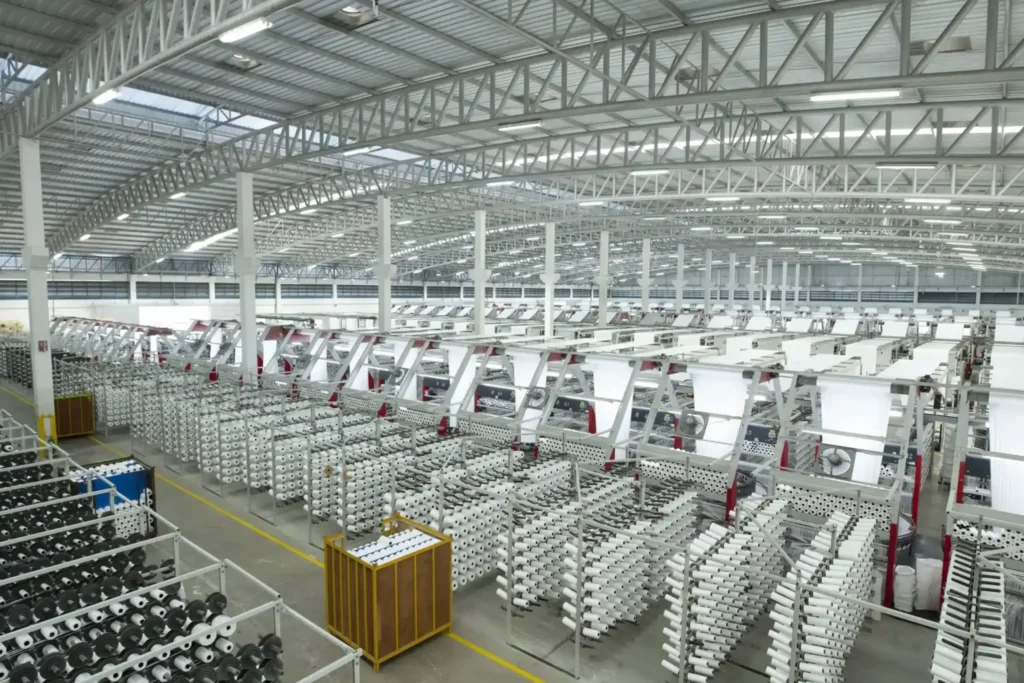
By using state-of-the-art equipment from globally recognized suppliers like Starlinger, VidePak is able to produce Polypropylene Bags that meet the highest quality standards. The company’s commitment to precision and consistency ensures that every bag is durable, functional, and fit for purpose.
Sustainable Manufacturing Practices
Recognizing the importance of sustainability, VidePak has implemented environmentally responsible practices across its manufacturing processes. The company prioritizes the use of recyclable materials, ensuring that its products have minimal environmental impact. VidePak’s commitment to sustainability extends to its product offerings, with a focus on providing eco-friendly solutions that help reduce plastic waste.
In addition to producing recyclable PP Bags, VidePak is actively exploring ways to incorporate biodegradable materials into its product line. By staying ahead of industry trends, the company is positioning itself as a leader in the transition to more sustainable packaging solutions.
Economic Benefits of PP Woven Bags
While the environmental benefits of PP Woven Bags are clear, their economic advantages are also significant. These bags offer cost savings for manufacturers and consumers alike due to their durability, reusability, and lightweight nature.
Cost-Effective Packaging Solution
One of the key reasons PP Woven Sacks are so widely used is their cost-effectiveness. The material itself is relatively inexpensive, and the manufacturing process is efficient. This makes Polypropylene Bags an affordable option for industries that require large quantities of packaging.
In addition, the durability of PP Woven Bags means they last longer and can be reused multiple times. This reduces the need for frequent replacement, saving money in the long run. For industries like agriculture and construction, where packaging is a significant cost factor, the ability to reuse bags can lead to substantial savings.
Conclusion
PP Woven Bags represent a practical and sustainable packaging solution for a wide range of industries. Their durability, reusability, and recyclability make them an eco-friendly option in a world that increasingly values sustainability. The future of PP Woven Sacks lies in the development of more efficient recycling systems and the exploration of biodegradable materials, ensuring that they continue to play a role in reducing the environmental impact of packaging.
VidePak, with its focus on quality and sustainability, is a leader in the production of Polypropylene Bags. The company’s commitment to innovation, along with its environmentally responsible practices, ensures that its products not only meet the needs of its customers but also contribute to a more sustainable future.